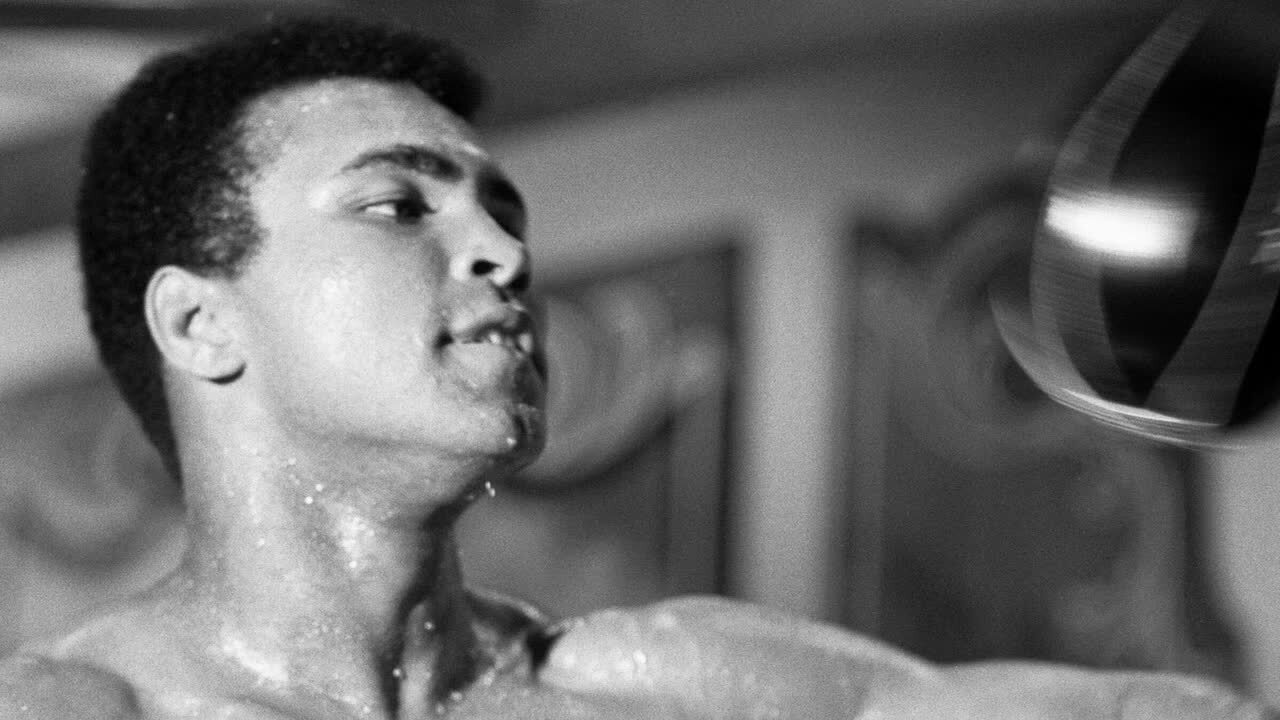
In Muhammad Ali's Comeback, sports journalist Clare Balding describes the first time Muhammad Ali lost a professional fight when he fought against Joe Frazier in 1971, and his subsequent comeback against George Foreman. This video is excerpted from BBC’s Icons: The Greatest Person of the 20th Century, a documentary series celebrating the achievements of the most influential figures of the era.
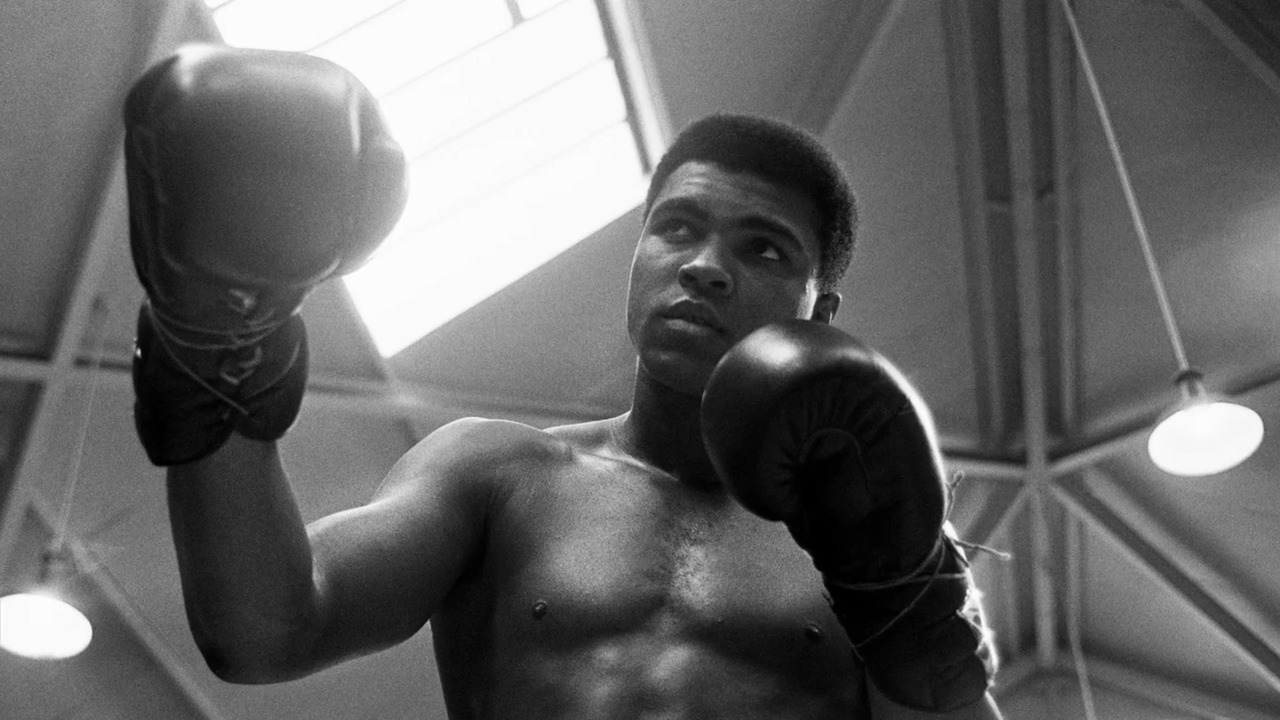
In Cassius Clay Becomes Muhammad Ali, sports journalist Clare Balding describes how, Muhammad Ali, as a Muslim, refused to fight in the war in Vietnam and how his defiance connected him to people all over the world. This video is excerpted from BBC’s Icons: The Greatest Person of the 20th Century, a documentary series celebrating the achievements of the most influential figures of the era.
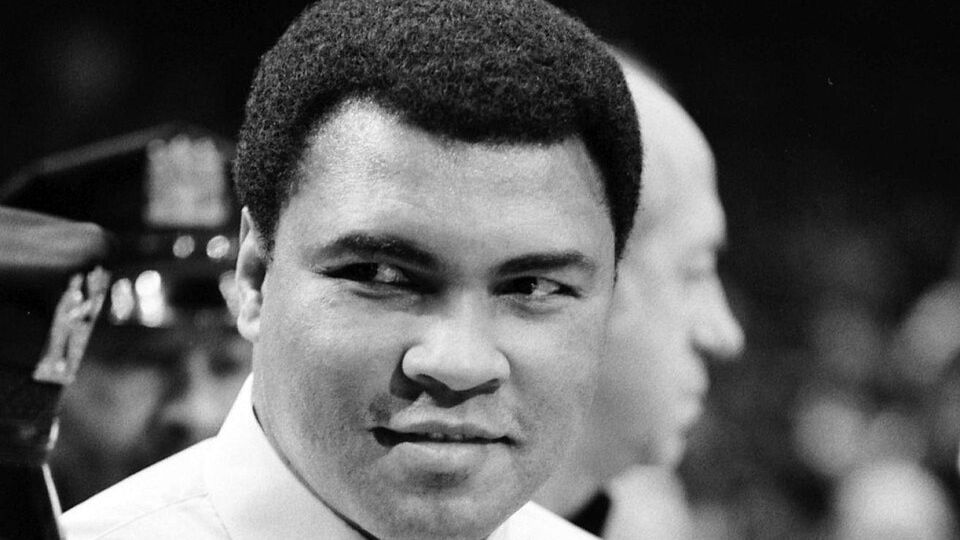
Muhammad Ali, from his rise as a boxing champion to his inspiring comeback and lasting global influence. Students will follow Ali’s journey through triumph, controversy, and perseverance as he fought to regain the heavyweight title and became one of the most recognized athletes in history.
This Kahoot! examines key moments in Ali’s story, including the court case that temporarily cost him his boxing license and championship, his dramatic return to the ring, and the determination that defined his later years after being diagnosed with Parkinson's disease. Students will build listening skills, vocabulary, and historical awareness while exploring how Ali’s courage, confidence, and resilience inspired millions around the world.
Watch the related BBC videos, Cassius Clay Becomes Muhammad Ali and Muhammad Ali's Comeback, then invite your Grade 6–12 students to test their knowledge and discover why Muhammad Ali remains a global symbol of strength, perseverance, and conviction.
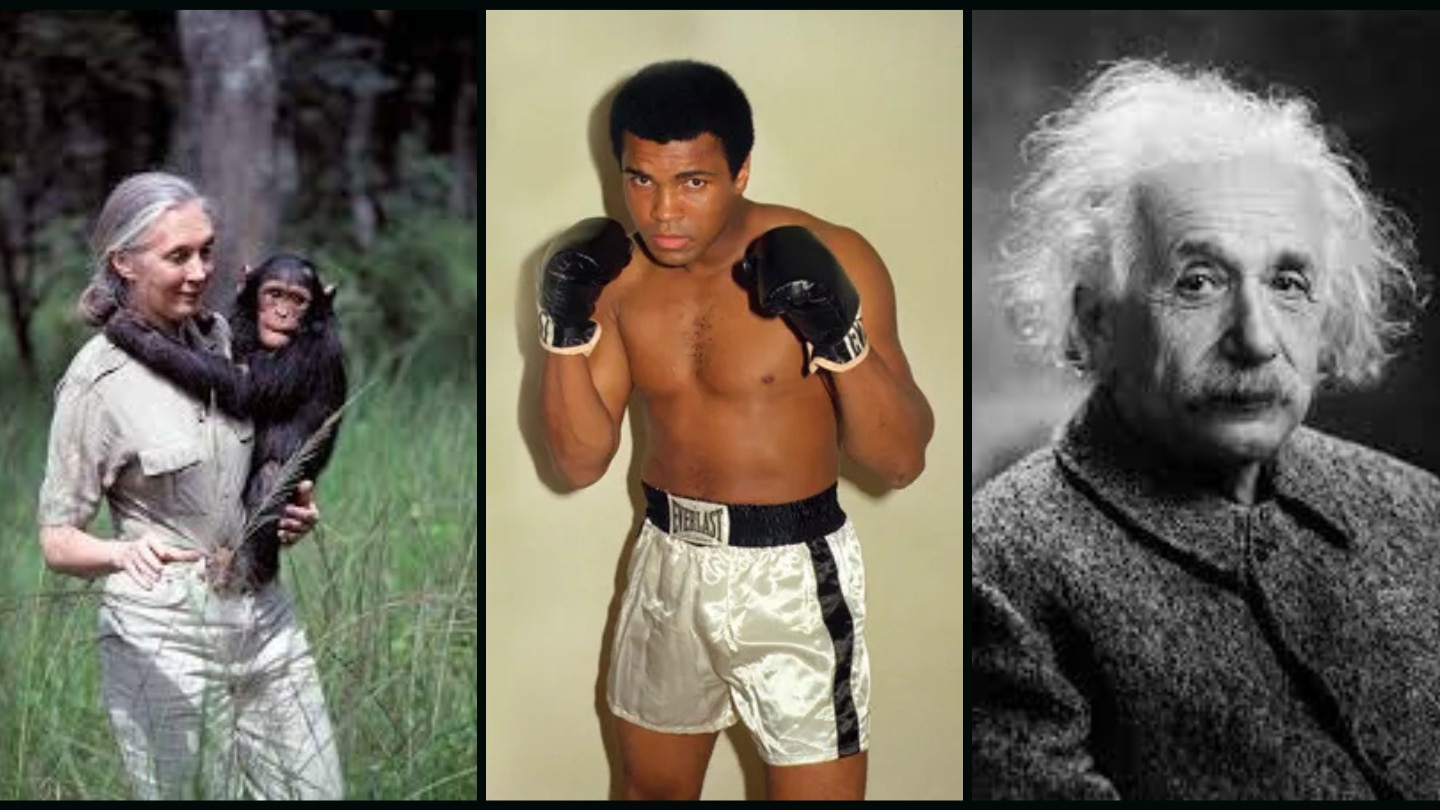
Drawn from the BBC series Icons: The Greatest Person of the 20th Century, this video playlist introduces influential figures from science, politics, civil rights, sports, art, music, exploration, and more. Meet Muhammad Ali, Helen Keller, Albert Einstein, Martin Luther King Jr., Jane Goodall, Pelé, and others whose work challenged conventions, broke barriers, or changed how people understood the world.
Explore the discoveries and ideas that transformed science, the movements that pushed societies toward change, and the creative achievements that reshaped art and culture. Along the way, consider the historical circumstances these figures lived through, the obstacles they faced, and the choices that shaped their public legacies.
What makes someone an icon? Is it achievement, influence, courage, originality — or something more complicated? These BBC videos invite viewers to look beyond famous names and consider how individuals can shape history, as well as how history shapes the way we remember them.
In Muhammad Ali's Comeback, sports journalist Clare Balding describes the first time Muhammad Ali lost a professional fight when he fought against Joe Frazier in 1971, and his subsequent comeback against George Foreman. This video is excerpted from BBC’s Icons: The Greatest Person of the 20th Century, a documentary series celebrating the achievements of the most influential figures of the era.
In Cassius Clay Becomes Muhammad Ali, sports journalist Clare Balding describes how, Muhammad Ali, as a Muslim, refused to fight in the war in Vietnam and how his defiance connected him to people all over the world. This video is excerpted from BBC’s Icons: The Greatest Person of the 20th Century, a documentary series celebrating the achievements of the most influential figures of the era.
Muhammad Ali, from his rise as a boxing champion to his inspiring comeback and lasting global influence. Students will follow Ali’s journey through triumph, controversy, and perseverance as he fought to regain the heavyweight title and became one of the most recognized athletes in history.
This Kahoot! examines key moments in Ali’s story, including the court case that temporarily cost him his boxing license and championship, his dramatic return to the ring, and the determination that defined his later years after being diagnosed with Parkinson's disease. Students will build listening skills, vocabulary, and historical awareness while exploring how Ali’s courage, confidence, and resilience inspired millions around the world.
Watch the related BBC videos, Cassius Clay Becomes Muhammad Ali and Muhammad Ali's Comeback, then invite your Grade 6–12 students to test their knowledge and discover why Muhammad Ali remains a global symbol of strength, perseverance, and conviction.
Drawn from the BBC series Icons: The Greatest Person of the 20th Century, this video playlist introduces influential figures from science, politics, civil rights, sports, art, music, exploration, and more. Meet Muhammad Ali, Helen Keller, Albert Einstein, Martin Luther King Jr., Jane Goodall, Pelé, and others whose work challenged conventions, broke barriers, or changed how people understood the world.
Explore the discoveries and ideas that transformed science, the movements that pushed societies toward change, and the creative achievements that reshaped art and culture. Along the way, consider the historical circumstances these figures lived through, the obstacles they faced, and the choices that shaped their public legacies.
What makes someone an icon? Is it achievement, influence, courage, originality — or something more complicated? These BBC videos invite viewers to look beyond famous names and consider how individuals can shape history, as well as how history shapes the way we remember them.