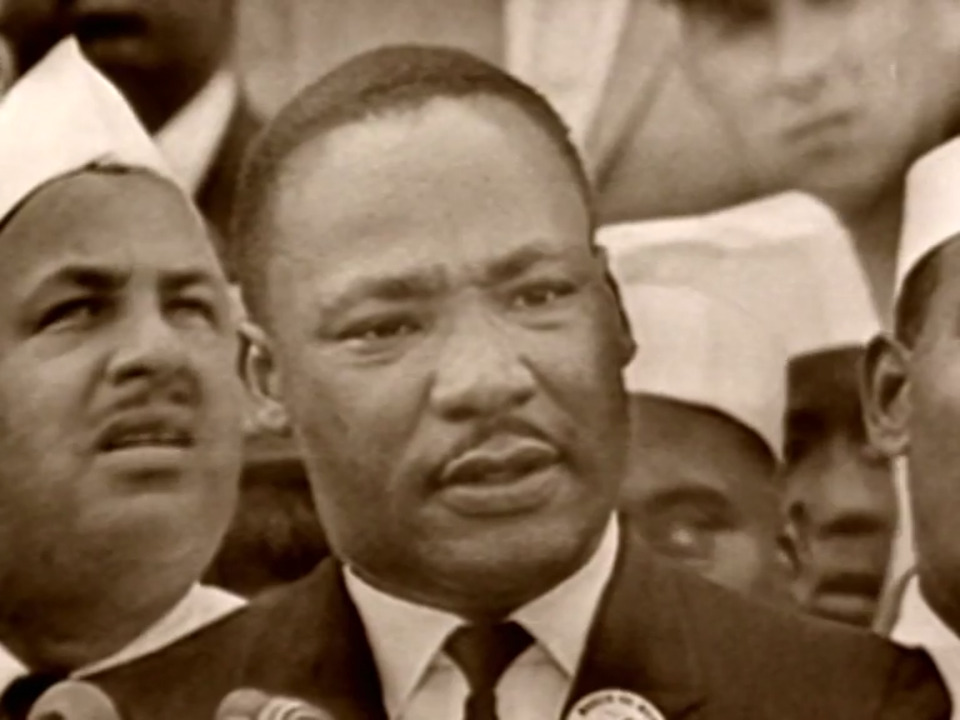
In Martin Luther King Jr. and the March on Washington, we learn about the historic 1963 March on Washington, when hundreds of thousands of people gathered in Washington, D.C. to demand civil rights and equality. At the center of the event is Dr. Martin Luther King Jr., who delivers the “I Have a Dream” speech — one of the most famous and important speeches in American history.
This video is a meaningful way to honor Martin Luther King Jr. Day or to help students understand the role of peaceful protest in a democracy. Excerpted from BBC’s Reputations: Martin Luther King – Days of Hope, it highlights Dr. King’s leadership, his commitment to nonviolent protest, and the lasting impact of the Civil Rights Movement.
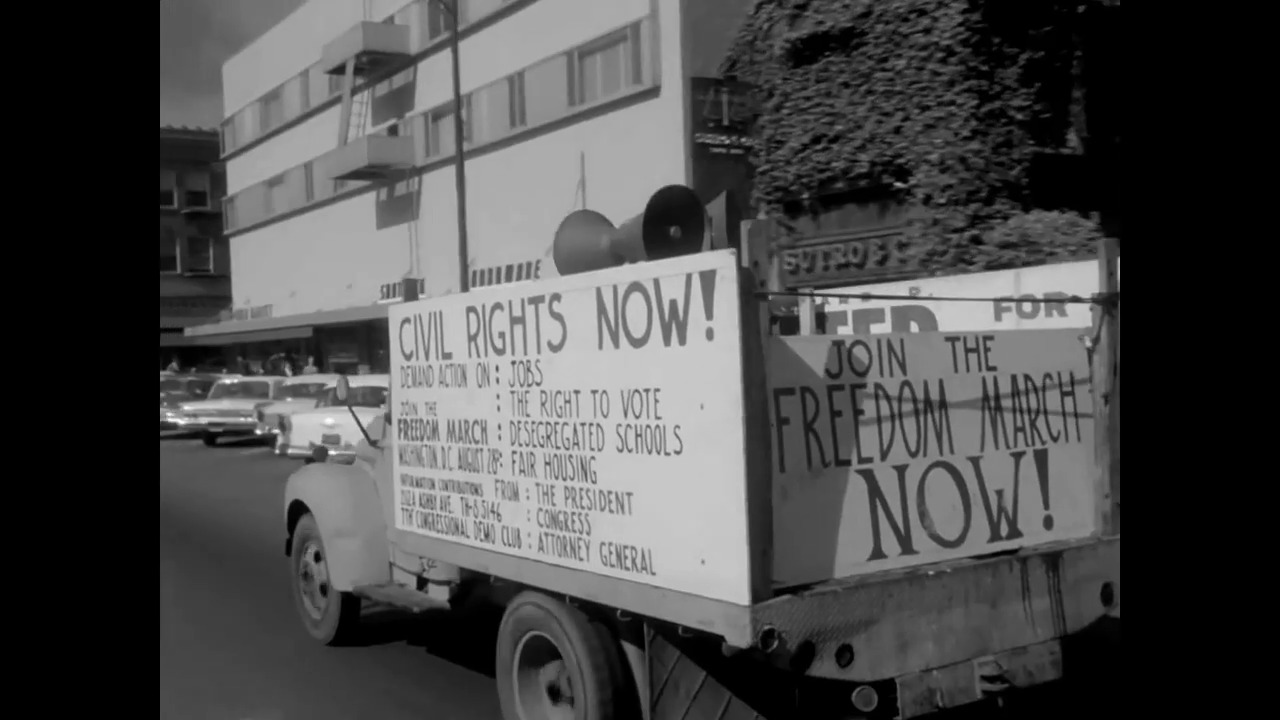
In Martin Luther King Jr.'s Conflicting Politics, historian Lucy Worsley learns that although Martin Luther King Jr. campaigned for Civil Rights, he didn't have the same beliefs of equality for men and women. Women were not allowed to speak at the March in Washington. This video is excerpted from BBC's American History's Biggest Fibs with Lucy Worsley, in which Worsley reveals the myths and manipulations behind American history.
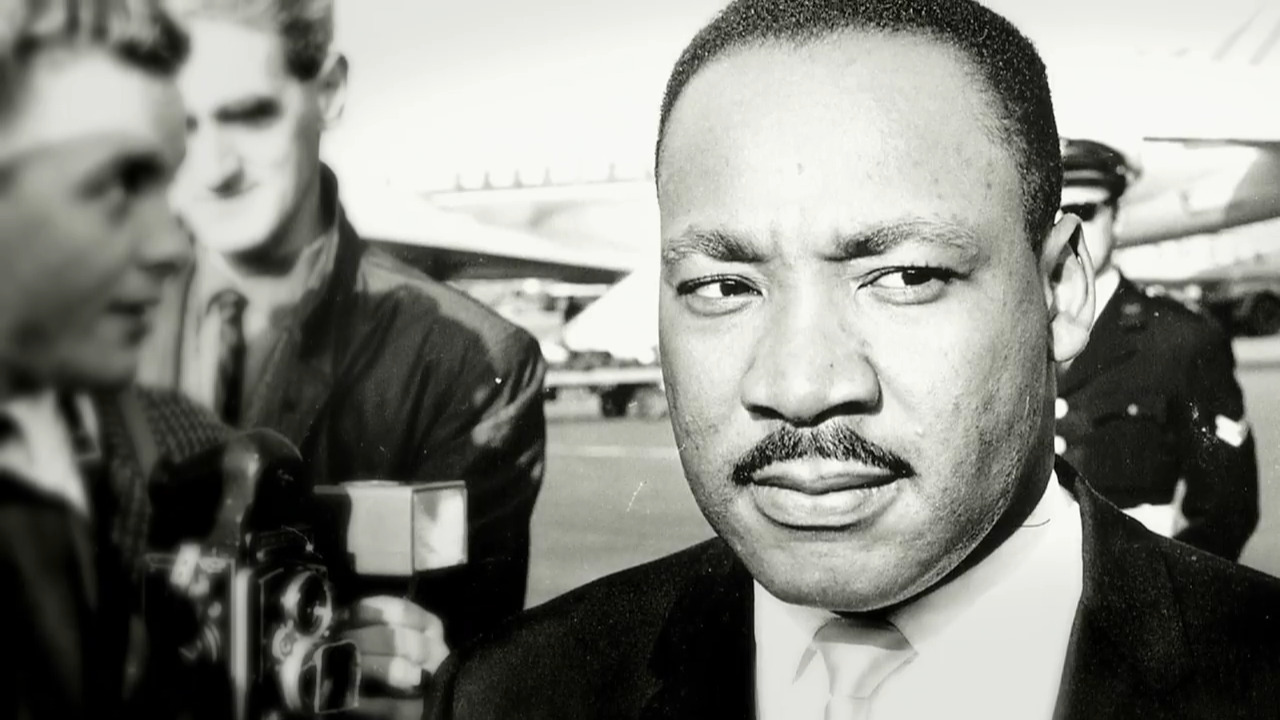
In Martin Luther King Jr. and Lincoln's Promissory Note, historian Lucy Worsley talks to Professor Marcia Chatelain about the march at the Lincoln Memorial in 1963. Martin Luther King Jr. said that America had not fulfilled Lincoln's promise to African Americans: the promissory note. This video is excerpted from BBC's American History's Biggest Fibs with Lucy Worsley, in which Worsley reveals the myths and manipulations behind American history.
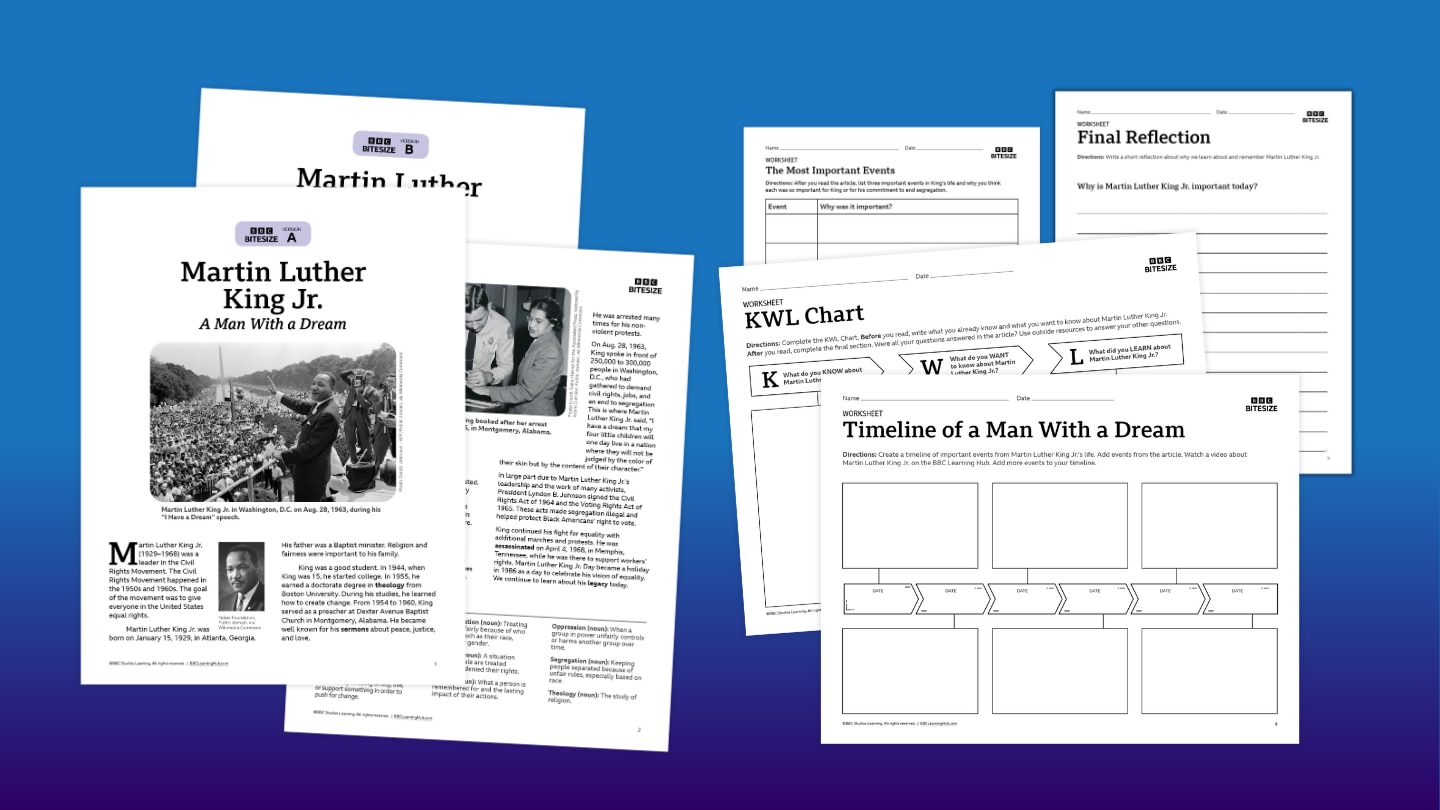
This set of Martin Luther King Jr. worksheets contains two versions, so you can use the version that's closest to the grade level you teach or use both based on the individual reading levels of the students in your class. Here's what you'll find:
- Reading Passage: "Martin Luther King Jr.: A Man With a Dream," covering that life and legacy of MLK.
- Version A: Grades 3-5, Lexile Level 700-900L
- Version B: Grades 6-8, Lexile Level 850-1000L
- Glossary: Grade-level appropriate vocabulary and definitions to help students better understand the passage.
- Worksheets: KWL, timeline, and reflection (Version A); important events chart, Venn diagram, "Iconic Influences" response (Version B).
These activities pair with the following videos:
Test Your Knowledge of the Civil Rights Movement
The Civil Rights Movement was a pivotal time in American history, when individuals and communities fought for equality, justice, and the basic rights of all people. From the oppressive Jim Crow laws to brave acts of resistance, this movement reshaped the nation.
This quiz will explore key events, influential leaders, and cultural milestones, including Emmett Till, Rosa Parks and the Montgomery bus boycott, the March on Washington, Bloody Sunday, the Voting Rights Act, Martin Luther King Jr., Charlotta Bass, Malcolm X, John Lewis, and Motown.
See how much you know about the struggle, the leaders, and the victories that helped create a more just society.
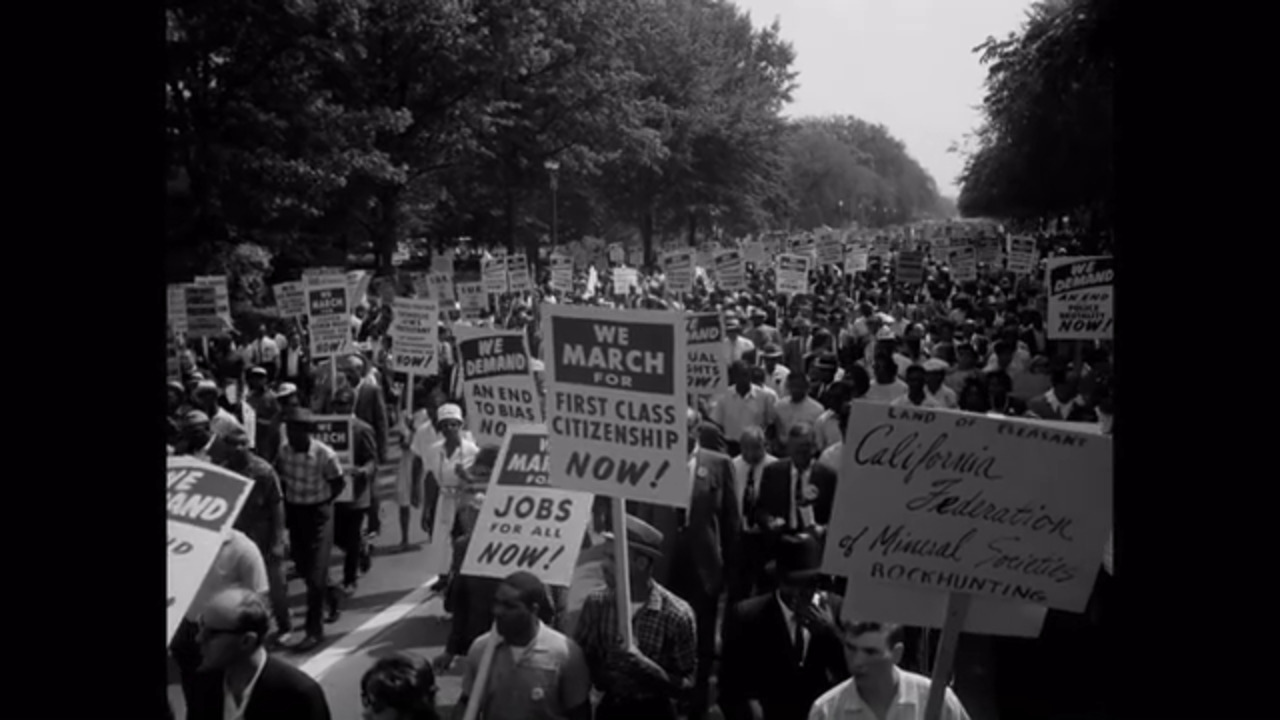
Martin Luther King Jr.’s Story in Song introduces students to Dr. Martin Luther King Jr. and the Civil Rights Movement through music, humor, and powerful historical images. Told as a song, the video shares key moments from Dr. King’s life and his leadership in the fight for equality in a way that is clear, memorable, and engaging for students.
Excerpted from BBC’s Horrible Histories — a multi-award-winning musical and sketch comedy series — this short video uses a familiar, student-friendly format to help make an important part of U.S. history easier to understand. The combination of lyrics, visuals, and real moments from the era helps students connect with the ideas of fairness, courage, and peaceful protest.
At just two and a half minutes, this video is ideal for classrooms. Use it as a quick introduction to Martin Luther King Jr., a lively entry point into the Civil Rights Movement, or a meaningful way to recognize Martin Luther King Jr. Day. It works well as a lesson opener, a review tool, or a discussion starter about how people have worked together to create change in a democracy.
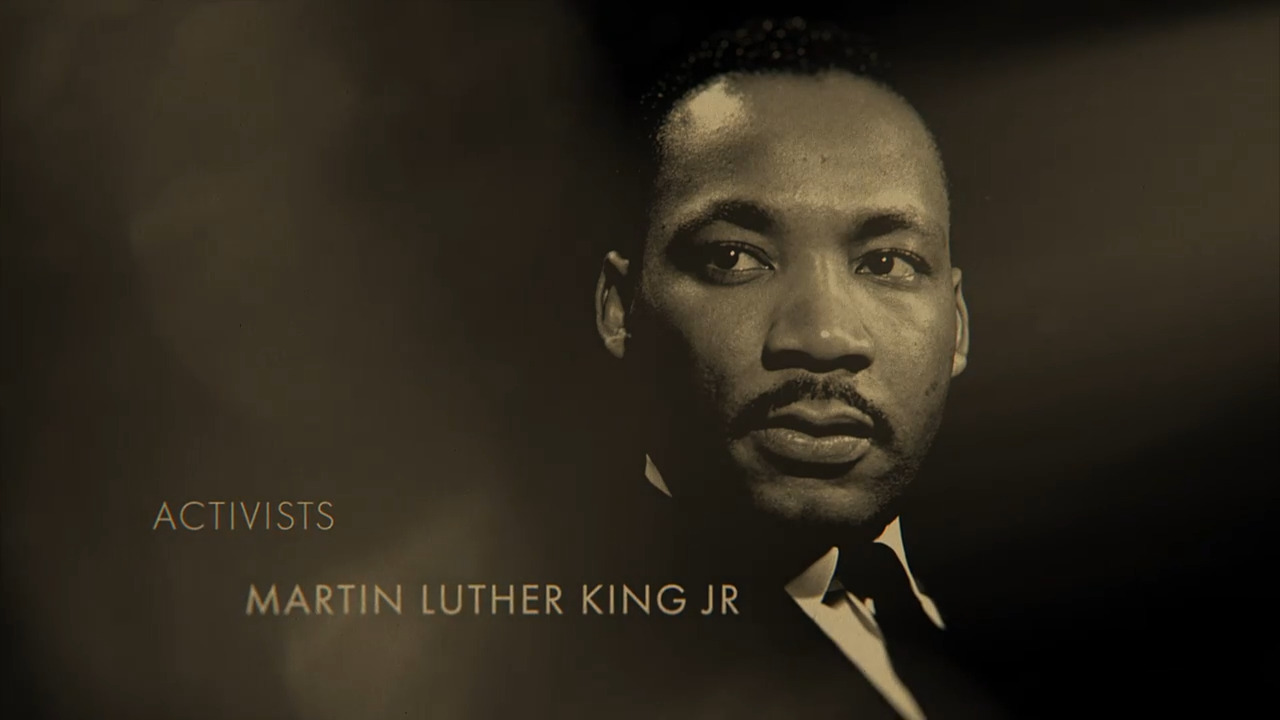
In Martin Luther King Jr.: Civil Rights Icon, students learn how the Civil Rights Movement found its leader in Dr. Martin Luther King Jr., an activist, preacher, and powerful speaker who believed in achieving change through non-violent action. The video explains why Dr. King emerged as a central figure during a time when millions of Americans were fighting for equal rights and justice.
Excerpted from BBC’s Icons: The Greatest Person of the 20th Century, this documentary clip helps students understand what made Dr. King an icon — not just for his words, but for his leadership, courage, and lasting influence. Using historical footage and clear storytelling, it introduces key ideas of the Civil Rights Movement in a way that is accessible and engaging.
This short video works well as an introduction to Martin Luther King Jr., a foundation for learning about the Civil Rights Movement, or a discussion starter about leadership, activism, and democracy. Teachers can easily use it to support lessons around Martin Luther King Jr. Day, civic responsibility, and the power of individuals to inspire change.

The article "5 Key Events That Changed the U.S. Civil Rights Movement" from BBC's HistoryExtra explores five defining moments that shaped the fight for racial equality in America.

The article "Martin Luther King’s Dream: The Speech That Changed America" from BBC's HistoryExtra explores the origins, message, and legacy of the iconic “I Have a Dream” speech. Delivered during the 1963 March on Washington, King’s words captured the hopes of the civil rights movement. The article examines the speech’s impact, historical setting, rhetorical power, and enduring relevance today.
In Martin Luther King Jr. and the March on Washington, we learn about the historic 1963 March on Washington, when hundreds of thousands of people gathered in Washington, D.C. to demand civil rights and equality. At the center of the event is Dr. Martin Luther King Jr., who delivers the “I Have a Dream” speech — one of the most famous and important speeches in American history.
This video is a meaningful way to honor Martin Luther King Jr. Day or to help students understand the role of peaceful protest in a democracy. Excerpted from BBC’s Reputations: Martin Luther King – Days of Hope, it highlights Dr. King’s leadership, his commitment to nonviolent protest, and the lasting impact of the Civil Rights Movement.
In Martin Luther King Jr.'s Conflicting Politics, historian Lucy Worsley learns that although Martin Luther King Jr. campaigned for Civil Rights, he didn't have the same beliefs of equality for men and women. Women were not allowed to speak at the March in Washington. This video is excerpted from BBC's American History's Biggest Fibs with Lucy Worsley, in which Worsley reveals the myths and manipulations behind American history.
In Martin Luther King Jr. and Lincoln's Promissory Note, historian Lucy Worsley talks to Professor Marcia Chatelain about the march at the Lincoln Memorial in 1963. Martin Luther King Jr. said that America had not fulfilled Lincoln's promise to African Americans: the promissory note. This video is excerpted from BBC's American History's Biggest Fibs with Lucy Worsley, in which Worsley reveals the myths and manipulations behind American history.
This set of Martin Luther King Jr. worksheets contains two versions, so you can use the version that's closest to the grade level you teach or use both based on the individual reading levels of the students in your class. Here's what you'll find:
- Reading Passage: "Martin Luther King Jr.: A Man With a Dream," covering that life and legacy of MLK.
- Version A: Grades 3-5, Lexile Level 700-900L
- Version B: Grades 6-8, Lexile Level 850-1000L
- Glossary: Grade-level appropriate vocabulary and definitions to help students better understand the passage.
- Worksheets: KWL, timeline, and reflection (Version A); important events chart, Venn diagram, "Iconic Influences" response (Version B).
These activities pair with the following videos:
Test Your Knowledge of the Civil Rights Movement
The Civil Rights Movement was a pivotal time in American history, when individuals and communities fought for equality, justice, and the basic rights of all people. From the oppressive Jim Crow laws to brave acts of resistance, this movement reshaped the nation.
This quiz will explore key events, influential leaders, and cultural milestones, including Emmett Till, Rosa Parks and the Montgomery bus boycott, the March on Washington, Bloody Sunday, the Voting Rights Act, Martin Luther King Jr., Charlotta Bass, Malcolm X, John Lewis, and Motown.
See how much you know about the struggle, the leaders, and the victories that helped create a more just society.
Martin Luther King Jr.’s Story in Song introduces students to Dr. Martin Luther King Jr. and the Civil Rights Movement through music, humor, and powerful historical images. Told as a song, the video shares key moments from Dr. King’s life and his leadership in the fight for equality in a way that is clear, memorable, and engaging for students.
Excerpted from BBC’s Horrible Histories — a multi-award-winning musical and sketch comedy series — this short video uses a familiar, student-friendly format to help make an important part of U.S. history easier to understand. The combination of lyrics, visuals, and real moments from the era helps students connect with the ideas of fairness, courage, and peaceful protest.
At just two and a half minutes, this video is ideal for classrooms. Use it as a quick introduction to Martin Luther King Jr., a lively entry point into the Civil Rights Movement, or a meaningful way to recognize Martin Luther King Jr. Day. It works well as a lesson opener, a review tool, or a discussion starter about how people have worked together to create change in a democracy.
In Martin Luther King Jr.: Civil Rights Icon, students learn how the Civil Rights Movement found its leader in Dr. Martin Luther King Jr., an activist, preacher, and powerful speaker who believed in achieving change through non-violent action. The video explains why Dr. King emerged as a central figure during a time when millions of Americans were fighting for equal rights and justice.
Excerpted from BBC’s Icons: The Greatest Person of the 20th Century, this documentary clip helps students understand what made Dr. King an icon — not just for his words, but for his leadership, courage, and lasting influence. Using historical footage and clear storytelling, it introduces key ideas of the Civil Rights Movement in a way that is accessible and engaging.
This short video works well as an introduction to Martin Luther King Jr., a foundation for learning about the Civil Rights Movement, or a discussion starter about leadership, activism, and democracy. Teachers can easily use it to support lessons around Martin Luther King Jr. Day, civic responsibility, and the power of individuals to inspire change.
The article "5 Key Events That Changed the U.S. Civil Rights Movement" from BBC's HistoryExtra explores five defining moments that shaped the fight for racial equality in America.
The article "Martin Luther King’s Dream: The Speech That Changed America" from BBC's HistoryExtra explores the origins, message, and legacy of the iconic “I Have a Dream” speech. Delivered during the 1963 March on Washington, King’s words captured the hopes of the civil rights movement. The article examines the speech’s impact, historical setting, rhetorical power, and enduring relevance today.