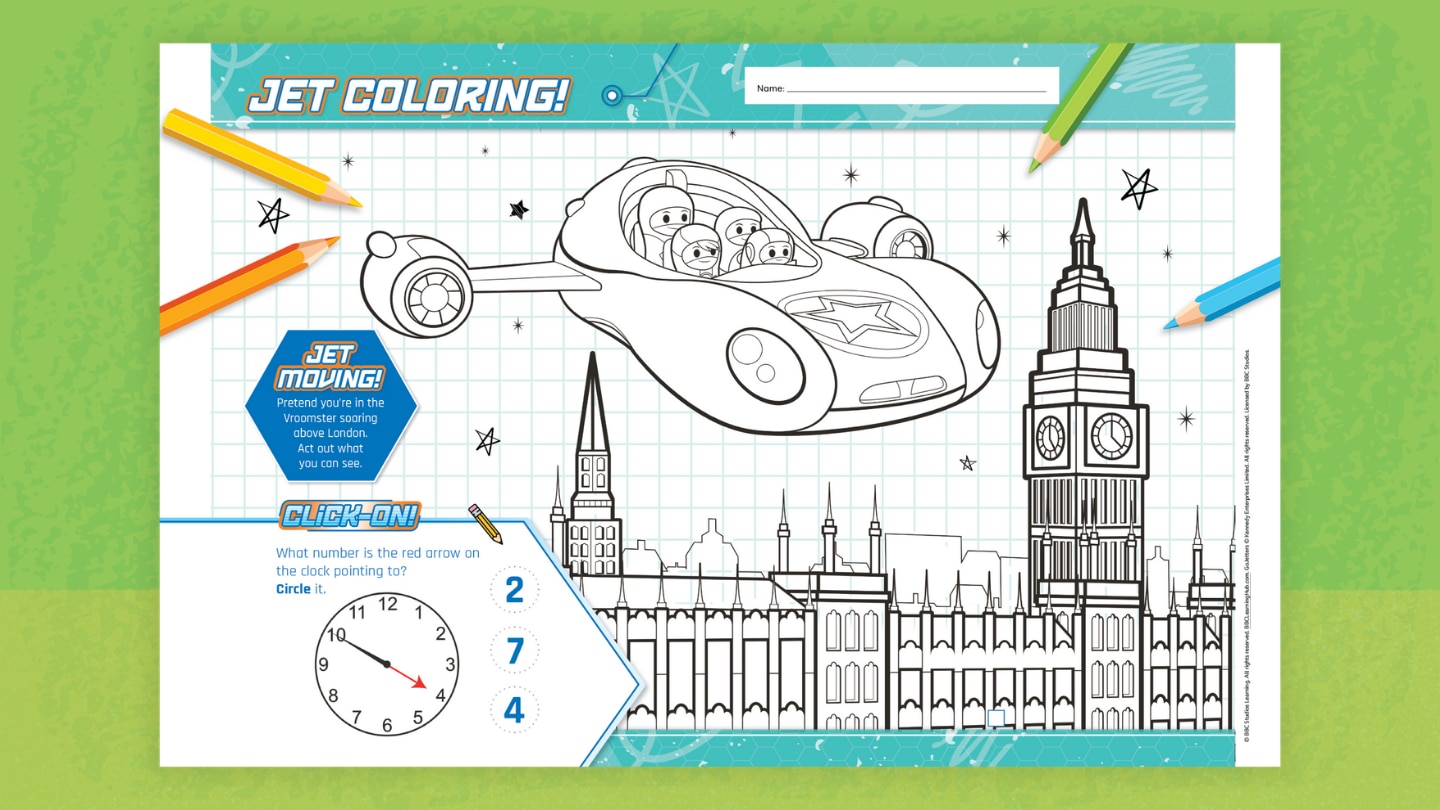
Flying over London in a jet? What a view! Can you figure out what time Big Ben is showing? Pretend you’re in the Vroomster soaring above London. Act out what you can see.

In The Go Jetters' Tower Bridge Rescue, the Go Jetters crew is in London when the Tower Bridge breaks! Grandmaster Glitch is up to no good! The Go Jetters work together to get the bridge working again. Ubercorn shares funky facts about the Tower Bridge. This video is excerpted from BBC’s Go Jetters, a series that follows the adventures of four international heroes as they travel the globe visiting landmarks and solving environmental problems with Ubercorn, a disco-dancing unicorn.

In The Go Jetters Visit London's Big Ben, the Go Jetters crew visits London’s House of Parliament, home to Elizabeth Tower and Big Ben. Learn how the huge bell is struck on the hour to keep time for the city of London. This video is excerpted from BBC's Go Jetters, a series that follows the adventures of four plucky international heroes as they travel the globe visiting the world’s most famous landmarks with their friend and mentor, Ubercorn, a disco-dancing unicorn.
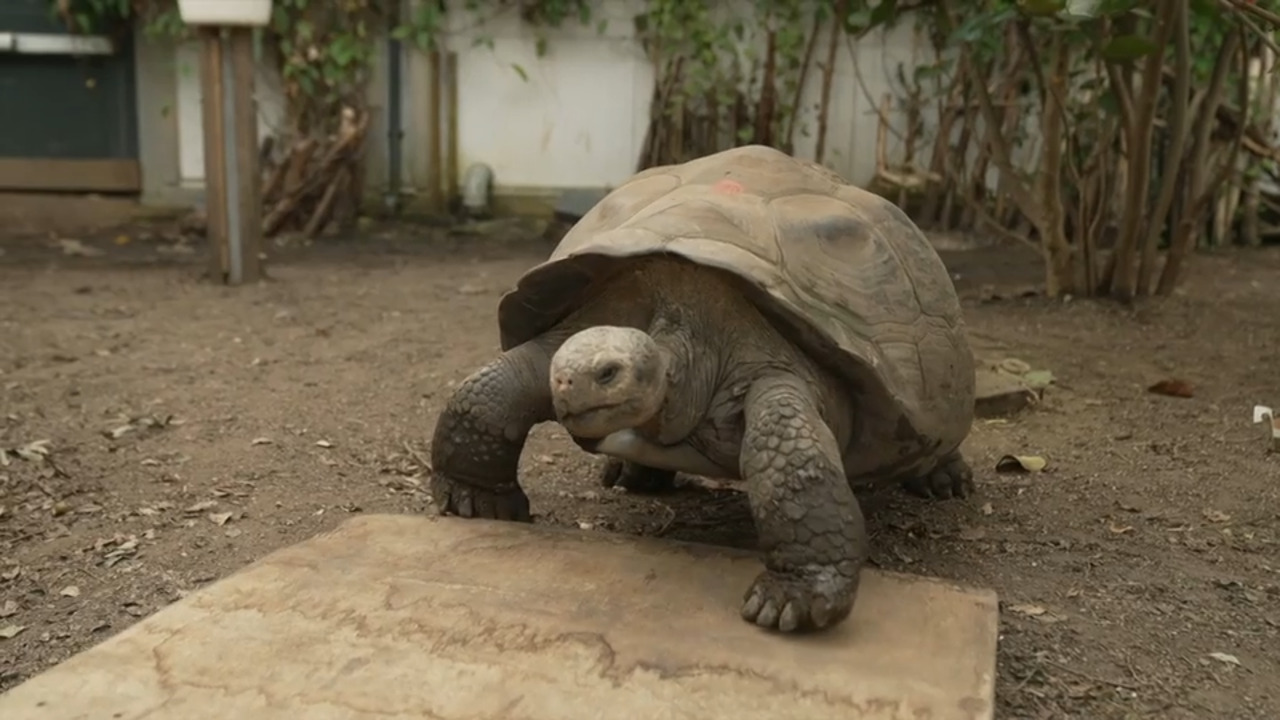
What happens when a zoo animal gets sick? For most of the history of zoos, that question had an answer most visitors never saw. Now, one of the world's oldest zoological societies is building a facility designed to change that — and what they're planning goes well beyond routine checkups.
The Zoological Society of London is constructing a new wildlife health center that will allow visitors to observe animals receiving medical care firsthand. Some of what they'll see will be routine — weight checks, dental exams, the kind of maintenance that keeps zoo populations healthy. But onlookers may also get a window into surgical procedures, and in some cases, postmortems. It's an unusually transparent approach for an institution that has traditionally kept its medical operations behind closed doors.
Not everyone is convinced. Critics argue the center is more about capitalizing on public curiosity than genuinely benefiting the animals in its care — that making medicine into a spectator sport serves the zoo's revenue more than its residents.
ZSL pushes back on that framing. The center is designed to be more than an exhibit. It's intended to function as a global training resource for wildlife vets, a hub where expertise in animal medicine can be developed and shared across institutions worldwide. The argument is that visibility and conservation aren't in conflict — that showing people what it actually takes to keep wild animals healthy is exactly the kind of thing that builds the public understanding zoos increasingly depend on to justify their existence.
The deeper question the center raises isn't really about one zoo or one building. It's about what zoos are actually for — and whether letting people watch is a compromise of that mission or an extension of it.
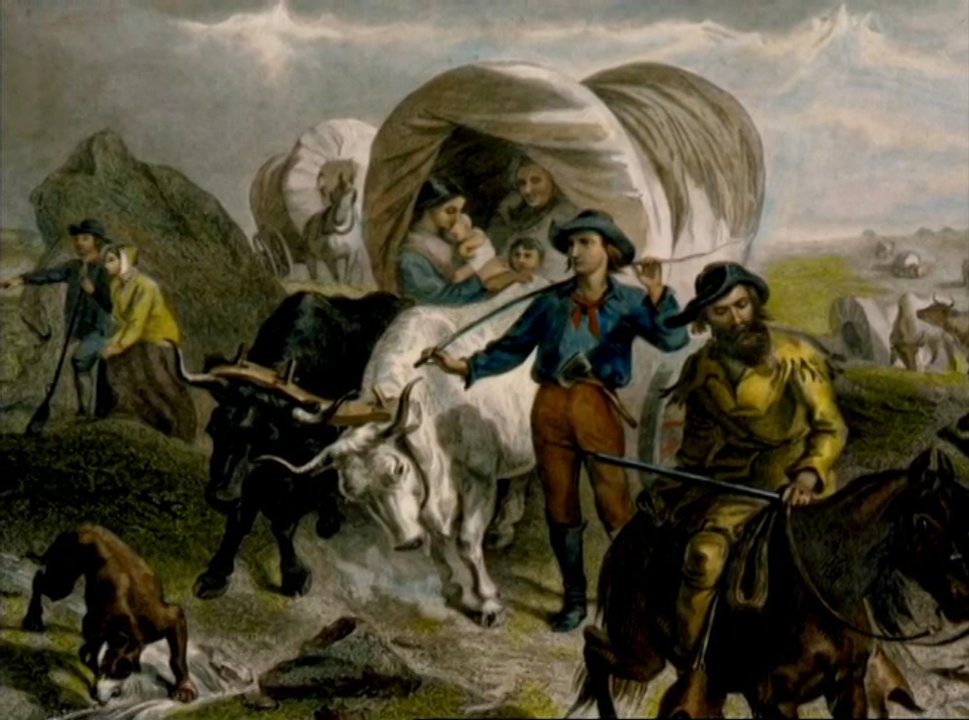
In 1821, trader William Becknell led a party from Missouri to Santa Fe, New Mexico, opening a route that became known as the Santa Fe Trail. Connecting the United States and newly independent Mexico, the trail developed into a major commercial highway, carrying goods across more than 900 miles and helping transform regional economies. Trade grew dramatically, connecting communities in the Southwest with markets as far away as New York, London, and Paris.
The Santa Fe Trail also played a strategic role during the Civil War, when Confederate forces attempted to gain control of New Mexico and its resources. Union troops defeated Confederate forces at the Battle of Glorieta Pass in 1862, protecting an important supply route through the Southwest. By 1880, expanding railroads had largely replaced the trail, but its legacy remained in the economic, cultural, and territorial development of the American West.
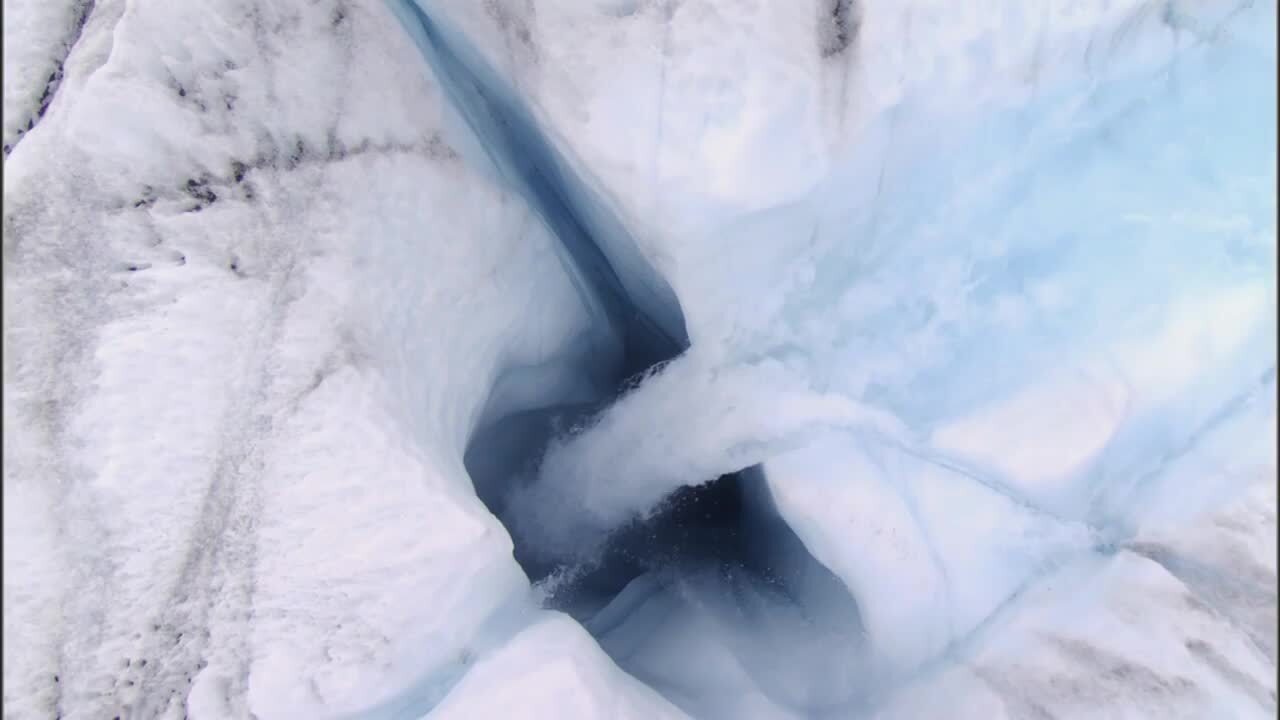
In Can We Stop the Glacier Melt?, geologist Iain Stewart explains the crucial role ice plays in our planet’s climate and how it’s being affected by global warming. Scientists are studying Greenland's massive Jakobshavn Glacier to understand how the ice is melting and the impact that has on rising sea levels. Over just the last few decades, the glacier has retreated significantly, and if Greenland's ice melts completely, it could raise sea levels by 23 feet (7 meters), threatening places like London and Florida. This video is excerpted from BBC’s Earth: The Power of the Planet, a documentary series in which Dr. Iain Stewart discovers how Earth's forces can shape nature, species, and even the climate.

In Tanni Grey-Thompson, a Voice for Disability, sports journalist Clare Balding explores how Tanni Grey-Thompson not only fought for equality in sports for people with disabilities but also in everyday life. She talks to Grey-Thompson about her achievements and goals. This video is excerpted from BBC’s Icons: The Greatest Person of the 20th Century, a documentary series celebrating the achievements of the most influential figures of the era.

In The Go Jetters Play at Wimbledon, the Go Jetters crew is in London at the Wimbledon tennis court. Ubercorn shares funky facts about Wimbledon including what makes the stadium unique and why it has a guard hawk. This video is excerpted from BBC’s Go Jetters, a series that follows the adventures of four international heroes as they travel the globe visiting landmarks and solving environmental problems with Ubercorn, a disco-dancing
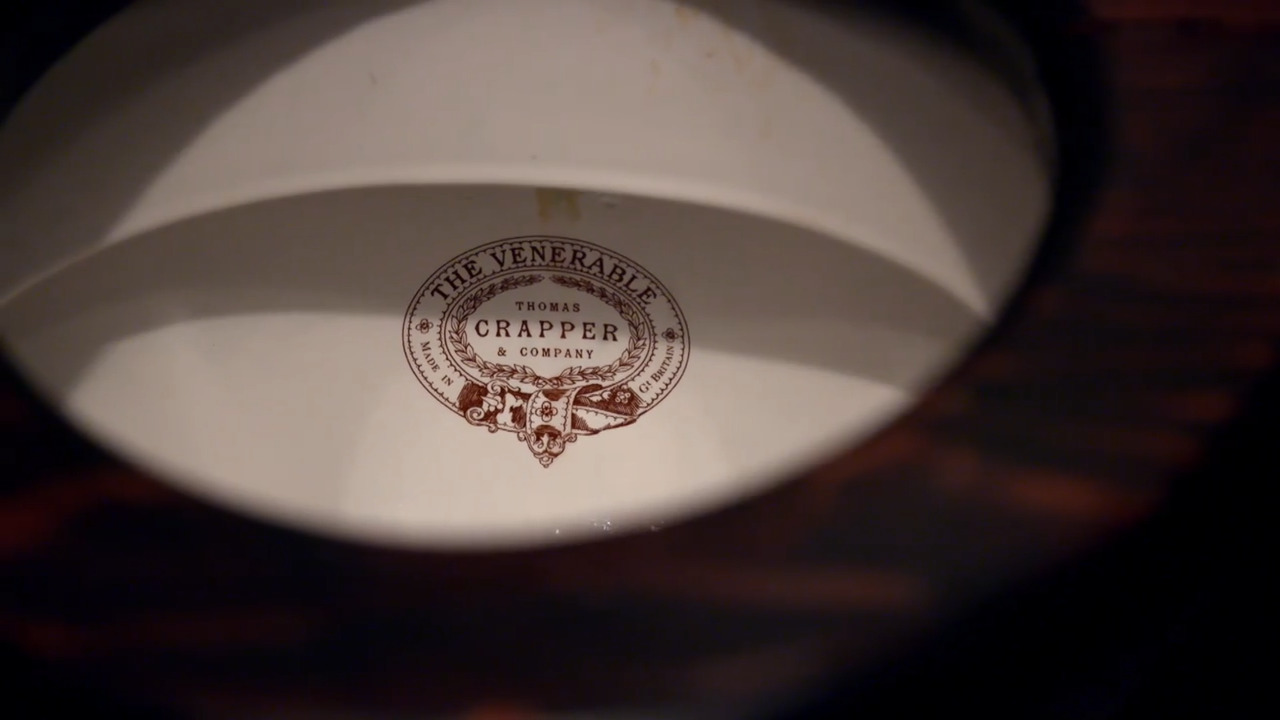
In The History of Toilets, presenter Ruth Goodman is at Westminster in London to learn how the toilet was invented. Learn what the development of the toilet has to do with Queen Elizabeth, the Thames River, Thomas Crapper, and public health. This video is excerpted from BBC’s Inside the Factory, a series that takes viewers behind the scenes in the factories that make our favorite products.
Not many babies can say they had surgery before they were born. Then again, not many babies can say much of anything. But Theo, a baby from London, England, is healthy and thriving after doctors operated on him while he was still inside his mother’s womb.
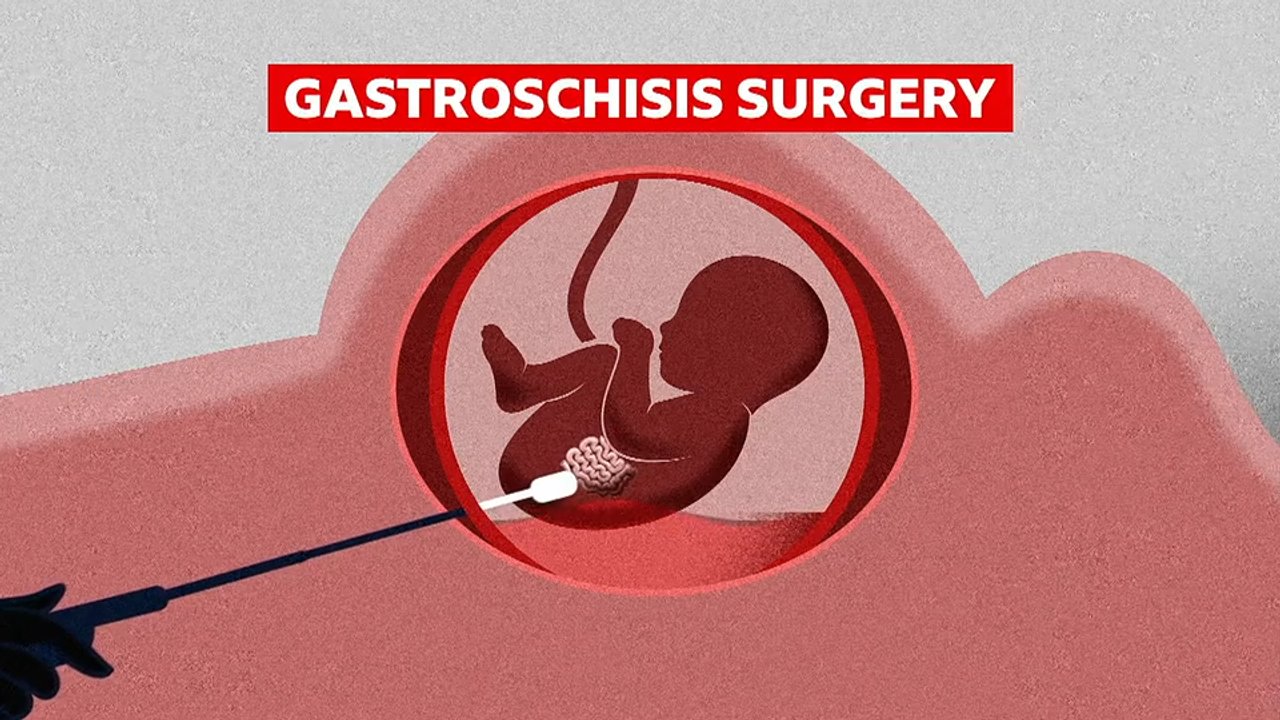
During a routine scan, doctors discovered Theo had a condition called gastroschisis. That means his intestines were developing outside his body, through an opening in his belly. Babies with gastroschisis usually have surgery after they’re born. But Theo’s family got the chance to join a clinical trial in Texas that would fix the problem before birth.
It took two trips. First, doctors in Belgium injected Botox, a medicine that relaxes muscles, into the muscles of Theo’s belly. Then the family traveled to Houston, Texas. There, surgeons partially exposed the womb and gently moved Theo’s intestines back inside his body using keyhole surgery. That’s a technique where doctors operate through very small cuts using a tiny camera and special tools. Compared with open surgery, it can mean less pain, a lower risk of infection and a faster recovery.
The operation was a success. About three months later, Theo was born healthy. He avoided the multiple surgeries and long hospital stay he might otherwise have faced.
Theo is only the third baby in the world to have this surgery, and it’s still experimental. Doctors hope it will one day be available in more places, including the UK, and help many more babies like Theo.
It's not often you see people really excited about seaweed (unless it's wrapped around all-you-can-eat sushi), but a tiny seaweed growing off the coast of Cornwall — a rugged coastal region in southwest England — has got scientists buzzing.
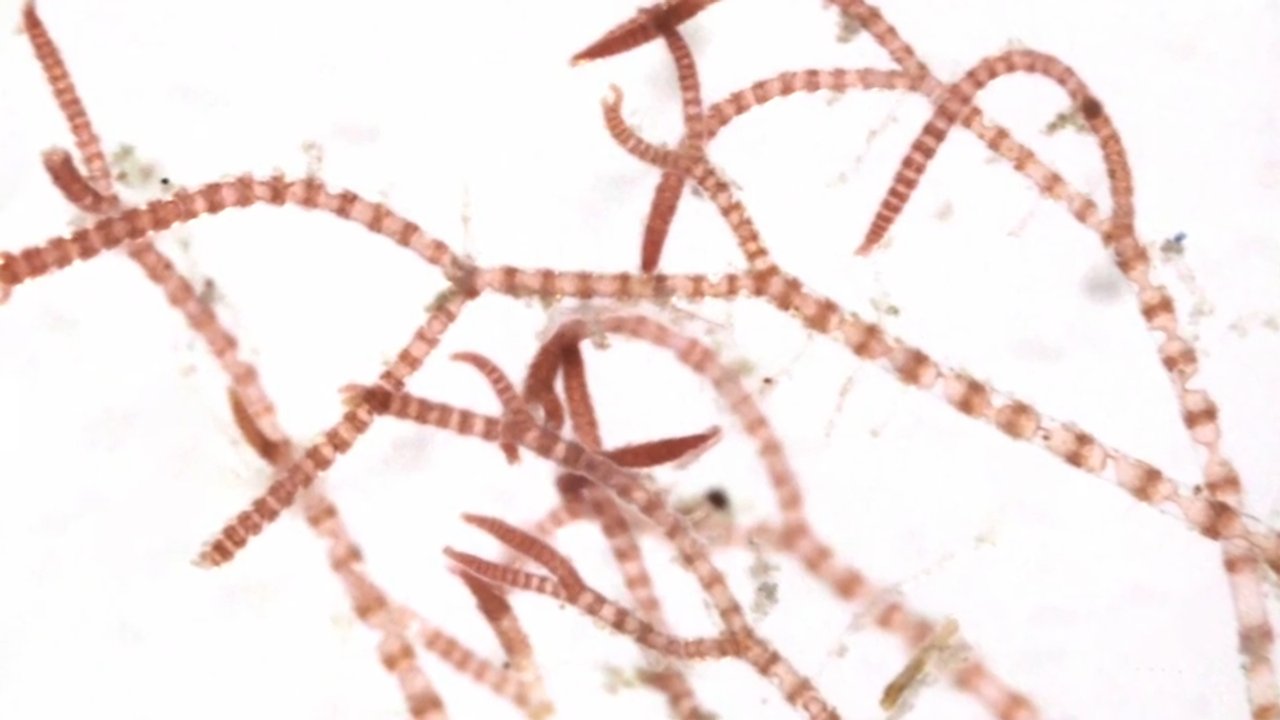
Divers found a new type of seaweed growing on a larger, coral-like seaweed called maerl. Well, it's not really "new" in the sense of just appearing — Professor Christine Maggs had been using it to try to solve a scientific puzzle for about 40 years. Four decades! It took so long because the seaweed was so small that it was difficult to collect a large enough sample to gather molecular data and sequence its DNA, which was necessary to confirm exactly what it was.
Once the DNA work was finally complete, the seaweed was accepted into the collection at London's Natural History Museum — one of the world's leading scientific institutions, similar in scale to the Smithsonian in the U.S. — and officially recognized in scientific literature as an entirely new species. Professor Maggs probably took a long overdue celebratory nap.
But the discovery is about more than naming one tiny organism. Researchers say maerl beds support a lot of biodiversity, and seaweeds can provide nursery habitats for economically important fish. That means protecting these underwater ecosystems could also help protect the other species that depend on them. The best kind of two-for-one deal.
Lots of people find seashells on the beach. Far fewer find a rare sea turtle. But that’s what a dog named Meg did on a walk along a beach in Wales, part of the United Kingdom, in December 2023.
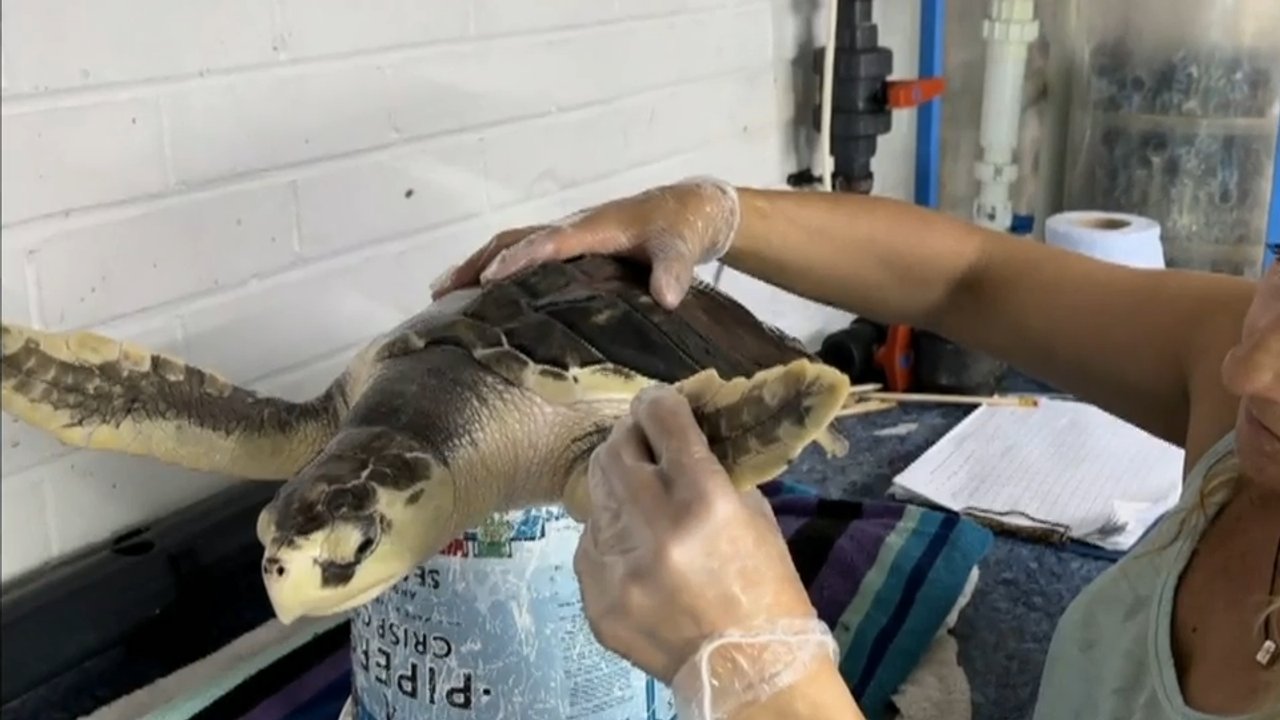
The turtle was a Kemp’s ridley, and he was about 5,000 miles from home. Kemp’s ridleys live in the Gulf of Mexico, but ocean currents and strong winds likely carried this one across the Atlantic into much colder water. By the time he washed ashore, he was severely cold-stunned. That happens to cold-blooded sea animals, most often sea turtles, when the water temperature drops quickly, usually below 50°F. That might not sound freezing, but a typical swimming pool is around 80°F. Remember how cold that feels when you first jump in.
A cold-stunned turtle becomes weak, stiff, and unable to swim properly, so he was lucky to be found. Staff at Anglesey Sea Zoo named him Rhossi, after Rhosneigr, the beach where he was found. They warmed him up very slowly, by only about one degree a day, because warming too fast can be dangerous. He spent nearly two years recovering.
This summer, Rhossi finally went home. He flew by helicopter from Anglesey, an island off the coast of Wales, to London. From there, he took a cargo flight to Houston, Texas, to prepare for his release into the Gulf.
The rescue matters for more than just Rhossi. Kemp’s ridleys are the smallest sea turtles and among the most endangered. They lay their eggs on only a few beaches in Mexico and Texas, and only about 7,000 to 9,000 nesting females are left in the world. Every single turtle counts.
Flying over London in a jet? What a view! Can you figure out what time Big Ben is showing? Pretend you’re in the Vroomster soaring above London. Act out what you can see.
In The Go Jetters' Tower Bridge Rescue, the Go Jetters crew is in London when the Tower Bridge breaks! Grandmaster Glitch is up to no good! The Go Jetters work together to get the bridge working again. Ubercorn shares funky facts about the Tower Bridge. This video is excerpted from BBC’s Go Jetters, a series that follows the adventures of four international heroes as they travel the globe visiting landmarks and solving environmental problems with Ubercorn, a disco-dancing unicorn.
In The Go Jetters Visit London's Big Ben, the Go Jetters crew visits London’s House of Parliament, home to Elizabeth Tower and Big Ben. Learn how the huge bell is struck on the hour to keep time for the city of London. This video is excerpted from BBC's Go Jetters, a series that follows the adventures of four plucky international heroes as they travel the globe visiting the world’s most famous landmarks with their friend and mentor, Ubercorn, a disco-dancing unicorn.
What happens when a zoo animal gets sick? For most of the history of zoos, that question had an answer most visitors never saw. Now, one of the world's oldest zoological societies is building a facility designed to change that — and what they're planning goes well beyond routine checkups.
The Zoological Society of London is constructing a new wildlife health center that will allow visitors to observe animals receiving medical care firsthand. Some of what they'll see will be routine — weight checks, dental exams, the kind of maintenance that keeps zoo populations healthy. But onlookers may also get a window into surgical procedures, and in some cases, postmortems. It's an unusually transparent approach for an institution that has traditionally kept its medical operations behind closed doors.
Not everyone is convinced. Critics argue the center is more about capitalizing on public curiosity than genuinely benefiting the animals in its care — that making medicine into a spectator sport serves the zoo's revenue more than its residents.
ZSL pushes back on that framing. The center is designed to be more than an exhibit. It's intended to function as a global training resource for wildlife vets, a hub where expertise in animal medicine can be developed and shared across institutions worldwide. The argument is that visibility and conservation aren't in conflict — that showing people what it actually takes to keep wild animals healthy is exactly the kind of thing that builds the public understanding zoos increasingly depend on to justify their existence.
The deeper question the center raises isn't really about one zoo or one building. It's about what zoos are actually for — and whether letting people watch is a compromise of that mission or an extension of it.
In 1821, trader William Becknell led a party from Missouri to Santa Fe, New Mexico, opening a route that became known as the Santa Fe Trail. Connecting the United States and newly independent Mexico, the trail developed into a major commercial highway, carrying goods across more than 900 miles and helping transform regional economies. Trade grew dramatically, connecting communities in the Southwest with markets as far away as New York, London, and Paris.
The Santa Fe Trail also played a strategic role during the Civil War, when Confederate forces attempted to gain control of New Mexico and its resources. Union troops defeated Confederate forces at the Battle of Glorieta Pass in 1862, protecting an important supply route through the Southwest. By 1880, expanding railroads had largely replaced the trail, but its legacy remained in the economic, cultural, and territorial development of the American West.
In Can We Stop the Glacier Melt?, geologist Iain Stewart explains the crucial role ice plays in our planet’s climate and how it’s being affected by global warming. Scientists are studying Greenland's massive Jakobshavn Glacier to understand how the ice is melting and the impact that has on rising sea levels. Over just the last few decades, the glacier has retreated significantly, and if Greenland's ice melts completely, it could raise sea levels by 23 feet (7 meters), threatening places like London and Florida. This video is excerpted from BBC’s Earth: The Power of the Planet, a documentary series in which Dr. Iain Stewart discovers how Earth's forces can shape nature, species, and even the climate.
In Tanni Grey-Thompson, a Voice for Disability, sports journalist Clare Balding explores how Tanni Grey-Thompson not only fought for equality in sports for people with disabilities but also in everyday life. She talks to Grey-Thompson about her achievements and goals. This video is excerpted from BBC’s Icons: The Greatest Person of the 20th Century, a documentary series celebrating the achievements of the most influential figures of the era.
In The Go Jetters Play at Wimbledon, the Go Jetters crew is in London at the Wimbledon tennis court. Ubercorn shares funky facts about Wimbledon including what makes the stadium unique and why it has a guard hawk. This video is excerpted from BBC’s Go Jetters, a series that follows the adventures of four international heroes as they travel the globe visiting landmarks and solving environmental problems with Ubercorn, a disco-dancing
In The History of Toilets, presenter Ruth Goodman is at Westminster in London to learn how the toilet was invented. Learn what the development of the toilet has to do with Queen Elizabeth, the Thames River, Thomas Crapper, and public health. This video is excerpted from BBC’s Inside the Factory, a series that takes viewers behind the scenes in the factories that make our favorite products.
Not many babies can say they had surgery before they were born. Then again, not many babies can say much of anything. But Theo, a baby from London, England, is healthy and thriving after doctors operated on him while he was still inside his mother’s womb.
During a routine scan, doctors discovered Theo had a condition called gastroschisis. That means his intestines were developing outside his body, through an opening in his belly. Babies with gastroschisis usually have surgery after they’re born. But Theo’s family got the chance to join a clinical trial in Texas that would fix the problem before birth.
It took two trips. First, doctors in Belgium injected Botox, a medicine that relaxes muscles, into the muscles of Theo’s belly. Then the family traveled to Houston, Texas. There, surgeons partially exposed the womb and gently moved Theo’s intestines back inside his body using keyhole surgery. That’s a technique where doctors operate through very small cuts using a tiny camera and special tools. Compared with open surgery, it can mean less pain, a lower risk of infection and a faster recovery.
The operation was a success. About three months later, Theo was born healthy. He avoided the multiple surgeries and long hospital stay he might otherwise have faced.
Theo is only the third baby in the world to have this surgery, and it’s still experimental. Doctors hope it will one day be available in more places, including the UK, and help many more babies like Theo.
It's not often you see people really excited about seaweed (unless it's wrapped around all-you-can-eat sushi), but a tiny seaweed growing off the coast of Cornwall — a rugged coastal region in southwest England — has got scientists buzzing.
Divers found a new type of seaweed growing on a larger, coral-like seaweed called maerl. Well, it's not really "new" in the sense of just appearing — Professor Christine Maggs had been using it to try to solve a scientific puzzle for about 40 years. Four decades! It took so long because the seaweed was so small that it was difficult to collect a large enough sample to gather molecular data and sequence its DNA, which was necessary to confirm exactly what it was.
Once the DNA work was finally complete, the seaweed was accepted into the collection at London's Natural History Museum — one of the world's leading scientific institutions, similar in scale to the Smithsonian in the U.S. — and officially recognized in scientific literature as an entirely new species. Professor Maggs probably took a long overdue celebratory nap.
But the discovery is about more than naming one tiny organism. Researchers say maerl beds support a lot of biodiversity, and seaweeds can provide nursery habitats for economically important fish. That means protecting these underwater ecosystems could also help protect the other species that depend on them. The best kind of two-for-one deal.
Lots of people find seashells on the beach. Far fewer find a rare sea turtle. But that’s what a dog named Meg did on a walk along a beach in Wales, part of the United Kingdom, in December 2023.
The turtle was a Kemp’s ridley, and he was about 5,000 miles from home. Kemp’s ridleys live in the Gulf of Mexico, but ocean currents and strong winds likely carried this one across the Atlantic into much colder water. By the time he washed ashore, he was severely cold-stunned. That happens to cold-blooded sea animals, most often sea turtles, when the water temperature drops quickly, usually below 50°F. That might not sound freezing, but a typical swimming pool is around 80°F. Remember how cold that feels when you first jump in.
A cold-stunned turtle becomes weak, stiff, and unable to swim properly, so he was lucky to be found. Staff at Anglesey Sea Zoo named him Rhossi, after Rhosneigr, the beach where he was found. They warmed him up very slowly, by only about one degree a day, because warming too fast can be dangerous. He spent nearly two years recovering.
This summer, Rhossi finally went home. He flew by helicopter from Anglesey, an island off the coast of Wales, to London. From there, he took a cargo flight to Houston, Texas, to prepare for his release into the Gulf.
The rescue matters for more than just Rhossi. Kemp’s ridleys are the smallest sea turtles and among the most endangered. They lay their eggs on only a few beaches in Mexico and Texas, and only about 7,000 to 9,000 nesting females are left in the world. Every single turtle counts.