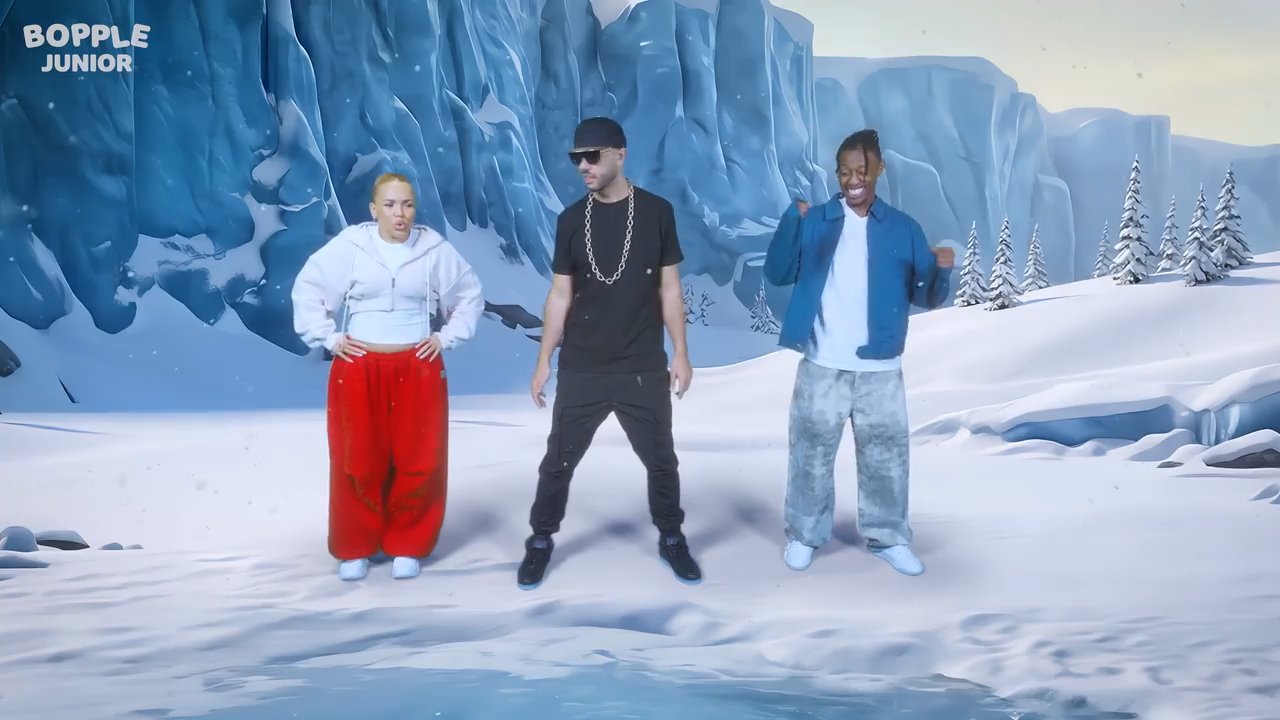
In the freezing Ice Age, Watson spots a cave full of “food." With your help, the trio races through icy obstacles, collecting what they can. As the competition heats up, one question remains... is that sushi actually edible?
Things are about to get chilly! Step into the Ice Age with this action-packed 5-minute video, where kids can get moving while exploring a world of ice, snow, and enormous prehistoric animals.
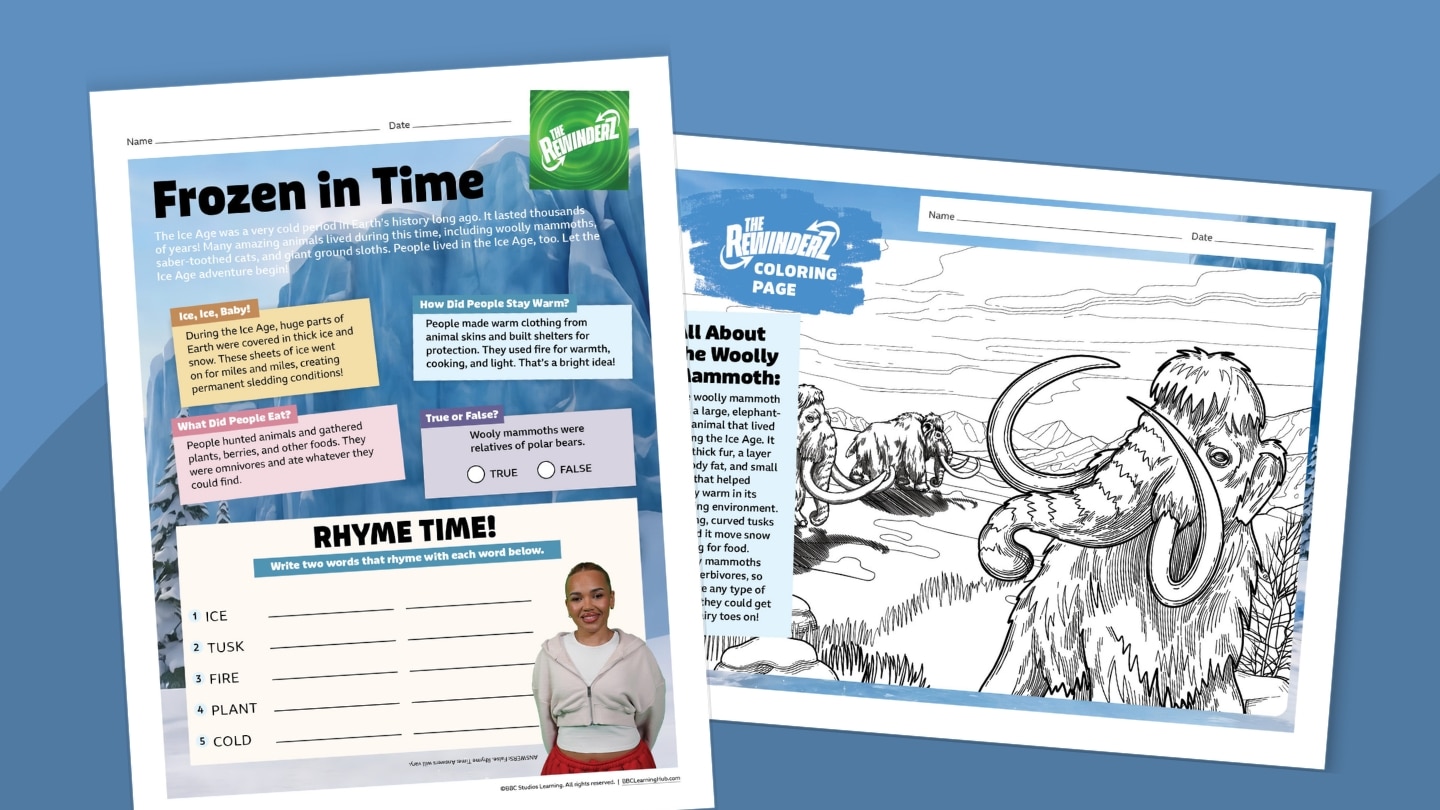
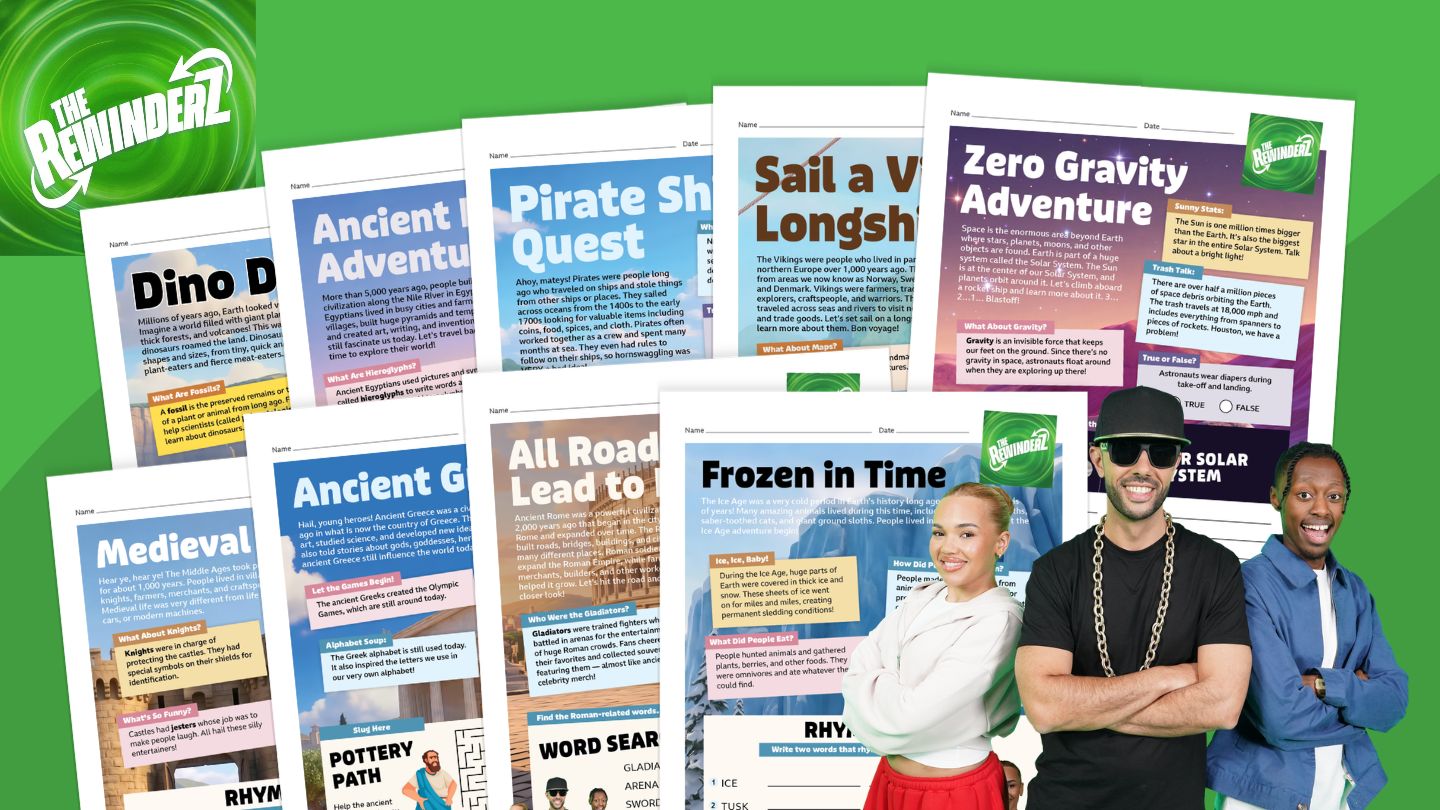
Warm up afterward with this activity sheet, inspired by the "Ice Age" episode of The Rewinderz! Kids ages 4–7 can discover how people survived the cold, learn what Ice Age animals ate and how they adapted to their environment, play a rhyming game, and color a herd of woolly mammoths.
From towering ice sheets to shaggy mammoths with curved tusks, this colorful magazine-style activity sheet gives young learners a fun glimpse into life during one of Earth’s coldest periods.
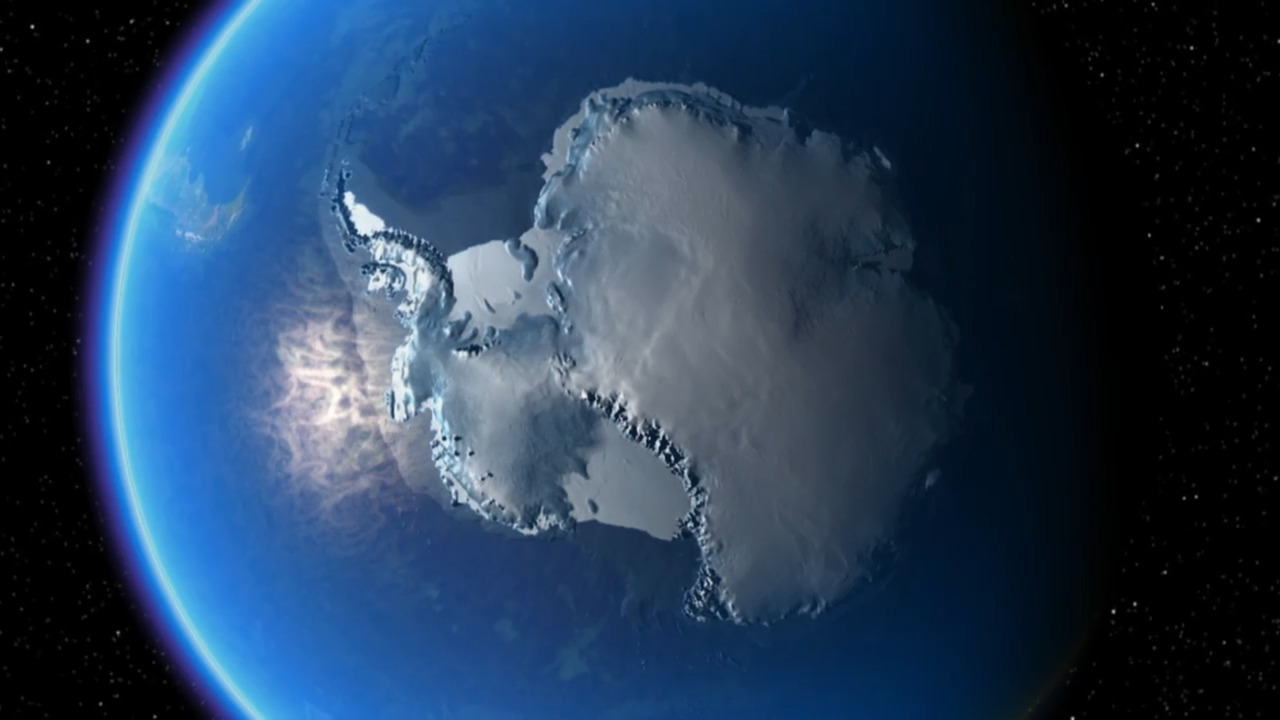
In Antarctica and Our Climate, geologist Iain Stewart explains how technology allows us to see the full geography of Antarctica, including lakes that are under ice and huge glaciers that cover islands of rock. Antarctica is formed because we are in an ice age that has lasted more than three million years, with small changes that have a large impact as ice advances and retreats over and over again. This video is excerpted from BBC’s Earth: The Power of the Planet, a documentary series in which Dr. Iain Stewart discovers how Earth's forces can shape nature, species, and even the climate.
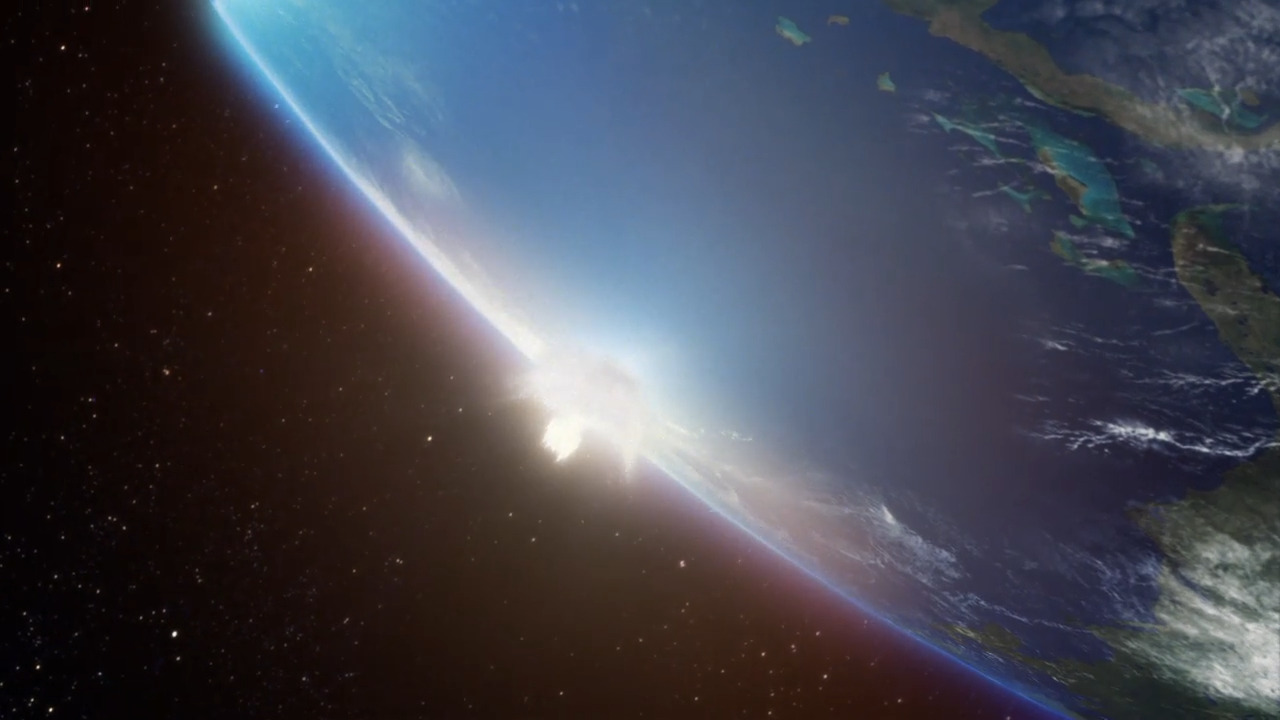
In Earth's Epic Comebacks, geologist Iain Stewart explores how Earth's history of disasters has shaped life and sparked evolution. From dinosaurs thriving after a mass extinction to bacteria surviving an ice age, Earth has always found a balance between stability and chaos. Now, humans are changing the climate and marking a new era called the Anthropocene. The question is: can we protect the planet that makes life so incredible? This video is excerpted from BBC’s Earth: The Power of the Planet, a documentary series in which Dr. Iain Stewart discovers how Earth's forces can shape nature, species, and even the climate.
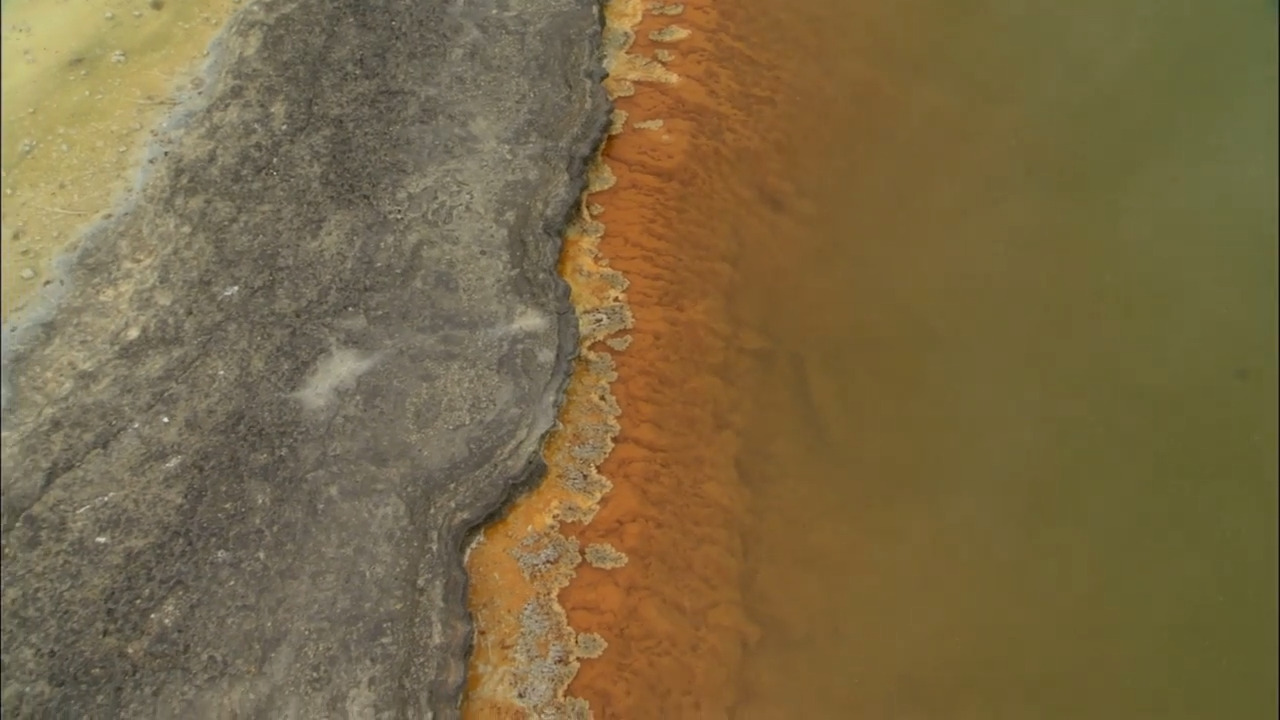
In Why CO₂ Is Crucial for Our Planet's Survival, geologist Iain Stewart explains how carbon dioxide is essential for life on Earth. Without enough, planets like Mars are freezing cold, while Venus is scorching hot because it has too much. Early volcanoes released carbon dioxide that helped keep the planet warm enough for life to evolve. Yet, scientists have discovered evidence of a catastrophic "Snowball Earth" event 700 million years ago, where the planet may have been completely frozen, as shown by mysterious drop stones found in Namibia. This video is excerpted from BBC’s Earth: The Power of the Planet, a documentary series in which Dr. Iain Stewart discovers how Earth's forces can shape nature, species, and even the climate.
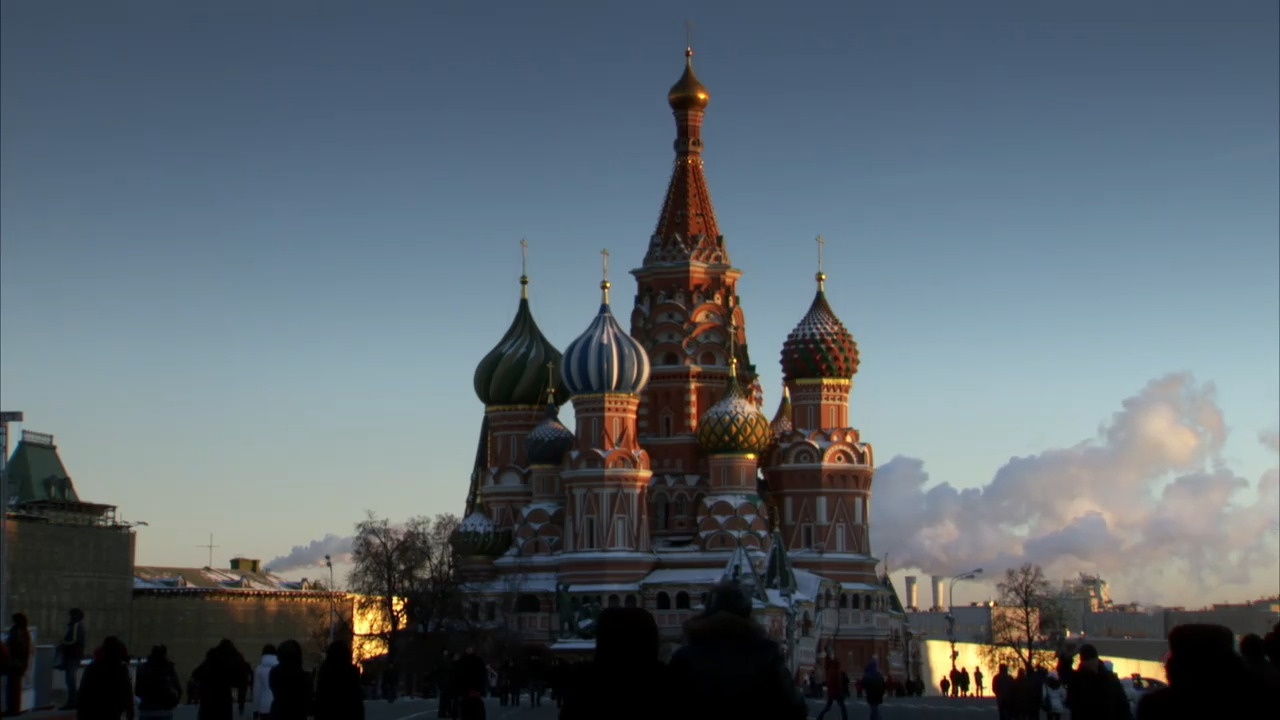
In Ivan the Terrible and Siberian Expansion, host Andrew Marr describes the Russia of the past as a poor country until a dip in global temperatures drove up the prices and the demand for fur pelts. Russian mercenaries ventured into Siberia where their superior European weapons helped them defeat local forces. This video is excerpted from BBC’s Andrew Marr's History of the World, a story of human history that uses reenactments, modern footage, and storytelling to explain history’s greatest achievements.
In the freezing Ice Age, Watson spots a cave full of “food." With your help, the trio races through icy obstacles, collecting what they can. As the competition heats up, one question remains... is that sushi actually edible?
Things are about to get chilly! Step into the Ice Age with this action-packed 5-minute video, where kids can get moving while exploring a world of ice, snow, and enormous prehistoric animals.
Warm up afterward with this activity sheet, inspired by the "Ice Age" episode of The Rewinderz! Kids ages 4–7 can discover how people survived the cold, learn what Ice Age animals ate and how they adapted to their environment, play a rhyming game, and color a herd of woolly mammoths.
From towering ice sheets to shaggy mammoths with curved tusks, this colorful magazine-style activity sheet gives young learners a fun glimpse into life during one of Earth’s coldest periods.
In Antarctica and Our Climate, geologist Iain Stewart explains how technology allows us to see the full geography of Antarctica, including lakes that are under ice and huge glaciers that cover islands of rock. Antarctica is formed because we are in an ice age that has lasted more than three million years, with small changes that have a large impact as ice advances and retreats over and over again. This video is excerpted from BBC’s Earth: The Power of the Planet, a documentary series in which Dr. Iain Stewart discovers how Earth's forces can shape nature, species, and even the climate.
In Earth's Epic Comebacks, geologist Iain Stewart explores how Earth's history of disasters has shaped life and sparked evolution. From dinosaurs thriving after a mass extinction to bacteria surviving an ice age, Earth has always found a balance between stability and chaos. Now, humans are changing the climate and marking a new era called the Anthropocene. The question is: can we protect the planet that makes life so incredible? This video is excerpted from BBC’s Earth: The Power of the Planet, a documentary series in which Dr. Iain Stewart discovers how Earth's forces can shape nature, species, and even the climate.
In Why CO₂ Is Crucial for Our Planet's Survival, geologist Iain Stewart explains how carbon dioxide is essential for life on Earth. Without enough, planets like Mars are freezing cold, while Venus is scorching hot because it has too much. Early volcanoes released carbon dioxide that helped keep the planet warm enough for life to evolve. Yet, scientists have discovered evidence of a catastrophic "Snowball Earth" event 700 million years ago, where the planet may have been completely frozen, as shown by mysterious drop stones found in Namibia. This video is excerpted from BBC’s Earth: The Power of the Planet, a documentary series in which Dr. Iain Stewart discovers how Earth's forces can shape nature, species, and even the climate.
In Ivan the Terrible and Siberian Expansion, host Andrew Marr describes the Russia of the past as a poor country until a dip in global temperatures drove up the prices and the demand for fur pelts. Russian mercenaries ventured into Siberia where their superior European weapons helped them defeat local forces. This video is excerpted from BBC’s Andrew Marr's History of the World, a story of human history that uses reenactments, modern footage, and storytelling to explain history’s greatest achievements.