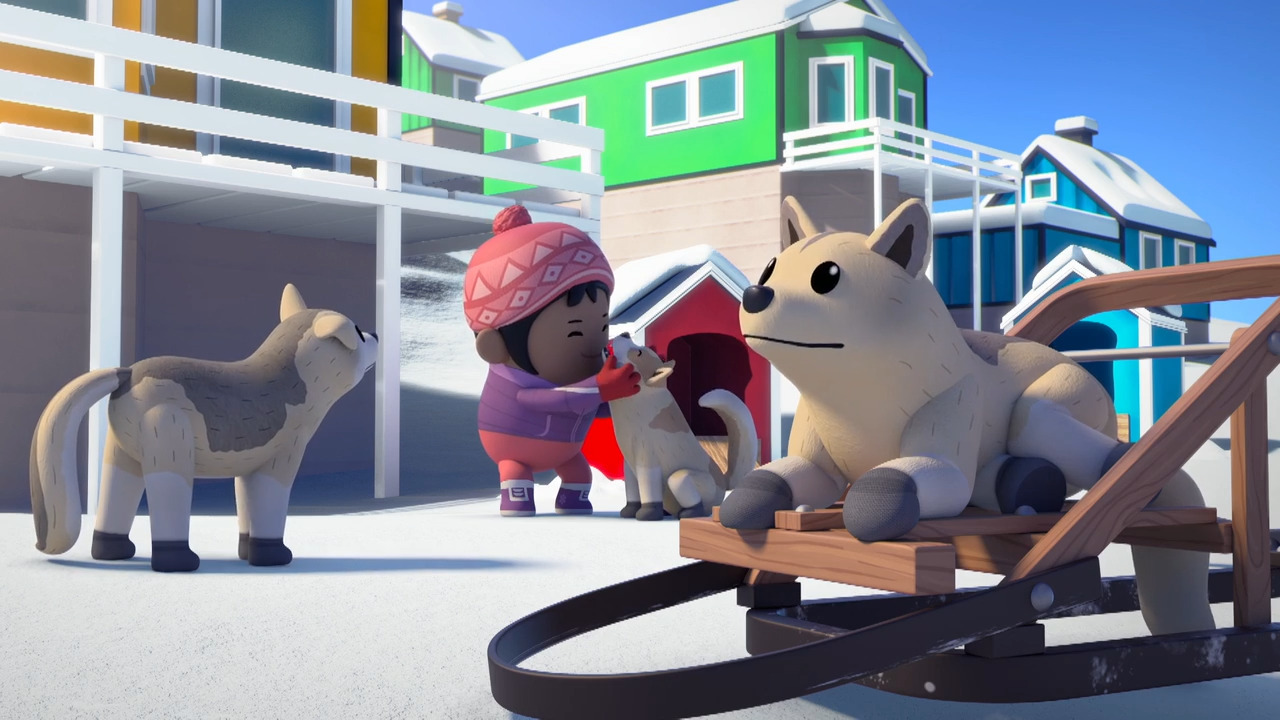
In The Go Jetters Go to Greenland, the Go Jetters crew is in the icy land of Greenland. Ubercorn shares funky facts about how icebergs, glaciers, and sleds are part of this frosty landscape. This video is excerpted from BBC’s Go Jetters, a series that follows the adventures of four international heroes as they travel the globe visiting landmarks and solving environmental problems with Ubercorn, a disco-dancing unicorn.

The article "Who Really Owns Greenland? A Land of Ice, Vikings, and Global Power Plays" from BBC's HistoryExtra explores Greenland’s long and complex history of ownership. It traces the island’s journey from early Inuit inhabitants to Viking explorers, Danish missionaries, and Cold War military bases — highlighting how Greenland has become a key player in global politics.
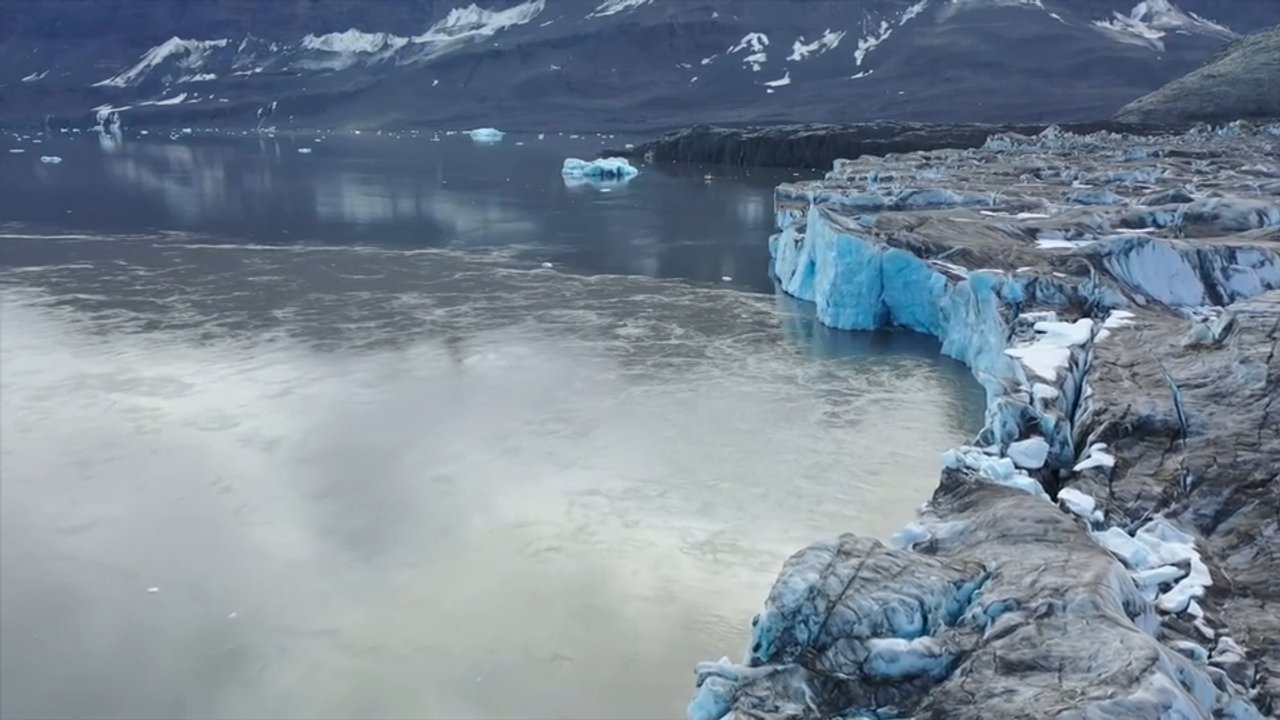
Greenland's glaciers are melting — and the effects reach much further than you'd think. As glaciers collapse into the sea, they set off a ripple effect that can impact weather, farming, water supplies, and fishing thousands of miles away.
Researchers are heading out on a five-week expedition to Greenland, bringing top-of-the-line equipment to study what's happening to the ice. Greenland might seem far removed from daily life, but the meltwater flows into the Atlantic Ocean, where it can disrupt ocean currents and shift climate patterns. Over time, that could change rainfall patterns in the UK and make winters stormier — which creates problems for farmers, and in turn, for food supply.
Even if you're not worried about vegetables, you're not off the hook. These melting glaciers can also affect fish populations, since changing ocean temperatures and currents disrupt the habitats fish depend on. Greenland's glaciers may be far away, but what happens there doesn't stay there.
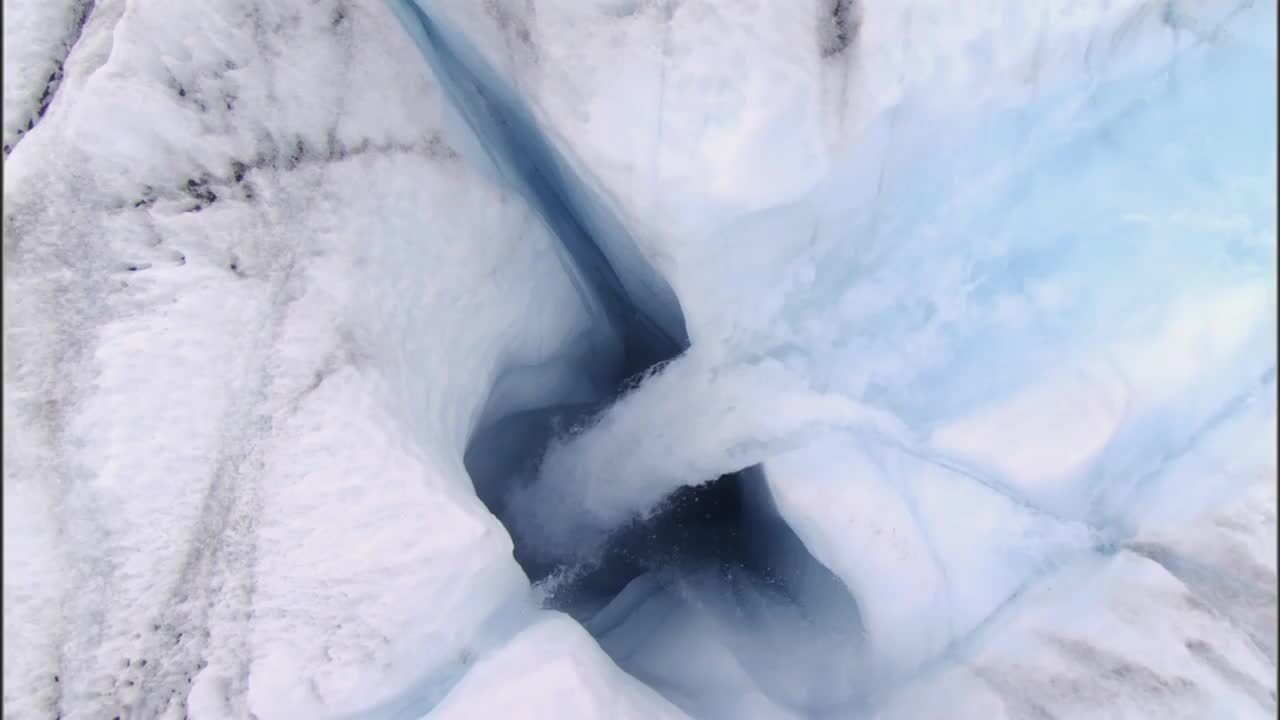
In Can We Stop the Glacier Melt?, geologist Iain Stewart explains the crucial role ice plays in our planet’s climate and how it’s being affected by global warming. Scientists are studying Greenland's massive Jakobshavn Glacier to understand how the ice is melting and the impact that has on rising sea levels. Over just the last few decades, the glacier has retreated significantly, and if Greenland's ice melts completely, it could raise sea levels by 23 feet (7 meters), threatening places like London and Florida. This video is excerpted from BBC’s Earth: The Power of the Planet, a documentary series in which Dr. Iain Stewart discovers how Earth's forces can shape nature, species, and even the climate.
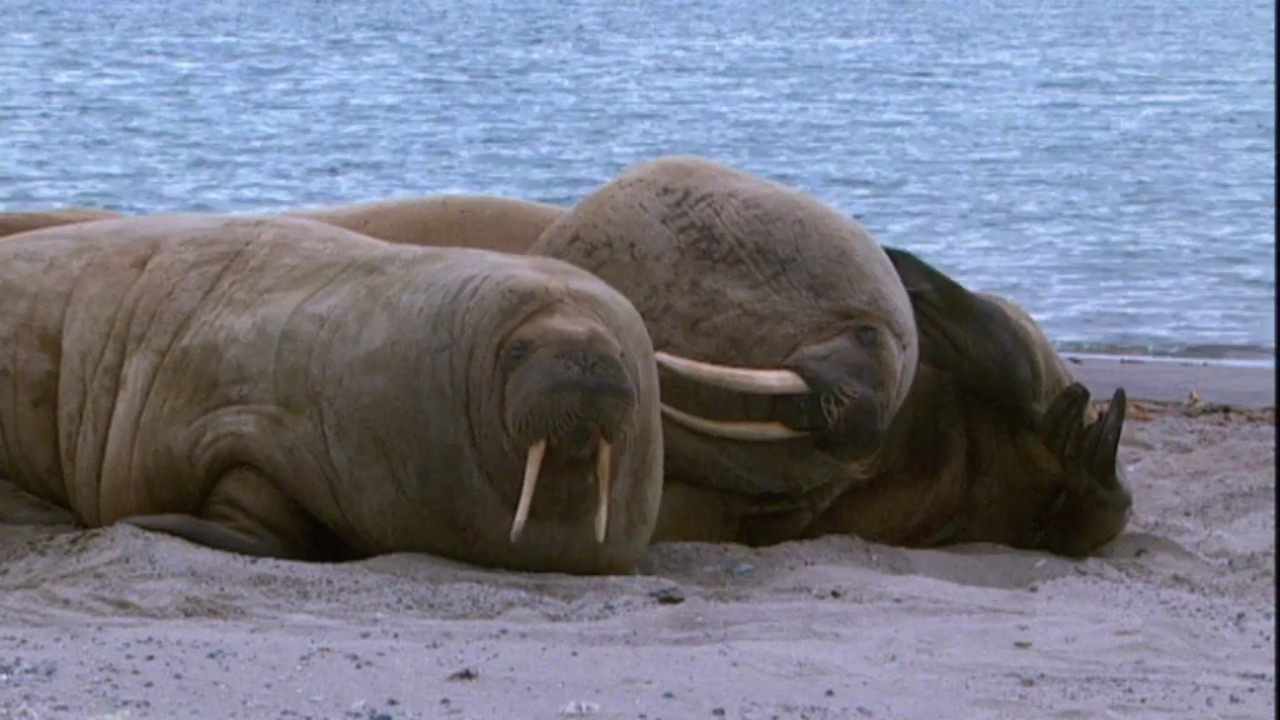
In Molting Time for the Walrus, narrator Sir David Attenborough describes how walruses eat and molt. Watch a walrus molting and finding food off the coast of Greenland. This video is excerpted from BBC’s Blue Planet, a definitive documentary series diving into the mysterious depths of the sea to discover the natural history of the world’s oceans and the rarely seen marine life that reside there.
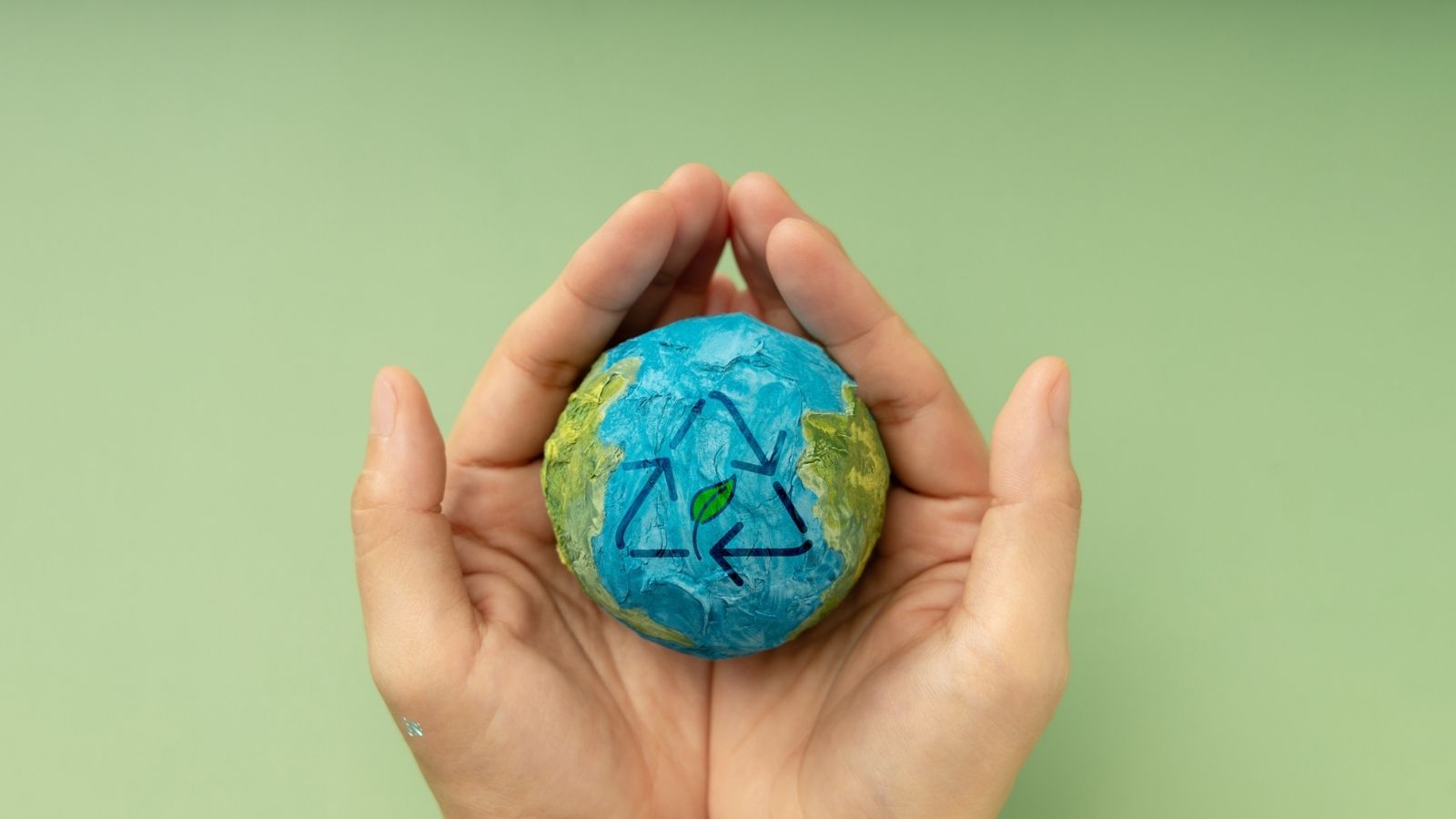
This Earth Day (or anytime this month), share this inspiring video playlist designed to spark curiosity and action in students ages 8–14. From incredible wildlife conservation stories to real-world environmental solutions, each clip invites students to explore the beauty of our planet — and the challenges it faces.
Get a closer look at how forests support life on Earth, discover innovative ideas like renewable energy, and meet the people working to protect endangered species and restore habitats. Along the way, students will see how small choices can make a big difference for our world.
Packed with powerful moments and meaningful learning, this playlist encourages students not just to learn about the Earth — but to think about how they can help protect it.

The article "Here Are 11 Arctic Animals That Not Only Survive, But Also Thrive in the Freezing Polar Landscape" from BBC's Discover Wildlife explores how various animals have adapted to endure the Arctic's extreme conditions. From the mighty polar bear and tusked walrus to the resilient Arctic fox and long-lived Greenland shark, the piece highlights their unique physical traits and survival behaviors.
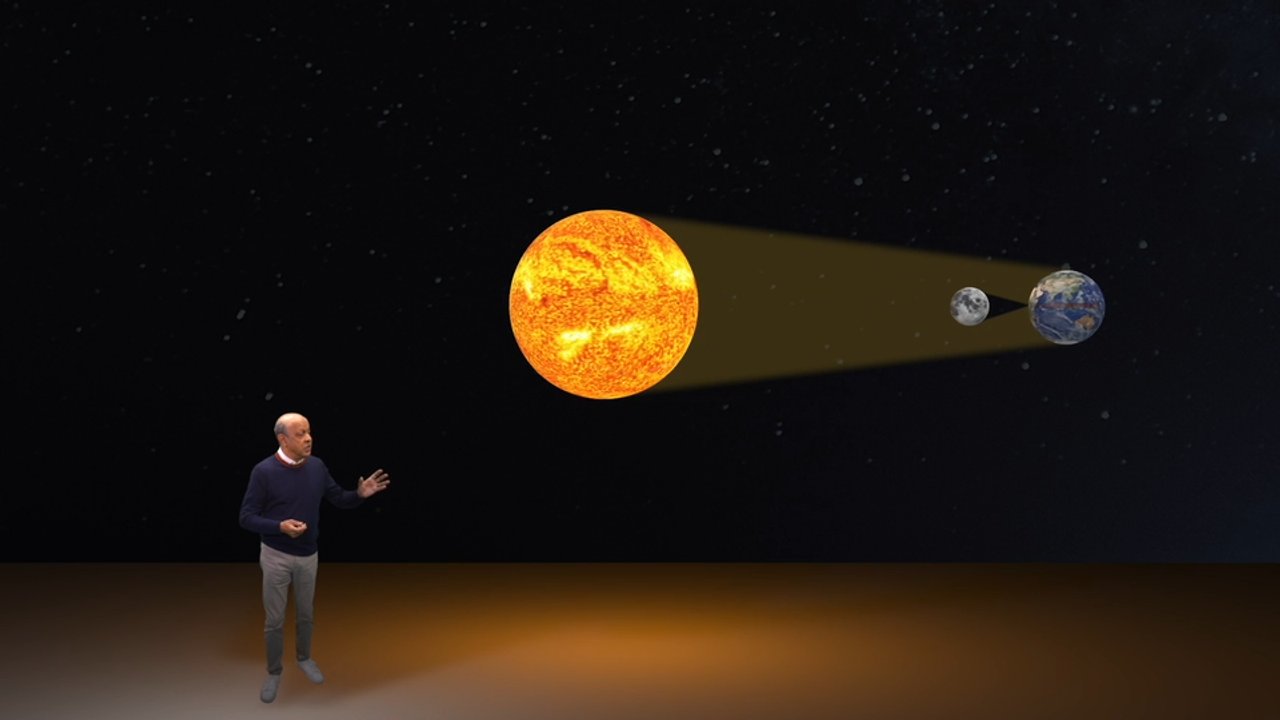
They say “it’s always darkest before dawn,” but that may just have a nicer ring than “it suddenly gets really dark if you’re in the path of totality during a solar eclipse, which happens somewhere on Earth about once every 18 months.” Yup, first one definitely stitches better onto a decorative pillow.
A total solar eclipse happens when the Moon completely blocks the Sun. Although a total eclipse occurs somewhere on Earth roughly every year and a half, only people inside a narrow strip called the “path of totality” get to see the Sun completely covered. This path is created as the Moon’s shadow moves across Earth while both Earth and the Moon change position.
This mid-August eclipse started off over northern Siberia at sunrise, then crossed the Arctic Ocean, Greenland, Iceland, northern Spain, and a small part of Portugal before ending near the Balearic Islands at sunset. Those outside of the path could see a partial eclipse, but a lot of the world missed out on the full experience.
Eclipses are amazing to watch, but partial eclipses can be especially dangerous! Even as much as 95% coverage of the Sun is not close enough when it comes to eye safety. If any bright part of the Sun is still visible, you should use certified eclipse glasses, since looking directly at the Sun can permanently damage your eyes.
According to the Met Office, the UK's national weather and climate service, people may be getting a little too relaxed about the weather. Conditions that once would have seemed extreme are starting to feel normal.
2025 was the UK's hottest year since records began in 1884. Four of the last five years now rank among the five hottest on record. In southeast England, the hottest day of the year is now about 4.5°C (about 8°F) warmer on average than it was in the 1960s.
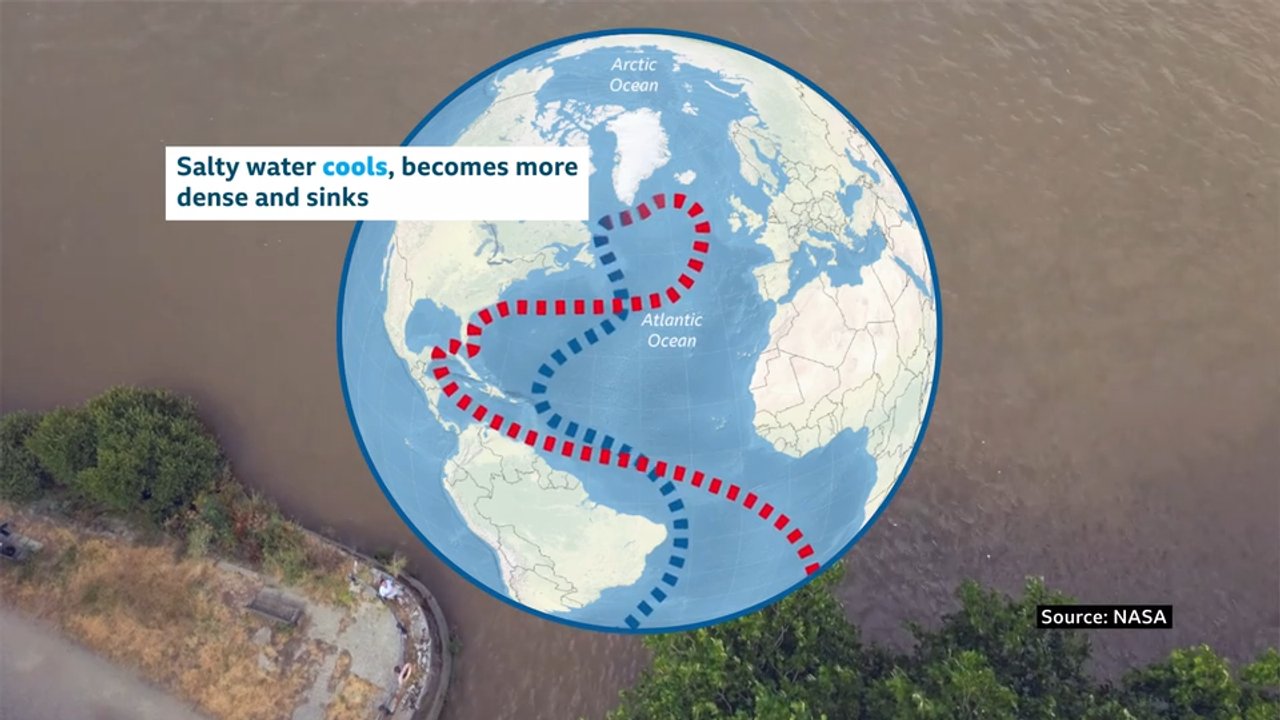
This is about more than buying extra fans. Scientists are also worried about changes in the Atlantic Ocean. Normally, warm, salty water flows north from the tropics — the hot region near the equator — and passes the UK. This keeps the UK's weather milder than you'd expect for a country so far north. Near Greenland, a huge icy island in the North Atlantic, the water cools, gets heavier, sinks, and flows back south.
At least, that's how it's supposed to work. There are signs this current may be slowing down. If it weakens a lot, the UK could lose some of that warmth. That could bring colder winters and even bigger swings in the weather, on top of the heat.
In The Go Jetters Go to Greenland, the Go Jetters crew is in the icy land of Greenland. Ubercorn shares funky facts about how icebergs, glaciers, and sleds are part of this frosty landscape. This video is excerpted from BBC’s Go Jetters, a series that follows the adventures of four international heroes as they travel the globe visiting landmarks and solving environmental problems with Ubercorn, a disco-dancing unicorn.
The article "Who Really Owns Greenland? A Land of Ice, Vikings, and Global Power Plays" from BBC's HistoryExtra explores Greenland’s long and complex history of ownership. It traces the island’s journey from early Inuit inhabitants to Viking explorers, Danish missionaries, and Cold War military bases — highlighting how Greenland has become a key player in global politics.
Greenland's glaciers are melting — and the effects reach much further than you'd think. As glaciers collapse into the sea, they set off a ripple effect that can impact weather, farming, water supplies, and fishing thousands of miles away.
Researchers are heading out on a five-week expedition to Greenland, bringing top-of-the-line equipment to study what's happening to the ice. Greenland might seem far removed from daily life, but the meltwater flows into the Atlantic Ocean, where it can disrupt ocean currents and shift climate patterns. Over time, that could change rainfall patterns in the UK and make winters stormier — which creates problems for farmers, and in turn, for food supply.
Even if you're not worried about vegetables, you're not off the hook. These melting glaciers can also affect fish populations, since changing ocean temperatures and currents disrupt the habitats fish depend on. Greenland's glaciers may be far away, but what happens there doesn't stay there.
In Can We Stop the Glacier Melt?, geologist Iain Stewart explains the crucial role ice plays in our planet’s climate and how it’s being affected by global warming. Scientists are studying Greenland's massive Jakobshavn Glacier to understand how the ice is melting and the impact that has on rising sea levels. Over just the last few decades, the glacier has retreated significantly, and if Greenland's ice melts completely, it could raise sea levels by 23 feet (7 meters), threatening places like London and Florida. This video is excerpted from BBC’s Earth: The Power of the Planet, a documentary series in which Dr. Iain Stewart discovers how Earth's forces can shape nature, species, and even the climate.
In Molting Time for the Walrus, narrator Sir David Attenborough describes how walruses eat and molt. Watch a walrus molting and finding food off the coast of Greenland. This video is excerpted from BBC’s Blue Planet, a definitive documentary series diving into the mysterious depths of the sea to discover the natural history of the world’s oceans and the rarely seen marine life that reside there.
This Earth Day (or anytime this month), share this inspiring video playlist designed to spark curiosity and action in students ages 8–14. From incredible wildlife conservation stories to real-world environmental solutions, each clip invites students to explore the beauty of our planet — and the challenges it faces.
Get a closer look at how forests support life on Earth, discover innovative ideas like renewable energy, and meet the people working to protect endangered species and restore habitats. Along the way, students will see how small choices can make a big difference for our world.
Packed with powerful moments and meaningful learning, this playlist encourages students not just to learn about the Earth — but to think about how they can help protect it.
The article "Here Are 11 Arctic Animals That Not Only Survive, But Also Thrive in the Freezing Polar Landscape" from BBC's Discover Wildlife explores how various animals have adapted to endure the Arctic's extreme conditions. From the mighty polar bear and tusked walrus to the resilient Arctic fox and long-lived Greenland shark, the piece highlights their unique physical traits and survival behaviors.
They say “it’s always darkest before dawn,” but that may just have a nicer ring than “it suddenly gets really dark if you’re in the path of totality during a solar eclipse, which happens somewhere on Earth about once every 18 months.” Yup, first one definitely stitches better onto a decorative pillow.
A total solar eclipse happens when the Moon completely blocks the Sun. Although a total eclipse occurs somewhere on Earth roughly every year and a half, only people inside a narrow strip called the “path of totality” get to see the Sun completely covered. This path is created as the Moon’s shadow moves across Earth while both Earth and the Moon change position.
This mid-August eclipse started off over northern Siberia at sunrise, then crossed the Arctic Ocean, Greenland, Iceland, northern Spain, and a small part of Portugal before ending near the Balearic Islands at sunset. Those outside of the path could see a partial eclipse, but a lot of the world missed out on the full experience.
Eclipses are amazing to watch, but partial eclipses can be especially dangerous! Even as much as 95% coverage of the Sun is not close enough when it comes to eye safety. If any bright part of the Sun is still visible, you should use certified eclipse glasses, since looking directly at the Sun can permanently damage your eyes.
According to the Met Office, the UK's national weather and climate service, people may be getting a little too relaxed about the weather. Conditions that once would have seemed extreme are starting to feel normal.
2025 was the UK's hottest year since records began in 1884. Four of the last five years now rank among the five hottest on record. In southeast England, the hottest day of the year is now about 4.5°C (about 8°F) warmer on average than it was in the 1960s.
This is about more than buying extra fans. Scientists are also worried about changes in the Atlantic Ocean. Normally, warm, salty water flows north from the tropics — the hot region near the equator — and passes the UK. This keeps the UK's weather milder than you'd expect for a country so far north. Near Greenland, a huge icy island in the North Atlantic, the water cools, gets heavier, sinks, and flows back south.
At least, that's how it's supposed to work. There are signs this current may be slowing down. If it weakens a lot, the UK could lose some of that warmth. That could bring colder winters and even bigger swings in the weather, on top of the heat.