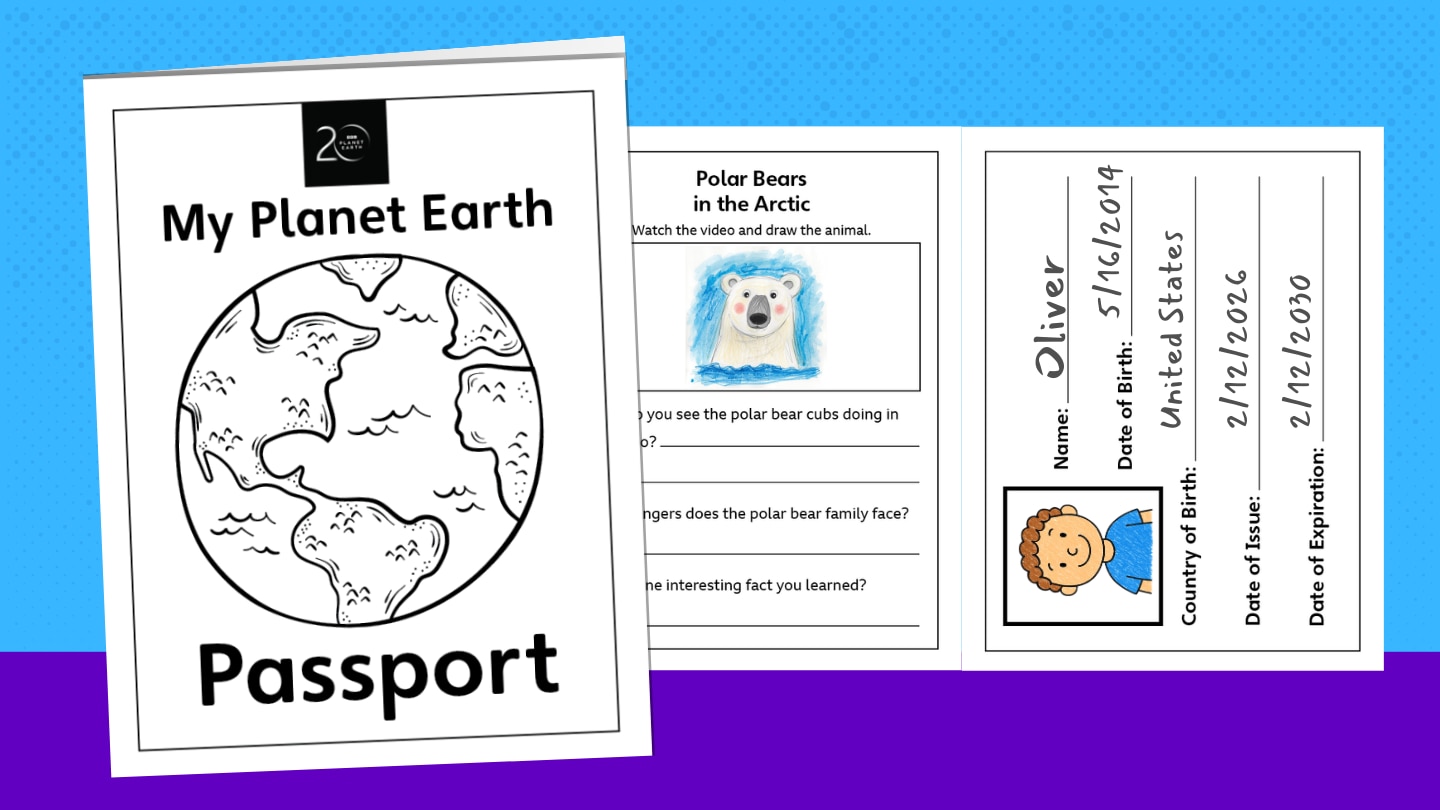
This Planet Earth Passport is your students' perfect guide (just right for ages 8–11) to exploring some of the most-watched videos clips from the iconic BBC series Planet Earth. And it's right in time for Earth Day on April 22!
You can take part by showing your class our playlist of eight amazing animal videos and using our passport as a companion. Students will follow the map to each location and answer questions at each stop. They'll explore:
- Polar Bears in Antarctica
- Bobcats in the Rocky Mountains
- Catfish in France
- Marine Iguanas in the Galápagos
- Cave Swiftlets in Borneo
- Mouse Lemurs in Madagascar
- Dolphins in Western Australia
- Emperor Penguins in Antarctica
To make copies of the passport, print on both sides flipped on the long edge. Make sure you collate and then cut them in half (there are two passports per set).
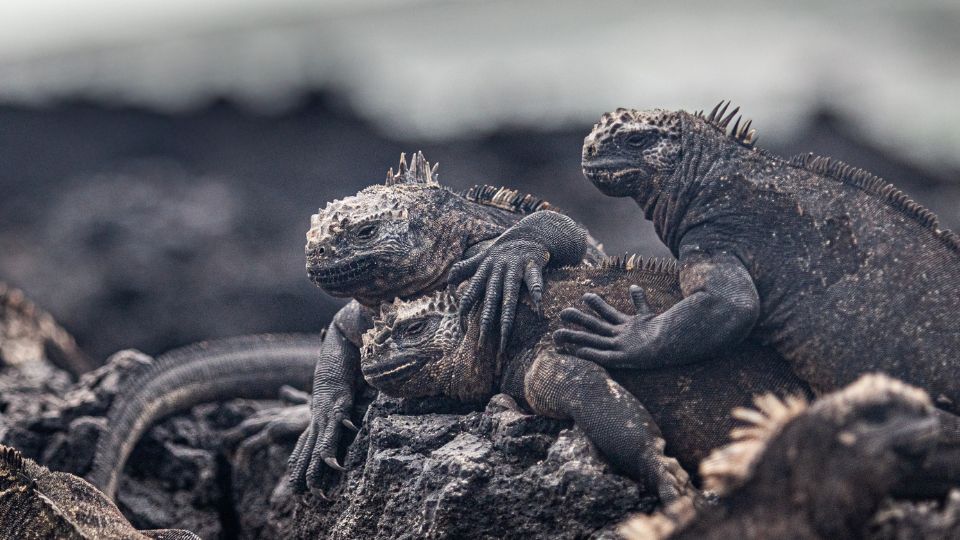
Meet one of the world's strangest reptiles — the seagoing iguana! First watch Marine Iguanas in the Galápagos Quiz, a short clip from the award-winning BBC series Planet Earth. Sir David Attenborough explains how these unique lizards have adapted to graze on underwater algae, a critical food source on this young, volcanic island in the Galápagos.
Once your students have watched the video, invite them to check for understanding with this quick, 8-question quiz!

Get ready to meet the cold-blooded superstars of the animal kingdom! This BBC playlist slinks, scuttles, and snaps through the fascinating lives of cobras, turtles, lizards, and alligators. Whether it's the mesmerizing hood dance of a cobra or the alligator's toothy grin, these clips are perfect for sparking curiosity (and maybe a little squeamishness) in your classroom. Warning: May cause students to say "Whoa!" and "Ew!" in equal measure.

Dive into the captivating world of whales with this BBC Learning Hub playlist, featuring 12 stunning clips from landmark BBC series. Explore the lives of blue whales, orcas, and grey whales as they glide through oceans, communicate, hunt, and nurture their young. Perfect for sparking curiosity, these breathtaking videos bring the majestic giants of the sea into your classroom or home.
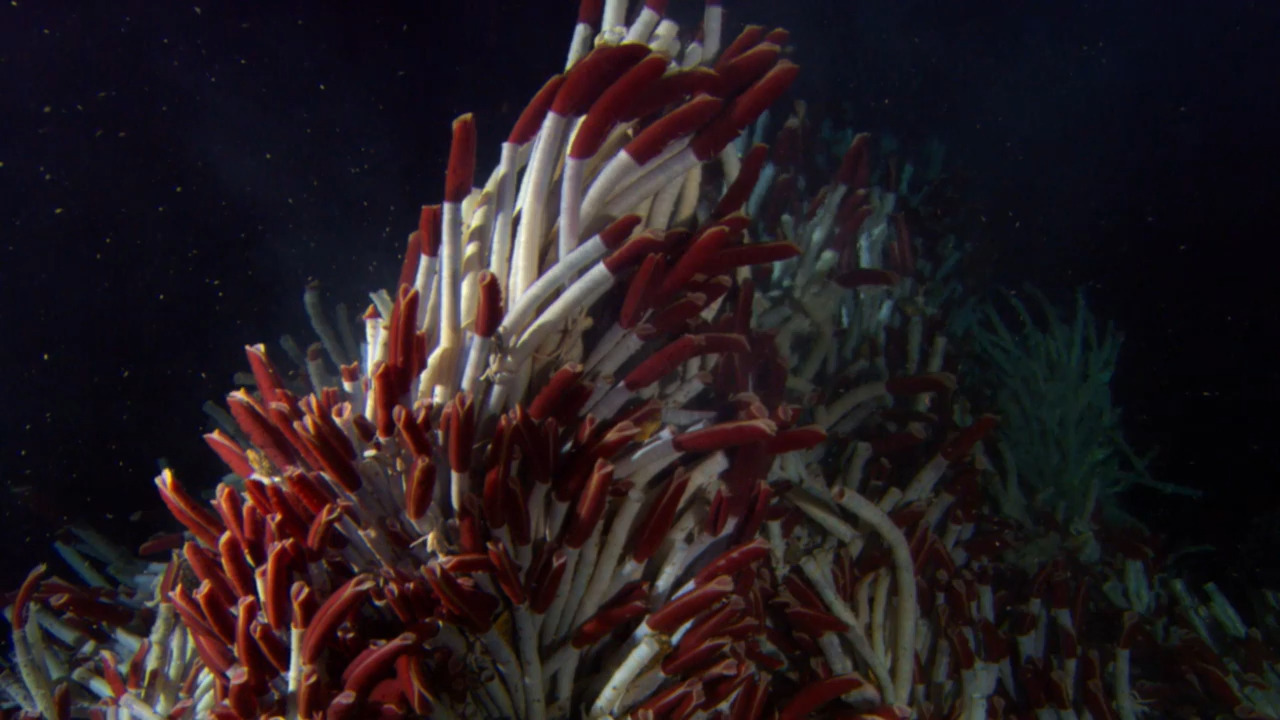
In Nine North Creates an Extraordinary Ecosystem, narrator David Attenborough goes deep beneath the Pacific Ocean near the Galápagos Islands, to examine the hydrothermal vents known as "Nine North." The vents release superheated water, creating an extraordinary ecosystem. Towering mineral chimneys support a thriving community of giant tube-worms, some growing up to three meters long. These deep-sea creatures rely on the energy from the vents to survive, making them some of the fastest-growing marine invertebrates. However, this environment is unpredictable—vents can suddenly go dormant, leading to the rapid extinction of entire micro-worlds. This video is excerpted from BBC’s Planet Earth, a breathtaking documentary series that highlights the natural wonders of our planet.
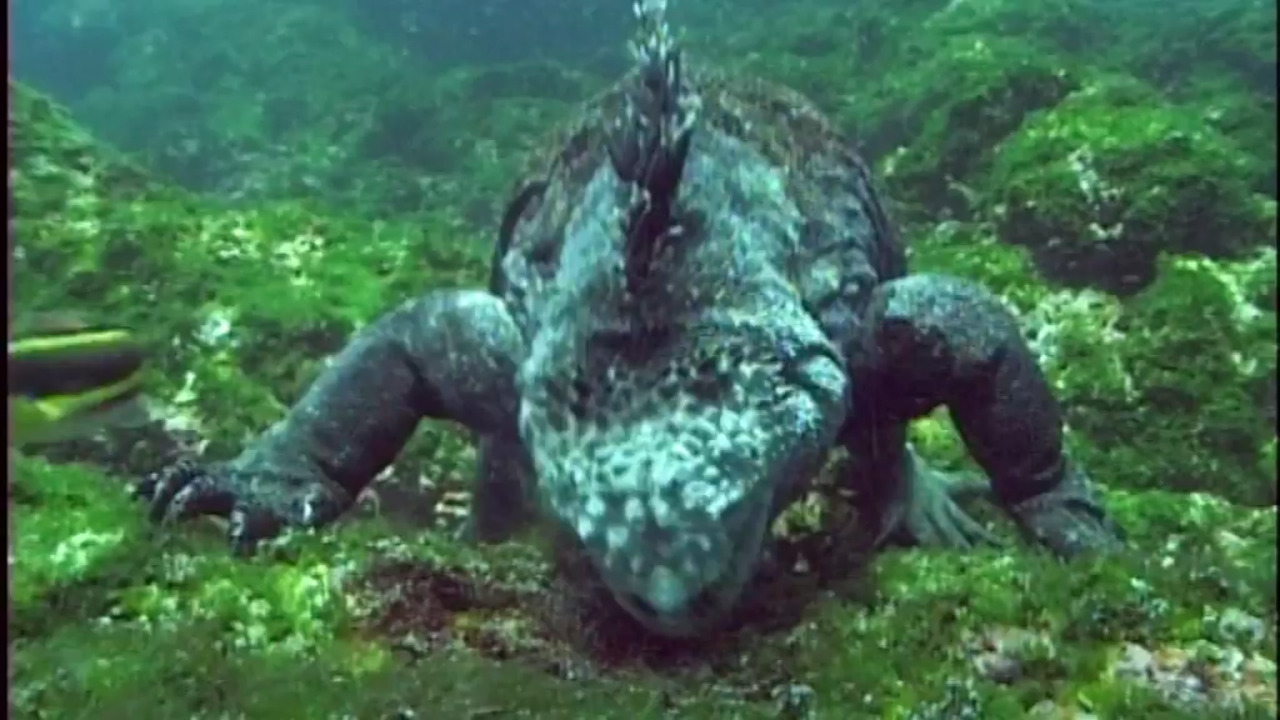
In The Life of Galapagos Iguanas, narrator Sir David Attenborough looks at how the Galapagos iguanas survive in the remote Galapagos Islands. The iguanas eat seaweed on the rocks amidst the crashing waves, and the females must journey inland to lay their eggs in burrows. This video is excerpted from BBC’s Blue Planet, a definitive documentary series diving into the mysterious depths of the sea to discover the natural history of the world’s oceans and the rarely seen marine life that reside there.
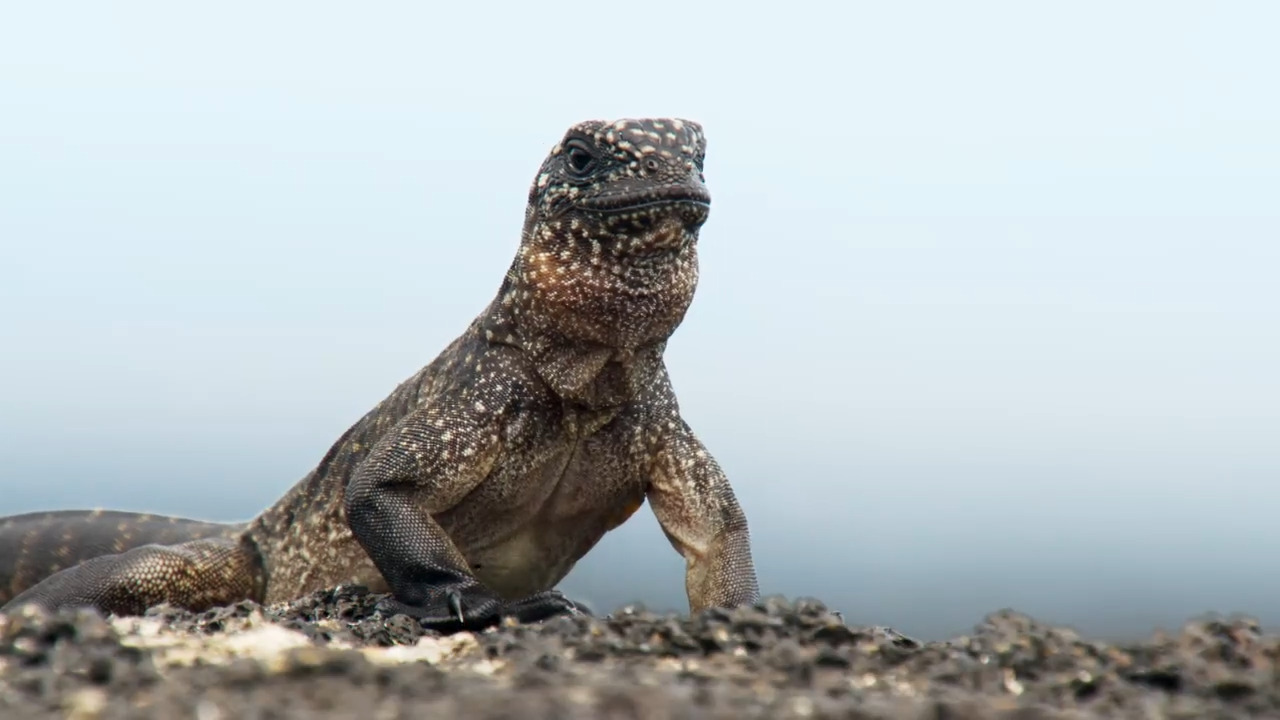
In Marine Iguana Hatchlings vs. Racer Snakes, narrator Sir David Attenborough describes the dramatic and high-stakes journey of marine iguana hatchlings as they emerge from their nests on the Galápagos Islands. With racer snakes lying in wait, the hatchlings must rely on their instincts and speed to evade capture and reach the safety of the rocky shoreline. This video is excerpted from Planet Earth II, a breathtaking documentary series that highlights the natural wonders of our planet.
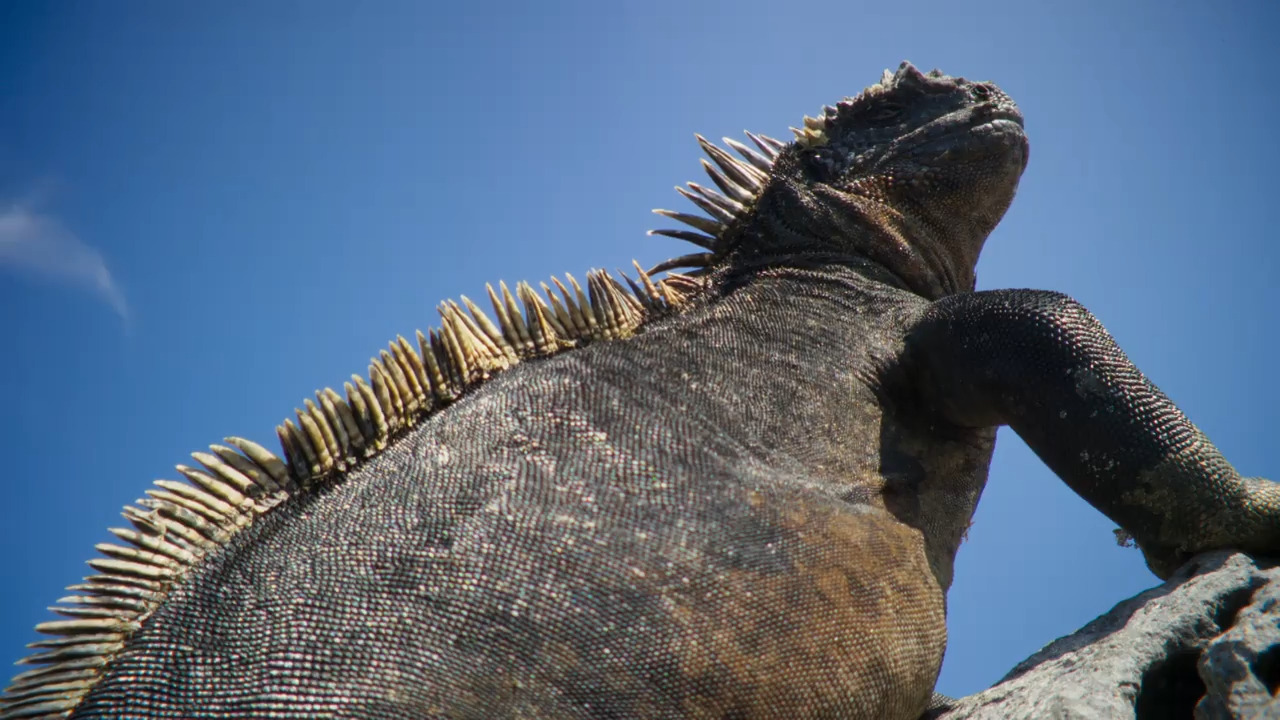
In Marine Iguanas in the Galápagos, narrator Sir David Attenborough tells how marine iguanas survive on a young, volcanic island in the Galápagos. These unique reptiles have adapted to graze on underwater algae, a critical food source in this challenging environment. This video is excerpted from BBC’s Planet Earth II, a breathtaking documentary series that highlights the natural wonders of our planet.
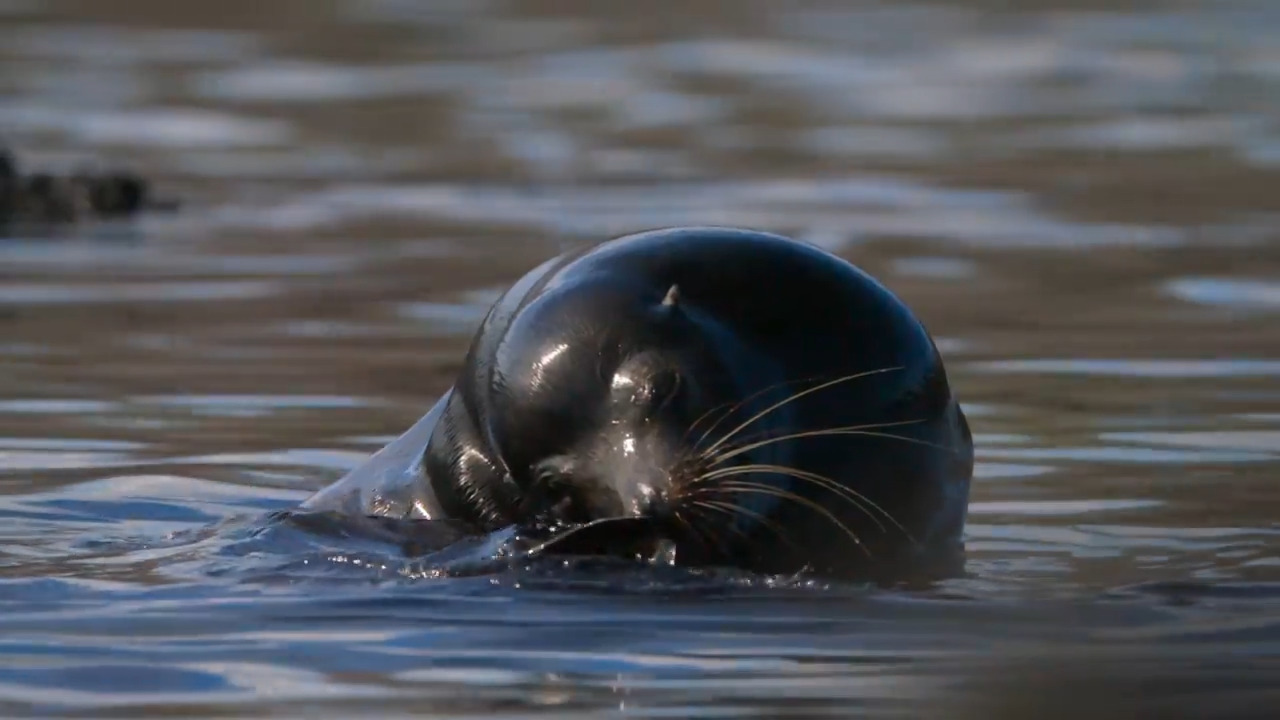
In On the Hunt with Sea Lions, narrator Sir David Attenborough explores how the sea lions of the Galapagos Islands use the rough and barren coastline to their advantage, enticing their prey into a cove. This video is excerpted from BBC’s Blue Planet II, a natural history series that explores the world's oceans, the animals that live in them, and the threats they face, using modern filming techniques and equipment to capture previously unseen areas of the ocean.
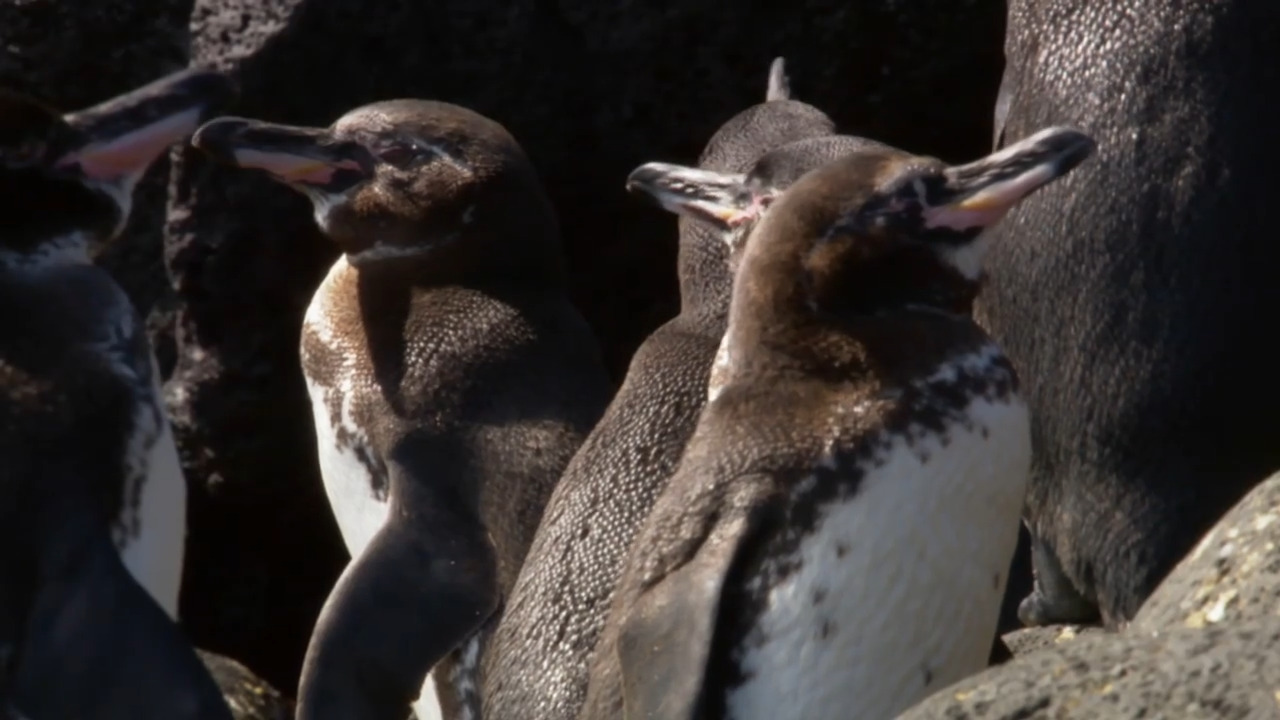
In The Surprising Life of Galapagos Penguin Chicks, narrator Gordon Buchanan explains how penguins have adapted to life by sticking to cool waters and underground lava tubes. Meanwhile, a Sally Lightfoot crab feels its way through the dark to hunt penguin chicks but is dissuaded by their size and beaks. This video is excerpted from BBC's Animal Babies, a heartwarming show that follows the first breaths, first steps, and first feeds of some adorable baby animals, revealing the challenges they face to survive in some of the toughest but most beautiful places on the planet.
This Planet Earth Passport is your students' perfect guide (just right for ages 8–11) to exploring some of the most-watched videos clips from the iconic BBC series Planet Earth. And it's right in time for Earth Day on April 22!
You can take part by showing your class our playlist of eight amazing animal videos and using our passport as a companion. Students will follow the map to each location and answer questions at each stop. They'll explore:
- Polar Bears in Antarctica
- Bobcats in the Rocky Mountains
- Catfish in France
- Marine Iguanas in the Galápagos
- Cave Swiftlets in Borneo
- Mouse Lemurs in Madagascar
- Dolphins in Western Australia
- Emperor Penguins in Antarctica
To make copies of the passport, print on both sides flipped on the long edge. Make sure you collate and then cut them in half (there are two passports per set).
Meet one of the world's strangest reptiles — the seagoing iguana! First watch Marine Iguanas in the Galápagos Quiz, a short clip from the award-winning BBC series Planet Earth. Sir David Attenborough explains how these unique lizards have adapted to graze on underwater algae, a critical food source on this young, volcanic island in the Galápagos.
Once your students have watched the video, invite them to check for understanding with this quick, 8-question quiz!
Get ready to meet the cold-blooded superstars of the animal kingdom! This BBC playlist slinks, scuttles, and snaps through the fascinating lives of cobras, turtles, lizards, and alligators. Whether it's the mesmerizing hood dance of a cobra or the alligator's toothy grin, these clips are perfect for sparking curiosity (and maybe a little squeamishness) in your classroom. Warning: May cause students to say "Whoa!" and "Ew!" in equal measure.
Dive into the captivating world of whales with this BBC Learning Hub playlist, featuring 12 stunning clips from landmark BBC series. Explore the lives of blue whales, orcas, and grey whales as they glide through oceans, communicate, hunt, and nurture their young. Perfect for sparking curiosity, these breathtaking videos bring the majestic giants of the sea into your classroom or home.
In Nine North Creates an Extraordinary Ecosystem, narrator David Attenborough goes deep beneath the Pacific Ocean near the Galápagos Islands, to examine the hydrothermal vents known as "Nine North." The vents release superheated water, creating an extraordinary ecosystem. Towering mineral chimneys support a thriving community of giant tube-worms, some growing up to three meters long. These deep-sea creatures rely on the energy from the vents to survive, making them some of the fastest-growing marine invertebrates. However, this environment is unpredictable—vents can suddenly go dormant, leading to the rapid extinction of entire micro-worlds. This video is excerpted from BBC’s Planet Earth, a breathtaking documentary series that highlights the natural wonders of our planet.
In The Life of Galapagos Iguanas, narrator Sir David Attenborough looks at how the Galapagos iguanas survive in the remote Galapagos Islands. The iguanas eat seaweed on the rocks amidst the crashing waves, and the females must journey inland to lay their eggs in burrows. This video is excerpted from BBC’s Blue Planet, a definitive documentary series diving into the mysterious depths of the sea to discover the natural history of the world’s oceans and the rarely seen marine life that reside there.
In Marine Iguana Hatchlings vs. Racer Snakes, narrator Sir David Attenborough describes the dramatic and high-stakes journey of marine iguana hatchlings as they emerge from their nests on the Galápagos Islands. With racer snakes lying in wait, the hatchlings must rely on their instincts and speed to evade capture and reach the safety of the rocky shoreline. This video is excerpted from Planet Earth II, a breathtaking documentary series that highlights the natural wonders of our planet.
In Marine Iguanas in the Galápagos, narrator Sir David Attenborough tells how marine iguanas survive on a young, volcanic island in the Galápagos. These unique reptiles have adapted to graze on underwater algae, a critical food source in this challenging environment. This video is excerpted from BBC’s Planet Earth II, a breathtaking documentary series that highlights the natural wonders of our planet.
In On the Hunt with Sea Lions, narrator Sir David Attenborough explores how the sea lions of the Galapagos Islands use the rough and barren coastline to their advantage, enticing their prey into a cove. This video is excerpted from BBC’s Blue Planet II, a natural history series that explores the world's oceans, the animals that live in them, and the threats they face, using modern filming techniques and equipment to capture previously unseen areas of the ocean.
In The Surprising Life of Galapagos Penguin Chicks, narrator Gordon Buchanan explains how penguins have adapted to life by sticking to cool waters and underground lava tubes. Meanwhile, a Sally Lightfoot crab feels its way through the dark to hunt penguin chicks but is dissuaded by their size and beaks. This video is excerpted from BBC's Animal Babies, a heartwarming show that follows the first breaths, first steps, and first feeds of some adorable baby animals, revealing the challenges they face to survive in some of the toughest but most beautiful places on the planet.