
The article "The First Rugby Match Between Nations: Scotland vs. England, 1871" from BBC's HistoryExtra explores the events of March 27, 1871, when the very first international rugby game was played in Edinburgh. It covers the background, gameplay, and how the match marked the beginning of one of the sport’s greatest rivalries.

In A Berry Special Yule Log, discover Essex, England, where Dougie is making a chocolate yule log for Christmas, using red currants as his secret ingredient. Red currants are small, tart berries that are used in desserts like jams and ice cream. After baking the yule log with cocoa and eggs, Dougie decorates a Christmas-themed table. Will his friends like the treat made with red currants? This video is excerpted from BBC's My World Kitchen, where young chefs create special recipes that honor their heritage and celebrate their roots.

In Asparagus Adventures, discover Bristol, England, the hometown of the famous pirate Blackbeard and hot air balloon rides. Here Vinnie is whipping up a tart for his friends. He adds his secret ingredient — asparagus spears! Did you know asparagus can be white or purple and eaten raw or pickled? Let’s find out if his friends like the taste of asparagus. This video is excerpted from BBC's My World Kitchen, where young chefs create special recipes that honor their heritage and celebrate their roots.

In The Go Jetters Visit the Mysterious Stonehenge, the Go Jetters crew visits the ancient landmark, Stonehenge, in England. Learn interesting facts and theories about Stonehenge and locate it on a map. This video is excerpted from BBC's Go Jetters, a series that follows the adventures of four plucky international heroes as they travel the globe visiting the world’s most famous landmarks with their friend and mentor, Ubercorn, a disco-dancing unicorn.
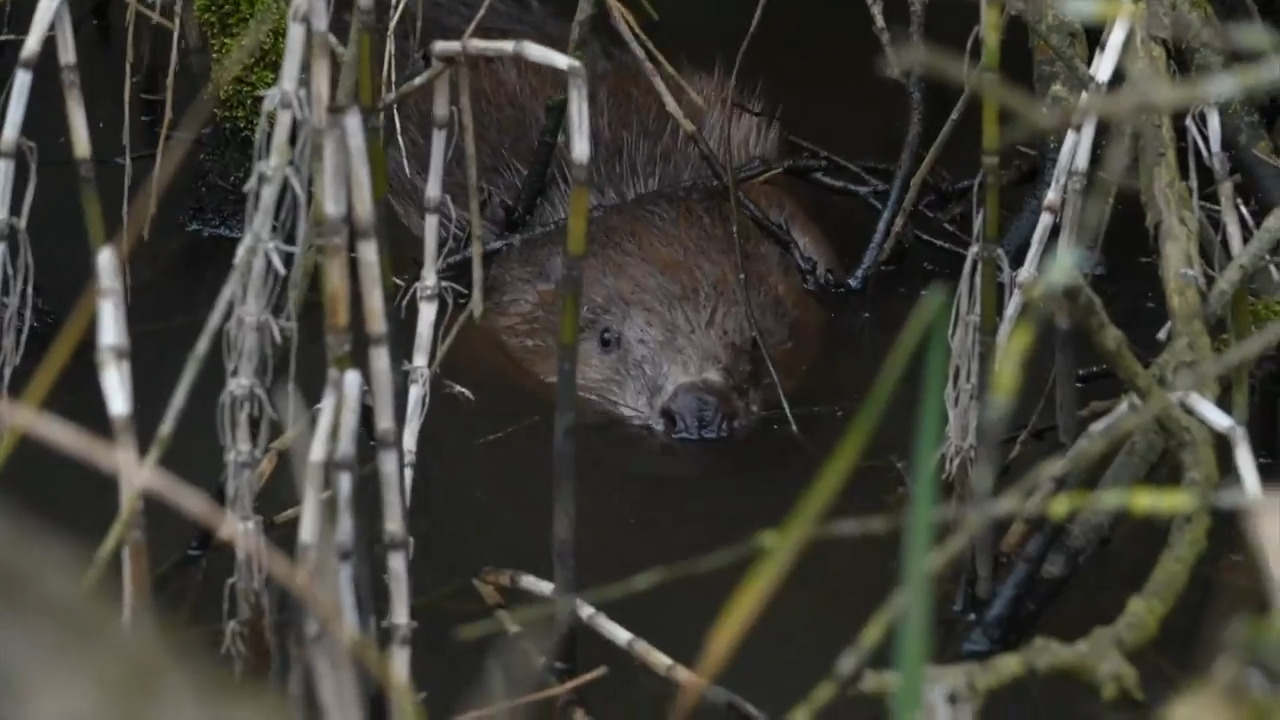
Ever think you would celebrate the return of a dog-sized rodent?! You might, if those rodents were the beavers making their way to the wetlands in Shropshire. Until recently, the area had spent its last 400 years beaver-less, after hunters depleted the beaver population for fur, meat, and scent glands.
Now, the county is excited to welcome a pair of beavers that was transported all the way from Scotland — that’s 300 miles! But why go through all of this trouble just to bring beavers back? Beavers’ list of strengths include helping to control water, creating new habitats for other creatures, managing willow tree scrub that’s drying out the surroundings, and being pretty darn cute.
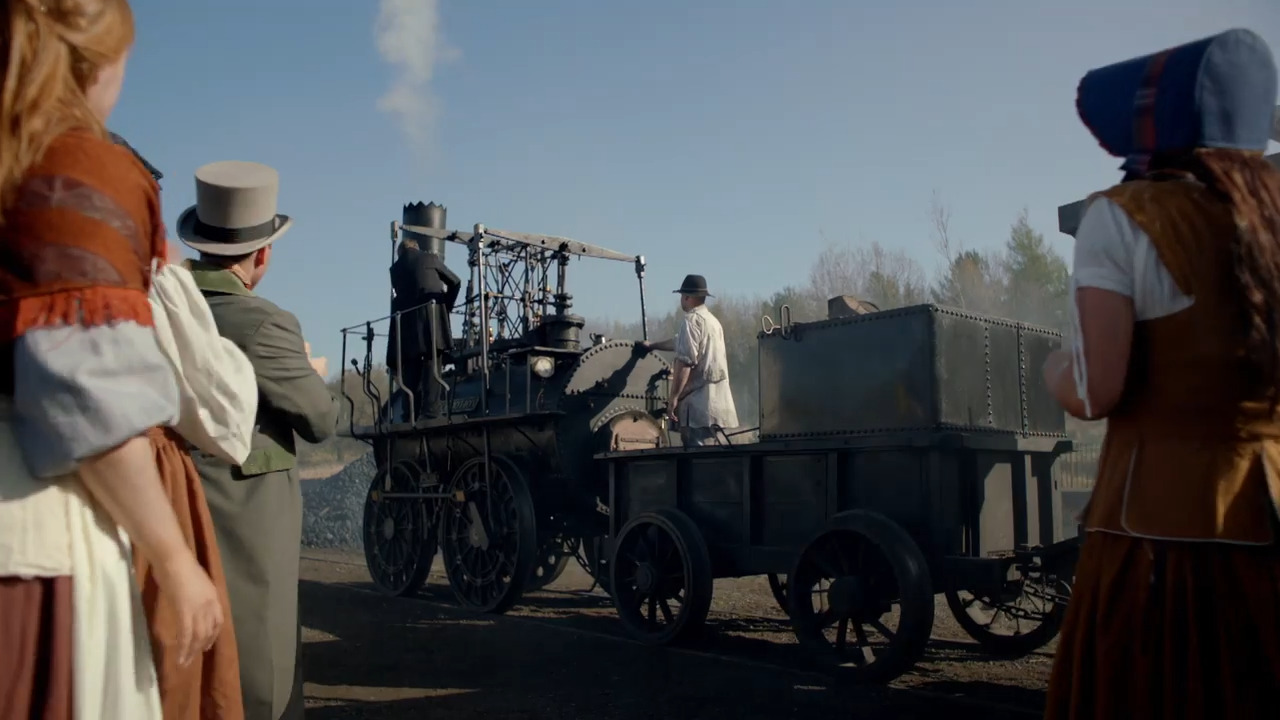
In How Railways Powered the Industrial Revolution, host Andrew Marr describes how when the first locomotive went for a test run it drove for 26 miles. But by the end of the Industrial Revolution, locomotion and trains had reshaped transportation, industry, and the world. This video is excerpted from BBC’s Andrew Marr's History of the World, a story of human history that uses reenactments, modern footage, and storytelling to explain history’s greatest achievements.
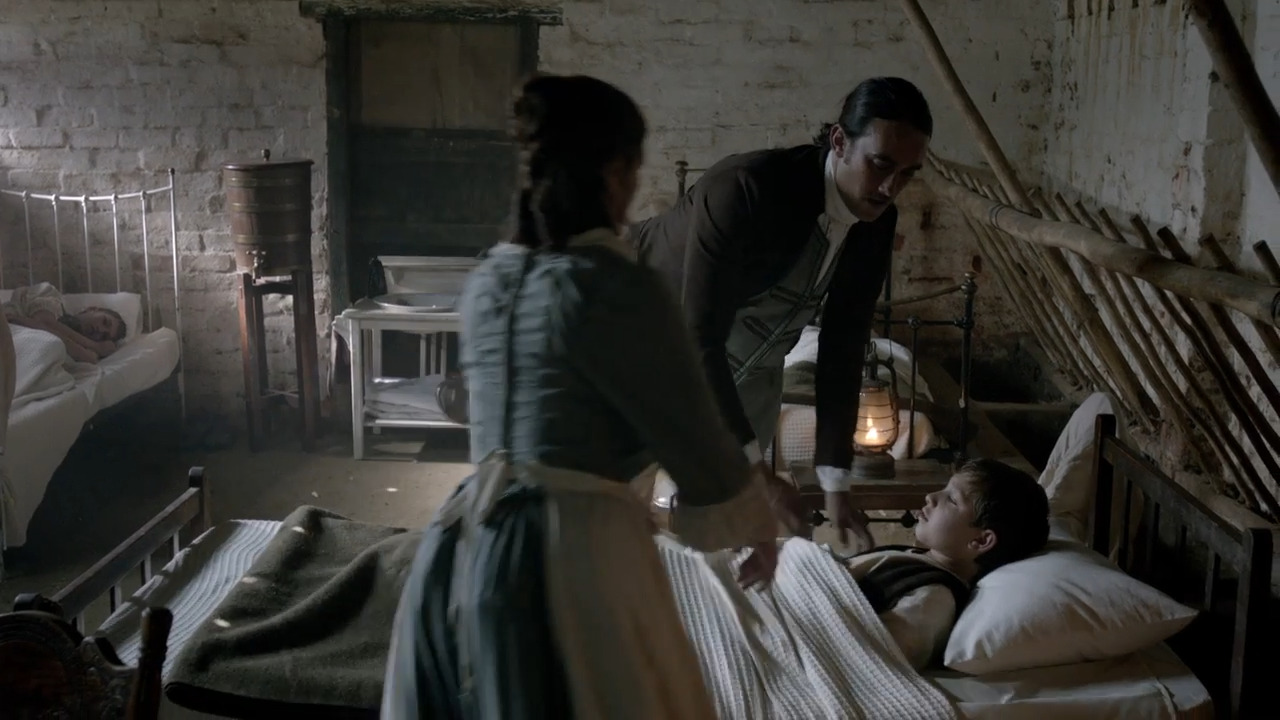
In From Cowpox to a Smallpox Vaccine, host Andrew Marr introduces us to Edward Jenner, a young English doctor who was impacted by smallpox as a child. As an adult, he heard a rumor that people who catch cowpox were protected against smallpox. This sparked the idea for the first vaccine and produced a vaccine that would eradicate smallpox from the world, saving millions of lives. This video is excerpted from BBC’s Andrew Marr's History of the World, a story of human history that uses reenactments, modern footage, and storytelling to explain history’s greatest achievements.

In The Go Jetters Visit the Bishop Rock Lighthouse, the Go Jetters crew is on a boat race around the Isles of Scilly in the United Kingdom. They come upon Bishop Rock Lighthouse. Ubercorn shares funky facts about this long-standing, unique lighthouse. This video is excerpted from BBC’s Go Jetters, a series that follows the adventures of four international heroes as they travel the globe visiting landmarks and solving environmental problems with Ubercorn, a disco-dancing unicorn.
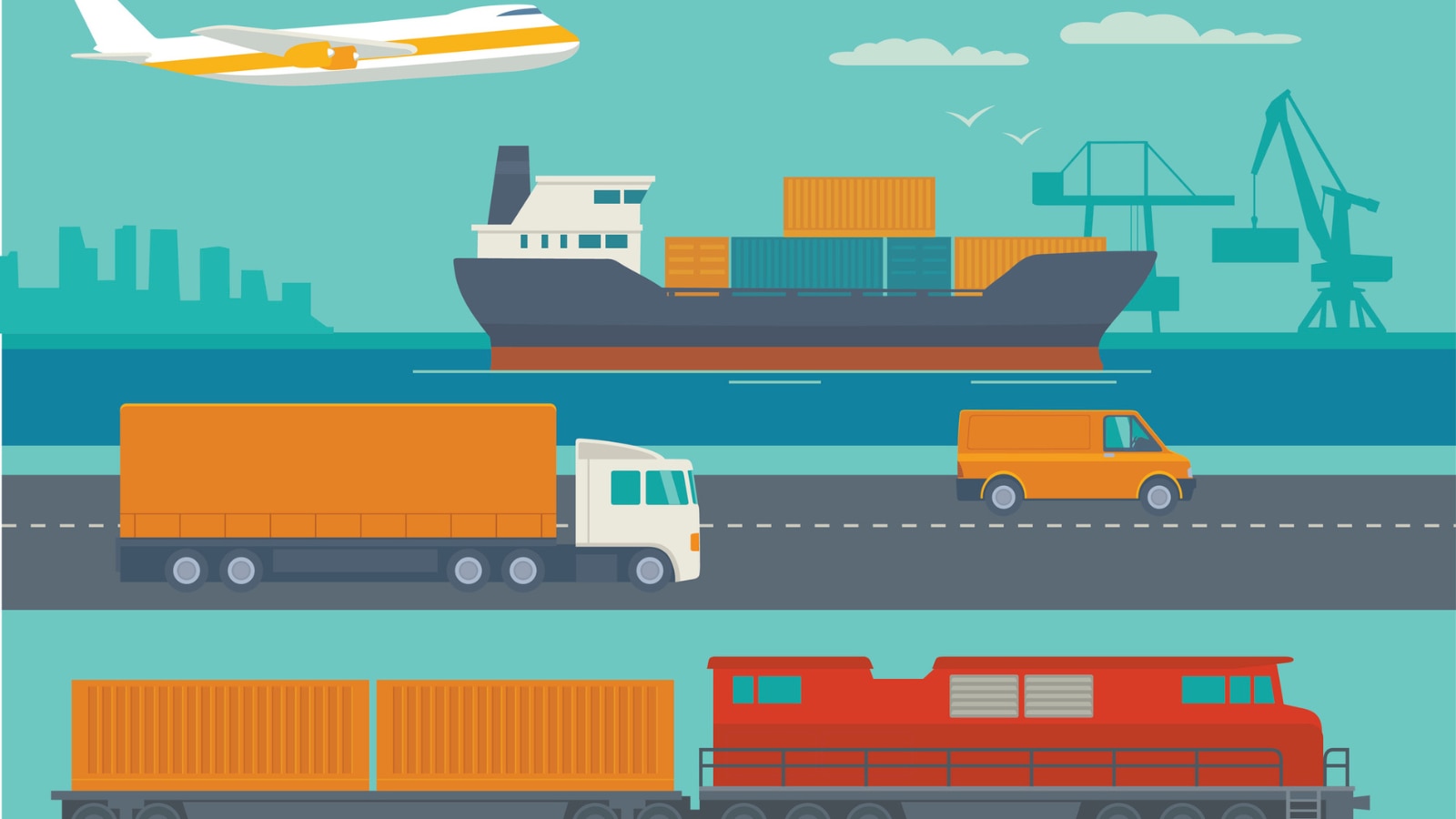
In Grace’s Amazing Machines, motorcycle rider Grace travels by land, sea, and sky to discover incredible vehicles and find out how they work. Zoom along on superbikes and supercars, take to the skies in a gyrocopter, climb aboard a powerful tugboat, and meet even more machines built to move in amazing ways.
As Grace gets behind the wheel, climbs aboard, and takes each machine for a spin, discover what makes it go, how it steers and stops, and what special features help it do its job. Along the way, explore simple ideas about movement, speed, power, and the forces that make things roll, float, and fly.
Start your engines and get ready to discover some amazing machines!

Meet young chefs as they prepare foods connected to their families and cultures, from favorite recipes to dishes enjoyed for celebrations and special occasions. Along the way, discover new ingredients, cooking techniques, and flavors while seeing how food traditions can be shared across generations.
Every recipe has a story. The foods people cook can reflect where they live, their family histories, the ingredients available to them, and traditions that have been passed down over time. These clips offer a window into different cultures while highlighting something people everywhere have in common: gathering together to cook, eat, and share.
Grab a seat at the table and explore the people, traditions, and stories behind the food.
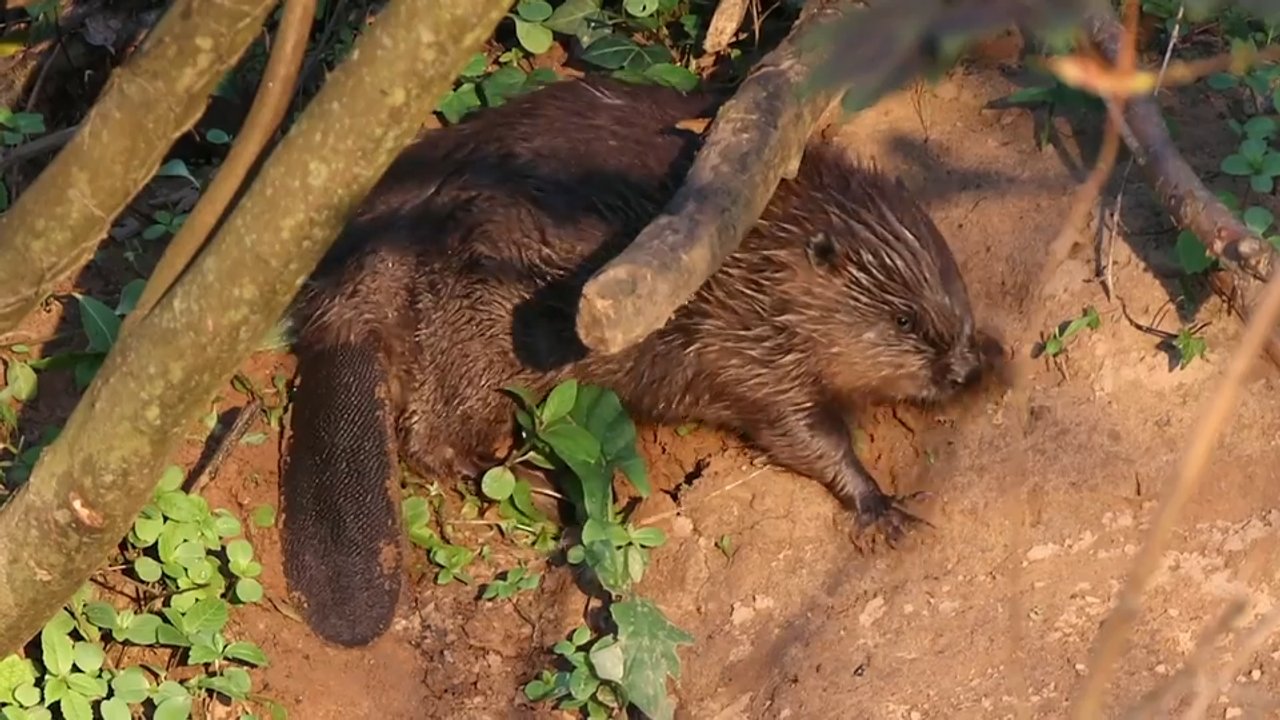
Need a quick fix for nature? Just add beavers! Okay, it’s not quite that simple. But a small beaver family in the UK has shown what these animals can do, turning a shallow, struggling stream into what Forestry England called a “watery wonderland.”
Don’t picture water slides. Before the beavers arrived, the stream nearly dried up every summer. The beavers built dams from branches and mud, which held water back and spread it across the land. That created wetlands, areas where shallow water covers the ground for much of the year. Those wetlands now support insects, birds, and bats, along with small predators such as stoats, weasels, and pine martens. (Pine martens are tree-climbing relatives of the weasel.)
For now, the beavers live inside a fenced area. Their success has conservation groups asking whether beavers could one day be released into the wild without fences. That takes more than opening a gate. First, conservationists need feasibility studies (research to check whether a release would work). They also need government permission and a long-term plan for managing the animals. And they have to work out how beavers and people will share the land, since beaver dams can flood farmland, roads, or gardens.
If it’s done well, the payoff could be big. Beaver wetlands can boost biodiversity, or the variety of living things in one area. They also act like sponges, helping land hold on to water during heatwaves and droughts.

In What Makes Tomatoes So Savory?, presenter Cherry Healey visits a tomato farm in Worcester, England. She learns why tomatoes are so savory and are used in so many dishes. This video is excerpted from BBC’s Inside the Factory, a series that takes viewers behind the scenes in the factories that make our favorite products.
The article "The First Rugby Match Between Nations: Scotland vs. England, 1871" from BBC's HistoryExtra explores the events of March 27, 1871, when the very first international rugby game was played in Edinburgh. It covers the background, gameplay, and how the match marked the beginning of one of the sport’s greatest rivalries.
In A Berry Special Yule Log, discover Essex, England, where Dougie is making a chocolate yule log for Christmas, using red currants as his secret ingredient. Red currants are small, tart berries that are used in desserts like jams and ice cream. After baking the yule log with cocoa and eggs, Dougie decorates a Christmas-themed table. Will his friends like the treat made with red currants? This video is excerpted from BBC's My World Kitchen, where young chefs create special recipes that honor their heritage and celebrate their roots.
In Asparagus Adventures, discover Bristol, England, the hometown of the famous pirate Blackbeard and hot air balloon rides. Here Vinnie is whipping up a tart for his friends. He adds his secret ingredient — asparagus spears! Did you know asparagus can be white or purple and eaten raw or pickled? Let’s find out if his friends like the taste of asparagus. This video is excerpted from BBC's My World Kitchen, where young chefs create special recipes that honor their heritage and celebrate their roots.
In The Go Jetters Visit the Mysterious Stonehenge, the Go Jetters crew visits the ancient landmark, Stonehenge, in England. Learn interesting facts and theories about Stonehenge and locate it on a map. This video is excerpted from BBC's Go Jetters, a series that follows the adventures of four plucky international heroes as they travel the globe visiting the world’s most famous landmarks with their friend and mentor, Ubercorn, a disco-dancing unicorn.
Ever think you would celebrate the return of a dog-sized rodent?! You might, if those rodents were the beavers making their way to the wetlands in Shropshire. Until recently, the area had spent its last 400 years beaver-less, after hunters depleted the beaver population for fur, meat, and scent glands.
Now, the county is excited to welcome a pair of beavers that was transported all the way from Scotland — that’s 300 miles! But why go through all of this trouble just to bring beavers back? Beavers’ list of strengths include helping to control water, creating new habitats for other creatures, managing willow tree scrub that’s drying out the surroundings, and being pretty darn cute.
In How Railways Powered the Industrial Revolution, host Andrew Marr describes how when the first locomotive went for a test run it drove for 26 miles. But by the end of the Industrial Revolution, locomotion and trains had reshaped transportation, industry, and the world. This video is excerpted from BBC’s Andrew Marr's History of the World, a story of human history that uses reenactments, modern footage, and storytelling to explain history’s greatest achievements.
In From Cowpox to a Smallpox Vaccine, host Andrew Marr introduces us to Edward Jenner, a young English doctor who was impacted by smallpox as a child. As an adult, he heard a rumor that people who catch cowpox were protected against smallpox. This sparked the idea for the first vaccine and produced a vaccine that would eradicate smallpox from the world, saving millions of lives. This video is excerpted from BBC’s Andrew Marr's History of the World, a story of human history that uses reenactments, modern footage, and storytelling to explain history’s greatest achievements.
In The Go Jetters Visit the Bishop Rock Lighthouse, the Go Jetters crew is on a boat race around the Isles of Scilly in the United Kingdom. They come upon Bishop Rock Lighthouse. Ubercorn shares funky facts about this long-standing, unique lighthouse. This video is excerpted from BBC’s Go Jetters, a series that follows the adventures of four international heroes as they travel the globe visiting landmarks and solving environmental problems with Ubercorn, a disco-dancing unicorn.
In Grace’s Amazing Machines, motorcycle rider Grace travels by land, sea, and sky to discover incredible vehicles and find out how they work. Zoom along on superbikes and supercars, take to the skies in a gyrocopter, climb aboard a powerful tugboat, and meet even more machines built to move in amazing ways.
As Grace gets behind the wheel, climbs aboard, and takes each machine for a spin, discover what makes it go, how it steers and stops, and what special features help it do its job. Along the way, explore simple ideas about movement, speed, power, and the forces that make things roll, float, and fly.
Start your engines and get ready to discover some amazing machines!
Meet young chefs as they prepare foods connected to their families and cultures, from favorite recipes to dishes enjoyed for celebrations and special occasions. Along the way, discover new ingredients, cooking techniques, and flavors while seeing how food traditions can be shared across generations.
Every recipe has a story. The foods people cook can reflect where they live, their family histories, the ingredients available to them, and traditions that have been passed down over time. These clips offer a window into different cultures while highlighting something people everywhere have in common: gathering together to cook, eat, and share.
Grab a seat at the table and explore the people, traditions, and stories behind the food.
Need a quick fix for nature? Just add beavers! Okay, it’s not quite that simple. But a small beaver family in the UK has shown what these animals can do, turning a shallow, struggling stream into what Forestry England called a “watery wonderland.”
Don’t picture water slides. Before the beavers arrived, the stream nearly dried up every summer. The beavers built dams from branches and mud, which held water back and spread it across the land. That created wetlands, areas where shallow water covers the ground for much of the year. Those wetlands now support insects, birds, and bats, along with small predators such as stoats, weasels, and pine martens. (Pine martens are tree-climbing relatives of the weasel.)
For now, the beavers live inside a fenced area. Their success has conservation groups asking whether beavers could one day be released into the wild without fences. That takes more than opening a gate. First, conservationists need feasibility studies (research to check whether a release would work). They also need government permission and a long-term plan for managing the animals. And they have to work out how beavers and people will share the land, since beaver dams can flood farmland, roads, or gardens.
If it’s done well, the payoff could be big. Beaver wetlands can boost biodiversity, or the variety of living things in one area. They also act like sponges, helping land hold on to water during heatwaves and droughts.
In What Makes Tomatoes So Savory?, presenter Cherry Healey visits a tomato farm in Worcester, England. She learns why tomatoes are so savory and are used in so many dishes. This video is excerpted from BBC’s Inside the Factory, a series that takes viewers behind the scenes in the factories that make our favorite products.