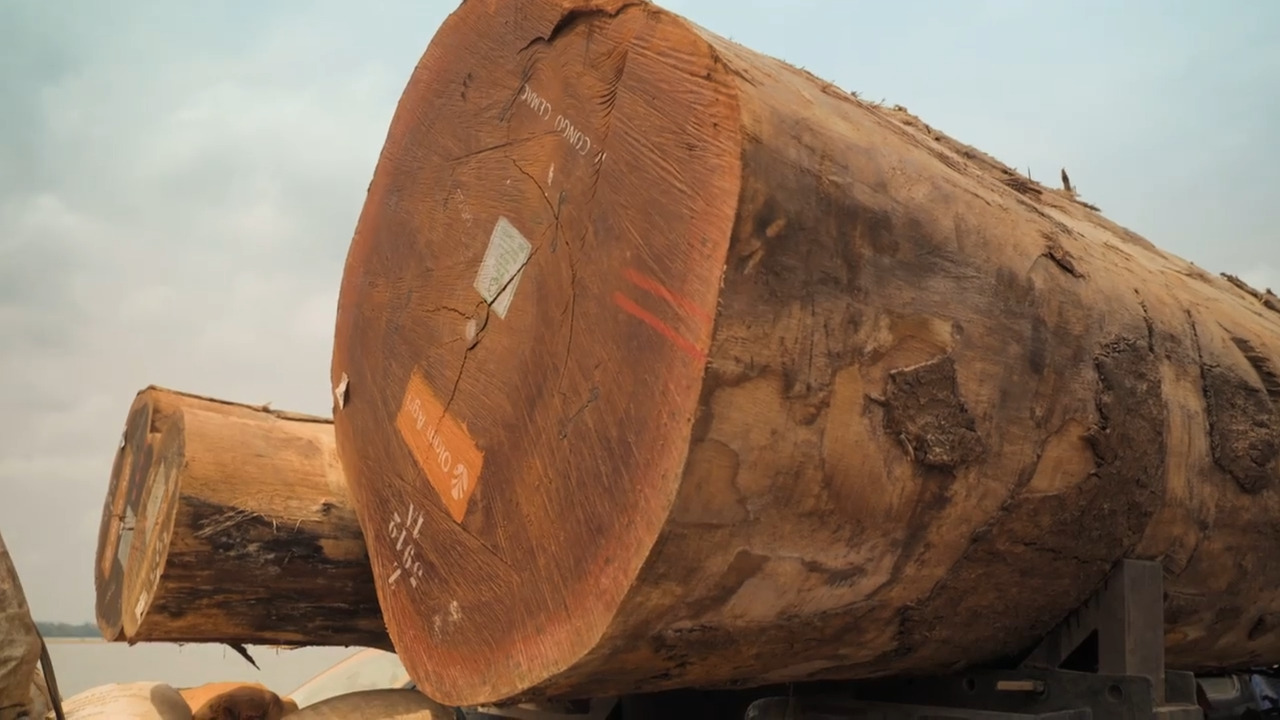
In Is Logging in the Congo Worth It?, host Simon Reeve and his guide Addams are driving through the Congo after their trek and come across dirt roads made by loggers. Addams explains that while some logging is legal, there’s also a lot of illegal logging of African redwood happening, which harms the rainforest and its people. As a conservationist, Addams investigates these loggers to make sure they follow the law, but he also questions if logging, even when legal, is morally right. This video is excerpted from BBC’s Wilderness With Simon Reeve, an epic adventure into the heart of Earth’s last great wild areas, where nature is at its most beautiful and fragile.
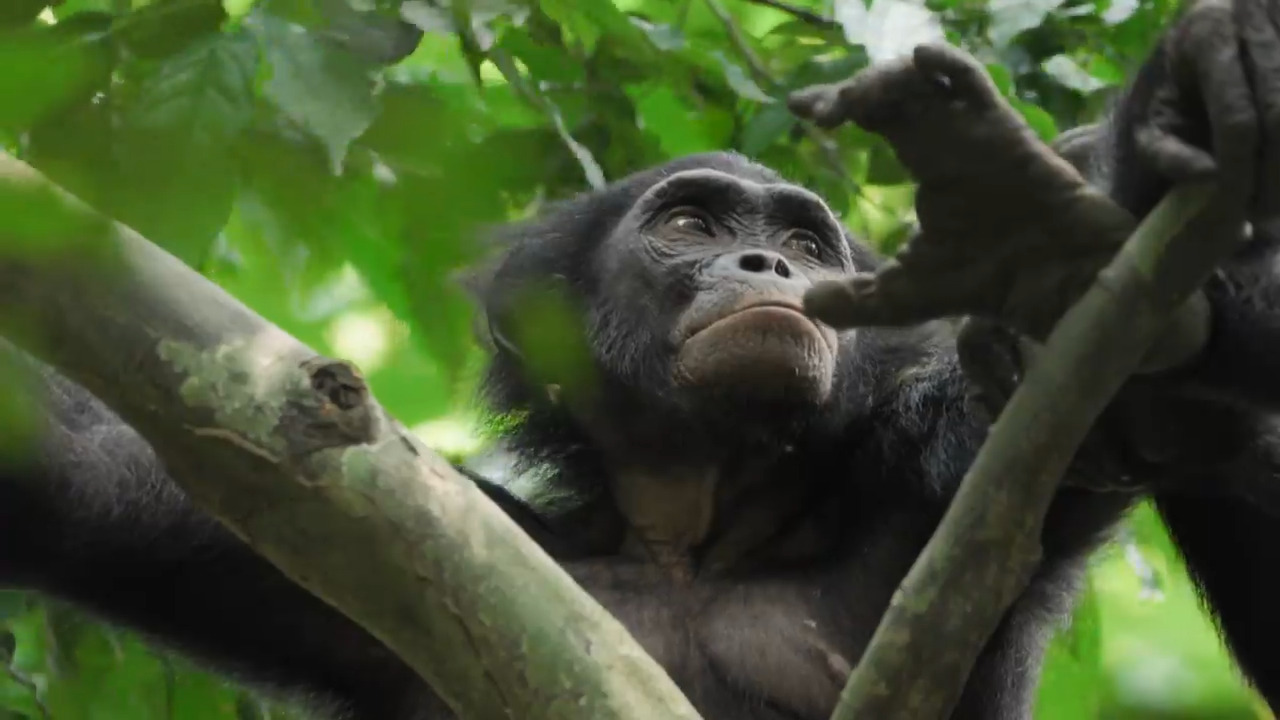
In Congo Adventures: Tracking Bonobos, host Simon Reeve treks through the rainforests of the Congo in search of bonobos, a gentle species of apes only found in this region. Along the way, he battles swarms of bees and tough terrain but finally discovers a family of bonobos living peacefully in the trees. These animals play a crucial role in the rainforest’s survival by spreading seeds as they eat, helping new plants and trees grow. Without the bonobos and other wildlife, the rainforest wouldn’t be able to thrive! This video is excerpted from BBC’s Wilderness With Simon Reeve, an epic adventure into the heart of Earth’s last great wild areas, where nature is at its most beautiful and fragile.
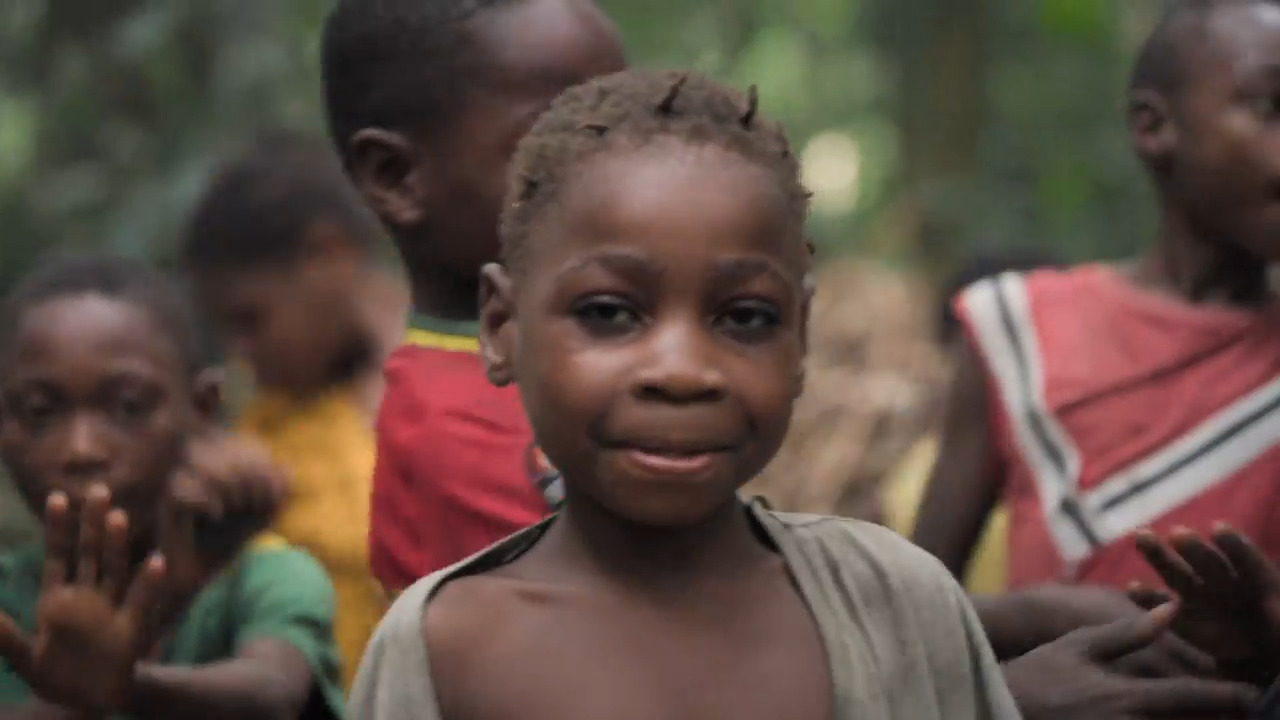
In The First People of the Congo, host Simon Reeve travels through the Congo and meets the Baka community, the first Indigenous people of the Congo Basin. The Baka people are skilled at building huts quickly, with the women doing most of the work while the men hunt. They live simply, taking only what they need from the forest and sharing everything with one another, a lifestyle that has survived despite the challenges they faced from European colonists. This video is excerpted from BBC’s Wilderness With Simon Reeve, an epic adventure into the heart of Earth’s last great wild areas, where nature is at its most beautiful and fragile.
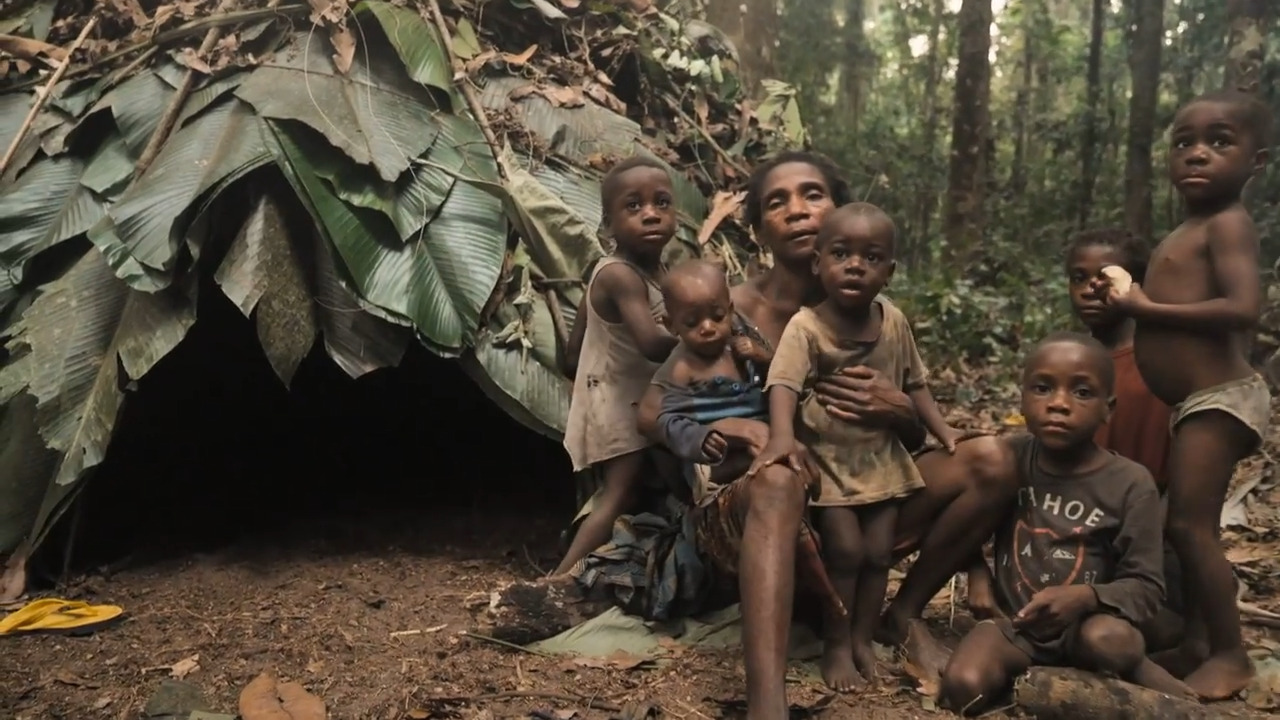
In The Baka People Confront Deforestation and Disease, host Simon Reeve spends time with the Baka people in the Congo, who live peacefully in the rainforest. He learns their biggest challenges aren't from nature, but from medical issues like malaria and conflicts with neighboring people. The dense rainforest canopy helps protect them from mosquitoes, but deforestation is making the situation worse. They share their struggles, including the long trek to get medical help and the violence they face from the Bantu. This video is excerpted from BBC’s Wilderness With Simon Reeve, an epic adventure into the heart of Earth’s last great wild areas, where nature is at its most beautiful and fragile.
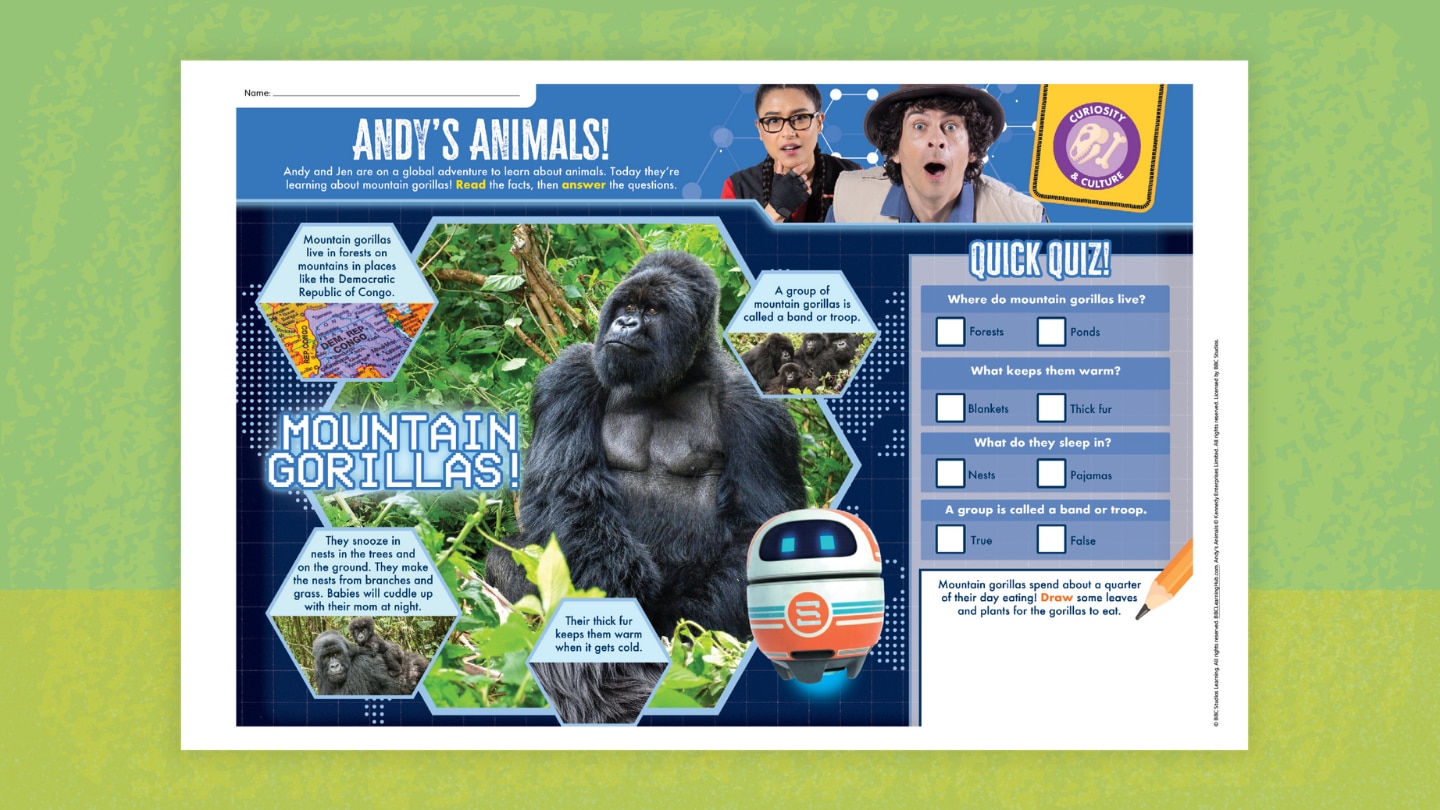
Take your class deep into the misty mountains with Andy! In this fun mountain gorillas worksheets, you'll:
- Discover fascinating facts about gorillas' nests, thick fur, and family life.
- Learn where mountain gorillas live and how they stay warm.
- Test your memory with quick quiz.
- Draw leaves for gorillas to munch on.
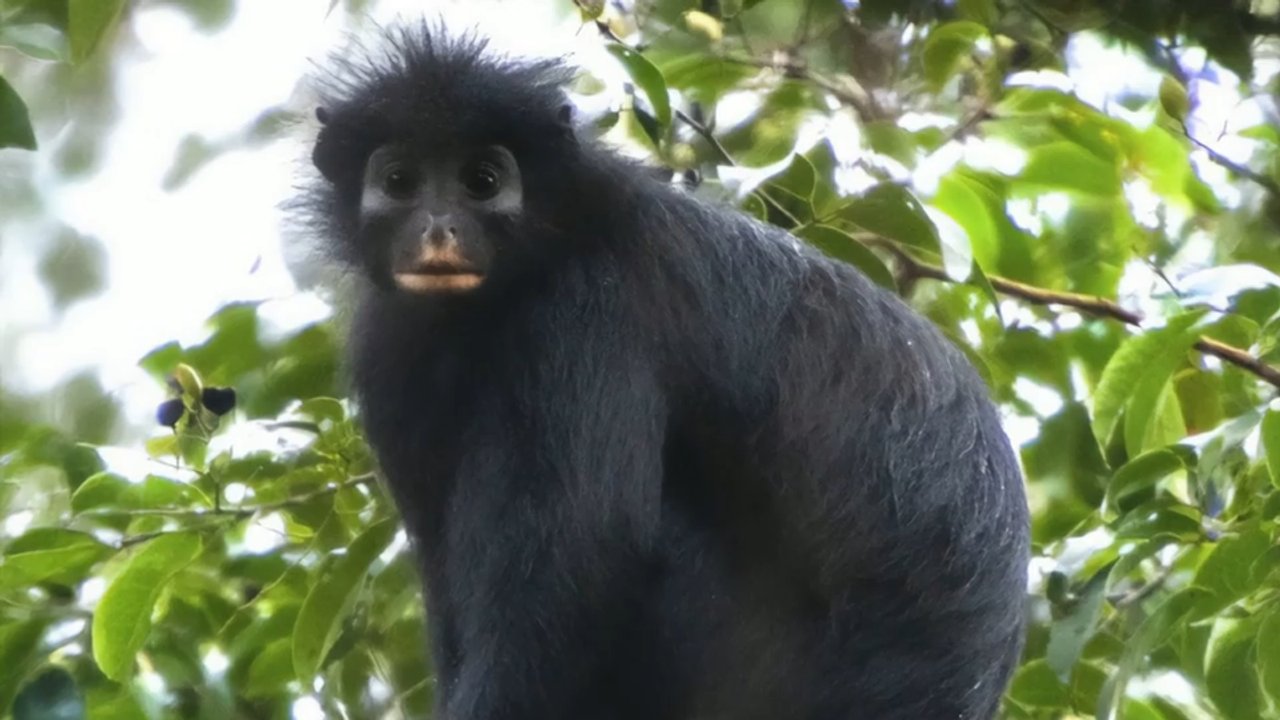
Most of our sub-par pictures just take up space on our phones and show off the insides of our pockets, but one blurry photo launched an almost two decades-long scientific endeavor.
A search that began with a picture of a tail in the trees eventually took researchers deep into Lomami National Park in the Democratic Republic of Congo on a quest to find out exactly what kind of monkey they were dealing with. Using microphones, cameras and genetic testing, they gathered enough evidence to confirm that the animal is a distinct species, now named Colobus congoensis — the first time a monkey is being named after the Congo!
It belongs to a group of plant-eating primates that live high in trees and do not have thumbs, but the Colobus congoensis has some unique characteristics. It uses a roaring call that announces its presence through dense tropical forest and has distinctive pinkish-orange lips that researchers think could act as a visual signal, perhaps helping it attract a mate. It also gives you someone to blame if your sibling asks, “Who ate the last orange creamsicle?!”
Scientists still have a lot to learn about this monkey, but it seems rare and limited to a particular habitat in the central-eastern part of the country. Researchers hope that officially recognizing it as a separate species will help protect both the monkey and the environment it depends on.
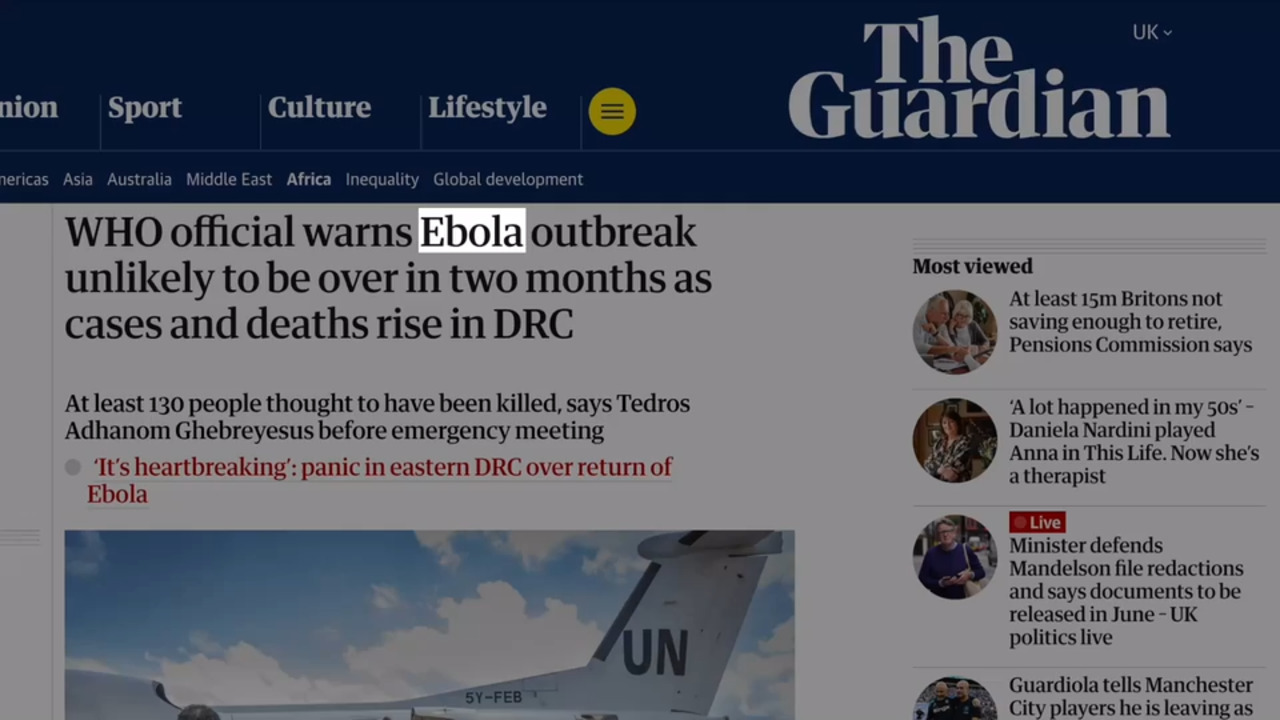
The DRC (Democratic Republic of the Congo) is a large central African country now facing an Ebola outbreak along with neighboring Uganda. Ebola is a serious virus spread through contact with infected blood or body fluids, causing fever, vomiting, and bleeding. This outbreak's strain has no approved vaccine or treatment.
This isn't the DRC's first health crisis — and it's not bad luck. Three main factors are at play: the DRC borders nine countries with heavy cross-border movement and conflict-driven displacement, making disease spread easy; its health system is stretched thin, so early symptoms (which mimic other illnesses) often go unnoticed; and close contact with wildlife in its vast forests — including hunting and eating bushmeat — raises the risk of animal-to-human disease jumps.
Together, these factors explain why outbreaks keep happening — and why this one deserves close attention.
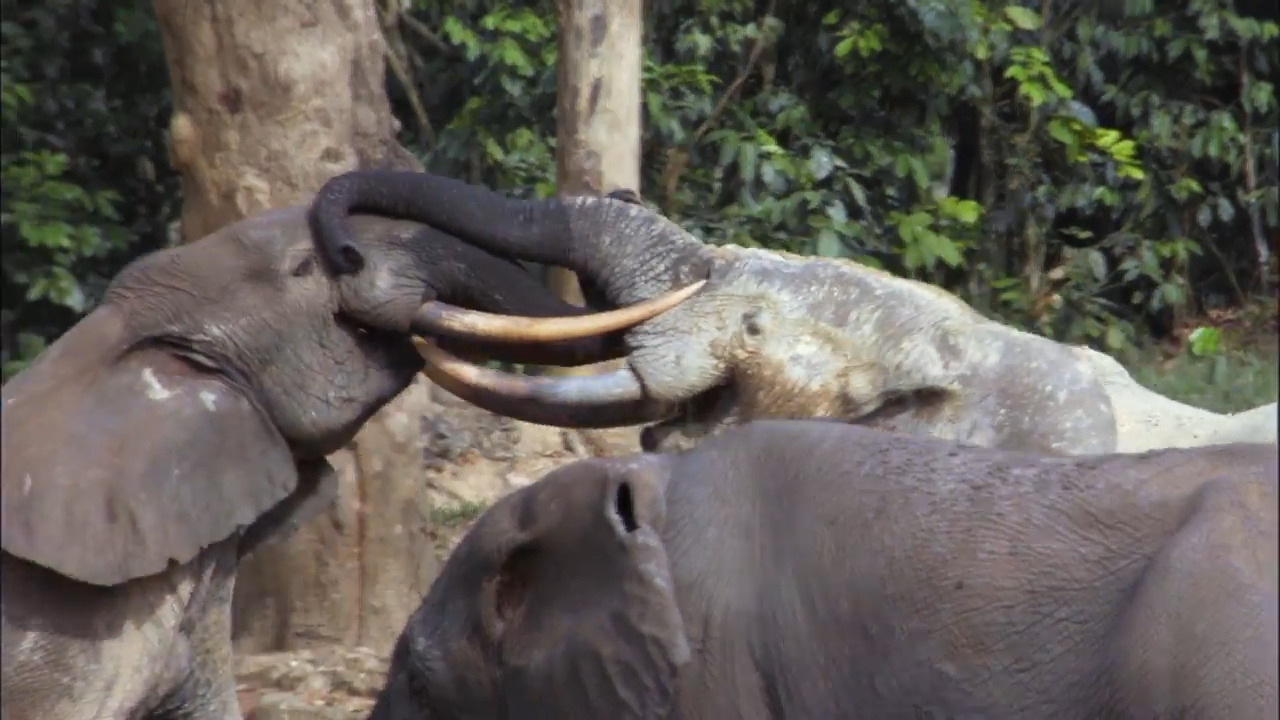
In Elephants in the Congo, narrator Sir David Attenborough follows the elephants in the Congo to a clearing. The elephants roam great distances in their search for food. Learn how they change their environment by creating highways through the Congo and through blowing bubbles in the mud to uncover minerals below the surface. This video is excerpted from BBC's Planet Earth, a breathtaking documentary series that highlights the natural wonders of our planet.
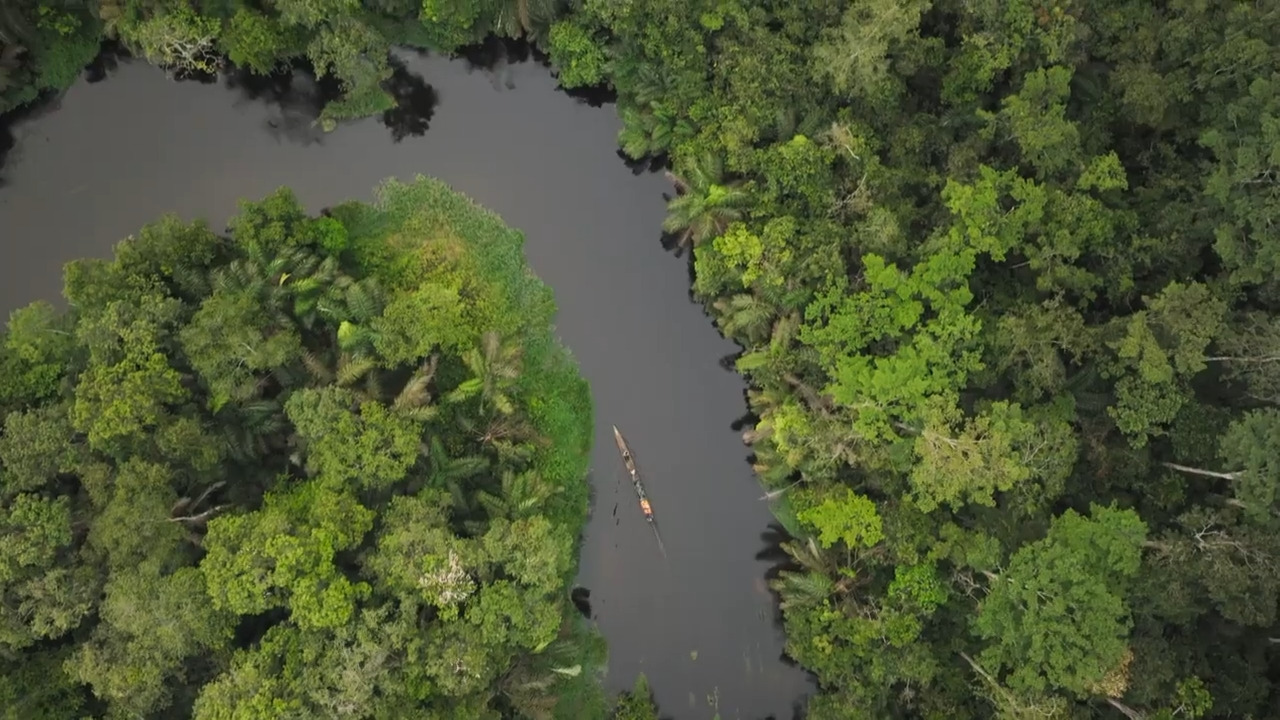
In A Night in the Untamed Congo, host Simon Reeve and his guide, Addams, journey into the Congo Basin, one of the most unexplored places on Earth. After traveling by boat, they trek through the rainforest, facing swampy terrain and the challenges of the wild. As night falls, they set up camp and make a fire for safety, knowing the forest’s predators are afraid of it. Addams shares how the Baka people, who live here year-round, thrive in harmony with the forest, showing how different their survival skills are from outsiders. This video is excerpted from BBC’s Wilderness With Simon Reeve, an epic adventure into the heart of Earth’s last great wild areas, where nature is at its most beautiful and fragile.
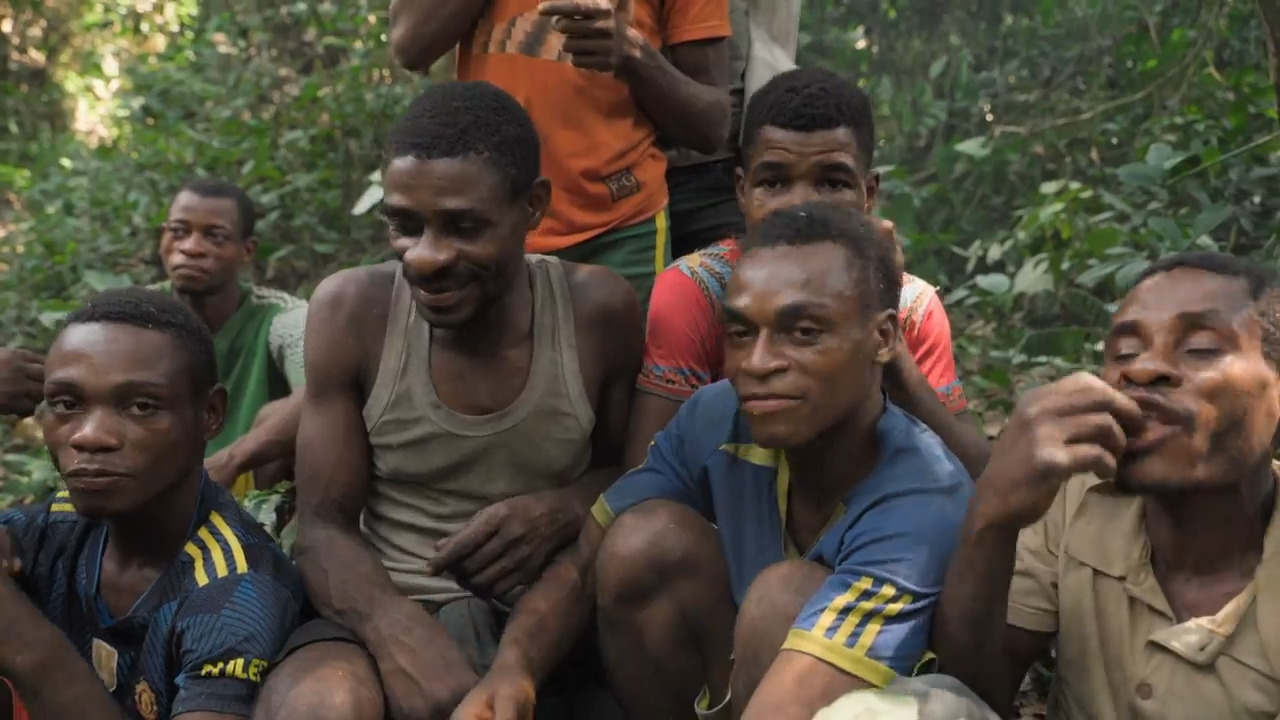
In Honey Hunters of the Congo, host Simon Reeve spends time with the Baka community in the Congo, learning their way of life. He joins the men on a hunt through the rainforest, where they collect fruits, nuts, and fresh honeycomb from a towering tree using a smoker. Back in the village, the Baka share everything they gather, showing unity as a community. Simon gets a taste of the honey and a glimpse of how deeply connected the Baka people are to each other and the rainforest. This video is excerpted from BBC’s Wilderness With Simon Reeve, an epic adventure into the heart of Earth’s last great wild areas, where nature is at its most beautiful and fragile.
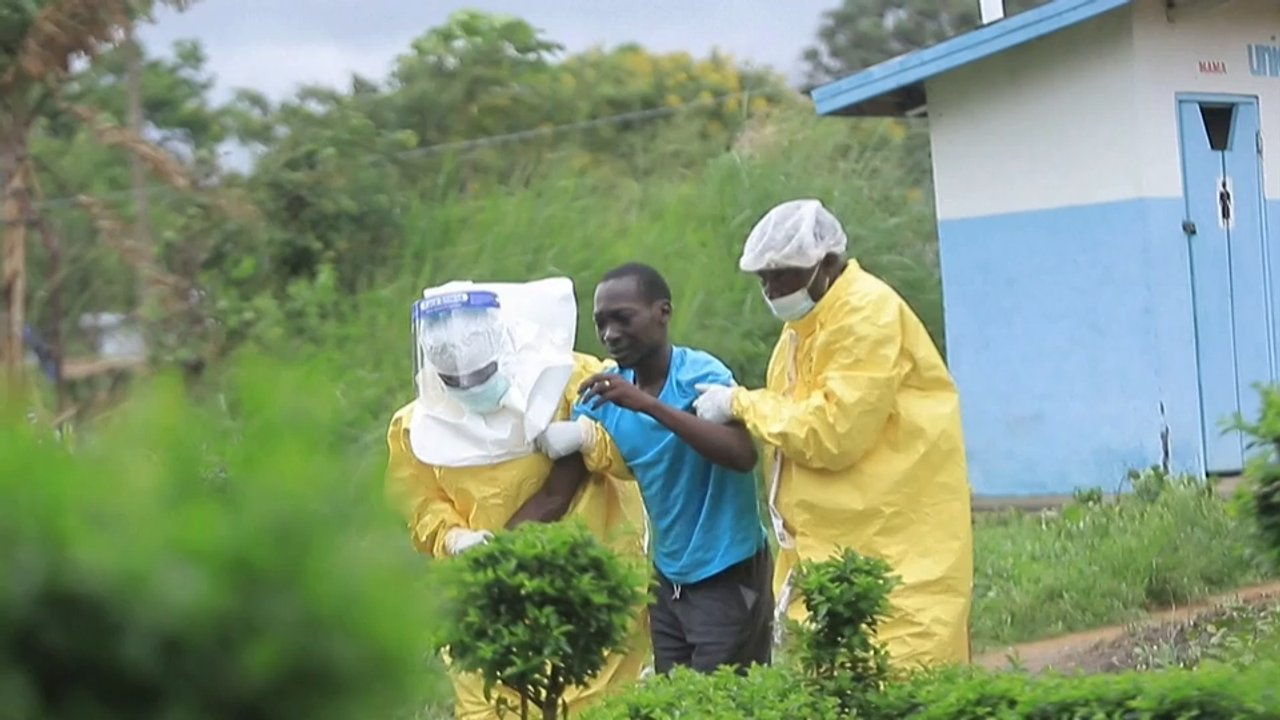
The Democratic Republic of the Congo (DRC) is months into a serious Ebola outbreak caused by the Bundibugyo species of the virus. Its rapid spread has prompted health officials to raise the risk assessment to "very high" nationally, "high" regionally, and "low" globally. The Bundibugyo species has a case fatality rate of about one in three people, and there's currently no approved vaccine for this type of Ebola. Scientists at the University of Oxford are racing to develop one, using a strategy that may sound familiar.
During the COVID-19 pandemic, scientists were able to develop vaccines quickly by using a harmless virus to deliver genetic material from the coronavirus. It may sound like the world’s worst Amazon delivery, but that material acts as instructions to teach the immune system what to recognize, so it can fight the real virus if a person is exposed later. It’s like showing your immune system a "wanted poster" of a criminal, and giving your body time to figure out how to respond if faced with the actual criminal.
Now, scientists are using the same strategy for Ebola: a harmless virus delivers genetic instructions from the Bundibugyo Ebola virus, helping the immune system prepare without causing the disease itself. Health officials hope the outbreak can be contained without a vaccine, but because Ebola can spread quickly and cause severe illness, having a vaccine ready would provide another powerful tool to help stop it — a definite case of "better safe than sorry."
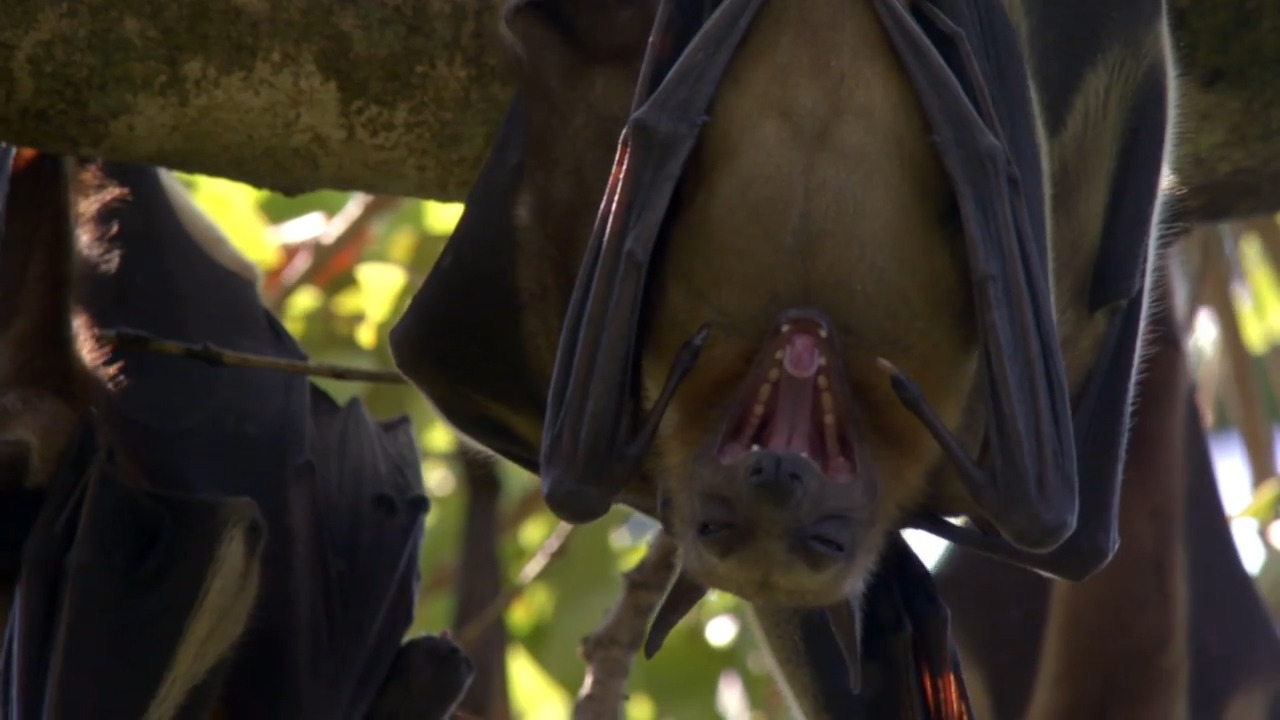
In The Great Fruit Bat Feast, narrator Sir David Attenborough considers the fruit bats of the Congo, with wings nearly a meter wide, as they embark on a journey to a remote swamp in Zambia. These bats travel hundreds of miles to feast on fruit, devouring nearly 1 billion pieces in just a few weeks! The mystery of how they know exactly when and where to go remains unsolved, but their incredible journey shows how far they’ll travel for a good meal! This video is excerpted from BBC's Life, a show that explores the remarkable strategies animals and plants use to ensure their survival.
In Is Logging in the Congo Worth It?, host Simon Reeve and his guide Addams are driving through the Congo after their trek and come across dirt roads made by loggers. Addams explains that while some logging is legal, there’s also a lot of illegal logging of African redwood happening, which harms the rainforest and its people. As a conservationist, Addams investigates these loggers to make sure they follow the law, but he also questions if logging, even when legal, is morally right. This video is excerpted from BBC’s Wilderness With Simon Reeve, an epic adventure into the heart of Earth’s last great wild areas, where nature is at its most beautiful and fragile.
In Congo Adventures: Tracking Bonobos, host Simon Reeve treks through the rainforests of the Congo in search of bonobos, a gentle species of apes only found in this region. Along the way, he battles swarms of bees and tough terrain but finally discovers a family of bonobos living peacefully in the trees. These animals play a crucial role in the rainforest’s survival by spreading seeds as they eat, helping new plants and trees grow. Without the bonobos and other wildlife, the rainforest wouldn’t be able to thrive! This video is excerpted from BBC’s Wilderness With Simon Reeve, an epic adventure into the heart of Earth’s last great wild areas, where nature is at its most beautiful and fragile.
In The First People of the Congo, host Simon Reeve travels through the Congo and meets the Baka community, the first Indigenous people of the Congo Basin. The Baka people are skilled at building huts quickly, with the women doing most of the work while the men hunt. They live simply, taking only what they need from the forest and sharing everything with one another, a lifestyle that has survived despite the challenges they faced from European colonists. This video is excerpted from BBC’s Wilderness With Simon Reeve, an epic adventure into the heart of Earth’s last great wild areas, where nature is at its most beautiful and fragile.
In The Baka People Confront Deforestation and Disease, host Simon Reeve spends time with the Baka people in the Congo, who live peacefully in the rainforest. He learns their biggest challenges aren't from nature, but from medical issues like malaria and conflicts with neighboring people. The dense rainforest canopy helps protect them from mosquitoes, but deforestation is making the situation worse. They share their struggles, including the long trek to get medical help and the violence they face from the Bantu. This video is excerpted from BBC’s Wilderness With Simon Reeve, an epic adventure into the heart of Earth’s last great wild areas, where nature is at its most beautiful and fragile.
Take your class deep into the misty mountains with Andy! In this fun mountain gorillas worksheets, you'll:
- Discover fascinating facts about gorillas' nests, thick fur, and family life.
- Learn where mountain gorillas live and how they stay warm.
- Test your memory with quick quiz.
- Draw leaves for gorillas to munch on.
Most of our sub-par pictures just take up space on our phones and show off the insides of our pockets, but one blurry photo launched an almost two decades-long scientific endeavor.
A search that began with a picture of a tail in the trees eventually took researchers deep into Lomami National Park in the Democratic Republic of Congo on a quest to find out exactly what kind of monkey they were dealing with. Using microphones, cameras and genetic testing, they gathered enough evidence to confirm that the animal is a distinct species, now named Colobus congoensis — the first time a monkey is being named after the Congo!
It belongs to a group of plant-eating primates that live high in trees and do not have thumbs, but the Colobus congoensis has some unique characteristics. It uses a roaring call that announces its presence through dense tropical forest and has distinctive pinkish-orange lips that researchers think could act as a visual signal, perhaps helping it attract a mate. It also gives you someone to blame if your sibling asks, “Who ate the last orange creamsicle?!”
Scientists still have a lot to learn about this monkey, but it seems rare and limited to a particular habitat in the central-eastern part of the country. Researchers hope that officially recognizing it as a separate species will help protect both the monkey and the environment it depends on.
The DRC (Democratic Republic of the Congo) is a large central African country now facing an Ebola outbreak along with neighboring Uganda. Ebola is a serious virus spread through contact with infected blood or body fluids, causing fever, vomiting, and bleeding. This outbreak's strain has no approved vaccine or treatment.
This isn't the DRC's first health crisis — and it's not bad luck. Three main factors are at play: the DRC borders nine countries with heavy cross-border movement and conflict-driven displacement, making disease spread easy; its health system is stretched thin, so early symptoms (which mimic other illnesses) often go unnoticed; and close contact with wildlife in its vast forests — including hunting and eating bushmeat — raises the risk of animal-to-human disease jumps.
Together, these factors explain why outbreaks keep happening — and why this one deserves close attention.
In Elephants in the Congo, narrator Sir David Attenborough follows the elephants in the Congo to a clearing. The elephants roam great distances in their search for food. Learn how they change their environment by creating highways through the Congo and through blowing bubbles in the mud to uncover minerals below the surface. This video is excerpted from BBC's Planet Earth, a breathtaking documentary series that highlights the natural wonders of our planet.
In A Night in the Untamed Congo, host Simon Reeve and his guide, Addams, journey into the Congo Basin, one of the most unexplored places on Earth. After traveling by boat, they trek through the rainforest, facing swampy terrain and the challenges of the wild. As night falls, they set up camp and make a fire for safety, knowing the forest’s predators are afraid of it. Addams shares how the Baka people, who live here year-round, thrive in harmony with the forest, showing how different their survival skills are from outsiders. This video is excerpted from BBC’s Wilderness With Simon Reeve, an epic adventure into the heart of Earth’s last great wild areas, where nature is at its most beautiful and fragile.
In Honey Hunters of the Congo, host Simon Reeve spends time with the Baka community in the Congo, learning their way of life. He joins the men on a hunt through the rainforest, where they collect fruits, nuts, and fresh honeycomb from a towering tree using a smoker. Back in the village, the Baka share everything they gather, showing unity as a community. Simon gets a taste of the honey and a glimpse of how deeply connected the Baka people are to each other and the rainforest. This video is excerpted from BBC’s Wilderness With Simon Reeve, an epic adventure into the heart of Earth’s last great wild areas, where nature is at its most beautiful and fragile.
The Democratic Republic of the Congo (DRC) is months into a serious Ebola outbreak caused by the Bundibugyo species of the virus. Its rapid spread has prompted health officials to raise the risk assessment to "very high" nationally, "high" regionally, and "low" globally. The Bundibugyo species has a case fatality rate of about one in three people, and there's currently no approved vaccine for this type of Ebola. Scientists at the University of Oxford are racing to develop one, using a strategy that may sound familiar.
During the COVID-19 pandemic, scientists were able to develop vaccines quickly by using a harmless virus to deliver genetic material from the coronavirus. It may sound like the world’s worst Amazon delivery, but that material acts as instructions to teach the immune system what to recognize, so it can fight the real virus if a person is exposed later. It’s like showing your immune system a "wanted poster" of a criminal, and giving your body time to figure out how to respond if faced with the actual criminal.
Now, scientists are using the same strategy for Ebola: a harmless virus delivers genetic instructions from the Bundibugyo Ebola virus, helping the immune system prepare without causing the disease itself. Health officials hope the outbreak can be contained without a vaccine, but because Ebola can spread quickly and cause severe illness, having a vaccine ready would provide another powerful tool to help stop it — a definite case of "better safe than sorry."
In The Great Fruit Bat Feast, narrator Sir David Attenborough considers the fruit bats of the Congo, with wings nearly a meter wide, as they embark on a journey to a remote swamp in Zambia. These bats travel hundreds of miles to feast on fruit, devouring nearly 1 billion pieces in just a few weeks! The mystery of how they know exactly when and where to go remains unsolved, but their incredible journey shows how far they’ll travel for a good meal! This video is excerpted from BBC's Life, a show that explores the remarkable strategies animals and plants use to ensure their survival.