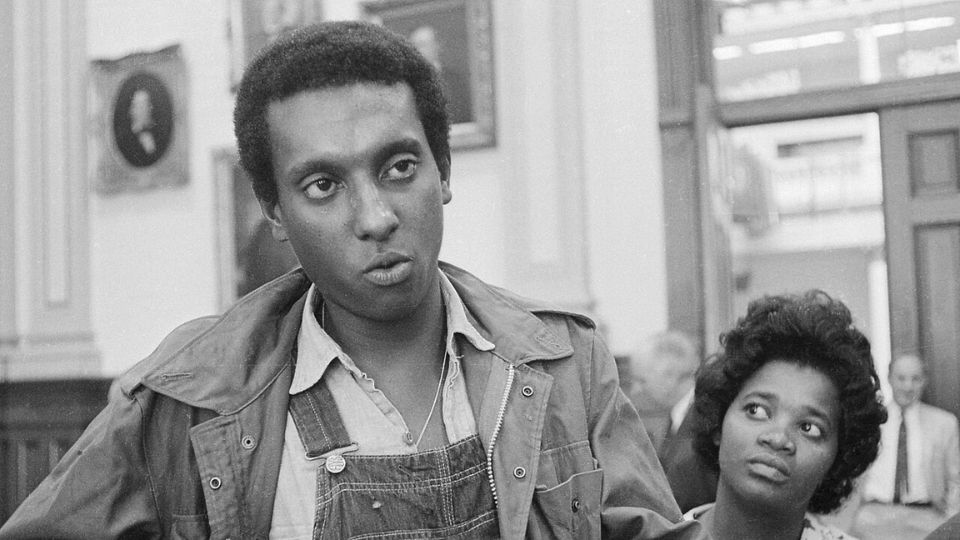
Explore the life and influence of Stokely Carmichael, a powerful voice in the shift from the Civil Rights Movement to the rise of the Black Power Movement. Students will learn how Carmichael challenged ideas about race, identity, equality, and political activism during a time of major change in the United States.
This Kahoot! examines Carmichael’s role in student activism, voting rights campaigns, and the growing call for Black pride, self-determination, and social change during the 1960s and beyond. Students will build listening skills, expand vocabulary, and deepen their historical understanding while exploring how protest movements evolve and how leaders can influence public debate and culture.
Ideal for lessons on history, civil rights, culture, and social movements, this Kahoot! encourages Grade 6–12 students to think critically about resistance, identity, and the continuing impact of activism today.
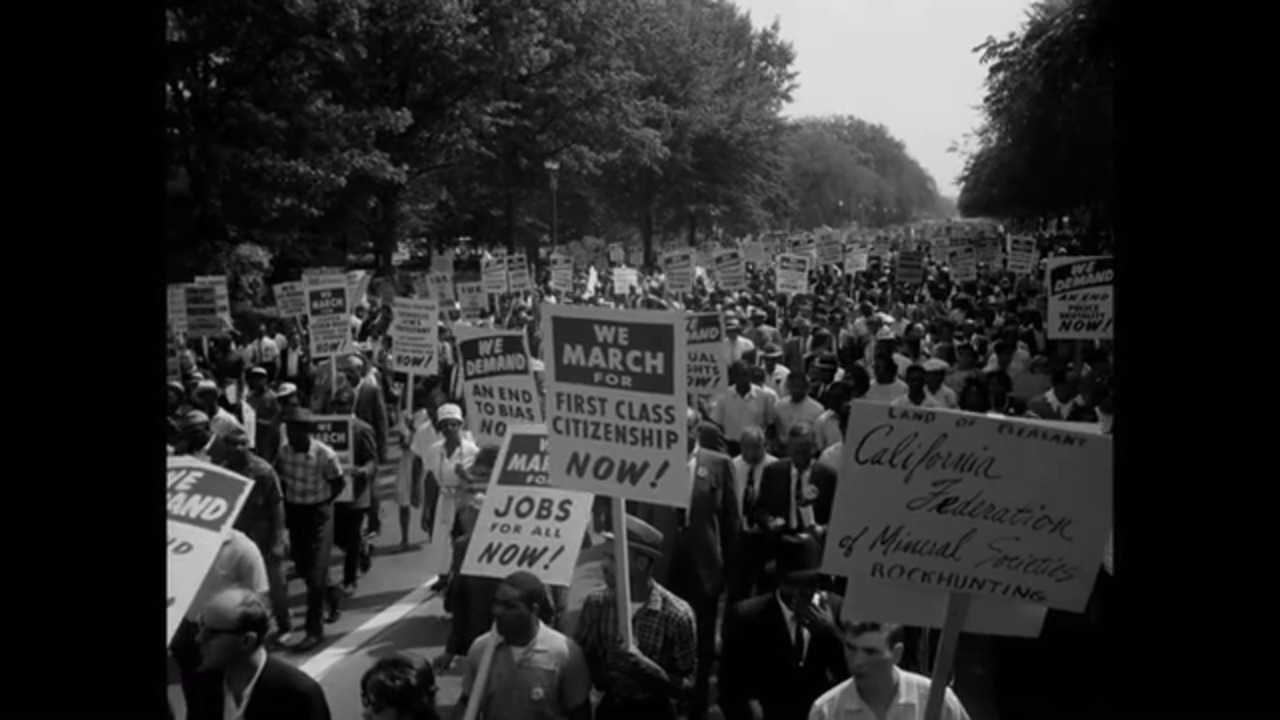
Martin Luther King Jr.’s Story in Song introduces students to Dr. Martin Luther King Jr. and the Civil Rights Movement through music, humor, and powerful historical images. Told as a song, the video shares key moments from Dr. King’s life and his leadership in the fight for equality in a way that is clear, memorable, and engaging for students.
Excerpted from BBC’s Horrible Histories — a multi-award-winning musical and sketch comedy series — this short video uses a familiar, student-friendly format to help make an important part of U.S. history easier to understand. The combination of lyrics, visuals, and real moments from the era helps students connect with the ideas of fairness, courage, and peaceful protest.
At just two and a half minutes, this video is ideal for classrooms. Use it as a quick introduction to Martin Luther King Jr., a lively entry point into the Civil Rights Movement, or a meaningful way to recognize Martin Luther King Jr. Day. It works well as a lesson opener, a review tool, or a discussion starter about how people have worked together to create change in a democracy.
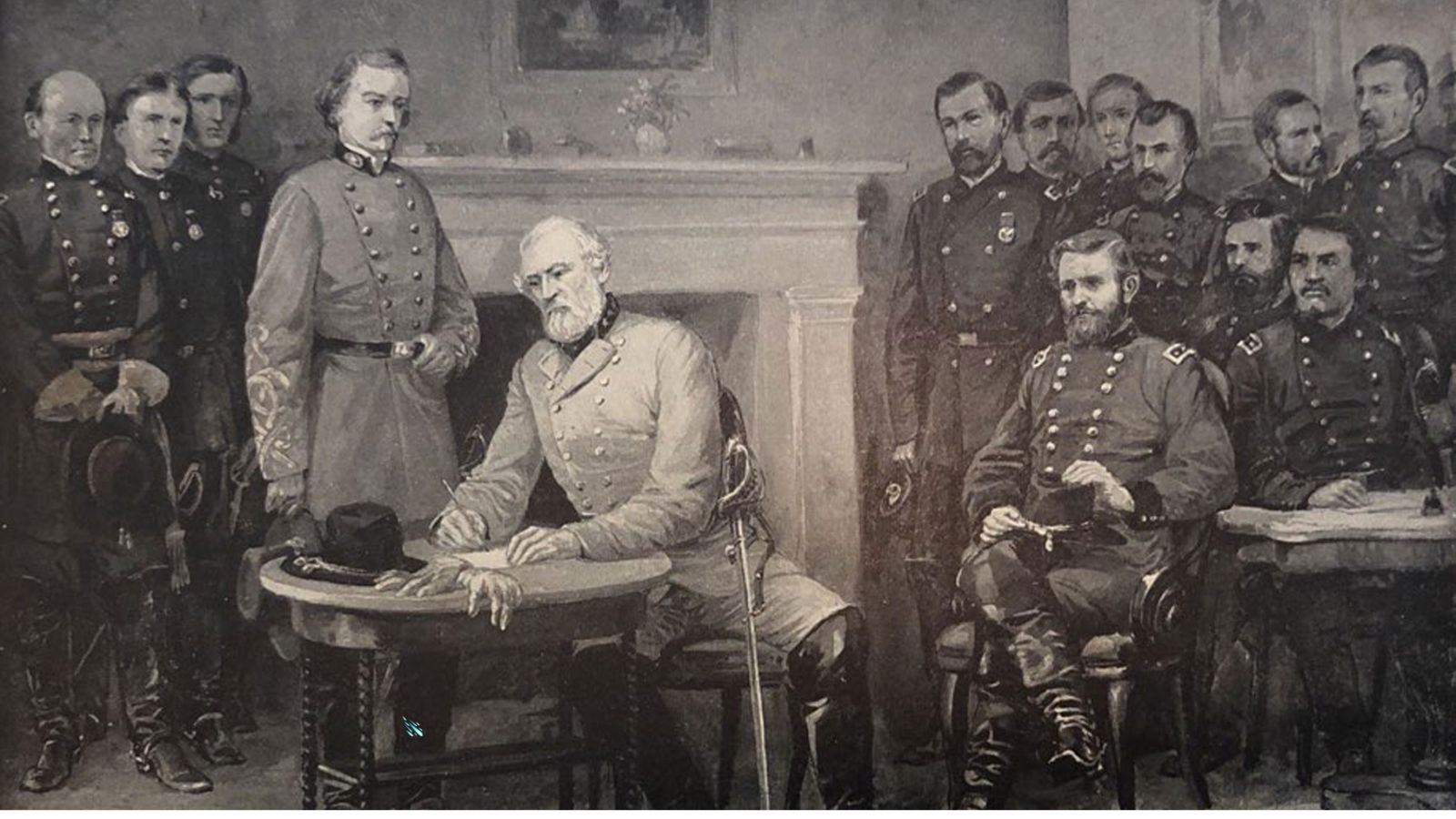
When Lincoln issued the Emancipation Proclamation in 1863, the war to preserve the Union also became a war against slavery. How much Lincoln meant it that way is still debated, and this playlist takes up that question directly. It also covers the new technology that changed how armies fought, the medical crisis in which disease killed twice as many soldiers as combat, the turning-point battles of 1863, and Sherman’s campaign through Georgia. The second half follows the country through Reconstruction: lenient early policies gave way to Radical Reconstruction and constitutional amendments that abolished slavery and guaranteed citizenship and voting rights. It then traces how those gains were rolled back as white Southern Democrats regained power and federal troops withdrew in 1877.
Each video comes with discussion questions, vocabulary, a writing prompt, and classroom activities — all printable from the video page. Questions include why the Emancipation Proclamation didn’t free all enslaved people, why historians call the Civil War the first modern war, and whether Lincoln believed in racial equality.
Teachers and Parents: The playlist picks up where The Road to War leaves off, so together the two playlists cover the full unit for ages 11–18. Videos 1 and 2 work as a pair: a straightforward account of the Emancipation Proclamation followed by historian Lucy Worsley’s case that Lincoln’s main goal was saving the Union. That sets up a strong source-comparison or debate lesson. Lincoln’s Legacy extends the discussion through Frederick Douglass’s reassessment of Lincoln. It contains discriminatory language, so preview it before assigning. The last three videos form a short Reconstruction sequence: The Three Phases of Reconstruction gives the overview, and the next two focus on Black Americans' political gains and the deal that ended federal enforcement, a natural lead-in to Jim Crow and the Civil Rights Movement. Use the "Share With Students" feature to assign videos directly or "Add to Playlist" to build your own sequence.
Explore the life and influence of Stokely Carmichael, a powerful voice in the shift from the Civil Rights Movement to the rise of the Black Power Movement. Students will learn how Carmichael challenged ideas about race, identity, equality, and political activism during a time of major change in the United States.
This Kahoot! examines Carmichael’s role in student activism, voting rights campaigns, and the growing call for Black pride, self-determination, and social change during the 1960s and beyond. Students will build listening skills, expand vocabulary, and deepen their historical understanding while exploring how protest movements evolve and how leaders can influence public debate and culture.
Ideal for lessons on history, civil rights, culture, and social movements, this Kahoot! encourages Grade 6–12 students to think critically about resistance, identity, and the continuing impact of activism today.
Martin Luther King Jr.’s Story in Song introduces students to Dr. Martin Luther King Jr. and the Civil Rights Movement through music, humor, and powerful historical images. Told as a song, the video shares key moments from Dr. King’s life and his leadership in the fight for equality in a way that is clear, memorable, and engaging for students.
Excerpted from BBC’s Horrible Histories — a multi-award-winning musical and sketch comedy series — this short video uses a familiar, student-friendly format to help make an important part of U.S. history easier to understand. The combination of lyrics, visuals, and real moments from the era helps students connect with the ideas of fairness, courage, and peaceful protest.
At just two and a half minutes, this video is ideal for classrooms. Use it as a quick introduction to Martin Luther King Jr., a lively entry point into the Civil Rights Movement, or a meaningful way to recognize Martin Luther King Jr. Day. It works well as a lesson opener, a review tool, or a discussion starter about how people have worked together to create change in a democracy.
When Lincoln issued the Emancipation Proclamation in 1863, the war to preserve the Union also became a war against slavery. How much Lincoln meant it that way is still debated, and this playlist takes up that question directly. It also covers the new technology that changed how armies fought, the medical crisis in which disease killed twice as many soldiers as combat, the turning-point battles of 1863, and Sherman’s campaign through Georgia. The second half follows the country through Reconstruction: lenient early policies gave way to Radical Reconstruction and constitutional amendments that abolished slavery and guaranteed citizenship and voting rights. It then traces how those gains were rolled back as white Southern Democrats regained power and federal troops withdrew in 1877.
Each video comes with discussion questions, vocabulary, a writing prompt, and classroom activities — all printable from the video page. Questions include why the Emancipation Proclamation didn’t free all enslaved people, why historians call the Civil War the first modern war, and whether Lincoln believed in racial equality.
Teachers and Parents: The playlist picks up where The Road to War leaves off, so together the two playlists cover the full unit for ages 11–18. Videos 1 and 2 work as a pair: a straightforward account of the Emancipation Proclamation followed by historian Lucy Worsley’s case that Lincoln’s main goal was saving the Union. That sets up a strong source-comparison or debate lesson. Lincoln’s Legacy extends the discussion through Frederick Douglass’s reassessment of Lincoln. It contains discriminatory language, so preview it before assigning. The last three videos form a short Reconstruction sequence: The Three Phases of Reconstruction gives the overview, and the next two focus on Black Americans' political gains and the deal that ended federal enforcement, a natural lead-in to Jim Crow and the Civil Rights Movement. Use the "Share With Students" feature to assign videos directly or "Add to Playlist" to build your own sequence.