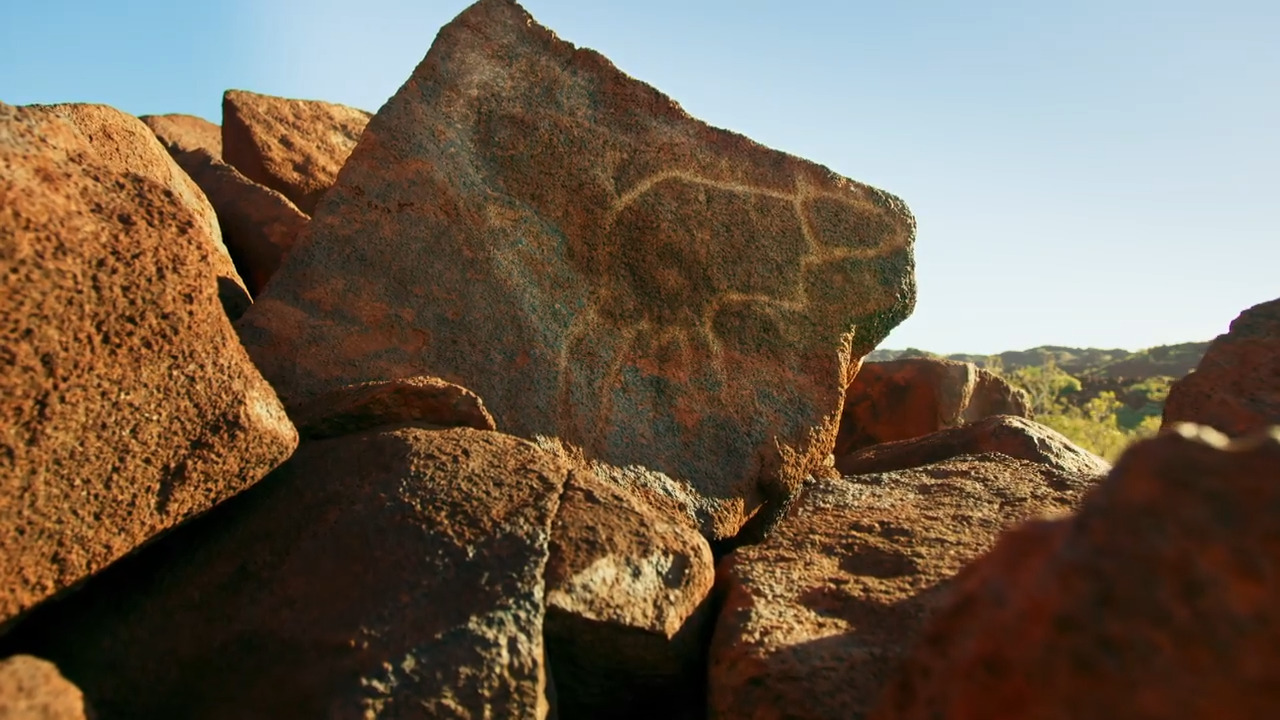
In The Disappearing Mammals of Australia, narrator Sir David Attenborough discusses animal images carved on stone by prehistoric humans. Then Europeans arrived and decimated the unique wildlife of Australia. The future of wildlife now depends on human intervention. This video is excerpted from BBC’s Seven Worlds, One Planet, a series featuring remarkable animal behavior from all seven continents.
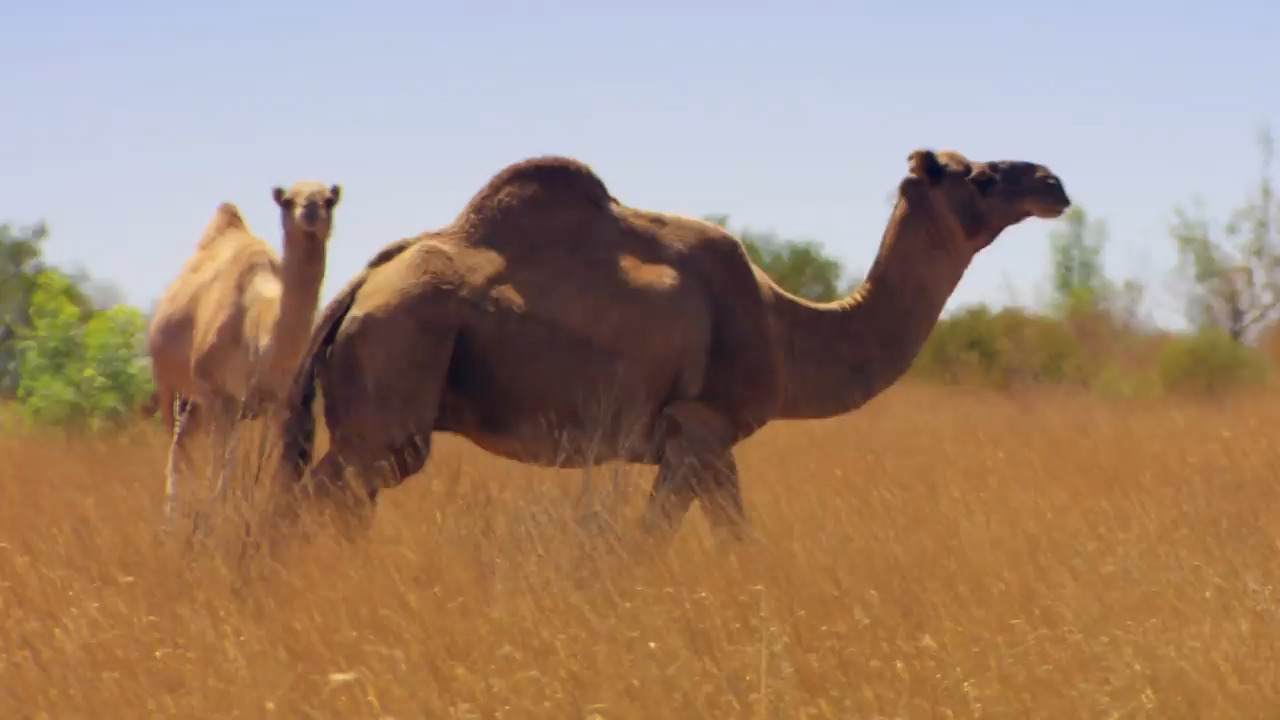
In Invasive Camels in Australia, host Simon Reeve accompanies a group of camel herders who are doing their part to manage the wild camel problem in Australia humanely. This video is excerpted from BBC's Incredible Journeys With Simon Reeve, a series that highlights one journalist’s travels across the globe and the diverse cultures and peoples he meets along the way.
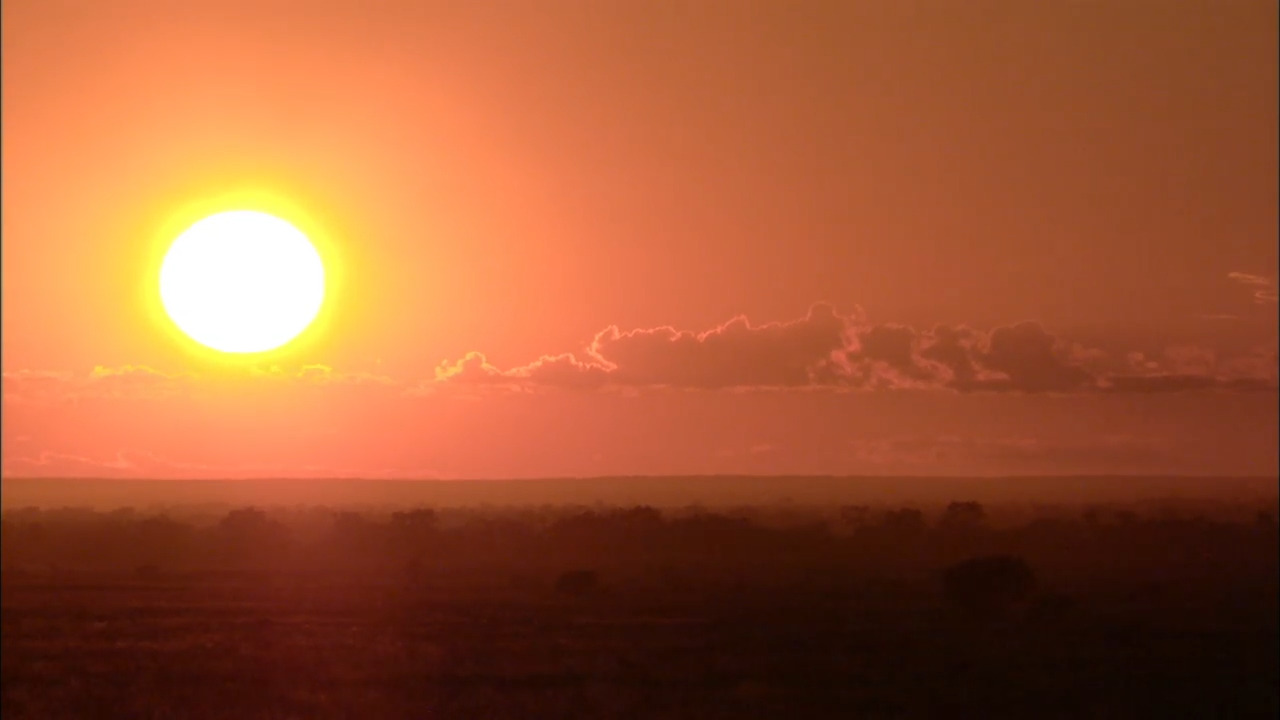
In Australia, Our Most Arid Continent, narrator Sir David Attenborough describes the Australian desert. In the Australian desert, the daytime temperature rises by 41°F (5°C) every hour. Learn how Australia is the world's most arid continent. This video is excerpted from BBC's Planet Earth, a breathtaking documentary series that highlights the natural wonders of our planet.

Take your students on an unforgettable adventure to Australia with this video playlist! Explore the buzzing city of Sydney and its world-famous Opera House, marvel at breathtaking landscapes across the continent, and meet amazing native animals like kangaroos and koalas. Along the way, your class will discover what makes life “Down Under” so unique. These clips are perfect for sparking curiosity, inspiring questions, and bringing a little Aussie magic.
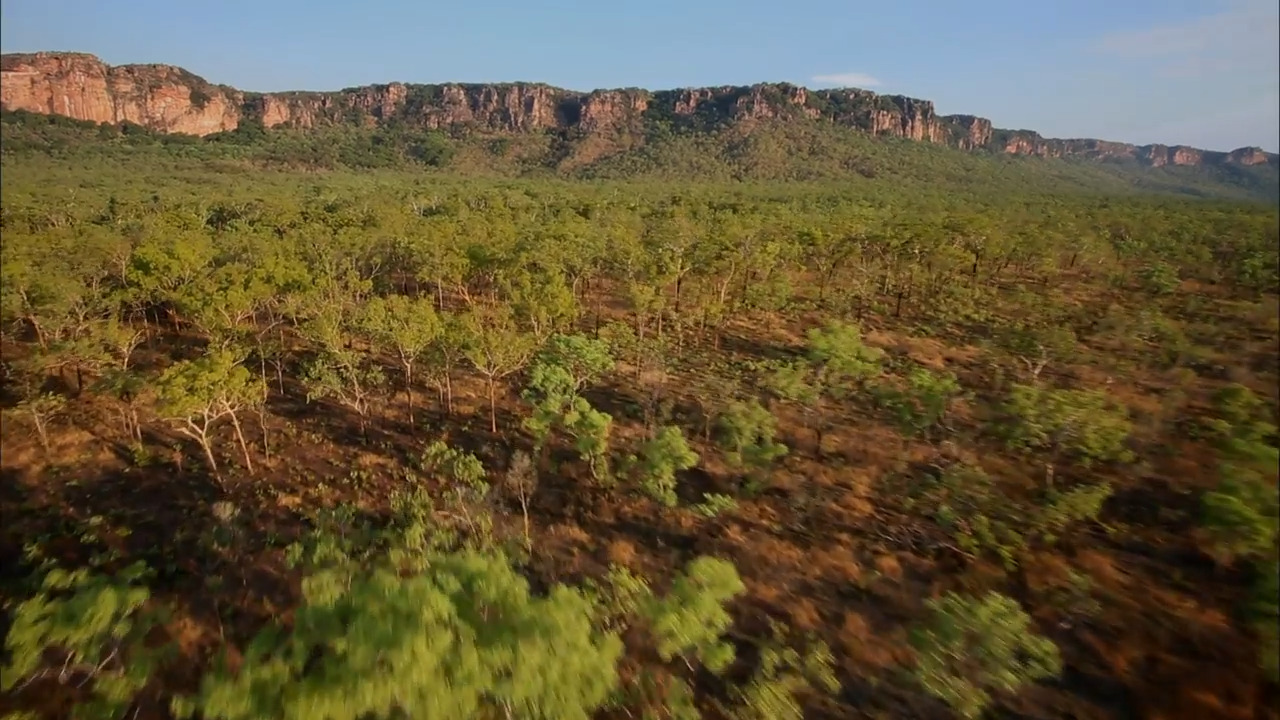
In Kakadu National Park, Biodiversity Hot Spot, host Simon Reeve explores this large national park in Australia. The park is teeming with life, but it used to be home to even more species before an invasive species came in. This video is excerpted from BBC’s Australia With Simon Reeve, a show in which Reeves goes Down Under to learn all about the animals that make Australia amazing.
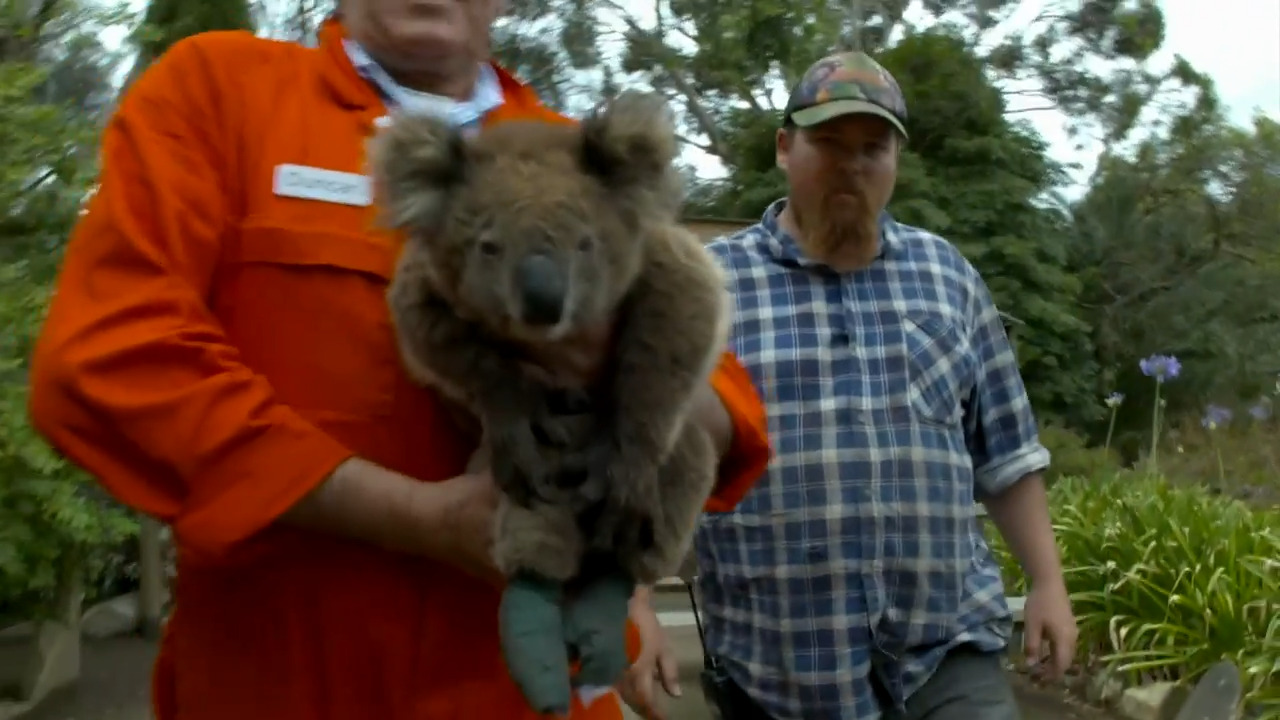
In Wildfires: A Growing Threat, host Radzi Chinyanganya highlights the devastating impact of wildfires around the globe, with a focus on Australia. The segment provides an in-depth look at the causes, local impact, and the global spread of wildfires, highlighting how changes in weather patterns, human activity, and environmental factors are exacerbating this crisis. The episode also covers how the Indian Ocean Dipole (IOD) contributes to the conditions that make wildfires more likely in regions like Australia. This video is excerpted from BBC’s My World, a program created for teenagers eager to learn more about the important stories shaping our world.
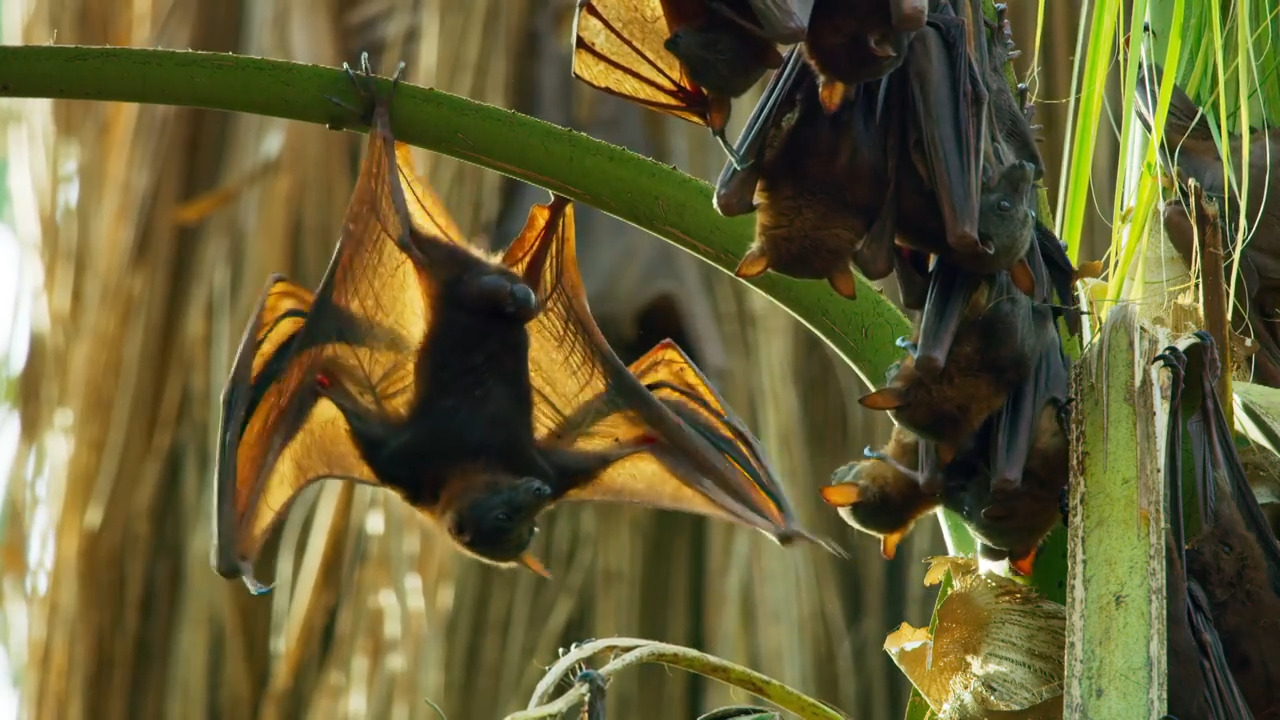
In All About Australian Animals, narrator Sir David Attenborough reveals how the animals living on Australia as it broke away from Gondwanaland have evolved in isolation from the rest of the world. Red flying foxes are newer residents who flew along the chain of volcanic islands linking Asia and Australia. This video is excerpted from BBC’s Seven Worlds, One Planet, a series featuring remarkable animal behavior from all seven continents.
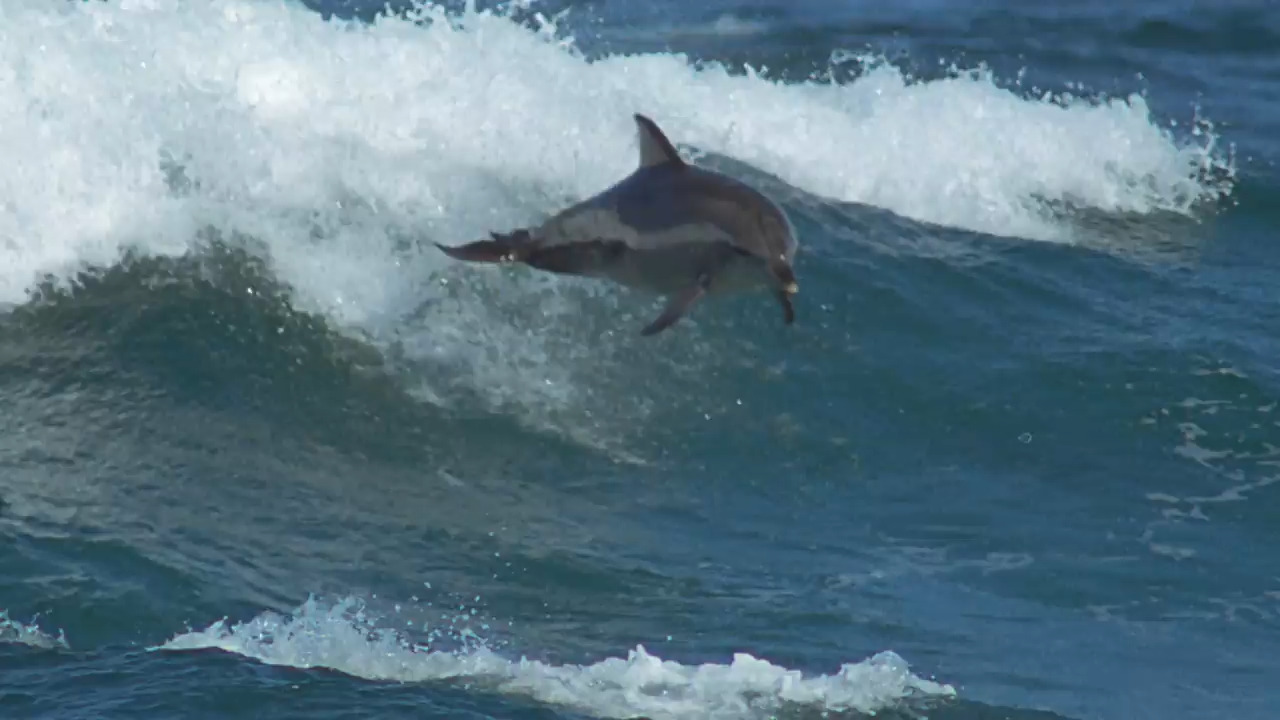
In How Dolphins Hunt in Shallow Water, narrator Sir David Attenborough explains that shallow water is no problem for smart and skilled bottlenose dolphins. See the many strategies they have for hunting fish in just centimeters of water. This video is excerpted from BBC's Planet Earth, a breathtaking documentary series that highlights the natural wonders of our planet.
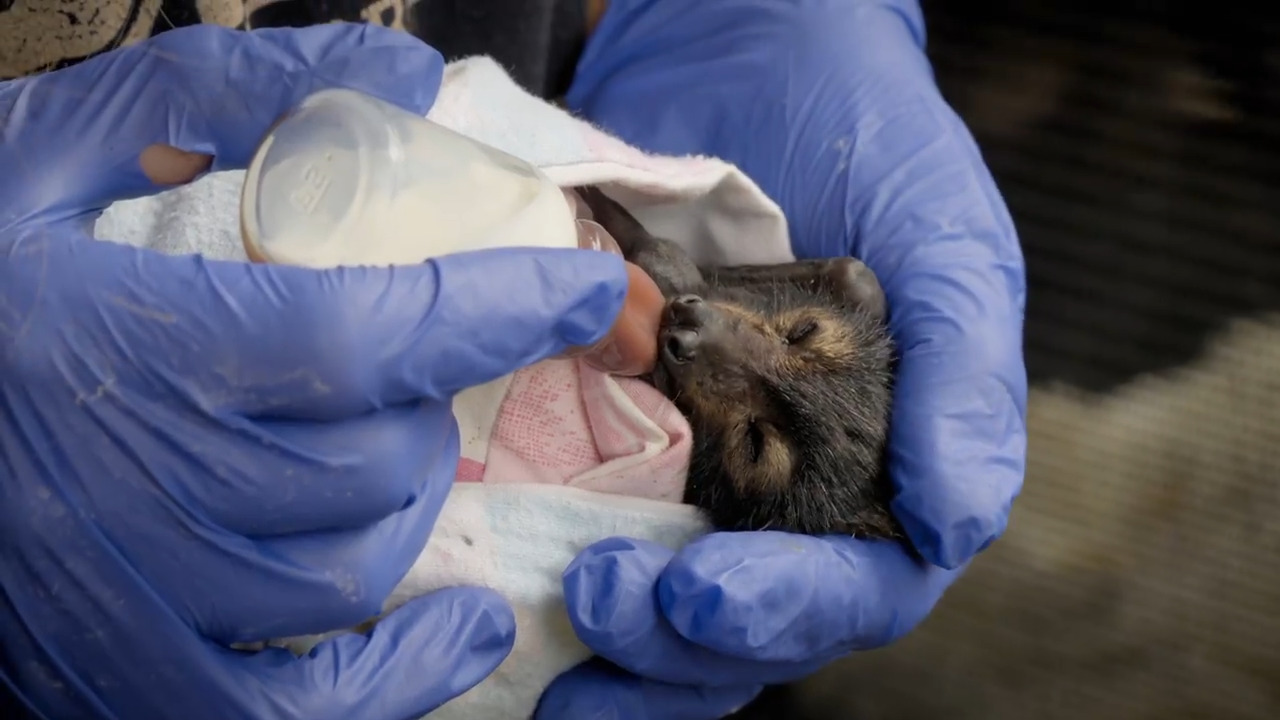
In Climate Change and Its Effect on Species, discover the devastating impact of extreme heat in Australia on flying foxes. Thousands of these creatures died as a result of the intense heat waves caused by climate change. This phenomenon is a stark reminder of how rising temperatures are putting many species at risk of extinction. This video is excerpted from BBC’s Climate Change - The Facts, a documentary that delves into the science of climate change and its far-reaching consequences.
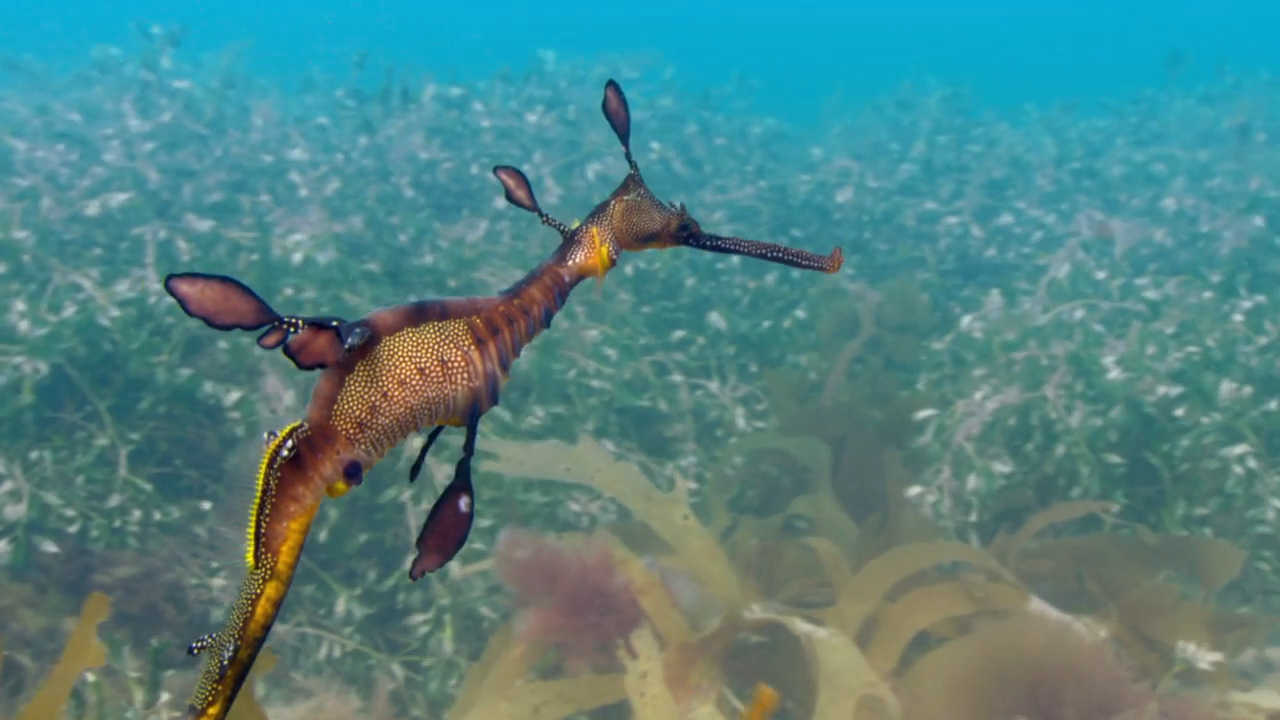
In How Weedy Seadragons Reproduce, narrator Sir David Attenborough dives into the shallow waters of Australia to find the incredible weedy seadragon! With tiny fins that keep it steady against the current, the weedy seadragon is perfectly designed for its underwater world. In spring, males and females perform a graceful mating dance, mirroring each other's movements. But here's the twist: it’s the father who carries the eggs! This video is excerpted from BBC’s Life, a show that explores the remarkable strategies animals and plants use to ensure their survival.
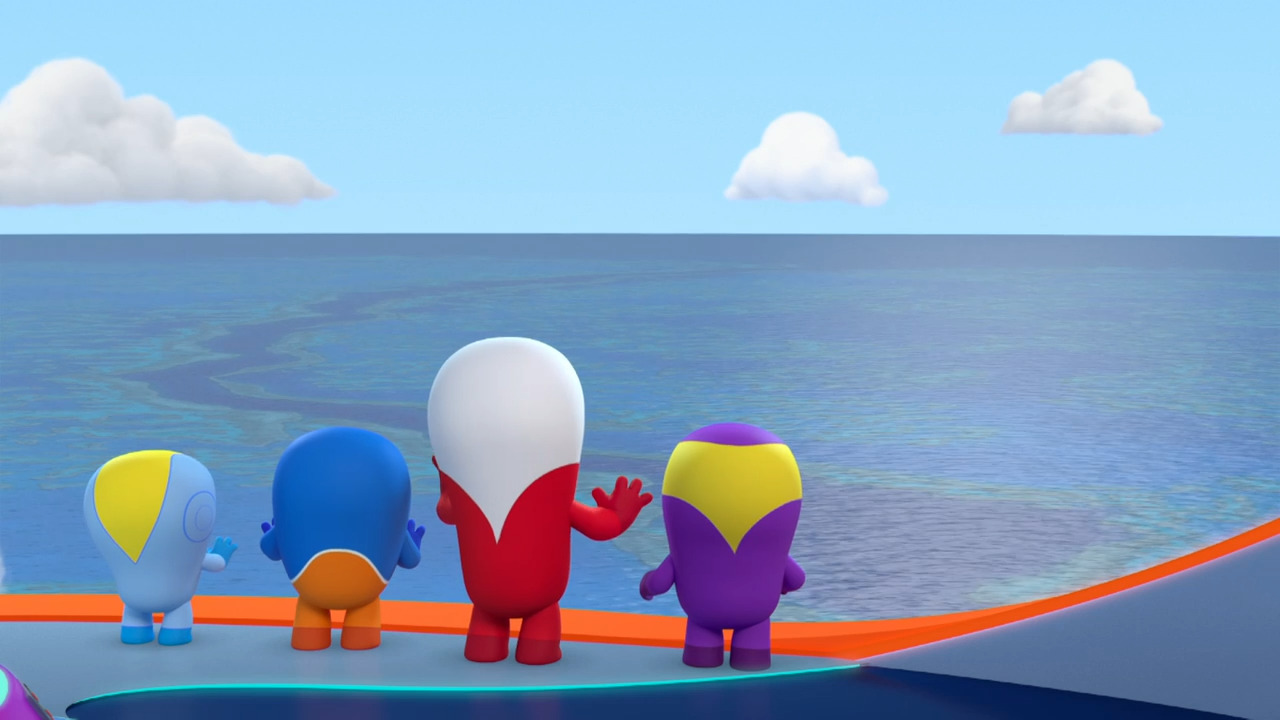
In The Go Jetters Explore the Great Barrier Reef, the Go Jetters crew visits the Great Barrier Reef in Australia. This amazing underwater garden is so big you can see it from space! The reef is full of colorful coral gardens made up of tiny creatures, and it is home to many fish and sea animals. People love to visit it because it’s a beautiful place to explore underwater! This video is excerpted from BBC’s Go Jetters, a series that follows the adventures of four plucky international heroes as they travel the globe visiting the world’s most famous landmarks with their friend and mentor, Ubercorn, a disco-dancing unicorn.
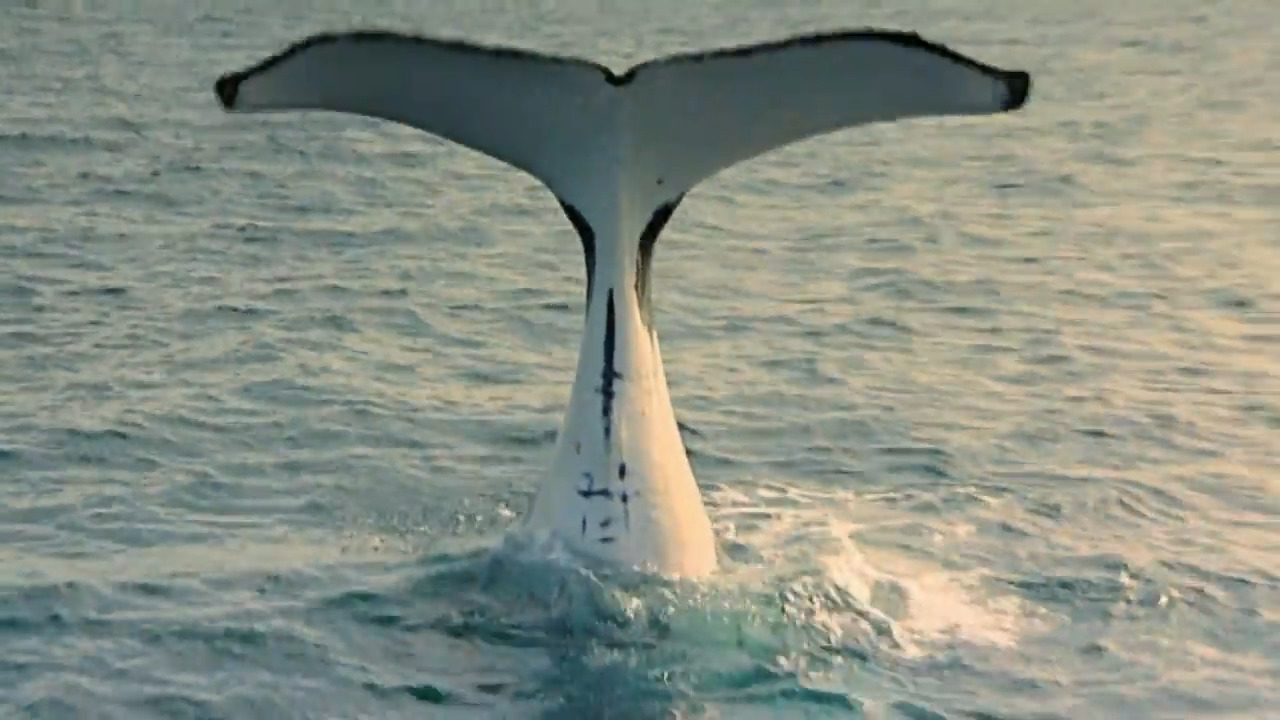
In Saving a Humpback Whale Sanctuary, host Simon Reeve reflects on a past trip to a humpback whale sanctuary in Australia. At the time, industrialization threatened their habitat. In keeping in touch with the marine biologists, he now discovers an encouraging development to the whales' story. This video is excerpted from BBC's Incredible Journeys With Simon Reeve, a series that highlights one journalist’s travels across the globe and the diverse cultures and peoples he meets along the way.
In The Disappearing Mammals of Australia, narrator Sir David Attenborough discusses animal images carved on stone by prehistoric humans. Then Europeans arrived and decimated the unique wildlife of Australia. The future of wildlife now depends on human intervention. This video is excerpted from BBC’s Seven Worlds, One Planet, a series featuring remarkable animal behavior from all seven continents.
In Invasive Camels in Australia, host Simon Reeve accompanies a group of camel herders who are doing their part to manage the wild camel problem in Australia humanely. This video is excerpted from BBC's Incredible Journeys With Simon Reeve, a series that highlights one journalist’s travels across the globe and the diverse cultures and peoples he meets along the way.
In Australia, Our Most Arid Continent, narrator Sir David Attenborough describes the Australian desert. In the Australian desert, the daytime temperature rises by 41°F (5°C) every hour. Learn how Australia is the world's most arid continent. This video is excerpted from BBC's Planet Earth, a breathtaking documentary series that highlights the natural wonders of our planet.
Take your students on an unforgettable adventure to Australia with this video playlist! Explore the buzzing city of Sydney and its world-famous Opera House, marvel at breathtaking landscapes across the continent, and meet amazing native animals like kangaroos and koalas. Along the way, your class will discover what makes life “Down Under” so unique. These clips are perfect for sparking curiosity, inspiring questions, and bringing a little Aussie magic.
In Kakadu National Park, Biodiversity Hot Spot, host Simon Reeve explores this large national park in Australia. The park is teeming with life, but it used to be home to even more species before an invasive species came in. This video is excerpted from BBC’s Australia With Simon Reeve, a show in which Reeves goes Down Under to learn all about the animals that make Australia amazing.
In Wildfires: A Growing Threat, host Radzi Chinyanganya highlights the devastating impact of wildfires around the globe, with a focus on Australia. The segment provides an in-depth look at the causes, local impact, and the global spread of wildfires, highlighting how changes in weather patterns, human activity, and environmental factors are exacerbating this crisis. The episode also covers how the Indian Ocean Dipole (IOD) contributes to the conditions that make wildfires more likely in regions like Australia. This video is excerpted from BBC’s My World, a program created for teenagers eager to learn more about the important stories shaping our world.
In All About Australian Animals, narrator Sir David Attenborough reveals how the animals living on Australia as it broke away from Gondwanaland have evolved in isolation from the rest of the world. Red flying foxes are newer residents who flew along the chain of volcanic islands linking Asia and Australia. This video is excerpted from BBC’s Seven Worlds, One Planet, a series featuring remarkable animal behavior from all seven continents.
In How Dolphins Hunt in Shallow Water, narrator Sir David Attenborough explains that shallow water is no problem for smart and skilled bottlenose dolphins. See the many strategies they have for hunting fish in just centimeters of water. This video is excerpted from BBC's Planet Earth, a breathtaking documentary series that highlights the natural wonders of our planet.
In Climate Change and Its Effect on Species, discover the devastating impact of extreme heat in Australia on flying foxes. Thousands of these creatures died as a result of the intense heat waves caused by climate change. This phenomenon is a stark reminder of how rising temperatures are putting many species at risk of extinction. This video is excerpted from BBC’s Climate Change - The Facts, a documentary that delves into the science of climate change and its far-reaching consequences.
In How Weedy Seadragons Reproduce, narrator Sir David Attenborough dives into the shallow waters of Australia to find the incredible weedy seadragon! With tiny fins that keep it steady against the current, the weedy seadragon is perfectly designed for its underwater world. In spring, males and females perform a graceful mating dance, mirroring each other's movements. But here's the twist: it’s the father who carries the eggs! This video is excerpted from BBC’s Life, a show that explores the remarkable strategies animals and plants use to ensure their survival.
In The Go Jetters Explore the Great Barrier Reef, the Go Jetters crew visits the Great Barrier Reef in Australia. This amazing underwater garden is so big you can see it from space! The reef is full of colorful coral gardens made up of tiny creatures, and it is home to many fish and sea animals. People love to visit it because it’s a beautiful place to explore underwater! This video is excerpted from BBC’s Go Jetters, a series that follows the adventures of four plucky international heroes as they travel the globe visiting the world’s most famous landmarks with their friend and mentor, Ubercorn, a disco-dancing unicorn.
In Saving a Humpback Whale Sanctuary, host Simon Reeve reflects on a past trip to a humpback whale sanctuary in Australia. At the time, industrialization threatened their habitat. In keeping in touch with the marine biologists, he now discovers an encouraging development to the whales' story. This video is excerpted from BBC's Incredible Journeys With Simon Reeve, a series that highlights one journalist’s travels across the globe and the diverse cultures and peoples he meets along the way.