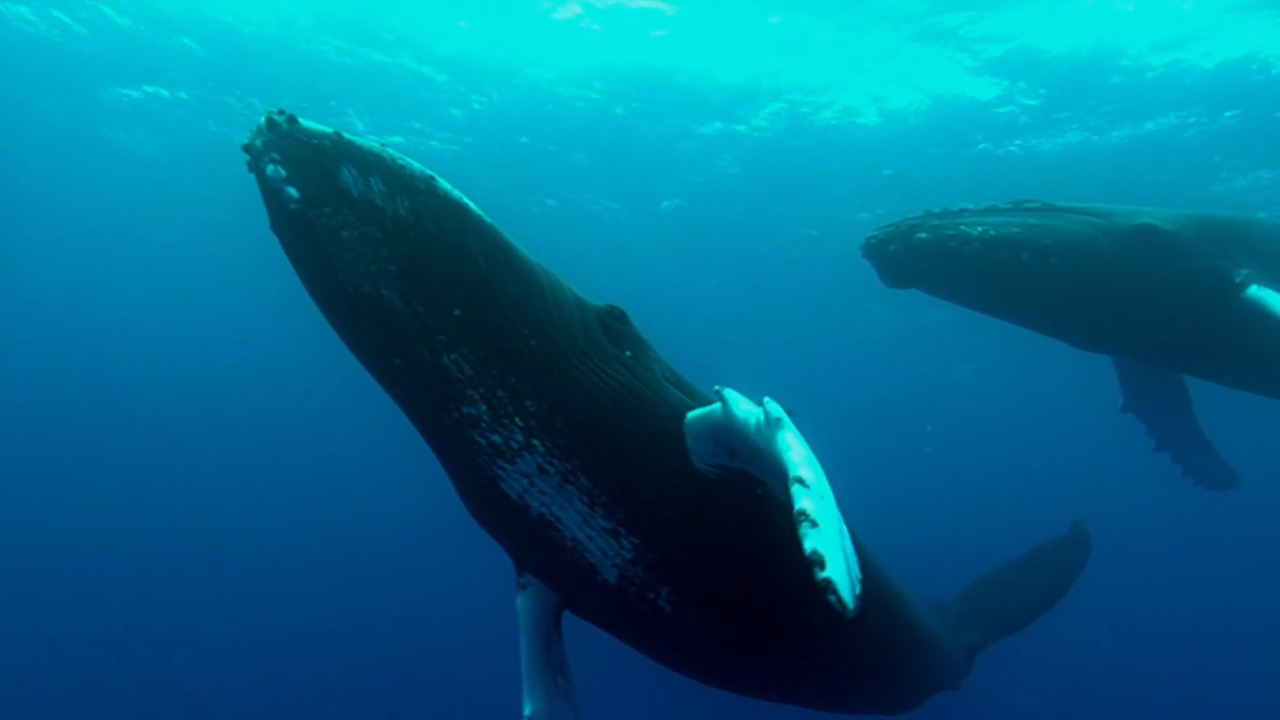
In A World of Whale Sound Beneath the Sea, narrator Sir David Attenborough follows scientists as they track whales. This tracking enables the scientists to redirect shipping and reduce collisions. Tracking also allows them to monitor how the whales use sound as a vital means of communication deep beneath the sea. Unfortunately, human activity and noise pollution is masking some of that sound, having an impact on whale behavior in ways that we’re still learning about. This video is excerpted from BBC’s Horizon: The Death of the Oceans, which reveals what scientists are learning about what is happening in the oceans and whether it is too late to save their remarkable diversity.

In The Largest Refugee Camp on Earth, narrator Simon Reeve journeys to the refugee camp of the Rohingya people in Bangladesh: the Kutupalong refugee camp. The Rohingya people fled Myanmar (formerly known as Burma) after violent attacks by the police in 2017, when nearly 700,000 refugees poured into Bangladesh. This video is excerpted from BBC's Burma with Simon Reeve, in which Simon Reeve travels to beautiful and troubled Burma (now Myanmar).
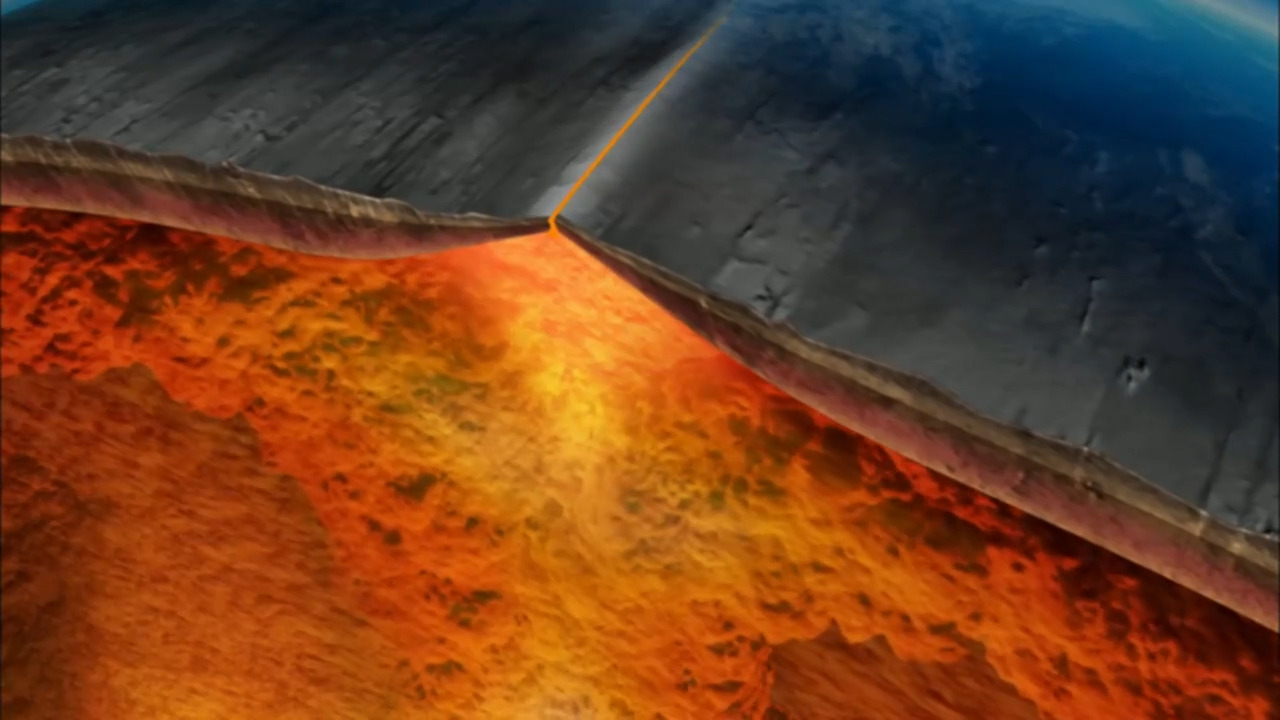
In Continental Drift in Action, narrator Michael Mosley discovers that over millions of years, ongoing continental drift has transformed our planet. Today, the gap between North America and Eurasia is getting wider as the currents in the mantle of the earth drive the plates apart. Scientists like Pete LaFemina are able to measure and monitor this movement using GPS. This video is excerpted from BBC's The Story of Science, in which Michael Mosley takes an informative and ambitious journey exploring how the evolution of scientific understanding is intimately interwoven with society's historical path.
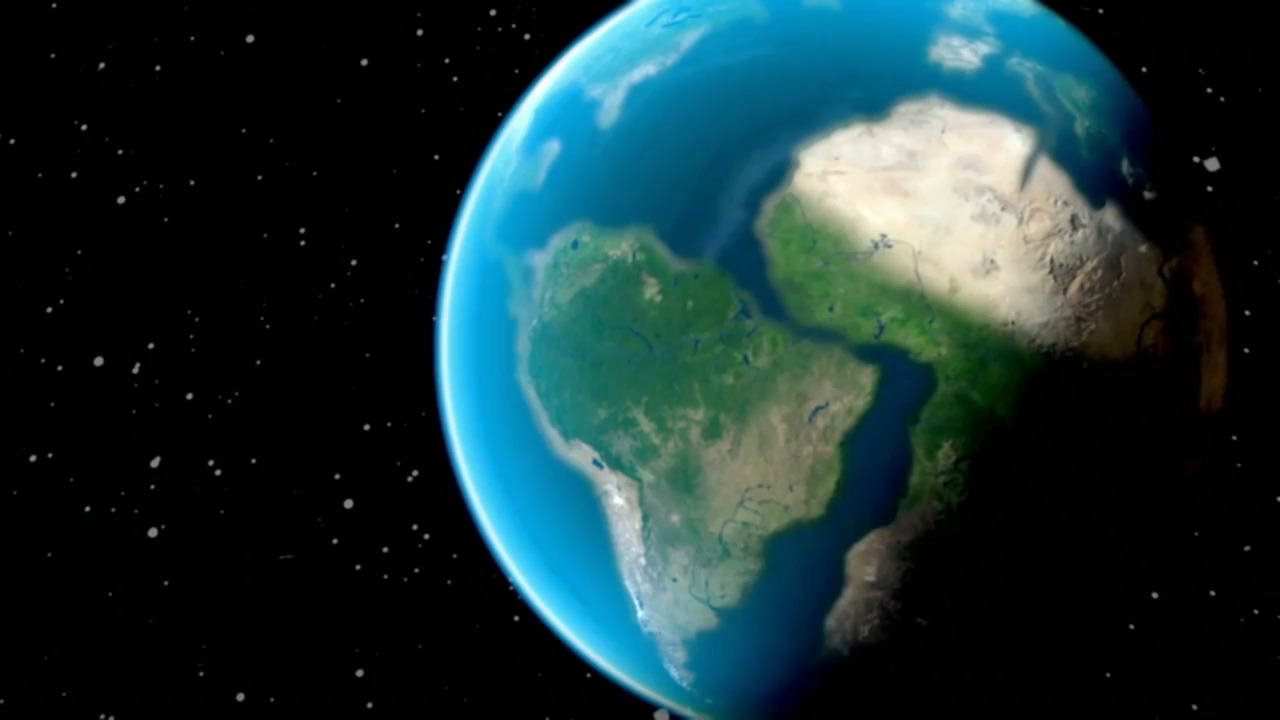
In The Theory of a Supercontinent and the Cold War Discovery That Proved It, narrator Michael Mosley shares how German meteorologist Alfred Wegener proposed a radical new theory — that all of the continents had once fit together as one supercontinent that he called Pangaea. It wasn’t until the Cold War that the oceans were mapped, and scientists discovered the interlocking plates of the seafloor that could provide evidence for Wegener’s theory. This video is excerpted from BBC's The Story of Science, in which Michael Mosley takes an informative and ambitious journey exploring how the evolution of scientific understanding is intimately interwoven with society's historical path.
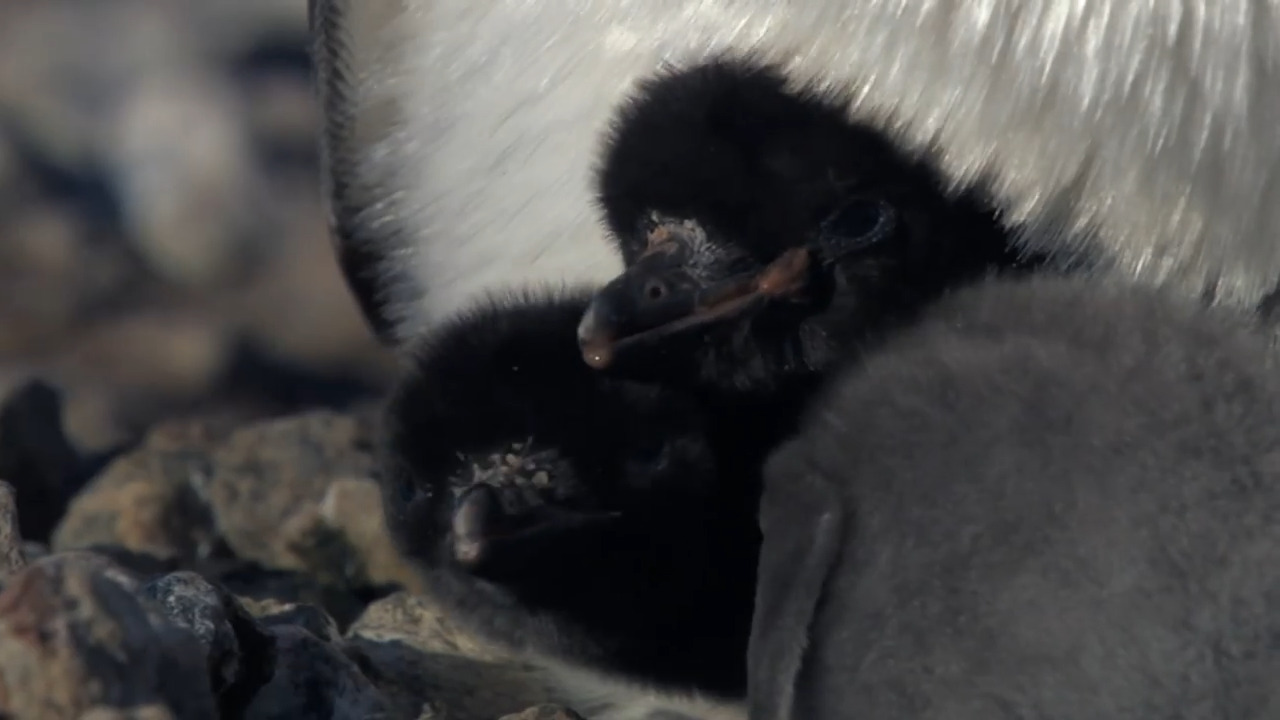
In Adélie Penguin Chicks at the Bottom of the World, host Andy Day highlights the Adélie penguins living in Antarctica. Starting out their lives on land, the penguin chicks practice walking and learn endurance by racing to get their portion of food from the parent who only has one portion for the two chicks. This video is excerpted from BBC’s Andy’s Baby Animals, in which Andy Day explores the lives and experiences of baby animals.
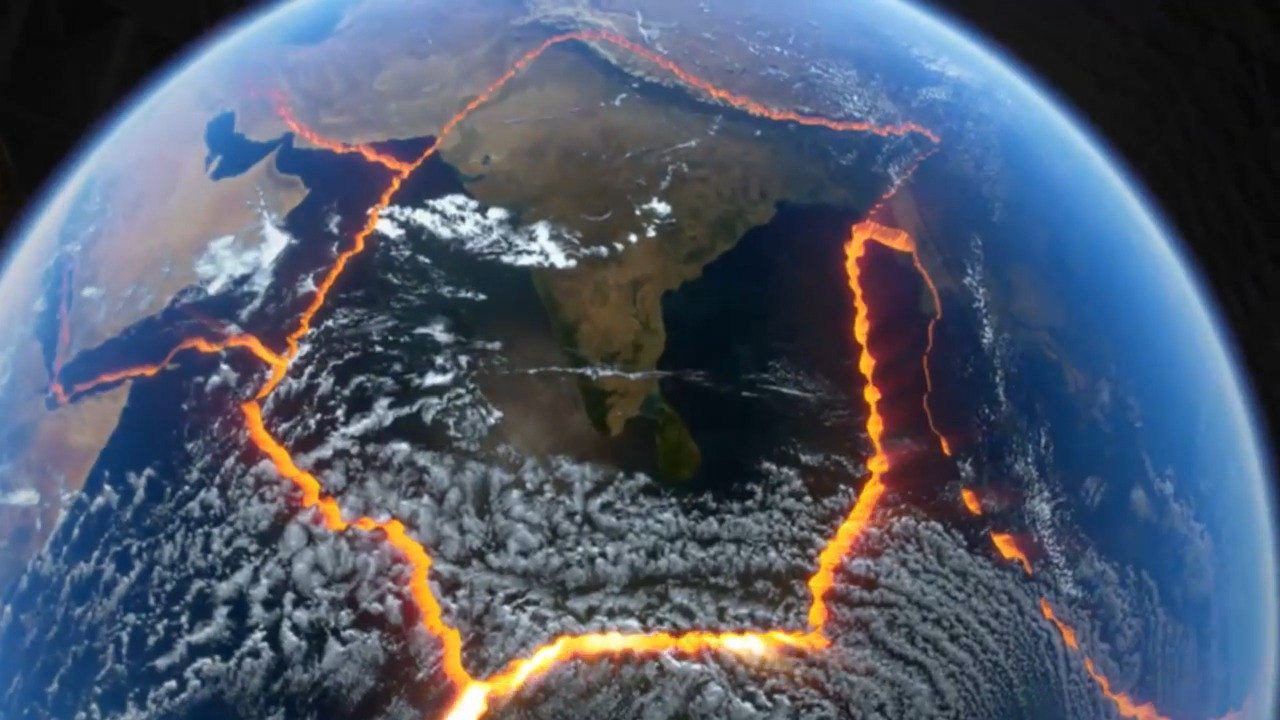
In On the Move, Tectonic Plates Continue to Shape Our World, narrator Richard Hammond describes how shifting tectonic plates are responsible for earthquakes and mountain ranges, and even the creation of new land. When plates collide, the land buckles and creates mountain ranges like the Alps and the Himalayas. Mount Everest, the highest peak on the planet, gets higher by two-tenths of an inch each year because the tectonic plates are still pushing together. This video is excerpted from BBC's Earth Machine, in which Richard Hammond goes to the center of the planet to find out how the Earth works.
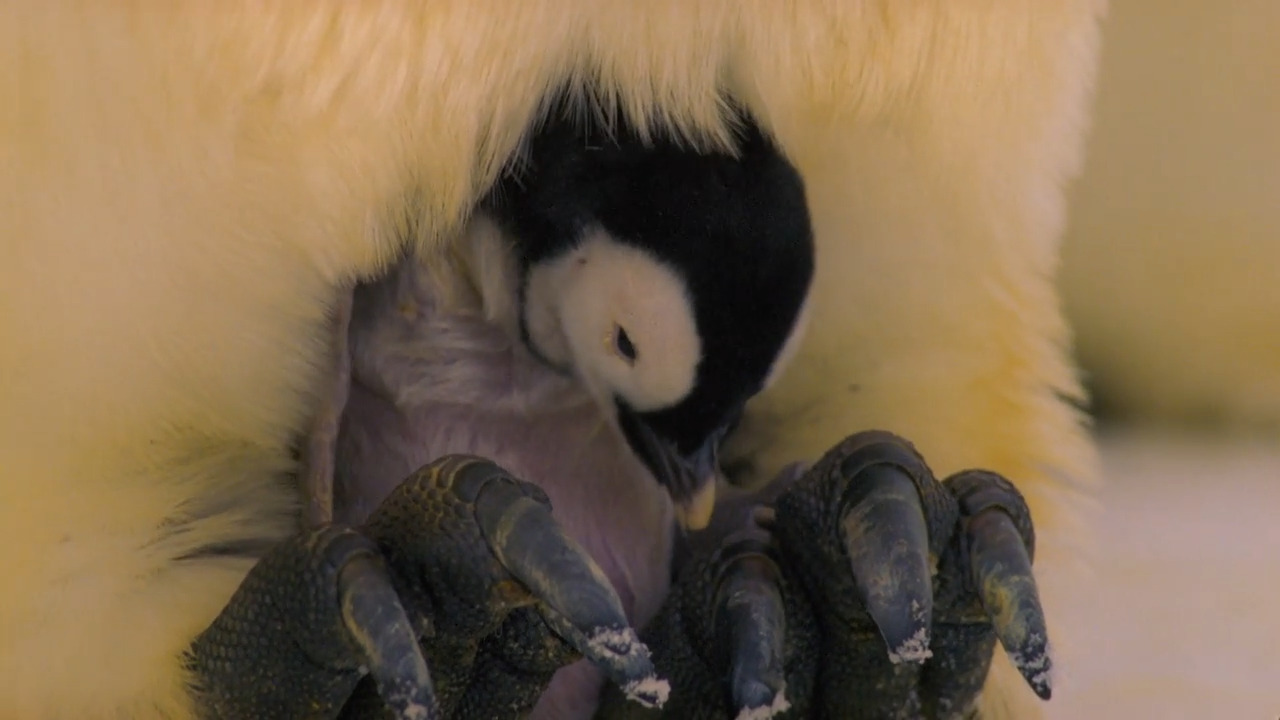
In The Amazing Teamwork of Emperor Penguin Parents, host Andy Day journeys to Antarctica where emperor penguin fathers sit patiently with their egg on their feet for two months while the mothers fish for food. When the penguin parents are reunited, the egg has hatched and the mother takes over babysitting while the father goes to feed. This video is excerpted from BBC’s Andy’s Baby Animals, in which Andy Day explores the lives and experiences of baby animals.
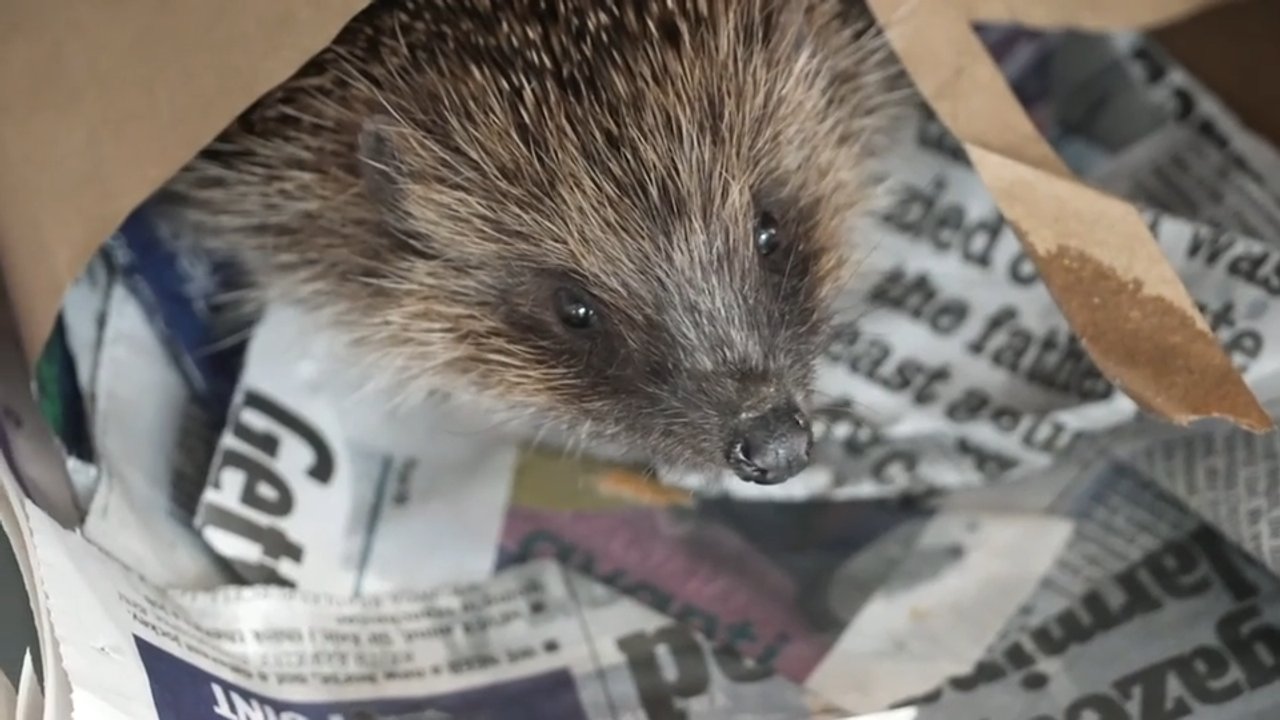
Picture a hedgehog on a hot summer day, and you might imagine it lounging on the beach in tiny sunglasses with a glass of lemonade. In reality, heat can make life tough for hedgehogs.
Hedgehogs are small, spiky mammals that live in the wild in parts of Asia, Africa, and Europe, including the United Kingdom. They aren't found in the wild in North America. Hot, dry weather can cause them serious problems, like dehydration, parasites and trouble finding food. That's hard enough for any animal, but it's even harder for hedgehogs that are pregnant or raising their babies, called hoglets.
That's why one hedgehog rescue center was packed this summer, caring for more than 80 animals at once. It was the busiest June the center had ever seen.
In places where wild hedgehogs live, people can help without working at a rescue. They can leave out fresh water and dry kitten food. They should avoid milk, bread, grains, fruit and vegetables, which can make hedgehogs sick. As the saying goes, not all heroes wear capes. To a hedgehog, some of them leave out kitten food!
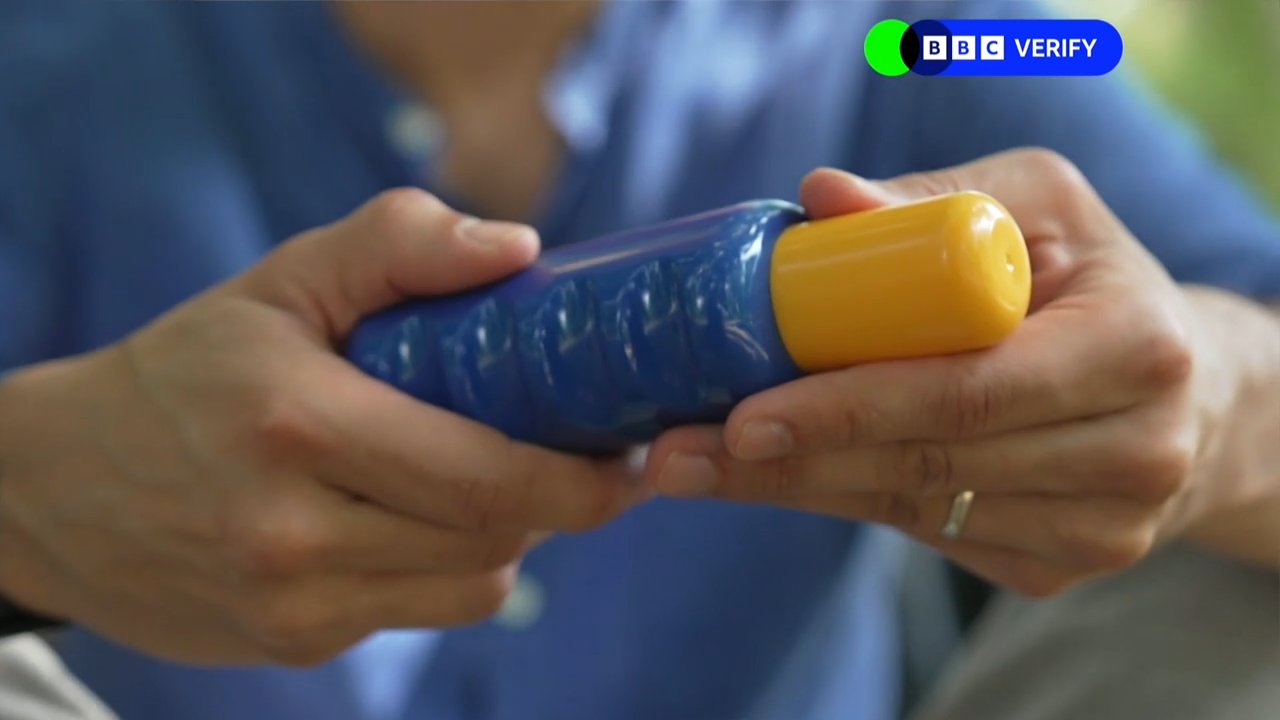
Every summer, the days get longer and the temperatures rise. And every summer, social media posts claiming that sunscreen causes cancer, or is a scam, start spreading again.
Some of these posts point to real scientific research but leave out important context. That twists what the study actually found.
One example is a 2023 study that found people who used sunscreen more often were also more likely to develop melanoma, a dangerous type of skin cancer. That sounds scary, but it doesn't mean sunscreen caused the cancer. When two things happen together, one isn't necessarily causing the other.
The researchers point to something called the "sunscreen paradox." People who use sunscreen a lot may also spend more time in strong sunlight. They may also not put on enough sunscreen or reapply it often enough. So the extra sun exposure, not the sunscreen, is likely what raises their risk.
Sun exposure is a balancing act. A little sunshine helps your body make vitamin D, which you need. Too much can damage the DNA in your skin cells. Sunscreen cuts down on the ultraviolet (UV) rays that reach your skin. These are the invisible rays from the sun that cause sunburns. Experts recommend using sunscreen along with shade and protective clothing. It takes a little more planning before a beach day, but it's worth it.
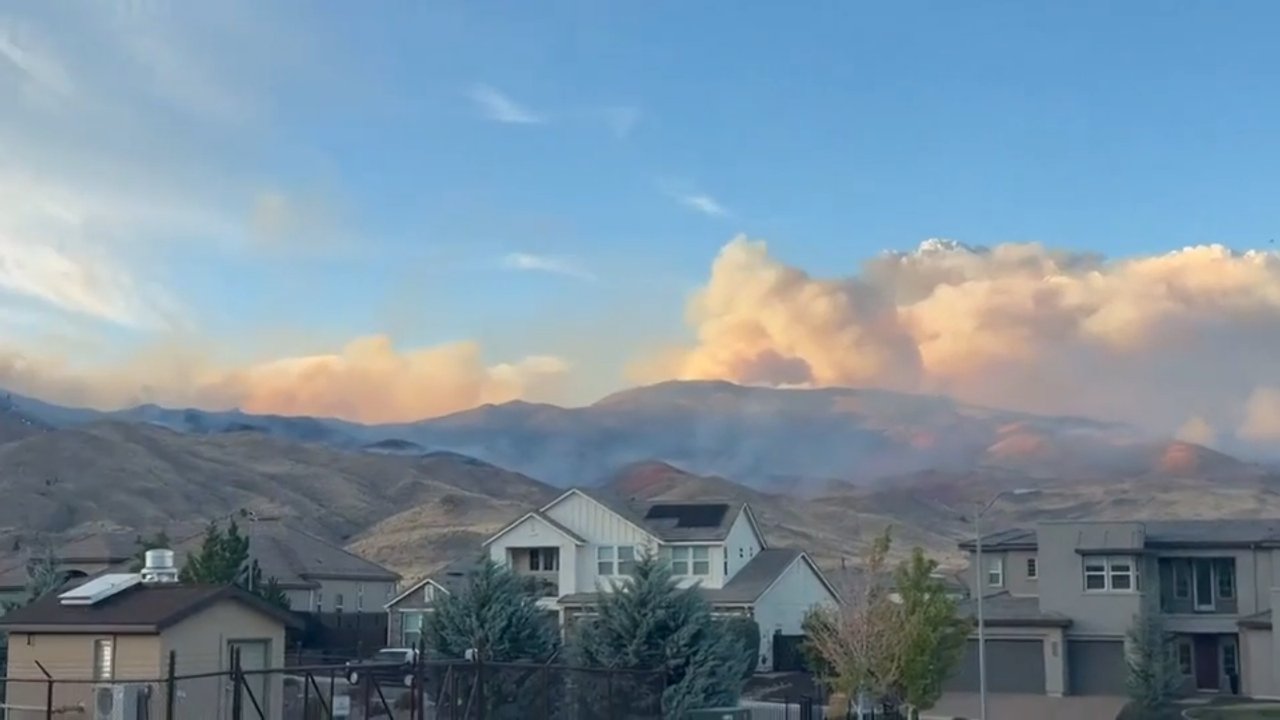
The Hawk Fire started near Reno, Nevada, on Aug. 22 and burned for days. Evacuation orders stayed in place for more than a week. Firefighters didn't declare the fire 100% contained until Sept. 10. "Contained" means crews had built barriers all the way around the fire so it could no longer spread. While the fire burned, tens of thousands of people had to leave their homes, many with little more than the clothes they were wearing.
Emergency alerts told Reno residents to get out, even though no one could say when they'd be able to return or what shape their homes would be in.
Fighting a fire this big took the whole community. Evacuation centers gave people shelter, food, and donated clothing. Firefighters attacked the flames, helicopters dropped water, and crews strengthened containment lines. These lines are strips of land cleared of anything that can burn, so the fire has nothing to feed on.
Even once the fire was about 25% contained, strong winds could still spread it through the dry, easily burned plants. That's part of why getting people home took so long. Even after some residents were allowed back, around 40,000 people were still under evacuation warnings.
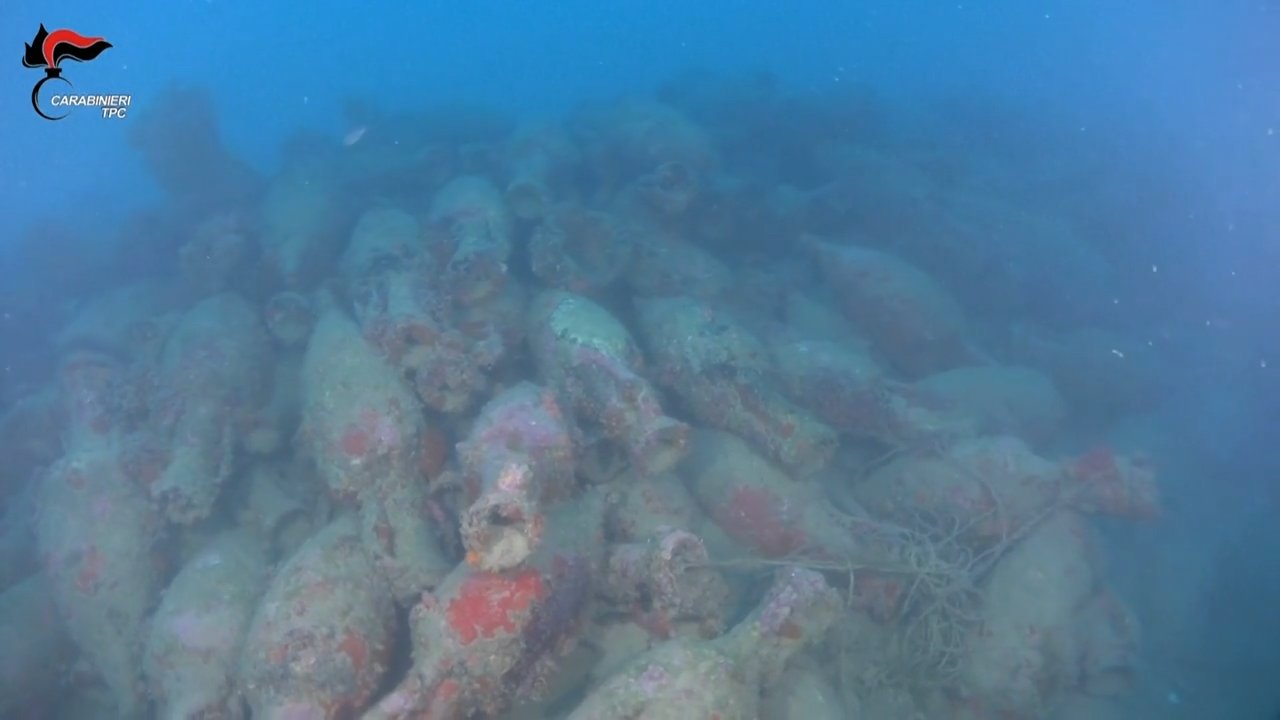
Off the coast of Italy, divers have found a Roman ship that sank more than 2,000 years ago, still loaded with its cargo. Italy's culture minister called it "one of the most important underwater archaeological discoveries of recent years."
The wreck lies about 150 feet underwater, roughly three miles off the coast of Sicily, the island at the tip of Italy's "boot." Fishermen diving in the area spotted it and reported it to authorities. The ship was covered in hundreds of well-preserved amphorae. These were tall clay jars Romans used to store and ship goods, especially wine.
Specialist divers from a branch of Italy's police that protects historical treasures are now studying and recording the site.
Researchers believe more ancient shipwrecks may still be hidden beneath the Mediterranean Sea. These could offer clues about what people traded, transported, and valued thousands of years ago.
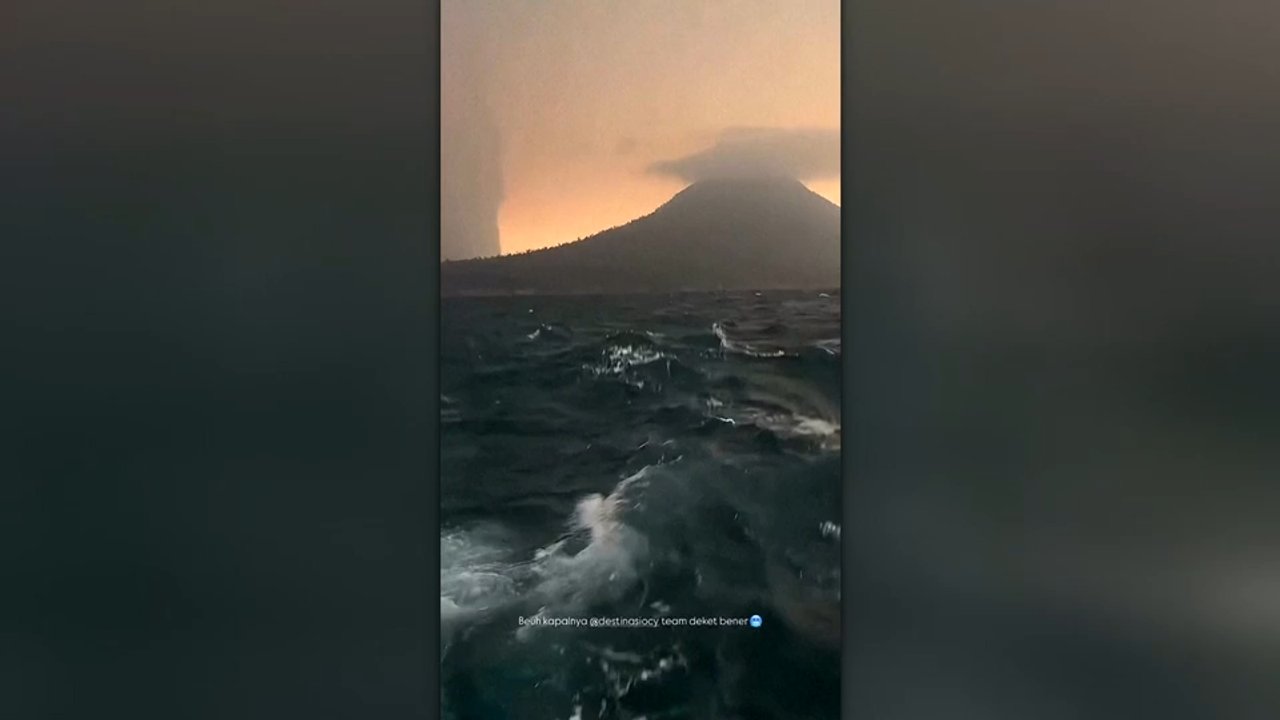
Late on Friday, Sept. 4, Indonesia's Anak Krakatau volcano began erupting, and it didn't stop for about 25 hours. It sent lava and volcanic ash up to 50,000 feet into the sky, which is almost 10 miles.
The ash drifted toward Jakarta, Indonesia's capital, and thickened the air so much that airports had to shut down. Nearly 3,000 flights were canceled or delayed, and hundreds of thousands of passengers were left stranded.
The ash affected people on the ground too. Residents found volcanic dust settling on homes and balconies. Health officials advised people to stay indoors and wear masks to protect their lungs, eyes, and skin.
Officials planned to use cloud seeding to clear the air. Cloud seeding is a way of changing the weather that helps clouds produce rain, which can wash ash out of the sky. In the end, a shift in the wind blew the ash away, and the air became clear enough for the airports to reopen.
In A World of Whale Sound Beneath the Sea, narrator Sir David Attenborough follows scientists as they track whales. This tracking enables the scientists to redirect shipping and reduce collisions. Tracking also allows them to monitor how the whales use sound as a vital means of communication deep beneath the sea. Unfortunately, human activity and noise pollution is masking some of that sound, having an impact on whale behavior in ways that we’re still learning about. This video is excerpted from BBC’s Horizon: The Death of the Oceans, which reveals what scientists are learning about what is happening in the oceans and whether it is too late to save their remarkable diversity.
In The Largest Refugee Camp on Earth, narrator Simon Reeve journeys to the refugee camp of the Rohingya people in Bangladesh: the Kutupalong refugee camp. The Rohingya people fled Myanmar (formerly known as Burma) after violent attacks by the police in 2017, when nearly 700,000 refugees poured into Bangladesh. This video is excerpted from BBC's Burma with Simon Reeve, in which Simon Reeve travels to beautiful and troubled Burma (now Myanmar).
In Continental Drift in Action, narrator Michael Mosley discovers that over millions of years, ongoing continental drift has transformed our planet. Today, the gap between North America and Eurasia is getting wider as the currents in the mantle of the earth drive the plates apart. Scientists like Pete LaFemina are able to measure and monitor this movement using GPS. This video is excerpted from BBC's The Story of Science, in which Michael Mosley takes an informative and ambitious journey exploring how the evolution of scientific understanding is intimately interwoven with society's historical path.
In The Theory of a Supercontinent and the Cold War Discovery That Proved It, narrator Michael Mosley shares how German meteorologist Alfred Wegener proposed a radical new theory — that all of the continents had once fit together as one supercontinent that he called Pangaea. It wasn’t until the Cold War that the oceans were mapped, and scientists discovered the interlocking plates of the seafloor that could provide evidence for Wegener’s theory. This video is excerpted from BBC's The Story of Science, in which Michael Mosley takes an informative and ambitious journey exploring how the evolution of scientific understanding is intimately interwoven with society's historical path.
In Adélie Penguin Chicks at the Bottom of the World, host Andy Day highlights the Adélie penguins living in Antarctica. Starting out their lives on land, the penguin chicks practice walking and learn endurance by racing to get their portion of food from the parent who only has one portion for the two chicks. This video is excerpted from BBC’s Andy’s Baby Animals, in which Andy Day explores the lives and experiences of baby animals.
In On the Move, Tectonic Plates Continue to Shape Our World, narrator Richard Hammond describes how shifting tectonic plates are responsible for earthquakes and mountain ranges, and even the creation of new land. When plates collide, the land buckles and creates mountain ranges like the Alps and the Himalayas. Mount Everest, the highest peak on the planet, gets higher by two-tenths of an inch each year because the tectonic plates are still pushing together. This video is excerpted from BBC's Earth Machine, in which Richard Hammond goes to the center of the planet to find out how the Earth works.
In The Amazing Teamwork of Emperor Penguin Parents, host Andy Day journeys to Antarctica where emperor penguin fathers sit patiently with their egg on their feet for two months while the mothers fish for food. When the penguin parents are reunited, the egg has hatched and the mother takes over babysitting while the father goes to feed. This video is excerpted from BBC’s Andy’s Baby Animals, in which Andy Day explores the lives and experiences of baby animals.
Picture a hedgehog on a hot summer day, and you might imagine it lounging on the beach in tiny sunglasses with a glass of lemonade. In reality, heat can make life tough for hedgehogs.
Hedgehogs are small, spiky mammals that live in the wild in parts of Asia, Africa, and Europe, including the United Kingdom. They aren't found in the wild in North America. Hot, dry weather can cause them serious problems, like dehydration, parasites and trouble finding food. That's hard enough for any animal, but it's even harder for hedgehogs that are pregnant or raising their babies, called hoglets.
That's why one hedgehog rescue center was packed this summer, caring for more than 80 animals at once. It was the busiest June the center had ever seen.
In places where wild hedgehogs live, people can help without working at a rescue. They can leave out fresh water and dry kitten food. They should avoid milk, bread, grains, fruit and vegetables, which can make hedgehogs sick. As the saying goes, not all heroes wear capes. To a hedgehog, some of them leave out kitten food!
Every summer, the days get longer and the temperatures rise. And every summer, social media posts claiming that sunscreen causes cancer, or is a scam, start spreading again.
Some of these posts point to real scientific research but leave out important context. That twists what the study actually found.
One example is a 2023 study that found people who used sunscreen more often were also more likely to develop melanoma, a dangerous type of skin cancer. That sounds scary, but it doesn't mean sunscreen caused the cancer. When two things happen together, one isn't necessarily causing the other.
The researchers point to something called the "sunscreen paradox." People who use sunscreen a lot may also spend more time in strong sunlight. They may also not put on enough sunscreen or reapply it often enough. So the extra sun exposure, not the sunscreen, is likely what raises their risk.
Sun exposure is a balancing act. A little sunshine helps your body make vitamin D, which you need. Too much can damage the DNA in your skin cells. Sunscreen cuts down on the ultraviolet (UV) rays that reach your skin. These are the invisible rays from the sun that cause sunburns. Experts recommend using sunscreen along with shade and protective clothing. It takes a little more planning before a beach day, but it's worth it.
The Hawk Fire started near Reno, Nevada, on Aug. 22 and burned for days. Evacuation orders stayed in place for more than a week. Firefighters didn't declare the fire 100% contained until Sept. 10. "Contained" means crews had built barriers all the way around the fire so it could no longer spread. While the fire burned, tens of thousands of people had to leave their homes, many with little more than the clothes they were wearing.
Emergency alerts told Reno residents to get out, even though no one could say when they'd be able to return or what shape their homes would be in.
Fighting a fire this big took the whole community. Evacuation centers gave people shelter, food, and donated clothing. Firefighters attacked the flames, helicopters dropped water, and crews strengthened containment lines. These lines are strips of land cleared of anything that can burn, so the fire has nothing to feed on.
Even once the fire was about 25% contained, strong winds could still spread it through the dry, easily burned plants. That's part of why getting people home took so long. Even after some residents were allowed back, around 40,000 people were still under evacuation warnings.
Off the coast of Italy, divers have found a Roman ship that sank more than 2,000 years ago, still loaded with its cargo. Italy's culture minister called it "one of the most important underwater archaeological discoveries of recent years."
The wreck lies about 150 feet underwater, roughly three miles off the coast of Sicily, the island at the tip of Italy's "boot." Fishermen diving in the area spotted it and reported it to authorities. The ship was covered in hundreds of well-preserved amphorae. These were tall clay jars Romans used to store and ship goods, especially wine.
Specialist divers from a branch of Italy's police that protects historical treasures are now studying and recording the site.
Researchers believe more ancient shipwrecks may still be hidden beneath the Mediterranean Sea. These could offer clues about what people traded, transported, and valued thousands of years ago.
Late on Friday, Sept. 4, Indonesia's Anak Krakatau volcano began erupting, and it didn't stop for about 25 hours. It sent lava and volcanic ash up to 50,000 feet into the sky, which is almost 10 miles.
The ash drifted toward Jakarta, Indonesia's capital, and thickened the air so much that airports had to shut down. Nearly 3,000 flights were canceled or delayed, and hundreds of thousands of passengers were left stranded.
The ash affected people on the ground too. Residents found volcanic dust settling on homes and balconies. Health officials advised people to stay indoors and wear masks to protect their lungs, eyes, and skin.
Officials planned to use cloud seeding to clear the air. Cloud seeding is a way of changing the weather that helps clouds produce rain, which can wash ash out of the sky. In the end, a shift in the wind blew the ash away, and the air became clear enough for the airports to reopen.