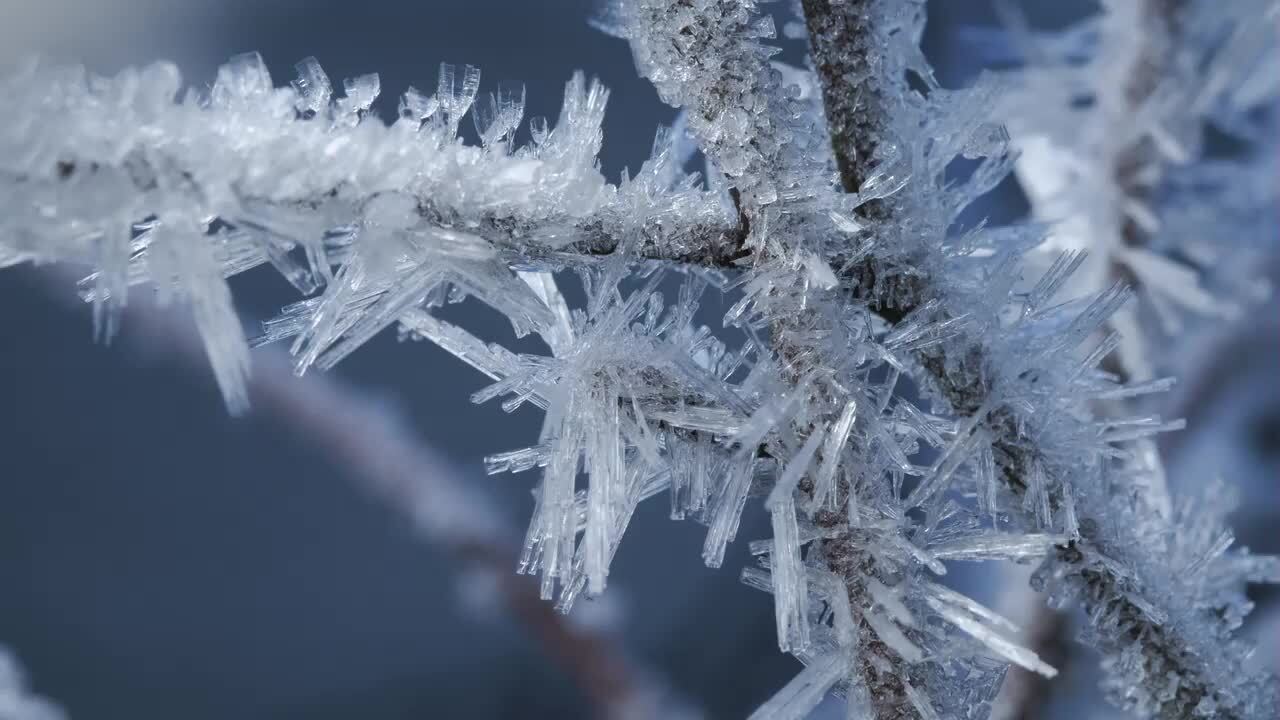
In Frost on the Taiga, narrator Sir David Attenborough explains how frost forms on trees, branches, and leaves. But with each new ice crystal, more leaves die. The exception: coniferous trees, a type of tree that makes up the massive taiga biome. This video is excerpted from BBC’s Frozen Planet, a series that shows a fragile world of beauty and hostility, where nature finds a way to survive and thrive in frigid conditions.
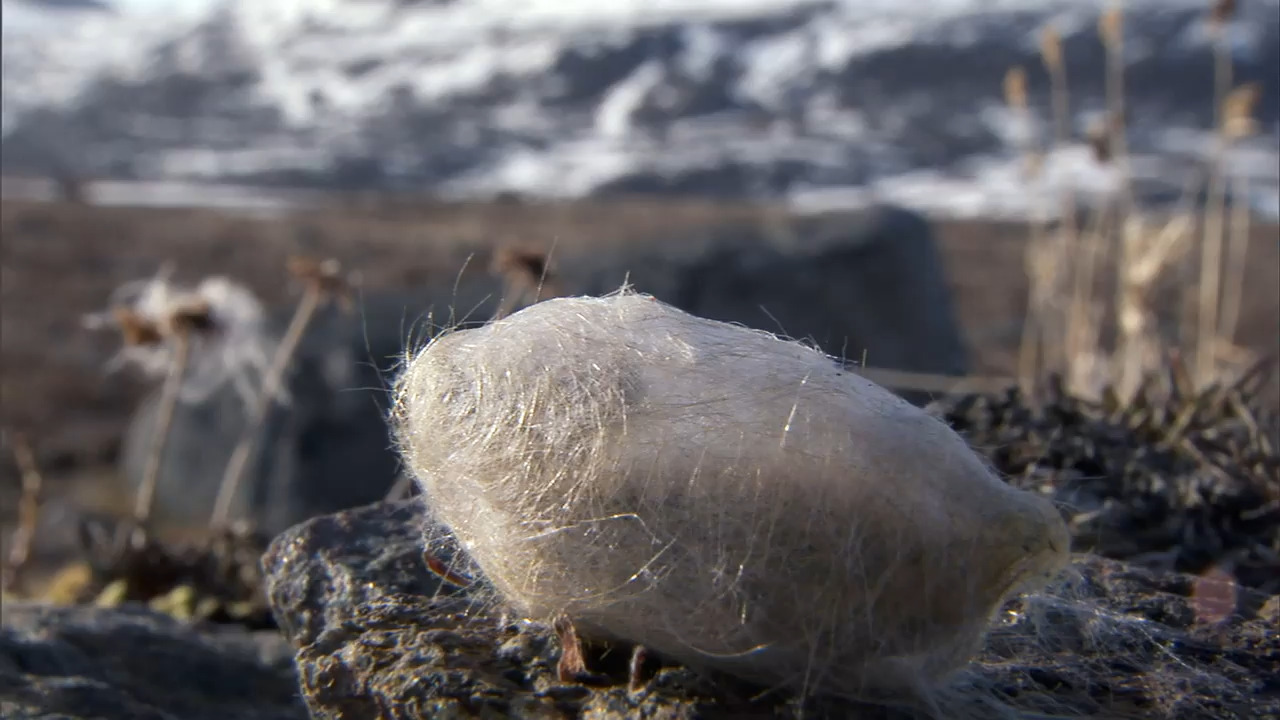
In Woolly Caterpillars on the Tundra, narrator Sir David Attenborough describes how a woolly caterpillar has waited 14 years to transform into a moth. Learn how this tough caterpillar transforms as winter melts into spring. This video is excerpted from BBC’s Frozen Planet, a series that shows a fragile world of beauty and hostility, where nature finds a way to survive and thrive in frigid conditions.
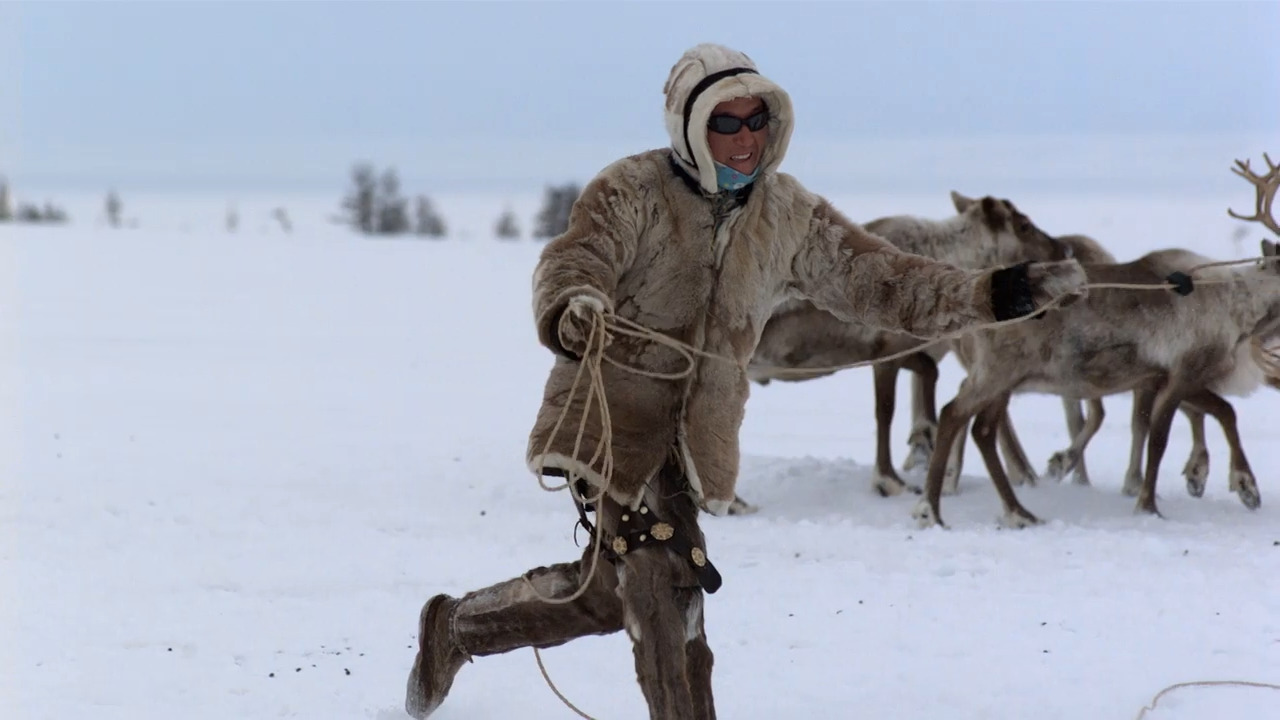
In Inside a Village of Reindeer Herders, narrator Sir David Attenborough describes how a small village of reindeer herders has stopped for a few days to rest. But when it’s time to move on, they can pack up and move to the next location within a few hours. This video is excerpted from BBC’s Frozen Planet, a series that shows a fragile world of beauty and hostility, where nature finds a way to survive and thrive in frigid conditions.
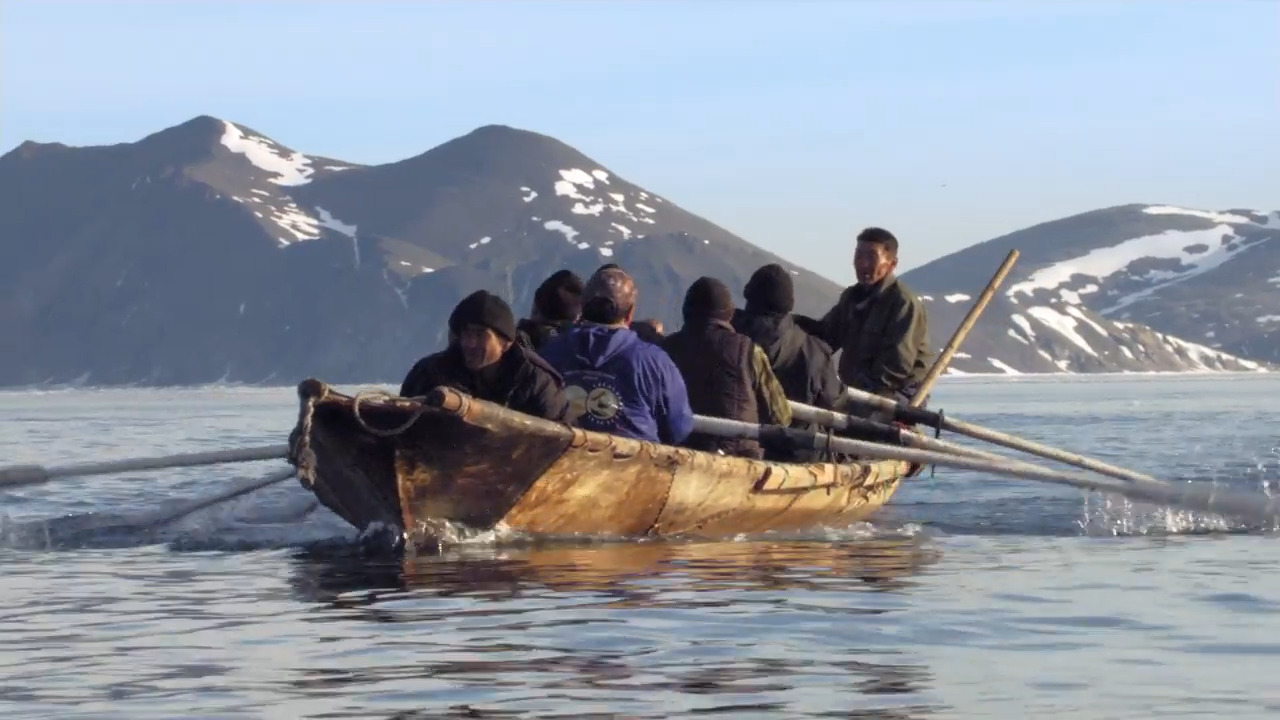
In Collecting Seabird Eggs, narrator Sir David Attenborough follows a group of men as they head to an island in the bay to collect seabird eggs. Learn how they work together to collect eggs from a cliff. This video is excerpted from BBC’s Frozen Planet, a series that shows a fragile world of beauty and hostility, where nature finds a way to survive and thrive in frigid conditions.
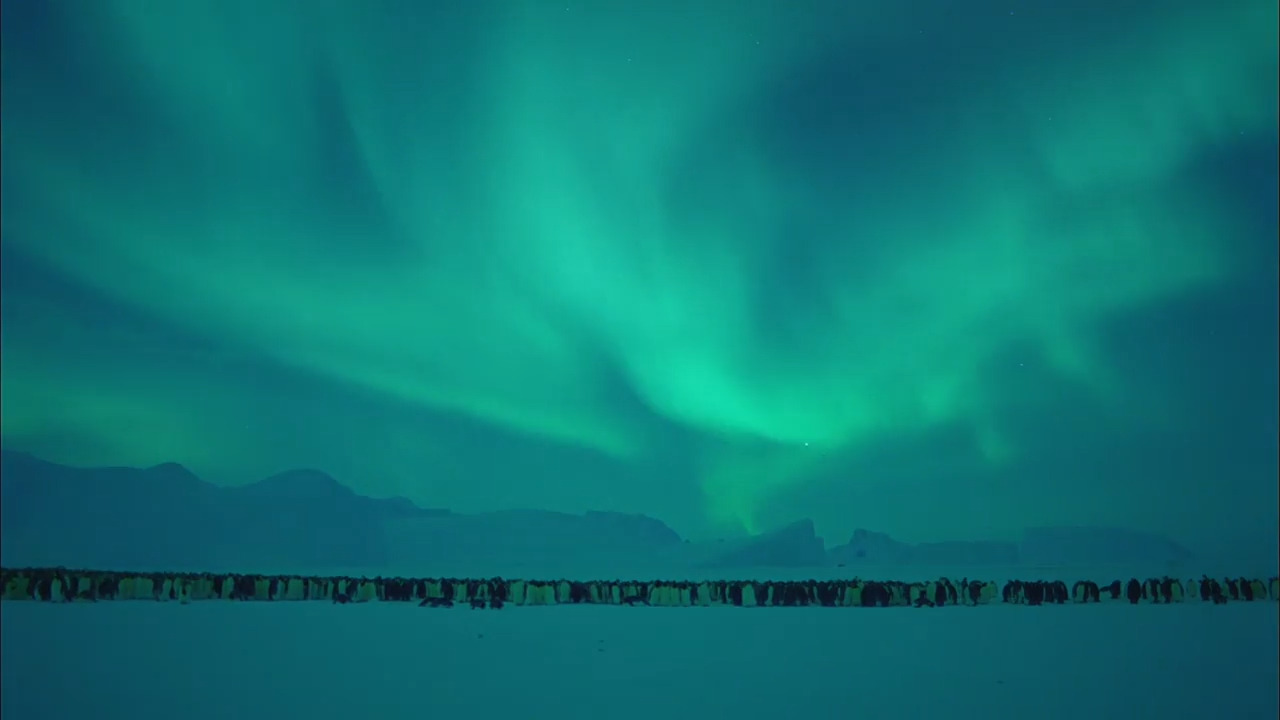
In The Dancing Lights of the Auroras s, narrator Sir David Attenborough explains how auroras are formed at the North and South Poles. Watch these amazing dancing lights move through the sky. This video is excerpted from BBC’s Frozen Planet, a series that shows a fragile world of beauty and hostility, where nature finds a way to survive and thrive in frigid conditions.
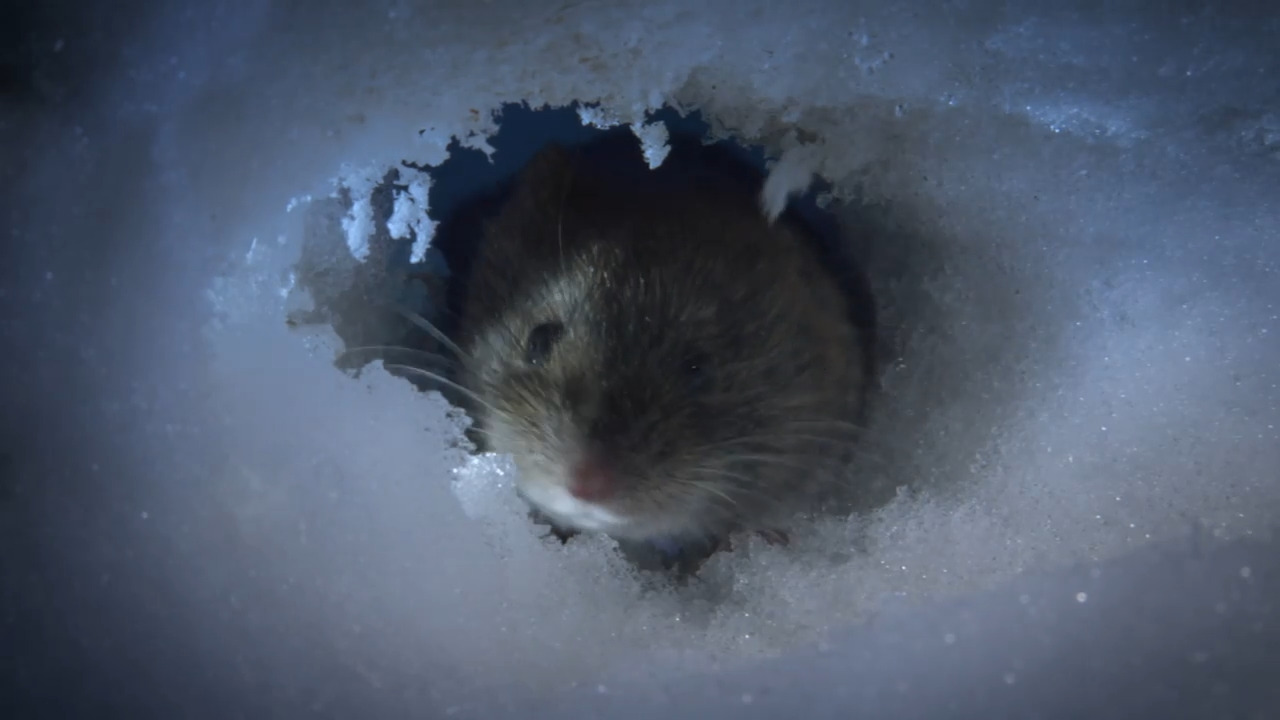
In Hiding and Hunting Under the Snow, narrator Sir David Attenborough explains how animals in the Arctic use the snow to escape predators, like the vole who burrows and buries itself to escape a grey owl. But while a burrow may be small enough to evade an owl, it won’t help when trying to escape a weasel on the prowl. This video is excerpted from BBC’s Frozen Planet, a series that shows a fragile world of beauty and hostility, where nature finds a way to survive and thrive in frigid conditions.
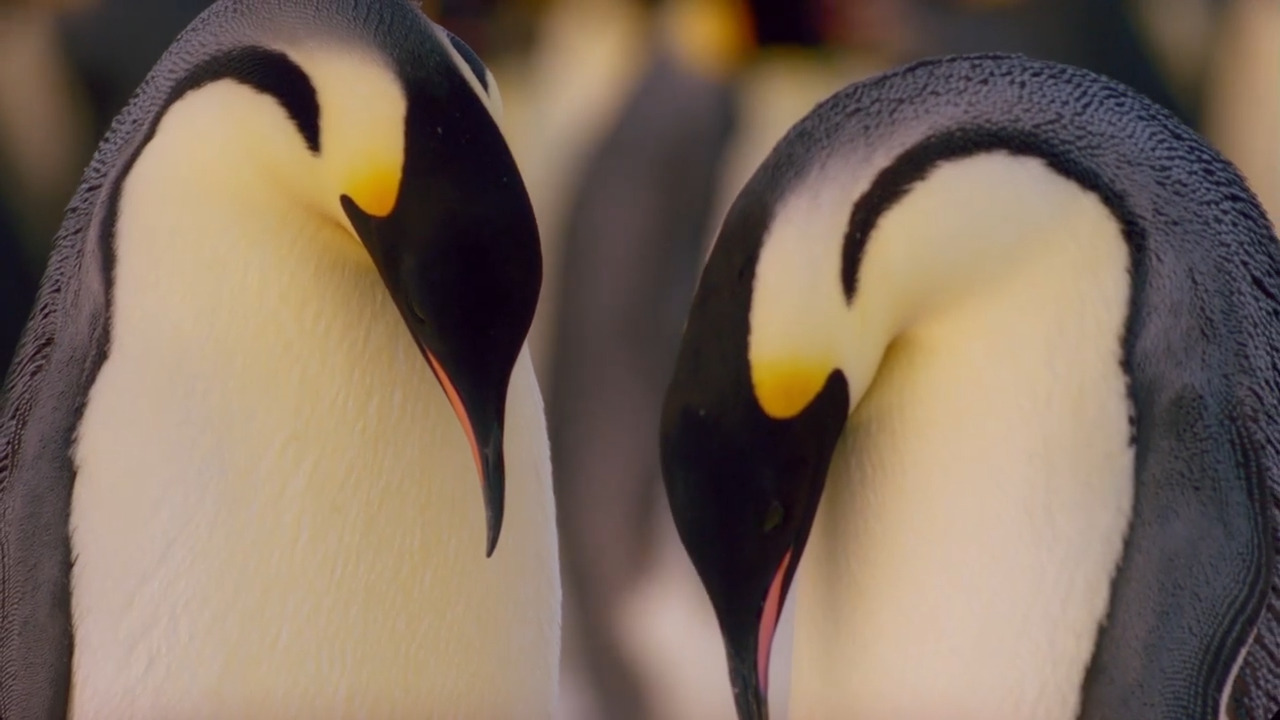
In An Emperor Penguin Feeding Frenzy, narrator Sir David Attenborough describes how emperor penguin mothers return from the ocean with food for their chicks. Some return to find their chicks well-protected, and others return to disappointment. When spring comes to Antarctica, the Adélie penguins arrive on the ice and the emperor penguins take to the ocean to start a spring feeding frenzy. This video is excerpted from BBC’s Frozen Planet, a series that shows a fragile world of beauty and hostility, where nature finds a way to survive and thrive in frigid conditions.
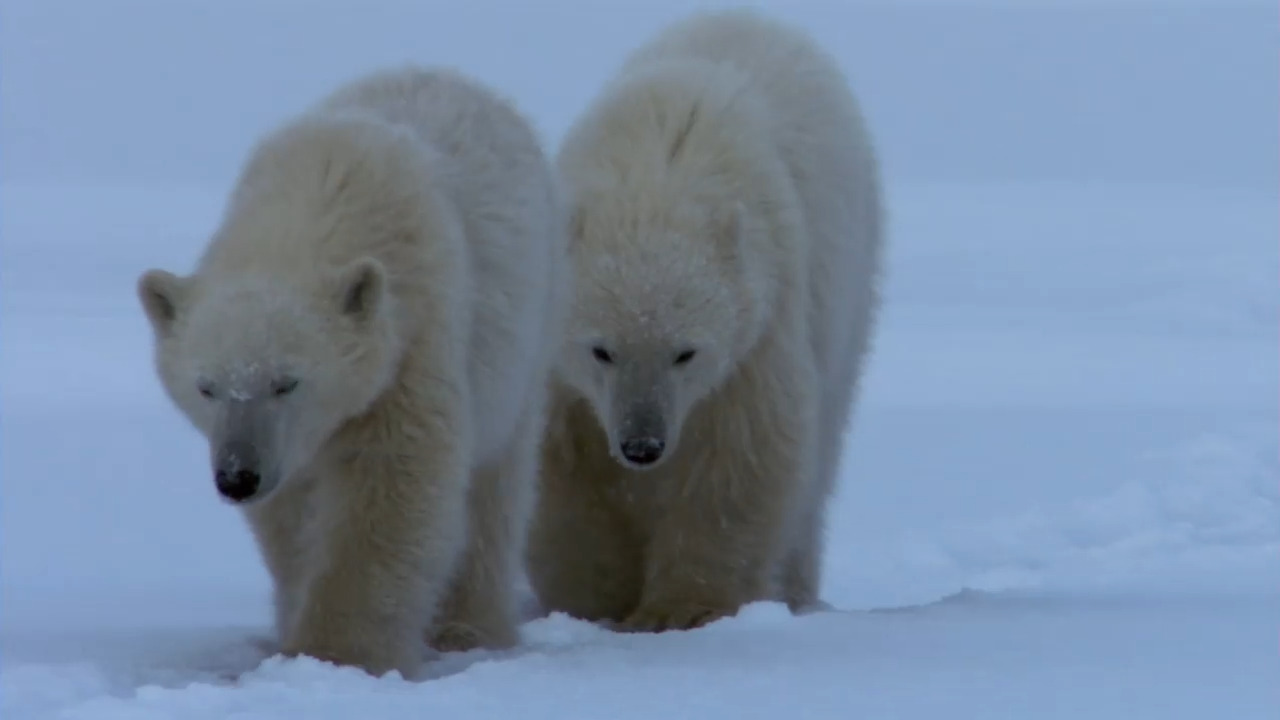
In The End of Autumn in the Arctic, narrator Sir David Attenborough explains how the Sun is turning away from the Arctic and the temperatures are dropping. Watch sea ice form, polar bears return to the ice, and the tundra become ablaze with color as the leaves change from green to orange, yellow, and brown. This video is excerpted from BBC’s Frozen Planet, a series that shows a fragile world of beauty and hostility, where nature finds a way to survive and thrive in frigid conditions.
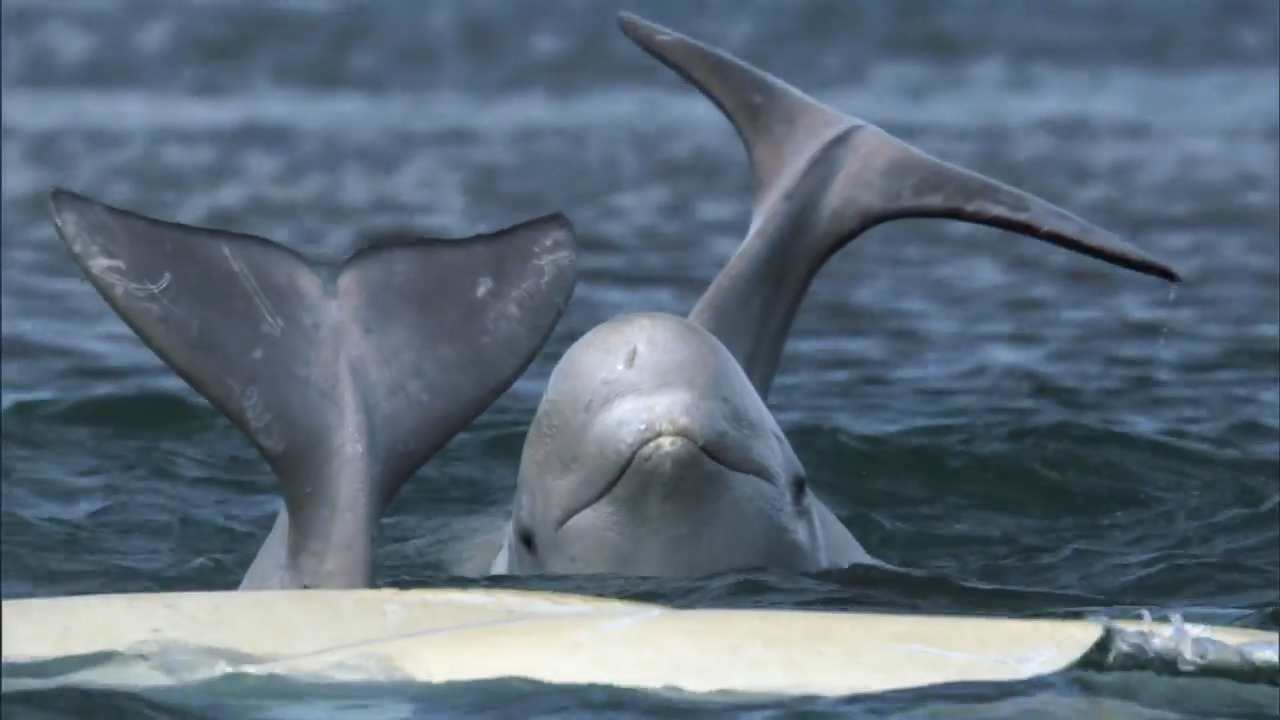
In A Secluded Beluga Whale Estuary, narrator Sir David Attenborough follows a herd of beluga whales as they swim into a secluded estuary that is only available during summer when the ice has melted. The whales are there to use the shallow water and rocky bottom to clean their skin. This video is excerpted from BBC’s Frozen Planet, a series that shows a fragile world of beauty and hostility, where nature finds a way to survive and thrive in frigid conditions.
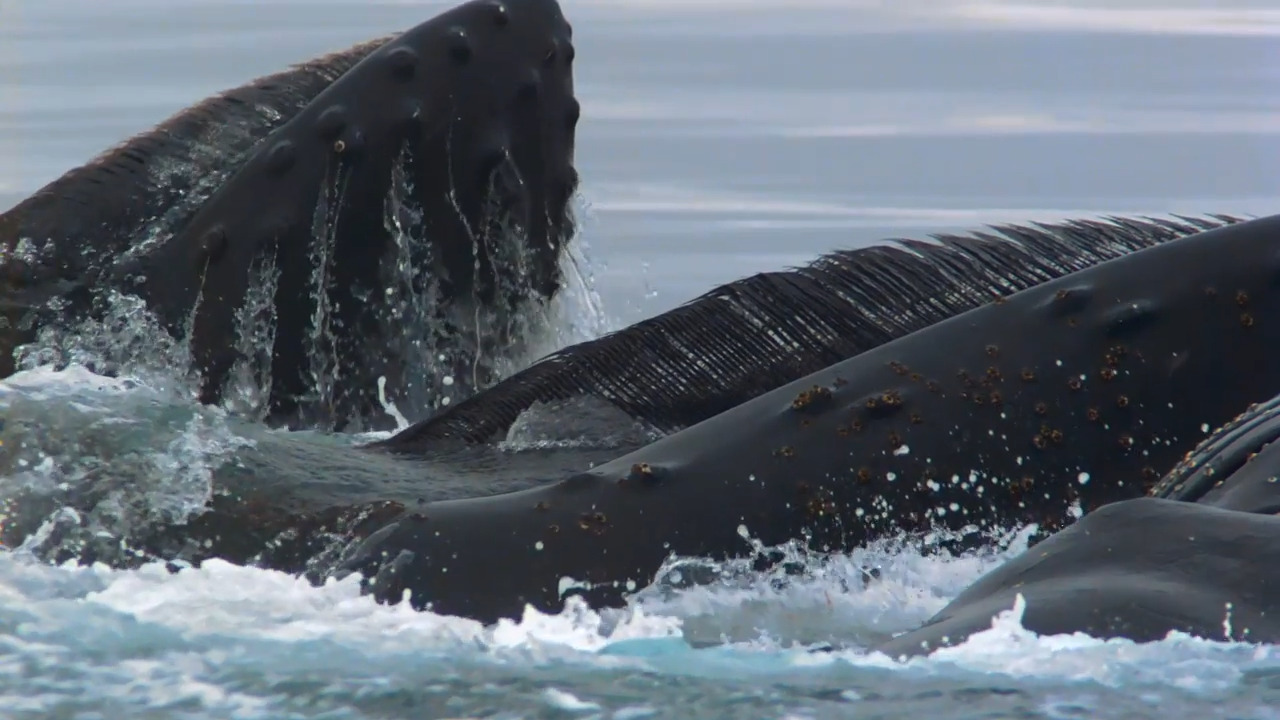
In Whales in Antarctica, narrator Sir David Attenborough describes how humpback whales, minke whales, and orcas all arrive in Antarctica to eat massive amounts of krill. Watch humpback whales feed and learn how minke whales’ body shape helps them swim far and fast. This video is excerpted from BBC’s Frozen Planet, a series that shows a fragile world of beauty and hostility, where nature finds a way to survive and thrive in frigid conditions.
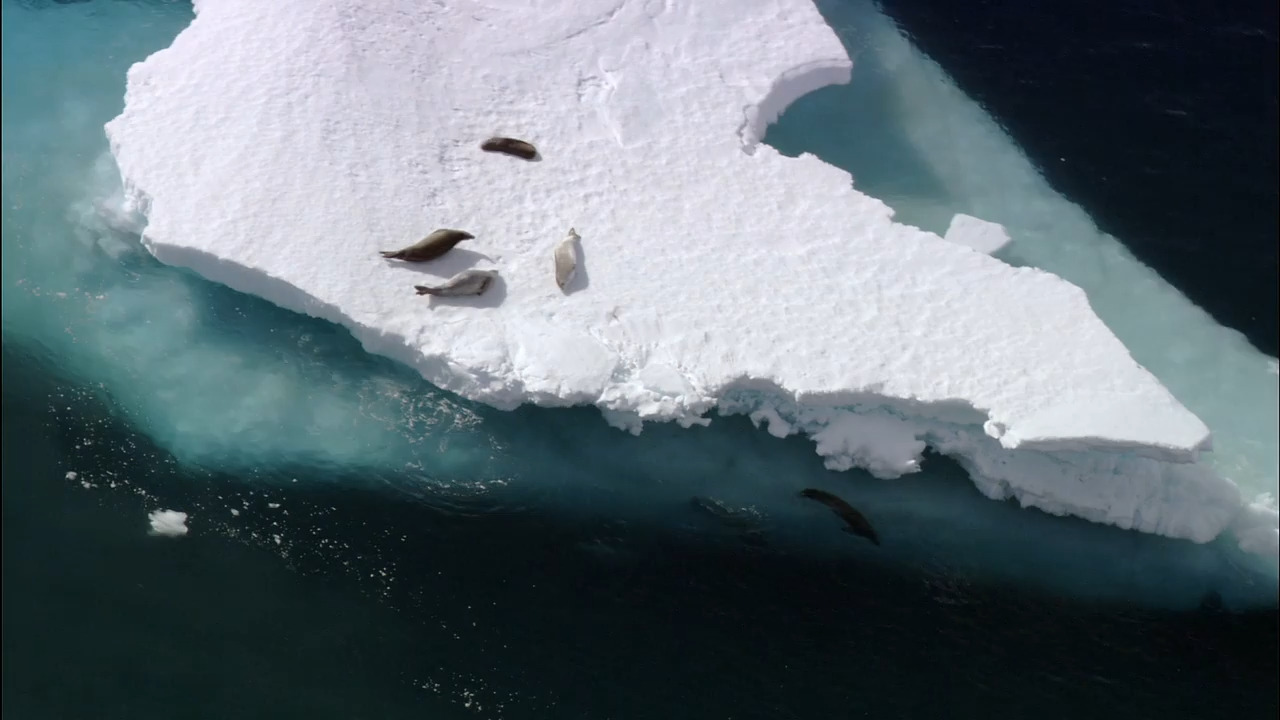
In A Microscopic Meal of Algae and Krill, narrator Sir David Attenborough describes how, as the ice melts in Antarctica, the Southern Ocean becomes a robust feeding ground. Tiny krill fill the ocean, creating the perfect food source for crabeater seals which are ready to dive in and dine. This video is excerpted from BBC’s Frozen Planet, a series that shows a fragile world of beauty and hostility, where nature finds a way to survive and thrive in frigid conditions.
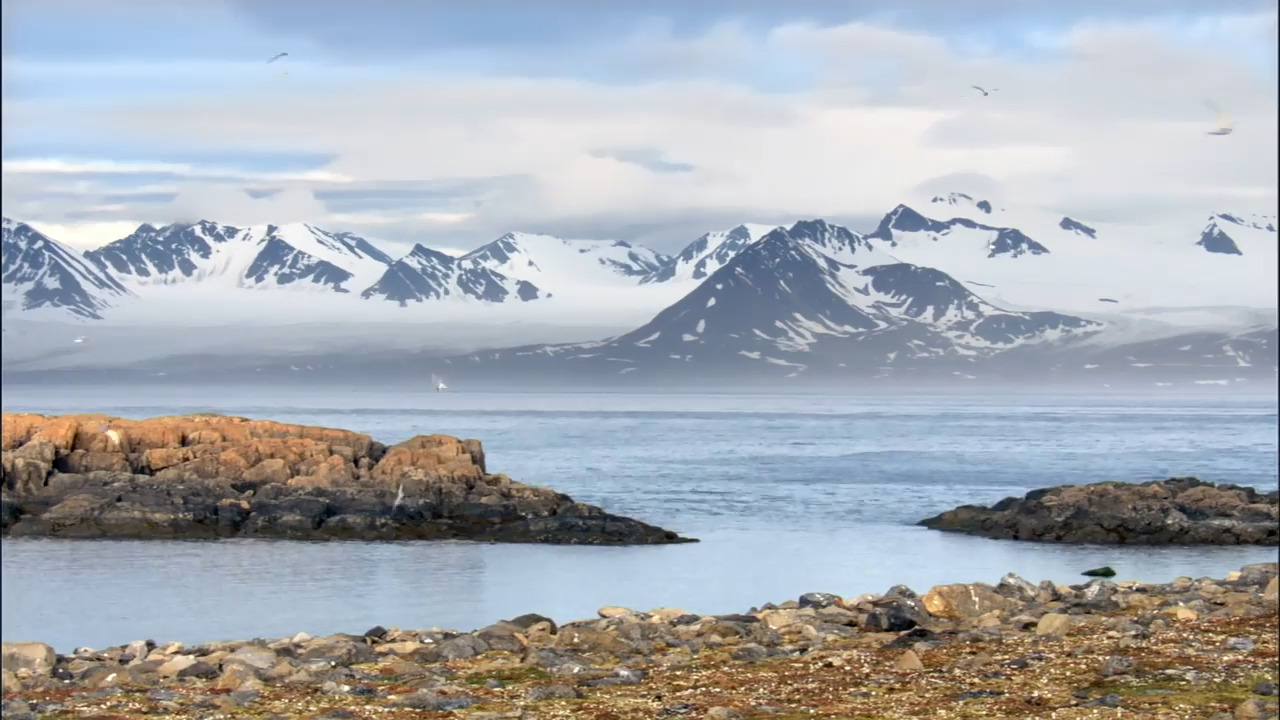
In Welcome to the Arctic: Summer Migration, narrator Sir David Attenborough describes how birds, including the Arctic terns, red phalaropes, and more have flown to the Arctic to enjoy the feeding grounds during summer. This video is excerpted from BBC’s Frozen Planet, a series that shows a fragile world of beauty and hostility, where nature finds a way to survive and thrive in frigid conditions.
In Frost on the Taiga, narrator Sir David Attenborough explains how frost forms on trees, branches, and leaves. But with each new ice crystal, more leaves die. The exception: coniferous trees, a type of tree that makes up the massive taiga biome. This video is excerpted from BBC’s Frozen Planet, a series that shows a fragile world of beauty and hostility, where nature finds a way to survive and thrive in frigid conditions.
In Woolly Caterpillars on the Tundra, narrator Sir David Attenborough describes how a woolly caterpillar has waited 14 years to transform into a moth. Learn how this tough caterpillar transforms as winter melts into spring. This video is excerpted from BBC’s Frozen Planet, a series that shows a fragile world of beauty and hostility, where nature finds a way to survive and thrive in frigid conditions.
In Inside a Village of Reindeer Herders, narrator Sir David Attenborough describes how a small village of reindeer herders has stopped for a few days to rest. But when it’s time to move on, they can pack up and move to the next location within a few hours. This video is excerpted from BBC’s Frozen Planet, a series that shows a fragile world of beauty and hostility, where nature finds a way to survive and thrive in frigid conditions.
In Collecting Seabird Eggs, narrator Sir David Attenborough follows a group of men as they head to an island in the bay to collect seabird eggs. Learn how they work together to collect eggs from a cliff. This video is excerpted from BBC’s Frozen Planet, a series that shows a fragile world of beauty and hostility, where nature finds a way to survive and thrive in frigid conditions.
In The Dancing Lights of the Auroras s, narrator Sir David Attenborough explains how auroras are formed at the North and South Poles. Watch these amazing dancing lights move through the sky. This video is excerpted from BBC’s Frozen Planet, a series that shows a fragile world of beauty and hostility, where nature finds a way to survive and thrive in frigid conditions.
In Hiding and Hunting Under the Snow, narrator Sir David Attenborough explains how animals in the Arctic use the snow to escape predators, like the vole who burrows and buries itself to escape a grey owl. But while a burrow may be small enough to evade an owl, it won’t help when trying to escape a weasel on the prowl. This video is excerpted from BBC’s Frozen Planet, a series that shows a fragile world of beauty and hostility, where nature finds a way to survive and thrive in frigid conditions.
In An Emperor Penguin Feeding Frenzy, narrator Sir David Attenborough describes how emperor penguin mothers return from the ocean with food for their chicks. Some return to find their chicks well-protected, and others return to disappointment. When spring comes to Antarctica, the Adélie penguins arrive on the ice and the emperor penguins take to the ocean to start a spring feeding frenzy. This video is excerpted from BBC’s Frozen Planet, a series that shows a fragile world of beauty and hostility, where nature finds a way to survive and thrive in frigid conditions.
In The End of Autumn in the Arctic, narrator Sir David Attenborough explains how the Sun is turning away from the Arctic and the temperatures are dropping. Watch sea ice form, polar bears return to the ice, and the tundra become ablaze with color as the leaves change from green to orange, yellow, and brown. This video is excerpted from BBC’s Frozen Planet, a series that shows a fragile world of beauty and hostility, where nature finds a way to survive and thrive in frigid conditions.
In A Secluded Beluga Whale Estuary, narrator Sir David Attenborough follows a herd of beluga whales as they swim into a secluded estuary that is only available during summer when the ice has melted. The whales are there to use the shallow water and rocky bottom to clean their skin. This video is excerpted from BBC’s Frozen Planet, a series that shows a fragile world of beauty and hostility, where nature finds a way to survive and thrive in frigid conditions.
In Whales in Antarctica, narrator Sir David Attenborough describes how humpback whales, minke whales, and orcas all arrive in Antarctica to eat massive amounts of krill. Watch humpback whales feed and learn how minke whales’ body shape helps them swim far and fast. This video is excerpted from BBC’s Frozen Planet, a series that shows a fragile world of beauty and hostility, where nature finds a way to survive and thrive in frigid conditions.
In A Microscopic Meal of Algae and Krill, narrator Sir David Attenborough describes how, as the ice melts in Antarctica, the Southern Ocean becomes a robust feeding ground. Tiny krill fill the ocean, creating the perfect food source for crabeater seals which are ready to dive in and dine. This video is excerpted from BBC’s Frozen Planet, a series that shows a fragile world of beauty and hostility, where nature finds a way to survive and thrive in frigid conditions.
In Welcome to the Arctic: Summer Migration, narrator Sir David Attenborough describes how birds, including the Arctic terns, red phalaropes, and more have flown to the Arctic to enjoy the feeding grounds during summer. This video is excerpted from BBC’s Frozen Planet, a series that shows a fragile world of beauty and hostility, where nature finds a way to survive and thrive in frigid conditions.