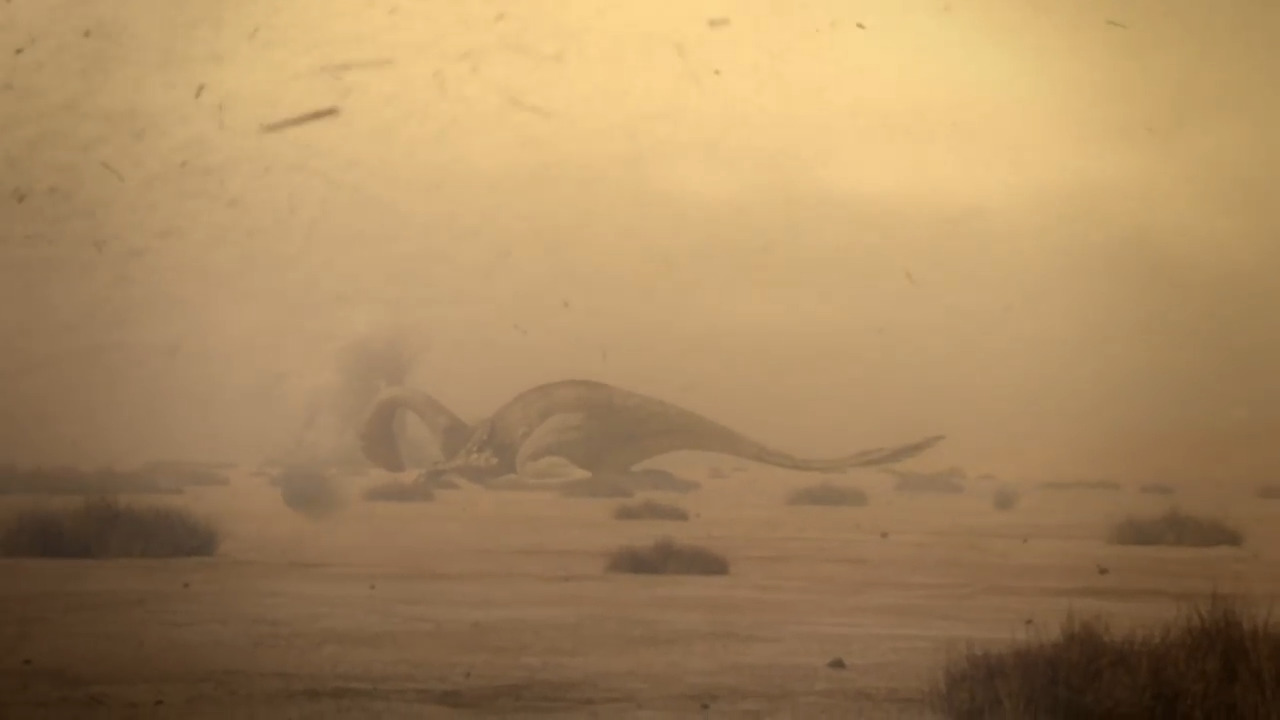
In Dinosaur Killer: Sandstorm, naturalist Steve Backshall describes how massive sandstorms may have been responsible for killing large numbers of dinosaurs by blinding and suffocating anything in its path. Gigantoraptor was particularly vulnerable since it was extremely protective of its eggs, which were often buried in the sand. This video is excerpted from BBC’s Deadly Dinosaurs, a documentary series in which host Steve Backshall is on the hunt for the deadliest animals to have walked the Earth — dinosaurs — exploring features of several species and putting their abilities to the test to reveal the raw power of these creatures.
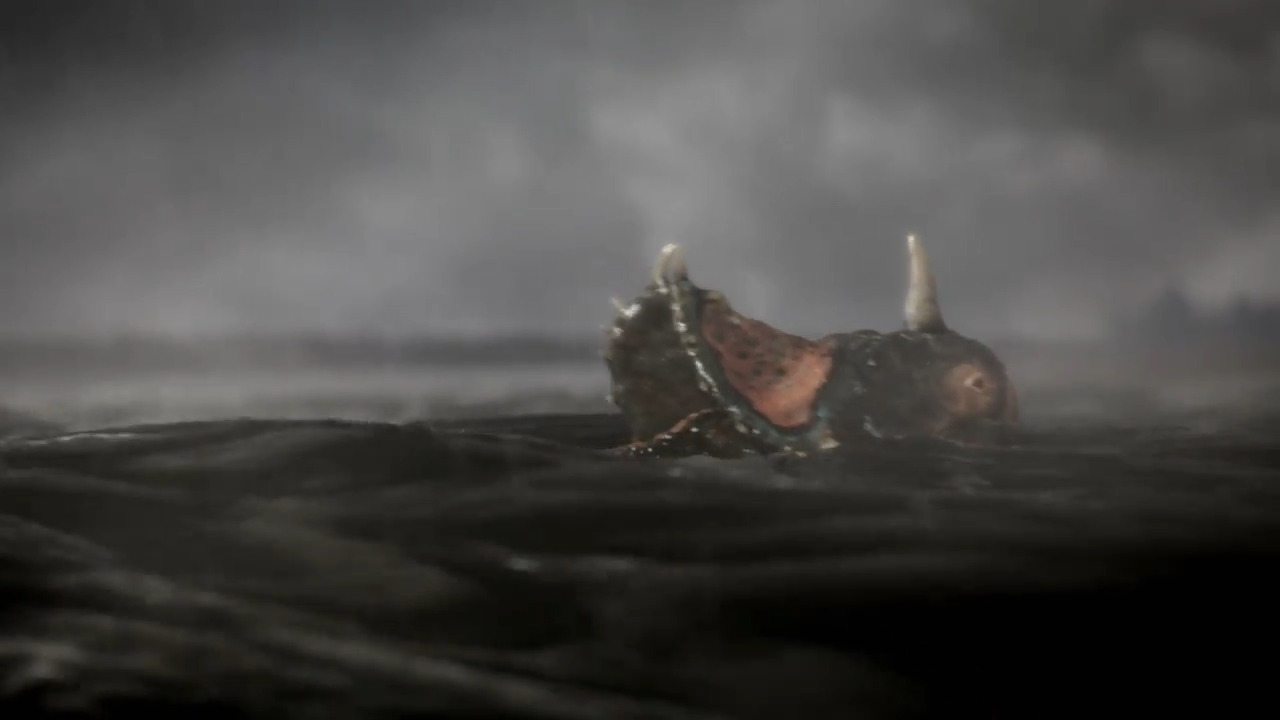
In Dinosaur Killer: Floods, naturalist Steve Backshall shows how massive floods may have been responsible for killing large numbers of dinosaurs millions of years ago. Despite the size and power of dinosaurs, monsoon floods are believed to have killed many Centrosaurus dinosaurs, whose bodies did not allow for skilled swimming. This video is excerpted from BBC’s Deadly Dinosaurs, a documentary series in which host Steve Backshall is on the hunt for the deadliest animals to have walked the Earth — dinosaurs — exploring features of several species and putting their abilities to the test to reveal the raw power of these creatures.
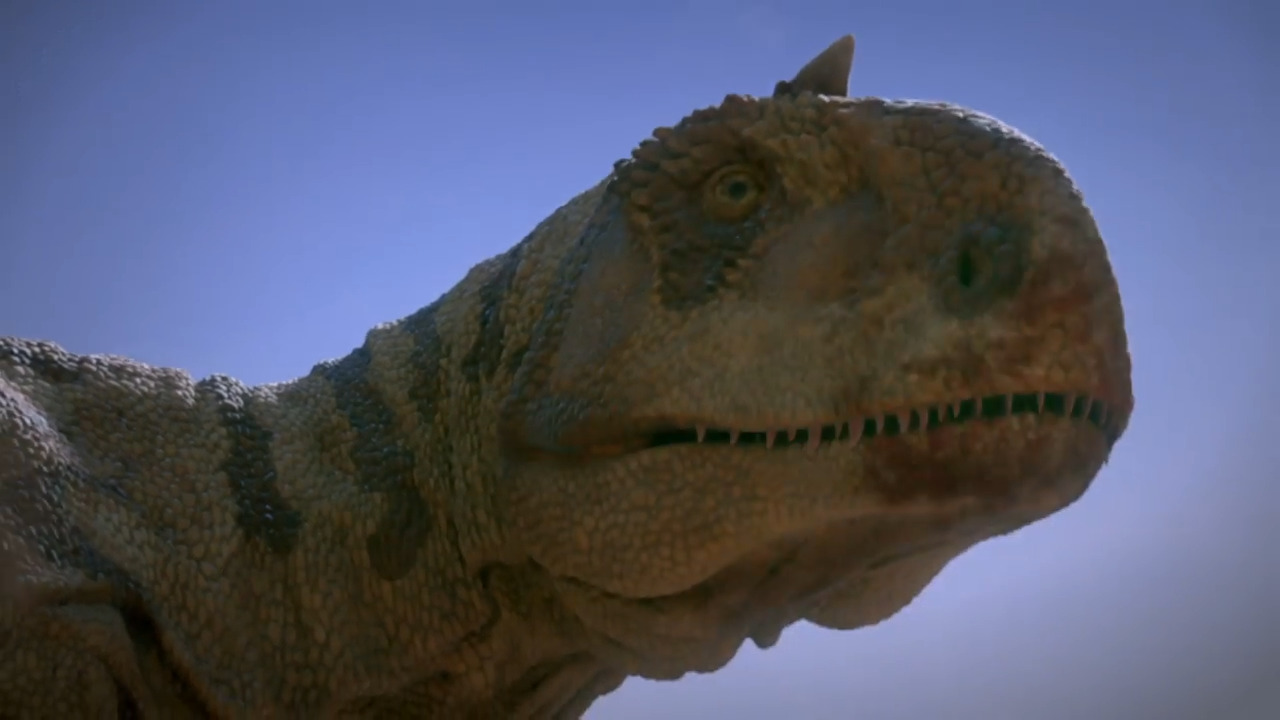
In The Survival of Majungasaurus, naturalist Steve Backshall details the lengths that this type of dinosaur had to go to in order to survive, including cannibalism.This video is excerpted from BBC’s Deadly Dinosaurs, a documentary series in which host Steve Backshall is on the hunt for the deadliest animals to have walked the Earth — dinosaurs — exploring features of several species and putting their abilities to the test to reveal the raw power of these creatures.
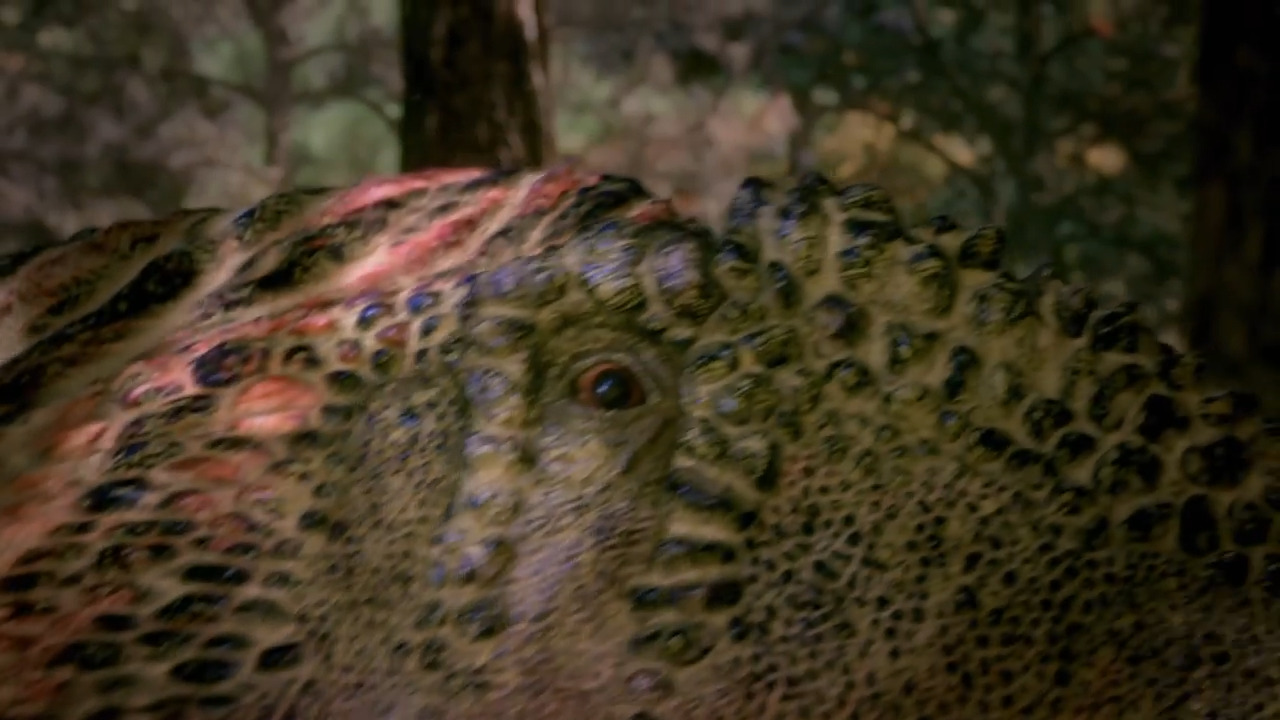
In The Massive Carcharodontosaurus, naturalist Steve Backshall shows how this enormous creature was somehow built to run long distances. It may have been even bigger than a T. rex! This video is excerpted from BBC’s Deadly Dinosaurs, a documentary series in which host Steve Backshall is on the hunt for the deadliest animals to have walked the Earth — dinosaurs — exploring features of several species and putting their abilities to the test to reveal the raw power of these creatures.
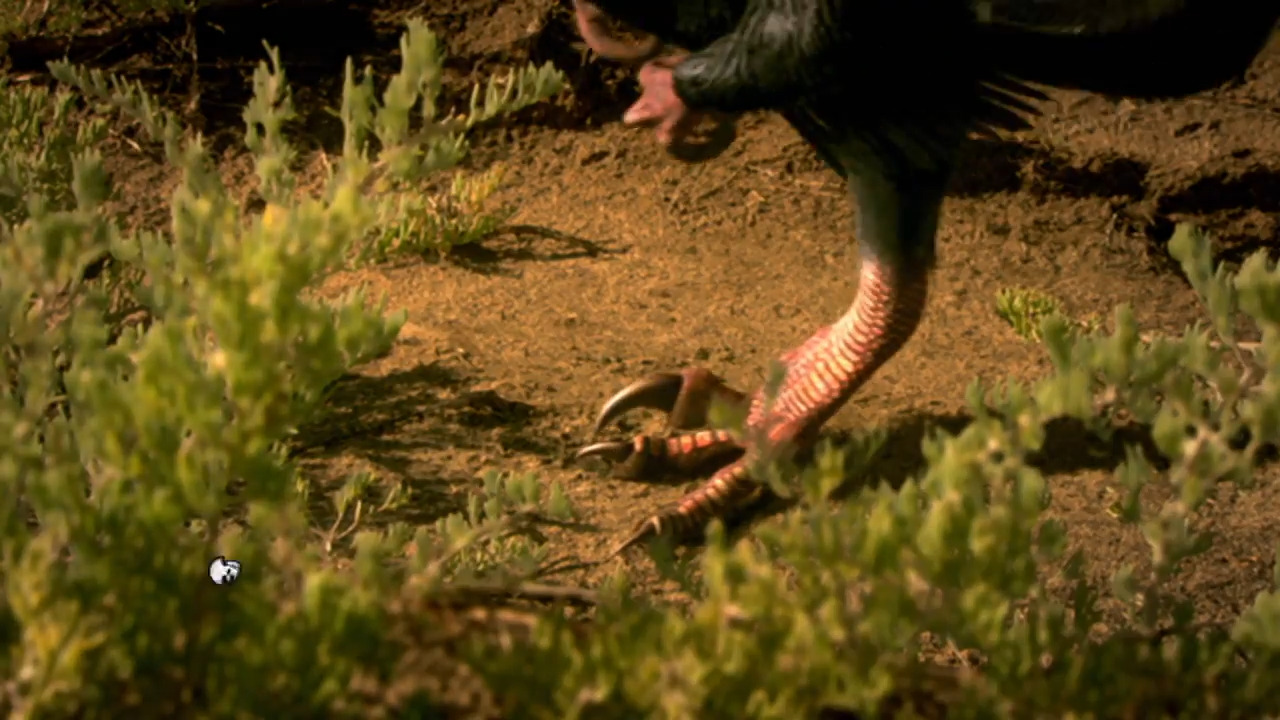
In The Claws of the Velociraptor, naturalist Steve Backshall shows how this dinosaur’s pointed claws were useful in a unique way. This video is excerpted from BBC’s Deadly Dinosaurs, a documentary series in which host Steve Backshall is on the hunt for the deadliest animals to have walked the Earth — dinosaurs — exploring features of several species and putting their abilities to the test to reveal the raw power of these creatures.
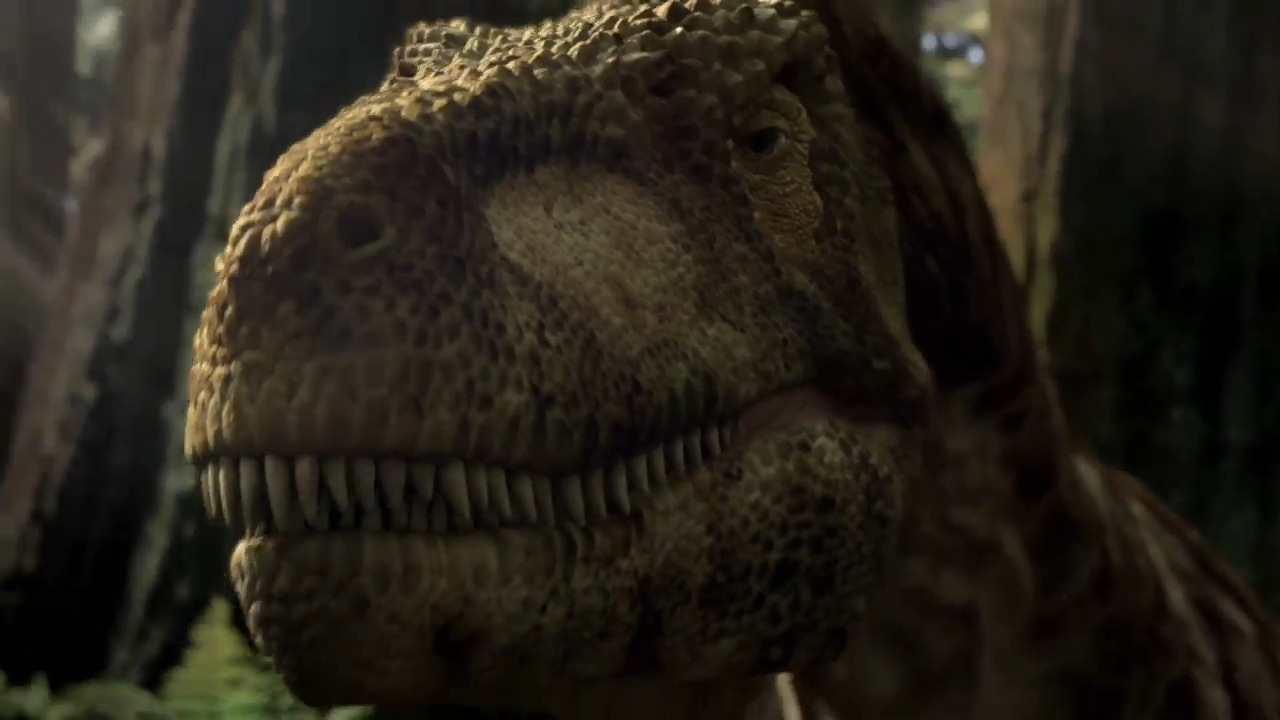
In The Super Smell of Daspletosaurus, naturalist Steve Backshall demonstrates just how powerful this dino’s sense of smell was. Through a demonstration, see how an animal can quickly track something down the way Daspletosaurus did using its sense of smell. This video is excerpted from BBC’s Deadly Dinosaurs, a documentary series in which host Steve Backshall is on the hunt for the deadliest animals to have walked the Earth — dinosaurs — exploring features of several species and putting their abilities to the test to reveal the raw power of these creatures.
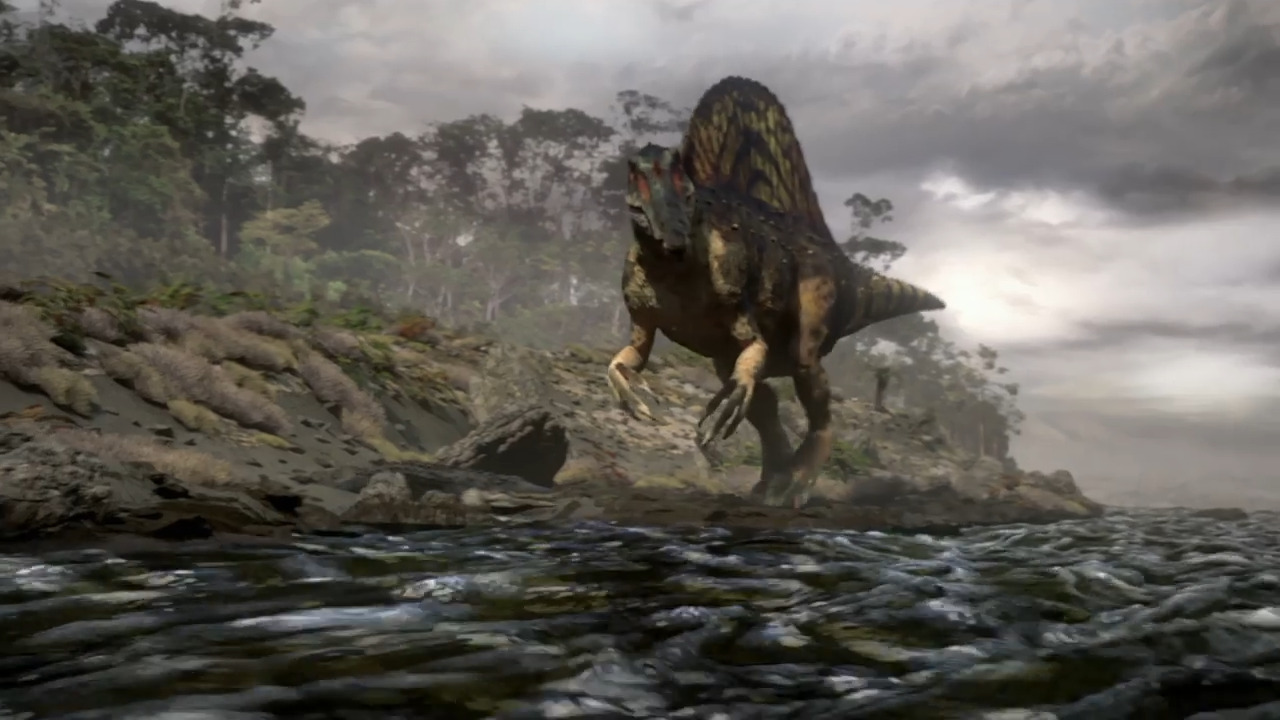
In The Mighty Spinosaurus, naturalist Steve Backshall highlights the adaptations that helped this deadly dinosaur catch unsuspecting prey with ease. This video is excerpted from BBC’s Deadly Dinosaurs, a documentary series in which host Steve Backshall is on the hunt for the deadliest animals to have walked the Earth — dinosaurs — exploring features of several species and putting their abilities to the test to reveal the raw power of these creatures.
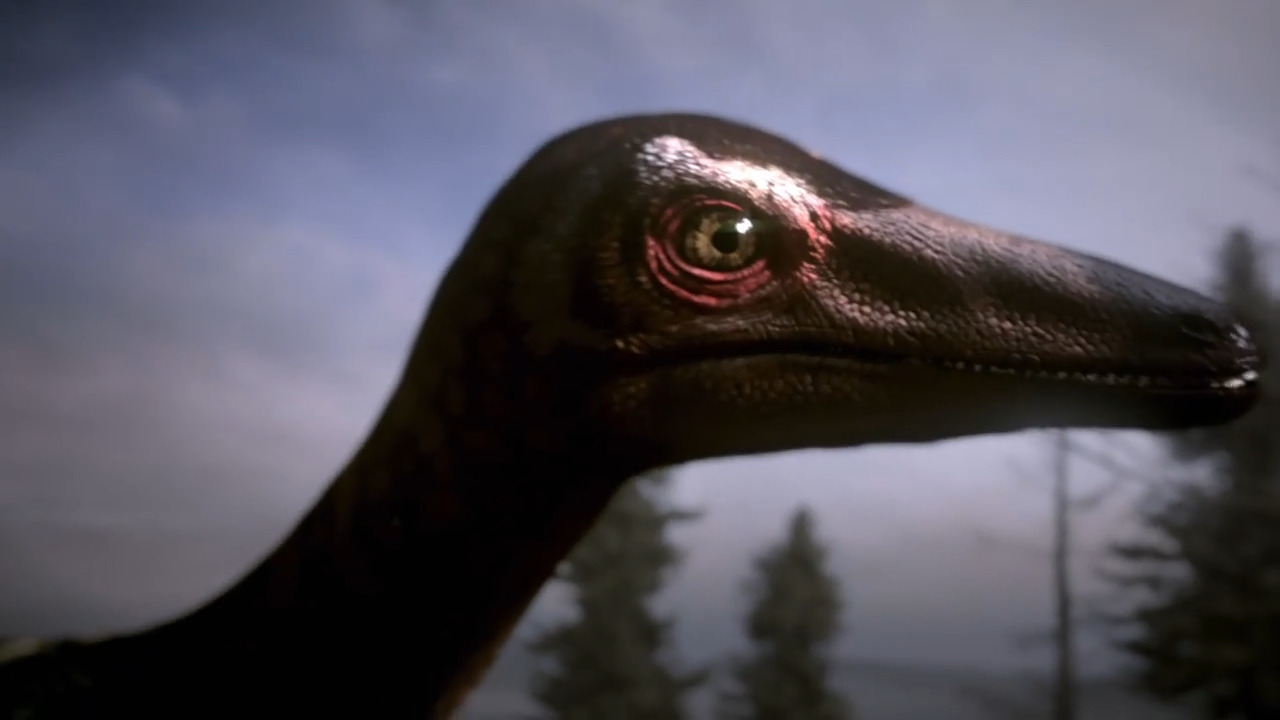
In Troodon With a Super Sense, naturalist Steve Backshall describes this dino with an incredible super sense: its large eyes that help it during the harsh, Arctic night. This video is excerpted from BBC’s Deadly Dinosaurs, a documentary series in which host Steve Backshall is on the hunt for the deadliest animals to have walked the Earth — dinosaurs — exploring features of several species and putting their abilities to the test to reveal the raw power of these creatures.
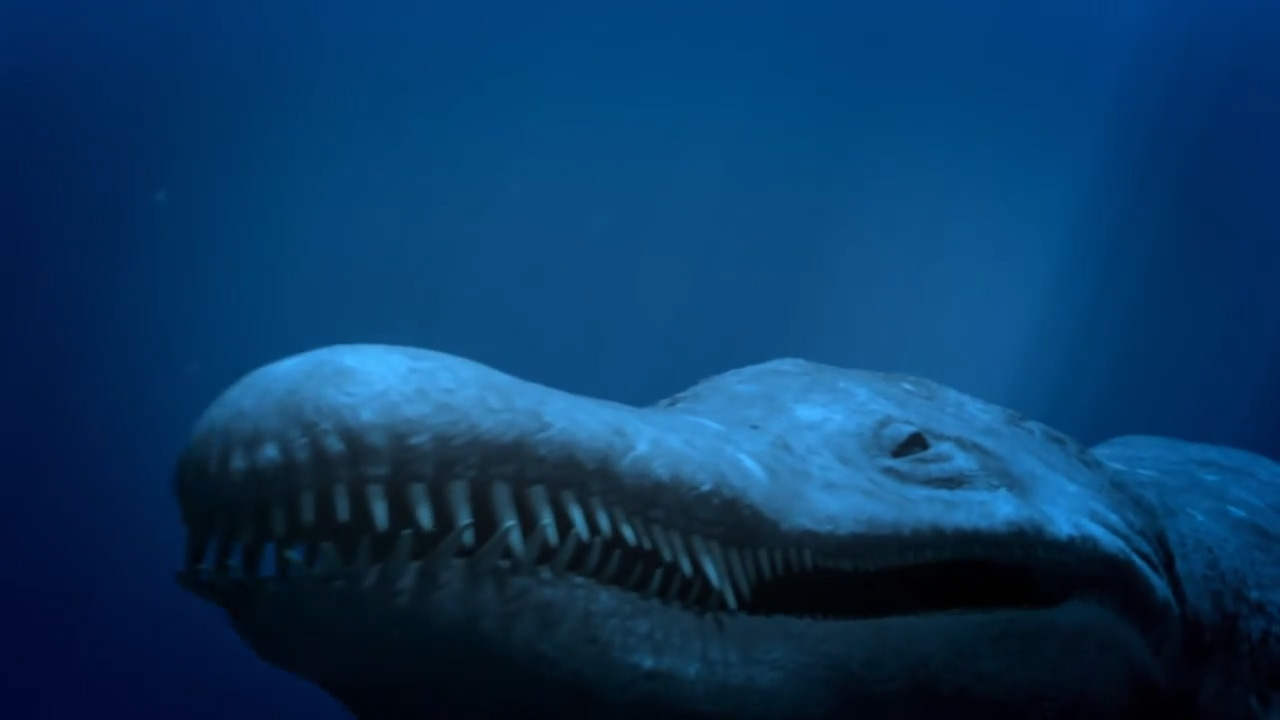
In The Colossal Predator X, naturalist Steve Backshall looks at the features of this dinosaur that made it the deadliest aquatic terror. This video is excerpted from BBC’s Deadly Dinosaurs, a documentary series in which host Steve Backshall is on the hunt for the deadliest animals to have walked the Earth — dinosaurs — exploring features of several species and putting their abilities to the test to reveal the raw power of these creatures.
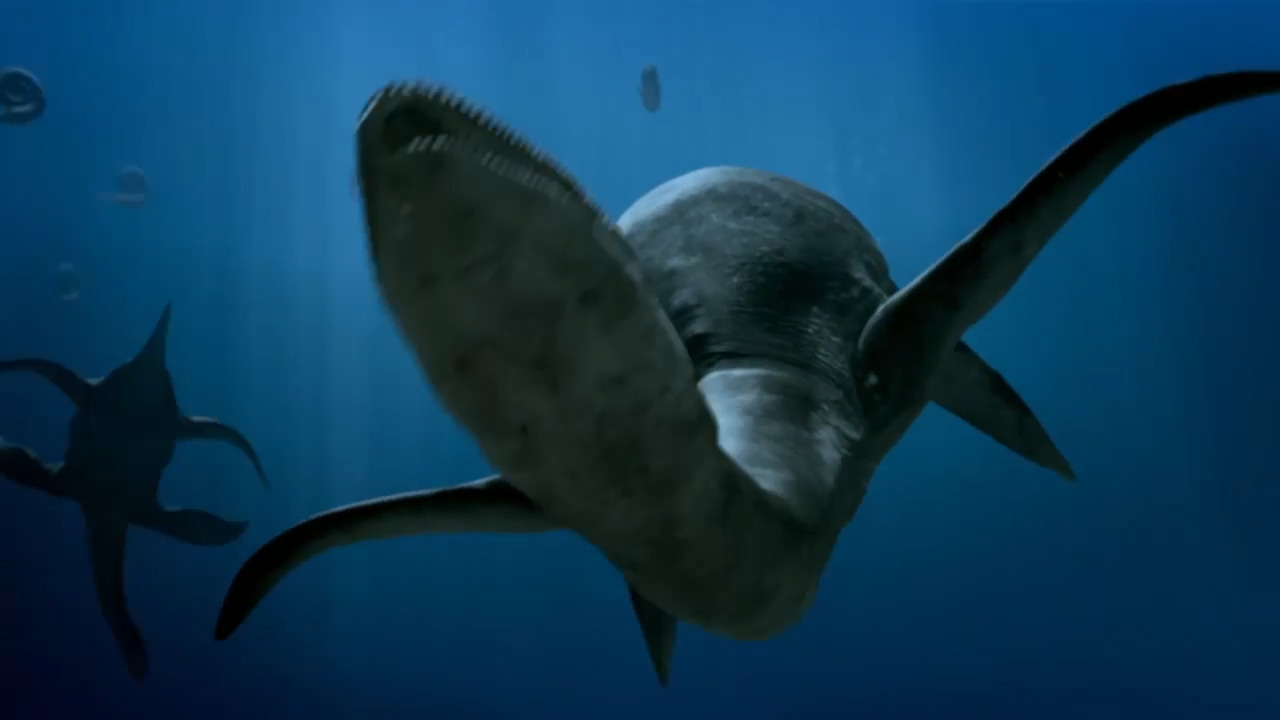
In Kimmerosaurus, the Diving Dinosaur, naturalist Steve Backshall explores how this aquatic creature used its unique features to hunt. Plus, check out how the actions of Kimmerosaurus left huge trenches in our modern-day environment. This video is excerpted from BBC’s Deadly Dinosaurs, a documentary series in which host Steve Backshall is on the hunt for the deadliest animals to have walked the Earth — dinosaurs — exploring features of several species and putting their abilities to the test to reveal the raw power of these creatures.
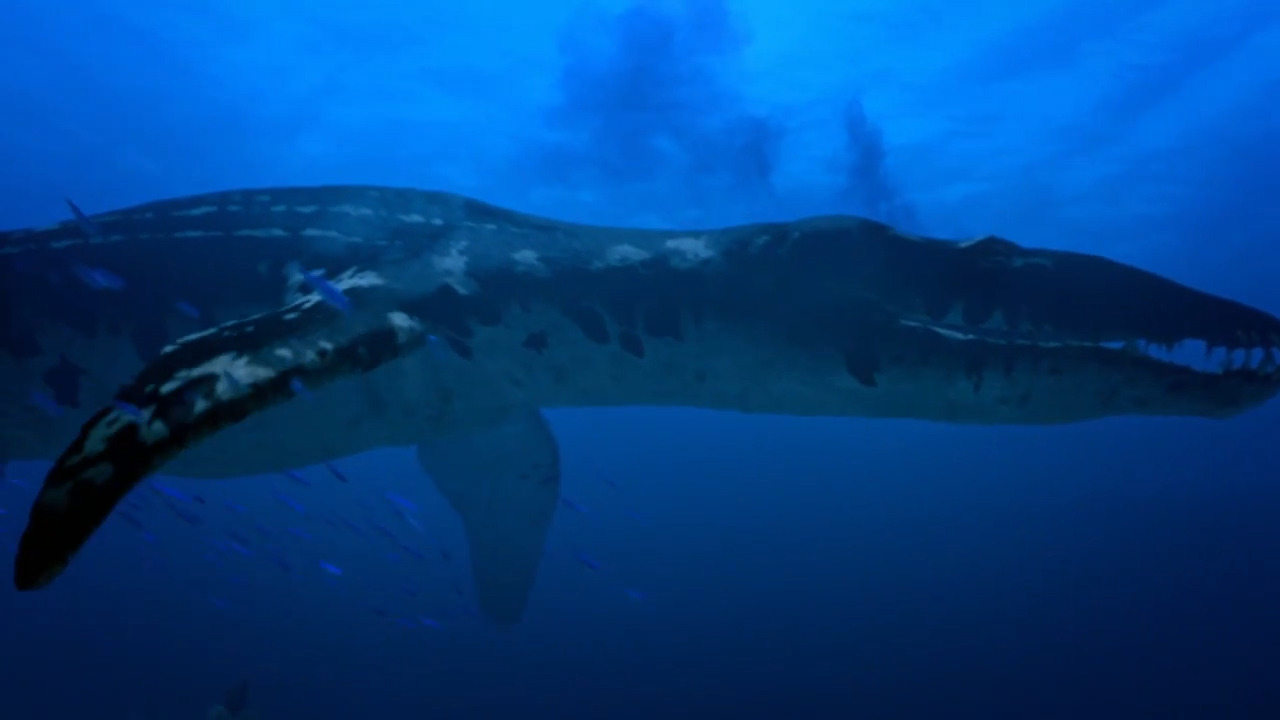
In The Not-So-Massive Liopleurodon, naturalist Steve Backshall discovers what scientists got wrong about this aquatic dinosaur’s size and just how that happened. This video is excerpted from BBC’s Deadly Dinosaurs, a documentary series in which host Steve Backshall is on the hunt for the deadliest animals to have walked the Earth — dinosaurs — exploring features of several species and putting their abilities to the test to reveal the raw power of these creatures.
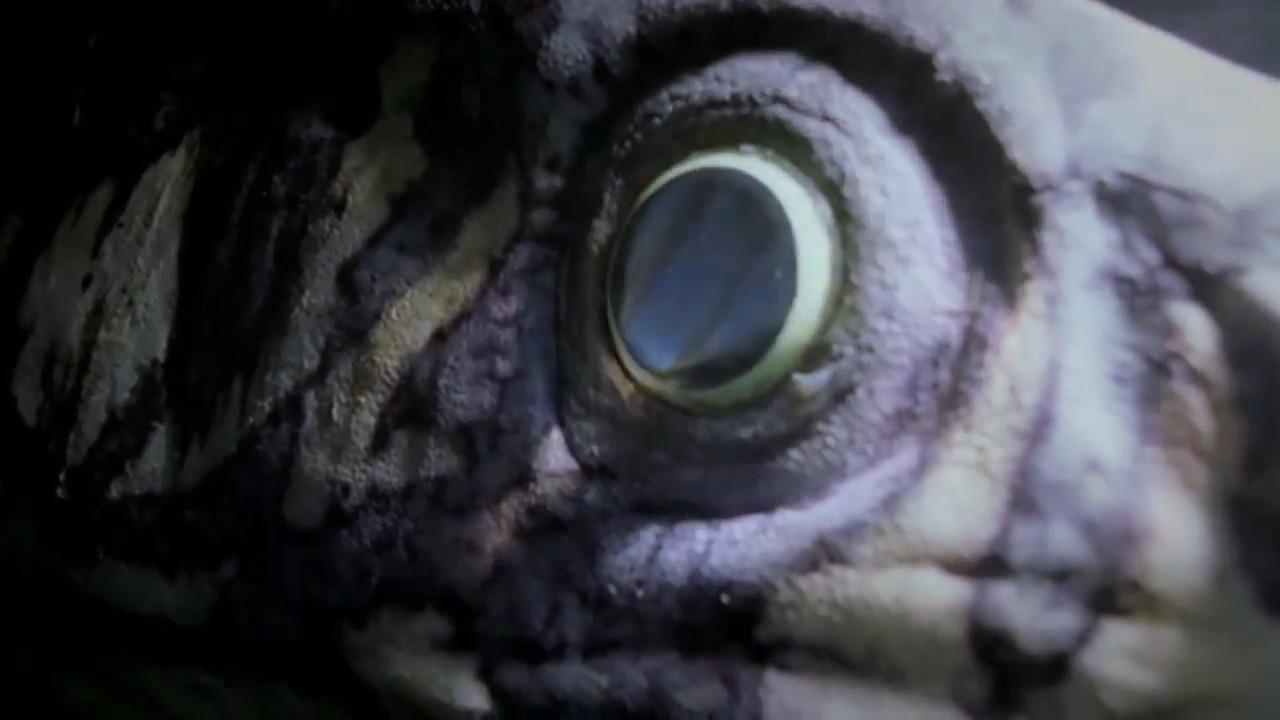
In The Marine Ophthalmosaurus, naturalist Steve Backshall highlights this deadly dinosaur that hunted in the prehistoric ocean. Check out its special adaptations that made it a successful marine predator, even at night! This video is excerpted from BBC’s Deadly Dinosaurs, a documentary series in which host Steve Backshall is on the hunt for the deadliest animals to have walked the Earth — dinosaurs — exploring features of several species and putting their abilities to the test to reveal the raw power of these creatures.
In Dinosaur Killer: Sandstorm, naturalist Steve Backshall describes how massive sandstorms may have been responsible for killing large numbers of dinosaurs by blinding and suffocating anything in its path. Gigantoraptor was particularly vulnerable since it was extremely protective of its eggs, which were often buried in the sand. This video is excerpted from BBC’s Deadly Dinosaurs, a documentary series in which host Steve Backshall is on the hunt for the deadliest animals to have walked the Earth — dinosaurs — exploring features of several species and putting their abilities to the test to reveal the raw power of these creatures.
In Dinosaur Killer: Floods, naturalist Steve Backshall shows how massive floods may have been responsible for killing large numbers of dinosaurs millions of years ago. Despite the size and power of dinosaurs, monsoon floods are believed to have killed many Centrosaurus dinosaurs, whose bodies did not allow for skilled swimming. This video is excerpted from BBC’s Deadly Dinosaurs, a documentary series in which host Steve Backshall is on the hunt for the deadliest animals to have walked the Earth — dinosaurs — exploring features of several species and putting their abilities to the test to reveal the raw power of these creatures.
In The Survival of Majungasaurus, naturalist Steve Backshall details the lengths that this type of dinosaur had to go to in order to survive, including cannibalism.This video is excerpted from BBC’s Deadly Dinosaurs, a documentary series in which host Steve Backshall is on the hunt for the deadliest animals to have walked the Earth — dinosaurs — exploring features of several species and putting their abilities to the test to reveal the raw power of these creatures.
In The Massive Carcharodontosaurus, naturalist Steve Backshall shows how this enormous creature was somehow built to run long distances. It may have been even bigger than a T. rex! This video is excerpted from BBC’s Deadly Dinosaurs, a documentary series in which host Steve Backshall is on the hunt for the deadliest animals to have walked the Earth — dinosaurs — exploring features of several species and putting their abilities to the test to reveal the raw power of these creatures.
In The Claws of the Velociraptor, naturalist Steve Backshall shows how this dinosaur’s pointed claws were useful in a unique way. This video is excerpted from BBC’s Deadly Dinosaurs, a documentary series in which host Steve Backshall is on the hunt for the deadliest animals to have walked the Earth — dinosaurs — exploring features of several species and putting their abilities to the test to reveal the raw power of these creatures.
In The Super Smell of Daspletosaurus, naturalist Steve Backshall demonstrates just how powerful this dino’s sense of smell was. Through a demonstration, see how an animal can quickly track something down the way Daspletosaurus did using its sense of smell. This video is excerpted from BBC’s Deadly Dinosaurs, a documentary series in which host Steve Backshall is on the hunt for the deadliest animals to have walked the Earth — dinosaurs — exploring features of several species and putting their abilities to the test to reveal the raw power of these creatures.
In The Mighty Spinosaurus, naturalist Steve Backshall highlights the adaptations that helped this deadly dinosaur catch unsuspecting prey with ease. This video is excerpted from BBC’s Deadly Dinosaurs, a documentary series in which host Steve Backshall is on the hunt for the deadliest animals to have walked the Earth — dinosaurs — exploring features of several species and putting their abilities to the test to reveal the raw power of these creatures.
In Troodon With a Super Sense, naturalist Steve Backshall describes this dino with an incredible super sense: its large eyes that help it during the harsh, Arctic night. This video is excerpted from BBC’s Deadly Dinosaurs, a documentary series in which host Steve Backshall is on the hunt for the deadliest animals to have walked the Earth — dinosaurs — exploring features of several species and putting their abilities to the test to reveal the raw power of these creatures.
In The Colossal Predator X, naturalist Steve Backshall looks at the features of this dinosaur that made it the deadliest aquatic terror. This video is excerpted from BBC’s Deadly Dinosaurs, a documentary series in which host Steve Backshall is on the hunt for the deadliest animals to have walked the Earth — dinosaurs — exploring features of several species and putting their abilities to the test to reveal the raw power of these creatures.
In Kimmerosaurus, the Diving Dinosaur, naturalist Steve Backshall explores how this aquatic creature used its unique features to hunt. Plus, check out how the actions of Kimmerosaurus left huge trenches in our modern-day environment. This video is excerpted from BBC’s Deadly Dinosaurs, a documentary series in which host Steve Backshall is on the hunt for the deadliest animals to have walked the Earth — dinosaurs — exploring features of several species and putting their abilities to the test to reveal the raw power of these creatures.
In The Not-So-Massive Liopleurodon, naturalist Steve Backshall discovers what scientists got wrong about this aquatic dinosaur’s size and just how that happened. This video is excerpted from BBC’s Deadly Dinosaurs, a documentary series in which host Steve Backshall is on the hunt for the deadliest animals to have walked the Earth — dinosaurs — exploring features of several species and putting their abilities to the test to reveal the raw power of these creatures.
In The Marine Ophthalmosaurus, naturalist Steve Backshall highlights this deadly dinosaur that hunted in the prehistoric ocean. Check out its special adaptations that made it a successful marine predator, even at night! This video is excerpted from BBC’s Deadly Dinosaurs, a documentary series in which host Steve Backshall is on the hunt for the deadliest animals to have walked the Earth — dinosaurs — exploring features of several species and putting their abilities to the test to reveal the raw power of these creatures.