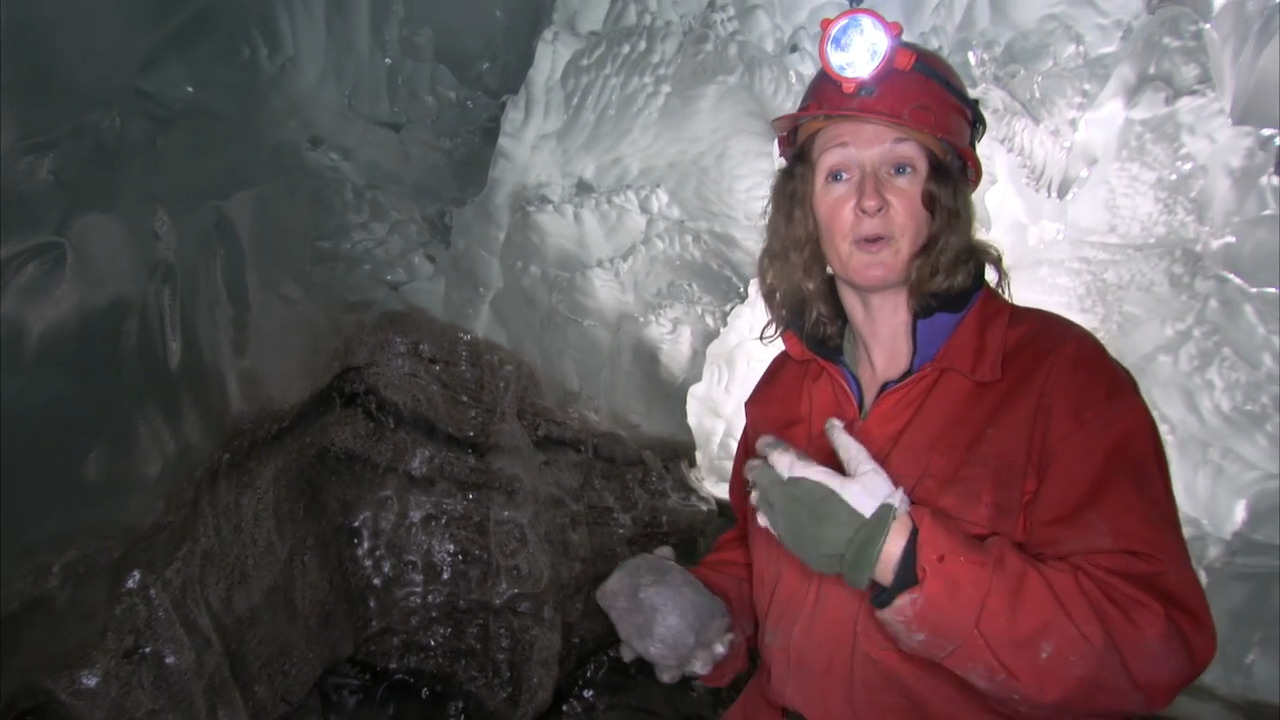
In Inside a Glacier, geologist Iain Stewart describes how scientists work inside an ice cave carved deep in a glacier in Norway. They learn how ice, a brittle substance, can be powerful, strong, and fluid at the same time. This video is excerpted from BBC’s Earth: The Power of the Planet, a documentary series in which Dr. Iain Stewart discovers how Earth's forces can shape nature, species, and even the climate.
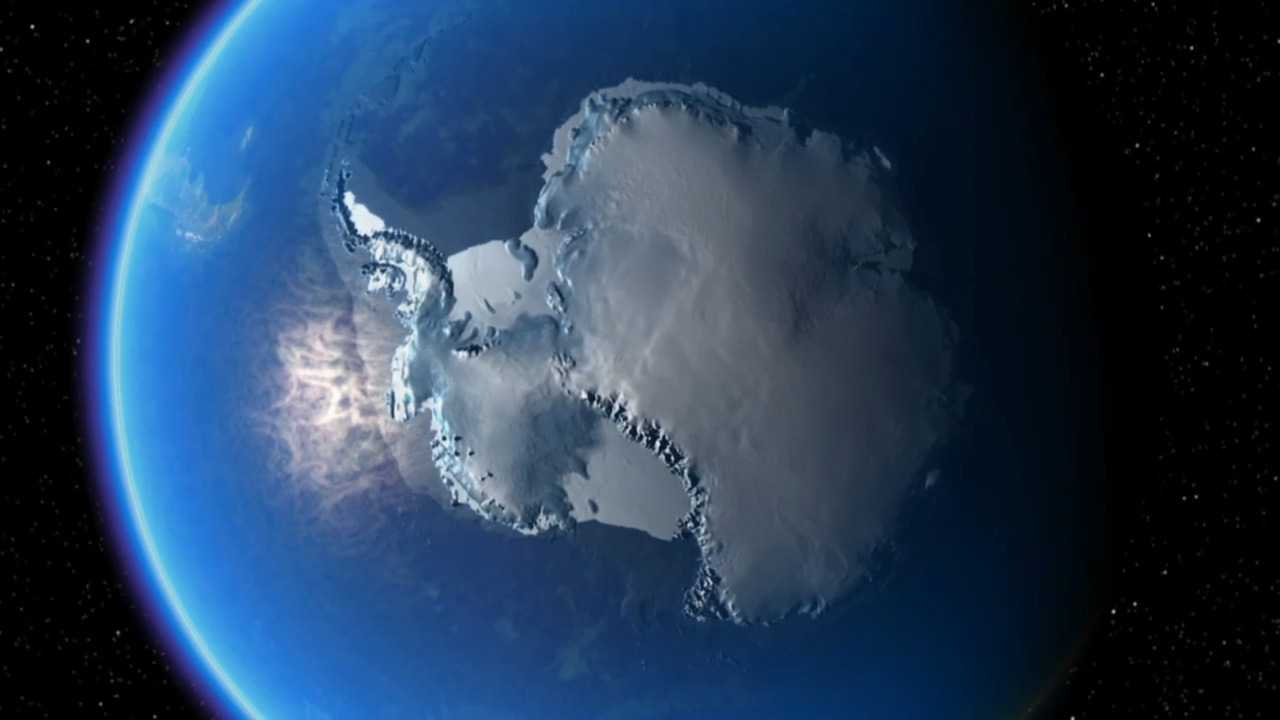
In Antarctica and Our Climate, geologist Iain Stewart explains how technology allows us to see the full geography of Antarctica, including lakes that are under ice and huge glaciers that cover islands of rock. Antarctica is formed because we are in an ice age that has lasted more than three million years, with small changes that have a large impact as ice advances and retreats over and over again. This video is excerpted from BBC’s Earth: The Power of the Planet, a documentary series in which Dr. Iain Stewart discovers how Earth's forces can shape nature, species, and even the climate.
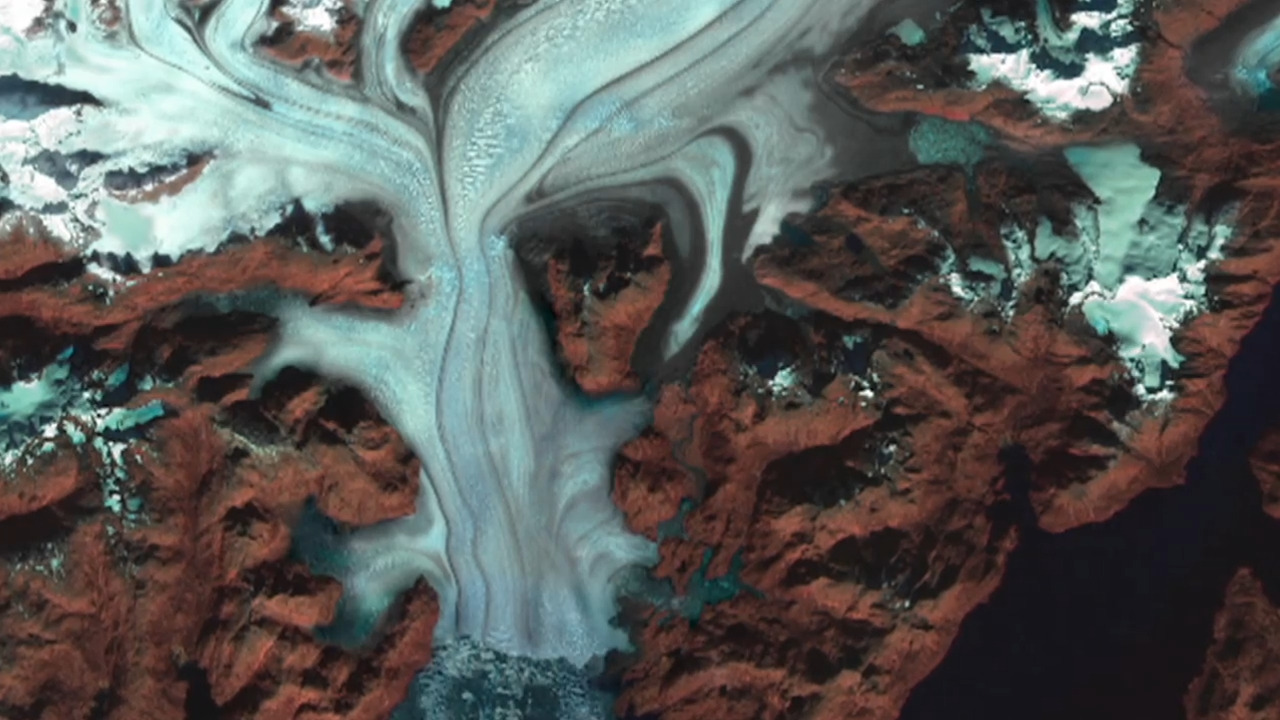
In Retreating Ice and Glacial Change, geologist Iain Stewart explains that the Columbia glacier in Alaska is moving quickly; it has retreated almost 9 miles (14 kilometers) since 1980. But this glacier is not the only one that is melting and changing as the planet warms. This video is excerpted from BBC’s Earth: The Power of the Planet, a documentary series in which Dr. Iain Stewart discovers how Earth's forces can shape nature, species, and even the climate.
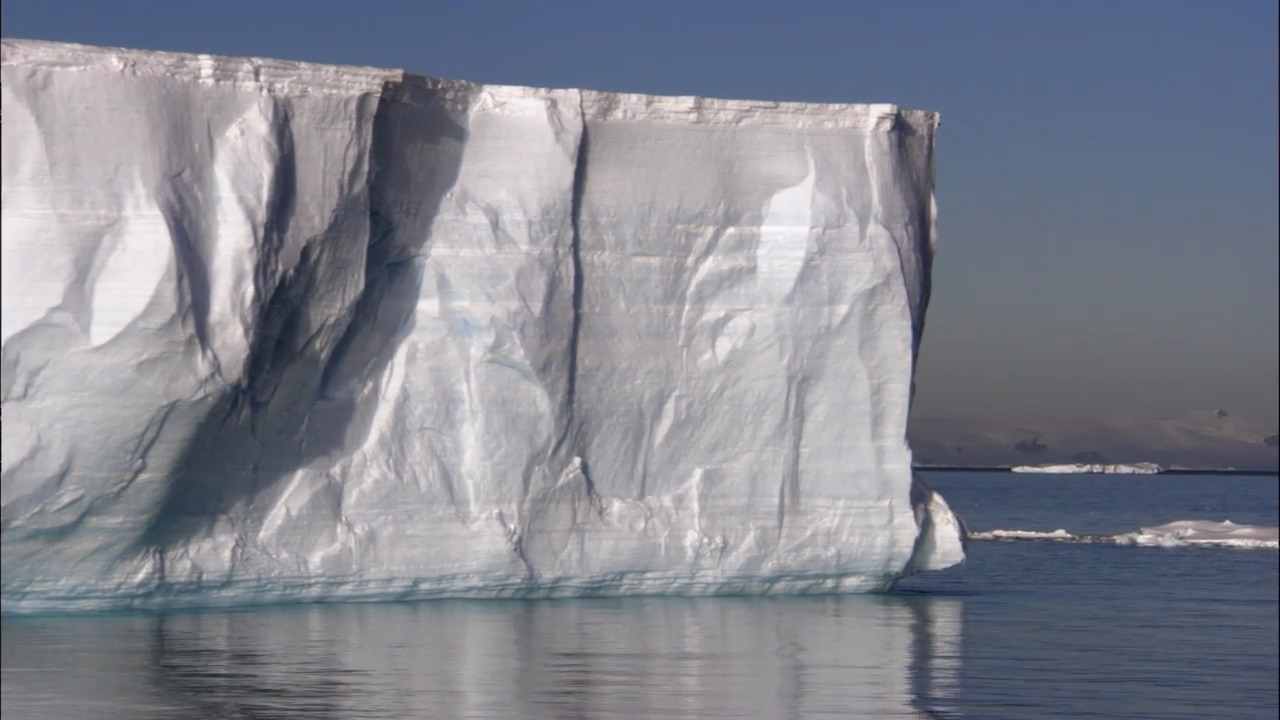
In How Ice Provides a Reflective Shield on Earth, geologist Iain Stewart explains that ice is a unique substance. Because it floats and is reflective, it provides a reflective shield for the Earth and impacts how much energy is absorbed, which impacts the climate. The changing amounts of ice on the planet also impact how modern man has adapted. This video is excerpted from BBC’s Earth: The Power of the Planet, a documentary series in which Dr. Iain Stewart discovers how Earth's forces can shape nature, species, and even the climate.
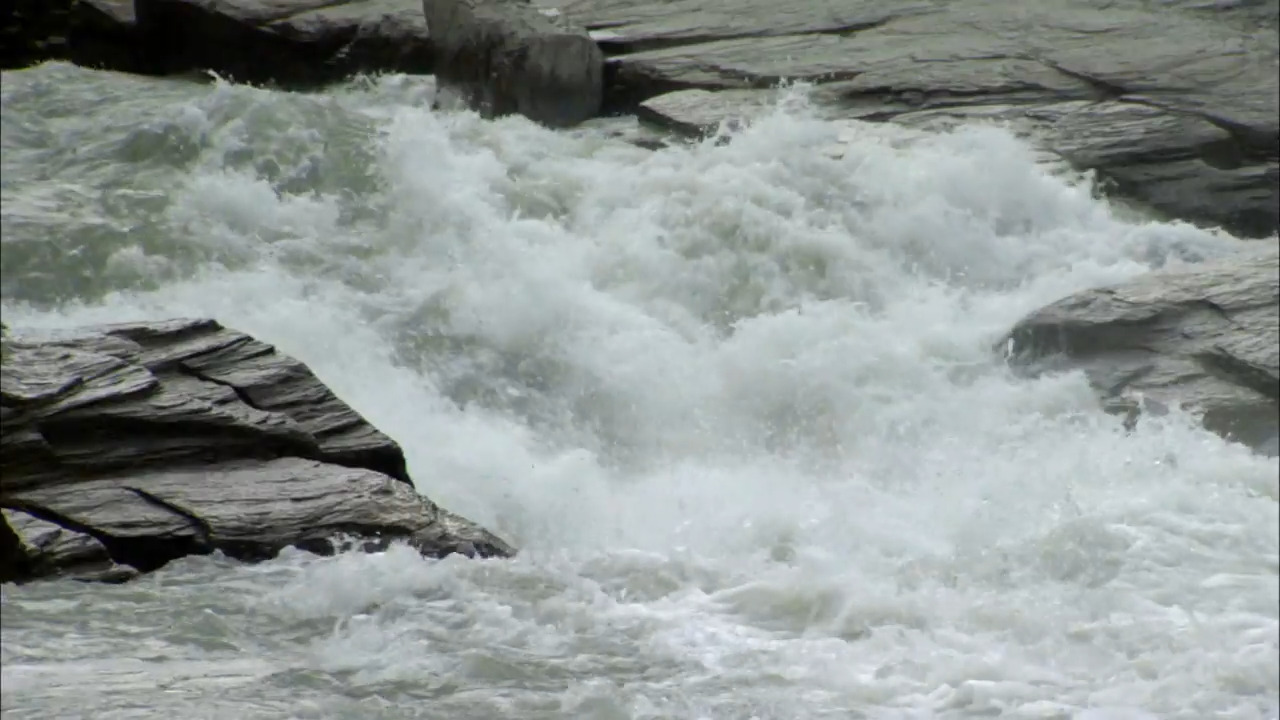
In Erosion and Evolution, geologist Iain Stewart explains that rivers and volcanoes have shaped the Earth in dramatic ways. Rivers sweep rock and debris with them as they head toward the ocean, preparing for new land to form downstream. Scientists have found the conditions that mimic those found when the Earth was young around volcanoes and hydrothermal vents. The changing amounts of ice on the planet also impact how modern man has adapted. This video is excerpted from BBC’s Earth: The Power of the Planet, a documentary series in which Dr. Iain Stewart discovers how Earth's forces can shape nature, species, and even the climate.
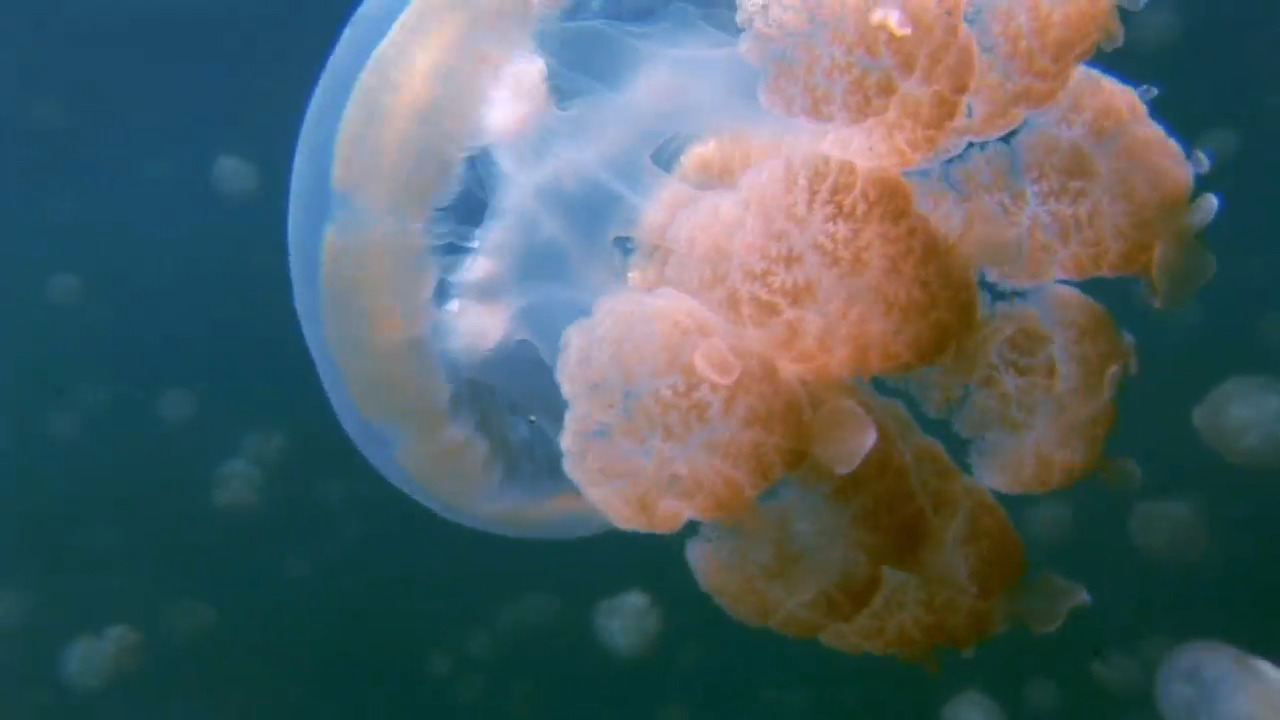
In Why Acidic Seas Spell Trouble, geologist Iain Stewart explores how global warming is shaking up life in the ocean. In Palau, an ocean scientist shares the story of millions of golden jellyfish that vanished when the water’s temperature rose by a few degrees. Plus, learn how rising carbon dioxide is making the ocean more acidic, threatening coral reefs and the marine life that depends on them. The ocean is changing fast, and scientists are racing to understand what’s next for our planet's underwater world! This video is excerpted from BBC’s Earth: The Power of the Planet, a documentary series in which Dr. Iain Stewart discovers how Earth's forces can shape nature, species, and even the climate.
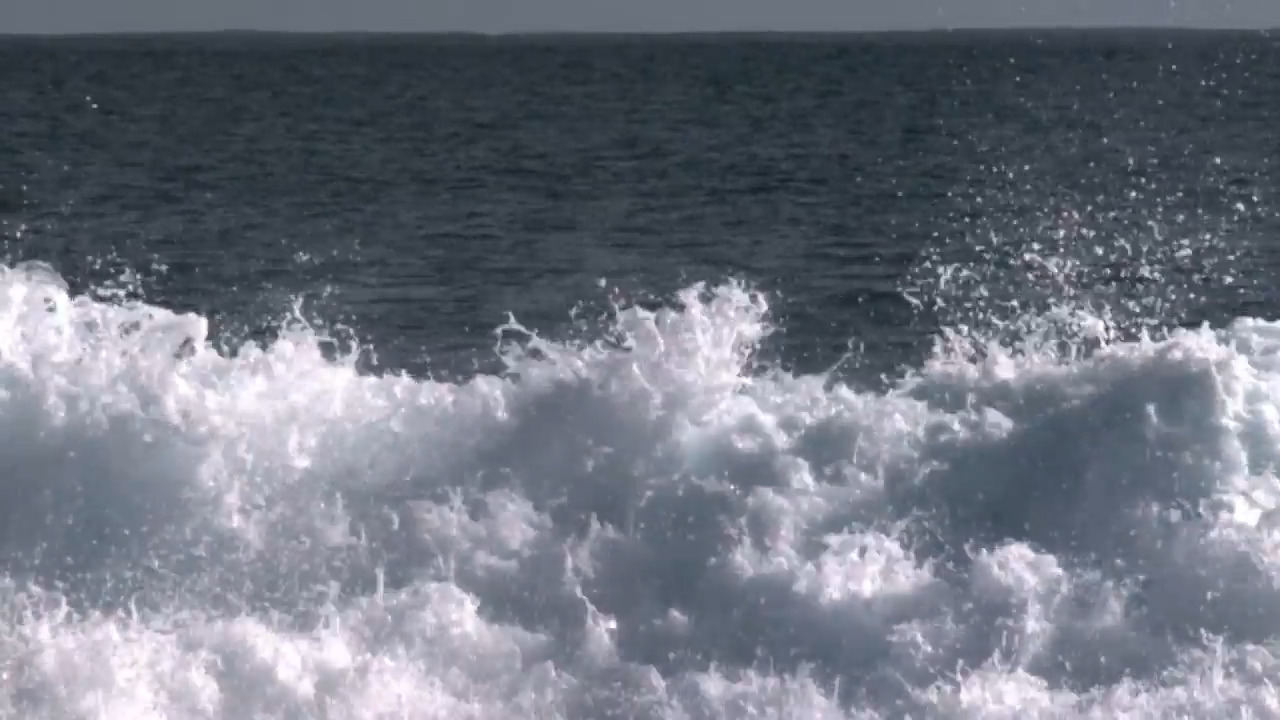
In How Energy Travels Across the Seas, geologist Iain Stewart explains why Earth is called the "blue planet," with over three-quarters of its surface covered by water. Explore how the ocean shapes coastlines and carries powerful energy across the planet, creating crashing waves that start as tiny ripples from a breeze. See the raw power of the sea in Hawaii and learn how tides form from the pull of the Moon and Sun. Next watch how this energy creates massive tidal waves, like the powerful tidal bore in the Amazon River, moving upstream and carrying more water than the flow of Niagara Falls! This video is excerpted from BBC’s Earth: The Power of the Planet, a documentary series in which Dr. Iain Stewart discovers how Earth's forces can shape nature, species, and even the climate.
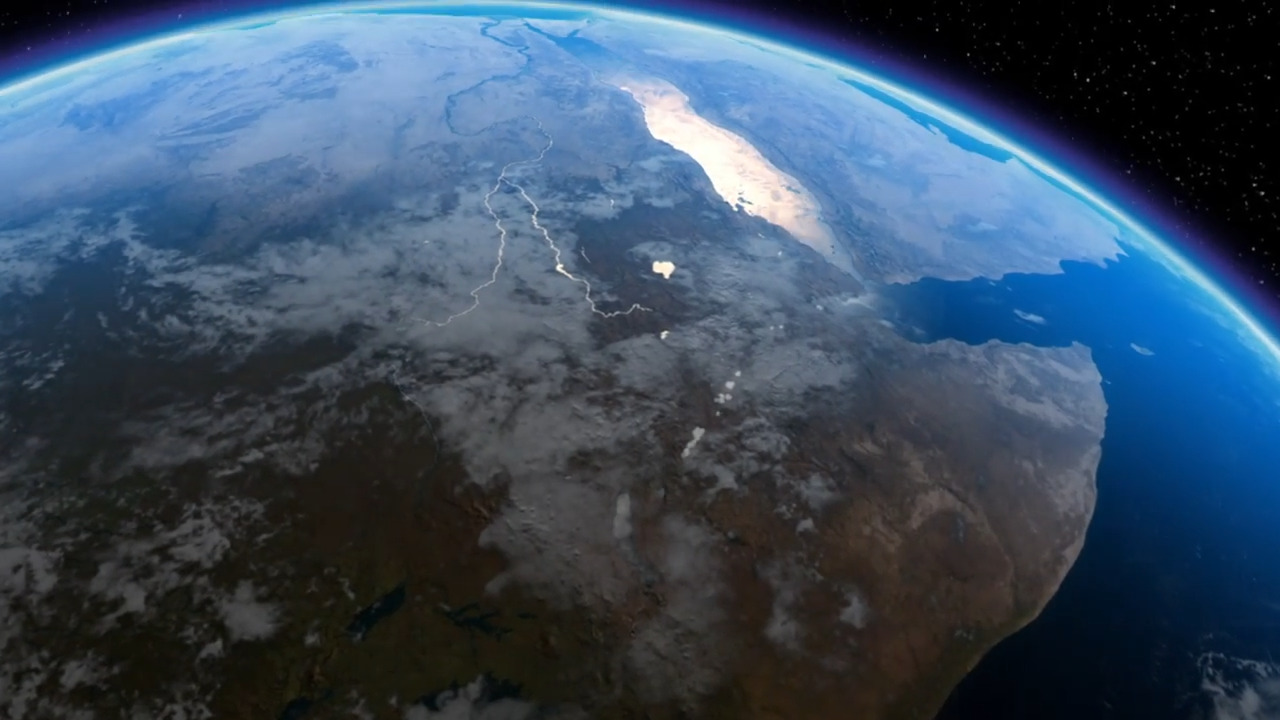
In How Earth Got Its Water, geologist Iain Stewart explains how Earth's first oceans were born from a rainstorm that lasted hundreds of thousands of years. But that epic downpour only gave Earth half its water — the rest came from space! Scientists crashed a satellite into a comet to uncover how these icy space rocks helped fill our oceans billions of years ago. And the story isn’t over — today, in East Africa, a massive crack is slowly splitting the continent, and one day, it could form a brand-new ocean! This video is excerpted from BBC’s Earth: The Power of the Planet, a documentary series in which Dr. Iain Stewart discovers how Earth's forces can shape nature, species, and even the climate.
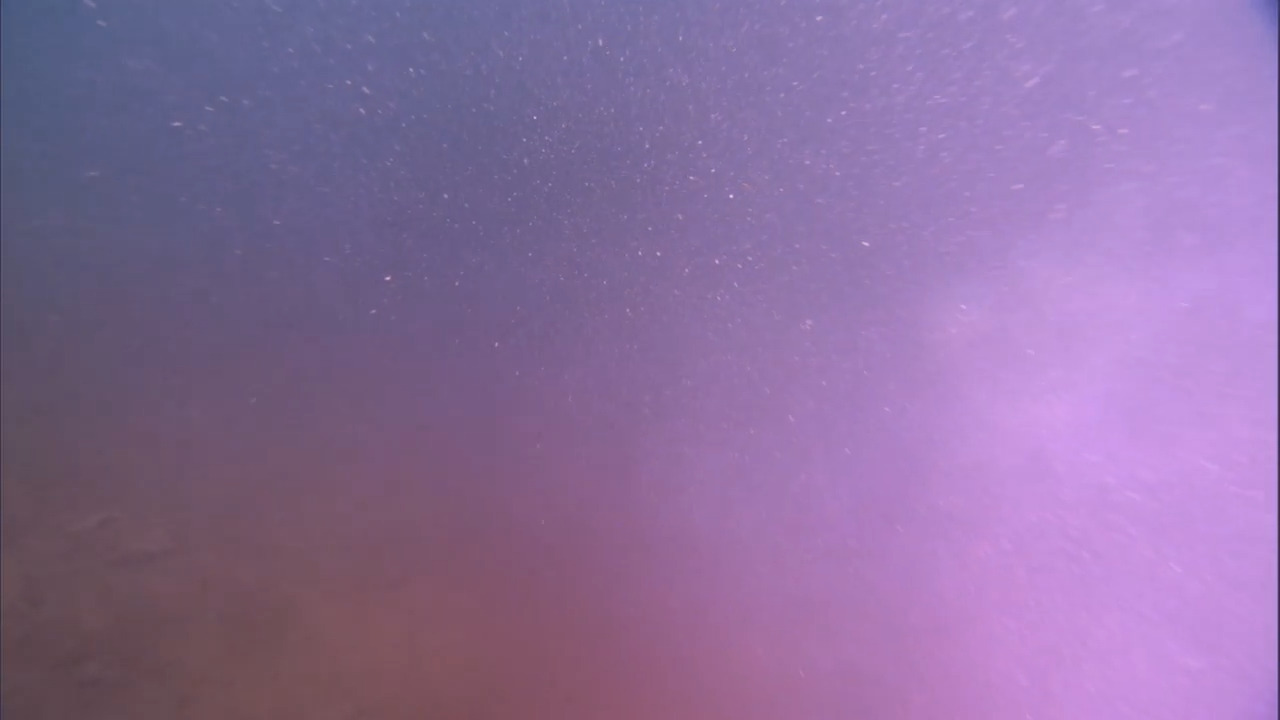
In How a Poisonous Lake Reveals an Ancient Catastrophe, geologist Iain Stewart highlights scientists exploring a toxic mystery behind the Permian mass extinction. While the surface teems with life, the lake’s bottom holds deadly hydrogen sulfide, turning the water pink with millions of purple bacteria. These bacteria are key to understanding how, 250 million years ago, this toxic gas escaped into the air, devastating life on Earth. This video is excerpted from BBC’s Earth: The Power of the Planet, a documentary series in which Dr. Iain Stewart discovers how Earth's forces can shape nature, species, and even the climate.
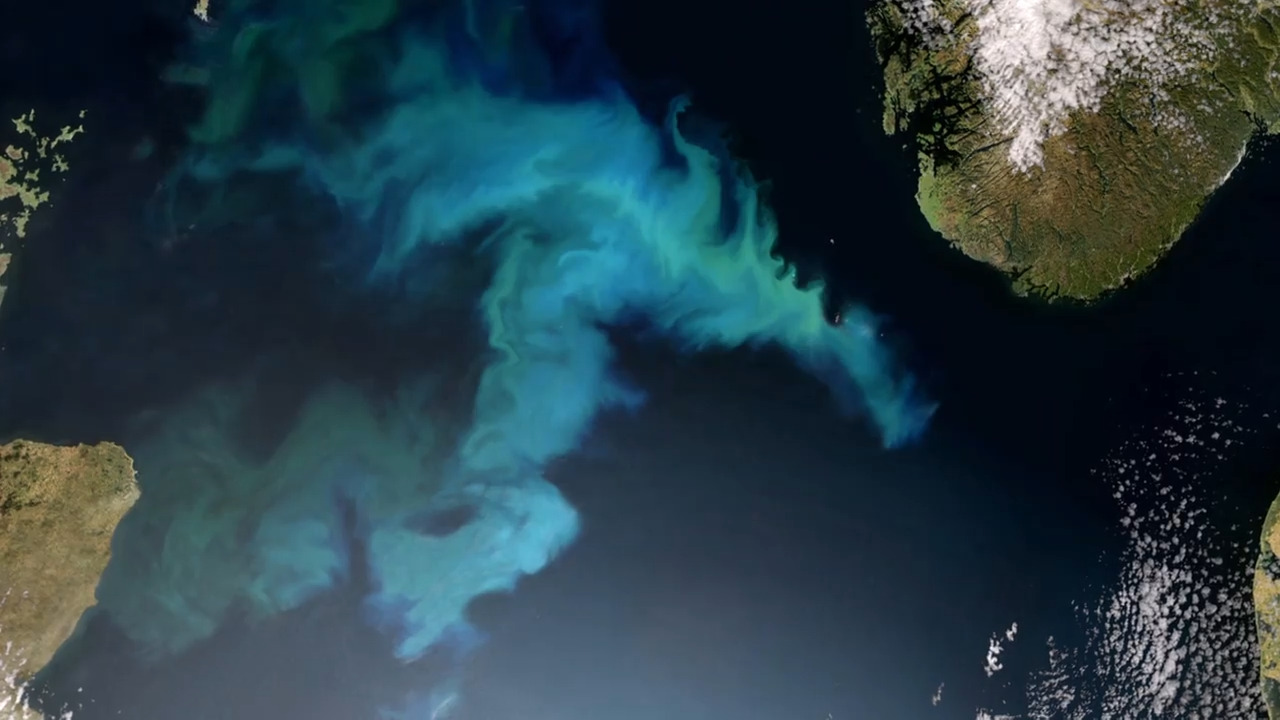
In Phytoplankton, the Life-Giving Force Beneath the Waves, geologist Iain Stewart explains how oceans are vital to life on Earth, especially because of tiny phytoplankton which produce 50% of the oxygen we breathe! These microscopic organisms feed sea creatures and help turn sunlight and carbon dioxide into energy. Oceans also have a vast network of currents that connect all the seas, proven when 29,000 rubber ducks drifted across the world, showing how these currents link every ocean. This video is excerpted from BBC’s Earth: The Power of the Planet, a documentary series in which Dr. Iain Stewart discovers how Earth's forces can shape nature, species, and even the climate.
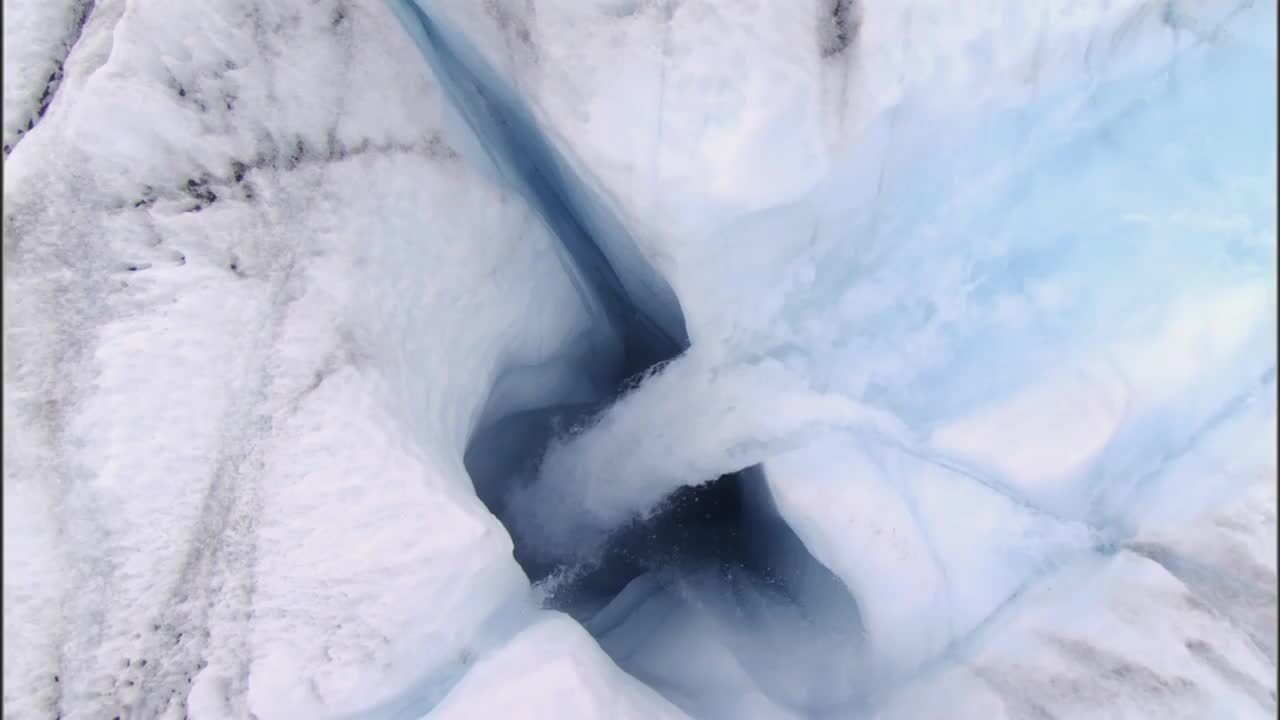
In Can We Stop the Glacier Melt?, geologist Iain Stewart explains the crucial role ice plays in our planet’s climate and how it’s being affected by global warming. Scientists are studying Greenland's massive Jakobshavn Glacier to understand how the ice is melting and the impact that has on rising sea levels. Over just the last few decades, the glacier has retreated significantly, and if Greenland's ice melts completely, it could raise sea levels by 23 feet (7 meters), threatening places like London and Florida. This video is excerpted from BBC’s Earth: The Power of the Planet, a documentary series in which Dr. Iain Stewart discovers how Earth's forces can shape nature, species, and even the climate.
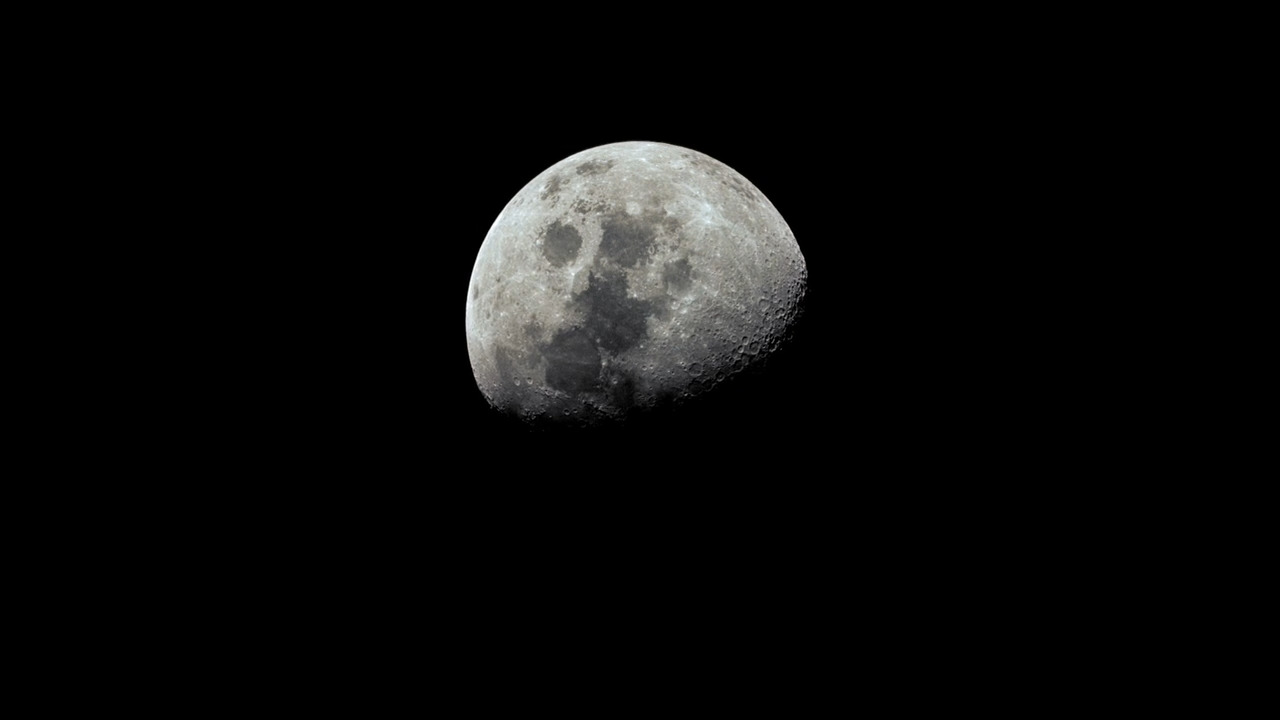
In The Moon's Impact on Earth, learn how the Moon plays a crucial role in Earth’s tides, climate, and seasons. Meet Jerry Wiant who uses a laser to measure the Moon’s distance from Earth at the McDonald Observatory in West Texas, revealing that the Moon is receding at a rate of 3.8 cm/year. This information helps us understand the Moon's influence on Earth and the long-term effects of its gradual movement away from the planet. This video is excerpted from BBC’s Earth: The Power of the Planet, a documentary that explores the fascinating geology on planet Earth.
In Inside a Glacier, geologist Iain Stewart describes how scientists work inside an ice cave carved deep in a glacier in Norway. They learn how ice, a brittle substance, can be powerful, strong, and fluid at the same time. This video is excerpted from BBC’s Earth: The Power of the Planet, a documentary series in which Dr. Iain Stewart discovers how Earth's forces can shape nature, species, and even the climate.
In Antarctica and Our Climate, geologist Iain Stewart explains how technology allows us to see the full geography of Antarctica, including lakes that are under ice and huge glaciers that cover islands of rock. Antarctica is formed because we are in an ice age that has lasted more than three million years, with small changes that have a large impact as ice advances and retreats over and over again. This video is excerpted from BBC’s Earth: The Power of the Planet, a documentary series in which Dr. Iain Stewart discovers how Earth's forces can shape nature, species, and even the climate.
In Retreating Ice and Glacial Change, geologist Iain Stewart explains that the Columbia glacier in Alaska is moving quickly; it has retreated almost 9 miles (14 kilometers) since 1980. But this glacier is not the only one that is melting and changing as the planet warms. This video is excerpted from BBC’s Earth: The Power of the Planet, a documentary series in which Dr. Iain Stewart discovers how Earth's forces can shape nature, species, and even the climate.
In How Ice Provides a Reflective Shield on Earth, geologist Iain Stewart explains that ice is a unique substance. Because it floats and is reflective, it provides a reflective shield for the Earth and impacts how much energy is absorbed, which impacts the climate. The changing amounts of ice on the planet also impact how modern man has adapted. This video is excerpted from BBC’s Earth: The Power of the Planet, a documentary series in which Dr. Iain Stewart discovers how Earth's forces can shape nature, species, and even the climate.
In Erosion and Evolution, geologist Iain Stewart explains that rivers and volcanoes have shaped the Earth in dramatic ways. Rivers sweep rock and debris with them as they head toward the ocean, preparing for new land to form downstream. Scientists have found the conditions that mimic those found when the Earth was young around volcanoes and hydrothermal vents. The changing amounts of ice on the planet also impact how modern man has adapted. This video is excerpted from BBC’s Earth: The Power of the Planet, a documentary series in which Dr. Iain Stewart discovers how Earth's forces can shape nature, species, and even the climate.
In Why Acidic Seas Spell Trouble, geologist Iain Stewart explores how global warming is shaking up life in the ocean. In Palau, an ocean scientist shares the story of millions of golden jellyfish that vanished when the water’s temperature rose by a few degrees. Plus, learn how rising carbon dioxide is making the ocean more acidic, threatening coral reefs and the marine life that depends on them. The ocean is changing fast, and scientists are racing to understand what’s next for our planet's underwater world! This video is excerpted from BBC’s Earth: The Power of the Planet, a documentary series in which Dr. Iain Stewart discovers how Earth's forces can shape nature, species, and even the climate.
In How Energy Travels Across the Seas, geologist Iain Stewart explains why Earth is called the "blue planet," with over three-quarters of its surface covered by water. Explore how the ocean shapes coastlines and carries powerful energy across the planet, creating crashing waves that start as tiny ripples from a breeze. See the raw power of the sea in Hawaii and learn how tides form from the pull of the Moon and Sun. Next watch how this energy creates massive tidal waves, like the powerful tidal bore in the Amazon River, moving upstream and carrying more water than the flow of Niagara Falls! This video is excerpted from BBC’s Earth: The Power of the Planet, a documentary series in which Dr. Iain Stewart discovers how Earth's forces can shape nature, species, and even the climate.
In How Earth Got Its Water, geologist Iain Stewart explains how Earth's first oceans were born from a rainstorm that lasted hundreds of thousands of years. But that epic downpour only gave Earth half its water — the rest came from space! Scientists crashed a satellite into a comet to uncover how these icy space rocks helped fill our oceans billions of years ago. And the story isn’t over — today, in East Africa, a massive crack is slowly splitting the continent, and one day, it could form a brand-new ocean! This video is excerpted from BBC’s Earth: The Power of the Planet, a documentary series in which Dr. Iain Stewart discovers how Earth's forces can shape nature, species, and even the climate.
In How a Poisonous Lake Reveals an Ancient Catastrophe, geologist Iain Stewart highlights scientists exploring a toxic mystery behind the Permian mass extinction. While the surface teems with life, the lake’s bottom holds deadly hydrogen sulfide, turning the water pink with millions of purple bacteria. These bacteria are key to understanding how, 250 million years ago, this toxic gas escaped into the air, devastating life on Earth. This video is excerpted from BBC’s Earth: The Power of the Planet, a documentary series in which Dr. Iain Stewart discovers how Earth's forces can shape nature, species, and even the climate.
In Phytoplankton, the Life-Giving Force Beneath the Waves, geologist Iain Stewart explains how oceans are vital to life on Earth, especially because of tiny phytoplankton which produce 50% of the oxygen we breathe! These microscopic organisms feed sea creatures and help turn sunlight and carbon dioxide into energy. Oceans also have a vast network of currents that connect all the seas, proven when 29,000 rubber ducks drifted across the world, showing how these currents link every ocean. This video is excerpted from BBC’s Earth: The Power of the Planet, a documentary series in which Dr. Iain Stewart discovers how Earth's forces can shape nature, species, and even the climate.
In Can We Stop the Glacier Melt?, geologist Iain Stewart explains the crucial role ice plays in our planet’s climate and how it’s being affected by global warming. Scientists are studying Greenland's massive Jakobshavn Glacier to understand how the ice is melting and the impact that has on rising sea levels. Over just the last few decades, the glacier has retreated significantly, and if Greenland's ice melts completely, it could raise sea levels by 23 feet (7 meters), threatening places like London and Florida. This video is excerpted from BBC’s Earth: The Power of the Planet, a documentary series in which Dr. Iain Stewart discovers how Earth's forces can shape nature, species, and even the climate.
In The Moon's Impact on Earth, learn how the Moon plays a crucial role in Earth’s tides, climate, and seasons. Meet Jerry Wiant who uses a laser to measure the Moon’s distance from Earth at the McDonald Observatory in West Texas, revealing that the Moon is receding at a rate of 3.8 cm/year. This information helps us understand the Moon's influence on Earth and the long-term effects of its gradual movement away from the planet. This video is excerpted from BBC’s Earth: The Power of the Planet, a documentary that explores the fascinating geology on planet Earth.