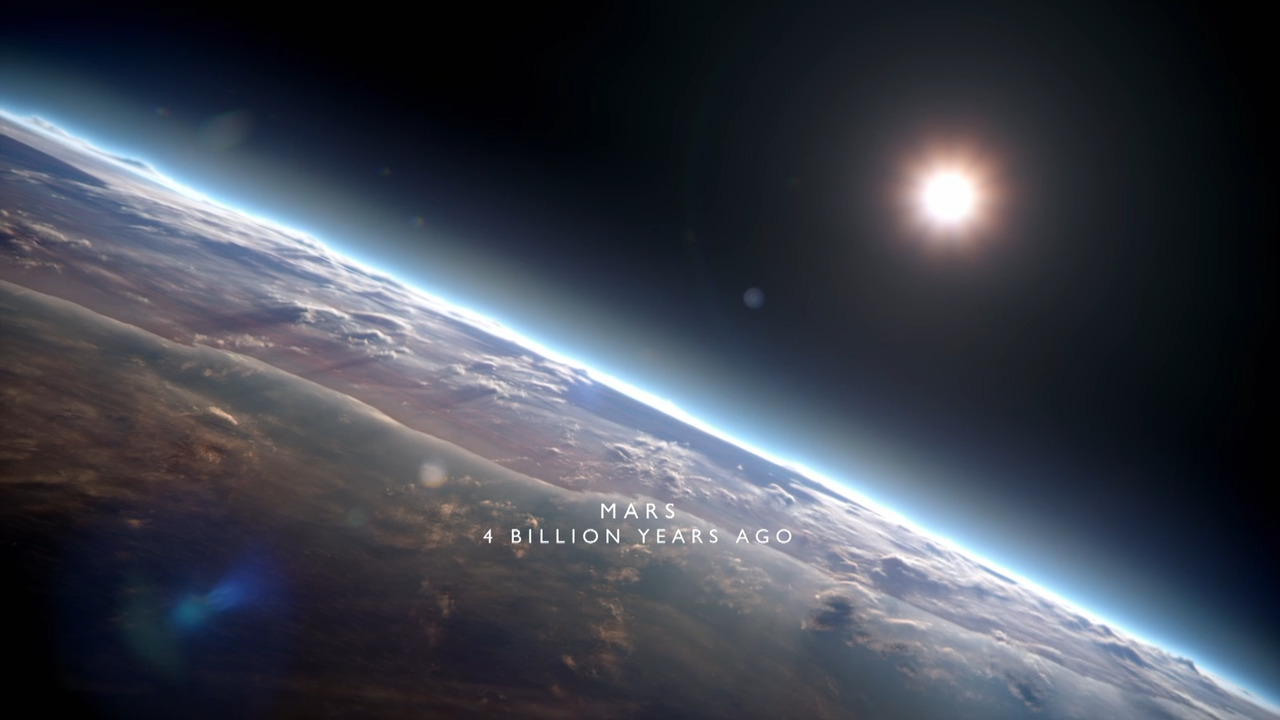
In The Original "Blue Planet", Professor Brian Cox explains what Mars and Earth looked like when they were formed. Learn which was the original “blue planet.” This video is excerpted from BBC’s The Planets, a series that explores the dramatic lives of the eight planets in our Solar System.
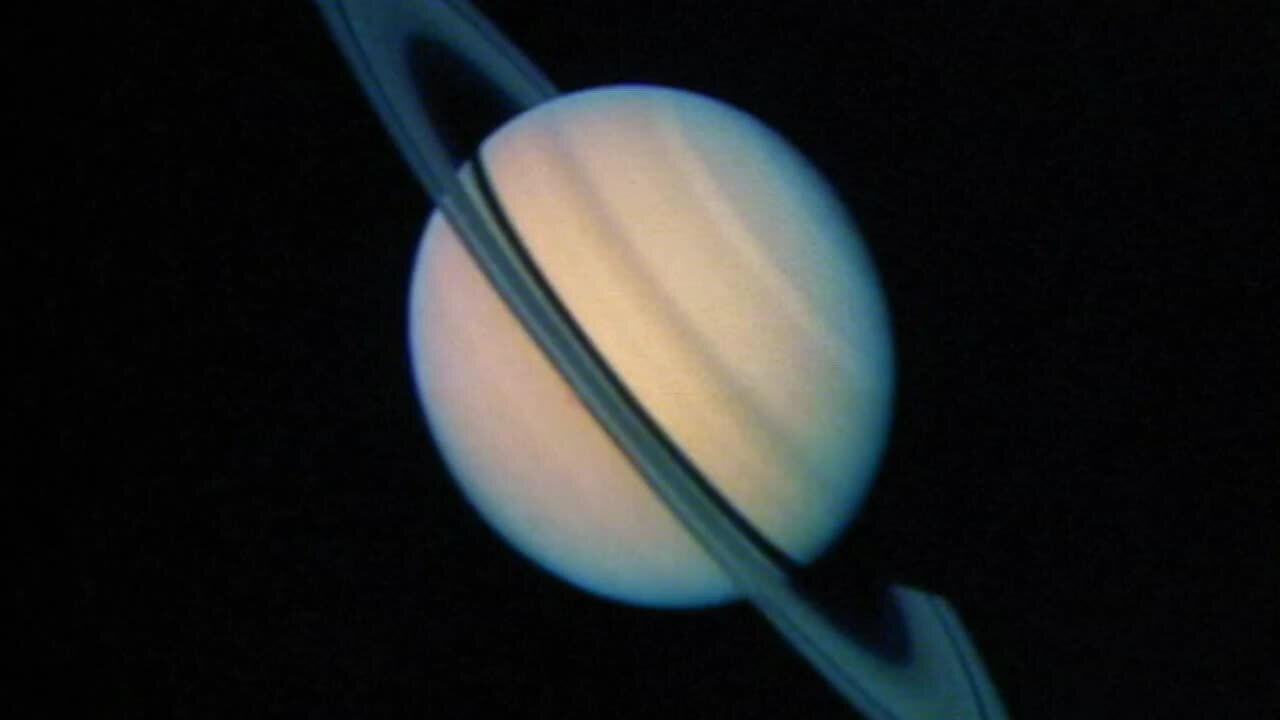
In A Journey to the Edges of the Solar System, learn all about the Voyager probes launched in 1977 that returned with exciting new images of Saturn and its rings. Data revealed that its atmosphere is made up of helium and hydrogen, a critical piece in understanding the planet’s evolution. This video is excerpted from BBC’s The Planets, a documentary series hosted by Professor Brian Cox that explores the dramatic lives, formation, and unique features of the eight planets in our Solar System through stunning visuals and scientific insights.
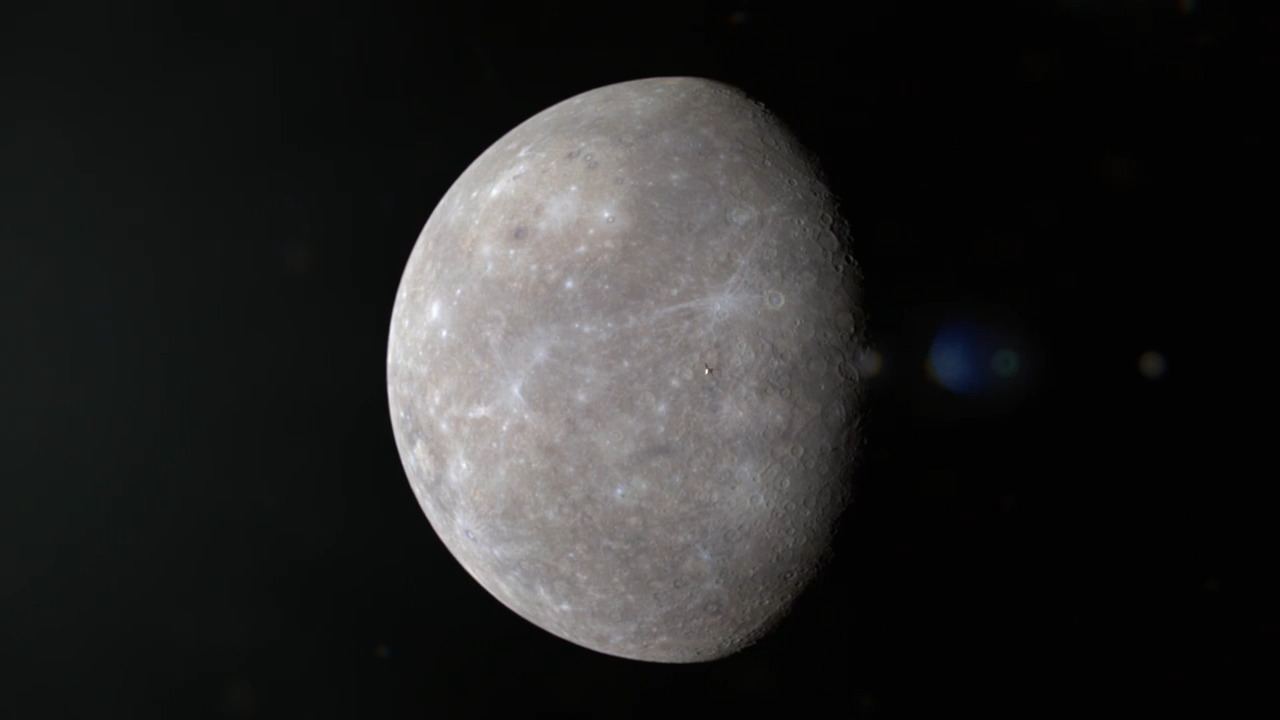
In Developing Theories From the Chemistry of Mercury, Professor Brian Cox explains why Mercury is an unusual planet. Learn how Mercury was formed and how scientists are using observations of the planet from the Messenger mission, to refine theories about how the planet came to be. This video is excerpted from BBC’s The Planets, a series that explores the dramatic lives of the eight planets in our Solar System.
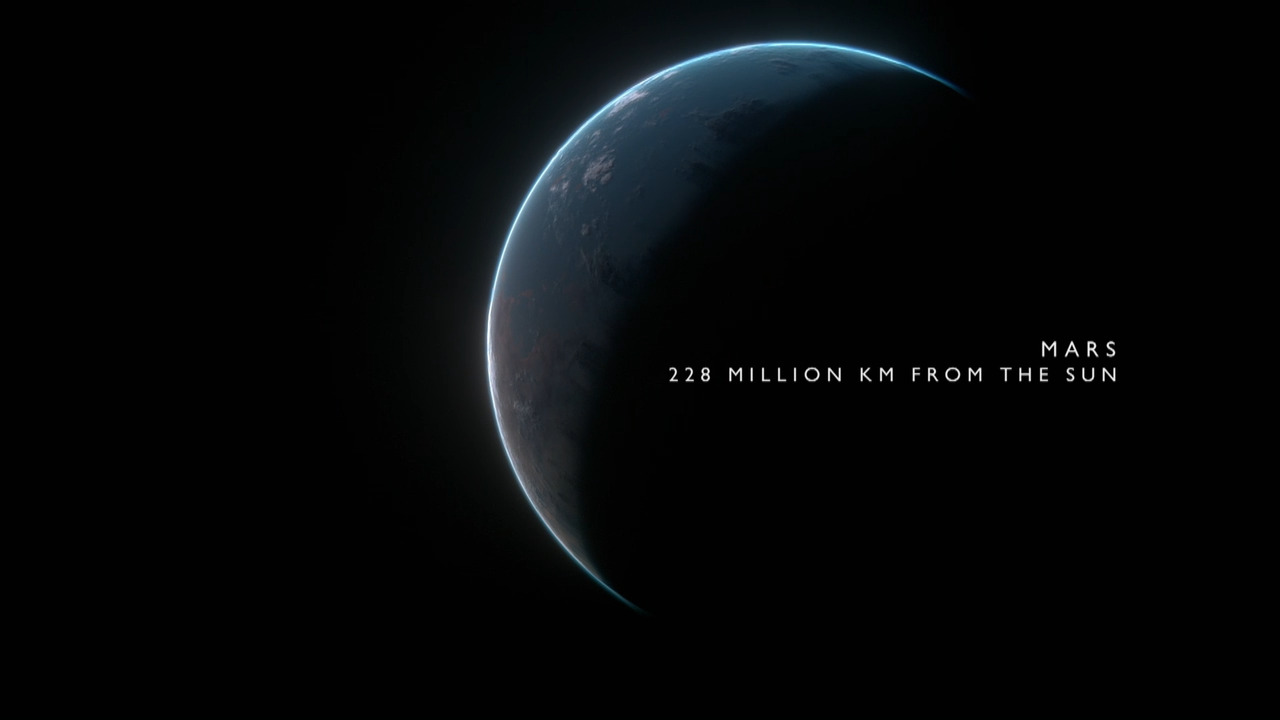
In The Fate of Mars Is Tied to the Sun, Professor Brian Cox explains how Mars went from being full of water to a barren desert. Learn why the Sun is so important for the planets that orbit it, including Mars and Earth. This video is excerpted from BBC’s The Planets, a series that explores the dramatic lives of the eight planets in our Solar System.
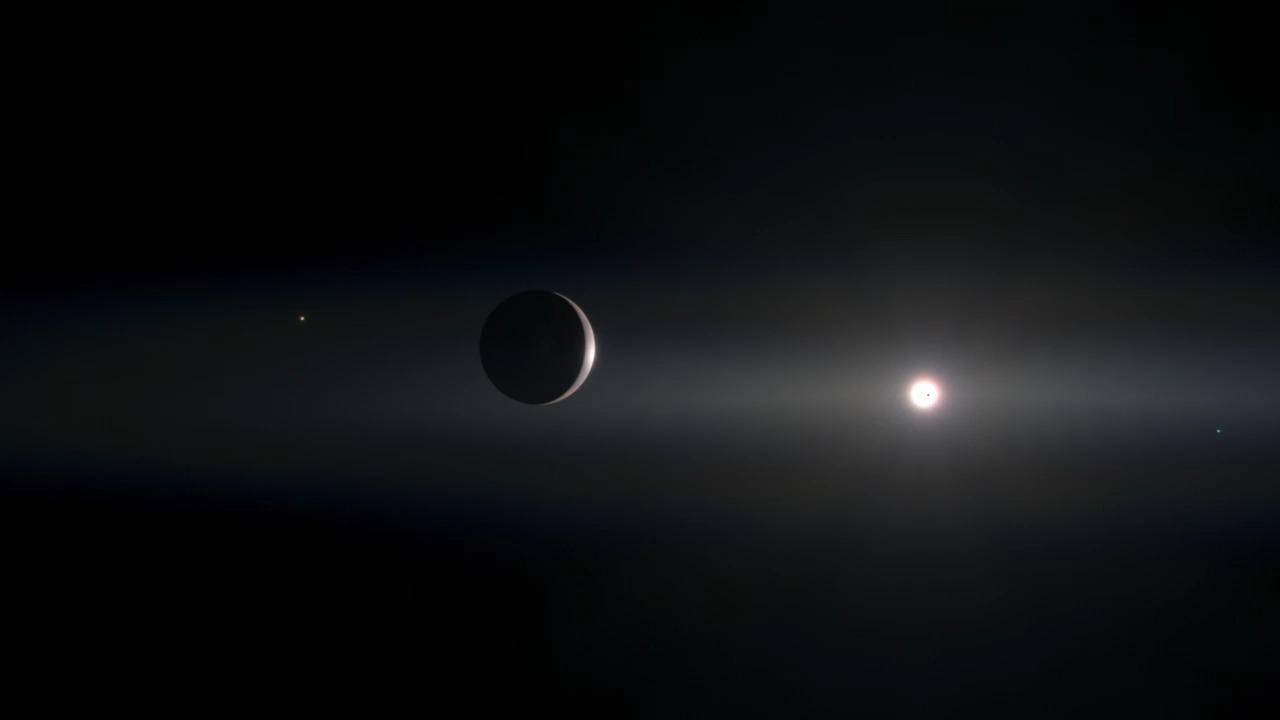
In Reaching the Surface of Mercury, Professor Brian Cox explains how scientists were able to send the space probe Messenger to Mercury, a particularly difficult planet for us to explore. This video is excerpted from BBC’s The Planets, a series that explores the dramatic lives of the eight planets in our Solar System.
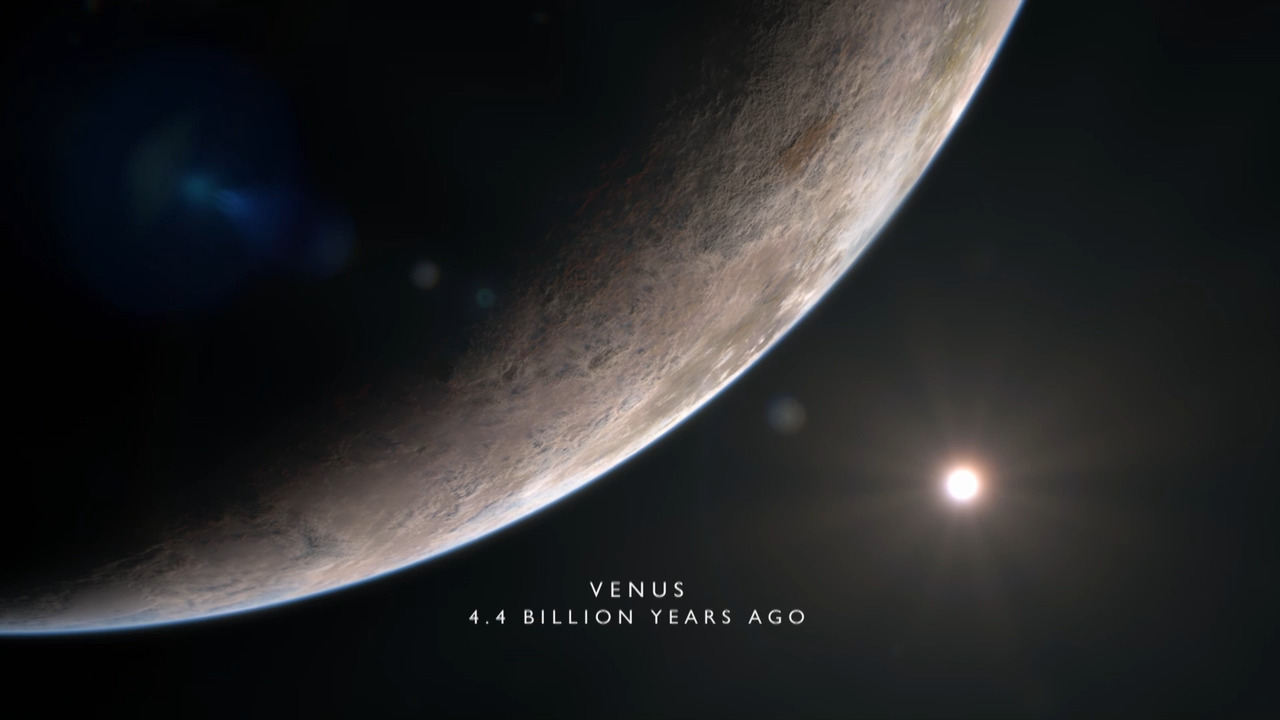
In Changes on Venus, Professor Brian Cox explains how Venus went from being a planet with the conditions to sustain life to a hot, cloudy, hellish landscape. Learn how greenhouse gases and volcanoes played a role in making Venus what it is today. This video is excerpted from BBC’s The Planets, a series that explores the dramatic lives of the eight planets in our Solar System.
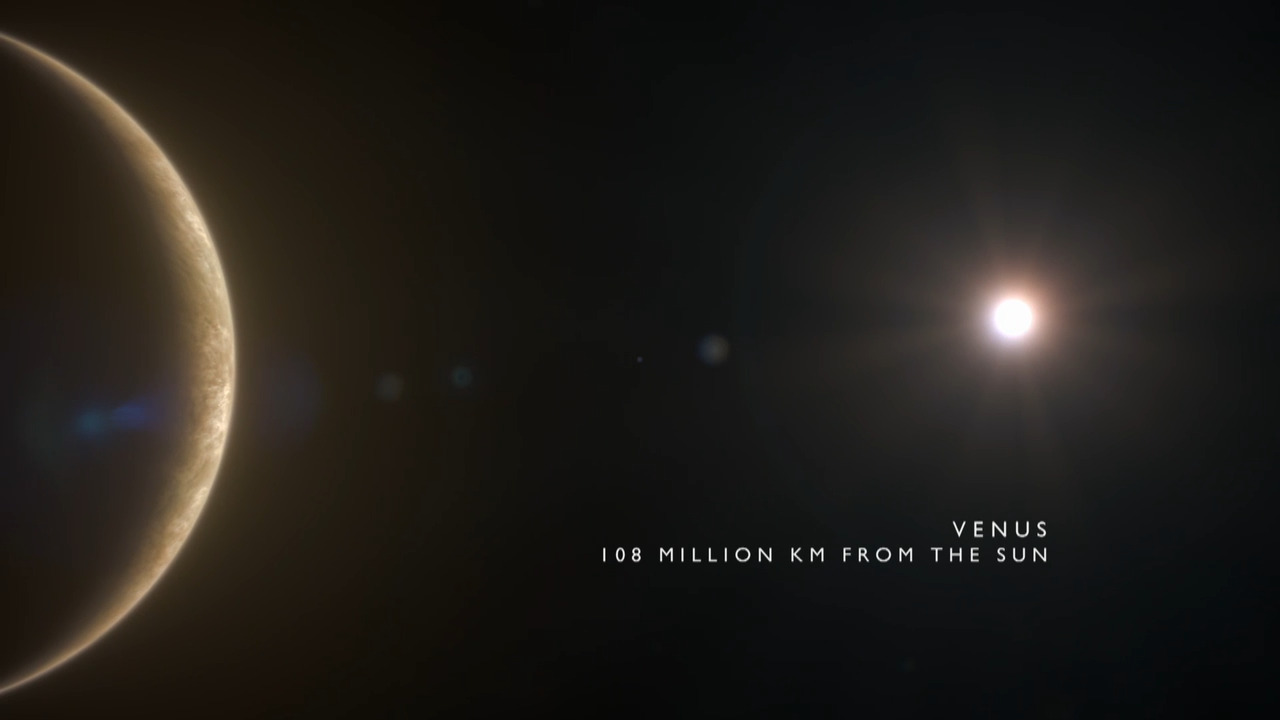
In Venus, the Sci-Fi Planet, Professor Brian Cox explains the efforts that Soviet scientists took to land on Venus. During this mission, they collected data about its atmosphere and took the first color photograph of its surface. Learn what makes Venus a planet that has inspired scientists and science fiction writers. This video is excerpted from BBC’s The Planets, a series that explores the dramatic lives of the eight planets in our Solar System.
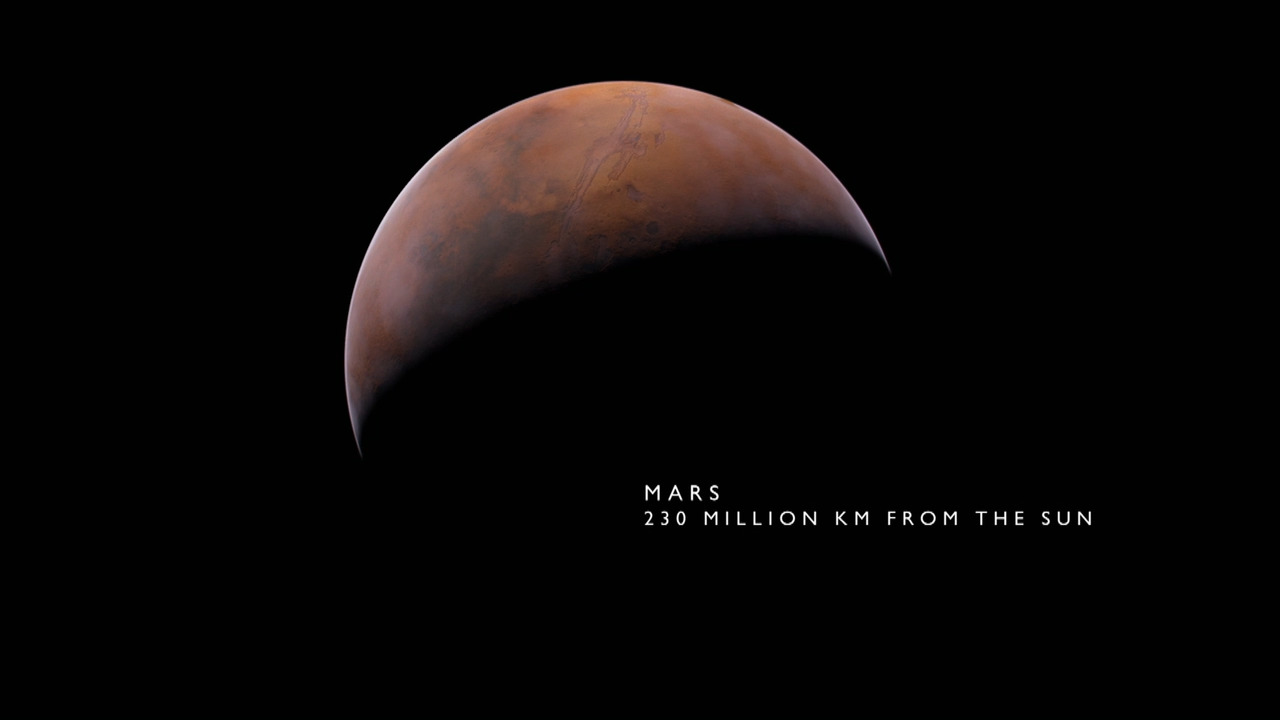
In Once a Red Planet, Always a Red Planet?, Professor Brian Cox explains how when Mars and Earth were born, they had similar atmospheres and were made of similar material, but the two planets took dramatically different paths. Learn how different Mars is from Earth, and how much Mars has changed in 4.6 billion years. This video is excerpted from BBC’s The Planets, a series that explores the dramatic lives of the eight planets in our Solar System.
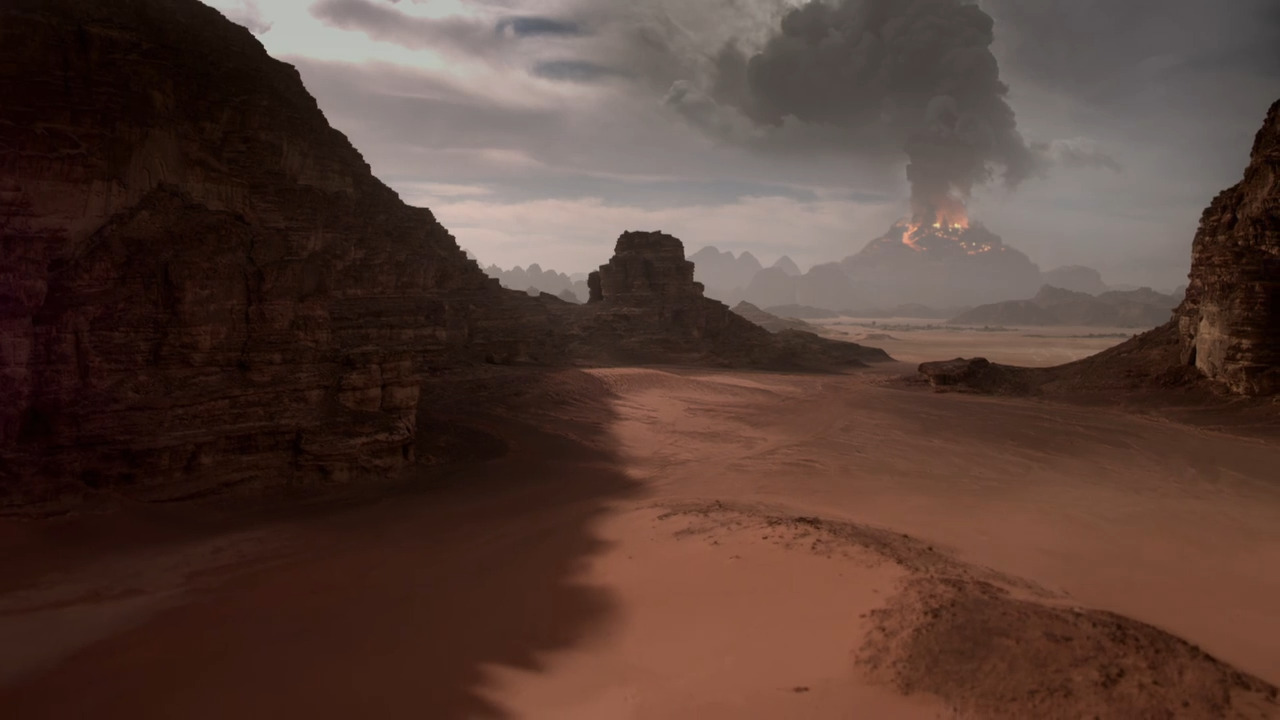
In The Future of Mars, Professor Brian Cox explains how scientists continue to explore Mars and what finding life on Mars means for the existence of life in the Universe. This video is excerpted from BBC’s The Planets, a series that explores the dramatic lives of the eight planets in our Solar System.
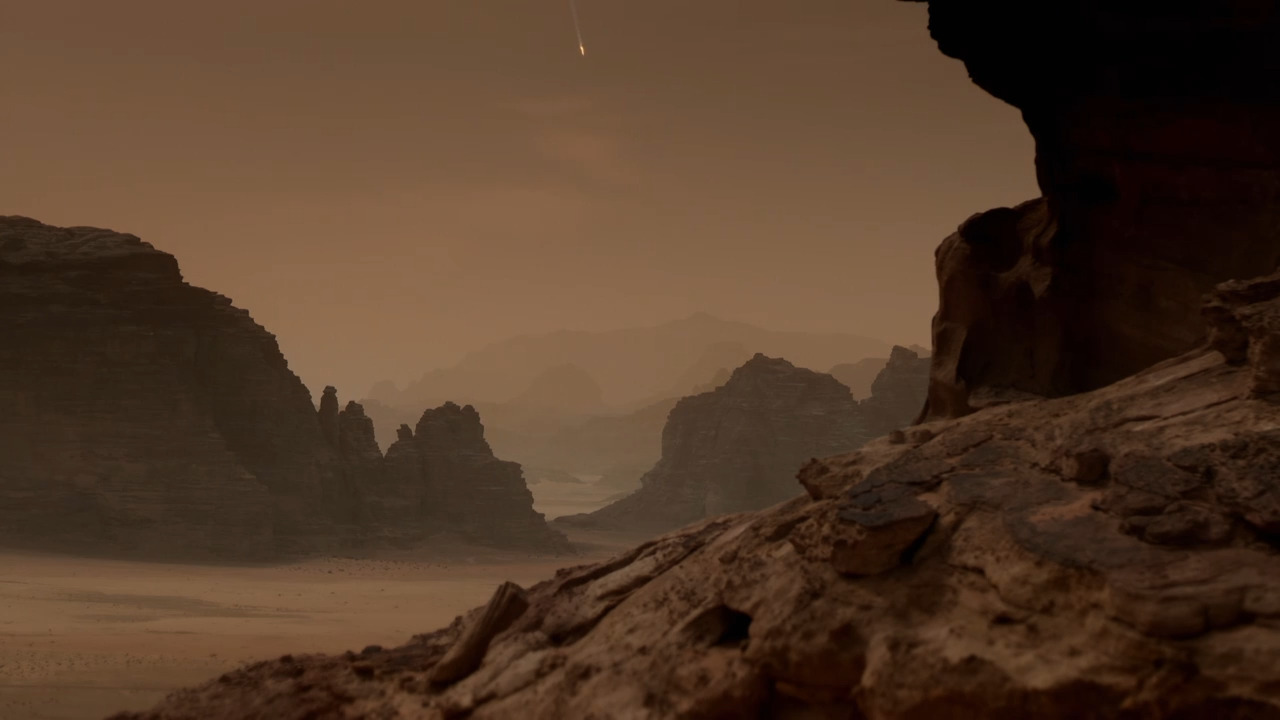
In Exploring Mars, Professor Brian Cox describes the various spacecraft that have landed on Mars and what we have learned from each. Learn how each Mars exploration project yielded more information about the Red Planet, and what the roving laboratory, Curiosity, helped scientists learn about Mars that other spacecraft had not. This video is excerpted from BBC’s The Planets, a series that explores the dramatic lives of the eight planets in our Solar System.
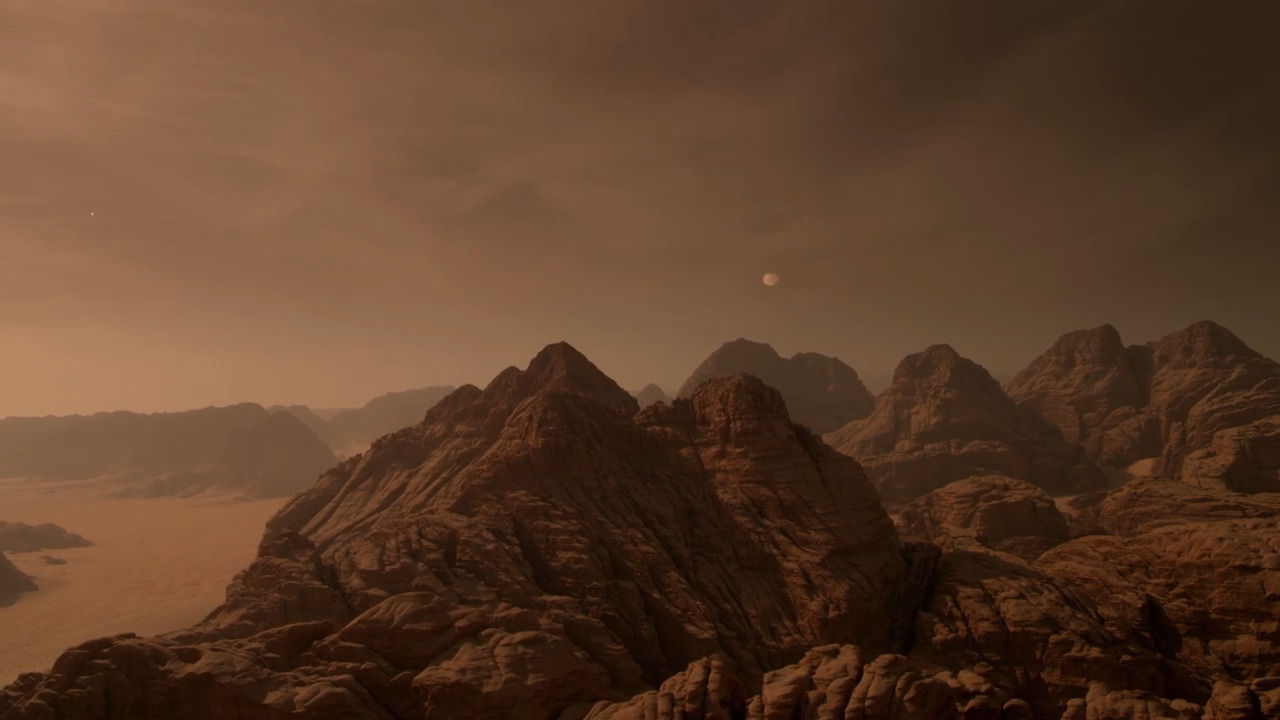
In Life on Earth and Mars, Professor Brian Cox explains the conditions that are required for life to begin. Learn how Earth and Mars had these conditions at the same time. Could life have started in two places at once? Or might the life on Earth have come from outer space? This video is excerpted from BBC’s The Planets, a series that explores the dramatic lives of the eight planets in our Solar System.
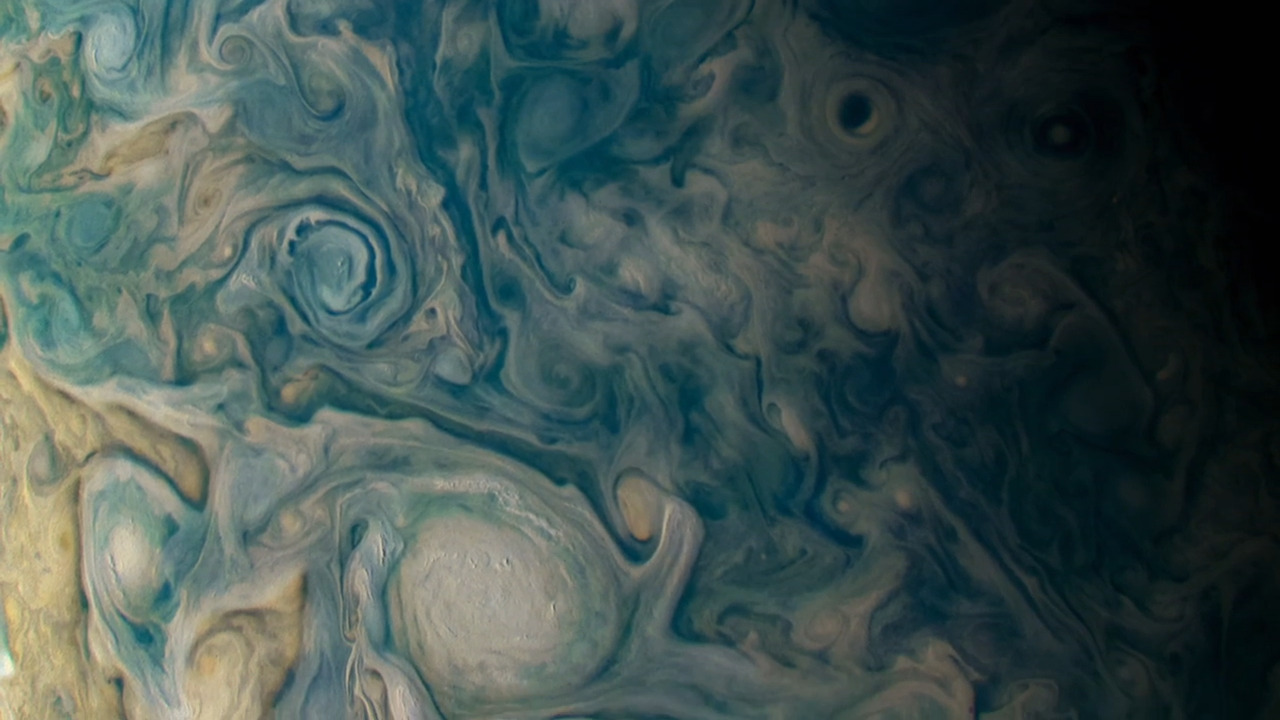
In The Godfather of the Planets, Professor Brian Cox explains how Jupiter has influenced other planets, including Earth. Learn what scientists have learned about Jupiter and its moons from the Pioneer and Voyager expeditions. This video is excerpted from BBC’s The Planets, a series that explores the dramatic lives of the eight planets in our Solar System.
In The Original "Blue Planet", Professor Brian Cox explains what Mars and Earth looked like when they were formed. Learn which was the original “blue planet.” This video is excerpted from BBC’s The Planets, a series that explores the dramatic lives of the eight planets in our Solar System.
In A Journey to the Edges of the Solar System, learn all about the Voyager probes launched in 1977 that returned with exciting new images of Saturn and its rings. Data revealed that its atmosphere is made up of helium and hydrogen, a critical piece in understanding the planet’s evolution. This video is excerpted from BBC’s The Planets, a documentary series hosted by Professor Brian Cox that explores the dramatic lives, formation, and unique features of the eight planets in our Solar System through stunning visuals and scientific insights.
In Developing Theories From the Chemistry of Mercury, Professor Brian Cox explains why Mercury is an unusual planet. Learn how Mercury was formed and how scientists are using observations of the planet from the Messenger mission, to refine theories about how the planet came to be. This video is excerpted from BBC’s The Planets, a series that explores the dramatic lives of the eight planets in our Solar System.
In The Fate of Mars Is Tied to the Sun, Professor Brian Cox explains how Mars went from being full of water to a barren desert. Learn why the Sun is so important for the planets that orbit it, including Mars and Earth. This video is excerpted from BBC’s The Planets, a series that explores the dramatic lives of the eight planets in our Solar System.
In Reaching the Surface of Mercury, Professor Brian Cox explains how scientists were able to send the space probe Messenger to Mercury, a particularly difficult planet for us to explore. This video is excerpted from BBC’s The Planets, a series that explores the dramatic lives of the eight planets in our Solar System.
In Changes on Venus, Professor Brian Cox explains how Venus went from being a planet with the conditions to sustain life to a hot, cloudy, hellish landscape. Learn how greenhouse gases and volcanoes played a role in making Venus what it is today. This video is excerpted from BBC’s The Planets, a series that explores the dramatic lives of the eight planets in our Solar System.
In Venus, the Sci-Fi Planet, Professor Brian Cox explains the efforts that Soviet scientists took to land on Venus. During this mission, they collected data about its atmosphere and took the first color photograph of its surface. Learn what makes Venus a planet that has inspired scientists and science fiction writers. This video is excerpted from BBC’s The Planets, a series that explores the dramatic lives of the eight planets in our Solar System.
In Once a Red Planet, Always a Red Planet?, Professor Brian Cox explains how when Mars and Earth were born, they had similar atmospheres and were made of similar material, but the two planets took dramatically different paths. Learn how different Mars is from Earth, and how much Mars has changed in 4.6 billion years. This video is excerpted from BBC’s The Planets, a series that explores the dramatic lives of the eight planets in our Solar System.
In The Future of Mars, Professor Brian Cox explains how scientists continue to explore Mars and what finding life on Mars means for the existence of life in the Universe. This video is excerpted from BBC’s The Planets, a series that explores the dramatic lives of the eight planets in our Solar System.
In Exploring Mars, Professor Brian Cox describes the various spacecraft that have landed on Mars and what we have learned from each. Learn how each Mars exploration project yielded more information about the Red Planet, and what the roving laboratory, Curiosity, helped scientists learn about Mars that other spacecraft had not. This video is excerpted from BBC’s The Planets, a series that explores the dramatic lives of the eight planets in our Solar System.
In Life on Earth and Mars, Professor Brian Cox explains the conditions that are required for life to begin. Learn how Earth and Mars had these conditions at the same time. Could life have started in two places at once? Or might the life on Earth have come from outer space? This video is excerpted from BBC’s The Planets, a series that explores the dramatic lives of the eight planets in our Solar System.
In The Godfather of the Planets, Professor Brian Cox explains how Jupiter has influenced other planets, including Earth. Learn what scientists have learned about Jupiter and its moons from the Pioneer and Voyager expeditions. This video is excerpted from BBC’s The Planets, a series that explores the dramatic lives of the eight planets in our Solar System.