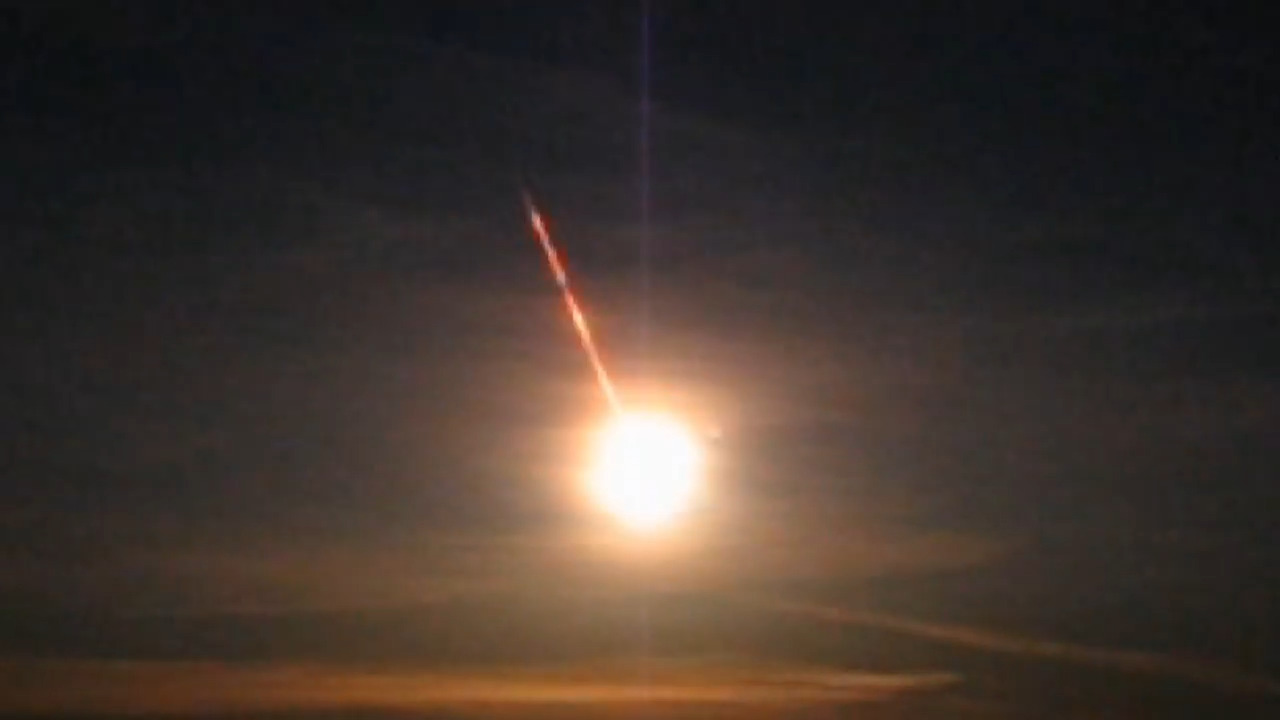
In The Saskatchewan Meteor Strike and Its Aftermath, Professor Brian Cox meets Dr. Alan Hildebrand who leads a team of meteorite hunters to investigate the aftermath of a 10-ton asteroid that landed in Saskatchewan, Canada, in November 2008. Learn about the intense heat generated as the asteroid passed through Earth's atmosphere, leaving melted fragments on the surface. This video is excerpted from BBC's Wonders of the Solar System, a spellbinding documentary series that explores the most extreme locations on Earth to explain how the laws of physics carved natural wonders across the Solar System.
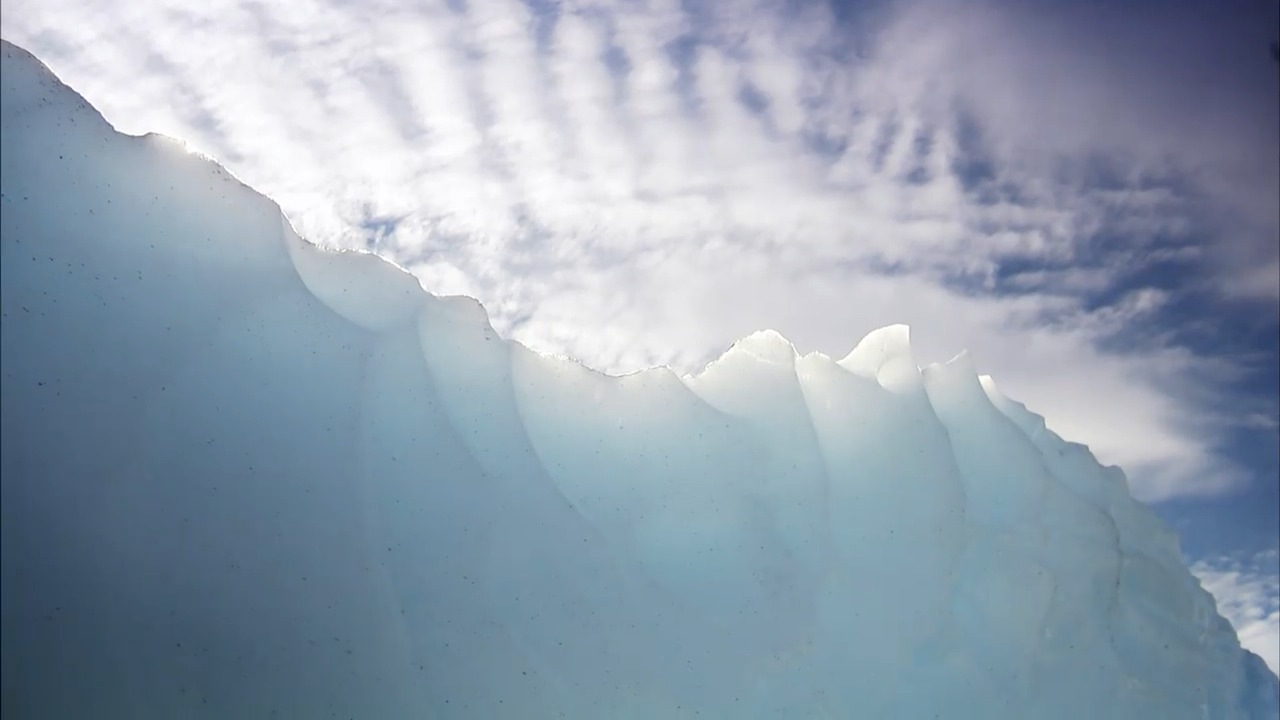
In A Side-by-Side Look at Earth and Titan, Professor Brian Cox discusses Titan, Saturn's moon, where methane exists as water does on Earth — forming clouds, lakes, and rain. This frozen moon offers scientists a glimpse into what Earth might have been like before its oxygen-rich atmosphere developed. This video is excerpted from BBC’s Wonders of the Solar System, a spellbinding documentary series that explores the most extreme locations on Earth to explain how the laws of physics carved natural wonders across the Solar System.
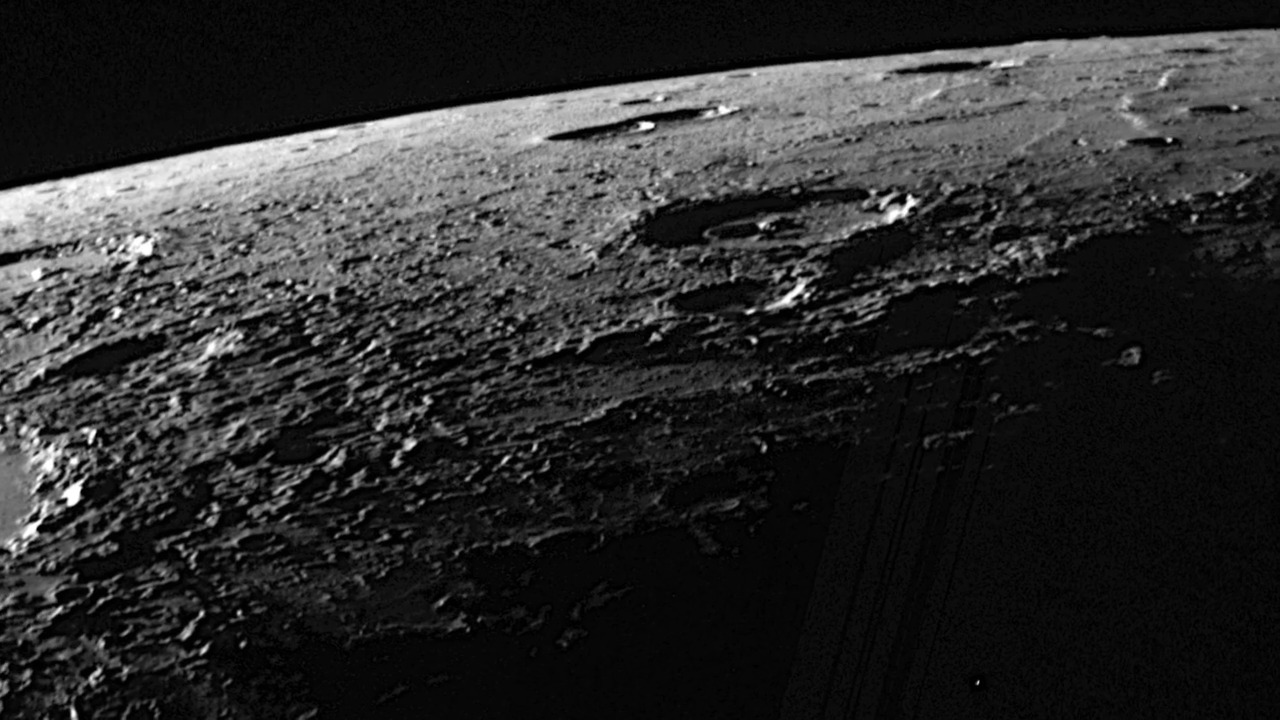
In Unveiling the Secrets of Our Nearest Neighbors, Professor Brian Cox explores the unique atmospheres of Mercury and Venus. Mercury, lacking an atmosphere, is bombarded by meteorites that reach the surface intact and at full speed. Venus, on the other hand, suffers from a runaway greenhouse effect, which has caused extreme heat and thick sulfuric acid clouds. These atmospheric conditions influence the surface features and climate of each planet. This video is excerpted from BBC's Wonders of the Solar System, a spellbinding documentary series that explores the most extreme locations on Earth to explain how the laws of physics carved natural wonders across the Solar System.

In Inside Planetary Storms, Professor Brian Cox explores the extreme weather conditions on Jupiter, a planet with an incredibly thick atmosphere that fuels its intense storms. Despite being far from the Sun, Jupiter’s storms are powered by immense surface pressure. This atmospheric pressure causes hydrogen gas to transform into a liquid, releasing vast amounts of energy and creating some of the most powerful storms in the Solar System. This video is excerpted from BBC’s Wonders of the Solar System, a spellbinding documentary series that explores the most extreme locations on Earth to explain how the laws of physics carved natural wonders across the Solar System.
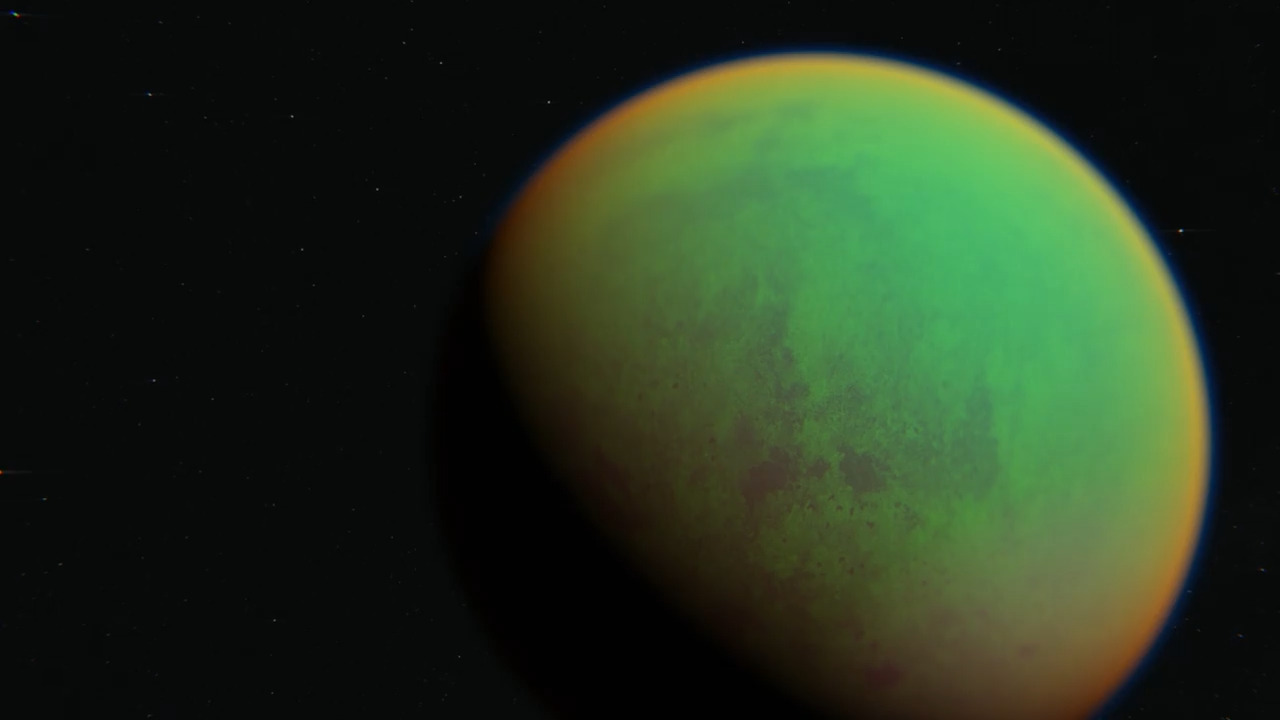
In A Deep Dive Into Titan’s Mysterious Skies, Professor Brian Cox explains how Saturn’s moon Titan is unique in that it has an Earth-like atmosphere. Its deep, dense atmosphere is rich in nitrogen and contains methane. Though Titan is small, and therefore has weak gravitational pull, it is able to hold onto its atmosphere because the gases are very cold. This video is excerpted from BBC’s Wonders of the Solar System, a spellbinding documentary series that explores the most extreme locations on Earth to explain how the laws of physics carved natural wonders across the Solar System.
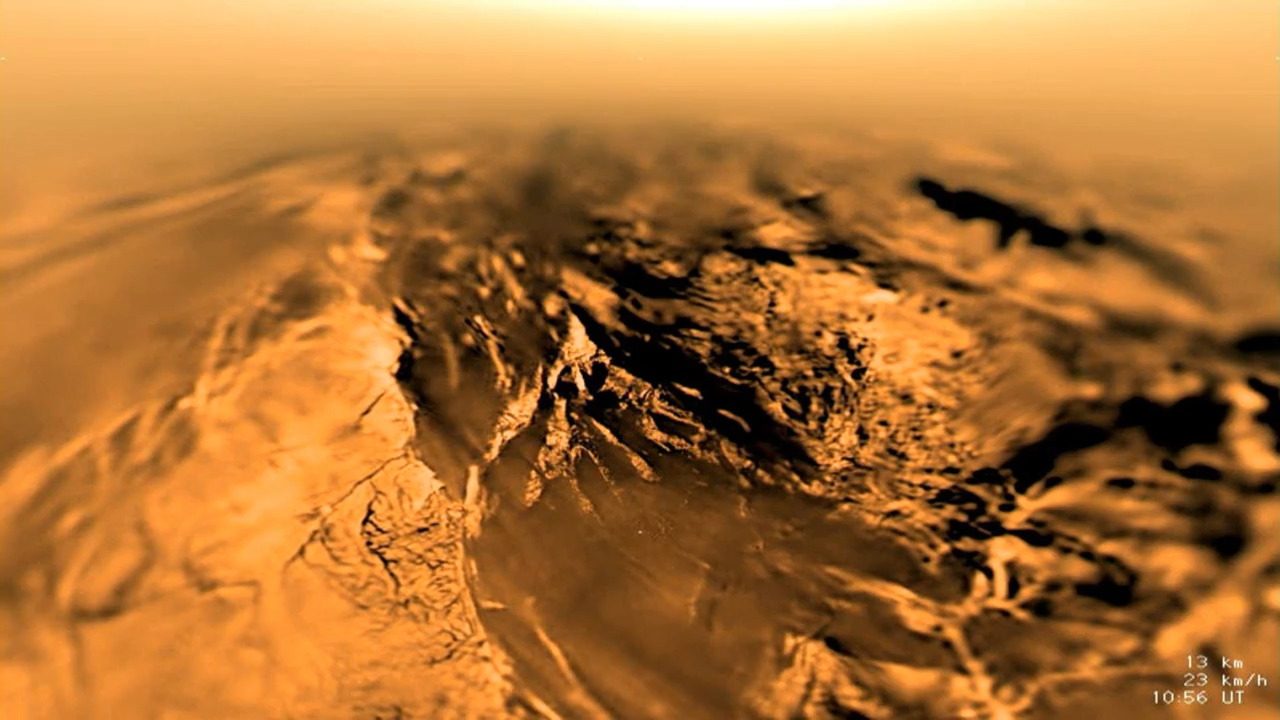
In Exploring the Frozen Surface of Titan, Professor Brian Cox describes how in 2004, the Huygens probe landed on Saturn’s moon Titan and revealed a surprisingly Earth-like surface. The probe observed flat, sandy ground with smooth, rounded stones — evidence that there was once flowing water on Titan's surface. This discovery has provided crucial insights into Titan’s geological history. This video is excerpted from BBC’s Wonders of the Solar System, a spellbinding documentary series that explores the most extreme locations on Earth to explain how the laws of physics carved natural wonders across the Solar System.
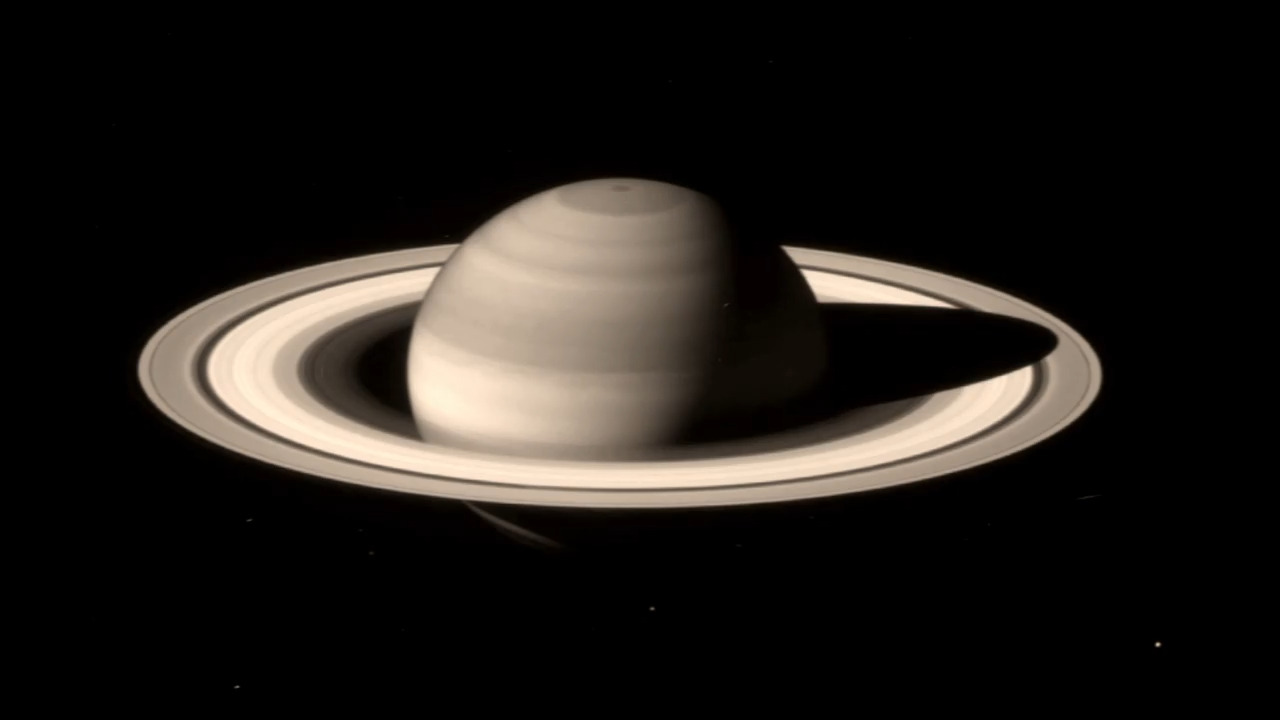
In The Origin of Saturn’s Intricate Rings, Professor Brian Cox visits the control center for Cassini, the spacecraft launched in 1997 that orbits Saturn. Cassini’s mission is to photograph Saturn’s rings and shed light on the origin story of the rings. Saturn behaves like a miniature Solar System with Saturn as sun, and moons that surround the rings, providing us the opportunity to learn about our own origin after the planets formed. This video is excerpted from BBC's Wonders of the Solar System, a spellbinding documentary series that explores the most extreme locations on Earth to explain how the laws of physics carved natural wonders across the Solar System.
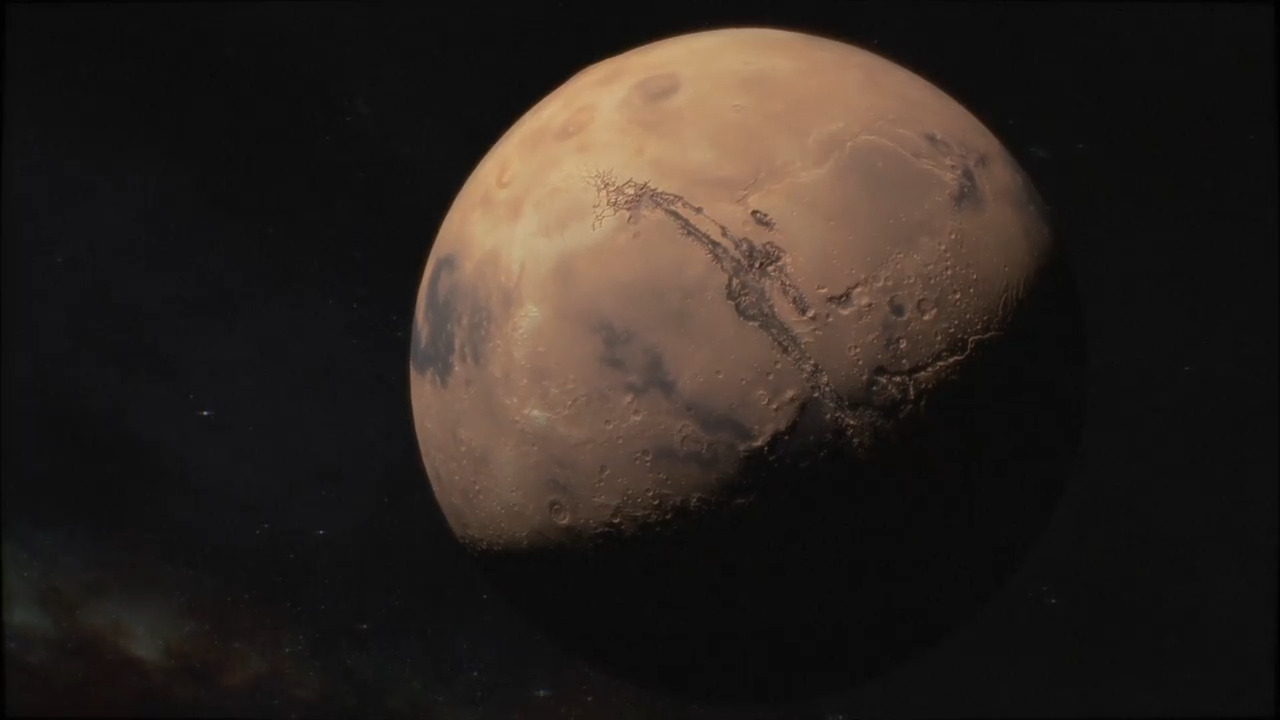
In Postcards From the Surface of Mars, Professor Brian Cox examines the geographic evolution of Mars, noting the vast canyon called Valles Marineris. He looks at photographs taken from the surface of Mars that look eerily similar to Earth: sunsets, clouds, and landscapes. There is, however, one glaring difference: no sign of water. This video is excerpted from BBC's Wonders of the Solar System, a spellbinding documentary series that explores the most extreme locations on Earth to explain how the laws of physics carved natural wonders across the Solar System.
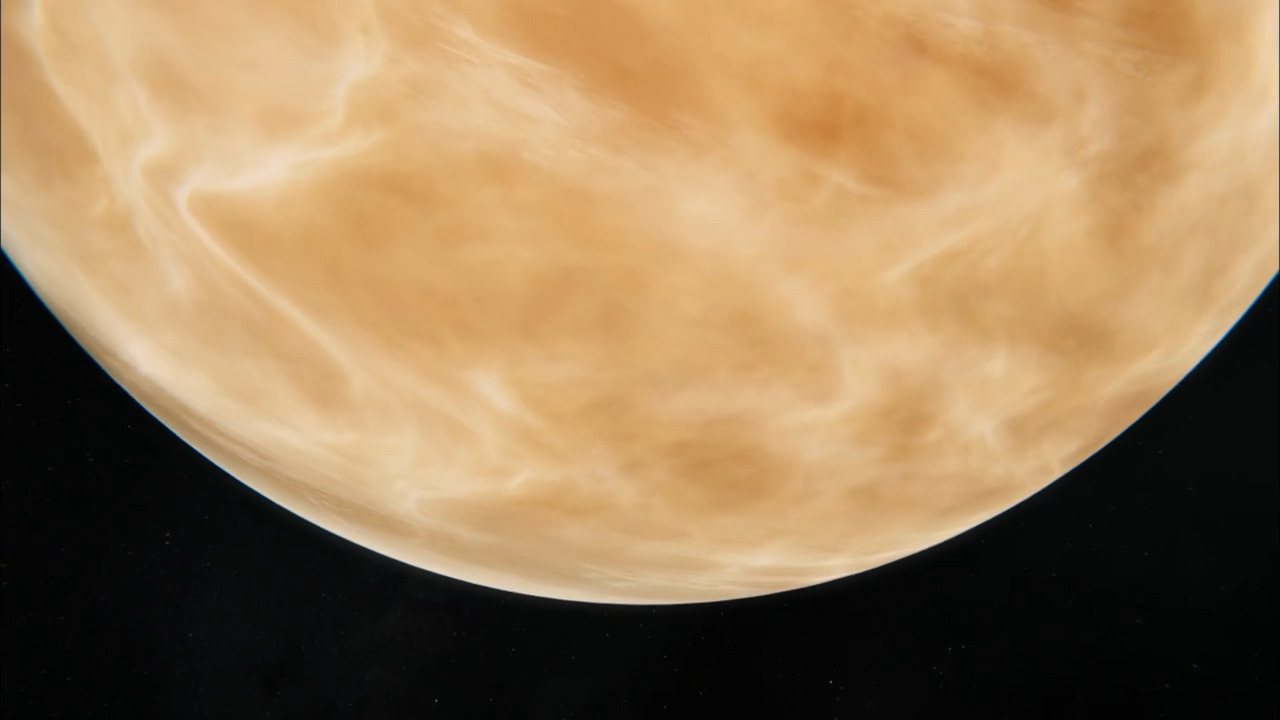
In Venus’s Landscape of Lava, Professor Brian Cox visits India to get a better understanding of how high temperatures helped create the Venus we see today. Venus, often called Earth’s twin, has the hottest average surface temperature besides the Sun in the Solar System, and it's covered in over 50,000 volcanoes. Beneath the green foliage of India, the landscape of lava is very similar to Venus. This video is excerpted from BBC's Wonders of the Solar System, a spellbinding documentary series that explores the most extreme locations on Earth to explain how the laws of physics carved natural wonders across the Solar System.
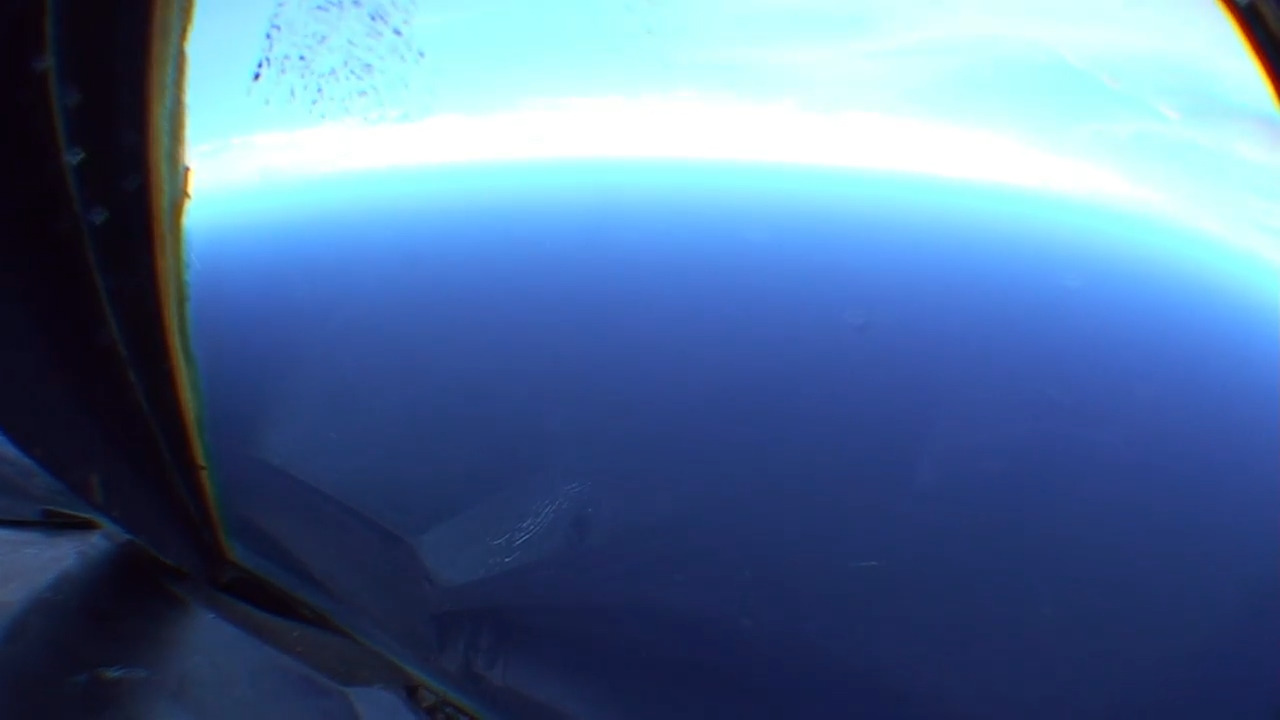
In Witness the Thin Blue Line, Professor Brian Cox experiences a vertical take-off on the English Electric Lightning, which travels 11 miles into the upper edge of Earth’s atmosphere, where the atmosphere appears as a delicate "thin blue line" separating Earth from space. As the aircraft soars to the edge of space, gain a new perspective on the vital role of Earth’s atmosphere in sustaining life and protecting against the harshness of space. This video is excerpted from BBC’s Wonders of the Solar System, a spellbinding documentary series that explores the most extreme locations on Earth to explain how the laws of physics carved natural wonders across the Solar System.
In The Saskatchewan Meteor Strike and Its Aftermath, Professor Brian Cox meets Dr. Alan Hildebrand who leads a team of meteorite hunters to investigate the aftermath of a 10-ton asteroid that landed in Saskatchewan, Canada, in November 2008. Learn about the intense heat generated as the asteroid passed through Earth's atmosphere, leaving melted fragments on the surface. This video is excerpted from BBC's Wonders of the Solar System, a spellbinding documentary series that explores the most extreme locations on Earth to explain how the laws of physics carved natural wonders across the Solar System.
In A Side-by-Side Look at Earth and Titan, Professor Brian Cox discusses Titan, Saturn's moon, where methane exists as water does on Earth — forming clouds, lakes, and rain. This frozen moon offers scientists a glimpse into what Earth might have been like before its oxygen-rich atmosphere developed. This video is excerpted from BBC’s Wonders of the Solar System, a spellbinding documentary series that explores the most extreme locations on Earth to explain how the laws of physics carved natural wonders across the Solar System.
In Unveiling the Secrets of Our Nearest Neighbors, Professor Brian Cox explores the unique atmospheres of Mercury and Venus. Mercury, lacking an atmosphere, is bombarded by meteorites that reach the surface intact and at full speed. Venus, on the other hand, suffers from a runaway greenhouse effect, which has caused extreme heat and thick sulfuric acid clouds. These atmospheric conditions influence the surface features and climate of each planet. This video is excerpted from BBC's Wonders of the Solar System, a spellbinding documentary series that explores the most extreme locations on Earth to explain how the laws of physics carved natural wonders across the Solar System.
In Inside Planetary Storms, Professor Brian Cox explores the extreme weather conditions on Jupiter, a planet with an incredibly thick atmosphere that fuels its intense storms. Despite being far from the Sun, Jupiter’s storms are powered by immense surface pressure. This atmospheric pressure causes hydrogen gas to transform into a liquid, releasing vast amounts of energy and creating some of the most powerful storms in the Solar System. This video is excerpted from BBC’s Wonders of the Solar System, a spellbinding documentary series that explores the most extreme locations on Earth to explain how the laws of physics carved natural wonders across the Solar System.
In A Deep Dive Into Titan’s Mysterious Skies, Professor Brian Cox explains how Saturn’s moon Titan is unique in that it has an Earth-like atmosphere. Its deep, dense atmosphere is rich in nitrogen and contains methane. Though Titan is small, and therefore has weak gravitational pull, it is able to hold onto its atmosphere because the gases are very cold. This video is excerpted from BBC’s Wonders of the Solar System, a spellbinding documentary series that explores the most extreme locations on Earth to explain how the laws of physics carved natural wonders across the Solar System.
In Exploring the Frozen Surface of Titan, Professor Brian Cox describes how in 2004, the Huygens probe landed on Saturn’s moon Titan and revealed a surprisingly Earth-like surface. The probe observed flat, sandy ground with smooth, rounded stones — evidence that there was once flowing water on Titan's surface. This discovery has provided crucial insights into Titan’s geological history. This video is excerpted from BBC’s Wonders of the Solar System, a spellbinding documentary series that explores the most extreme locations on Earth to explain how the laws of physics carved natural wonders across the Solar System.
In The Origin of Saturn’s Intricate Rings, Professor Brian Cox visits the control center for Cassini, the spacecraft launched in 1997 that orbits Saturn. Cassini’s mission is to photograph Saturn’s rings and shed light on the origin story of the rings. Saturn behaves like a miniature Solar System with Saturn as sun, and moons that surround the rings, providing us the opportunity to learn about our own origin after the planets formed. This video is excerpted from BBC's Wonders of the Solar System, a spellbinding documentary series that explores the most extreme locations on Earth to explain how the laws of physics carved natural wonders across the Solar System.
In Postcards From the Surface of Mars, Professor Brian Cox examines the geographic evolution of Mars, noting the vast canyon called Valles Marineris. He looks at photographs taken from the surface of Mars that look eerily similar to Earth: sunsets, clouds, and landscapes. There is, however, one glaring difference: no sign of water. This video is excerpted from BBC's Wonders of the Solar System, a spellbinding documentary series that explores the most extreme locations on Earth to explain how the laws of physics carved natural wonders across the Solar System.
In Venus’s Landscape of Lava, Professor Brian Cox visits India to get a better understanding of how high temperatures helped create the Venus we see today. Venus, often called Earth’s twin, has the hottest average surface temperature besides the Sun in the Solar System, and it's covered in over 50,000 volcanoes. Beneath the green foliage of India, the landscape of lava is very similar to Venus. This video is excerpted from BBC's Wonders of the Solar System, a spellbinding documentary series that explores the most extreme locations on Earth to explain how the laws of physics carved natural wonders across the Solar System.
In Witness the Thin Blue Line, Professor Brian Cox experiences a vertical take-off on the English Electric Lightning, which travels 11 miles into the upper edge of Earth’s atmosphere, where the atmosphere appears as a delicate "thin blue line" separating Earth from space. As the aircraft soars to the edge of space, gain a new perspective on the vital role of Earth’s atmosphere in sustaining life and protecting against the harshness of space. This video is excerpted from BBC’s Wonders of the Solar System, a spellbinding documentary series that explores the most extreme locations on Earth to explain how the laws of physics carved natural wonders across the Solar System.