
Thousands Flee From Nevada’s Hawk Fire
The Hawk Fire started near Reno, Nevada, on Aug. 22 and burned for days. Evacuation orders stayed in place for more than a week. Firefighters didn't declare the fire 100% contained until Sept. 10. "Contained" means crews had built barriers all the way around the fire so it could no longer spread. While the fire burned, tens of thousands of people had to leave their homes, many with little more than the clothes they were wearing.
Emergency alerts told Reno residents to get out, even though no one could say when they'd be able to return or what shape their homes would be in.
Fighting a fire this big took the whole community. Evacuation centers gave people shelter, food, and donated clothing. Firefighters attacked the flames, helicopters dropped water, and crews strengthened containment lines. These lines are strips of land cleared of anything that can burn, so the fire has nothing to feed on.
Even once the fire was about 25% contained, strong winds could still spread it through the dry, easily burned plants. That's part of why getting people home took so long. Even after some residents were allowed back, around 40,000 people were still under evacuation warnings.
Take the Challenge

More News Stories
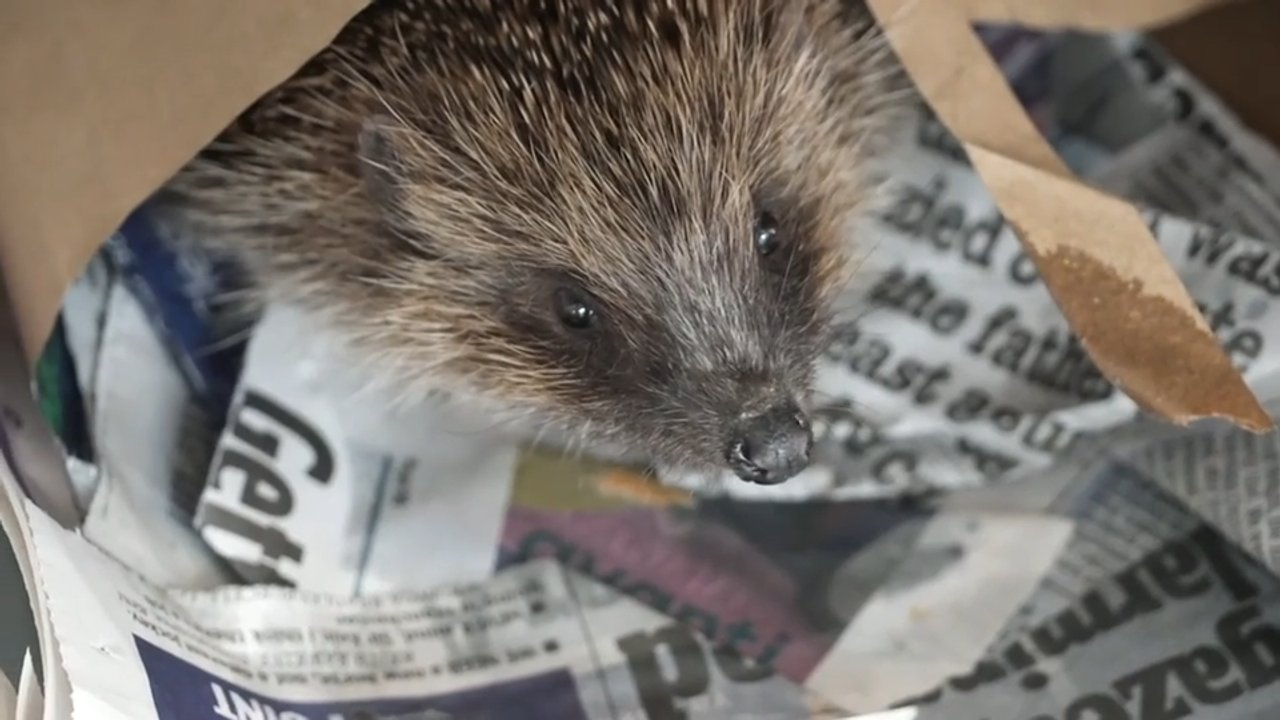
Picture a hedgehog on a hot summer day, and you might imagine it lounging on the beach in tiny sunglasses with a glass of lemonade. In reality, heat can make life tough for hedgehogs.
Hedgehogs are small, spiky mammals that live in the wild in parts of Asia, Africa, and Europe, including the United Kingdom. They aren't found in the wild in North America. Hot, dry weather can cause them serious problems, like dehydration, parasites and trouble finding food. That's hard enough for any animal, but it's even harder for hedgehogs that are pregnant or raising their babies, called hoglets.
That's why one hedgehog rescue center was packed this summer, caring for more than 80 animals at once. It was the busiest June the center had ever seen.
In places where wild hedgehogs live, people can help without working at a rescue. They can leave out fresh water and dry kitten food. They should avoid milk, bread, grains, fruit and vegetables, which can make hedgehogs sick. As the saying goes, not all heroes wear capes. To a hedgehog, some of them leave out kitten food!
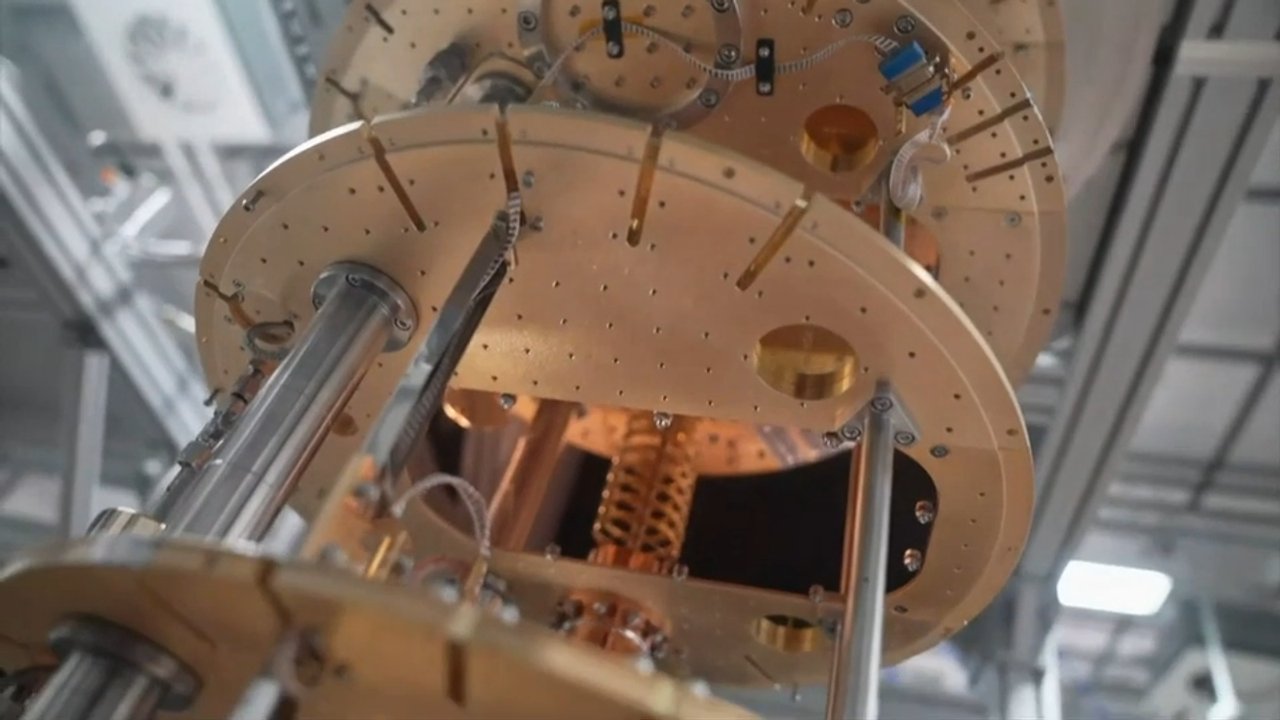
Computer chips (the tech kind, not the potato kind) normally work by moving electrons, tiny particles that carry electricity. Wave Photonics, a company based in Cambridge, England, is designing chips that use photons instead. Photons are particles of light.
Chips that use light can carry more information while using less energy. That makes them especially useful for AI data centers, the huge buildings full of computers that power tools like chatbots, and for quantum computers. They're part of a wider push to make quantum technology smaller and practical enough to build in large numbers. The industry is growing so quickly that Wave Photonics plans to double its staff.
Quantum computers are hard to build, but they could be worth the effort. They use the strange rules of quantum mechanics, the science of how the tiniest particles behave. That lets them tackle certain problems in a completely different way from ordinary computers. For some tasks, they could one day be far faster than even today's most powerful machines.
In the early days of the industry, governments were cautious and mostly bought from companies with a proven track record. Now they're more willing to take chances on newer companies.
If quantum computing keeps growing, it could eventually change fields like medicine, by helping scientists design new drugs, and finance. It could also become a bigger part of the economy.
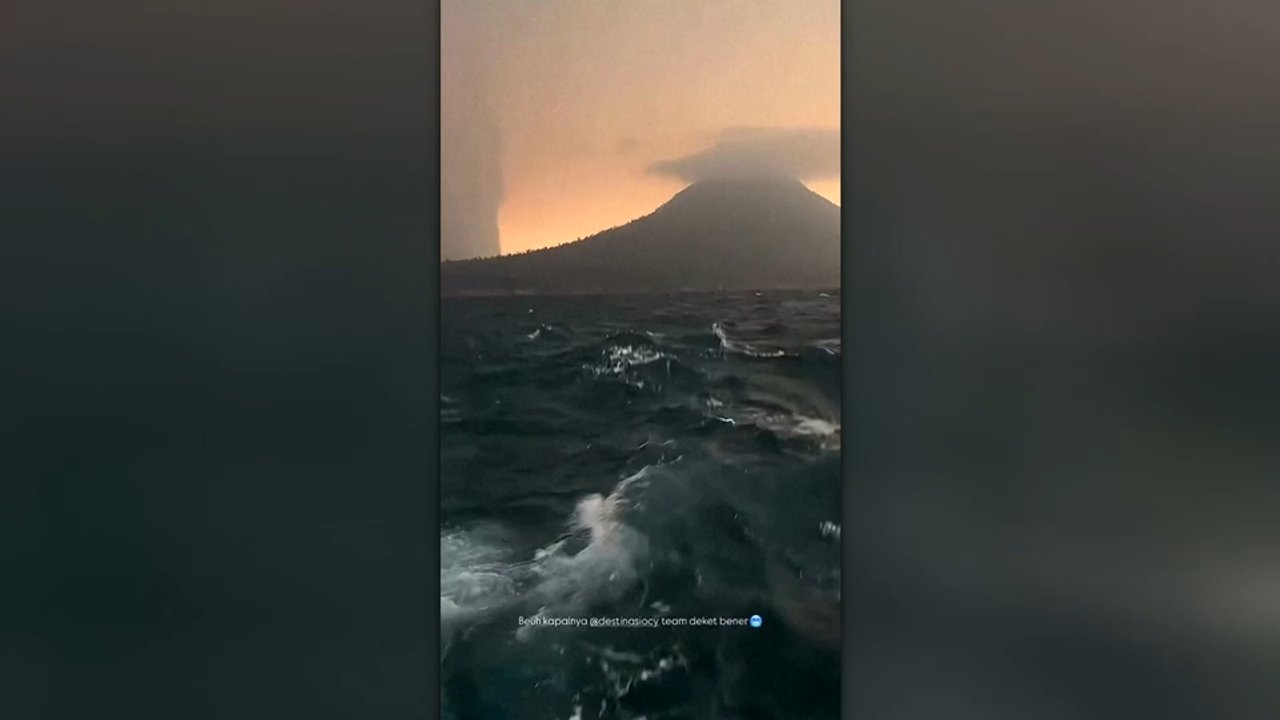
Late on Friday, Sept. 4, Indonesia's Anak Krakatau volcano began erupting, and it didn't stop for about 25 hours. It sent lava and volcanic ash up to 50,000 feet into the sky, which is almost 10 miles.
The ash drifted toward Jakarta, Indonesia's capital, and thickened the air so much that airports had to shut down. Nearly 3,000 flights were canceled or delayed, and hundreds of thousands of passengers were left stranded.
The ash affected people on the ground too. Residents found volcanic dust settling on homes and balconies. Health officials advised people to stay indoors and wear masks to protect their lungs, eyes, and skin.
Officials planned to use cloud seeding to clear the air. Cloud seeding is a way of changing the weather that helps clouds produce rain, which can wash ash out of the sky. In the end, a shift in the wind blew the ash away, and the air became clear enough for the airports to reopen.
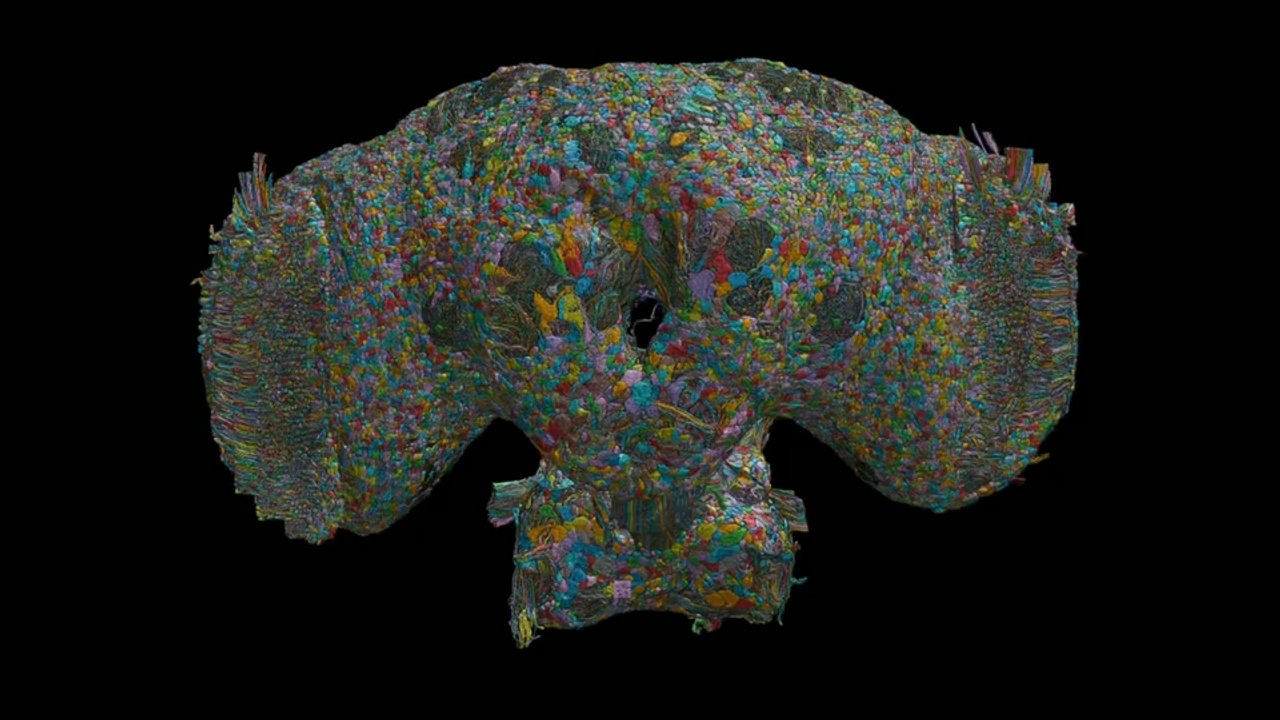
“Beautiful on the inside” may be weirdly appropriate for bugs, considering the 3D map of the male fruit fly brain and nervous system more closely resembles a museum-worthy mosaic or a bowl of fruity cereal than the tiny nuisance you’re used to seeing flying around your apples. Scientists recently created this colorful detailed map by slicing and analyzing every nerve cell with an electron microscope — that’s a microscope that uses accelerated electrons instead of visible light to produce images that can be both extremely magnified and incredibly clear at the same time.
The same team previously mapped a female fly brain a couple of years ago and compared the male and female brains to see that roughly 95% of their brain wiring was similar, while about 5% differed.
But those small differences make for some big differences in behavior, including courtship, aggression, detecting competitors, and producing a “love song” by beating the wings.
It's not news (to these scientists, at least) that just two genes were linked to these behaviors, but comparing these 3D maps helped them learn more about the connection between those genes and the specific brain circuits producing the behavior.
Researchers hope the same logic around connecting genes to brain wiring to behavior can eventually be applied to other animals and maybe even humans! This might help scientists investigate conditions with strong genetic influences, including schizophrenia and autism.
Picture a hedgehog on a hot summer day, and you might imagine it lounging on the beach in tiny sunglasses with a glass of lemonade. In reality, heat can make life tough for hedgehogs.
Hedgehogs are small, spiky mammals that live in the wild in parts of Asia, Africa, and Europe, including the United Kingdom. They aren't found in the wild in North America. Hot, dry weather can cause them serious problems, like dehydration, parasites and trouble finding food. That's hard enough for any animal, but it's even harder for hedgehogs that are pregnant or raising their babies, called hoglets.
That's why one hedgehog rescue center was packed this summer, caring for more than 80 animals at once. It was the busiest June the center had ever seen.
In places where wild hedgehogs live, people can help without working at a rescue. They can leave out fresh water and dry kitten food. They should avoid milk, bread, grains, fruit and vegetables, which can make hedgehogs sick. As the saying goes, not all heroes wear capes. To a hedgehog, some of them leave out kitten food!
Computer chips (the tech kind, not the potato kind) normally work by moving electrons, tiny particles that carry electricity. Wave Photonics, a company based in Cambridge, England, is designing chips that use photons instead. Photons are particles of light.
Chips that use light can carry more information while using less energy. That makes them especially useful for AI data centers, the huge buildings full of computers that power tools like chatbots, and for quantum computers. They're part of a wider push to make quantum technology smaller and practical enough to build in large numbers. The industry is growing so quickly that Wave Photonics plans to double its staff.
Quantum computers are hard to build, but they could be worth the effort. They use the strange rules of quantum mechanics, the science of how the tiniest particles behave. That lets them tackle certain problems in a completely different way from ordinary computers. For some tasks, they could one day be far faster than even today's most powerful machines.
In the early days of the industry, governments were cautious and mostly bought from companies with a proven track record. Now they're more willing to take chances on newer companies.
If quantum computing keeps growing, it could eventually change fields like medicine, by helping scientists design new drugs, and finance. It could also become a bigger part of the economy.
Late on Friday, Sept. 4, Indonesia's Anak Krakatau volcano began erupting, and it didn't stop for about 25 hours. It sent lava and volcanic ash up to 50,000 feet into the sky, which is almost 10 miles.
The ash drifted toward Jakarta, Indonesia's capital, and thickened the air so much that airports had to shut down. Nearly 3,000 flights were canceled or delayed, and hundreds of thousands of passengers were left stranded.
The ash affected people on the ground too. Residents found volcanic dust settling on homes and balconies. Health officials advised people to stay indoors and wear masks to protect their lungs, eyes, and skin.
Officials planned to use cloud seeding to clear the air. Cloud seeding is a way of changing the weather that helps clouds produce rain, which can wash ash out of the sky. In the end, a shift in the wind blew the ash away, and the air became clear enough for the airports to reopen.
“Beautiful on the inside” may be weirdly appropriate for bugs, considering the 3D map of the male fruit fly brain and nervous system more closely resembles a museum-worthy mosaic or a bowl of fruity cereal than the tiny nuisance you’re used to seeing flying around your apples. Scientists recently created this colorful detailed map by slicing and analyzing every nerve cell with an electron microscope — that’s a microscope that uses accelerated electrons instead of visible light to produce images that can be both extremely magnified and incredibly clear at the same time.
The same team previously mapped a female fly brain a couple of years ago and compared the male and female brains to see that roughly 95% of their brain wiring was similar, while about 5% differed.
But those small differences make for some big differences in behavior, including courtship, aggression, detecting competitors, and producing a “love song” by beating the wings.
It's not news (to these scientists, at least) that just two genes were linked to these behaviors, but comparing these 3D maps helped them learn more about the connection between those genes and the specific brain circuits producing the behavior.
Researchers hope the same logic around connecting genes to brain wiring to behavior can eventually be applied to other animals and maybe even humans! This might help scientists investigate conditions with strong genetic influences, including schizophrenia and autism.