
Teen Goes From Lifeguard to Hero After Saving 10-Year-Old Boy
As much fun as the beach can be, it can also be dangerous. Ocean conditions can change rapidly, turning waves from calm to catastrophic in a matter of moments. It’s one of the reasons why lifeguards are so important, and a witness recently caught video footage of a lifeguard — ahem, hero — in action at Seabright State Beach in Santa Cruz, California, where the waves seemed normal at first, then seemingly suddenly turned rough enough to challenge even strong swimmers.
A 10-year-old boy was swept about 15 yards offshore before 16-year-old rookie lifeguard Ryder Williams reached him. Several beachgoers also joined the effort, and the entire rescue lasted just over two minutes. That might not seem like a long time when you’re scrolling on your phone or hitting the snooze button in the morning, but think about fighting against the ocean to save a life for 120 seconds. That’s a lot of pressure!
Williams has since been invited to the White House to receive a high civilian honor for his actions, but the rescue is also important for awareness in general, because it shows why lifeguards matter even when things seem calm.
Take the Challenge

More News Stories
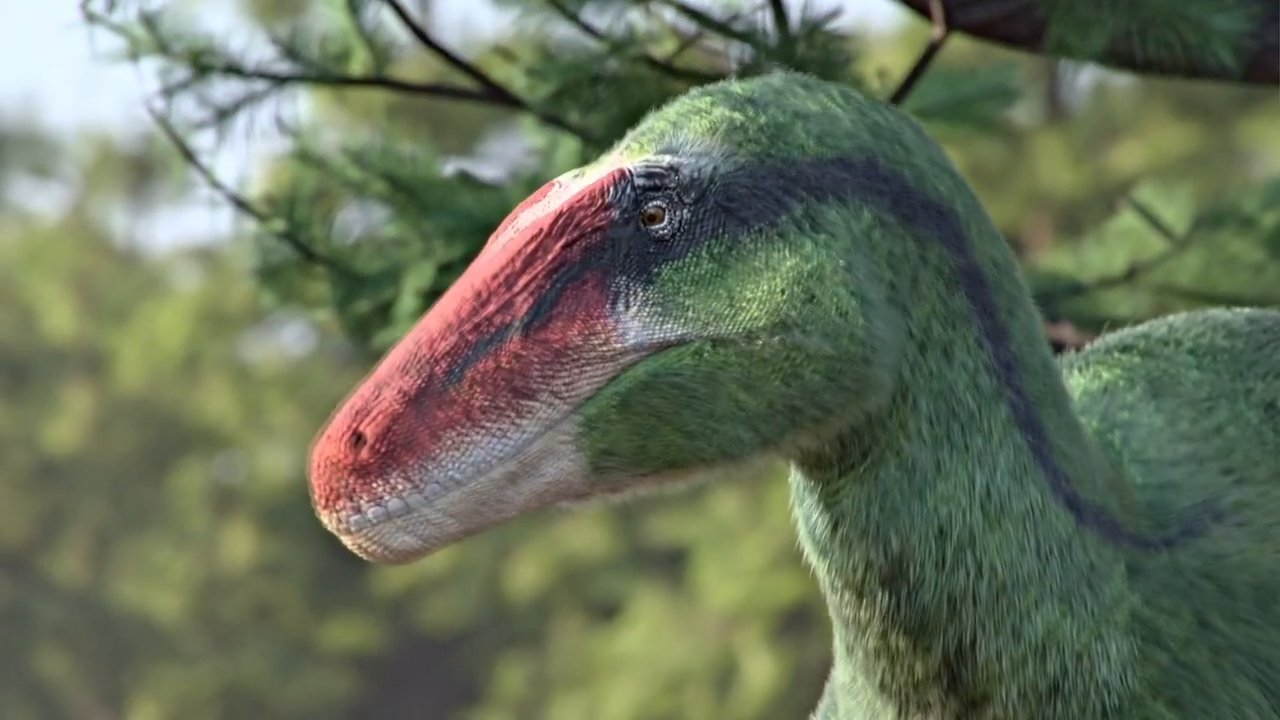
Imagine finding a brand-new dinosaur in a museum drawer! A fossil that sat in London’s Natural History Museum for more than 100 years has turned out to be a new species. It has been named Invictibellatrix amberina, which means “unconquered female warrior."
It’s a Megaraptoran, a rare cousin of T. rex built the opposite way: a small head, long arms, and huge claws. It was about 5 meters (16 feet) long, weighed about as much as a tiger, and is the first Megaraptoran ever found in Europe.
It lived 120 million years ago on the Isle of Wight, an island off southern England. Paleontologist Dr. Cassius Morrison, a scientist who studies fossils, says amateur fossil hunters could make the next big find!
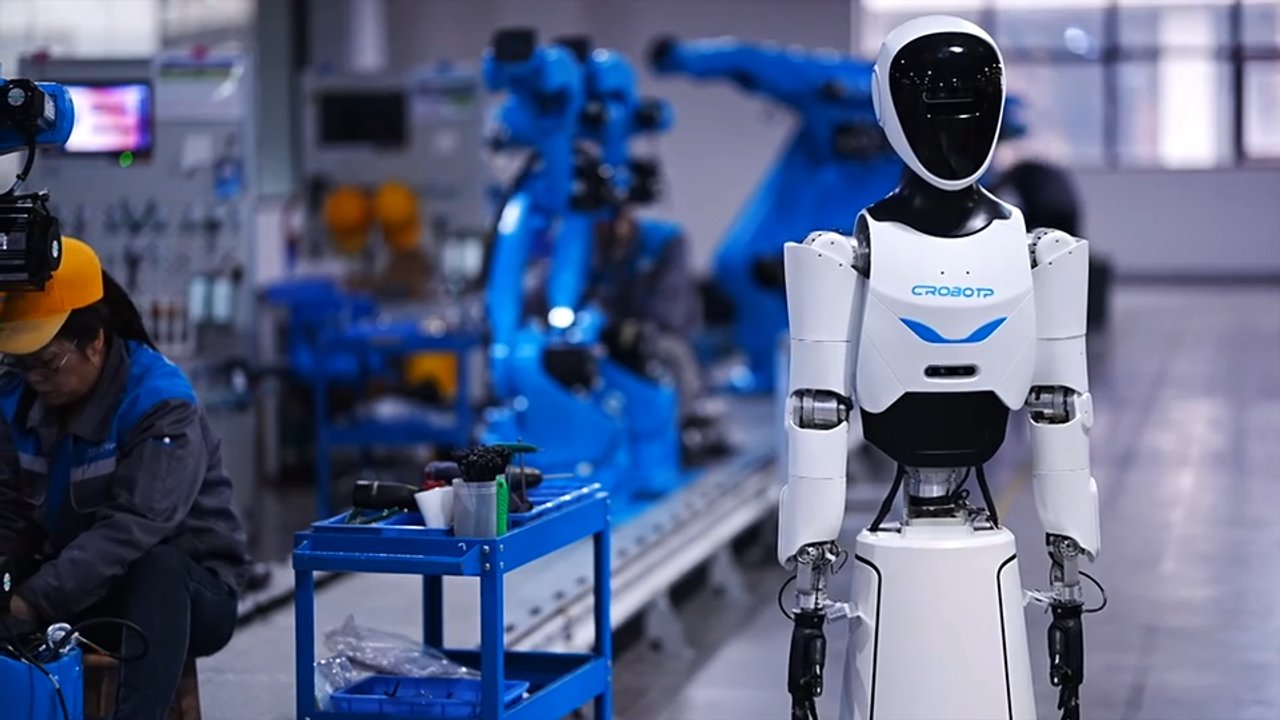
Robots that can outrun and outjump humans make great viral videos. In China, though, the bigger robot story is happening inside factories. China has about 2 million industrial robots, which are machines that build products such as cars and phones. That’s three times as many as the United States. Some robot arms can already do about 90% of the jobs on a production line, and engineers expect them to start building other robots.
Why is this happening? China’s population is getting older and smaller, so fewer young people are available to work in factories. Robots fill the gap and make products cheaper. But millions of people rely on factory jobs to earn a living.
Many young people in China can’t find work, so students are now training to work alongside robots. If you’re a teen anywhere in the world, that question applies to you too: will robots take jobs from people, or create new ones?
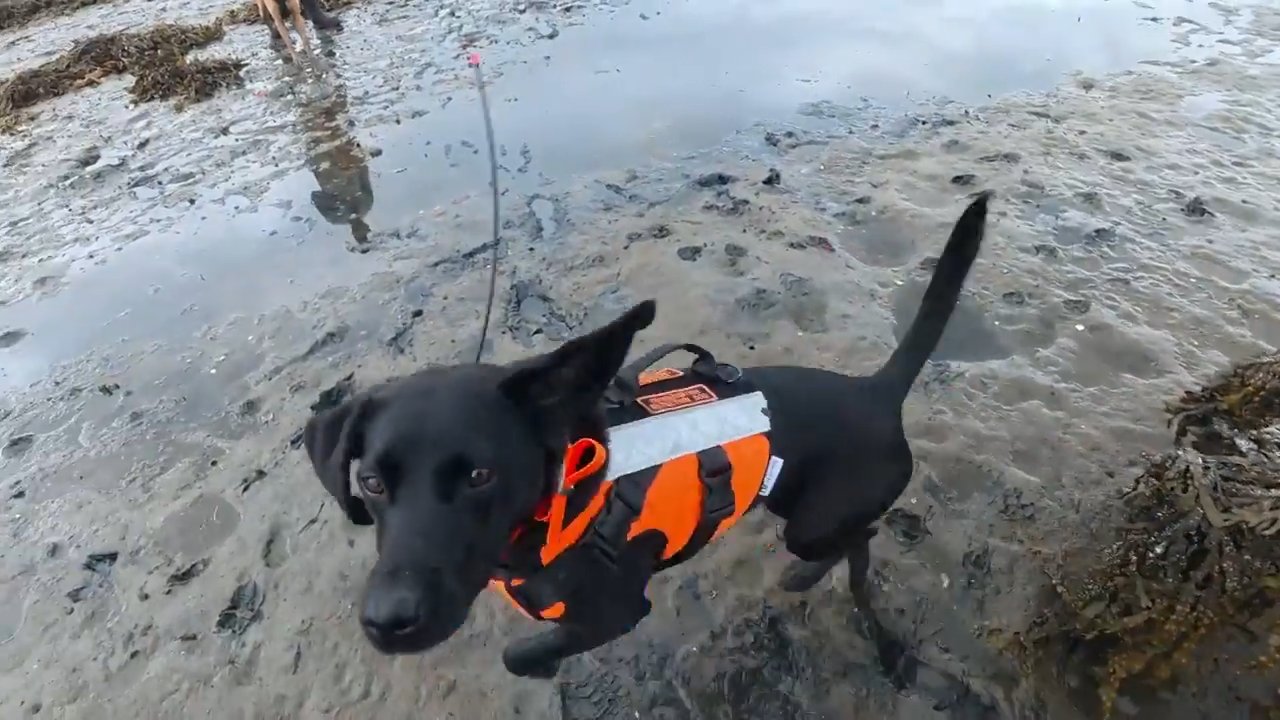
Some dogs fetch sticks. Skia hunts for “sea vomit.” When the tide goes out on the west coast of Scotland, this Labrador sniffs along the beach for the carpet sea squirt. It’s a slimy sea creature that got its nickname from its gross, vomit-like look. The carpet sea squirt is an invasive species, which means it doesn’t belong there naturally. It spreads fast and can smother the plants and animals that live there, and it can harm the local fishing businesses too.
Skia works with her owner, Dr. Texa Sim, an ecologist who studies how living things and their environment affect each other. Skia can even dive under seaweed to find hidden patches of sea squirt that humans would miss. She has just been named Animal of the Year by the International Fund for Animal Welfare, a charity that protects animals around the world. Now a younger dog, Usha, has joined the team. For both dogs, saving the sea is just a game on the beach.
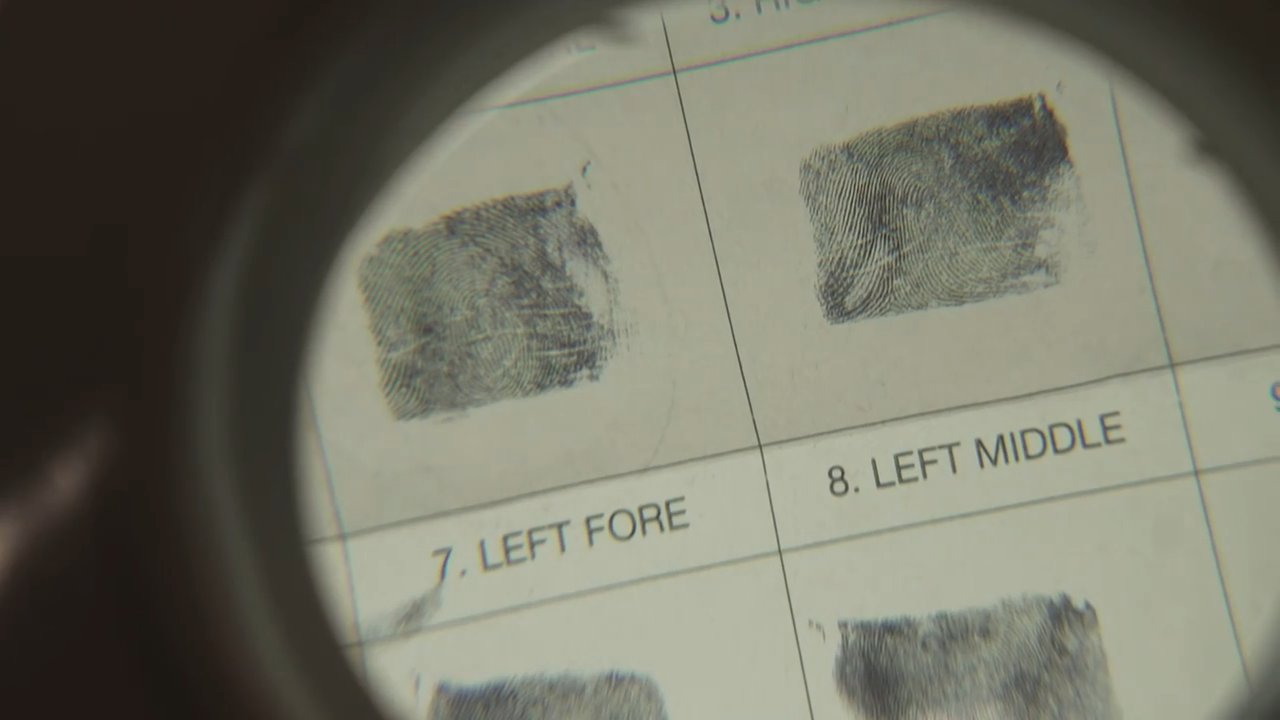
Every time you touch your phone, a door handle, or a glass, you leave behind a clue you can’t see. The swirly ridges on your fingertips leave a print made of sweat and skin oils, and police can use it to work out who was at a crime scene.
The BBC went behind the scenes at the Metropolitan Police, London’s police force, to see how it’s done. Experts brushed an invisible fingerprint with black magnetic powder, which sticks to the oils and shows the pattern clearly. No two people in the world have exactly the same fingerprints.
Before fingerprinting, police identified criminals by measuring parts of their bodies, but two people could have the same measurements. That changed 125 years ago. In 1901, Edward Henry set up the Fingerprint Bureau, which kept people’s prints on paper files. Today, forensic scientists, who use science to solve crimes, can also test DNA, the unique chemical code inside your body’s cells.
Imagine finding a brand-new dinosaur in a museum drawer! A fossil that sat in London’s Natural History Museum for more than 100 years has turned out to be a new species. It has been named Invictibellatrix amberina, which means “unconquered female warrior."
It’s a Megaraptoran, a rare cousin of T. rex built the opposite way: a small head, long arms, and huge claws. It was about 5 meters (16 feet) long, weighed about as much as a tiger, and is the first Megaraptoran ever found in Europe.
It lived 120 million years ago on the Isle of Wight, an island off southern England. Paleontologist Dr. Cassius Morrison, a scientist who studies fossils, says amateur fossil hunters could make the next big find!
Robots that can outrun and outjump humans make great viral videos. In China, though, the bigger robot story is happening inside factories. China has about 2 million industrial robots, which are machines that build products such as cars and phones. That’s three times as many as the United States. Some robot arms can already do about 90% of the jobs on a production line, and engineers expect them to start building other robots.
Why is this happening? China’s population is getting older and smaller, so fewer young people are available to work in factories. Robots fill the gap and make products cheaper. But millions of people rely on factory jobs to earn a living.
Many young people in China can’t find work, so students are now training to work alongside robots. If you’re a teen anywhere in the world, that question applies to you too: will robots take jobs from people, or create new ones?
Some dogs fetch sticks. Skia hunts for “sea vomit.” When the tide goes out on the west coast of Scotland, this Labrador sniffs along the beach for the carpet sea squirt. It’s a slimy sea creature that got its nickname from its gross, vomit-like look. The carpet sea squirt is an invasive species, which means it doesn’t belong there naturally. It spreads fast and can smother the plants and animals that live there, and it can harm the local fishing businesses too.
Skia works with her owner, Dr. Texa Sim, an ecologist who studies how living things and their environment affect each other. Skia can even dive under seaweed to find hidden patches of sea squirt that humans would miss. She has just been named Animal of the Year by the International Fund for Animal Welfare, a charity that protects animals around the world. Now a younger dog, Usha, has joined the team. For both dogs, saving the sea is just a game on the beach.
Every time you touch your phone, a door handle, or a glass, you leave behind a clue you can’t see. The swirly ridges on your fingertips leave a print made of sweat and skin oils, and police can use it to work out who was at a crime scene.
The BBC went behind the scenes at the Metropolitan Police, London’s police force, to see how it’s done. Experts brushed an invisible fingerprint with black magnetic powder, which sticks to the oils and shows the pattern clearly. No two people in the world have exactly the same fingerprints.
Before fingerprinting, police identified criminals by measuring parts of their bodies, but two people could have the same measurements. That changed 125 years ago. In 1901, Edward Henry set up the Fingerprint Bureau, which kept people’s prints on paper files. Today, forensic scientists, who use science to solve crimes, can also test DNA, the unique chemical code inside your body’s cells.