
Heat Waves Put Hedgehogs at Risk
Picture a hedgehog on a hot summer day, and you might imagine it lounging on the beach in tiny sunglasses with a glass of lemonade. In reality, heat can make life tough for hedgehogs.
Hedgehogs are small, spiky mammals that live in the wild in parts of Asia, Africa, and Europe, including the United Kingdom. They aren't found in the wild in North America. Hot, dry weather can cause them serious problems, like dehydration, parasites and trouble finding food. That's hard enough for any animal, but it's even harder for hedgehogs that are pregnant or raising their babies, called hoglets.
That's why one hedgehog rescue center was packed this summer, caring for more than 80 animals at once. It was the busiest June the center had ever seen.
In places where wild hedgehogs live, people can help without working at a rescue. They can leave out fresh water and dry kitten food. They should avoid milk, bread, grains, fruit and vegetables, which can make hedgehogs sick. As the saying goes, not all heroes wear capes. To a hedgehog, some of them leave out kitten food!
Take the Challenge

More News Stories
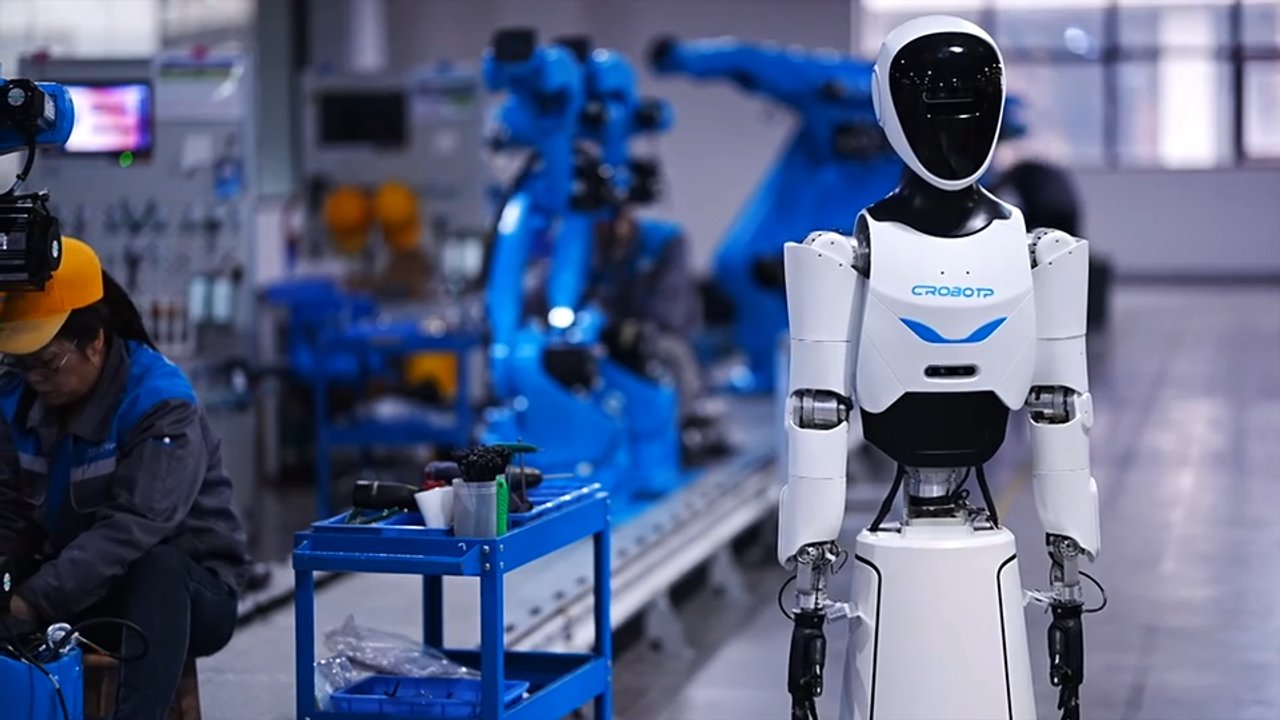
Robots that can outrun and outjump humans make great viral videos. In China, though, the bigger robot story is happening inside factories. China has about 2 million industrial robots, which are machines that build products such as cars and phones. That’s three times as many as the United States. Some robot arms can already do about 90% of the jobs on a production line, and engineers expect them to start building other robots.
Why is this happening? China’s population is getting older and smaller, so fewer young people are available to work in factories. Robots fill the gap and make products cheaper. But millions of people rely on factory jobs to earn a living.
Many young people in China can’t find work, so students are now training to work alongside robots. If you’re a teen anywhere in the world, that question applies to you too: will robots take jobs from people, or create new ones?
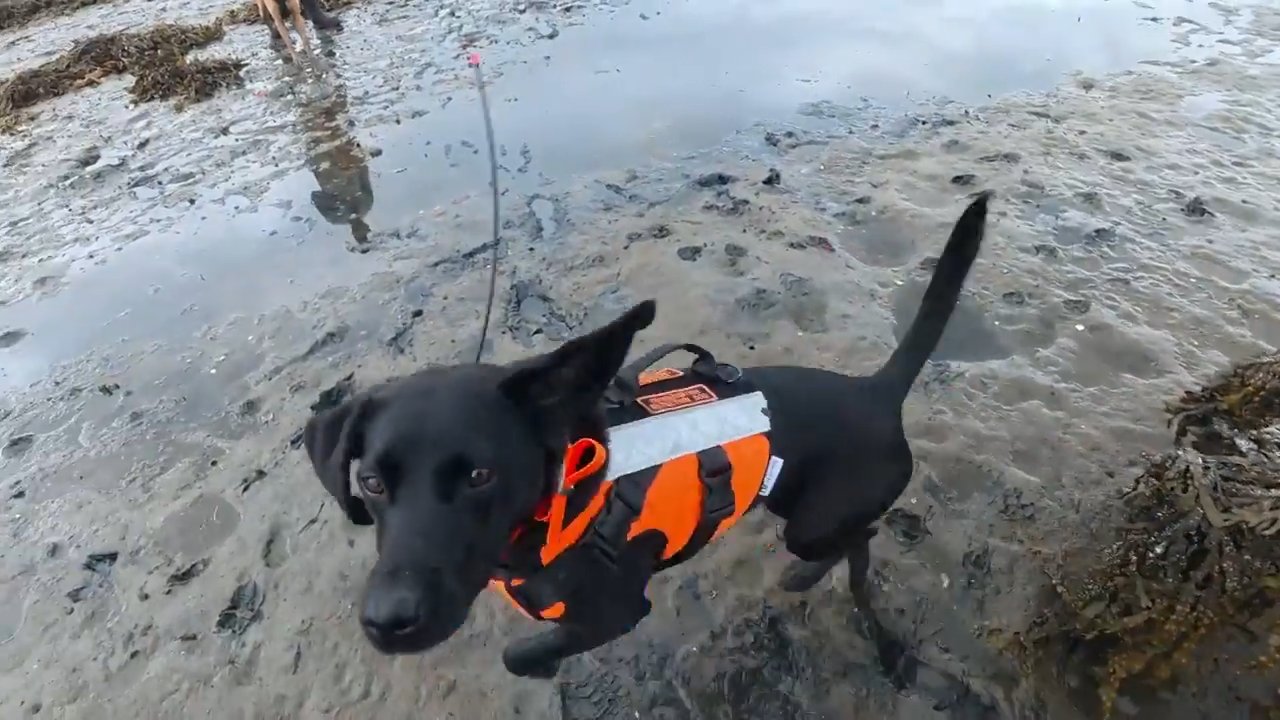
Some dogs fetch sticks. Skia hunts for “sea vomit.” When the tide goes out on the west coast of Scotland, this Labrador sniffs along the beach for the carpet sea squirt. It’s a slimy sea creature that got its nickname from its gross, vomit-like look. The carpet sea squirt is an invasive species, which means it doesn’t belong there naturally. It spreads fast and can smother the plants and animals that live there, and it can harm the local fishing businesses too.
Skia works with her owner, Dr. Texa Sim, an ecologist who studies how living things and their environment affect each other. Skia can even dive under seaweed to find hidden patches of sea squirt that humans would miss. She has just been named Animal of the Year by the International Fund for Animal Welfare, a charity that protects animals around the world. Now a younger dog, Usha, has joined the team. For both dogs, saving the sea is just a game on the beach.
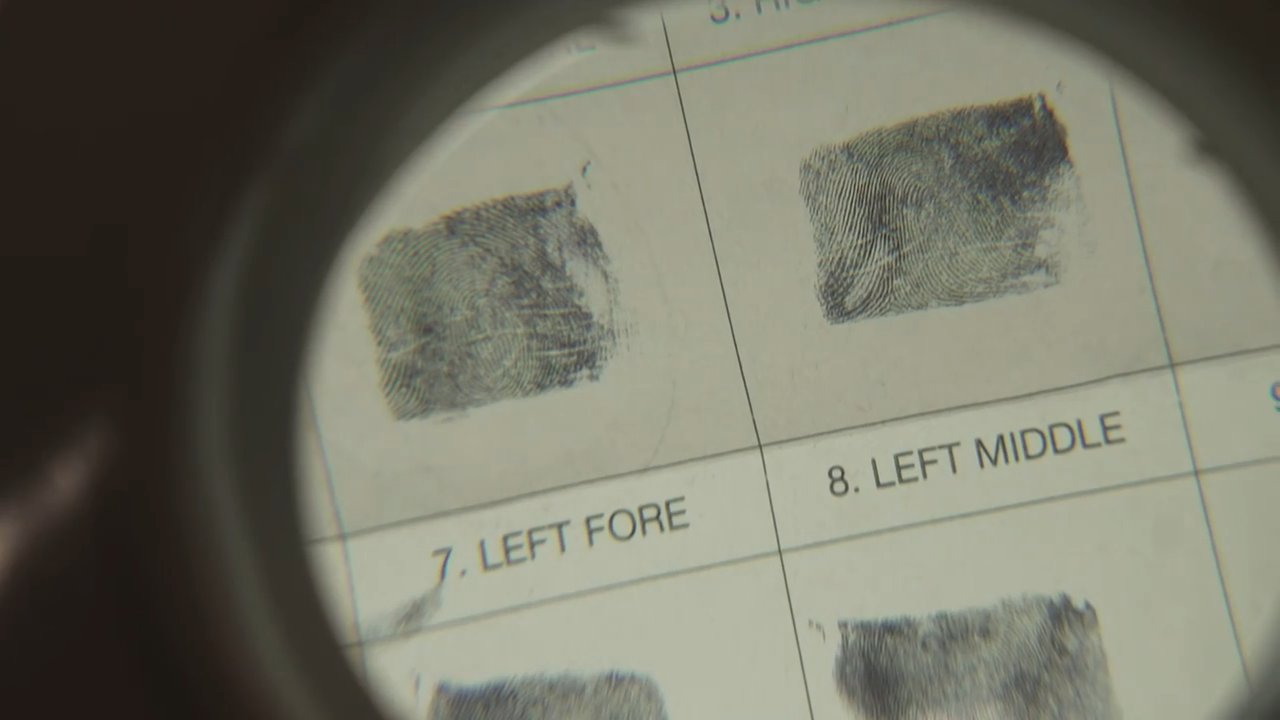
Every time you touch your phone, a door handle, or a glass, you leave behind a clue you can’t see. The swirly ridges on your fingertips leave a print made of sweat and skin oils, and police can use it to work out who was at a crime scene.
The BBC went behind the scenes at the Metropolitan Police, London’s police force, to see how it’s done. Experts brushed an invisible fingerprint with black magnetic powder, which sticks to the oils and shows the pattern clearly. No two people in the world have exactly the same fingerprints.
Before fingerprinting, police identified criminals by measuring parts of their bodies, but two people could have the same measurements. That changed 125 years ago. In 1901, Edward Henry set up the Fingerprint Bureau, which kept people’s prints on paper files. Today, forensic scientists, who use science to solve crimes, can also test DNA, the unique chemical code inside your body’s cells.
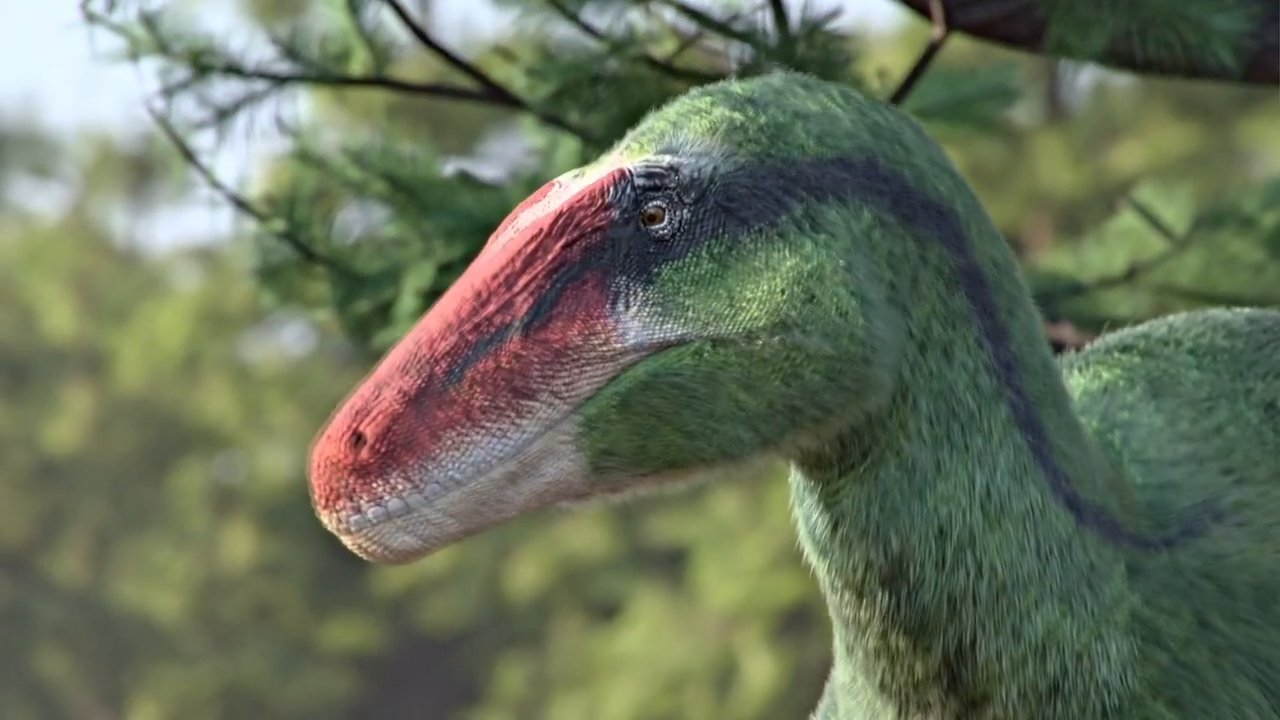
Imagine finding a brand-new dinosaur in a museum drawer! A fossil that sat in London’s Natural History Museum for more than 100 years has turned out to be a new species. It has been named Invictibellatrix amberina, which means “unconquered female warrior."
It’s a Megaraptoran, a rare cousin of T. rex built the opposite way: a small head, long arms, and huge claws. It was about 5 meters (16 feet) long, weighed about as much as a tiger, and is the first Megaraptoran ever found in Europe.
It lived 120 million years ago on the Isle of Wight, an island off southern England. Paleontologist Dr. Cassius Morrison, a scientist who studies fossils, says amateur fossil hunters could make the next big find!
Robots that can outrun and outjump humans make great viral videos. In China, though, the bigger robot story is happening inside factories. China has about 2 million industrial robots, which are machines that build products such as cars and phones. That’s three times as many as the United States. Some robot arms can already do about 90% of the jobs on a production line, and engineers expect them to start building other robots.
Why is this happening? China’s population is getting older and smaller, so fewer young people are available to work in factories. Robots fill the gap and make products cheaper. But millions of people rely on factory jobs to earn a living.
Many young people in China can’t find work, so students are now training to work alongside robots. If you’re a teen anywhere in the world, that question applies to you too: will robots take jobs from people, or create new ones?
Some dogs fetch sticks. Skia hunts for “sea vomit.” When the tide goes out on the west coast of Scotland, this Labrador sniffs along the beach for the carpet sea squirt. It’s a slimy sea creature that got its nickname from its gross, vomit-like look. The carpet sea squirt is an invasive species, which means it doesn’t belong there naturally. It spreads fast and can smother the plants and animals that live there, and it can harm the local fishing businesses too.
Skia works with her owner, Dr. Texa Sim, an ecologist who studies how living things and their environment affect each other. Skia can even dive under seaweed to find hidden patches of sea squirt that humans would miss. She has just been named Animal of the Year by the International Fund for Animal Welfare, a charity that protects animals around the world. Now a younger dog, Usha, has joined the team. For both dogs, saving the sea is just a game on the beach.
Every time you touch your phone, a door handle, or a glass, you leave behind a clue you can’t see. The swirly ridges on your fingertips leave a print made of sweat and skin oils, and police can use it to work out who was at a crime scene.
The BBC went behind the scenes at the Metropolitan Police, London’s police force, to see how it’s done. Experts brushed an invisible fingerprint with black magnetic powder, which sticks to the oils and shows the pattern clearly. No two people in the world have exactly the same fingerprints.
Before fingerprinting, police identified criminals by measuring parts of their bodies, but two people could have the same measurements. That changed 125 years ago. In 1901, Edward Henry set up the Fingerprint Bureau, which kept people’s prints on paper files. Today, forensic scientists, who use science to solve crimes, can also test DNA, the unique chemical code inside your body’s cells.
Imagine finding a brand-new dinosaur in a museum drawer! A fossil that sat in London’s Natural History Museum for more than 100 years has turned out to be a new species. It has been named Invictibellatrix amberina, which means “unconquered female warrior."
It’s a Megaraptoran, a rare cousin of T. rex built the opposite way: a small head, long arms, and huge claws. It was about 5 meters (16 feet) long, weighed about as much as a tiger, and is the first Megaraptoran ever found in Europe.
It lived 120 million years ago on the Isle of Wight, an island off southern England. Paleontologist Dr. Cassius Morrison, a scientist who studies fossils, says amateur fossil hunters could make the next big find!