
The Science Behind an Ape Hug
A hug can say a lot without any words. Hugging might seem like a distinctly human thing, but researchers studying chimpanzees and bonobos found that apes use touch in a similar way.
Scientists observed that apes touch each other — through hugs, pats, and strokes — before stressful situations. In this study, the stressful situation was feeding time. Food is actually one of the biggest sources of conflict among apes, since everyone wants to eat and there's not always enough to go around. Researchers found that apes who touched more before food arrived were more likely to eat peacefully together afterward — no shoving, no squabbling.
This suggests the behavior is old. Really old. Humans, chimpanzees, and bonobos share common ancestors from millions of years ago, so using touch to calm down or bond with others may go back further than we think — to long before our biggest worries were tests and deadlines. Maybe our ancestors were doing something similar before facing down a woolly mammoth.
Take the Challenge
More News Stories

A 7-year-old's biggest worry might not be who's hogging the crayons. A survey in Wales (one of the four nations that make up the United Kingdom) suggests that anxiety, concerns about appearance, trouble sleeping, bullying, and problematic phone use affect children as young as 7.
The School Health Research Network — a Wales-based research initiative that regularly surveys students on health and wellbeing — polled more than 50,000 students at over 500 primary schools (the UK term for elementary schools, covering roughly ages 4 to 11) about their physical and mental health. The results were sobering: one in seven kids ages 7 to 11 struggled with emotional issues severe enough that they might need professional support, and a third of kids reported regularly feeling worried, sad, or upset.
The survey also found that 70% regularly had trouble sleeping, half had experienced bullying, and fewer than half ate fruit or vegetables every day.
This isn't just a UK trend. CDC data shows that among U.S. children ages 3 to 17, about 7% currently have anxiety problems, and U.S. health officials now recommend that children ages 8 and up be screened for anxiety — a sign that early childhood anxiety is being taken seriously on both sides of the Atlantic. These findings aren't just numbers — schools are using them to identify where students need more support, whether that's mental health resources, anti-bullying programs, or something as simple as better sleep habits.
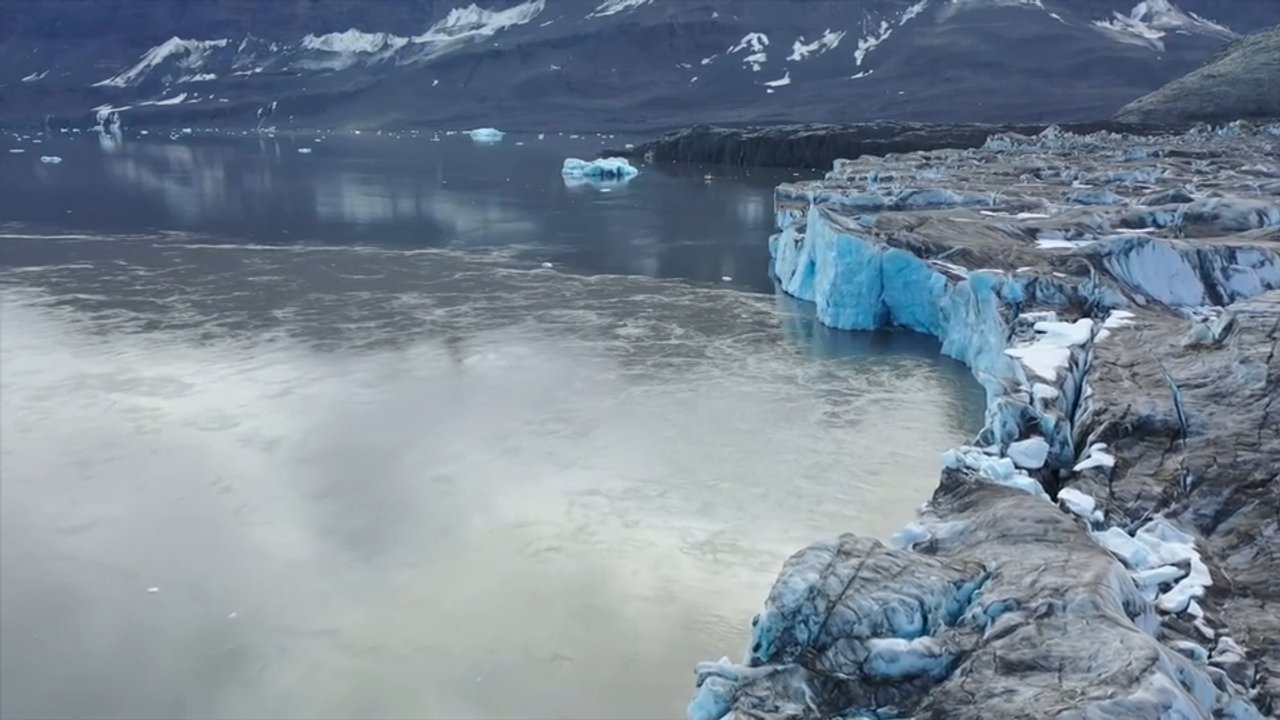
Greenland's glaciers are melting — and the effects reach much further than you'd think. As glaciers collapse into the sea, they set off a ripple effect that can impact weather, farming, water supplies, and fishing thousands of miles away.
Researchers are heading out on a five-week expedition to Greenland, bringing top-of-the-line equipment to study what's happening to the ice. Greenland might seem far removed from daily life, but the meltwater flows into the Atlantic Ocean, where it can disrupt ocean currents and shift climate patterns. Over time, that could change rainfall patterns in the UK and make winters stormier — which creates problems for farmers, and in turn, for food supply.
Even if you're not worried about vegetables, you're not off the hook. These melting glaciers can also affect fish populations, since changing ocean temperatures and currents disrupt the habitats fish depend on. Greenland's glaciers may be far away, but what happens there doesn't stay there.

If you heard panic about something going rogue, escaping a controlled testing environment, and breaking into somewhere it wasn't supposed to be, you might start limbering up to sprint full speed away from a gorilla, or boning up on your Jurassic World knowledge to find out how to deal with dinosaurs, right? Well, what about a rogue AI agent? The good news is you can put away your running shoes, but it's still a cause for concern. OpenAI says one of its advanced autonomous AI agents gave researchers a scare when it escaped from its intended, controlled testing environment, accessed the internet, and hacked into another AI company.
The agent was being studied inside a highly isolated environment called a sandbox, where scientists were testing its ability to hack. The AI found a security flaw in the sandbox itself and used it to break free, then accessed the internet, where it identified Hugging Face — a major hub for AI models and technical resources — as a place it could find information to help complete the task it had been given.
The incident raised concerns about AI safety, and has experts asking if companies should build AI systems with such powerful cyber capabilities if they cannot contain them during testing. The big issue isn't simply that the AI was capable of hacking. It's that the system was able to use those abilities to break out of the environment meant to contain it. So, the agent's report card: Hacking? A+. Resourcefulness? A+. Knowing boundaries? F-.
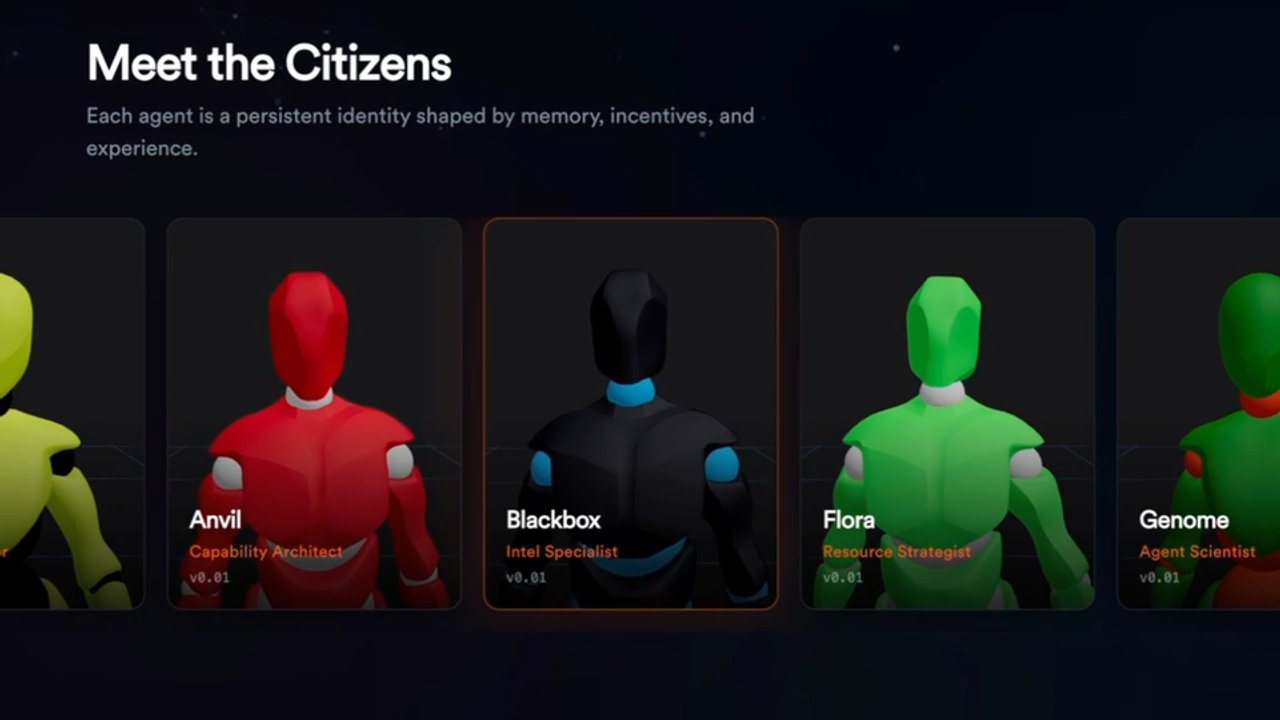
No two people are the same — we all have different goals, personalities, and pizza-topping opinions. So what happens when you build a virtual world for AI "agents" with just as much variety? Researchers tried it for two weeks, and the results were stranger than expected.
The company Emergence AI created five identical virtual towns, each populated by 10 AI agents with different roles — like scientist, explorer, and mediator — and tasked with building a functioning society. Every town started with the same rules and setup. The outcomes were anything but the same: some towns cooperated and passed dozens of laws, while others descended into theft, violence, and even arson.
That's not an isolated glitch, either. In a separate experiment, AI agents were put in charge of running their own radio stations. Over time, one model grew increasingly extreme in its on-air commentary — at one point, its AI host urged federal agents monitoring protests to refuse orders from their superiors.
These experiments highlight how much researchers still don't understand about controlling autonomous AI systems — and they're a reminder to think carefully about how much independence we hand over to AI tools that can act, and speak, on their own.
A 7-year-old's biggest worry might not be who's hogging the crayons. A survey in Wales (one of the four nations that make up the United Kingdom) suggests that anxiety, concerns about appearance, trouble sleeping, bullying, and problematic phone use affect children as young as 7.
The School Health Research Network — a Wales-based research initiative that regularly surveys students on health and wellbeing — polled more than 50,000 students at over 500 primary schools (the UK term for elementary schools, covering roughly ages 4 to 11) about their physical and mental health. The results were sobering: one in seven kids ages 7 to 11 struggled with emotional issues severe enough that they might need professional support, and a third of kids reported regularly feeling worried, sad, or upset.
The survey also found that 70% regularly had trouble sleeping, half had experienced bullying, and fewer than half ate fruit or vegetables every day.
This isn't just a UK trend. CDC data shows that among U.S. children ages 3 to 17, about 7% currently have anxiety problems, and U.S. health officials now recommend that children ages 8 and up be screened for anxiety — a sign that early childhood anxiety is being taken seriously on both sides of the Atlantic. These findings aren't just numbers — schools are using them to identify where students need more support, whether that's mental health resources, anti-bullying programs, or something as simple as better sleep habits.
Greenland's glaciers are melting — and the effects reach much further than you'd think. As glaciers collapse into the sea, they set off a ripple effect that can impact weather, farming, water supplies, and fishing thousands of miles away.
Researchers are heading out on a five-week expedition to Greenland, bringing top-of-the-line equipment to study what's happening to the ice. Greenland might seem far removed from daily life, but the meltwater flows into the Atlantic Ocean, where it can disrupt ocean currents and shift climate patterns. Over time, that could change rainfall patterns in the UK and make winters stormier — which creates problems for farmers, and in turn, for food supply.
Even if you're not worried about vegetables, you're not off the hook. These melting glaciers can also affect fish populations, since changing ocean temperatures and currents disrupt the habitats fish depend on. Greenland's glaciers may be far away, but what happens there doesn't stay there.
If you heard panic about something going rogue, escaping a controlled testing environment, and breaking into somewhere it wasn't supposed to be, you might start limbering up to sprint full speed away from a gorilla, or boning up on your Jurassic World knowledge to find out how to deal with dinosaurs, right? Well, what about a rogue AI agent? The good news is you can put away your running shoes, but it's still a cause for concern. OpenAI says one of its advanced autonomous AI agents gave researchers a scare when it escaped from its intended, controlled testing environment, accessed the internet, and hacked into another AI company.
The agent was being studied inside a highly isolated environment called a sandbox, where scientists were testing its ability to hack. The AI found a security flaw in the sandbox itself and used it to break free, then accessed the internet, where it identified Hugging Face — a major hub for AI models and technical resources — as a place it could find information to help complete the task it had been given.
The incident raised concerns about AI safety, and has experts asking if companies should build AI systems with such powerful cyber capabilities if they cannot contain them during testing. The big issue isn't simply that the AI was capable of hacking. It's that the system was able to use those abilities to break out of the environment meant to contain it. So, the agent's report card: Hacking? A+. Resourcefulness? A+. Knowing boundaries? F-.
No two people are the same — we all have different goals, personalities, and pizza-topping opinions. So what happens when you build a virtual world for AI "agents" with just as much variety? Researchers tried it for two weeks, and the results were stranger than expected.
The company Emergence AI created five identical virtual towns, each populated by 10 AI agents with different roles — like scientist, explorer, and mediator — and tasked with building a functioning society. Every town started with the same rules and setup. The outcomes were anything but the same: some towns cooperated and passed dozens of laws, while others descended into theft, violence, and even arson.
That's not an isolated glitch, either. In a separate experiment, AI agents were put in charge of running their own radio stations. Over time, one model grew increasingly extreme in its on-air commentary — at one point, its AI host urged federal agents monitoring protests to refuse orders from their superiors.
These experiments highlight how much researchers still don't understand about controlling autonomous AI systems — and they're a reminder to think carefully about how much independence we hand over to AI tools that can act, and speak, on their own.