
Who's in the Woods?: A Woodland Animals Unit
Meet the wildlife living closer than you think. Click the hotspots, watch the clips, and read the fact files for nine amazing animals. For students ages 8–14
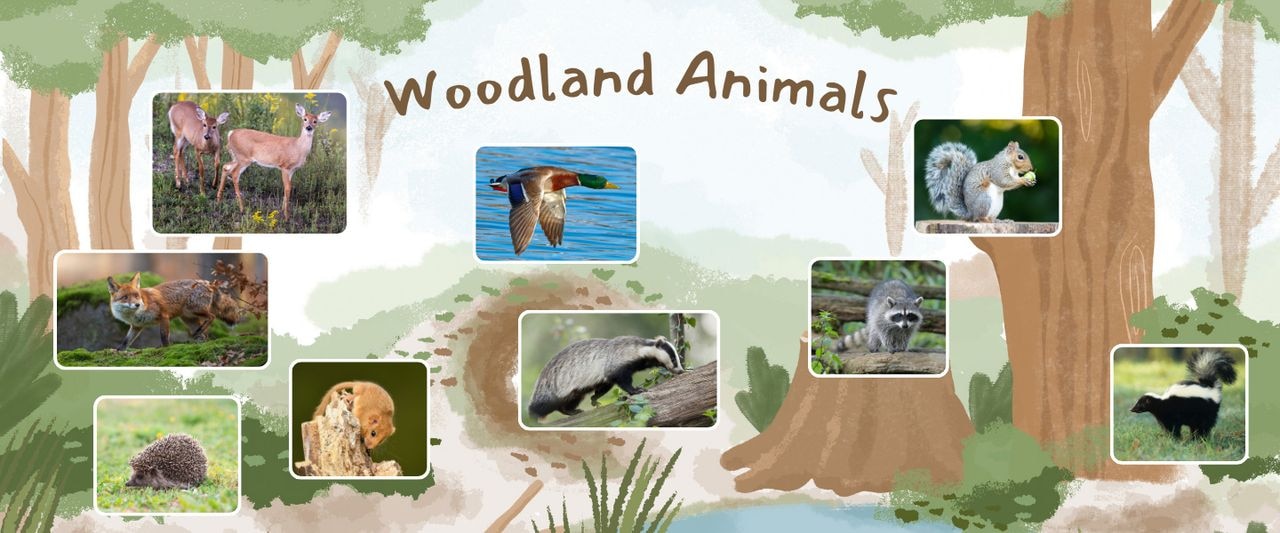
Woodlands, parks, gardens, and even neighborhoods are home to many wild animals. Red foxes trot along city streets at night. Mallards gather on ponds. Tiny hazel dormice climb through hedges and trees, often without anyone noticing. Each animal has special adaptations that help it find food, raise its young, and stay alive.
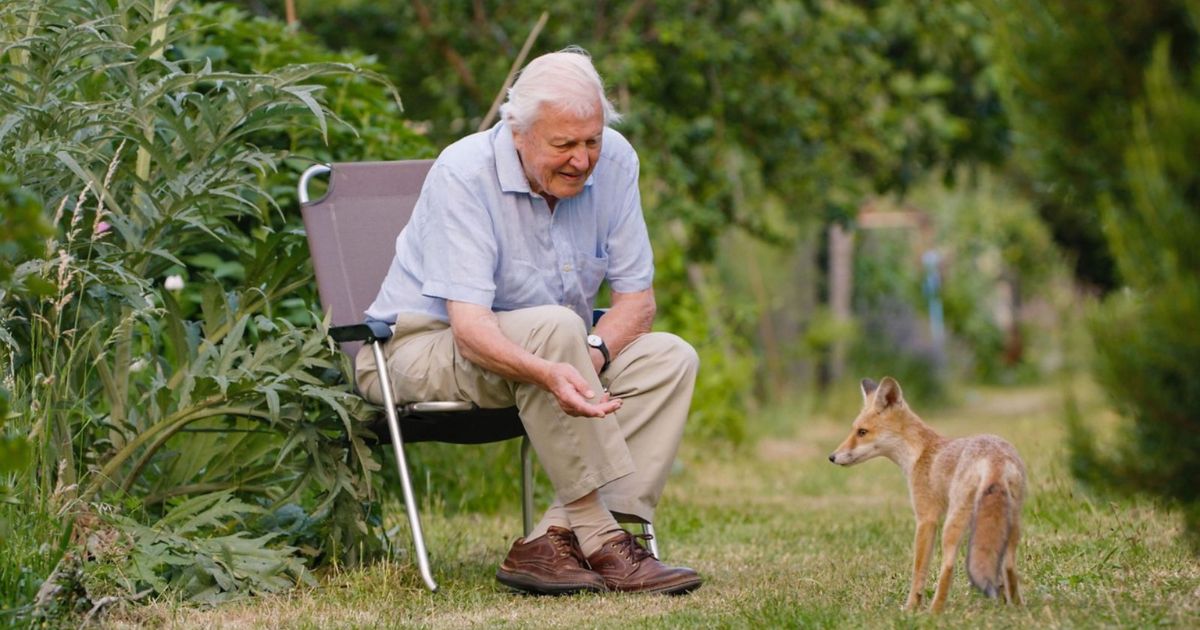
Meet these animals through BBC videos, surprising facts, and close-up looks at how they behave. Find out how a squirrel plants trees by burying nuts and forgetting them. See how a badger digs an underground home with tunnels and rooms. Learn how a fox uses its bushy tail to balance and stay warm, and how a hedgehog gets ready for winter.
How well do you know the wild animals around you? Start with the Woodland Animals Interactive. Then learn more about each animal with fact files and videos.
Teachers and Parents: Who's in the Woods? helps kids ages 8 and up build science knowledge as they explore. Students can learn about each animal at their own pace, linking BBC videos with short facts about adaptations, habitats, food webs, and biodiversity. It's also a great way to start talking about the wildlife in your area and how animals and people share the same spaces.
Who's in the Woods? Woodland Animals Interactive
Reading Passages + Report Templates
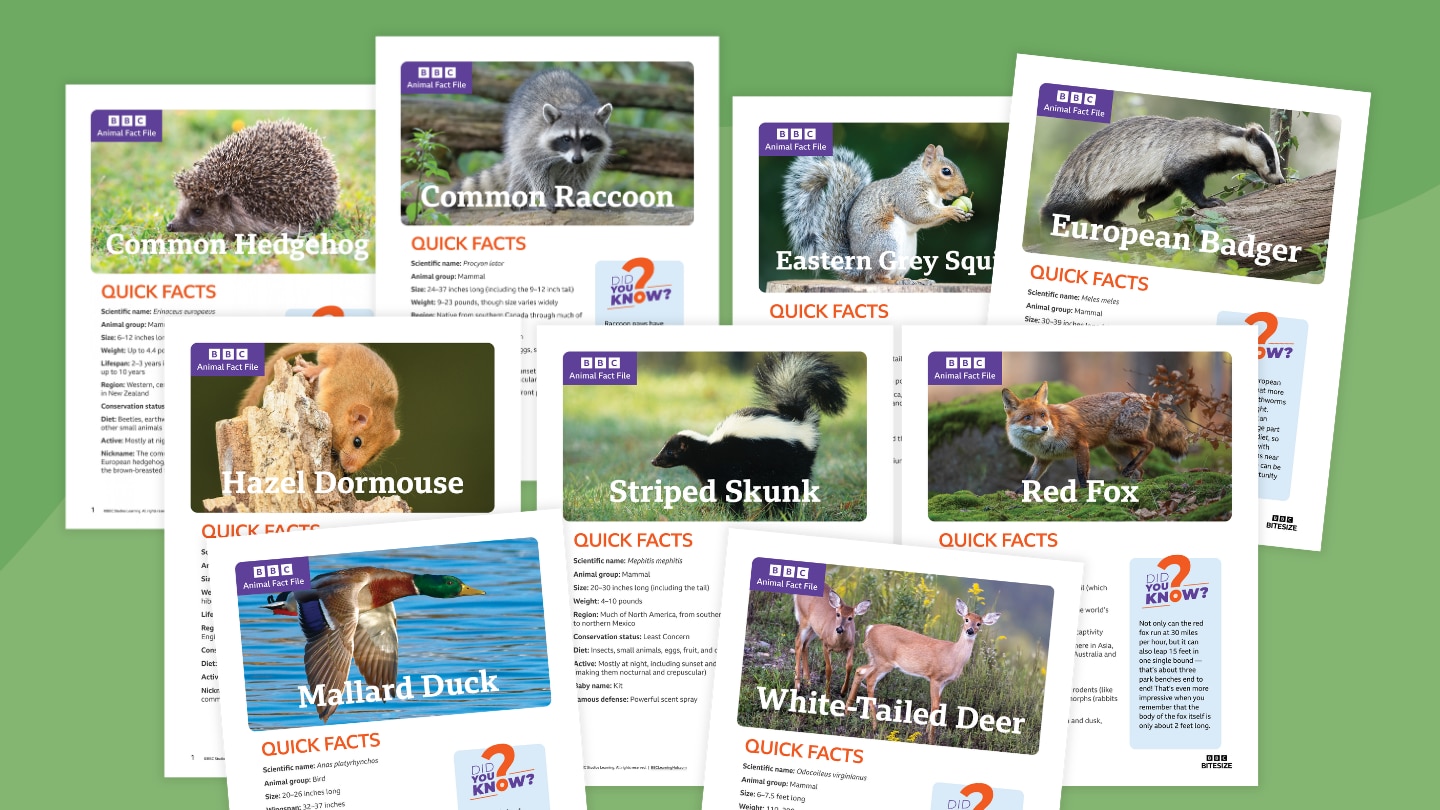
Which woodland animals scamper through the trees, forage for food, or quietly explore the undergrowth? From quick-footed foxes to busy squirrels, woodlands are home to an amazing variety of wildlife, each with its own way of life.
Meet the animals that share our woodlands and neighborhoods, from hedgehogs and badgers to deer, ducks, and raccoons. Explore their habitats, discover what they eat and how they raise their young, and uncover the remarkable adaptations that help them survive. You’ll also learn how these animals interact with their surroundings and why protecting their habitats matters.

We designed these worksheets for use in grades 3–8. Show one of our many short animal videos, and use the worksheets to get students to synthesize and extend their learning. Students can choose which worksheet to complete based on their interests, or you can assign one that best fits their learning needs.
Which woodland animals scamper through the trees, forage for food, or quietly explore the undergrowth? From quick-footed foxes to busy squirrels, woodlands are home to an amazing variety of wildlife, each with its own way of life.
Meet the animals that share our woodlands and neighborhoods, from hedgehogs and badgers to deer, ducks, and raccoons. Explore their habitats, discover what they eat and how they raise their young, and uncover the remarkable adaptations that help them survive. You’ll also learn how these animals interact with their surroundings and why protecting their habitats matters.
We designed these worksheets for use in grades 3–8. Show one of our many short animal videos, and use the worksheets to get students to synthesize and extend their learning. Students can choose which worksheet to complete based on their interests, or you can assign one that best fits their learning needs.
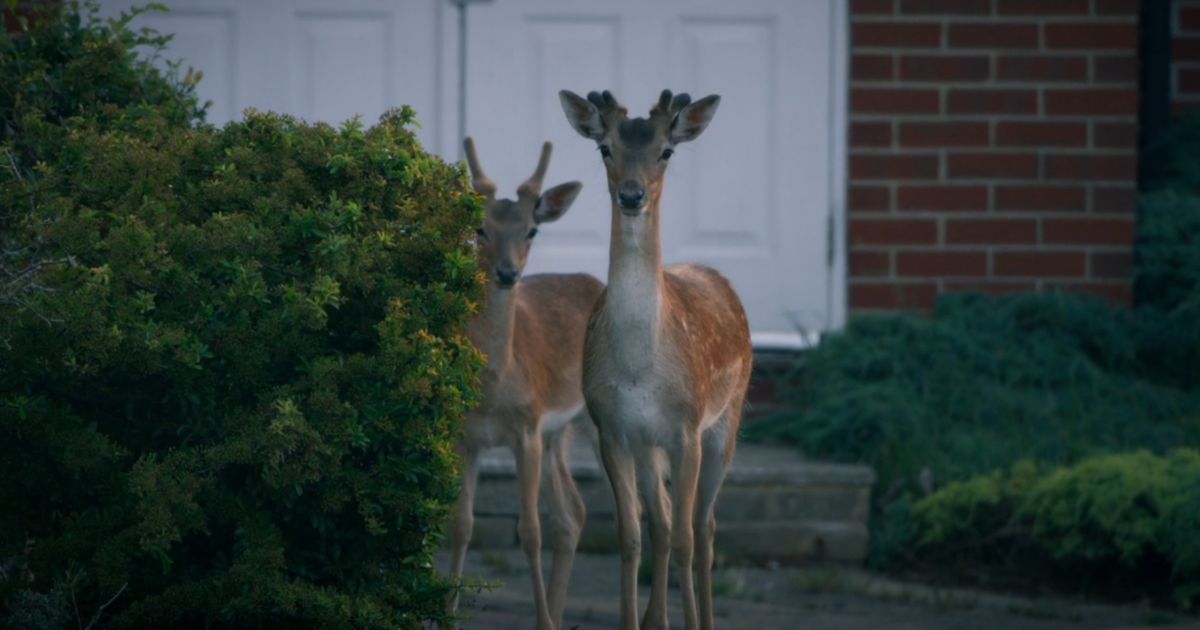
Deer, Foxes, and Hedgehogs
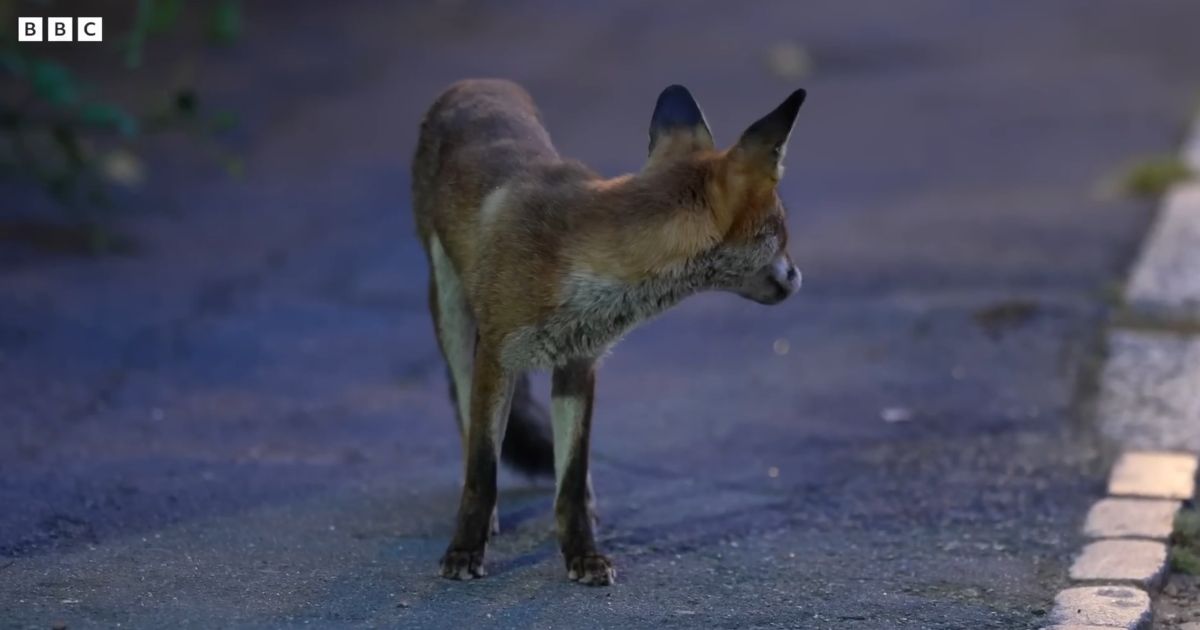
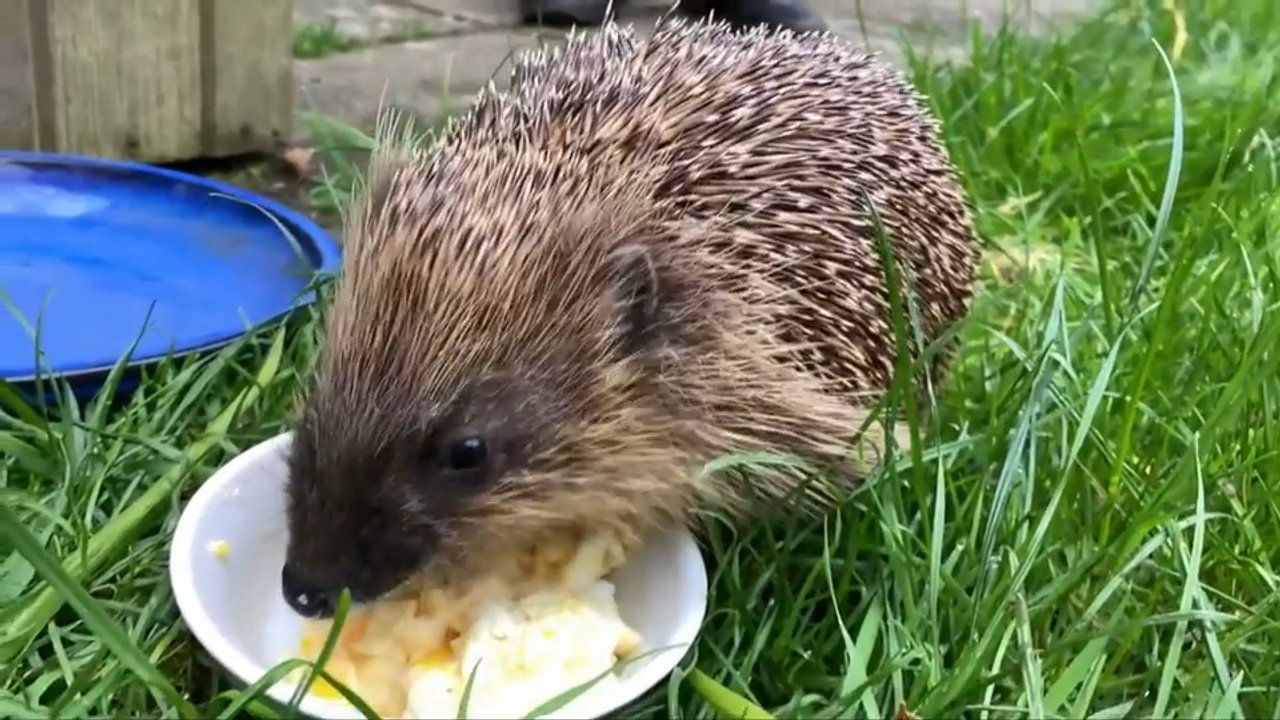
The UK wants to see more hedgehogs, and it’s not because hedgehogs are incredibly cute. Well, not just because of that. The UK’s hedgehog population is in dangerous decline, but part of the solution could be an AI tool called Tessera that uses satellite images to help build a map of hedgehog habitats.
Before Tessera can work its magic, it needs some input. Researchers need to find and learn hedgehogs’ preferred environments by identifying the habitat’s fingerprint. A fingerprint, in this case, is a pattern or collection of characteristics generally found in hedgehog habitats. Maybe your habitat fingerprint would include a freezer full of ice cream and trampoline floors! It has nothing to do with actual fingers, even though that would be a great excuse to spend all day looking at hedgehog paws.
Researchers do their field work in small areas, then input their findings into the software that can extrapolate, show where the other similar habitats are, and record changes over time. The project will hopefully help us learn about where hedgehogs live, how we can help them survive, and how we can set up our homes to comfortably accommodate a hedgehog houseguest.
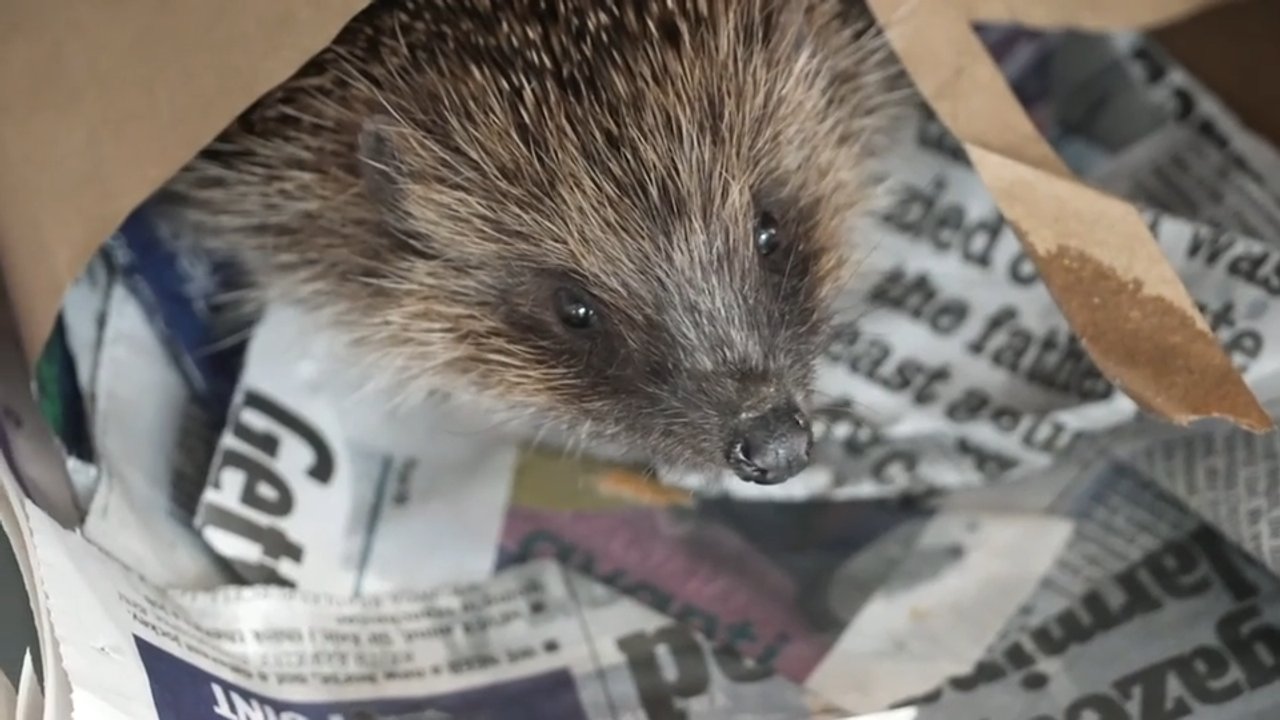
Picture a hedgehog on a hot summer day, and you might imagine it lounging on the beach in tiny sunglasses with a glass of lemonade. In reality, heat can make life tough for hedgehogs.
Hedgehogs are small, spiky mammals that live in the wild in parts of Asia, Africa, and Europe, including the United Kingdom. They aren't found in the wild in North America. Hot, dry weather can cause them serious problems, like dehydration, parasites and trouble finding food. That's hard enough for any animal, but it's even harder for hedgehogs that are pregnant or raising their babies, called hoglets.
That's why one hedgehog rescue center was packed this summer, caring for more than 80 animals at once. It was the busiest June the center had ever seen.
In places where wild hedgehogs live, people can help without working at a rescue. They can leave out fresh water and dry kitten food. They should avoid milk, bread, grains, fruit and vegetables, which can make hedgehogs sick. As the saying goes, not all heroes wear capes. To a hedgehog, some of them leave out kitten food!
The UK wants to see more hedgehogs, and it’s not because hedgehogs are incredibly cute. Well, not just because of that. The UK’s hedgehog population is in dangerous decline, but part of the solution could be an AI tool called Tessera that uses satellite images to help build a map of hedgehog habitats.
Before Tessera can work its magic, it needs some input. Researchers need to find and learn hedgehogs’ preferred environments by identifying the habitat’s fingerprint. A fingerprint, in this case, is a pattern or collection of characteristics generally found in hedgehog habitats. Maybe your habitat fingerprint would include a freezer full of ice cream and trampoline floors! It has nothing to do with actual fingers, even though that would be a great excuse to spend all day looking at hedgehog paws.
Researchers do their field work in small areas, then input their findings into the software that can extrapolate, show where the other similar habitats are, and record changes over time. The project will hopefully help us learn about where hedgehogs live, how we can help them survive, and how we can set up our homes to comfortably accommodate a hedgehog houseguest.
Picture a hedgehog on a hot summer day, and you might imagine it lounging on the beach in tiny sunglasses with a glass of lemonade. In reality, heat can make life tough for hedgehogs.
Hedgehogs are small, spiky mammals that live in the wild in parts of Asia, Africa, and Europe, including the United Kingdom. They aren't found in the wild in North America. Hot, dry weather can cause them serious problems, like dehydration, parasites and trouble finding food. That's hard enough for any animal, but it's even harder for hedgehogs that are pregnant or raising their babies, called hoglets.
That's why one hedgehog rescue center was packed this summer, caring for more than 80 animals at once. It was the busiest June the center had ever seen.
In places where wild hedgehogs live, people can help without working at a rescue. They can leave out fresh water and dry kitten food. They should avoid milk, bread, grains, fruit and vegetables, which can make hedgehogs sick. As the saying goes, not all heroes wear capes. To a hedgehog, some of them leave out kitten food!
Dormice, Badgers, and Ducks
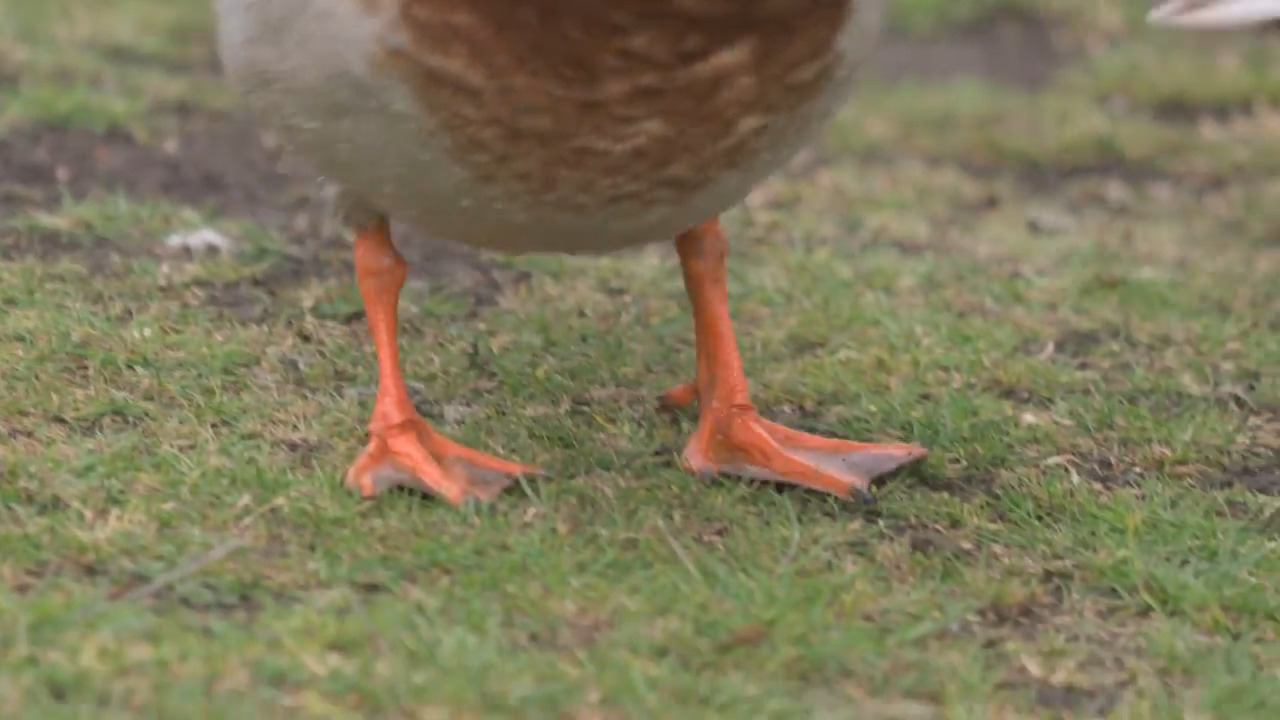
In Ducks — From Beak to Feet, Ranger Hamza and the Ramblers find some ducks! Join the Ramblers as they learn how ducks have adapted to wetlands. This video is excerpted from BBC's Ranger Hamza’s Eco Quest, a nature exploration show in which Ranger Hamza and the Ramblers go on quests to discover nature’s wonders and the important role they play in our environment.
In Ducks — From Beak to Feet, Ranger Hamza and the Ramblers find some ducks! Join the Ramblers as they learn how ducks have adapted to wetlands. This video is excerpted from BBC's Ranger Hamza’s Eco Quest, a nature exploration show in which Ranger Hamza and the Ramblers go on quests to discover nature’s wonders and the important role they play in our environment.
Raccoons, Squirrels, and Skunks
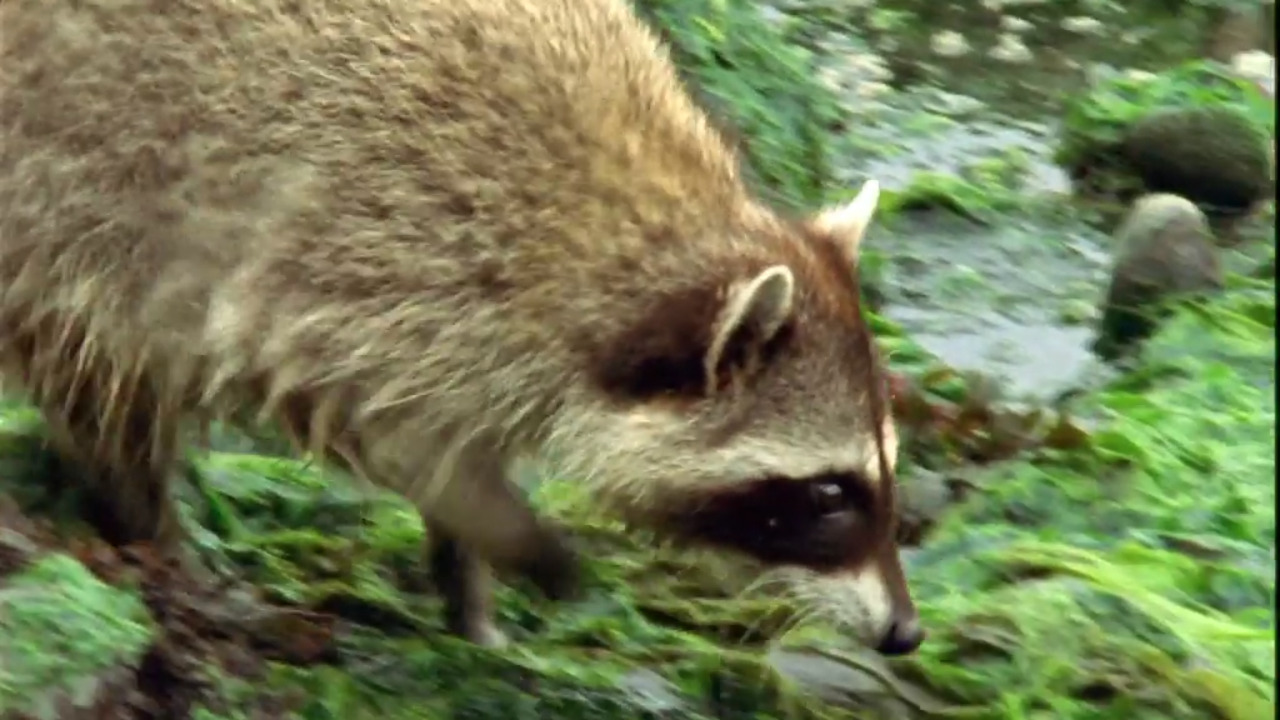
In Raccoons at Low Tide, narrator Sir David Attenborough describes what happens during the powerful spring tides. Learn how the pull of the Moon and the Sun impact the tides and how animals, like raccoons, take advantage of low tide. This video is excerpted from BBC’s Blue Planet, a definitive documentary series diving into the mysterious depths of the sea to discover the natural history of the world’s oceans and the rarely seen marine life that reside there.
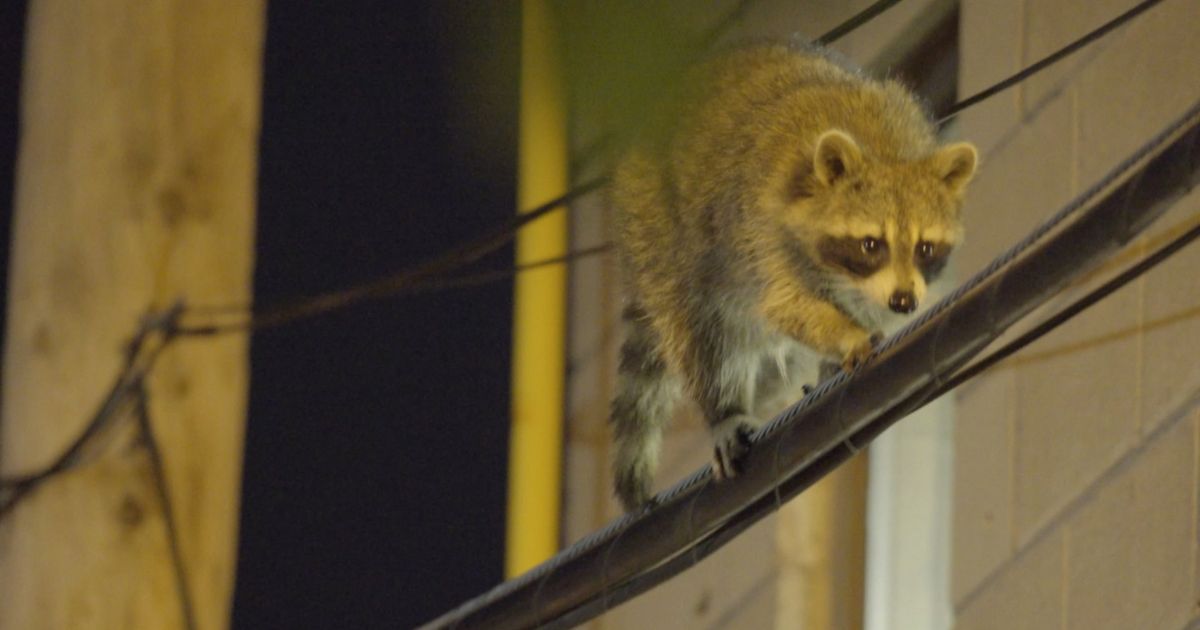
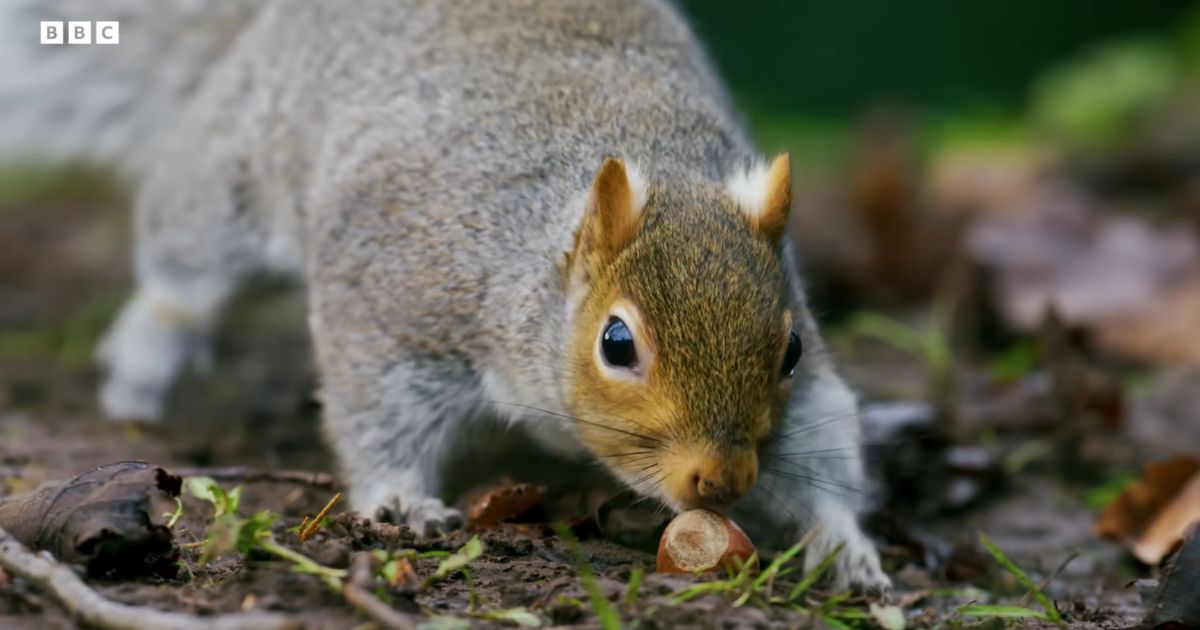
In Raccoons at Low Tide, narrator Sir David Attenborough describes what happens during the powerful spring tides. Learn how the pull of the Moon and the Sun impact the tides and how animals, like raccoons, take advantage of low tide. This video is excerpted from BBC’s Blue Planet, a definitive documentary series diving into the mysterious depths of the sea to discover the natural history of the world’s oceans and the rarely seen marine life that reside there.