9/11: Two Decades Later
Twenty years after the tragic events of 9/11, we examine whether the attacks marked a fundamental shift in global history or if they simply marked a chapter in a larger, ongoing global transformation.
The article "9/11: Two Decades Later" from BBC's HistoryExtra is a reflection on the lasting impacts of the September 11 attacks. It explores whether 9/11 genuinely altered the course of global history, shaping U.S. foreign policy, the "war on terror," and global security. Despite its undeniable effect on U.S. politics, the article questions whether 9/11 was a defining moment in the broader context of geopolitical changes, particularly in relation to China and the Middle East.

BBC's HistoryExtra is devoted to both British and world history and aimed at readers of all levels of knowledge and interest. Learn more about subscriptions here.

BBC's HistoryExtra is devoted to both British and world history and aimed at readers of all levels of knowledge and interest. Learn more about subscriptions here.
Most passages are available in three different versions: Level 1 (Grade 3-5), Level 2 (Grade 6-8), and Level 3 (Grade 9-12). Some more complex texts are available only in Level 2 and Level 3. Use the versions that are most appropriate for the students in your class.
Note: The BBC Learning Hub Editorial Team made use of AI tools to create multiple versions of this article, each tailored to different student reading levels. Every version undergoes a thorough review by our BBC Learning editors to ensure accuracy, quality, and appropriateness.

You Might Also Like

The article "This Is the Strangest Weapon the U.S. Military Doesn't Want You to Know About" from BBC's Science Focus delves into the secretive nature of military innovations. It highlights Fogbank, a classified material used in nuclear warheads, and discusses how its manufacturing process was lost and later rediscovered.

The article "The Manhattan Project: Building the First Atomic Bomb" from BBC's HistoryExtra explains how a top-secret U.S. military project developed the world’s first atomic bomb during World War II. It covers the project's origins, key figures like J. Robert Oppenheimer, and the devastating bombings of Hiroshima and Nagasaki that marked the start of the Atomic Age.

The article "5 Key Events That Changed the U.S. Civil Rights Movement" from BBC's HistoryExtra explores five defining moments that shaped the fight for racial equality in America.
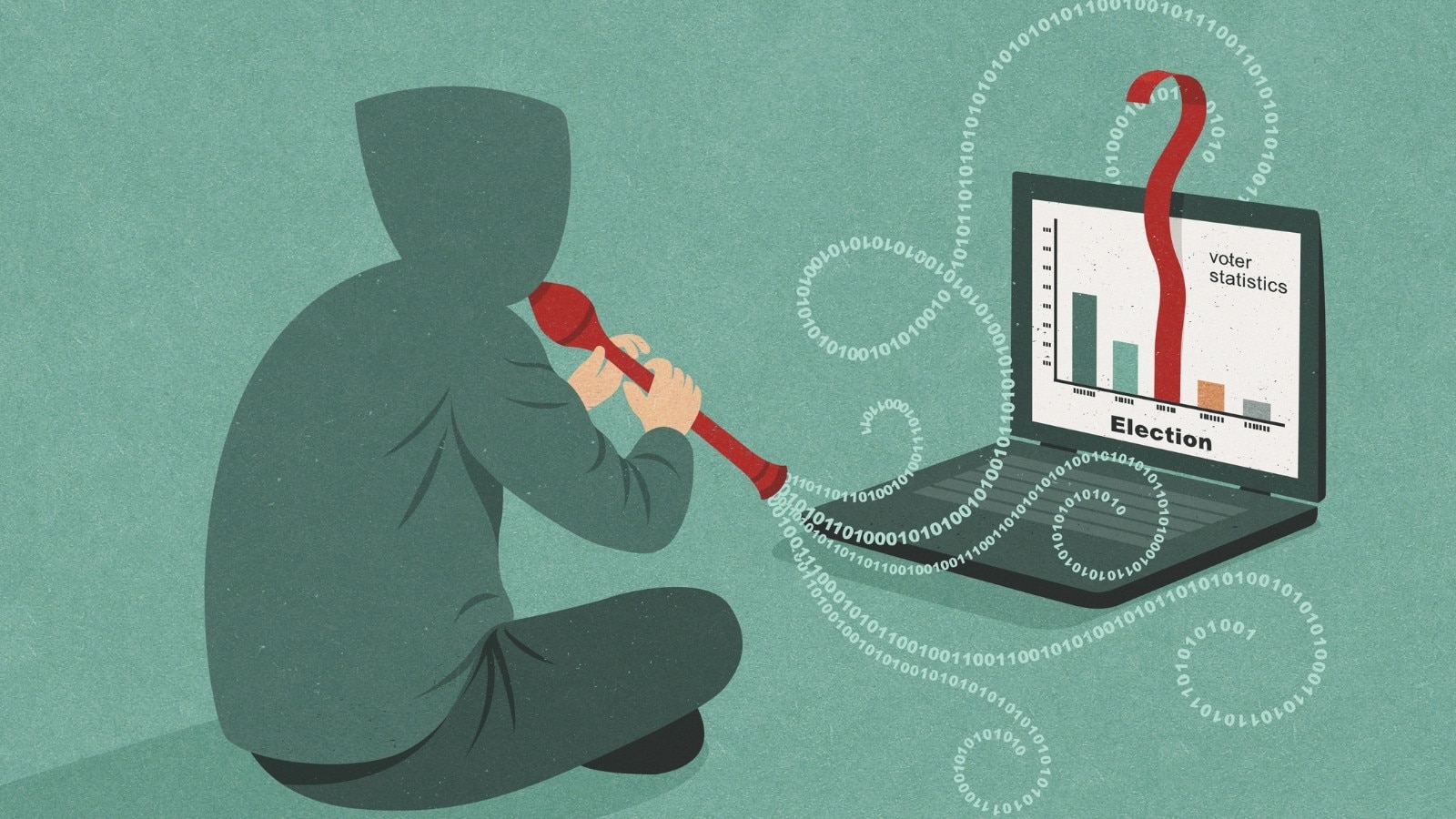
The article "How Technology Can Secure Future Elections From Hacking" from BBC's Science Focus explores the risks of election hacking and the technologies that could safeguard voting integrity.
The article "This Is the Strangest Weapon the U.S. Military Doesn't Want You to Know About" from BBC's Science Focus delves into the secretive nature of military innovations. It highlights Fogbank, a classified material used in nuclear warheads, and discusses how its manufacturing process was lost and later rediscovered.
The article "The Manhattan Project: Building the First Atomic Bomb" from BBC's HistoryExtra explains how a top-secret U.S. military project developed the world’s first atomic bomb during World War II. It covers the project's origins, key figures like J. Robert Oppenheimer, and the devastating bombings of Hiroshima and Nagasaki that marked the start of the Atomic Age.
The article "5 Key Events That Changed the U.S. Civil Rights Movement" from BBC's HistoryExtra explores five defining moments that shaped the fight for racial equality in America.
The article "How Technology Can Secure Future Elections From Hacking" from BBC's Science Focus explores the risks of election hacking and the technologies that could safeguard voting integrity.