Pollinators and Plants, Nature’s Perfect Pair
In Pollinators and Plants, Nature’s Perfect Pair, narrator Sir David Attenborough explores the fascinating teamwork — and clever defenses — between plants and pollinators! Monarch butterflies rely on milkweed plants for laying eggs and gathering nectar, but the plant defends itself with a sap that challenges the caterpillars. Meanwhile, the Heliconia plant carefully rations nectar to keep the hummingbird returning, as only this bird’s uniquely shaped beak can pollinate it! This video is excerpted from BBC's Life, a show that explores the remarkable strategies animals and plants use to ensure their survival.
Sir David Attenborough looks at the extraordinary ends to which animals and plants go in order to survive. Learn more.
Lesson Express
Q: How do the relationships between the plants and their pollinators show that survival can depend on working together?
A: The milkweed plant needs the monarch to pollinate it, while the monarch caterpillars need the plant for food. The Heliconia plant depends on the hummingbird to pollinate it, and the hummingbird needs the plant for nectar. Both plants and pollinators need each other to survive.
Q: Why are plants and pollinators so important to our ecosystem?
A: Plants and pollinators are important because they help each other grow and reproduce. Pollinators, like bees, butterflies, and hummingbirds, move pollen from one plant to another, which helps the plants make seeds. Without pollinators, many plants wouldn’t be able to reproduce, and that would affect the animals that depend on those plants for food.
Q: How do the milkweed plant and monarch butterflies help each other, even though the plant has a defense?
A: The monarch butterflies lay their eggs on the plant and also help pollinate it while they drink its nectar. But the milkweed has a defense: it makes a sticky sap that kills most of the caterpillars. The caterpillars that survive this sap get stronger and learn how to safely eat the leaves, allowing them to grow and morph into butterflies.
More Like This
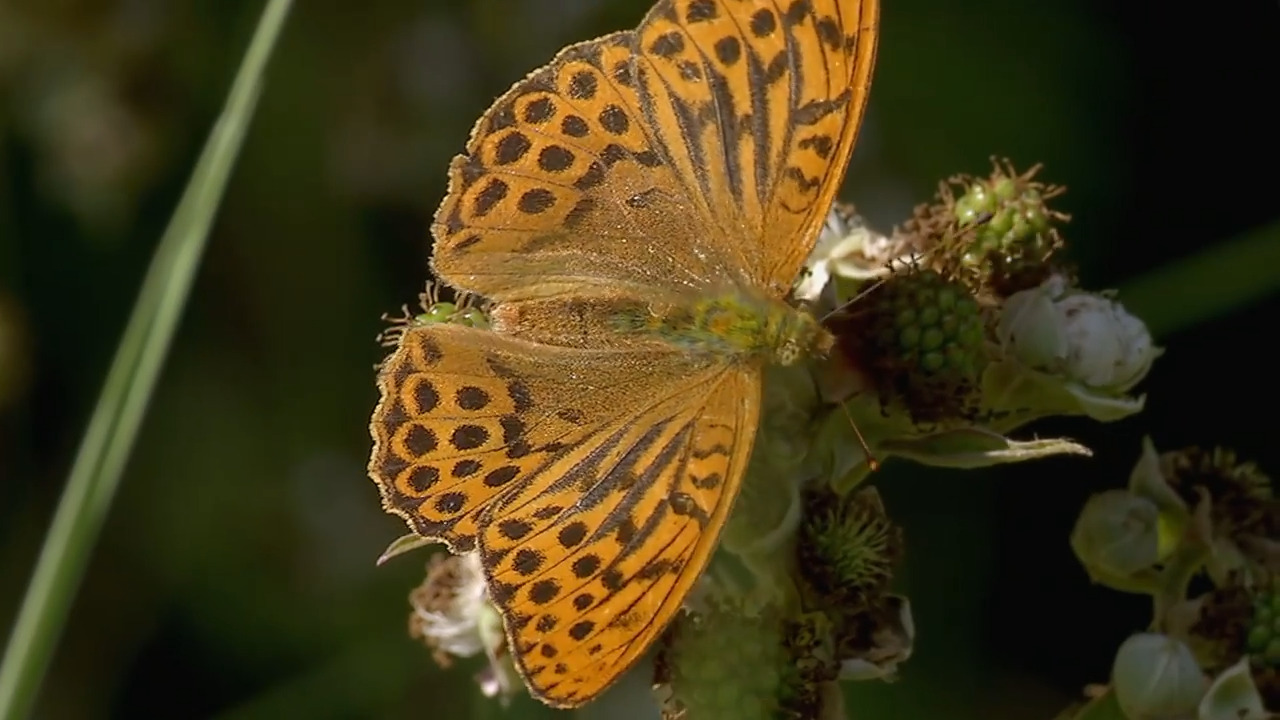
In Butterfly Tales, learn how butterflies bring joy and beauty to the world as they flutter into gardens and woods each spring. Dr. Bullman, a butterfly expert, shows how tracking butterflies helps scientists understand if the environment is healthy or not. She explains how to tell butterflies and moths apart — like how butterflies rest with their wings up, while moths rest with their wings flat. This video is excerpted from BBC’s Countryfile, which explores rural life and traditions of the countryside.
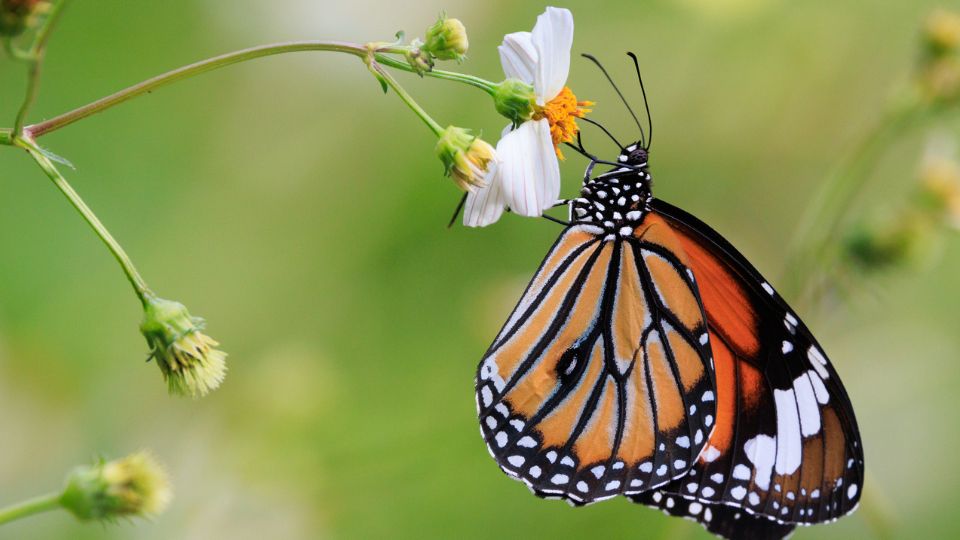
Bright, delicate, and full of surprises, butterflies are more than just beautiful insects — they’re masters of transformation. Starting life as tiny eggs, they go through an incredible metamorphosis before emerging with colorful wings that help them migrate, absorb sunlight, and regulate their body temperature.
From caterpillars to spiracles, this is a great quiz to help students ages 8–14 become butterfly know-it-alls.
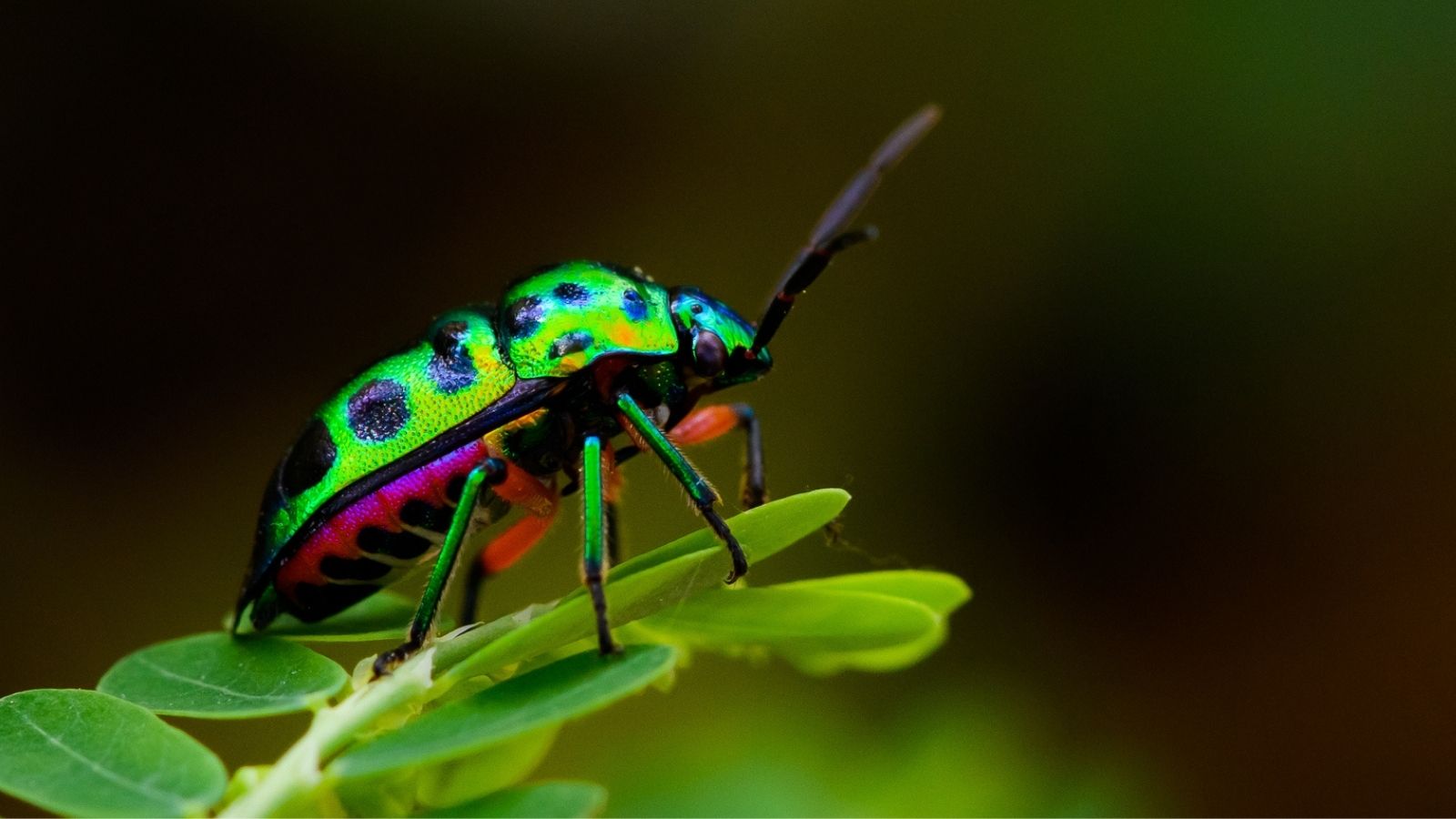
Discover the amazing hunting techniques of cave glow worms, witness the transformation of lake fly midges, and delve into the mysteries of bioluminescence in the jungle night. Prepare for a close-up look at the miniature marvels all around us!
In Butterfly Tales, learn how butterflies bring joy and beauty to the world as they flutter into gardens and woods each spring. Dr. Bullman, a butterfly expert, shows how tracking butterflies helps scientists understand if the environment is healthy or not. She explains how to tell butterflies and moths apart — like how butterflies rest with their wings up, while moths rest with their wings flat. This video is excerpted from BBC’s Countryfile, which explores rural life and traditions of the countryside.
Bright, delicate, and full of surprises, butterflies are more than just beautiful insects — they’re masters of transformation. Starting life as tiny eggs, they go through an incredible metamorphosis before emerging with colorful wings that help them migrate, absorb sunlight, and regulate their body temperature.
From caterpillars to spiracles, this is a great quiz to help students ages 8–14 become butterfly know-it-alls.
Discover the amazing hunting techniques of cave glow worms, witness the transformation of lake fly midges, and delve into the mysteries of bioluminescence in the jungle night. Prepare for a close-up look at the miniature marvels all around us!