The Female Future Engineers of India
In The Female Future Engineers of India, Sue Perkins travels to Patna, India, where she learns about a school helping girls become engineers. These schools, which have grown from three to 18 in just 20 years, are empowering young women to chase big dreams. While the girls share their hopes for the future, they discuss how, despite their education, their parents still have the final say in who they marry. Sue highlights how, over the past couple of decades, these women have gone from staying at home to gaining powerful skills for their careers. This video is excerpted from BBC’s The Ganges with Sue Perkins, which showcases Sue’s journey along the Ganges River, exploring its cultural and spiritual significance in India.
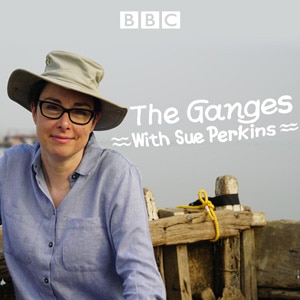
Sue Perkins undertakes an epic, personal journey to the source of India's Ganges River in the Himalayas, meeting hermits and holy men to understand the sacred nature of this river. Learn more.
Lesson Express
Q: How do cultural traditions affect the futures of the girls in the video, and how do they deal with those traditions?
A: In their culture, women are often expected to marry based on things like money and family connections, not love or personal choice. While the girls are learning to be engineers and are changing the way things are done, they still have to respect their parents' wishes, which shows how tough it can be to change old traditions.
Q: Why are the girls in the video so determined to become engineers, even though they face challenges?
A: The girls want to prove that women can do anything, even in a society where they’re expected to stay quiet or follow certain roles. They’re motivated to break those norms and show other women that they can have careers in fields like engineering.
Q: How does the education the girls are getting at the school help them in their future?
A: The school teaches them skills that can help them become engineers, giving them the chance to do things that were once impossible for women in their community. This education opens up new career opportunities and helps them build a more independent and successful future.
You Might Also Like
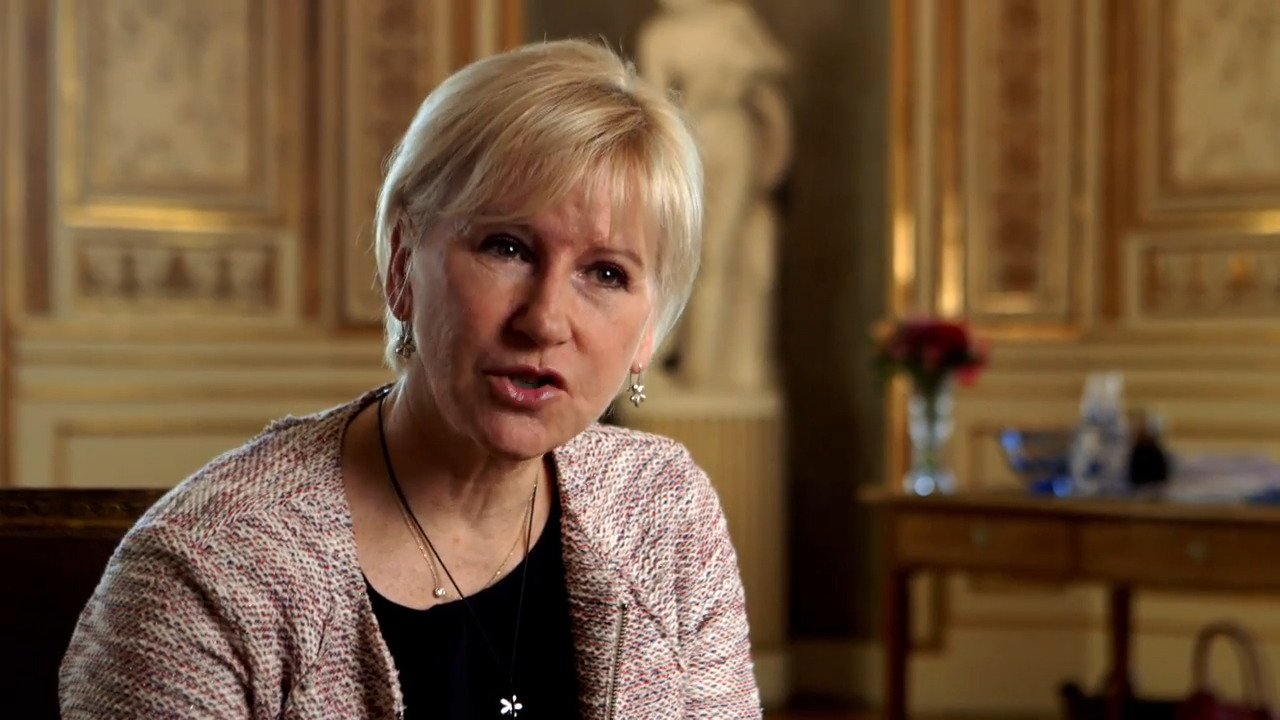
In Margot Wallström, Foreign Minister of Sweden, Wallström, who served from 2014 to 2019, talks about her decision to run a feminist foreign policy. She explains how this policy looks at the world’s problems from a gender perspective, asking whether women have the same rights, representation, and resources as men. Wallström shares how growing up in Sweden, one of Europe’s most equal societies, shaped her beliefs in unrestricted hope for the future. She also reflects on the extra scrutiny women face, such as having their appearance commented on, rather than focusing on their work. This video is excerpted from BBC’s Her Story: The Female Revolution, which explores the history and impact of women’s rights movements and achievements of women.
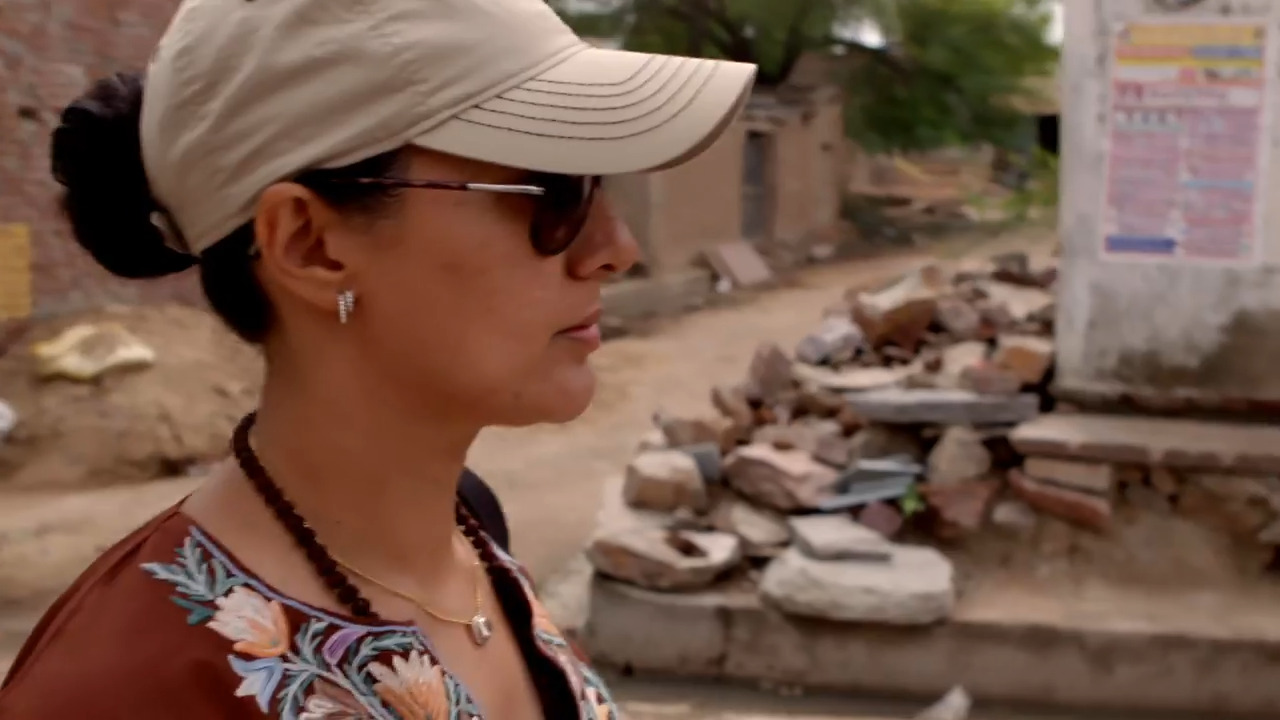
In Chhavi Rajawat, Local Leader in India, learn how Rajawat left her corporate career to serve her rural community in India. After new quotas increased opportunities for women leaders, she took on a mayor-like role to help address poverty and challenges faced by villagers, especially women. This video is excerpted from BBC's Her Story: The Female Revolution, which explores the history and impact of women’s rights movements and achievements of women.
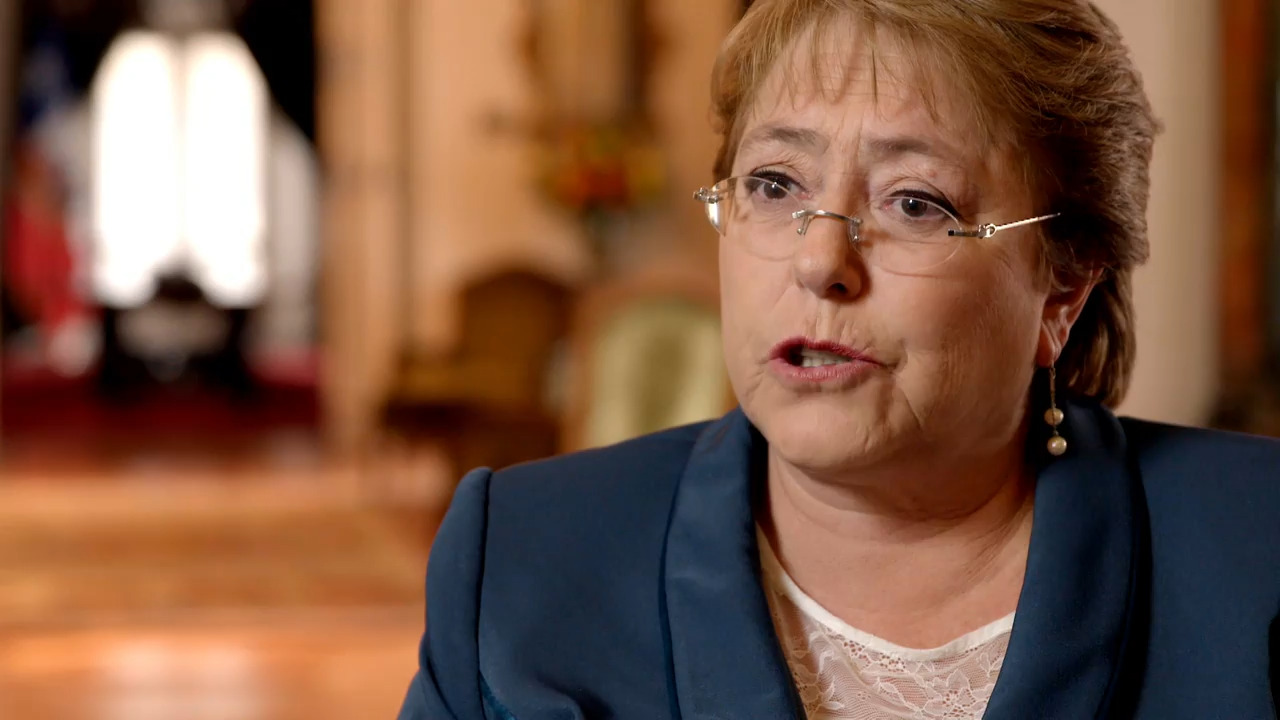
In Michelle Bachelet, Chile's First Woman President, learn how Michelle Bachelet challenged traditional expectations in a conservative country. As an atheist and a divorced single mother, she promoted gender equality by appointing an equal number of men and women to her cabinet, reshaping leadership norms. This video is excerpted from BBC's Her Story: The Female Revolution, which explores the history and impact of women’s rights movements and achievements of women.
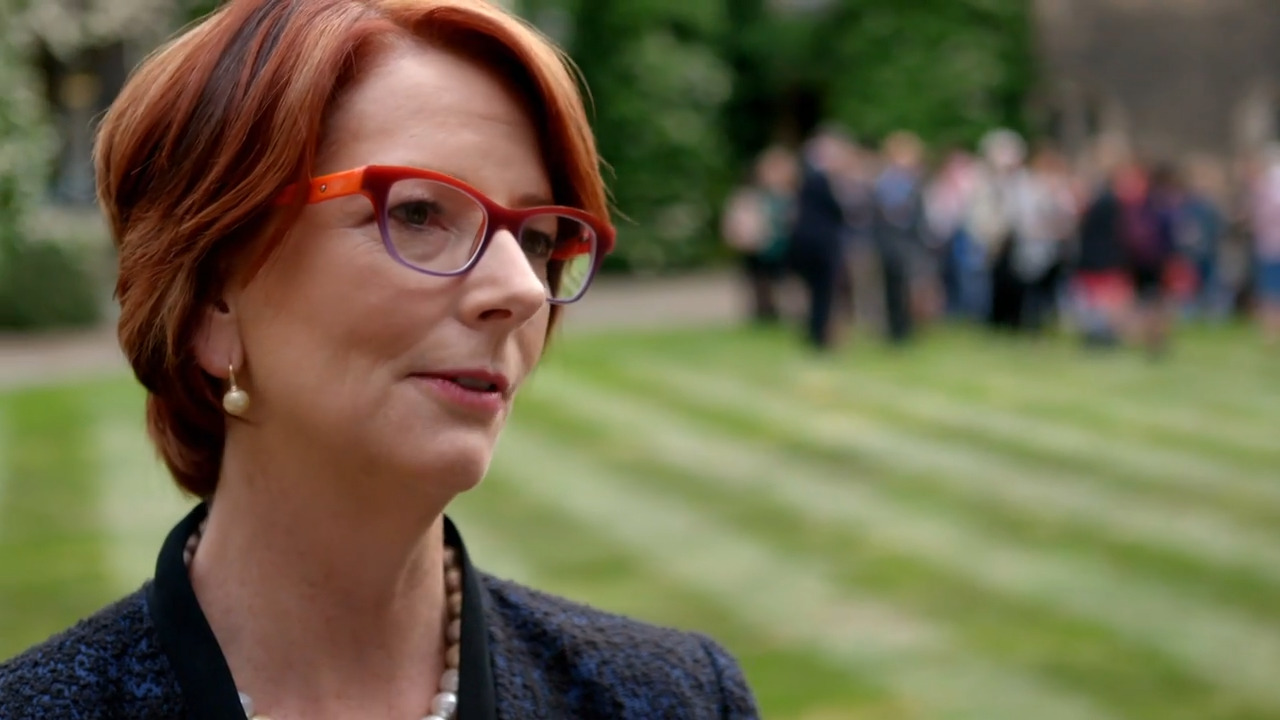
In Julia Gillard, Education Advocate, listen as the former Australian Prime Minister reflects on her leadership and her work to expand education opportunities for girls worldwide. Drawing from her family’s experience with poverty and limited schooling, she advocates for equal access to education while facing criticism and gender bias during her political career. This video is excerpted from BBC's Her Story: The Female Revolution, which explores the history and impact of women’s rights movements and achievements of women.
In Margot Wallström, Foreign Minister of Sweden, Wallström, who served from 2014 to 2019, talks about her decision to run a feminist foreign policy. She explains how this policy looks at the world’s problems from a gender perspective, asking whether women have the same rights, representation, and resources as men. Wallström shares how growing up in Sweden, one of Europe’s most equal societies, shaped her beliefs in unrestricted hope for the future. She also reflects on the extra scrutiny women face, such as having their appearance commented on, rather than focusing on their work. This video is excerpted from BBC’s Her Story: The Female Revolution, which explores the history and impact of women’s rights movements and achievements of women.
In Chhavi Rajawat, Local Leader in India, learn how Rajawat left her corporate career to serve her rural community in India. After new quotas increased opportunities for women leaders, she took on a mayor-like role to help address poverty and challenges faced by villagers, especially women. This video is excerpted from BBC's Her Story: The Female Revolution, which explores the history and impact of women’s rights movements and achievements of women.
In Michelle Bachelet, Chile's First Woman President, learn how Michelle Bachelet challenged traditional expectations in a conservative country. As an atheist and a divorced single mother, she promoted gender equality by appointing an equal number of men and women to her cabinet, reshaping leadership norms. This video is excerpted from BBC's Her Story: The Female Revolution, which explores the history and impact of women’s rights movements and achievements of women.
In Julia Gillard, Education Advocate, listen as the former Australian Prime Minister reflects on her leadership and her work to expand education opportunities for girls worldwide. Drawing from her family’s experience with poverty and limited schooling, she advocates for equal access to education while facing criticism and gender bias during her political career. This video is excerpted from BBC's Her Story: The Female Revolution, which explores the history and impact of women’s rights movements and achievements of women.