Margot Wallström, Foreign Minister of Sweden
In Margot Wallström, Foreign Minister of Sweden, Wallström, who served from 2014 to 2019, talks about her decision to run a feminist foreign policy. She explains how this policy looks at the world’s problems from a gender perspective, asking whether women have the same rights, representation, and resources as men. Wallström shares how growing up in Sweden, one of Europe’s most equal societies, shaped her beliefs in unrestricted hope for the future. She also reflects on the extra scrutiny women face, such as having their appearance commented on, rather than focusing on their work. This video is excerpted from BBC’s Her Story: The Female Revolution, which explores the history and impact of women’s rights movements and achievements of women.
With access to some of the most powerful and influential women in the world, as well as women working at the grassroots level, BBC World News explores how women are taking charge and leading in an often male-dominated world. Learn more.
Lesson Express
Q: Why was Margot Wallström’s feminist foreign policy initially controversial, and how did she address these concerns?
A: Wallström’s feminist foreign policy was controversial because the term "feminism" has negative connotations in some countries. She addressed this by explaining that the policy focuses on analyzing the challenges women face globally and ensuring their rights, representation, and resources are prioritized in Sweden’s foreign diplomacy.
Q: In what ways do women in leadership roles, like Wallström, experience scrutiny differently from their male counterparts?
A: Women in leadership roles are often scrutinized for their appearance, such as their clothing and looks, in addition to their policies and actions. This kind of gender-specific scrutiny highlights the different expectations placed on women compared with men in politics.
Q: How does Wallström’s feminist foreign policy aim to create change on a global scale for women?
A: Wallström’s feminist foreign policy is designed to ensure that women’s rights, needs, and equal representation are considered in global decision-making. By committing to these values, Sweden’s government seeks to influence international diplomacy and improve the lives of women worldwide.
You Might Also Like
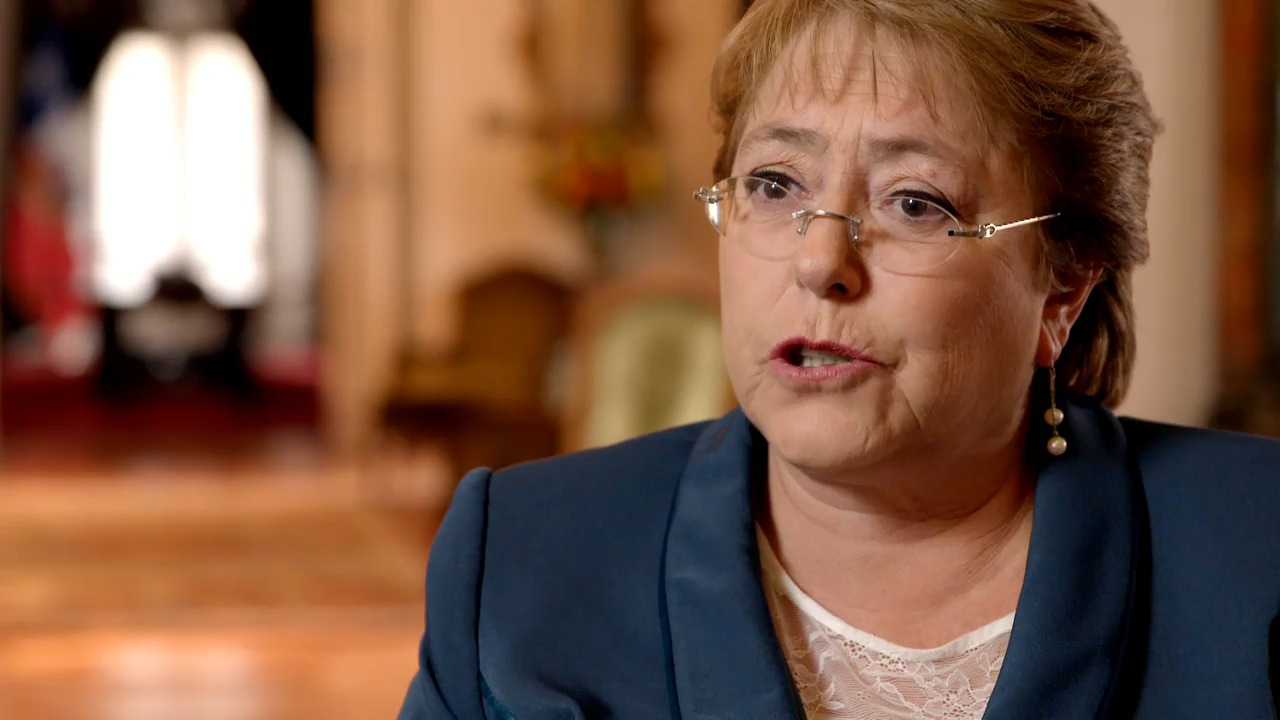
In Michelle Bachelet, Chile's First Woman President, learn how Michelle Bachelet challenged traditional expectations in a conservative country. As an atheist and a divorced single mother, she promoted gender equality by appointing an equal number of men and women to her cabinet, reshaping leadership norms. This video is excerpted from BBC's Her Story: The Female Revolution, which explores the history and impact of women’s rights movements and achievements of women.
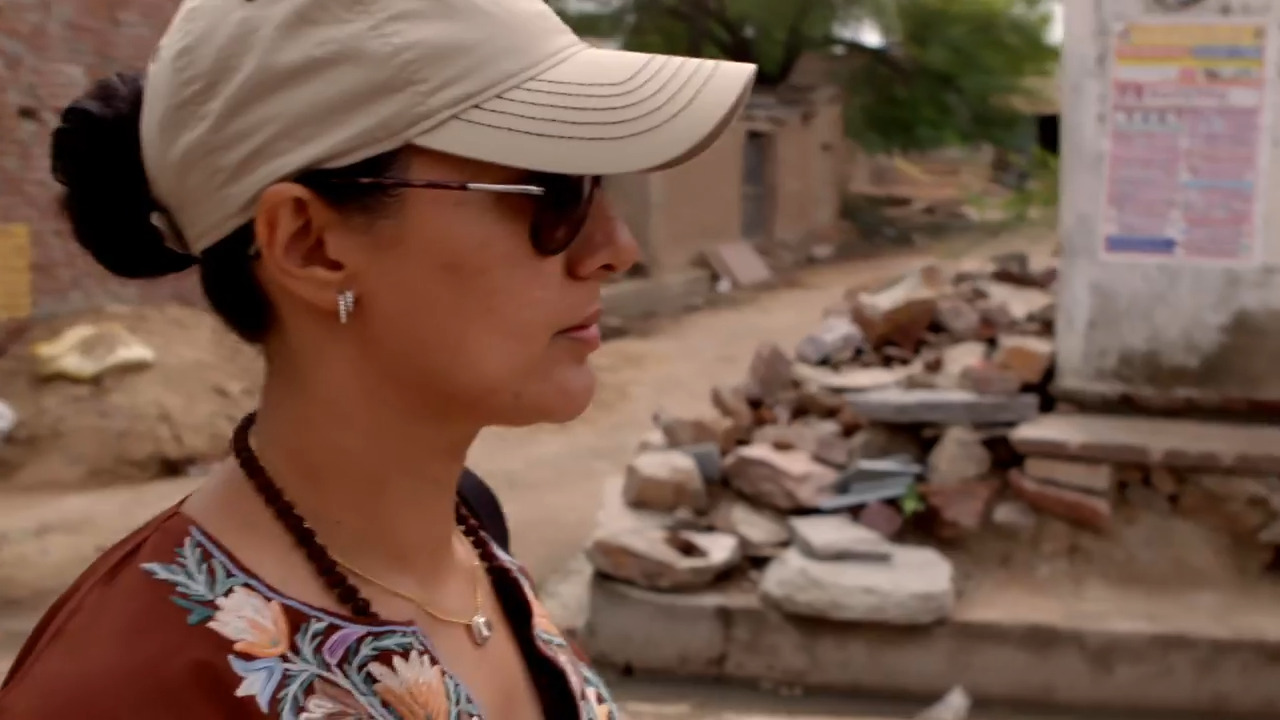
In Chhavi Rajawat, Local Leader in India, learn how Rajawat left her corporate career to serve her rural community in India. After new quotas increased opportunities for women leaders, she took on a mayor-like role to help address poverty and challenges faced by villagers, especially women. This video is excerpted from BBC's Her Story: The Female Revolution, which explores the history and impact of women’s rights movements and achievements of women.
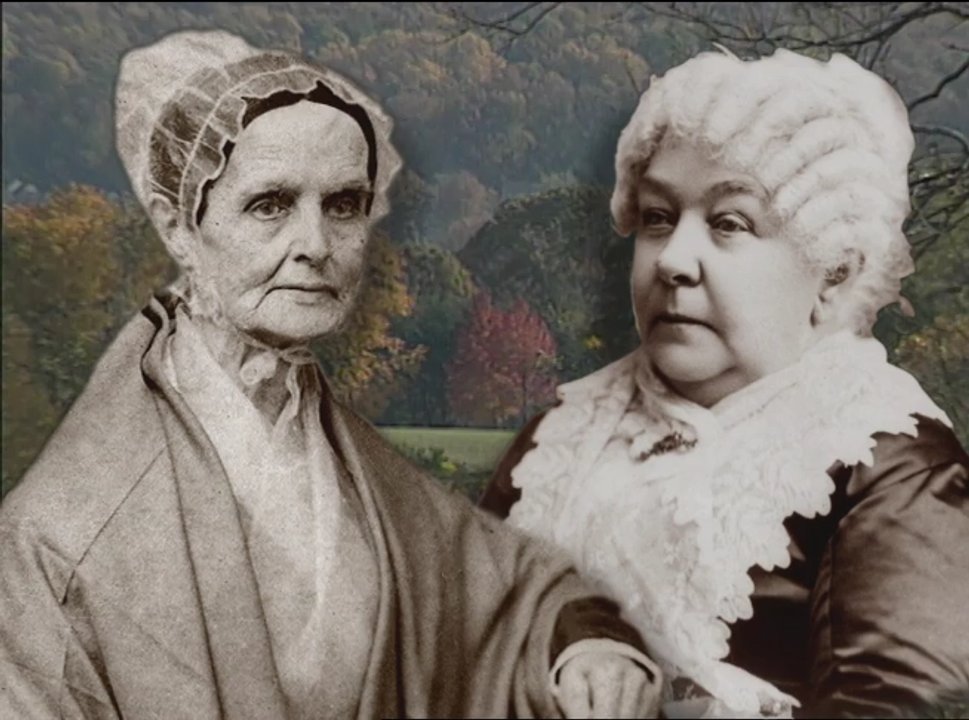
In the early 1800s, religious revivals and reform movements inspired Americans to challenge social inequalities. In 1848, women’s rights advocates Lucretia Mott and Elizabeth Cady Stanton helped organize the Seneca Falls Convention in New York, the first major women’s rights convention in the United States. About 300 people attended the gathering to discuss women’s legal, social, and political status.
At the convention, participants approved the Declaration of Sentiments, a document modeled on the Declaration of Independence that declared, “All men and women are created equal.” It outlined inequalities women faced, including the denial of voting rights and limited access to education, professions, and legal protections. One hundred people signed the declaration, helping bring greater attention to the women’s rights movement. The Seneca Falls Convention became an important milestone in the long struggle for gender equality.
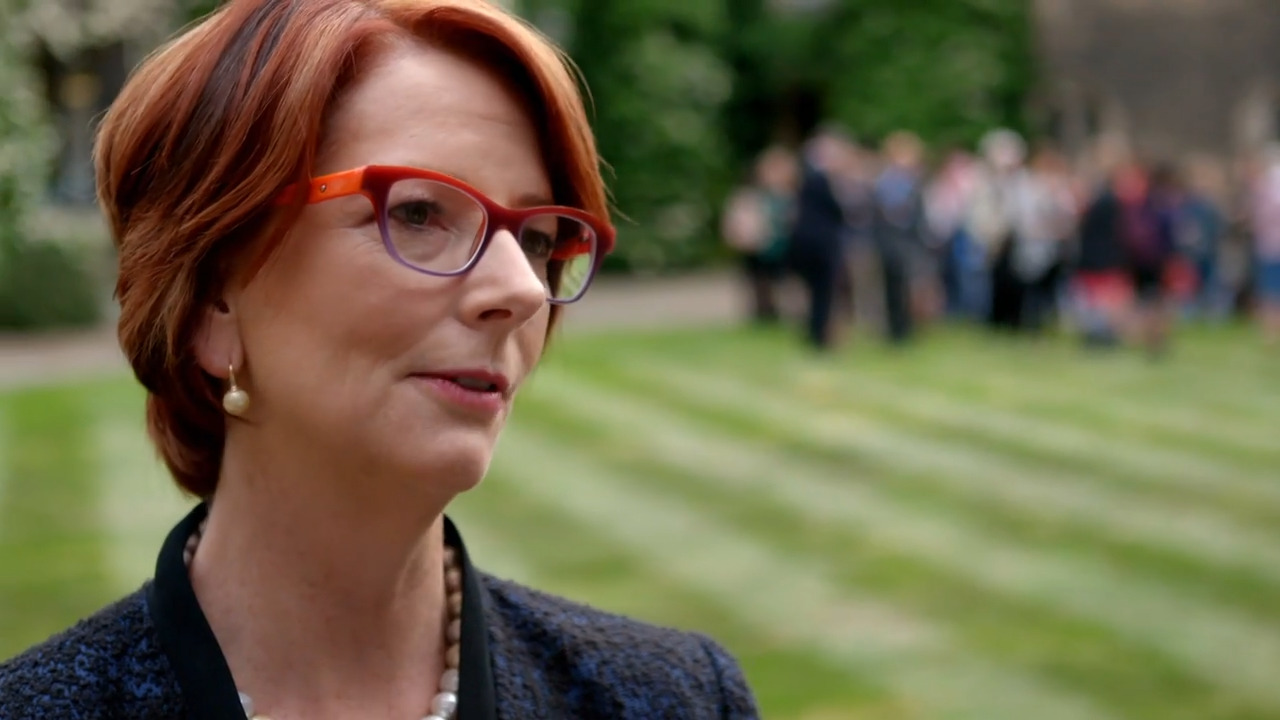
In Julia Gillard, Education Advocate, listen as the former Australian Prime Minister reflects on her leadership and her work to expand education opportunities for girls worldwide. Drawing from her family’s experience with poverty and limited schooling, she advocates for equal access to education while facing criticism and gender bias during her political career. This video is excerpted from BBC's Her Story: The Female Revolution, which explores the history and impact of women’s rights movements and achievements of women.
In Michelle Bachelet, Chile's First Woman President, learn how Michelle Bachelet challenged traditional expectations in a conservative country. As an atheist and a divorced single mother, she promoted gender equality by appointing an equal number of men and women to her cabinet, reshaping leadership norms. This video is excerpted from BBC's Her Story: The Female Revolution, which explores the history and impact of women’s rights movements and achievements of women.
In Chhavi Rajawat, Local Leader in India, learn how Rajawat left her corporate career to serve her rural community in India. After new quotas increased opportunities for women leaders, she took on a mayor-like role to help address poverty and challenges faced by villagers, especially women. This video is excerpted from BBC's Her Story: The Female Revolution, which explores the history and impact of women’s rights movements and achievements of women.
In the early 1800s, religious revivals and reform movements inspired Americans to challenge social inequalities. In 1848, women’s rights advocates Lucretia Mott and Elizabeth Cady Stanton helped organize the Seneca Falls Convention in New York, the first major women’s rights convention in the United States. About 300 people attended the gathering to discuss women’s legal, social, and political status.
At the convention, participants approved the Declaration of Sentiments, a document modeled on the Declaration of Independence that declared, “All men and women are created equal.” It outlined inequalities women faced, including the denial of voting rights and limited access to education, professions, and legal protections. One hundred people signed the declaration, helping bring greater attention to the women’s rights movement. The Seneca Falls Convention became an important milestone in the long struggle for gender equality.
In Julia Gillard, Education Advocate, listen as the former Australian Prime Minister reflects on her leadership and her work to expand education opportunities for girls worldwide. Drawing from her family’s experience with poverty and limited schooling, she advocates for equal access to education while facing criticism and gender bias during her political career. This video is excerpted from BBC's Her Story: The Female Revolution, which explores the history and impact of women’s rights movements and achievements of women.