Iraq's Enduring Legacy
In Iraq's Enduring Legacy, archaeologist and historian Richard Miles reflects on Iraq’s enduring yet vulnerable legacy. Modern Iraq was once Mesopotamia, where the first civilization emerged and the area has developed ever since. This video is excerpted from BBC’s Ancient Worlds, an epic series with archaeologist and historian Richard Miles as he explores the roots of civilization from Mesopotamia to the fall of the Roman Empire.
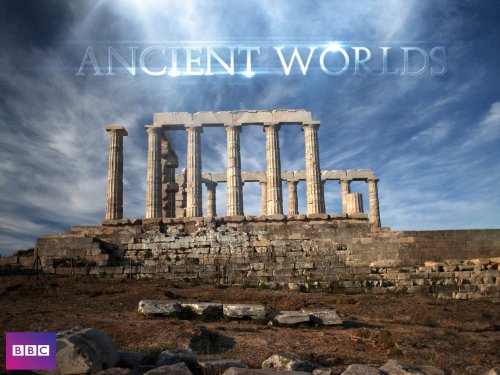
From the creation of the first cities in Mesopotamia to the fall of the Roman Empire, this epic historical documentary series explores the roots of civilization. Learn more.
Lesson Express
Q: What did the ancient Greeks mean by the term “eunomia”? What did this have to do with civilization?
A: The Greeks defined it as "good order." “Eumonia” was the cornerstone of successful civilization.
Q: What has happened in modern Iraq? What does modern Iraq show us about civilization?
A: Recent wars have created havoc and showed people how fragile civilization can be.
Q: What are some geographical features of this region?
A: It is between two rivers and between two bodies of water. It is also between mountains and a desert, and between lagoons and a salt marsh.
You Might Also Like

In Oppenheimer’s Atomic Bombs and the End of World War II, host Andrew Marr describes how J. Robert Oppenheimer developed the technology to end World War II with two atomic bombs dropped on the Japanese cities of Hiroshima and Nagasaki. Before the bombs were dropped, Oppenheimer calculated how to drop them to create the most damage. After the war was over, Oppenheimer felt conflicted about the creation of the bombs. This video is excerpted from BBC’s Andrew Marr's History of the World, a story of human history that uses reenactments, modern footage, and storytelling to explain history’s greatest achievements.
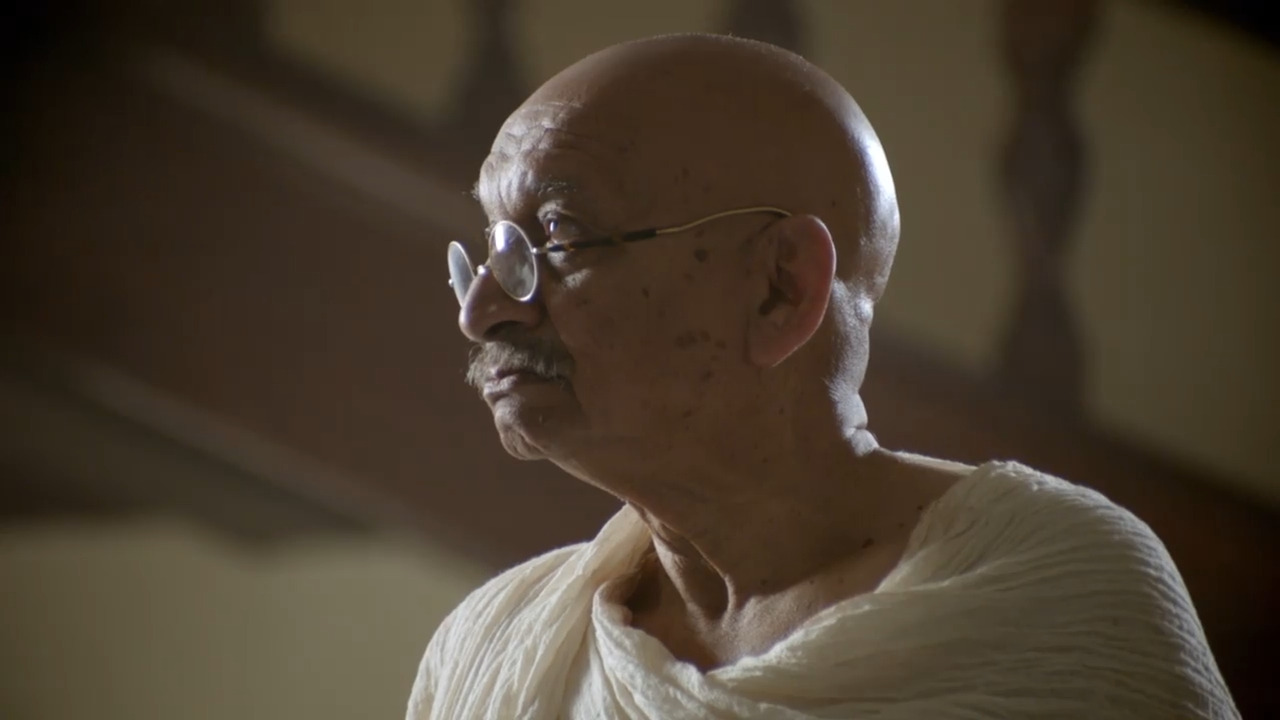
In Gandhi’s Campaign and the Fall of an Empire, host Andrew Marr details how Gandhi sent a letter to the Viceroy demanding freedom from British rule. When the letter was ignored, Gandhi began his campaign for Indian freedom. Inspired by the Boston Tea Party, and using the media to garner support, Gandhi engaged in protests that led to India’s independence. This video is excerpted from BBC’s Andrew Marr's History of the World, a story of human history that uses reenactments, modern footage, and storytelling to explain history’s greatest achievements.
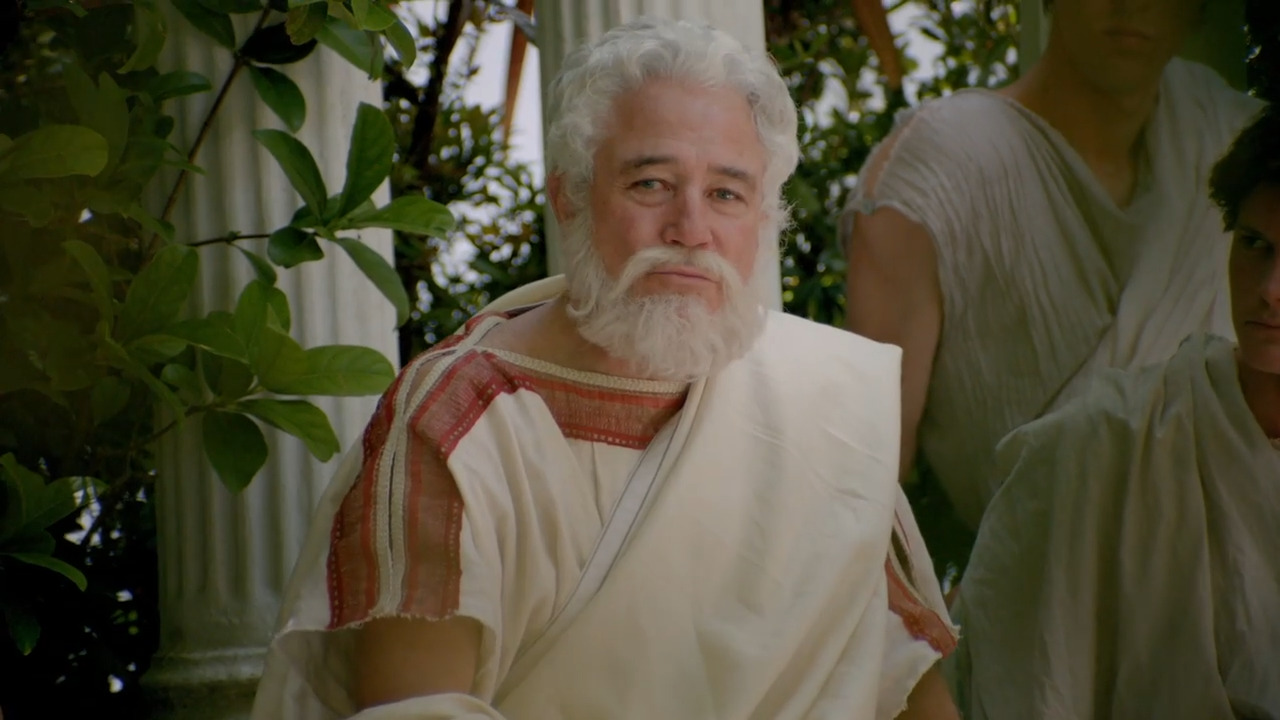
In The Death of Socrates, host Andrew Marr explains how Socrates was condemned to death for challenging authority and corrupting the youth of Athens. However, his ideas lived on long after he was forced to drink hemlock. This video is excerpted from BBC’s Andrew Marr's History of the World, a story of human history that uses reenactments, modern footage, and storytelling to explain history’s greatest achievements.
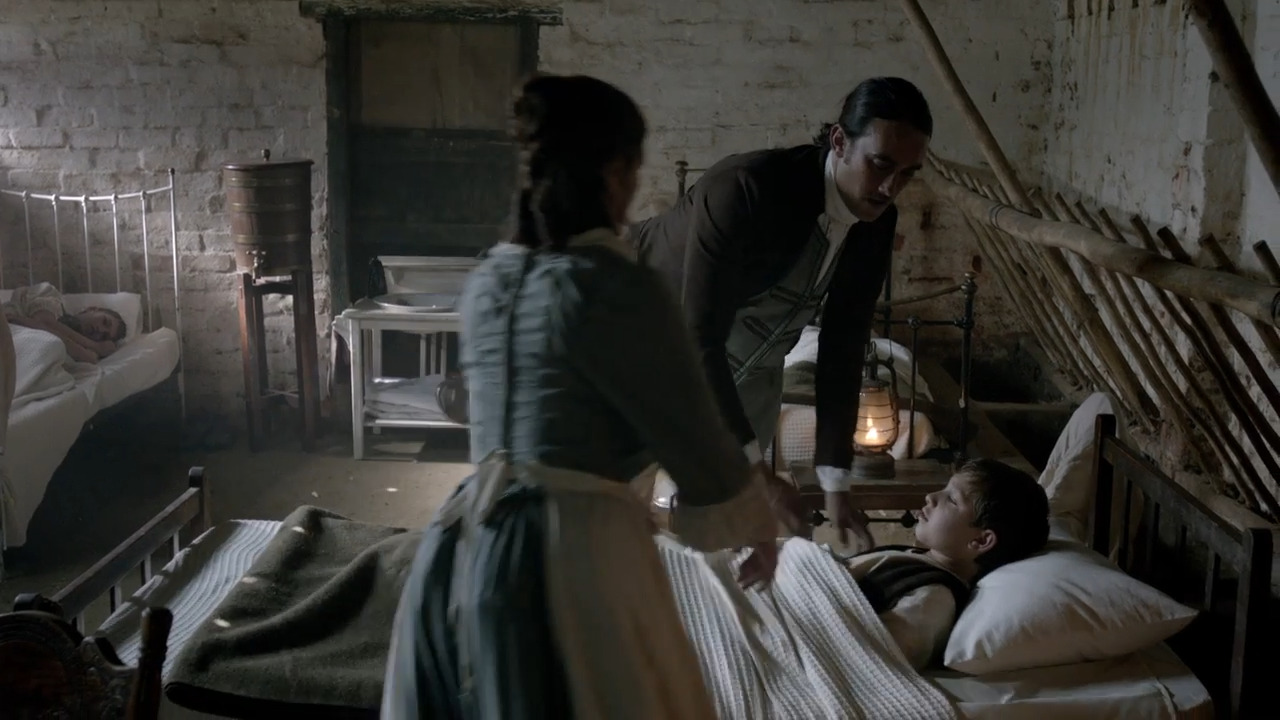
In From Cowpox to a Smallpox Vaccine, host Andrew Marr introduces us to Edward Jenner, a young English doctor who was impacted by smallpox as a child. As an adult, he heard a rumor that people who catch cowpox were protected against smallpox. This sparked the idea for the first vaccine and produced a vaccine that would eradicate smallpox from the world, saving millions of lives. This video is excerpted from BBC’s Andrew Marr's History of the World, a story of human history that uses reenactments, modern footage, and storytelling to explain history’s greatest achievements.
In Oppenheimer’s Atomic Bombs and the End of World War II, host Andrew Marr describes how J. Robert Oppenheimer developed the technology to end World War II with two atomic bombs dropped on the Japanese cities of Hiroshima and Nagasaki. Before the bombs were dropped, Oppenheimer calculated how to drop them to create the most damage. After the war was over, Oppenheimer felt conflicted about the creation of the bombs. This video is excerpted from BBC’s Andrew Marr's History of the World, a story of human history that uses reenactments, modern footage, and storytelling to explain history’s greatest achievements.
In Gandhi’s Campaign and the Fall of an Empire, host Andrew Marr details how Gandhi sent a letter to the Viceroy demanding freedom from British rule. When the letter was ignored, Gandhi began his campaign for Indian freedom. Inspired by the Boston Tea Party, and using the media to garner support, Gandhi engaged in protests that led to India’s independence. This video is excerpted from BBC’s Andrew Marr's History of the World, a story of human history that uses reenactments, modern footage, and storytelling to explain history’s greatest achievements.
In The Death of Socrates, host Andrew Marr explains how Socrates was condemned to death for challenging authority and corrupting the youth of Athens. However, his ideas lived on long after he was forced to drink hemlock. This video is excerpted from BBC’s Andrew Marr's History of the World, a story of human history that uses reenactments, modern footage, and storytelling to explain history’s greatest achievements.
In From Cowpox to a Smallpox Vaccine, host Andrew Marr introduces us to Edward Jenner, a young English doctor who was impacted by smallpox as a child. As an adult, he heard a rumor that people who catch cowpox were protected against smallpox. This sparked the idea for the first vaccine and produced a vaccine that would eradicate smallpox from the world, saving millions of lives. This video is excerpted from BBC’s Andrew Marr's History of the World, a story of human history that uses reenactments, modern footage, and storytelling to explain history’s greatest achievements.