Internal Body Temperature
In Internal Body Temperature, evolutionary biologist Ben Garrod explores the vital role that internal body temperature plays in maintaining the stability of the skin and body. See how the body reacts in extreme temperatures, focusing on the effects of both heat and cold, and learn how insulation helps protect our internal stability. Gain insights into what happens to the body’s skin when subjected to extreme temperature changes. This video is excerpted from Secrets of Skin, a documentary series exploring the natural history of the body’s largest organ.
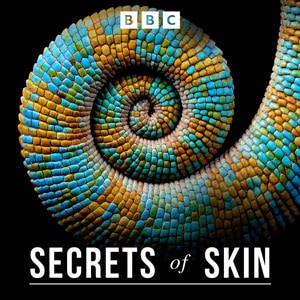
Professor Ben Garrod explores how skin has allowed vertebrates to conquer the planet. Learn more.
Lesson Express
Q: How does extreme heat affect the body’s skin and internal temperature?
A: The body sweats to cool itself down, and the skin may become red or irritated. If the body is too hot, heat stroke or heat exhaustion can occur.
Q: What happens when the body is exposed to extreme cold?
A: The body shivers to warm up, and the skin may turn pale or blue. Prolonged exposure can lead to hypothermia.
Q: How does insulation help regulate body temperature?
A: Insulation, such as fat or clothing, helps trap heat inside the body and prevents heat loss in cold environments.
You Might Also Like
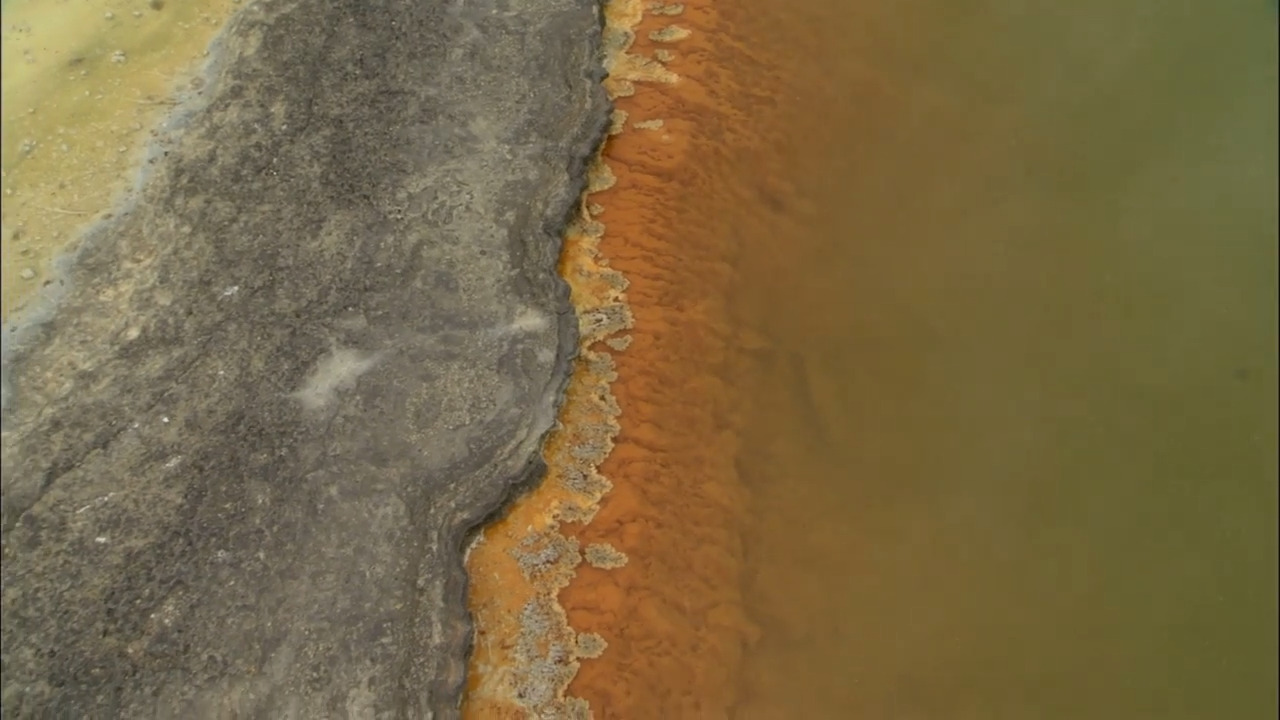
In Why CO₂ Is Crucial for Our Planet's Survival, geologist Iain Stewart explains how carbon dioxide is essential for life on Earth. Without enough, planets like Mars are freezing cold, while Venus is scorching hot because it has too much. Early volcanoes released carbon dioxide that helped keep the planet warm enough for life to evolve. Yet, scientists have discovered evidence of a catastrophic "Snowball Earth" event 700 million years ago, where the planet may have been completely frozen, as shown by mysterious drop stones found in Namibia. This video is excerpted from BBC’s Earth: The Power of the Planet, a documentary series in which Dr. Iain Stewart discovers how Earth's forces can shape nature, species, and even the climate.

In The World’s Deserts Heat Up, narrator Sir David Attenborough explains how Earth’s hottest temperatures have all been recorded in its deserts. The deserts are getting hotter more quickly than the global average. The shovel-snouted lizard adapts to the extreme heat by alternately lifting its feet from the hot ground, performing a kind of dance. This video is excerpted from BBC’s Planet Earth II, a breathtaking documentary series that highlights the natural wonders of our planet.

In Sweat Is the Body's Built-In Cooling System, evolutionary biologist Ben Garrod presents the important role sweat plays in keeping our body cool. Sweat helps regulate our body temperature and works to cool us down through a process called evaporation. Learn how sweat glands work, the effect of metabolism on sweating, and why we can even sweat in colder weather, to understand why sweating is essential for keeping our bodies safe and healthy. This video is excerpted from Secrets of Skin, a documentary series exploring the natural history of the body’s largest organ.
In Why CO₂ Is Crucial for Our Planet's Survival, geologist Iain Stewart explains how carbon dioxide is essential for life on Earth. Without enough, planets like Mars are freezing cold, while Venus is scorching hot because it has too much. Early volcanoes released carbon dioxide that helped keep the planet warm enough for life to evolve. Yet, scientists have discovered evidence of a catastrophic "Snowball Earth" event 700 million years ago, where the planet may have been completely frozen, as shown by mysterious drop stones found in Namibia. This video is excerpted from BBC’s Earth: The Power of the Planet, a documentary series in which Dr. Iain Stewart discovers how Earth's forces can shape nature, species, and even the climate.
In The World’s Deserts Heat Up, narrator Sir David Attenborough explains how Earth’s hottest temperatures have all been recorded in its deserts. The deserts are getting hotter more quickly than the global average. The shovel-snouted lizard adapts to the extreme heat by alternately lifting its feet from the hot ground, performing a kind of dance. This video is excerpted from BBC’s Planet Earth II, a breathtaking documentary series that highlights the natural wonders of our planet.
In Sweat Is the Body's Built-In Cooling System, evolutionary biologist Ben Garrod presents the important role sweat plays in keeping our body cool. Sweat helps regulate our body temperature and works to cool us down through a process called evaporation. Learn how sweat glands work, the effect of metabolism on sweating, and why we can even sweat in colder weather, to understand why sweating is essential for keeping our bodies safe and healthy. This video is excerpted from Secrets of Skin, a documentary series exploring the natural history of the body’s largest organ.