Got Science?: How Germs Spread Everywhere
In How Germs Spread Everywhere, host Harith Iskander takes a look at some of the germiest objects we touch every day. From ATM keypads to office mugs, common items are often covered in bacteria, including dangerous pathogens. Learn how organisms, including germs, can be transferred from one object to another and how bacteria spread in places we interact with daily. This video is excerpted from BBC’s Got Science?, a science magazine series that explores and explains science in everyday life.

A science magazine series that explores and explains the science in everyday life. Learn more.
Lesson Express
Q: Why are cash machine keypads and office mugs so germy?
A: These objects are frequently touched by many people and are often damp or not cleaned regularly, making them ideal for bacteria to grow.
Q: How do bacteria spread from one object to another?
A: When people touch dirty surfaces or objects, bacteria can transfer from the surface to their hands, and then to other things they touch.
Q: Why is washing hands important for stopping the spread of germs?
A: Washing hands with soap and water removes germs like bacteria, viruses, and fungi that can spread from surfaces, food, or people. This prevents them from spreading to your face or other surfaces, helping reduce the risk of illness.
You Might Also Like
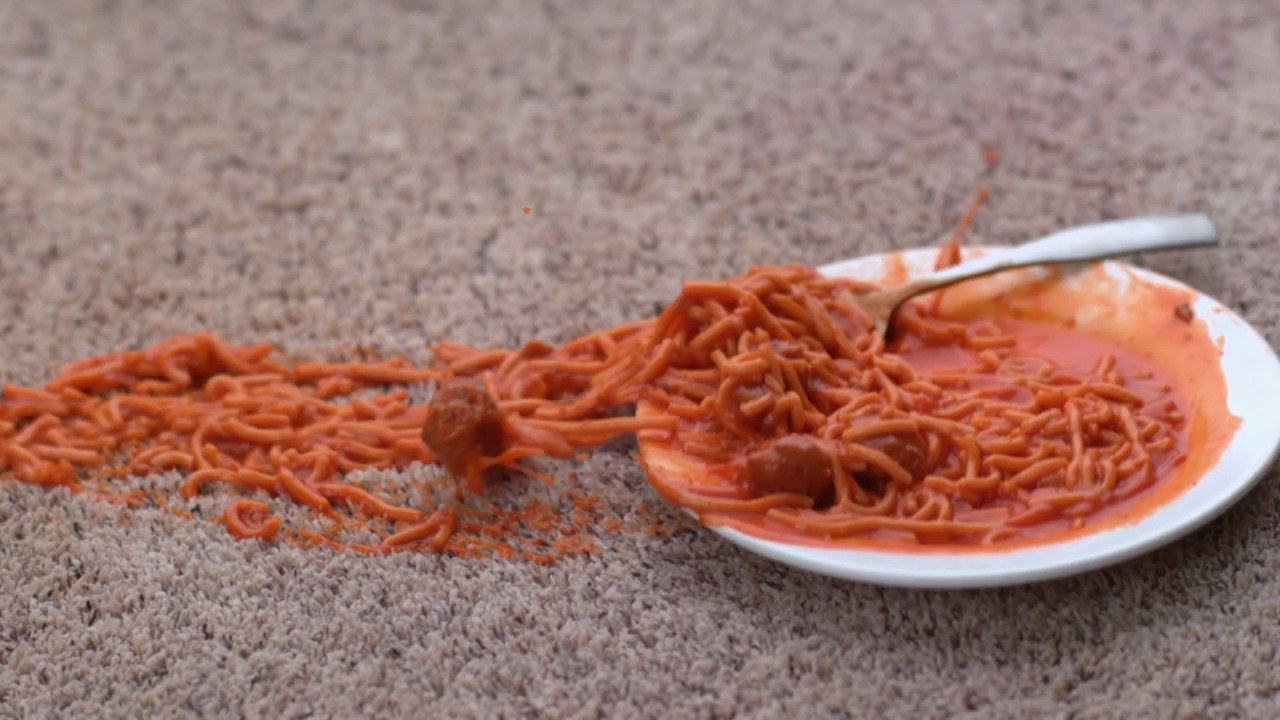
In How Bacteria Spread From Surfaces to Food, host Harith Iskander explains why food dropped on the floor, no matter how quickly it's picked up, is covered in germs. Even if food is only on the floor for five seconds, bacteria and other harmful organisms can transfer to it. Learn how germs move from one surface to another, showing that our surroundings are always teeming with bacteria. This video is excerpted from BBC’s Got Science?, a science magazine series that explores and explains science in everyday life.

In How Our Bodies React in Extraordinary Situations, host Harith Iskander explores how ordinary humans can do extraordinary things when facing danger. When the body senses a threat, it releases a hormone called adrenaline, which helps us respond quickly and even ignore pain. This video is excerpted from BBC’s Got Science?, a science magazine series that explores and explains science in everyday life.

In Hacks to Trick the Body, host Harith Iskander shares simple tricks to make everyday annoyances like pins and needles, itchy throats, and nosebleeds go away quickly. Learn how the body’s different parts interact and how a few easy hacks can help us feel better fast. This video is excerpted from BBC’s Got Science?, a science magazine series that explores and explains science in everyday life.
In How Bacteria Spread From Surfaces to Food, host Harith Iskander explains why food dropped on the floor, no matter how quickly it's picked up, is covered in germs. Even if food is only on the floor for five seconds, bacteria and other harmful organisms can transfer to it. Learn how germs move from one surface to another, showing that our surroundings are always teeming with bacteria. This video is excerpted from BBC’s Got Science?, a science magazine series that explores and explains science in everyday life.
In How Our Bodies React in Extraordinary Situations, host Harith Iskander explores how ordinary humans can do extraordinary things when facing danger. When the body senses a threat, it releases a hormone called adrenaline, which helps us respond quickly and even ignore pain. This video is excerpted from BBC’s Got Science?, a science magazine series that explores and explains science in everyday life.
In Hacks to Trick the Body, host Harith Iskander shares simple tricks to make everyday annoyances like pins and needles, itchy throats, and nosebleeds go away quickly. Learn how the body’s different parts interact and how a few easy hacks can help us feel better fast. This video is excerpted from BBC’s Got Science?, a science magazine series that explores and explains science in everyday life.