
The article "Jim Crow Laws: America’s Era of Racial Segregation" from BBC's HistoryExtra is a guide to how racial segregation shaped American life from the 1870s to the 1960s. It explores the origins of the term "Jim Crow," the laws and court cases that enforced segregation, and the brave individuals and movements that challenged them — leading to major civil rights victories.
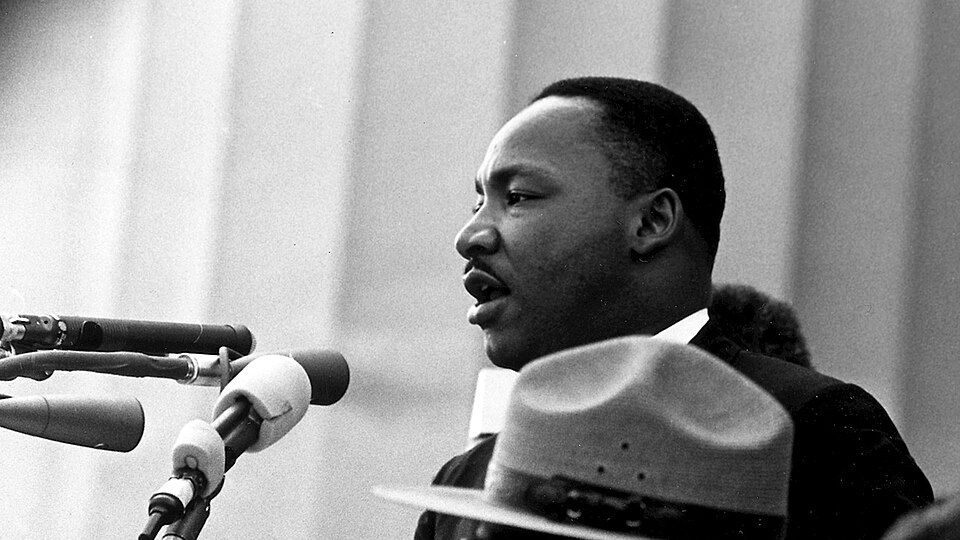
Trace the remarkable journey of Martin Luther King Jr. from his childhood in the segregated South to his rise as one of the most influential leaders in the American Civil Rights Movement. Through peaceful protest, powerful speeches, and unwavering determination, Dr. King inspired millions to challenge injustice and fight for equality.
This Kahoot explores key moments in his life and legacy — including the Montgomery Bus Boycott, the March on Washington, and the lasting impact of his famous “I Have a Dream” speech. Students will discover how nonviolence, courage, and moral leadership helped reshape history and continue to inspire movements for justice around the world today.
Watch the related BBC videos (below), then invite your Grade 3–8 students to test their knowledge and deepen their understanding of this iconic leader and the movement he helped lead.
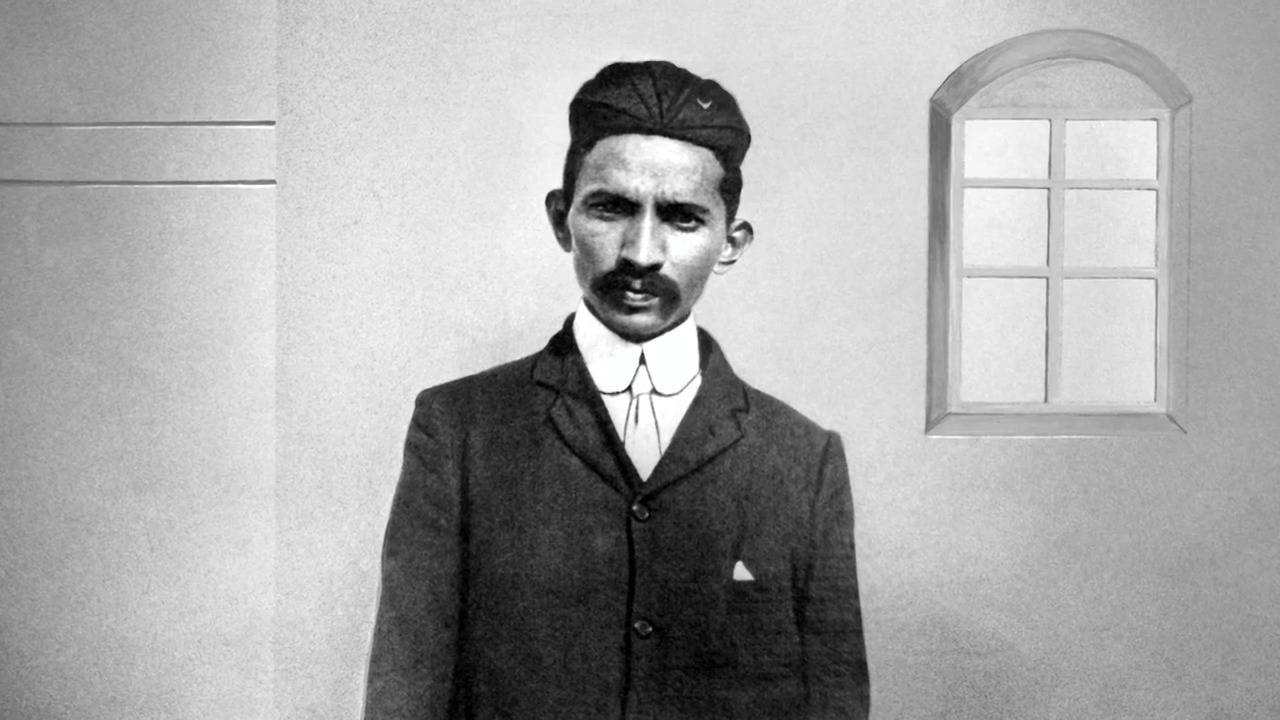
In The Life and Legacy of Mahatma Gandhi, host Sanjeev Bhaskar discusses the life of Mahatma Gandhi, his peaceful protests, and his ability to shake the foundations of the British Empire. This video is excerpted from BBC’s Icons: The Greatest Person of the 20th Century, a documentary series celebrating the achievements of the most influential figures of the era.

The article "5 Key Events That Changed the U.S. Civil Rights Movement" from BBC's HistoryExtra explores five defining moments that shaped the fight for racial equality in America.

The article "Martin Luther King’s Dream: The Speech That Changed America" from BBC's HistoryExtra explores the origins, message, and legacy of the iconic “I Have a Dream” speech. Delivered during the 1963 March on Washington, King’s words captured the hopes of the civil rights movement. The article examines the speech’s impact, historical setting, rhetorical power, and enduring relevance today.
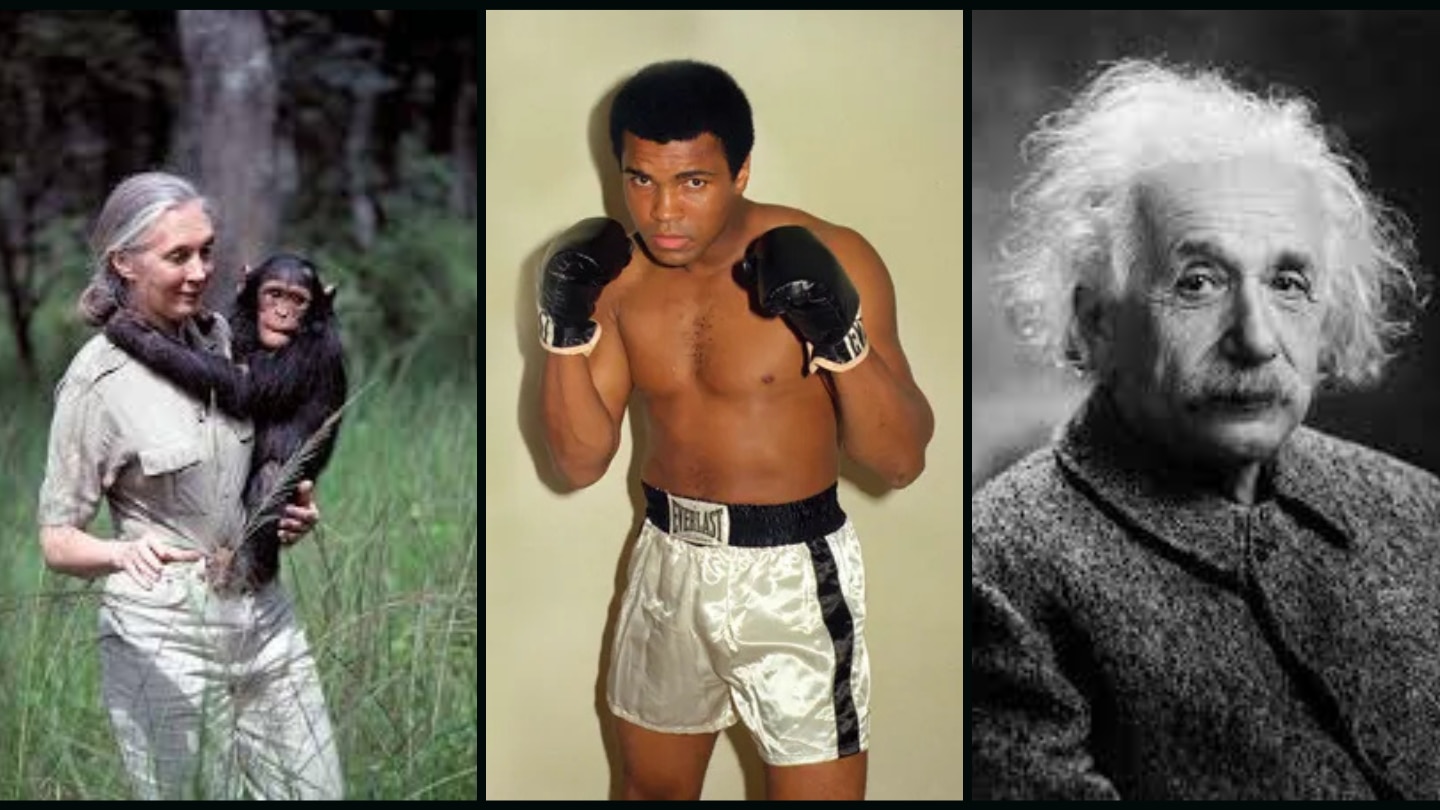
Meet the Icons of the 20th Century. From brilliant scientists and inspiring activists to legendary athletes and artists, these remarkable individuals changed the world in powerful ways. In this video playlist of clips from BBC's Icons: The Greatest Person of the 20th Century, meet Muhammad Ali, Helen Keller, Albert Einstein, Martin Luther King Jr., Pablo Picasso, Jane Goodall, Pelé, Billie Holiday and others — each a trailblazer who shaped history through courage, creativity, and conviction. A perfect playlist to inspire young minds to think big and act boldly!

Journey through India’s rich landscapes, vibrant cultures, and fascinating history in this captivating video collection. From the majestic Taj Mahal and bustling city streets of Jodhpur to the wild teak forests and flavorful samosa snacks, these videos bring India to life. Explore stories of legendary leaders like Ashoka and Gandhi, encounter curious langur monkeys, and dive into conversations around equality and tradition. Perfect for sparking global curiosity and cultural appreciation in your classroom!
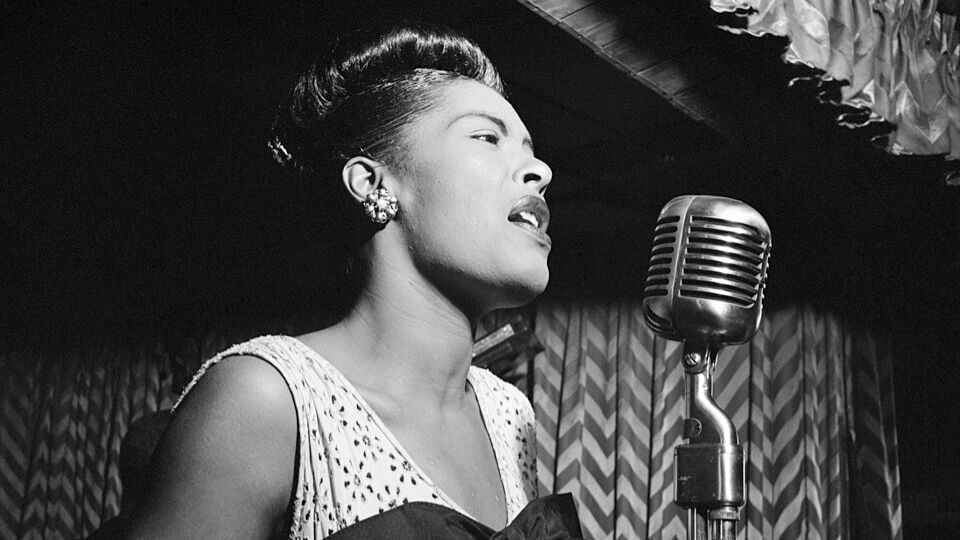
Discover the powerful story and lasting influence of Billie Holiday, one of the most important voices in American music history. Students will explore how her unforgettable style, emotional performances, and groundbreaking songs helped shape jazz culture while shining a light on the realities of segregation and racism in the United States.
This Kahoot examines Holiday’s life and music, including the rise of jazz clubs during the Harlem Renaissance, the challenges Black performers faced during segregation, and the impact of her famous protest song, "Strange Fruit." Students will build listening skills, expand vocabulary, and deepen their understanding of how music can inspire awareness, emotion, and social change.
Watch the related BBC videos (for mature viewers), Billie Holiday, a Voice Against Injustice and Billie Holiday and Strange Fruit, then invite your Grade 9–12 students to test their knowledge and explore the powerful connection between music, history, and culture.
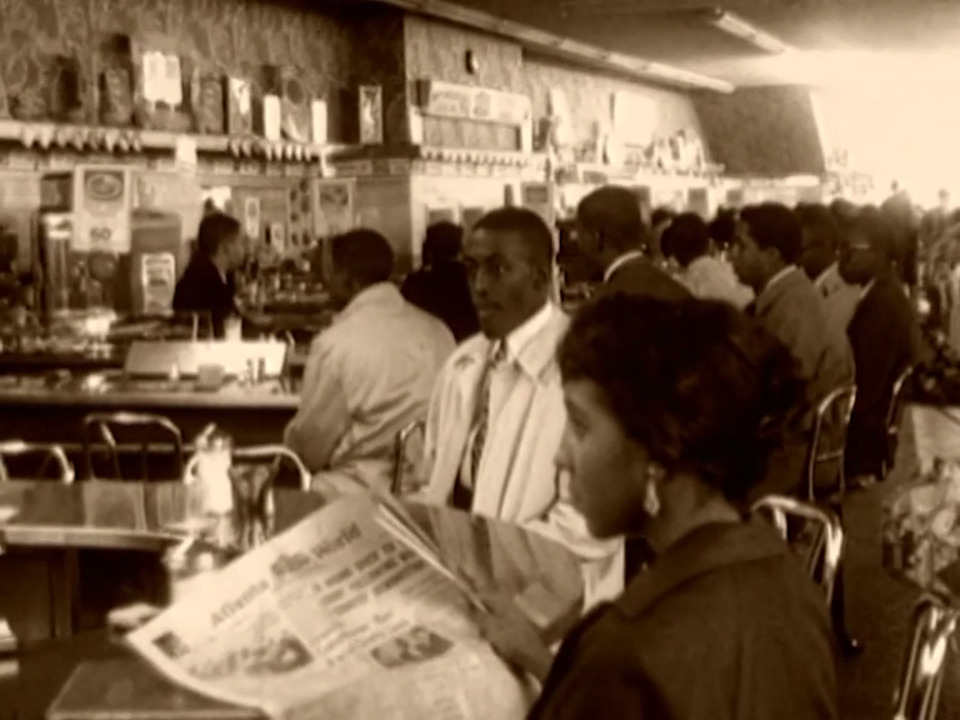
In Martin Luther King Jr. and the Atlanta Sit-Ins, students learn how Dr. Martin Luther King Jr. supported non-violent sit-ins at lunch counters in Atlanta as part of the larger fight for civil rights. These peaceful protests challenged segregation and helped draw national attention to unfair laws and practices in the United States.
The video also shows that Dr. King’s work was not without criticism and controversy, helping students understand that social change is often complex and challenging. Excerpted from BBC’s Reputations: Martin Luther King - Days of Hope, this clip offers a thoughtful look at Dr. King’s leadership, values, and commitment to non-violent protest, while revealing the personal and public pressures he faced.
This short video is well suited for classroom use as an introduction to the Civil Rights Movement, a deeper look at peaceful protest, or a discussion starter about standing up for justice even when faced with opposition. Teachers can use it to support lessons around Martin Luther King Jr. Day, civic action, and the role of protest in a democracy.
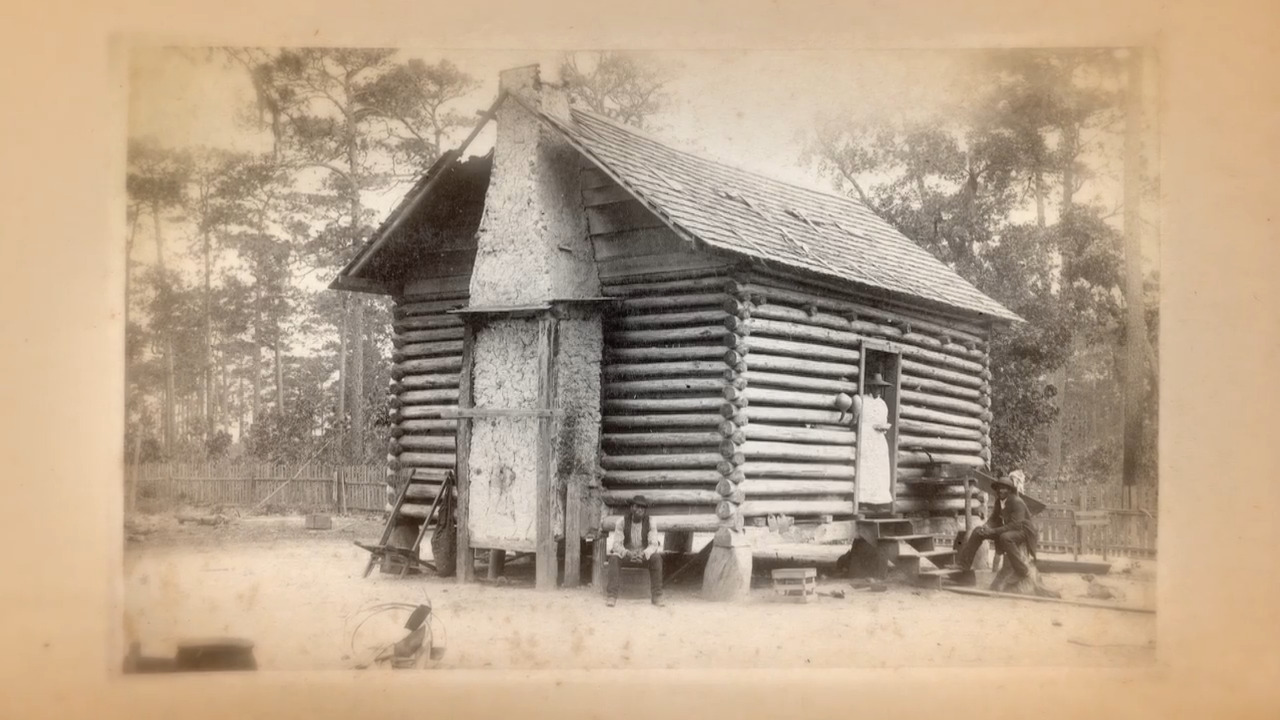
In Sharecropping, the New Slavery, historian Lucy Worsley discusses how people freed from enslavement were in debt to their landlords, often former slave owners. They found it difficult to pay off their debts and even harder to move away. This video is excerpted from BBC's American History's Biggest Fibs with Lucy Worsley, in which Worsley reveals the myths and manipulations behind American history.
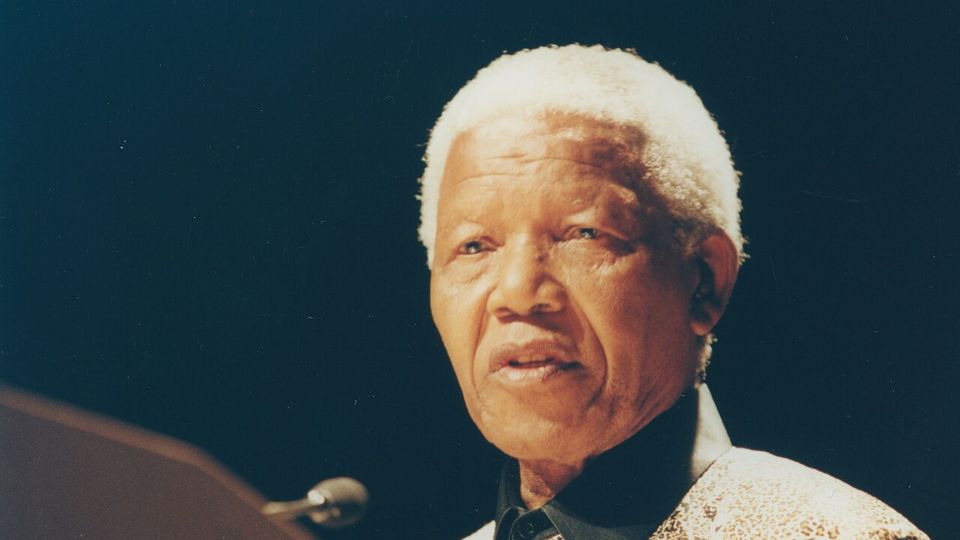
Follow the extraordinary life of Nelson Mandela, from his early fight against apartheid to his role in leading South Africa into a new era of democracy and reconciliation. Students will explore how Mandela stood up against injustice, endured years of imprisonment, and helped unite a divided nation through courage, perseverance, and forgiveness.
This Kahoot examines key moments in Mandela’s journey, including the struggle against apartheid, his 27 years in prison, his release in 1990, and his election as South Africa’s first Black president. Students will discover how his leadership, resilience, and commitment to equality continue to influence Black history and inspire people around the world today.
Watch the related BBC videos, The Remarkable Life of Nelson Mandela and Nelson Mandela Walks Free, then invite your Grade 6–12 students to test their knowledge and deepen their understanding of this iconic global leader.
The article "Jim Crow Laws: America’s Era of Racial Segregation" from BBC's HistoryExtra is a guide to how racial segregation shaped American life from the 1870s to the 1960s. It explores the origins of the term "Jim Crow," the laws and court cases that enforced segregation, and the brave individuals and movements that challenged them — leading to major civil rights victories.
Trace the remarkable journey of Martin Luther King Jr. from his childhood in the segregated South to his rise as one of the most influential leaders in the American Civil Rights Movement. Through peaceful protest, powerful speeches, and unwavering determination, Dr. King inspired millions to challenge injustice and fight for equality.
This Kahoot explores key moments in his life and legacy — including the Montgomery Bus Boycott, the March on Washington, and the lasting impact of his famous “I Have a Dream” speech. Students will discover how nonviolence, courage, and moral leadership helped reshape history and continue to inspire movements for justice around the world today.
Watch the related BBC videos (below), then invite your Grade 3–8 students to test their knowledge and deepen their understanding of this iconic leader and the movement he helped lead.
In The Life and Legacy of Mahatma Gandhi, host Sanjeev Bhaskar discusses the life of Mahatma Gandhi, his peaceful protests, and his ability to shake the foundations of the British Empire. This video is excerpted from BBC’s Icons: The Greatest Person of the 20th Century, a documentary series celebrating the achievements of the most influential figures of the era.
The article "5 Key Events That Changed the U.S. Civil Rights Movement" from BBC's HistoryExtra explores five defining moments that shaped the fight for racial equality in America.
The article "Martin Luther King’s Dream: The Speech That Changed America" from BBC's HistoryExtra explores the origins, message, and legacy of the iconic “I Have a Dream” speech. Delivered during the 1963 March on Washington, King’s words captured the hopes of the civil rights movement. The article examines the speech’s impact, historical setting, rhetorical power, and enduring relevance today.
Meet the Icons of the 20th Century. From brilliant scientists and inspiring activists to legendary athletes and artists, these remarkable individuals changed the world in powerful ways. In this video playlist of clips from BBC's Icons: The Greatest Person of the 20th Century, meet Muhammad Ali, Helen Keller, Albert Einstein, Martin Luther King Jr., Pablo Picasso, Jane Goodall, Pelé, Billie Holiday and others — each a trailblazer who shaped history through courage, creativity, and conviction. A perfect playlist to inspire young minds to think big and act boldly!
Journey through India’s rich landscapes, vibrant cultures, and fascinating history in this captivating video collection. From the majestic Taj Mahal and bustling city streets of Jodhpur to the wild teak forests and flavorful samosa snacks, these videos bring India to life. Explore stories of legendary leaders like Ashoka and Gandhi, encounter curious langur monkeys, and dive into conversations around equality and tradition. Perfect for sparking global curiosity and cultural appreciation in your classroom!
Discover the powerful story and lasting influence of Billie Holiday, one of the most important voices in American music history. Students will explore how her unforgettable style, emotional performances, and groundbreaking songs helped shape jazz culture while shining a light on the realities of segregation and racism in the United States.
This Kahoot examines Holiday’s life and music, including the rise of jazz clubs during the Harlem Renaissance, the challenges Black performers faced during segregation, and the impact of her famous protest song, "Strange Fruit." Students will build listening skills, expand vocabulary, and deepen their understanding of how music can inspire awareness, emotion, and social change.
Watch the related BBC videos (for mature viewers), Billie Holiday, a Voice Against Injustice and Billie Holiday and Strange Fruit, then invite your Grade 9–12 students to test their knowledge and explore the powerful connection between music, history, and culture.
In Martin Luther King Jr. and the Atlanta Sit-Ins, students learn how Dr. Martin Luther King Jr. supported non-violent sit-ins at lunch counters in Atlanta as part of the larger fight for civil rights. These peaceful protests challenged segregation and helped draw national attention to unfair laws and practices in the United States.
The video also shows that Dr. King’s work was not without criticism and controversy, helping students understand that social change is often complex and challenging. Excerpted from BBC’s Reputations: Martin Luther King - Days of Hope, this clip offers a thoughtful look at Dr. King’s leadership, values, and commitment to non-violent protest, while revealing the personal and public pressures he faced.
This short video is well suited for classroom use as an introduction to the Civil Rights Movement, a deeper look at peaceful protest, or a discussion starter about standing up for justice even when faced with opposition. Teachers can use it to support lessons around Martin Luther King Jr. Day, civic action, and the role of protest in a democracy.
In Sharecropping, the New Slavery, historian Lucy Worsley discusses how people freed from enslavement were in debt to their landlords, often former slave owners. They found it difficult to pay off their debts and even harder to move away. This video is excerpted from BBC's American History's Biggest Fibs with Lucy Worsley, in which Worsley reveals the myths and manipulations behind American history.
Follow the extraordinary life of Nelson Mandela, from his early fight against apartheid to his role in leading South Africa into a new era of democracy and reconciliation. Students will explore how Mandela stood up against injustice, endured years of imprisonment, and helped unite a divided nation through courage, perseverance, and forgiveness.
This Kahoot examines key moments in Mandela’s journey, including the struggle against apartheid, his 27 years in prison, his release in 1990, and his election as South Africa’s first Black president. Students will discover how his leadership, resilience, and commitment to equality continue to influence Black history and inspire people around the world today.
Watch the related BBC videos, The Remarkable Life of Nelson Mandela and Nelson Mandela Walks Free, then invite your Grade 6–12 students to test their knowledge and deepen their understanding of this iconic global leader.