Understanding the Civil Rights Movement
The U.S. Civil Rights Movement was a pivotal period in American history, marked by decades of struggle to end racial segregation, secure equal rights under the law, and demand that the nation live up to its democratic ideals. In honor of Black History Month, this rich collection of learning resources for secondary students explores this era from multiple angles and brings important history to life.
Leveled Articles + BBC Video Clips + Printables + Civil Rights Quiz
Leveled Student Articles

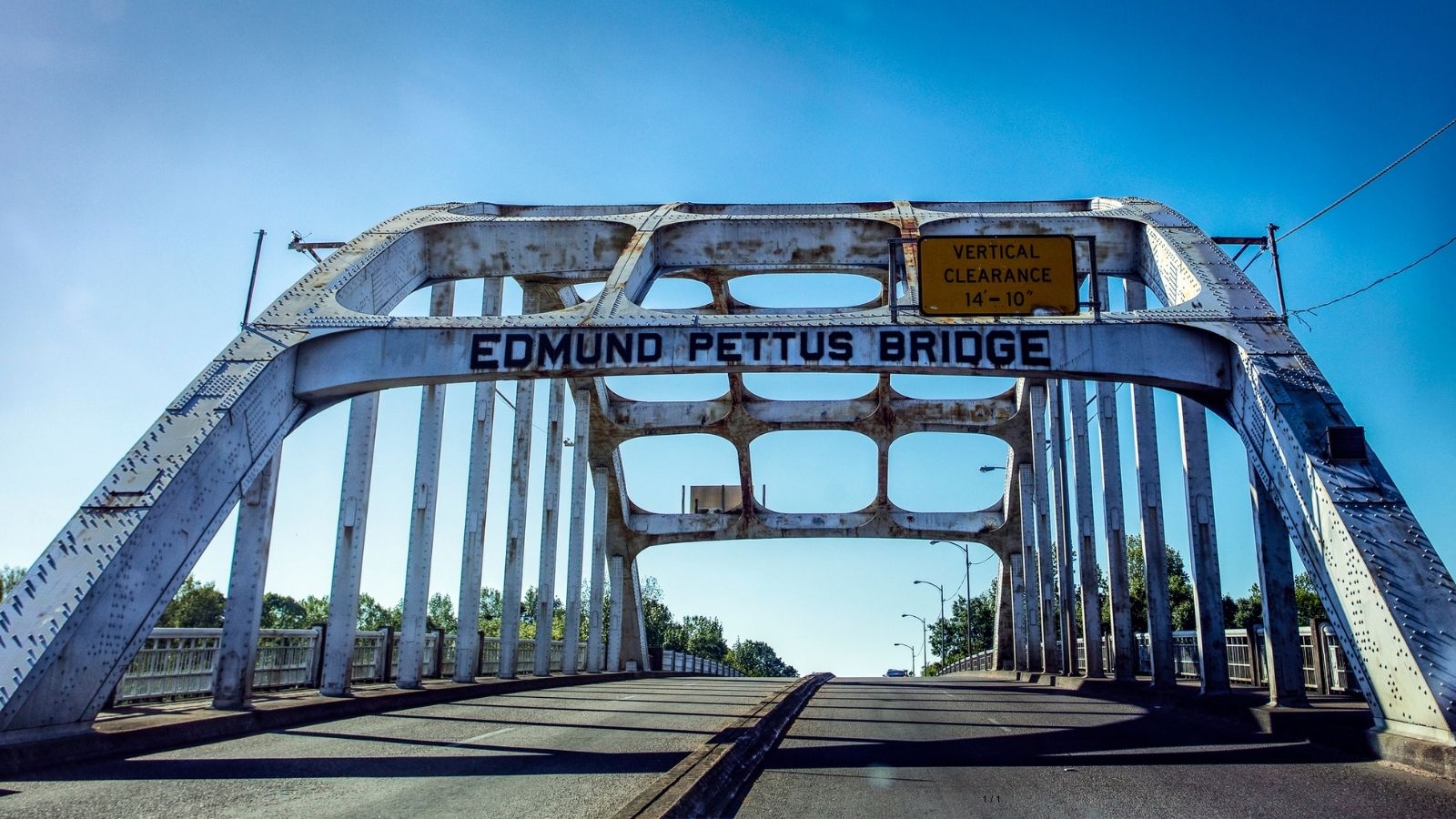
The article "5 Key Events That Changed the U.S. Civil Rights Movement" from BBC's HistoryExtra explores five defining moments that shaped the fight for racial equality in America.

The article "Jim Crow Laws: America’s Era of Racial Segregation" from BBC's HistoryExtra is a guide to how racial segregation shaped American life from the 1870s to the 1960s. It explores the origins of the term "Jim Crow," the laws and court cases that enforced segregation, and the brave individuals and movements that challenged them — leading to major civil rights victories.

The article "Charlotta Bass: The Civil Rights Fighter Who Ran for U.S. Vice President" from BBC's HistoryExtra is a compelling story about Charlotta Bass, the first Black woman to run for vice president in the U.S. It traces her journey from journalist to political pioneer, highlighting her activism, bravery against the Ku Klux Klan, and surveillance by the FBI during the height of the Civil Rights Movement.

To help your students dive deeper into the article content, we created this bundle of article response worksheets. We designed these worksheets to be used with any magazine article and to keep students focused as they read and enhance comprehension and retention. (Please note that some worksheet types are better fits for certain content and grade levels). Assign students the same one, mix them up, or let them choose!
Video Clips
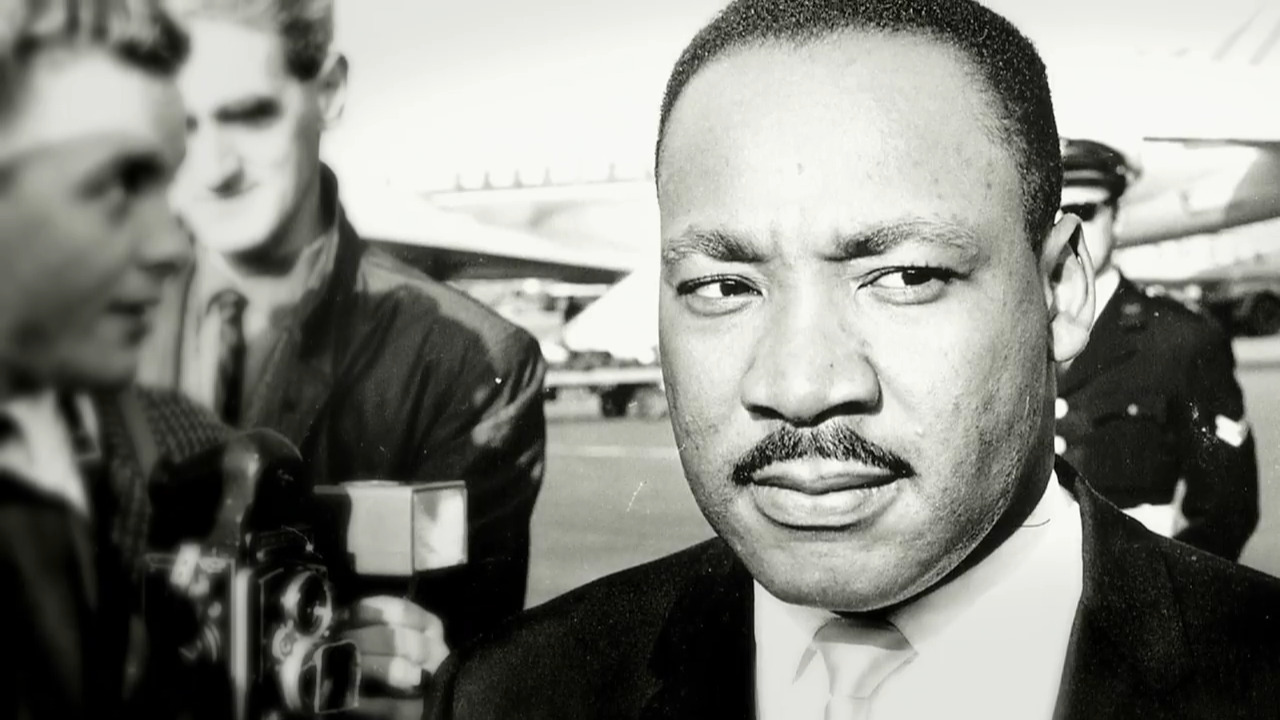
In Martin Luther King Jr. and Lincoln's Promissory Note, historian Lucy Worsley talks to Professor Marcia Chatelain about the march at the Lincoln Memorial in 1963. Martin Luther King Jr. said that America had not fulfilled Lincoln's promise to African Americans: the promissory note. This video is excerpted from BBC's American History's Biggest Fibs with Lucy Worsley, in which Worsley reveals the myths and manipulations behind American history.
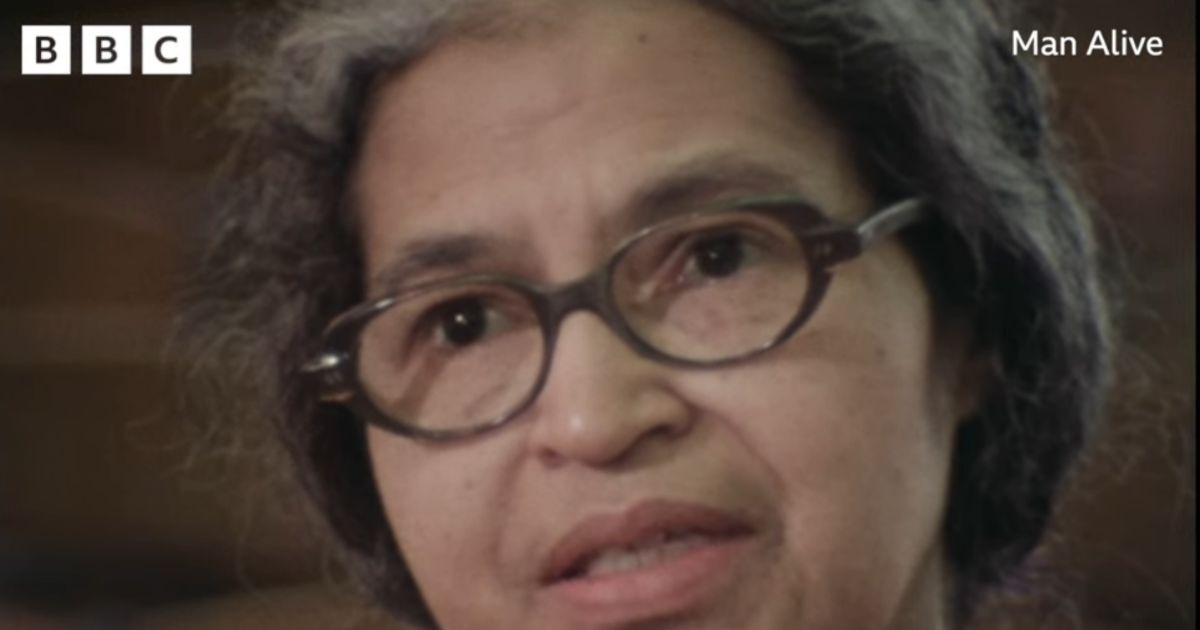
In Martin Luther King Jr. and Lincoln's Promissory Note, historian Lucy Worsley talks to Professor Marcia Chatelain about the march at the Lincoln Memorial in 1963. Martin Luther King Jr. said that America had not fulfilled Lincoln's promise to African Americans: the promissory note. This video is excerpted from BBC's American History's Biggest Fibs with Lucy Worsley, in which Worsley reveals the myths and manipulations behind American history.
Assessment
Test Your Knowledge of the Civil Rights Movement
The Civil Rights Movement was a pivotal time in American history, when individuals and communities fought for equality, justice, and the basic rights of all people. From the oppressive Jim Crow laws to brave acts of resistance, this movement reshaped the nation.
This quiz will explore key events, influential leaders, and cultural milestones, including Emmett Till, Rosa Parks and the Montgomery bus boycott, the March on Washington, Bloody Sunday, the Voting Rights Act, Martin Luther King Jr., Charlotta Bass, Malcolm X, John Lewis, and Motown.
See how much you know about the struggle, the leaders, and the victories that helped create a more just society.