Martin Luther King Jr. and the Atlanta Sit-Ins
In Martin Luther King Jr. and the Atlanta Sit-Ins, students learn how Dr. Martin Luther King Jr. supported non-violent sit-ins at lunch counters in Atlanta as part of the larger fight for civil rights. These peaceful protests challenged segregation and helped draw national attention to unfair laws and practices in the United States.
The video also shows that Dr. King’s work was not without criticism and controversy, helping students understand that social change is often complex and challenging. Excerpted from BBC’s Reputations: Martin Luther King - Days of Hope, this clip offers a thoughtful look at Dr. King’s leadership, values, and commitment to non-violent protest, while revealing the personal and public pressures he faced.
This short video is well suited for classroom use as an introduction to the Civil Rights Movement, a deeper look at peaceful protest, or a discussion starter about standing up for justice even when faced with opposition. Teachers can use it to support lessons around Martin Luther King Jr. Day, civic action, and the role of protest in a democracy.
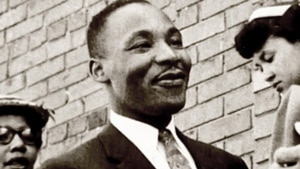
A revealing portrait of the life, character and inner struggles of Dr Martin Luther King Jr., champion of non-violent protest and renowned leader of the US civil rights movement. Learn more.
Lesson Express
Q: What did Martin Luther King Jr. say was the goal of non-violent efforts?
A: Not to annihilate the opponent but to convert him.
Q: Why do you think the lunch counter sit-ins were so effective?
A: Student responses will vary. Students may mention that the sit-ins were very actionable, that it was a simple action that students could take.
Q: How were the lunch counter sit-ins similar to the bus boycott?
A: Student responses may vary. Students may mention the use of everyday activities and nonviolence.
You Might Also Like
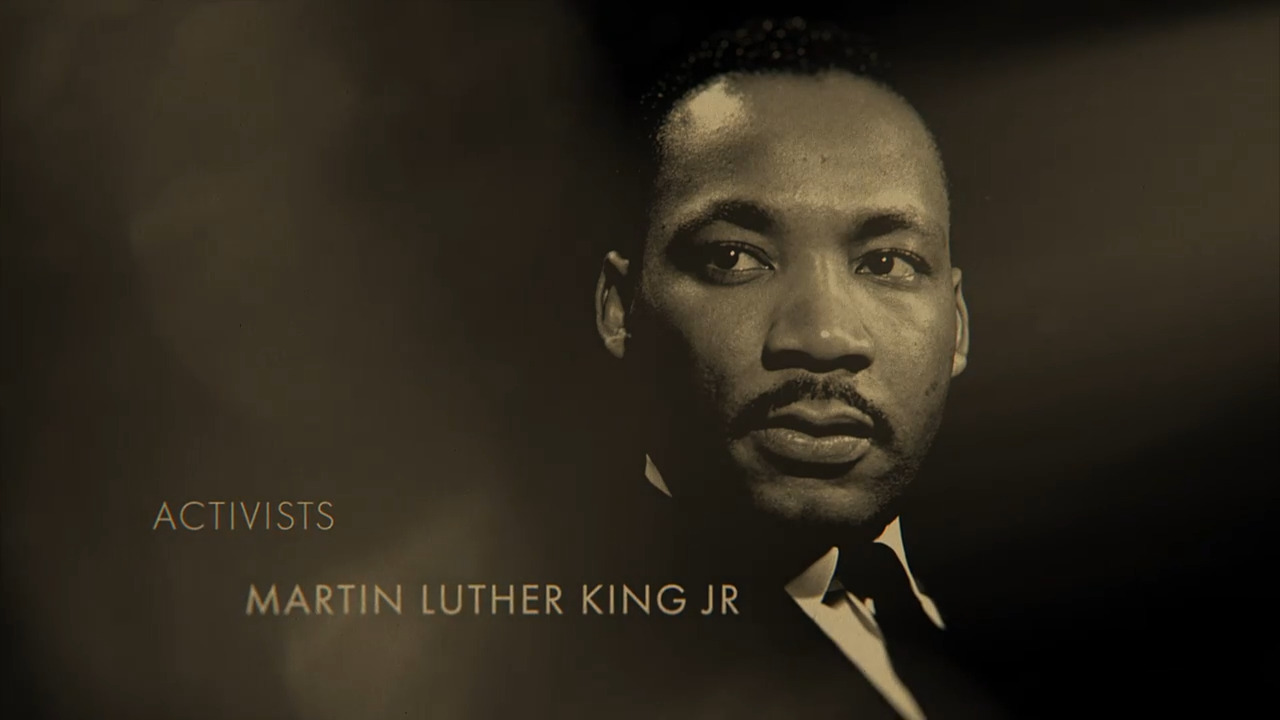
In Martin Luther King Jr.: Civil Rights Icon, students learn how the Civil Rights Movement found its leader in Dr. Martin Luther King Jr., an activist, preacher, and powerful speaker who believed in achieving change through non-violent action. The video explains why Dr. King emerged as a central figure during a time when millions of Americans were fighting for equal rights and justice.
Excerpted from BBC’s Icons: The Greatest Person of the 20th Century, this documentary clip helps students understand what made Dr. King an icon — not just for his words, but for his leadership, courage, and lasting influence. Using historical footage and clear storytelling, it introduces key ideas of the Civil Rights Movement in a way that is accessible and engaging.
This short video works well as an introduction to Martin Luther King Jr., a foundation for learning about the Civil Rights Movement, or a discussion starter about leadership, activism, and democracy. Teachers can easily use it to support lessons around Martin Luther King Jr. Day, civic responsibility, and the power of individuals to inspire change.
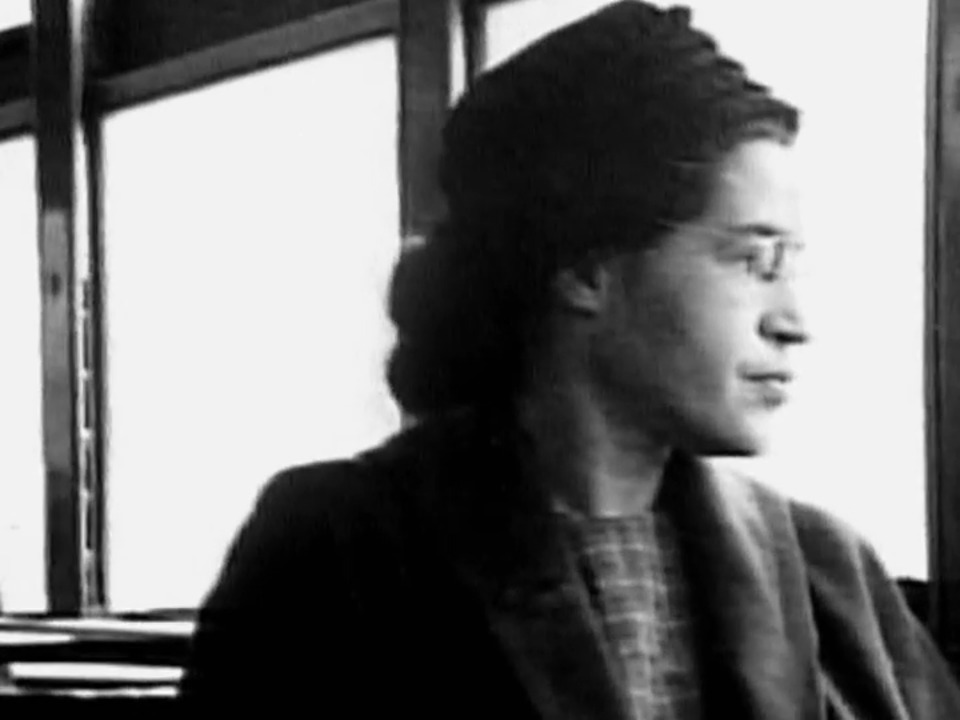
In The Rosa Parks Effect, Rosa Parks’s arrest motivates Martin Luther King Jr. to advance non-violent protests on a larger scale, making him a prominent figure in the Civil Rights Movement in the United States. This video is excerpted from BBC’s Infamous Assassinations, a documentary series about high-profile murders and attempted murders of public figures, narrated by actor Robert Powell.
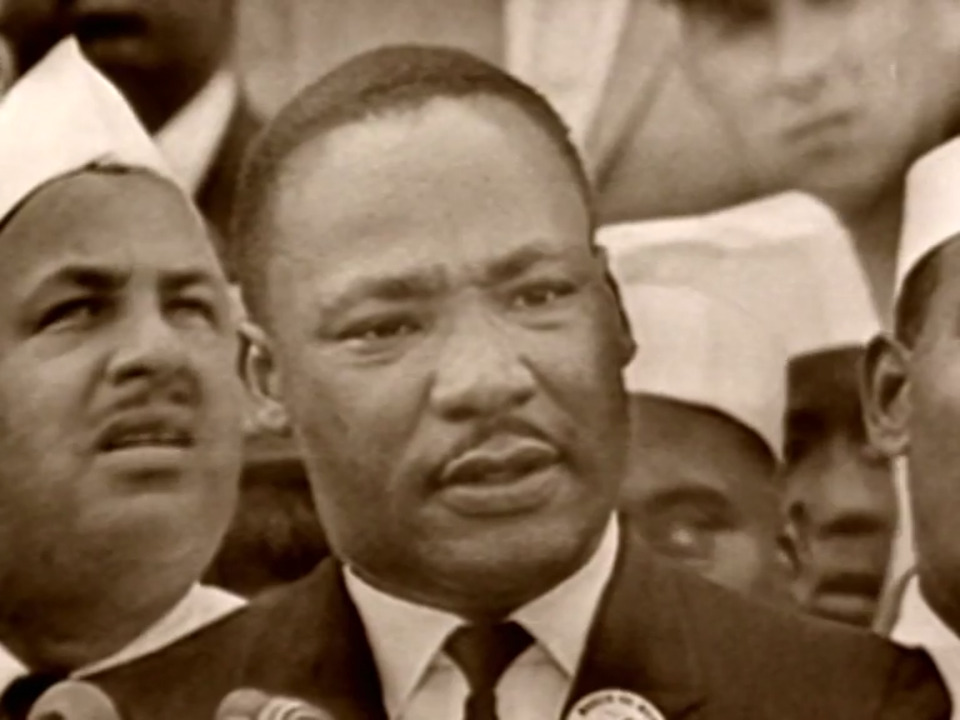
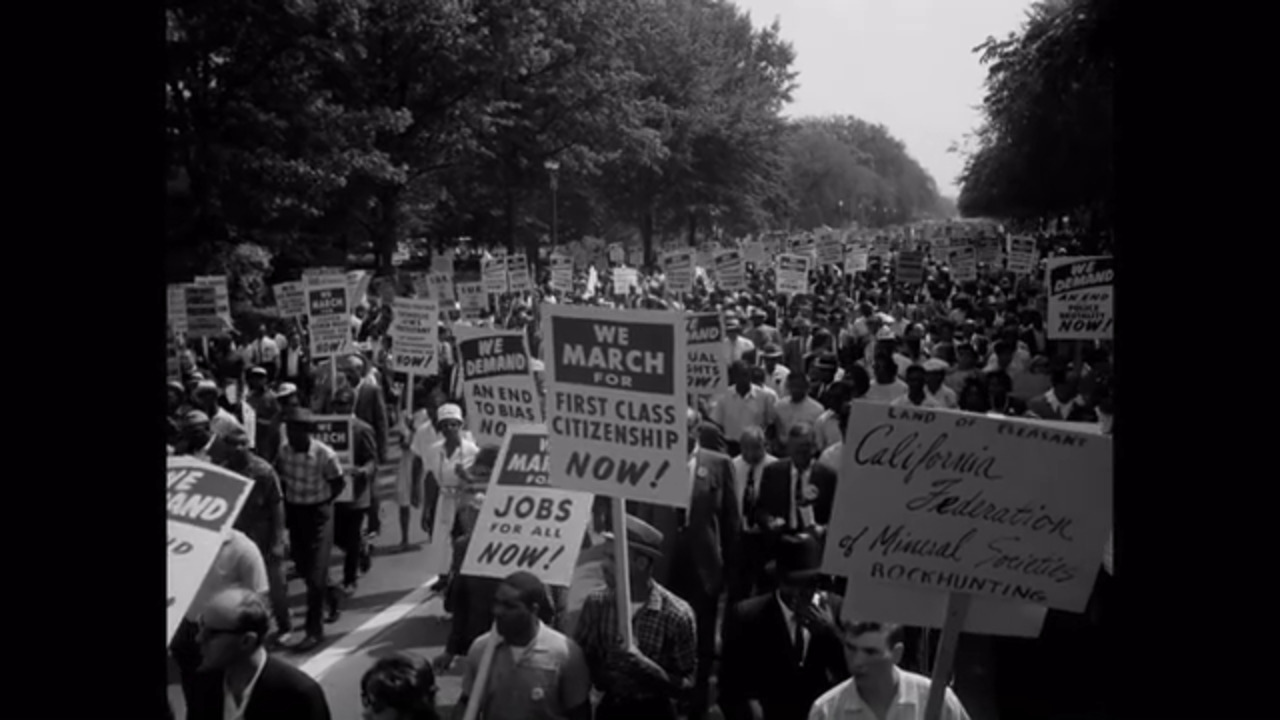
In Martin Luther King Jr. and the March on Washington, we learn about the historic 1963 March on Washington, when hundreds of thousands of people gathered in Washington, D.C., to demand civil rights and equality. At the center of the event is Dr. Martin Luther King Jr., who delivers the “I Have a Dream” speech — one of the most famous and important speeches in American history.
This video is a meaningful way to honor Martin Luther King Jr. Day or to help students understand the role of peaceful protest in a democracy. Excerpted from BBC’s Reputations: Martin Luther King – Days of Hope, it highlights Dr. King’s leadership, his commitment to nonviolent protest, and the lasting impact of the Civil Rights Movement.
Martin Luther King Jr.’s Story in Song introduces students to Dr. Martin Luther King Jr. and the Civil Rights Movement through music, humor, and powerful historical images. Told as a song, the video shares key moments from Dr. King’s life and his leadership in the fight for equality in a way that is clear, memorable, and engaging for students.
Excerpted from BBC’s Horrible Histories — a multi-award-winning musical and sketch comedy series — this short video uses a familiar, student-friendly format to help make an important part of U.S. history easier to understand. The combination of lyrics, visuals, and real moments from the era helps students connect with the ideas of fairness, courage, and peaceful protest.
At just two and a half minutes, this video is ideal for classrooms. Use it as a quick introduction to Martin Luther King Jr., a lively entry point into the Civil Rights Movement, or a meaningful way to recognize Martin Luther King Jr. Day. It works well as a lesson opener, a review tool, or a discussion starter about how people have worked together to create change in a democracy.
In Martin Luther King Jr.: Civil Rights Icon, students learn how the Civil Rights Movement found its leader in Dr. Martin Luther King Jr., an activist, preacher, and powerful speaker who believed in achieving change through non-violent action. The video explains why Dr. King emerged as a central figure during a time when millions of Americans were fighting for equal rights and justice.
Excerpted from BBC’s Icons: The Greatest Person of the 20th Century, this documentary clip helps students understand what made Dr. King an icon — not just for his words, but for his leadership, courage, and lasting influence. Using historical footage and clear storytelling, it introduces key ideas of the Civil Rights Movement in a way that is accessible and engaging.
This short video works well as an introduction to Martin Luther King Jr., a foundation for learning about the Civil Rights Movement, or a discussion starter about leadership, activism, and democracy. Teachers can easily use it to support lessons around Martin Luther King Jr. Day, civic responsibility, and the power of individuals to inspire change.
In The Rosa Parks Effect, Rosa Parks’s arrest motivates Martin Luther King Jr. to advance non-violent protests on a larger scale, making him a prominent figure in the Civil Rights Movement in the United States. This video is excerpted from BBC’s Infamous Assassinations, a documentary series about high-profile murders and attempted murders of public figures, narrated by actor Robert Powell.
In Martin Luther King Jr. and the March on Washington, we learn about the historic 1963 March on Washington, when hundreds of thousands of people gathered in Washington, D.C., to demand civil rights and equality. At the center of the event is Dr. Martin Luther King Jr., who delivers the “I Have a Dream” speech — one of the most famous and important speeches in American history.
This video is a meaningful way to honor Martin Luther King Jr. Day or to help students understand the role of peaceful protest in a democracy. Excerpted from BBC’s Reputations: Martin Luther King – Days of Hope, it highlights Dr. King’s leadership, his commitment to nonviolent protest, and the lasting impact of the Civil Rights Movement.
Martin Luther King Jr.’s Story in Song introduces students to Dr. Martin Luther King Jr. and the Civil Rights Movement through music, humor, and powerful historical images. Told as a song, the video shares key moments from Dr. King’s life and his leadership in the fight for equality in a way that is clear, memorable, and engaging for students.
Excerpted from BBC’s Horrible Histories — a multi-award-winning musical and sketch comedy series — this short video uses a familiar, student-friendly format to help make an important part of U.S. history easier to understand. The combination of lyrics, visuals, and real moments from the era helps students connect with the ideas of fairness, courage, and peaceful protest.
At just two and a half minutes, this video is ideal for classrooms. Use it as a quick introduction to Martin Luther King Jr., a lively entry point into the Civil Rights Movement, or a meaningful way to recognize Martin Luther King Jr. Day. It works well as a lesson opener, a review tool, or a discussion starter about how people have worked together to create change in a democracy.