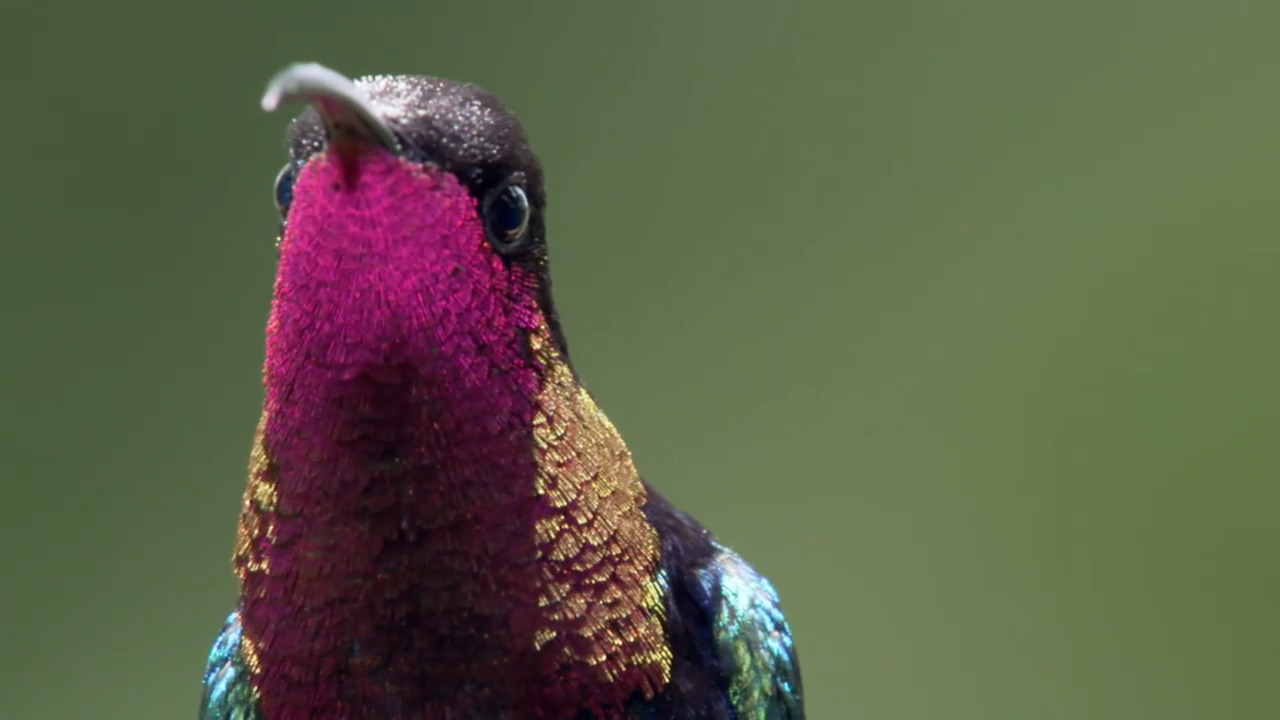
In Pollinators and Plants, Nature’s Perfect Pair, narrator Sir David Attenborough explores the fascinating teamwork — and clever defenses — between plants and pollinators! Monarch butterflies rely on milkweed plants for laying eggs and gathering nectar, but the plant defends itself with a sap that challenges the caterpillars. Meanwhile, the Heliconia plant carefully rations nectar to keep the hummingbird returning, as only this bird’s uniquely shaped beak can pollinate it! This video is excerpted from BBC's Life, a show that explores the remarkable strategies animals and plants use to ensure their survival.
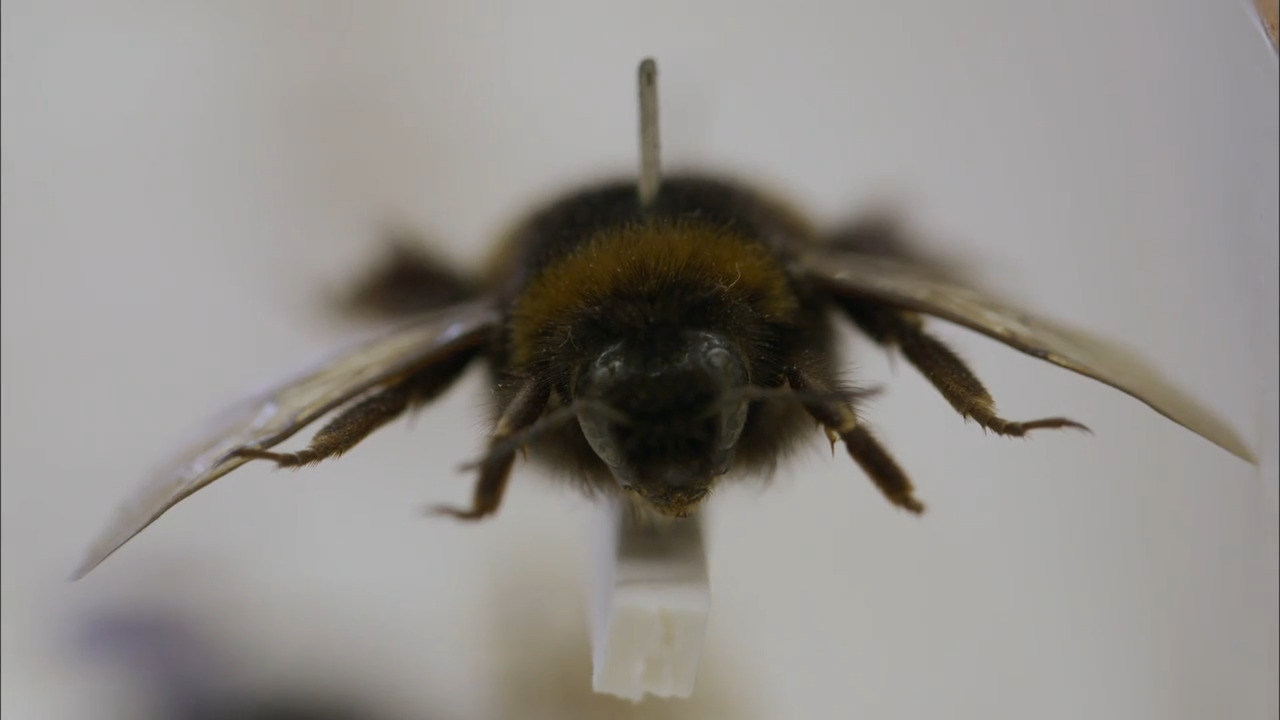
In Bees in Decline, visit a collection of bee specimens at the Oxford University Museum of Natural History. There are more than 250 species of bees, and they help pollinate everything from apples to flowers. But bees are in decline, and one reason is the varroa mite, a tiny bug that causes a big problem.
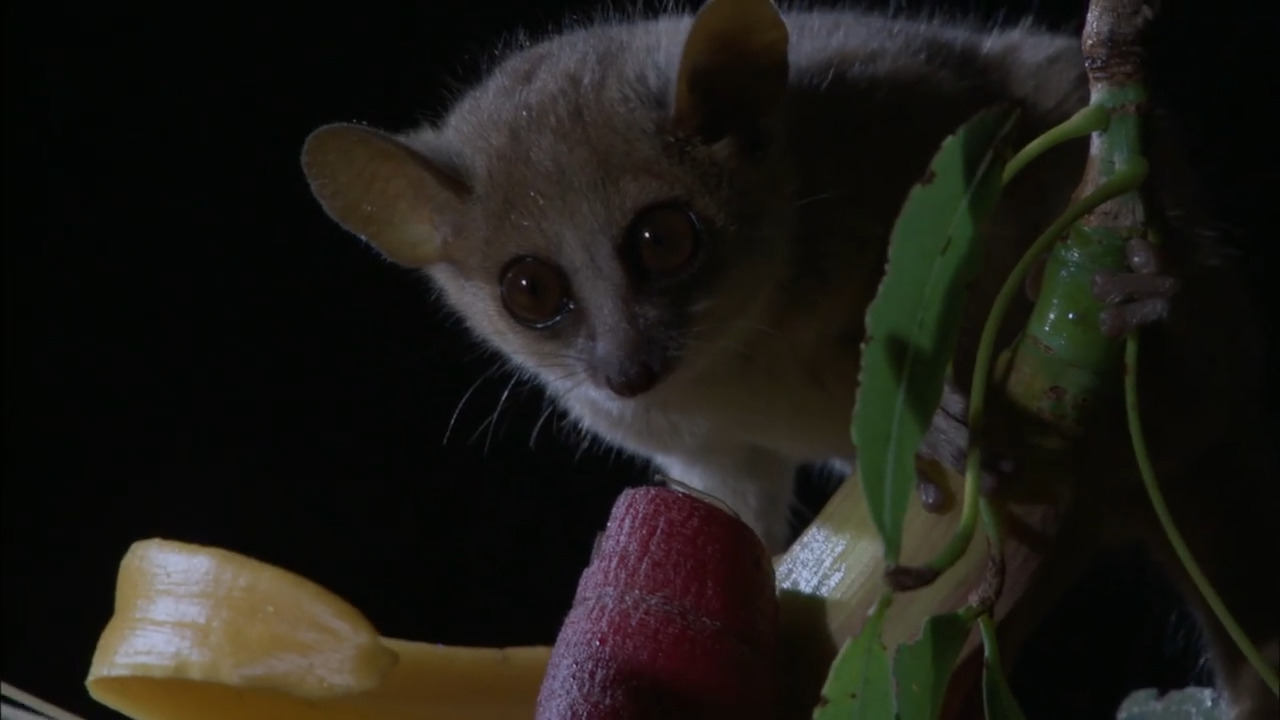
In Mouse Lemurs Are Sneaky Nectar Thieves!, narrator Sir David Attenborough highlights lemurs enjoying a two-course meal in the branches of the baobab tree. First, the lemurs drink nectar meant for pollinating moths; then the lemurs attack the moths! This video is excerpted from BBC's Planet Earth, a breathtaking documentary series that highlights the natural wonders of our planet.
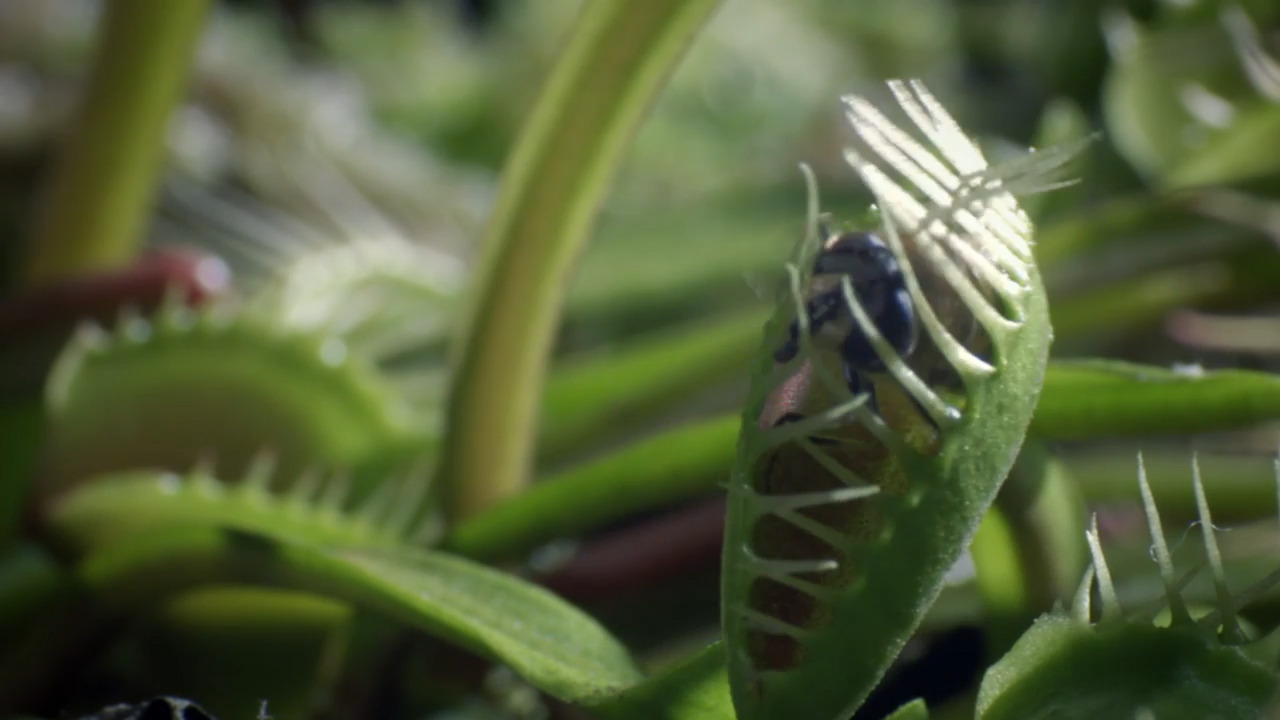
In A Trap in Bloom: The Venus Flytrap’s Double Life, narrator Sir David Attenborough introduces the Venus flytrap, a carnivorous plant that attracts insects with sweet nectar on its leaves. When an insect triggers the hairs on the trap, it snaps shut. After a few days it reopens, leaving only the insect’s dry remains. However, Venus flytraps also need to pollinate, so it grows tall flowers away from its traps, allowing insects to safely feed on nectar and spread pollen, ensuring the plant can reproduce. This video is excerpted from BBC's Life, a show that explores the remarkable strategies animals and plants use to ensure their survival.
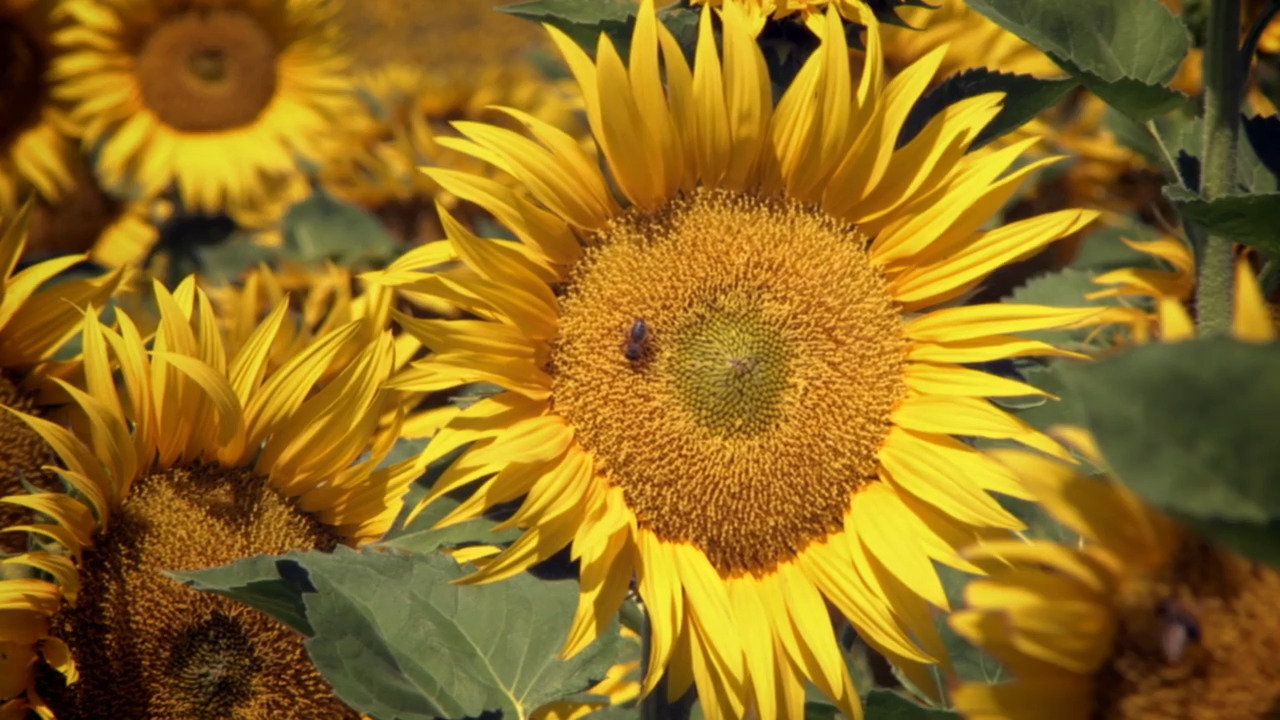
In Clever Ways Plants Reproduce, narrator Sir David Attenborough explains how flowers are amazing problem-solvers when it comes to pollination! In sunny fields of France, sunflowers use nectar to lure insects, which help spread pollen from flower to flower. But in the icy winds of Cradle Mountain, the honey bush protects its delicate parts by fusing its petals, leaving only strong birds to break through and help with pollination. Depending on its environment, flowers are problem-solvers when it comes to reproducing! This video is excerpted from BBC's Life, a show that explores the remarkable strategies animals and plants use to ensure their survival.
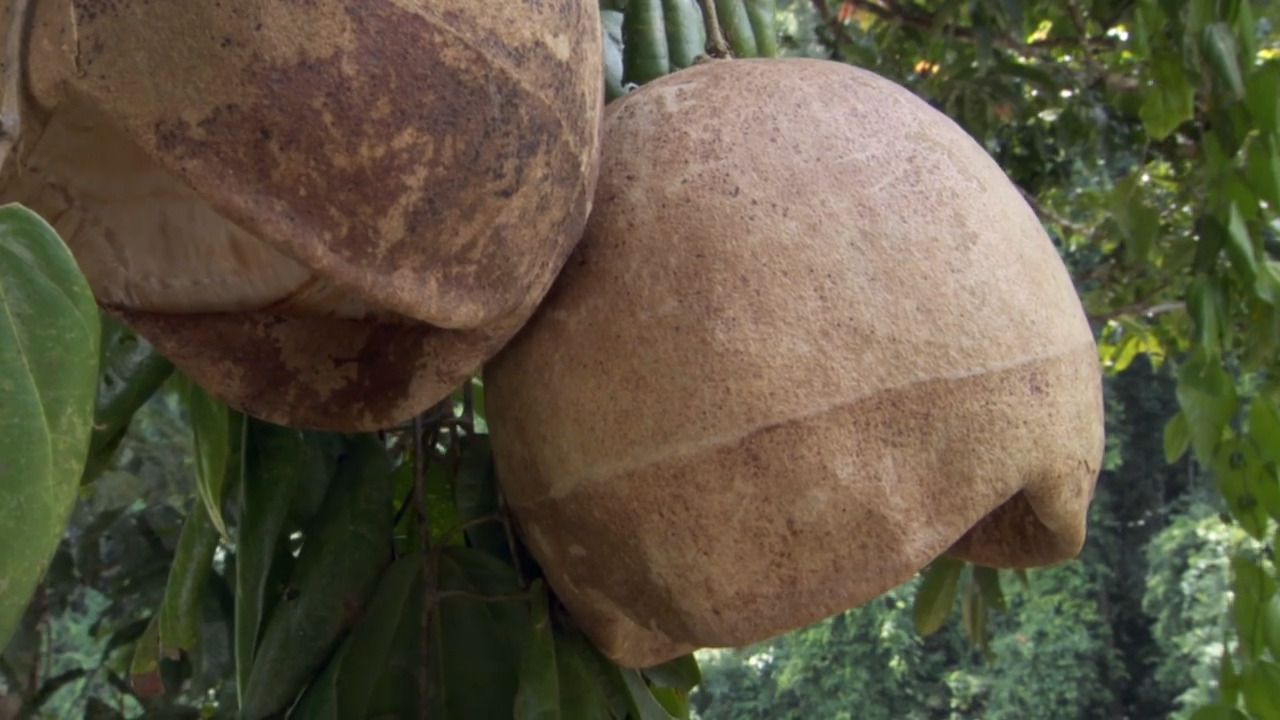
In How Plants Travel and Grow, narrator Sir David Attenborough discovers how plants spread their seeds, even though they can’t move! Deep in the Borneo forests, plants use wind to give their seeds wings — like the Alsomitra vine’s gliding seeds that soar hundreds of meters on a gentle breeze. In Arizona, the saguaro cactus relies on bats to pollinate its flowers, which bloom for just one cool night before fading. This video is excerpted from BBC's Life, a show that explores the remarkable strategies animals and plants use to ensure their survival.
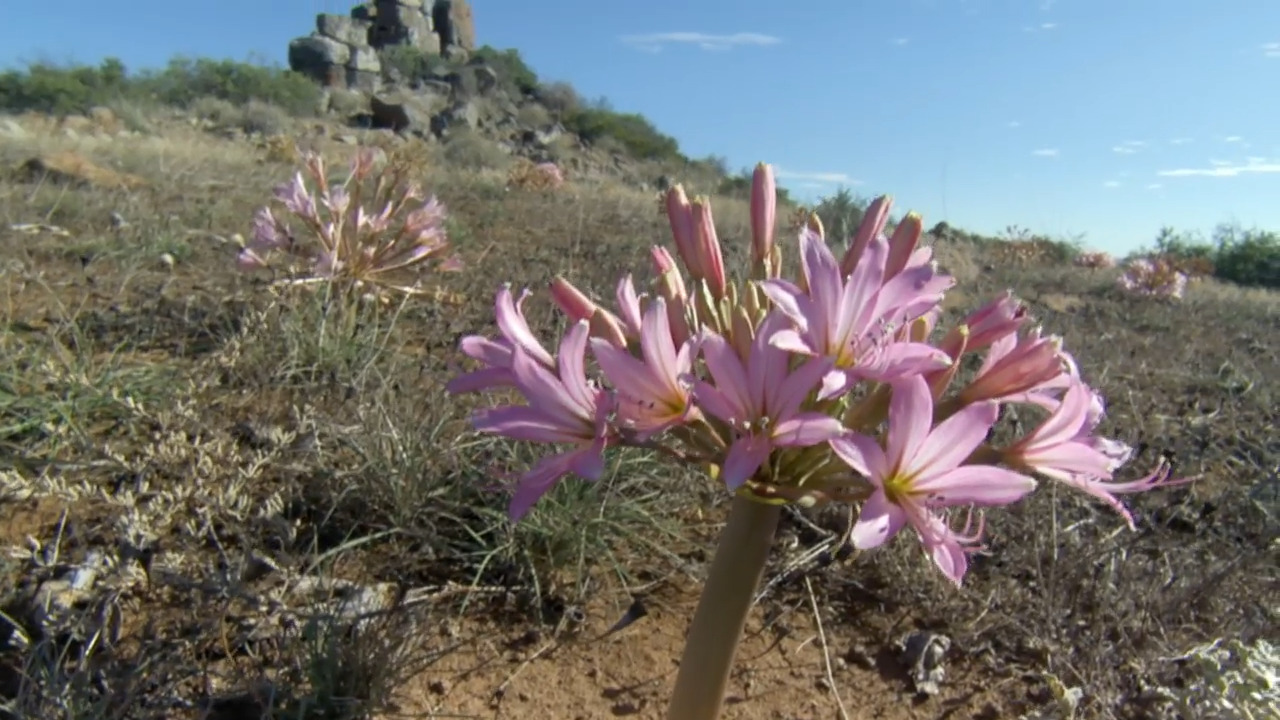
In A Flower’s Fierce Fight: The Brunsvigia’s Seed-Spreading Strategy, narrator Sir David Attenborough describes the Brunsvigia plant from South Africa, which waits for heavy rains to trigger its growth. It bursts through the surface with beautiful flowers that are pollinated by insects. After a few days, the flowers shrivel and die, and the wind carries the seeds far and wide, where they quickly begin to grow and start the cycle again! This video is excerpted from BBC's Life, a show that explores the remarkable strategies animals and plants use to ensure their survival.
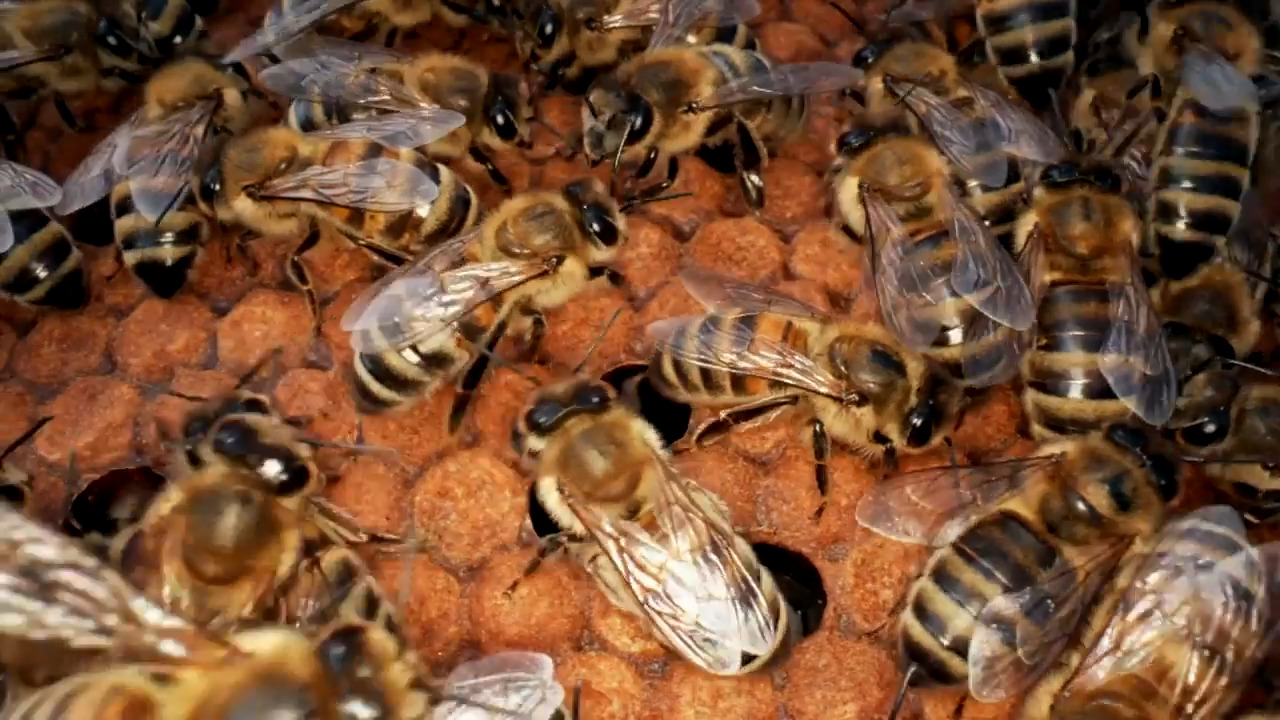
Beekeeper Nick was confused when his bees kept dying off. He kept his hives being stocked with food, so why did he still lose around 75% of the colony? The answer was in what was (or wasn’t) in his bees’ food.
In the wild, bees take what they need from flowers to make honey, and then feed off this honey in the winter. When we take this honey for ourselves, beekeepers replace it with supplementary food in the form of sugar and water, and scientists now say that bees can’t subsist off of just sugar and water, as the simple combination was missing key nutrients. Your parents probably said the same thing about why you can’t just have cake for dinner!
After years of testing different foods for bees, scientists have finally discovered how to make the core ingredient, called “sterole.” Oxford scientists have been developing the best foods for bees, and have found that the bees who consumed the food with sterole were healthier, and had up to 15 times more baby bees! This breakthrough is incredibly important — it means bees can still thrive without floral pollen, which would also help our food security, since bees are so important for pollinating crops.
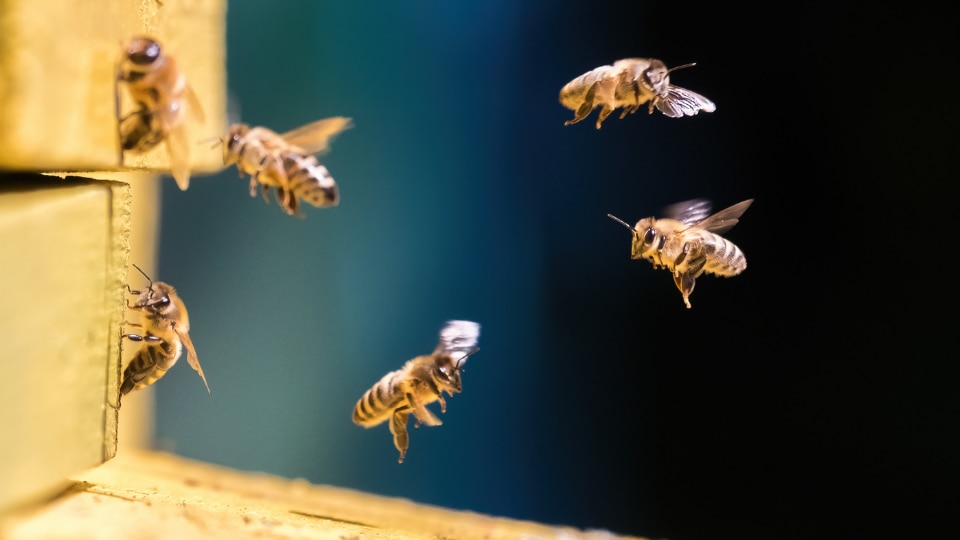
Tiny but mighty, bees play a huge role in keeping our world alive and blooming. As they travel from flower to flower, they carry pollen that helps plants reproduce — supporting ecosystems and much of the food we eat. Inside their hives, bees work together in highly organized communities, each with a job to do.
From pollination to honey-making, this is the ideal quiz to help students ages 8–14 develop their "hive mind."
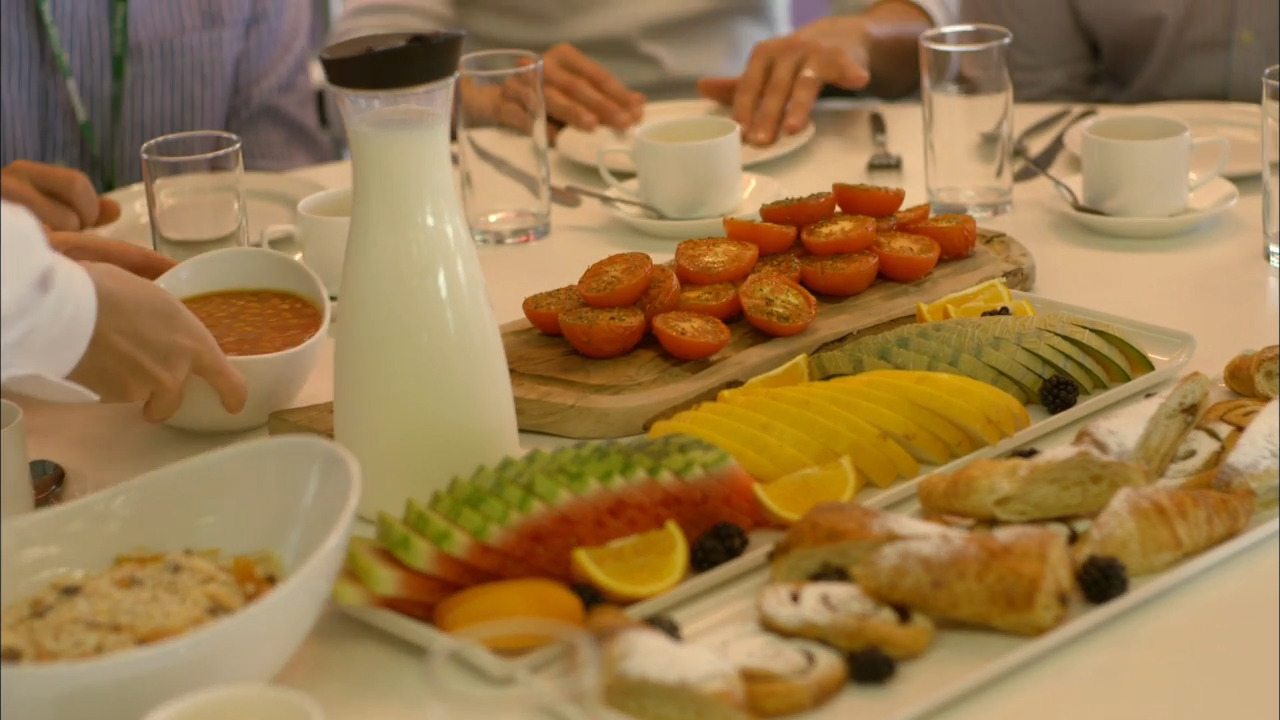
In Bees and Food Production, a group gathers around the breakfast table to enjoy a breakfast made of food that isn’t impacted by bees. But, aside from a pot of tea and some toast, the table is bare. What foods do bees help us enjoy? Everything from fruit to dairy!
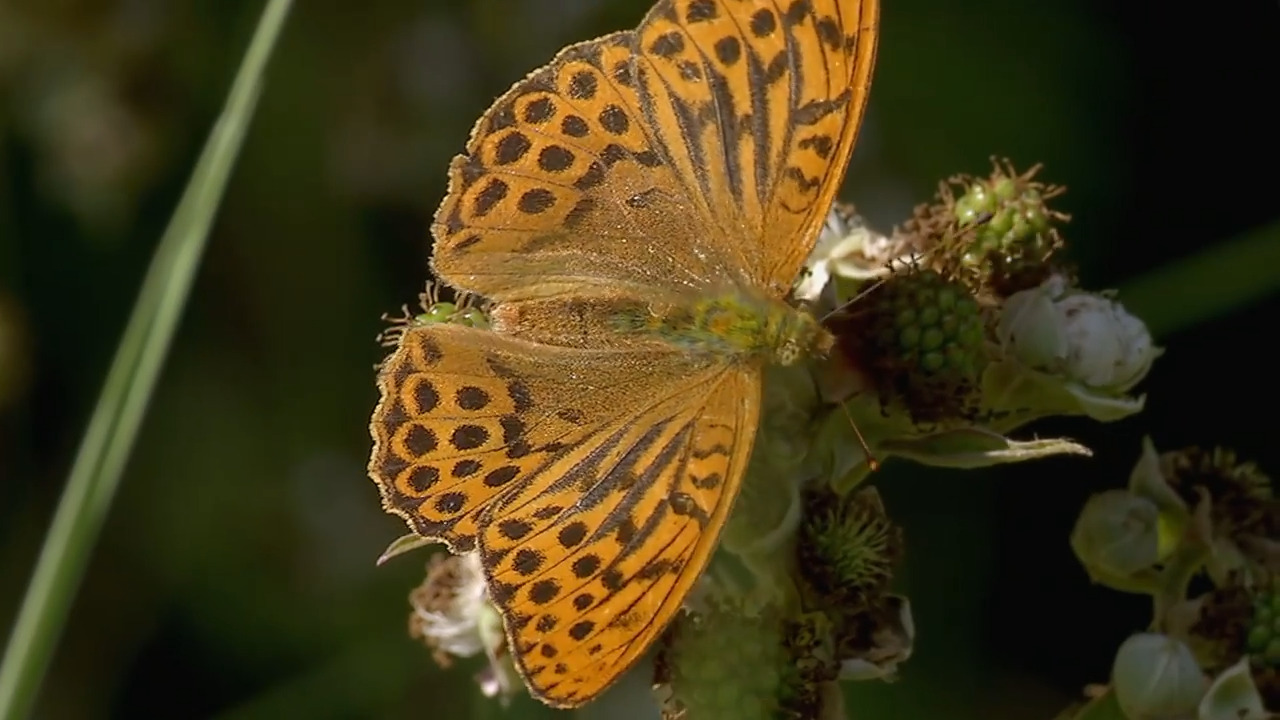
In Butterfly Tales, learn how butterflies bring joy and beauty to the world as they flutter into gardens and woods each spring. Dr. Bullman, a butterfly expert, shows how tracking butterflies helps scientists understand if the environment is healthy or not. She explains how to tell butterflies and moths apart — like how butterflies rest with their wings up, while moths rest with their wings flat. This video is excerpted from BBC’s Countryfile, which explores rural life and traditions of the countryside.
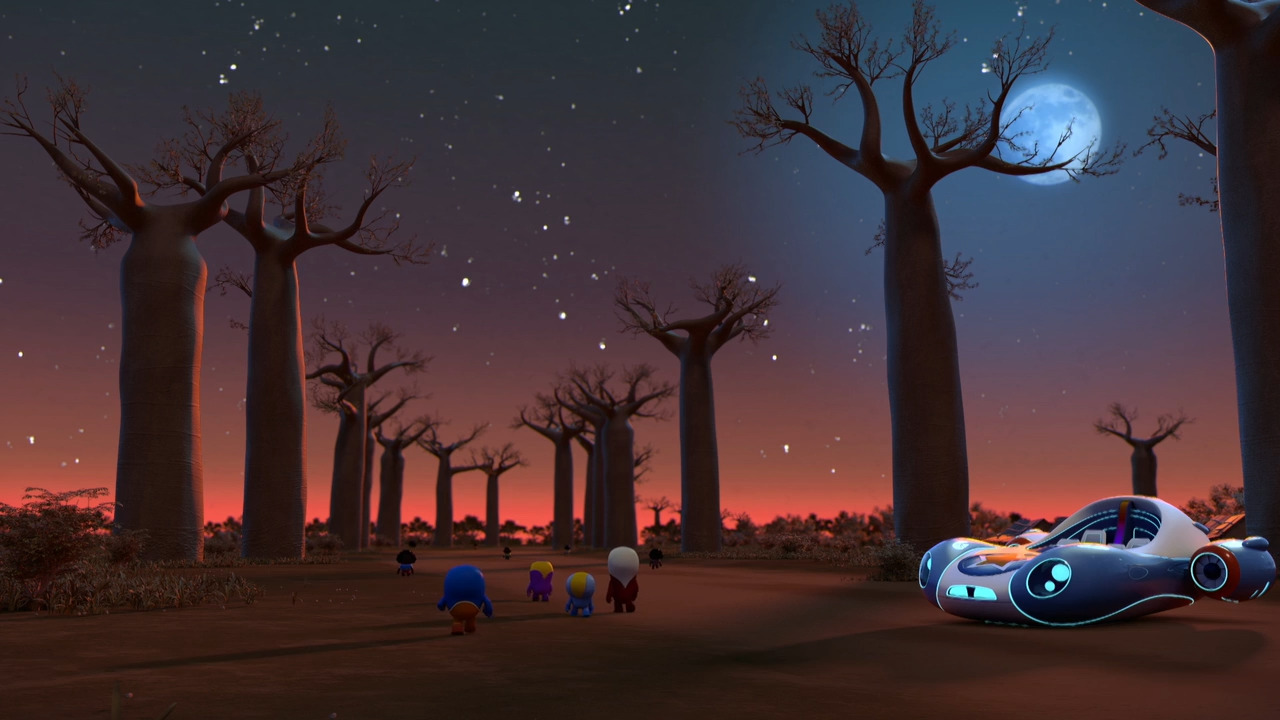
In The Go Jetters Learn About Upside-Down Trees, the Go Jetters crew explores the Avenue of the Baobabs in Madagascar. Ubercorn shares funky facts about these trees, including why they are called the "upside-down tree," and why they are important to nocturnal animals. This video is excerpted from BBC’s Go Jetters, a series that follows the adventures of four international heroes as they travel the globe visiting landmarks and solving environmental problems with Ubercorn, a disco-dancing unicorn.
In Pollinators and Plants, Nature’s Perfect Pair, narrator Sir David Attenborough explores the fascinating teamwork — and clever defenses — between plants and pollinators! Monarch butterflies rely on milkweed plants for laying eggs and gathering nectar, but the plant defends itself with a sap that challenges the caterpillars. Meanwhile, the Heliconia plant carefully rations nectar to keep the hummingbird returning, as only this bird’s uniquely shaped beak can pollinate it! This video is excerpted from BBC's Life, a show that explores the remarkable strategies animals and plants use to ensure their survival.
In Bees in Decline, visit a collection of bee specimens at the Oxford University Museum of Natural History. There are more than 250 species of bees, and they help pollinate everything from apples to flowers. But bees are in decline, and one reason is the varroa mite, a tiny bug that causes a big problem.
In Mouse Lemurs Are Sneaky Nectar Thieves!, narrator Sir David Attenborough highlights lemurs enjoying a two-course meal in the branches of the baobab tree. First, the lemurs drink nectar meant for pollinating moths; then the lemurs attack the moths! This video is excerpted from BBC's Planet Earth, a breathtaking documentary series that highlights the natural wonders of our planet.
In A Trap in Bloom: The Venus Flytrap’s Double Life, narrator Sir David Attenborough introduces the Venus flytrap, a carnivorous plant that attracts insects with sweet nectar on its leaves. When an insect triggers the hairs on the trap, it snaps shut. After a few days it reopens, leaving only the insect’s dry remains. However, Venus flytraps also need to pollinate, so it grows tall flowers away from its traps, allowing insects to safely feed on nectar and spread pollen, ensuring the plant can reproduce. This video is excerpted from BBC's Life, a show that explores the remarkable strategies animals and plants use to ensure their survival.
In Clever Ways Plants Reproduce, narrator Sir David Attenborough explains how flowers are amazing problem-solvers when it comes to pollination! In sunny fields of France, sunflowers use nectar to lure insects, which help spread pollen from flower to flower. But in the icy winds of Cradle Mountain, the honey bush protects its delicate parts by fusing its petals, leaving only strong birds to break through and help with pollination. Depending on its environment, flowers are problem-solvers when it comes to reproducing! This video is excerpted from BBC's Life, a show that explores the remarkable strategies animals and plants use to ensure their survival.
In How Plants Travel and Grow, narrator Sir David Attenborough discovers how plants spread their seeds, even though they can’t move! Deep in the Borneo forests, plants use wind to give their seeds wings — like the Alsomitra vine’s gliding seeds that soar hundreds of meters on a gentle breeze. In Arizona, the saguaro cactus relies on bats to pollinate its flowers, which bloom for just one cool night before fading. This video is excerpted from BBC's Life, a show that explores the remarkable strategies animals and plants use to ensure their survival.
In A Flower’s Fierce Fight: The Brunsvigia’s Seed-Spreading Strategy, narrator Sir David Attenborough describes the Brunsvigia plant from South Africa, which waits for heavy rains to trigger its growth. It bursts through the surface with beautiful flowers that are pollinated by insects. After a few days, the flowers shrivel and die, and the wind carries the seeds far and wide, where they quickly begin to grow and start the cycle again! This video is excerpted from BBC's Life, a show that explores the remarkable strategies animals and plants use to ensure their survival.
Beekeeper Nick was confused when his bees kept dying off. He kept his hives being stocked with food, so why did he still lose around 75% of the colony? The answer was in what was (or wasn’t) in his bees’ food.
In the wild, bees take what they need from flowers to make honey, and then feed off this honey in the winter. When we take this honey for ourselves, beekeepers replace it with supplementary food in the form of sugar and water, and scientists now say that bees can’t subsist off of just sugar and water, as the simple combination was missing key nutrients. Your parents probably said the same thing about why you can’t just have cake for dinner!
After years of testing different foods for bees, scientists have finally discovered how to make the core ingredient, called “sterole.” Oxford scientists have been developing the best foods for bees, and have found that the bees who consumed the food with sterole were healthier, and had up to 15 times more baby bees! This breakthrough is incredibly important — it means bees can still thrive without floral pollen, which would also help our food security, since bees are so important for pollinating crops.
Tiny but mighty, bees play a huge role in keeping our world alive and blooming. As they travel from flower to flower, they carry pollen that helps plants reproduce — supporting ecosystems and much of the food we eat. Inside their hives, bees work together in highly organized communities, each with a job to do.
From pollination to honey-making, this is the ideal quiz to help students ages 8–14 develop their "hive mind."
In Bees and Food Production, a group gathers around the breakfast table to enjoy a breakfast made of food that isn’t impacted by bees. But, aside from a pot of tea and some toast, the table is bare. What foods do bees help us enjoy? Everything from fruit to dairy!
In Butterfly Tales, learn how butterflies bring joy and beauty to the world as they flutter into gardens and woods each spring. Dr. Bullman, a butterfly expert, shows how tracking butterflies helps scientists understand if the environment is healthy or not. She explains how to tell butterflies and moths apart — like how butterflies rest with their wings up, while moths rest with their wings flat. This video is excerpted from BBC’s Countryfile, which explores rural life and traditions of the countryside.
In The Go Jetters Learn About Upside-Down Trees, the Go Jetters crew explores the Avenue of the Baobabs in Madagascar. Ubercorn shares funky facts about these trees, including why they are called the "upside-down tree," and why they are important to nocturnal animals. This video is excerpted from BBC’s Go Jetters, a series that follows the adventures of four international heroes as they travel the globe visiting landmarks and solving environmental problems with Ubercorn, a disco-dancing unicorn.