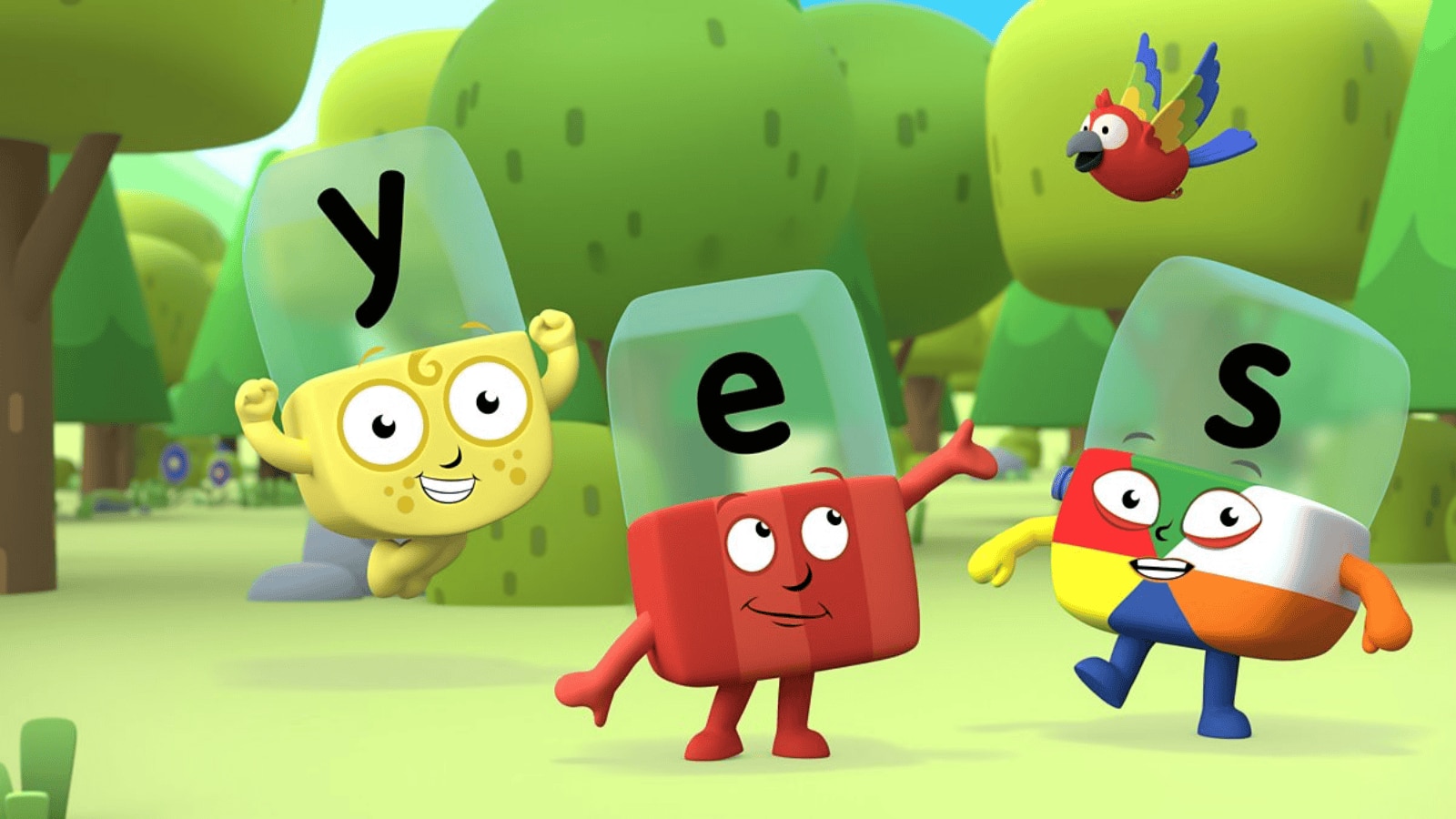
Meet the Alphablocks — 26 living letters who discover that when they hold hands to make a word, something magical happens. Celebrated for its innovative approach to teaching reading, Alphablocks makes learning joyful, active, and engaging for early learners. This free collection of Alphablocks worksheets brings that magic to life at home or in the classroom, with Alphablocks letter cards kids can use to build words, alphabet finger puppets, and playful worksheets that teach letter sounds.
Watch full episodes of the award-winning show for kids ages 3–6 on the official Alphablocks YouTube channel!
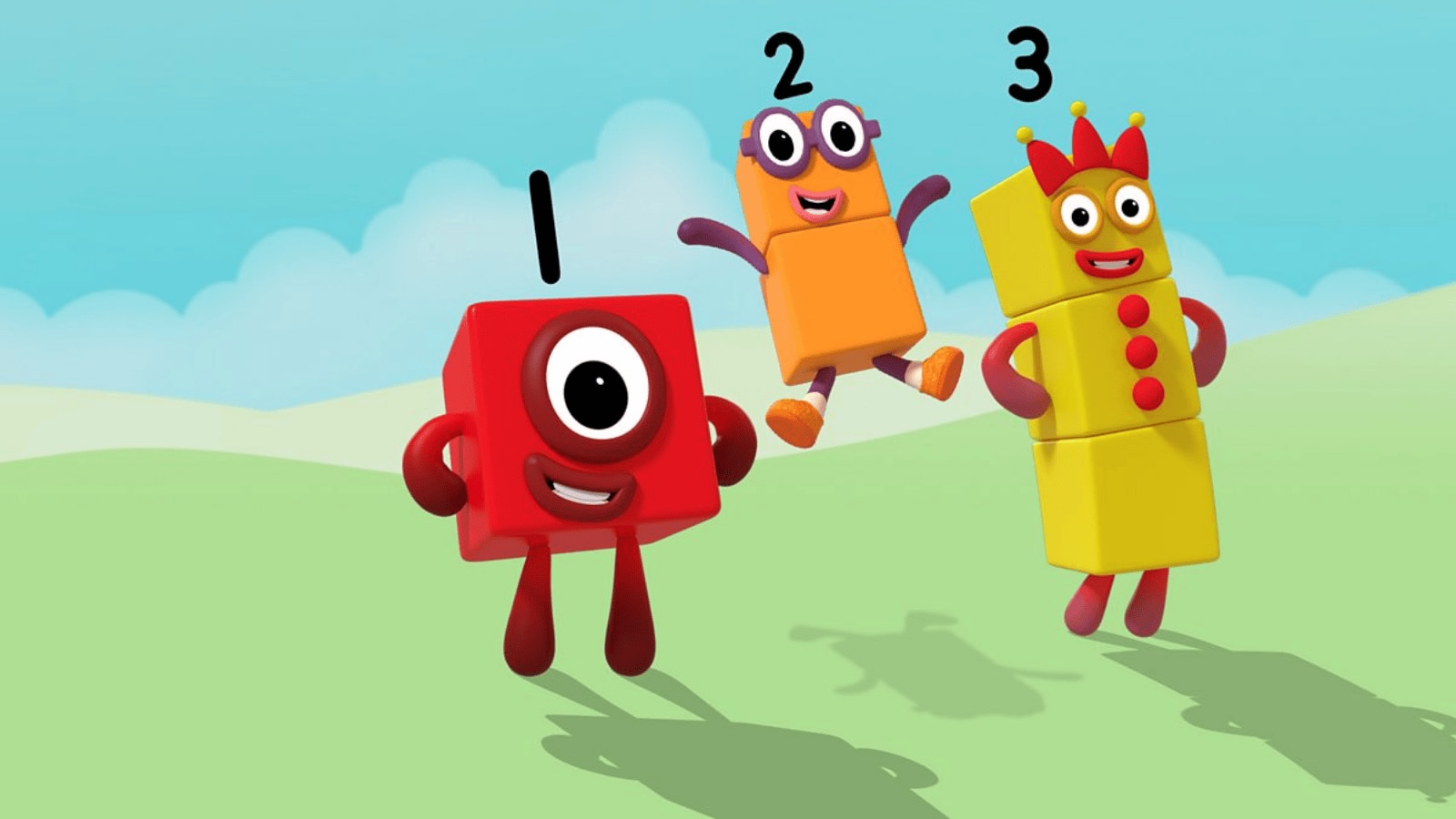
Meet the Numberblocks — little blocks with big ideas who make learning numbers fun and exciting for young children ages 3–7. Numberblocks helps kids build number sense as the characters come together, break apart, and explore how numbers really work. This free collection of printable games and colorful worksheets games give little learners hands-on practice with counting, odd and even numbers, and simple addition and subtraction. Perfect for use at home or in the classroom, these ready-to-use activities turn math practice into joyful play.
Plus, watch full episodes on the official Numberblocks YouTube channel!
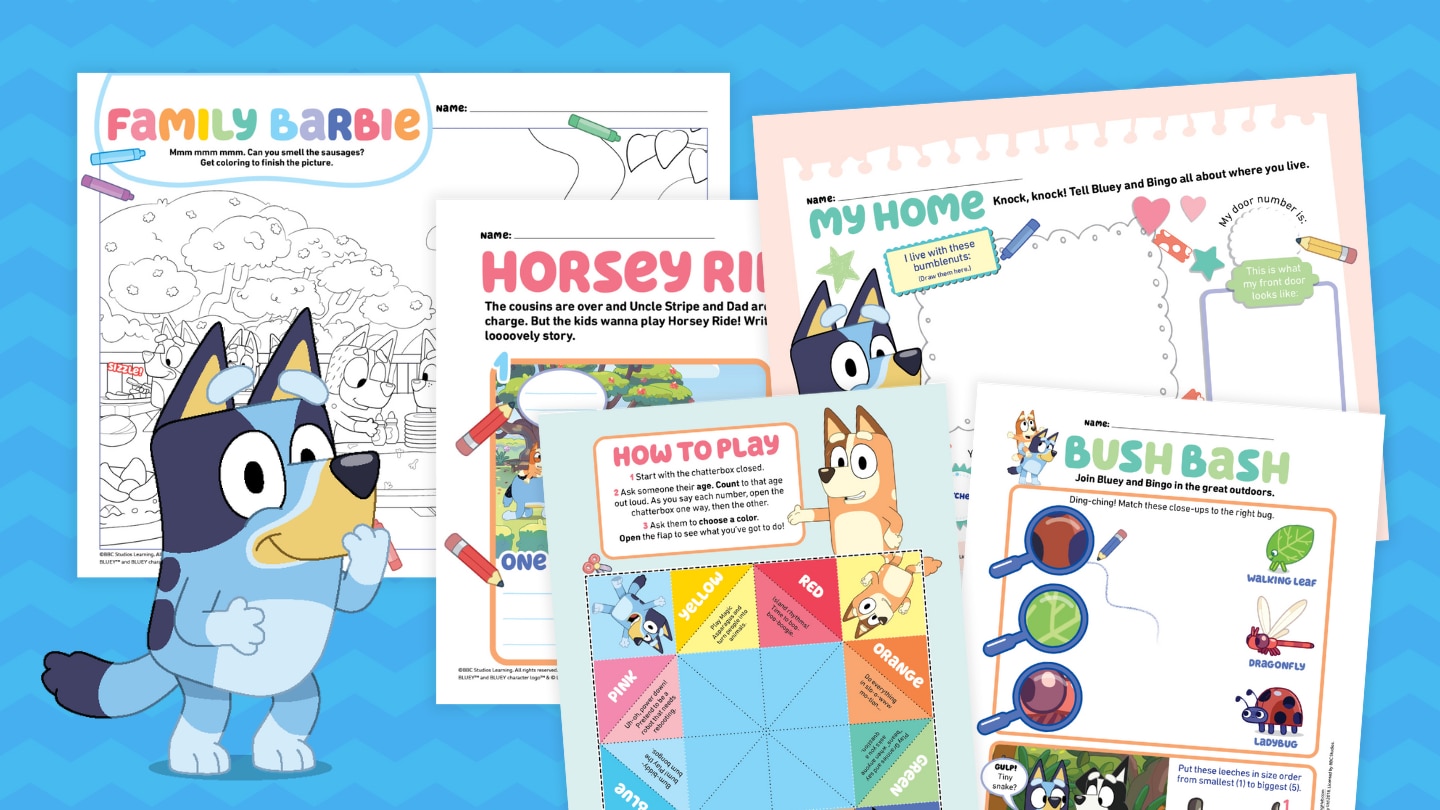
Get ready for hours of fun with Bluey and her friends! This collection of activity pages is packed with puzzles, coloring sheets, games, and creative challenges that bring the world of Bluey to life. Perfect for playtime or rainy days — let’s play!
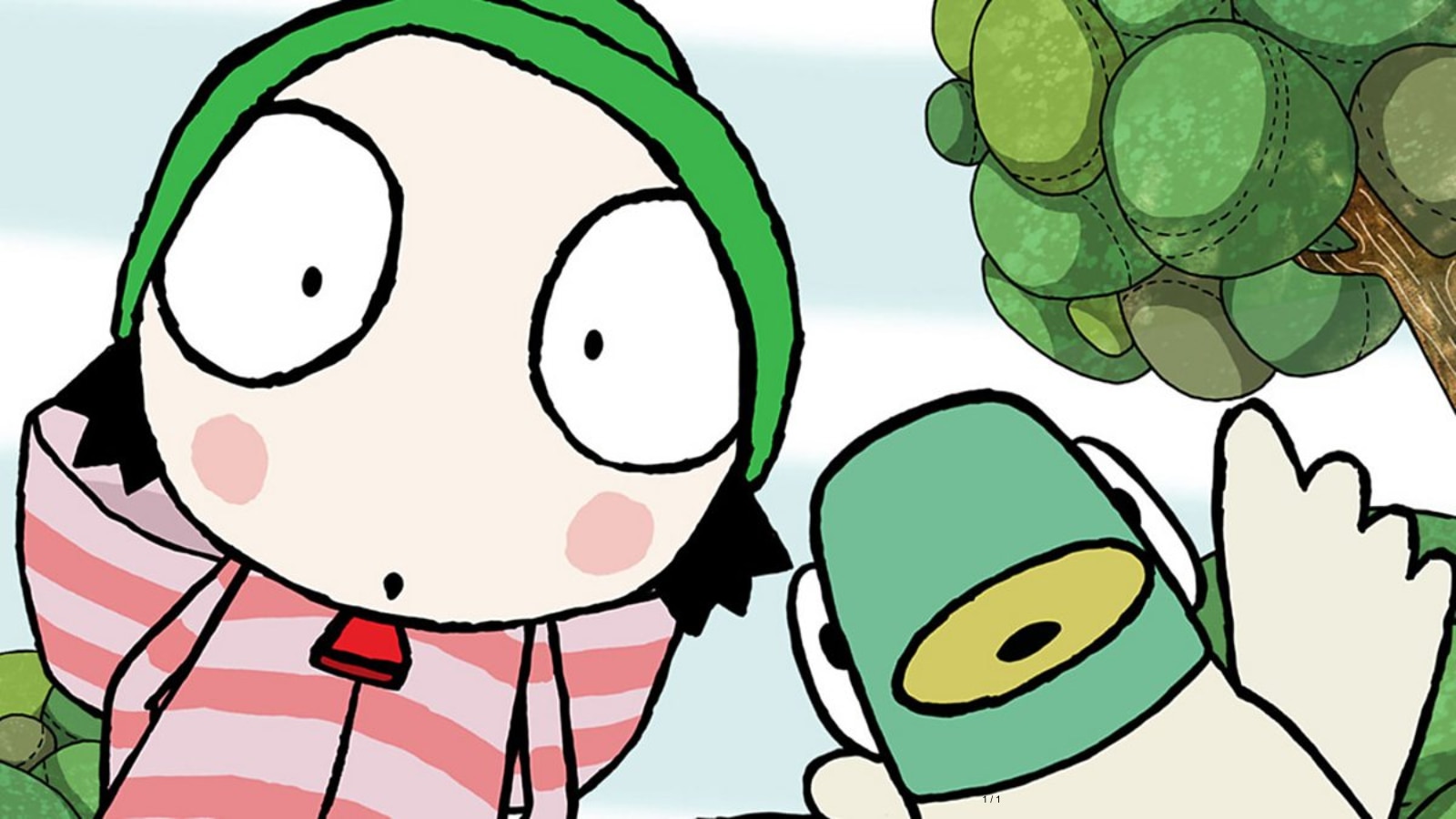
Consider this your introduction to one of BBC's most beloved children's programs. Sarah & Duck is a kids' show about the adventures of 7-year-old Sarah and her quacky, flappy best friend, Duck. These short episodes are perfect for teaching your PreK–Grade 2 students seasonal content and social-emotional skills. Each of these 10 videos comes complete with a Lesson Express. Show a video and then pick and choose from: Questions, Vocabulary, Writing Prompt, and Student Activities. This makes a great activity for morning meeting or a Friday reward!
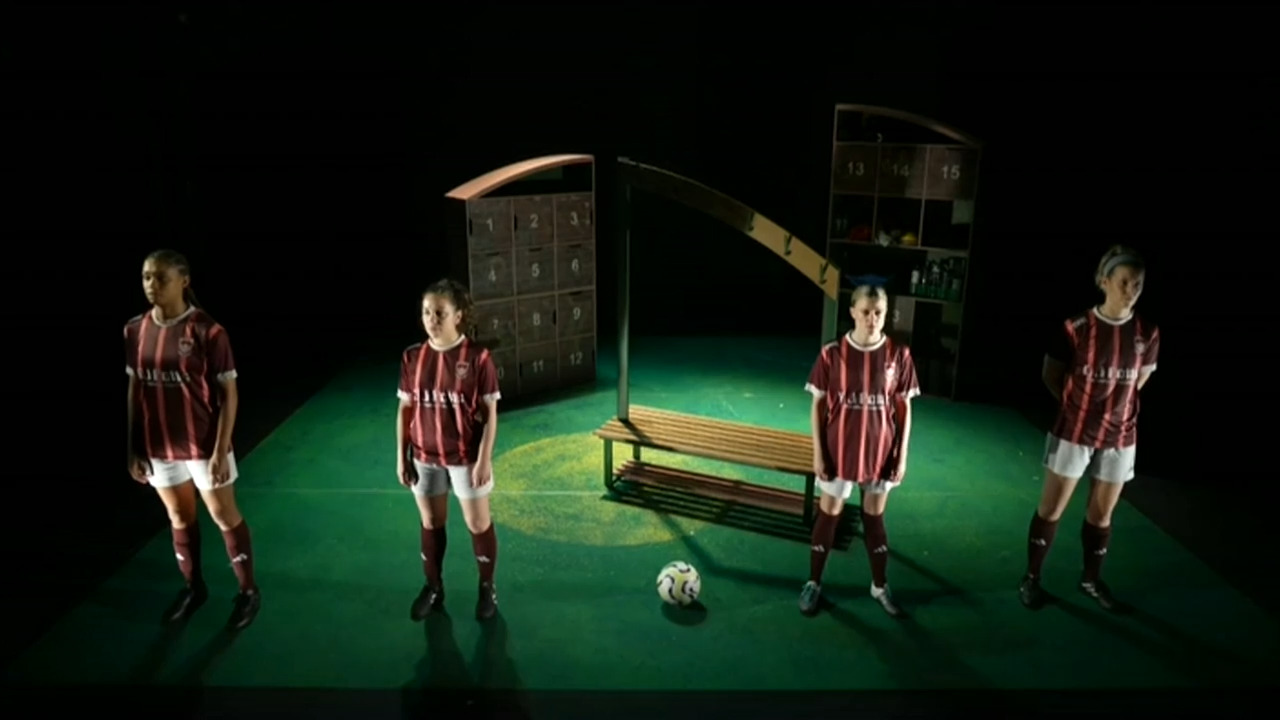
What happens when you mix theatre with soccer, or football as they call in the UK? You get a play that turns women’s soccer into a live story of grit, pressure, and ambition — no stadium required. This new production brings the energy of the game to the stage, spotlighting the real experiences of female athletes in sport.
The story doesn’t shy away from reality. Women footballers around the world have faced uneven playing conditions, from ill-fitting men’s kits to poorly maintained pitches and training setups that simply weren’t built with them in mind. Even small things — like long walks between facilities or limited access to resources — add up and shape the experience of being a professional athlete.
What makes the play feel especially authentic is the lead actor, who actually played semi-pro football before moving into acting. That real-life experience gives the performance extra edge, blending sport and storytelling in a way that feels lived-in, not just acted.
At its core, the production is about more than football. It’s about visibility, opportunity, and challenging the idea of who gets to have a future in sport — and who gets to be seen on stage telling that story.
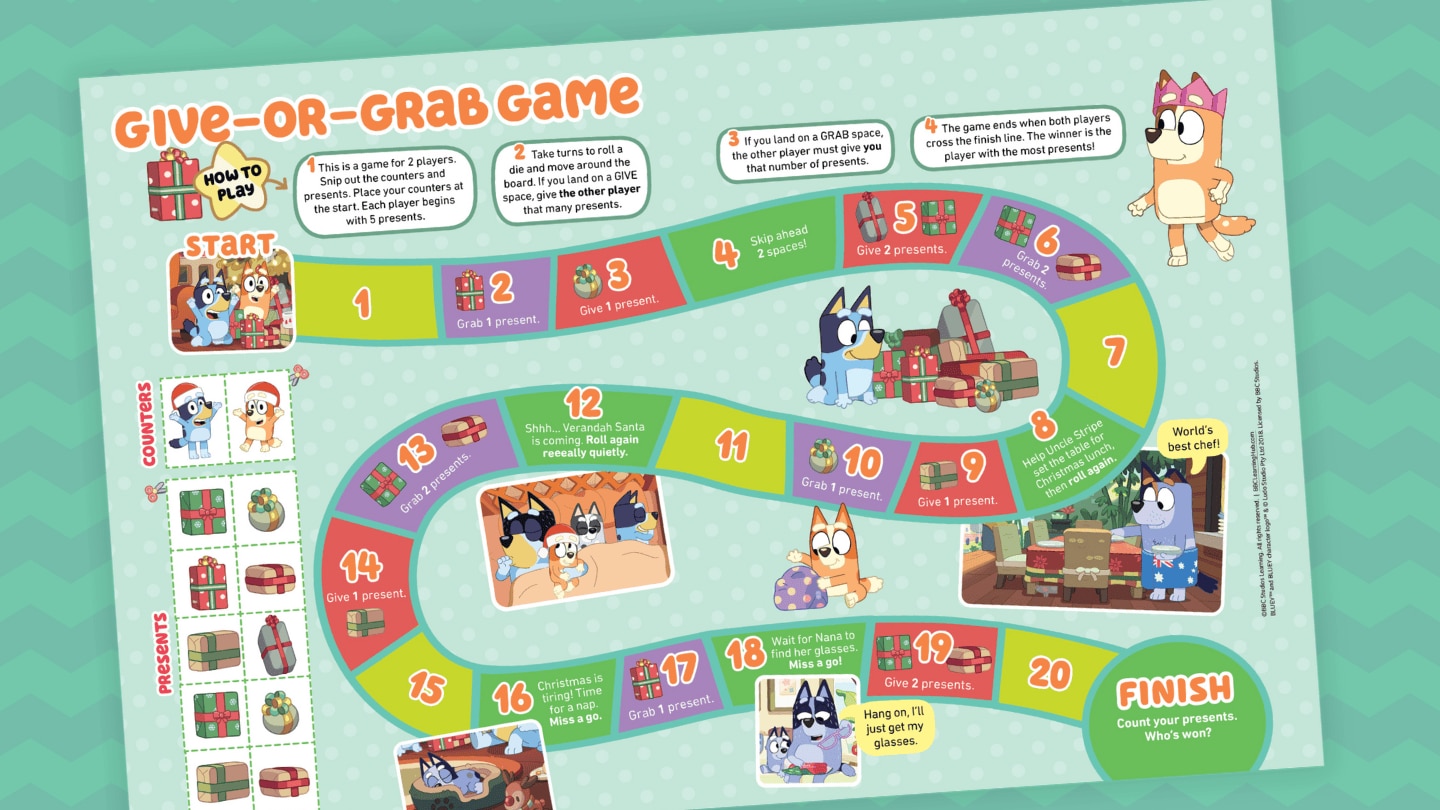
It's the holiday season! Grab a pal and play this fun game. Here's how:
- This is a game for two players. Snip out the counters and presents. Place your counters at the start. Each player begins with five presents.
- Take turns to roll a die and move around the board. If you land on a GIVE space, give the other player that many presents.
- If you land on a GRAB space, the other player must give you that number of presents.
- The game ends when both players cross the finish line. The winner is the player with the most presents!
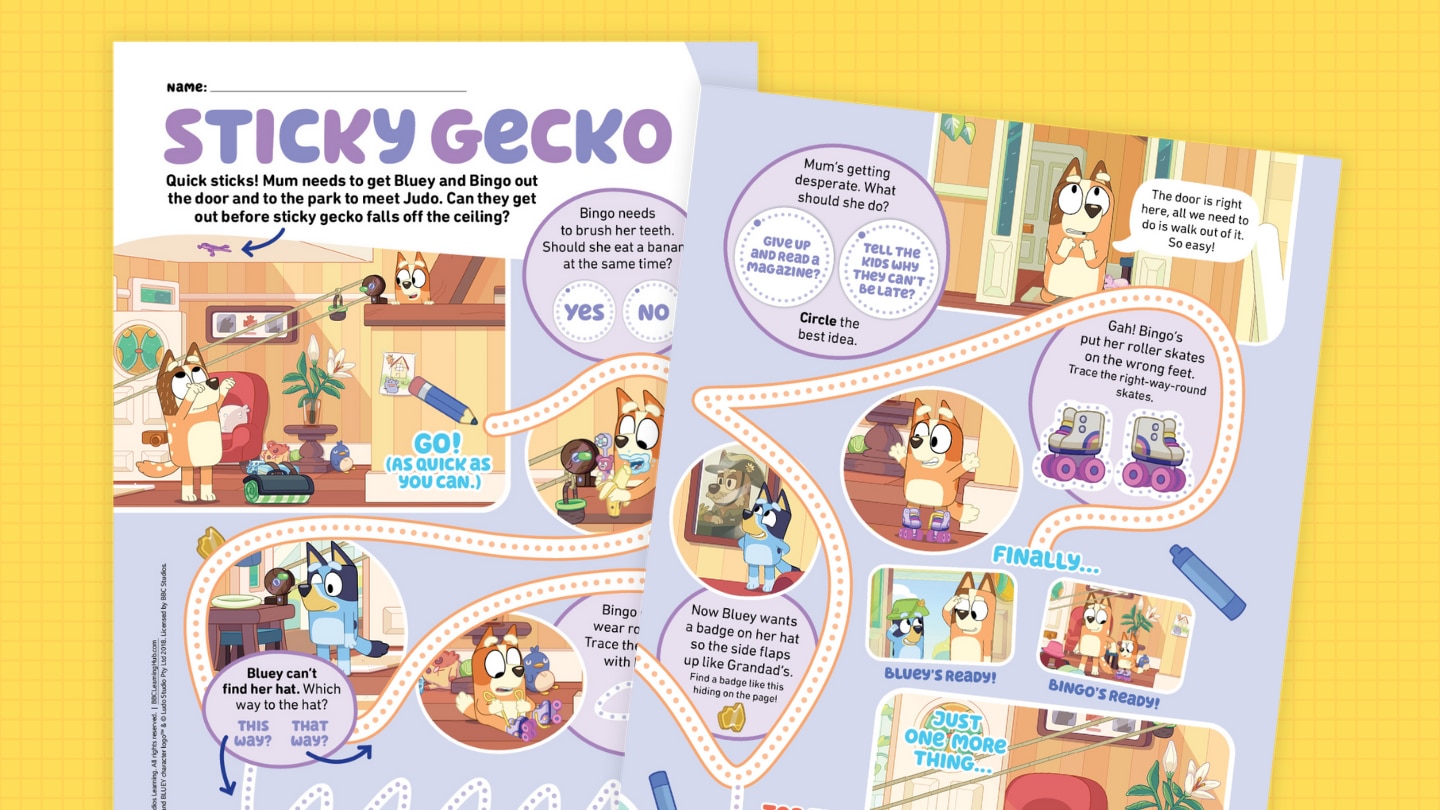
Quick sticks! Mum needs to get Bluey and Bingo out the door and to the park to meet Judo. Can they get out before sticky gecko falls off the ceiling? Play the game!
Inspired by Season 2, Episode 12 "Sticky Gecko": Mum’s arranged a playdate for Bluey and Bingo with Judo in the park and is trying to get the kids dressed and ready to leave the house, but they won’t go until they’ve finished their game!

Not sure what to play? Let the chatterbox decide. Use this fun Bluey template to make your own. All you need is a pair of scissors and a bit of grown-up help. Once it's done, you start with the chatterbox closed. Ask someone their age. Count to that age out loud. As you say each number, open the chatterbox one way, then the other. Ask your partner to choose a color. Open the flap to see what you've got to do!
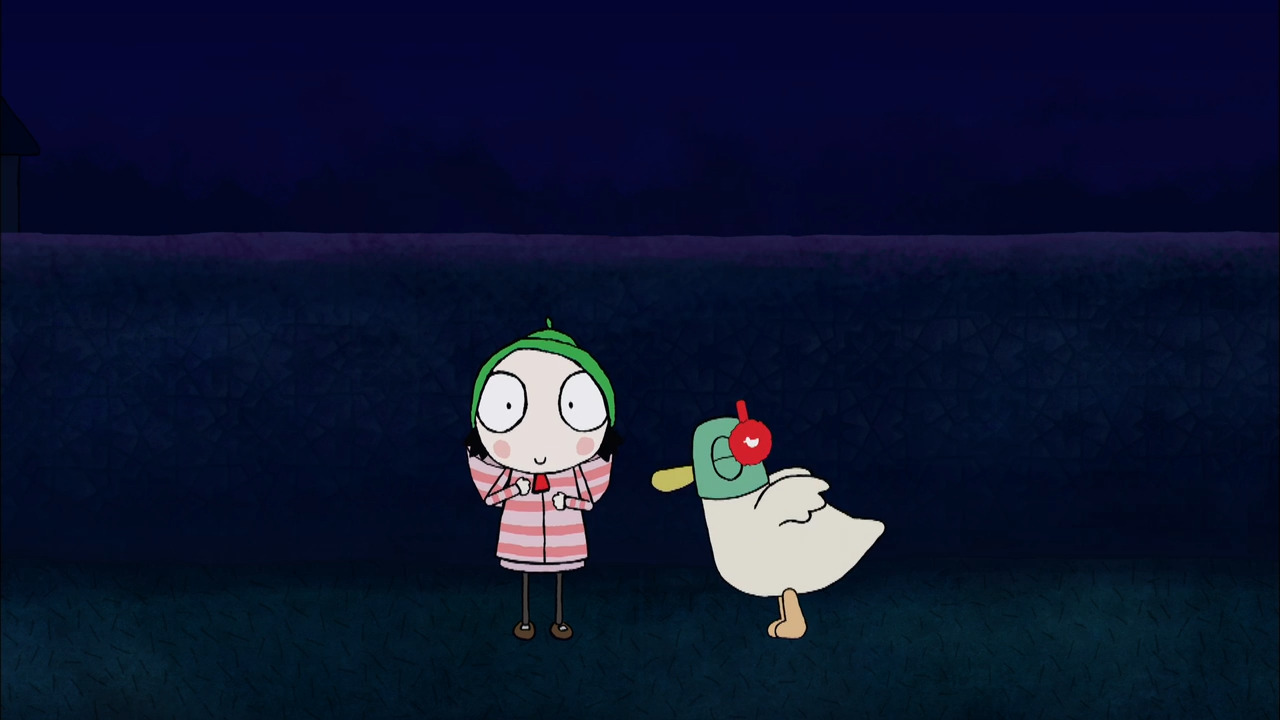
In Sarah and Duck and the Fireworks Dance, Sarah and Duck are playing indoors. When a fireworks display lights up the sky, Duck hides, until Sarah finds him and helps him enjoy the fireworks with a pair of earmuffs. This video is excerpted from BBC’s Sarah & Duck, a kids' show about the adventures of 7-year-old Sarah and her quacky, flappy best friend, Duck.
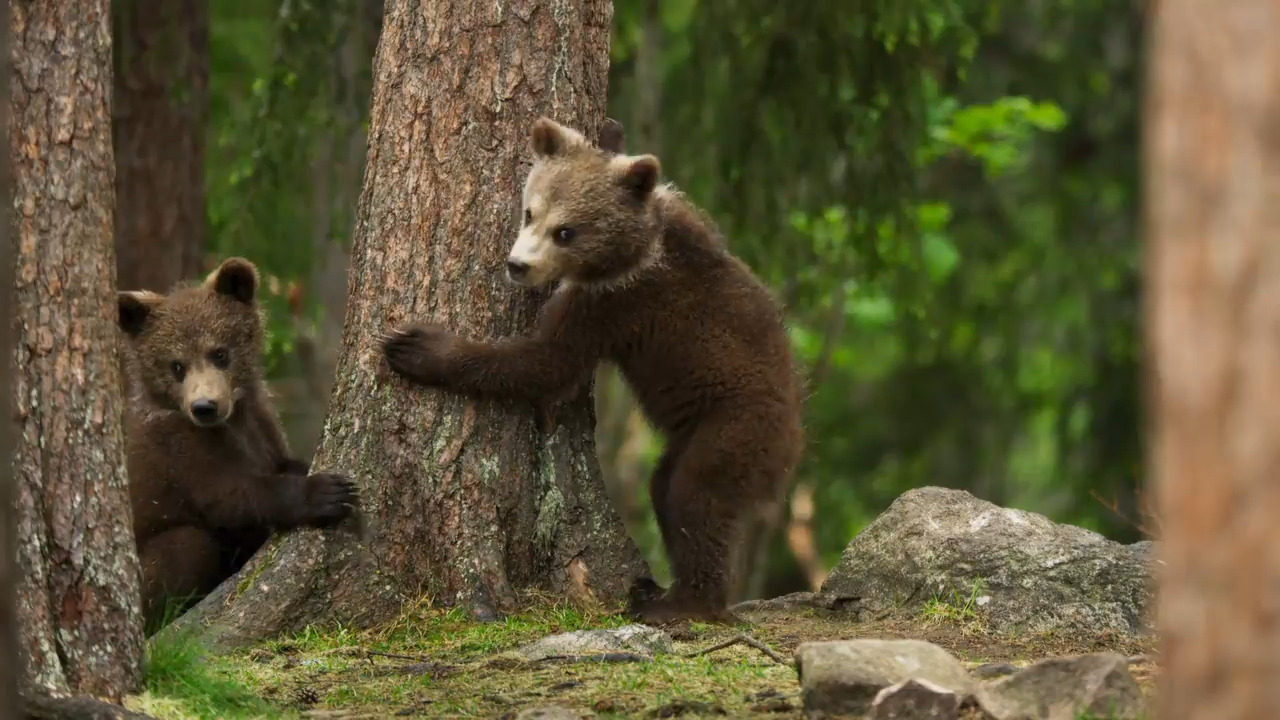
In The Shrinking Forests of Finland, narrator Sir David Attenborough reveals that forest once covered 80% Europe but now only half of it remains. In Finland, two bear cubs are playing in the forest — two of only 1,500 that are left in the forests of Finland. This video is excerpted from BBC’s Seven Worlds, One Planet, a series featuring remarkable animal behavior from all seven continents.
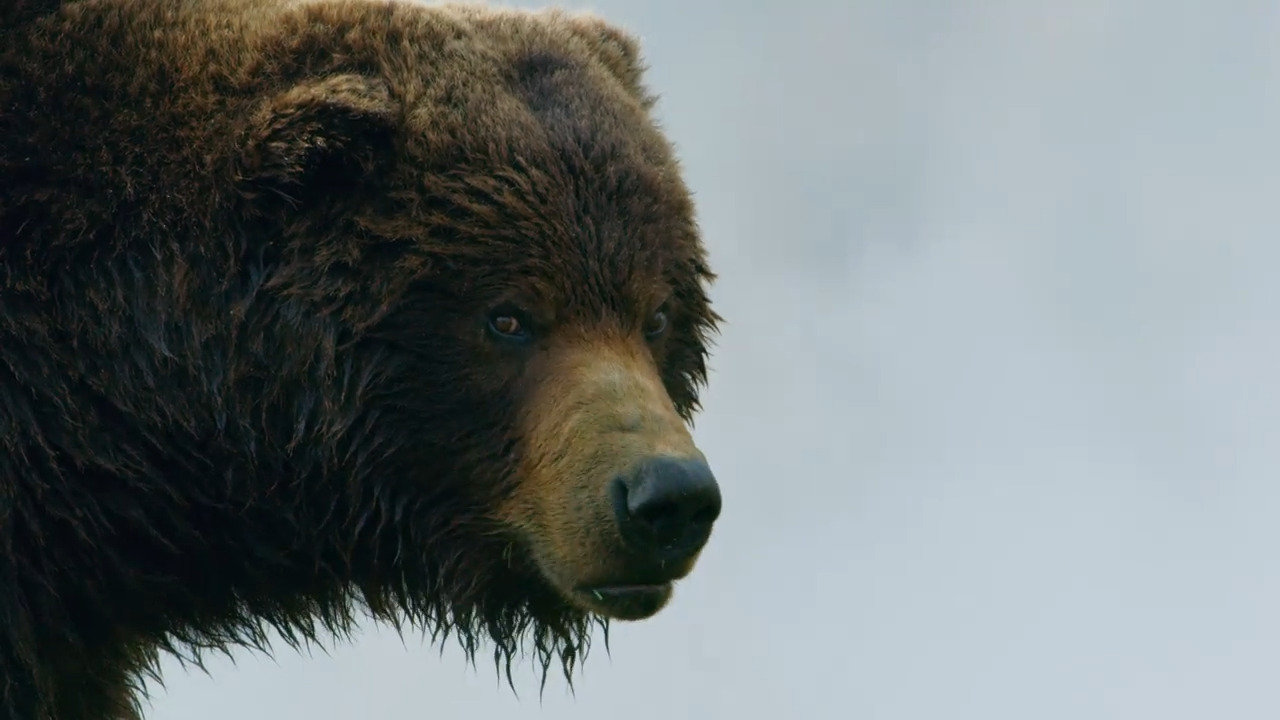
In Kamchatka Brown Bear narrator Sir David Attenborough reveals how Kamchatka brown bears brave the dangers of scalding volcanic pools to find food after a long winter. These normally solitary giants tolerate each other, even finding time for play, in this rare oasis. This video is excerpted from BBC’s Seven Worlds, One Planet, a series featuring remarkable animal behavior from all seven continents.
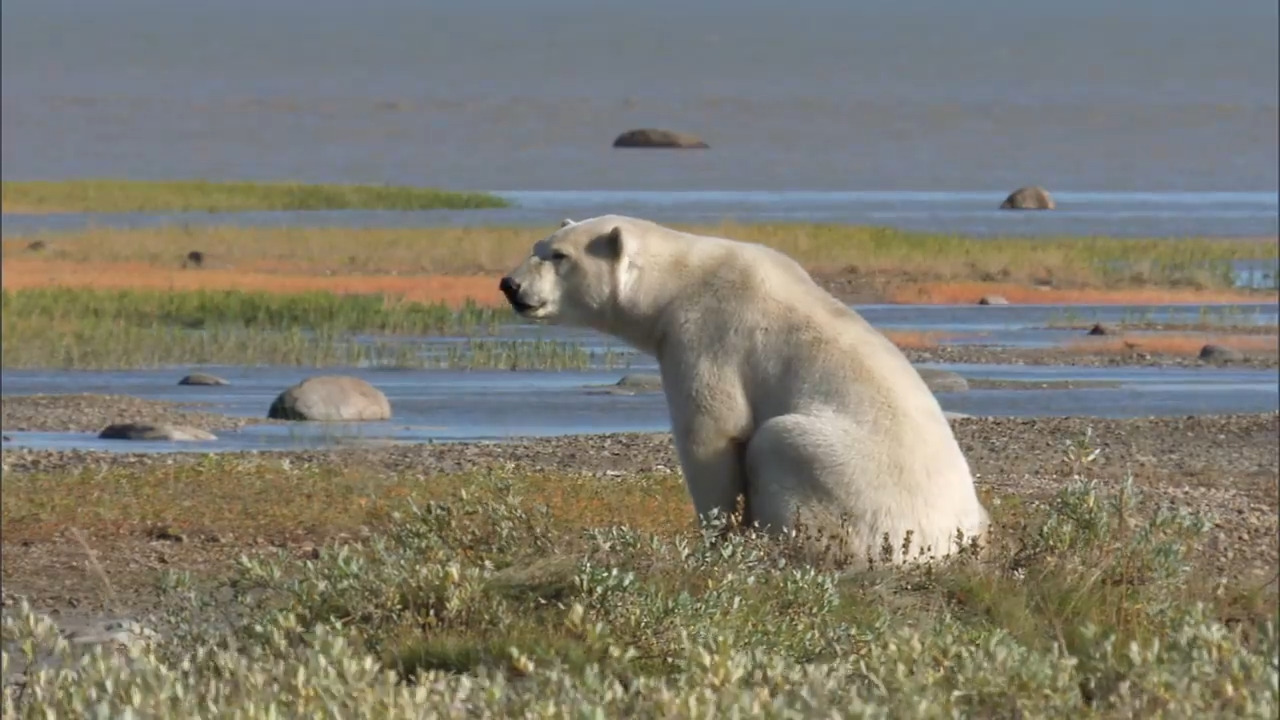
In Polar Bears in Autumn, narrator Sir David Attenborough describes how autumn is beginning and polar bears are gathering along the edge of the water to wait for the ocean to freeze. Bears bide their time by play fighting and finding anything they can to gnaw on. This video is excerpted from BBC’s Frozen Planet, a series that shows a fragile world of beauty and hostility, where nature finds a way to survive and thrive in frigid conditions.
Meet the Alphablocks — 26 living letters who discover that when they hold hands to make a word, something magical happens. Celebrated for its innovative approach to teaching reading, Alphablocks makes learning joyful, active, and engaging for early learners. This free collection of Alphablocks worksheets brings that magic to life at home or in the classroom, with Alphablocks letter cards kids can use to build words, alphabet finger puppets, and playful worksheets that teach letter sounds.
Watch full episodes of the award-winning show for kids ages 3–6 on the official Alphablocks YouTube channel!
Meet the Numberblocks — little blocks with big ideas who make learning numbers fun and exciting for young children ages 3–7. Numberblocks helps kids build number sense as the characters come together, break apart, and explore how numbers really work. This free collection of printable games and colorful worksheets games give little learners hands-on practice with counting, odd and even numbers, and simple addition and subtraction. Perfect for use at home or in the classroom, these ready-to-use activities turn math practice into joyful play.
Plus, watch full episodes on the official Numberblocks YouTube channel!
Get ready for hours of fun with Bluey and her friends! This collection of activity pages is packed with puzzles, coloring sheets, games, and creative challenges that bring the world of Bluey to life. Perfect for playtime or rainy days — let’s play!
Consider this your introduction to one of BBC's most beloved children's programs. Sarah & Duck is a kids' show about the adventures of 7-year-old Sarah and her quacky, flappy best friend, Duck. These short episodes are perfect for teaching your PreK–Grade 2 students seasonal content and social-emotional skills. Each of these 10 videos comes complete with a Lesson Express. Show a video and then pick and choose from: Questions, Vocabulary, Writing Prompt, and Student Activities. This makes a great activity for morning meeting or a Friday reward!
What happens when you mix theatre with soccer, or football as they call in the UK? You get a play that turns women’s soccer into a live story of grit, pressure, and ambition — no stadium required. This new production brings the energy of the game to the stage, spotlighting the real experiences of female athletes in sport.
The story doesn’t shy away from reality. Women footballers around the world have faced uneven playing conditions, from ill-fitting men’s kits to poorly maintained pitches and training setups that simply weren’t built with them in mind. Even small things — like long walks between facilities or limited access to resources — add up and shape the experience of being a professional athlete.
What makes the play feel especially authentic is the lead actor, who actually played semi-pro football before moving into acting. That real-life experience gives the performance extra edge, blending sport and storytelling in a way that feels lived-in, not just acted.
At its core, the production is about more than football. It’s about visibility, opportunity, and challenging the idea of who gets to have a future in sport — and who gets to be seen on stage telling that story.
It's the holiday season! Grab a pal and play this fun game. Here's how:
- This is a game for two players. Snip out the counters and presents. Place your counters at the start. Each player begins with five presents.
- Take turns to roll a die and move around the board. If you land on a GIVE space, give the other player that many presents.
- If you land on a GRAB space, the other player must give you that number of presents.
- The game ends when both players cross the finish line. The winner is the player with the most presents!
Quick sticks! Mum needs to get Bluey and Bingo out the door and to the park to meet Judo. Can they get out before sticky gecko falls off the ceiling? Play the game!
Inspired by Season 2, Episode 12 "Sticky Gecko": Mum’s arranged a playdate for Bluey and Bingo with Judo in the park and is trying to get the kids dressed and ready to leave the house, but they won’t go until they’ve finished their game!
Not sure what to play? Let the chatterbox decide. Use this fun Bluey template to make your own. All you need is a pair of scissors and a bit of grown-up help. Once it's done, you start with the chatterbox closed. Ask someone their age. Count to that age out loud. As you say each number, open the chatterbox one way, then the other. Ask your partner to choose a color. Open the flap to see what you've got to do!
In Sarah and Duck and the Fireworks Dance, Sarah and Duck are playing indoors. When a fireworks display lights up the sky, Duck hides, until Sarah finds him and helps him enjoy the fireworks with a pair of earmuffs. This video is excerpted from BBC’s Sarah & Duck, a kids' show about the adventures of 7-year-old Sarah and her quacky, flappy best friend, Duck.
In The Shrinking Forests of Finland, narrator Sir David Attenborough reveals that forest once covered 80% Europe but now only half of it remains. In Finland, two bear cubs are playing in the forest — two of only 1,500 that are left in the forests of Finland. This video is excerpted from BBC’s Seven Worlds, One Planet, a series featuring remarkable animal behavior from all seven continents.
In Kamchatka Brown Bear narrator Sir David Attenborough reveals how Kamchatka brown bears brave the dangers of scalding volcanic pools to find food after a long winter. These normally solitary giants tolerate each other, even finding time for play, in this rare oasis. This video is excerpted from BBC’s Seven Worlds, One Planet, a series featuring remarkable animal behavior from all seven continents.
In Polar Bears in Autumn, narrator Sir David Attenborough describes how autumn is beginning and polar bears are gathering along the edge of the water to wait for the ocean to freeze. Bears bide their time by play fighting and finding anything they can to gnaw on. This video is excerpted from BBC’s Frozen Planet, a series that shows a fragile world of beauty and hostility, where nature finds a way to survive and thrive in frigid conditions.