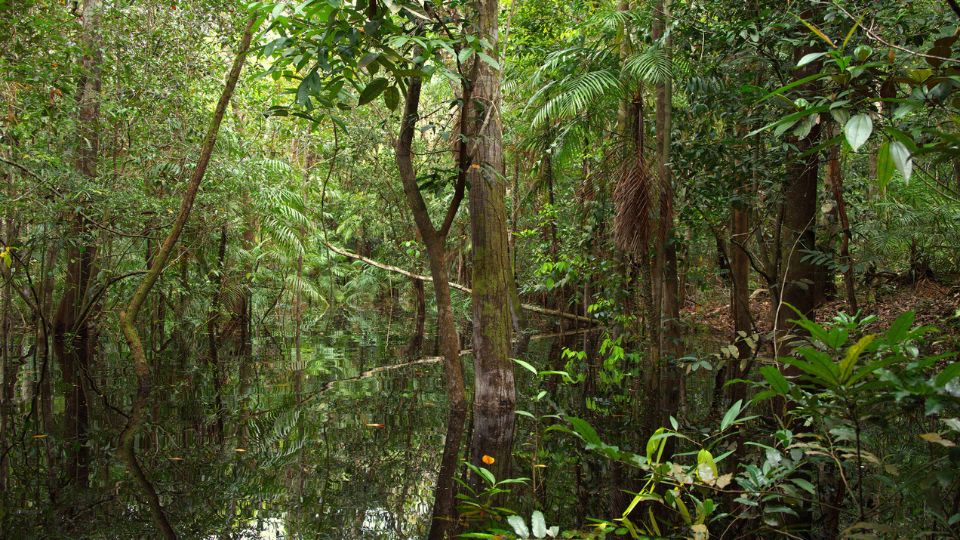
Journey into the heart of the rainforest and explore the four amazing layers that make this ecosystem so unique. From the sunlit emergent layer high above the trees to the dark and humid forest floor below, students will discover how different plants and animals survive and thrive in each part of the rainforest.
This Kahoot examines the rainforest’s distinct layers — the emergent layer, canopy, understory, and forest floor — and the important roles they play in supporting biodiversity. Students will learn how animals adapt to life at different heights, how plants compete for sunlight and water, and how all the layers work together to create one of the richest ecosystems on Earth.
Watch the related BBC videos (below), then invite your Grade 3–8 students to test their knowledge and uncover the wonders hidden within each layer of the rainforest.
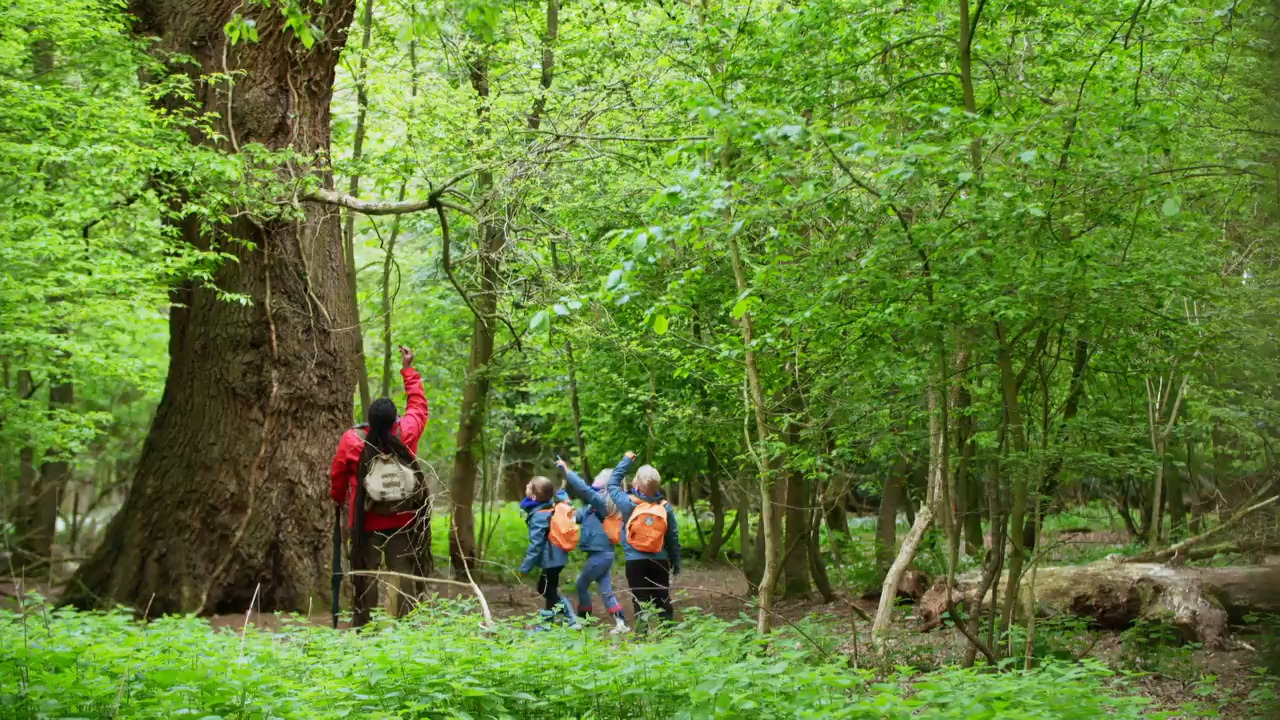
In Ancient Oaks Make for Amazing Habitats, Ranger Hamza and the Ramblers find an oak tree. Join them as they learn about this amazing, 400-year-old oak tree and how it provides a home for lots of animals! This video is excerpted from BBC's Ranger Hamza’s Eco Quest, a nature exploration show in which Ranger Hamza and the Ramblers go on quests to discover nature’s wonders and the important role they play in our environment.
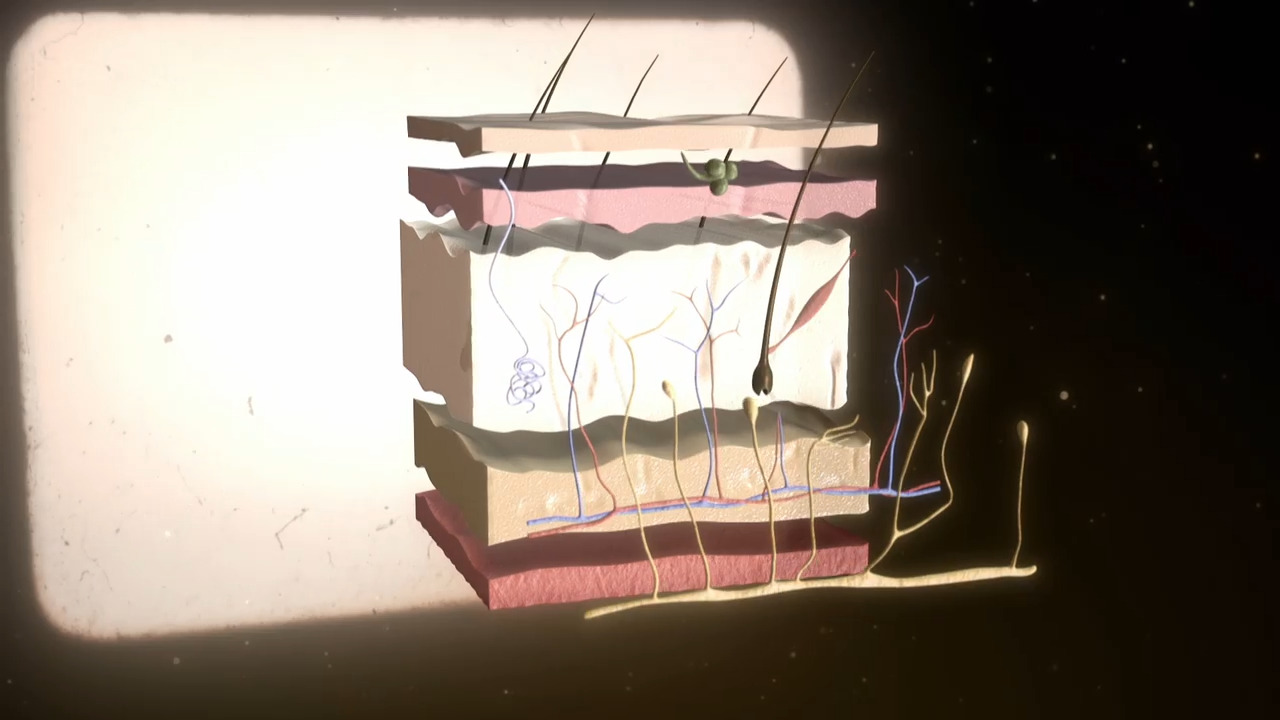
In Layers of the Skin, evolutionary biologist Ben Garrod explores the fascinating science of skin and how mammals, amphibians, fish, reptiles, and birds share a similar basic skin structure, despite differences in appearance and function. Learn about the three main layers of skin: the epidermis, dermis, and subcutaneous fat layer. Each layer plays an important role in helping animals adapt to their environment, providing protection, flexibility, and sensitivity. See how skin can be tough, flexible, colorful, and capable of growing feathers, hair, and even teeth. This video is excerpted from BBC’s Secrets of Skin, a documentary series exploring the natural history of the body's largest organ.
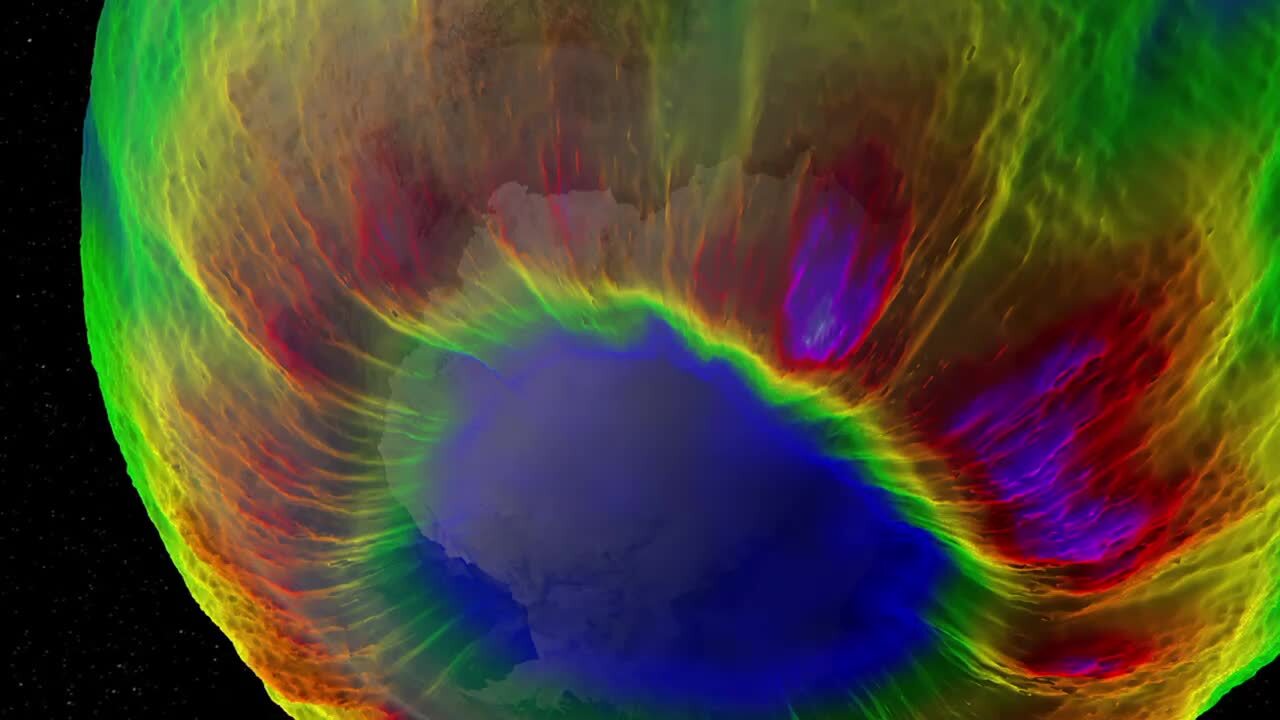
In Breathing Life Into Earth, geologist Iain Stewart explains how oxygen left the ocean and filled the atmosphere, creating a huge turning point in the story of life on Earth. This oxygen helped form the ozone layer, which acts like a protective shield, blocking harmful radiation from the Sun and allowing life to thrive. Without oxygen, Earth wouldn’t have been able to support all the amazing life forms we know. This video is excerpted from BBC’s Earth: The Power of the Planet, a documentary series in which Dr. Iain Stewart discovers how Earth's forces can shape nature, species, and even the climate.
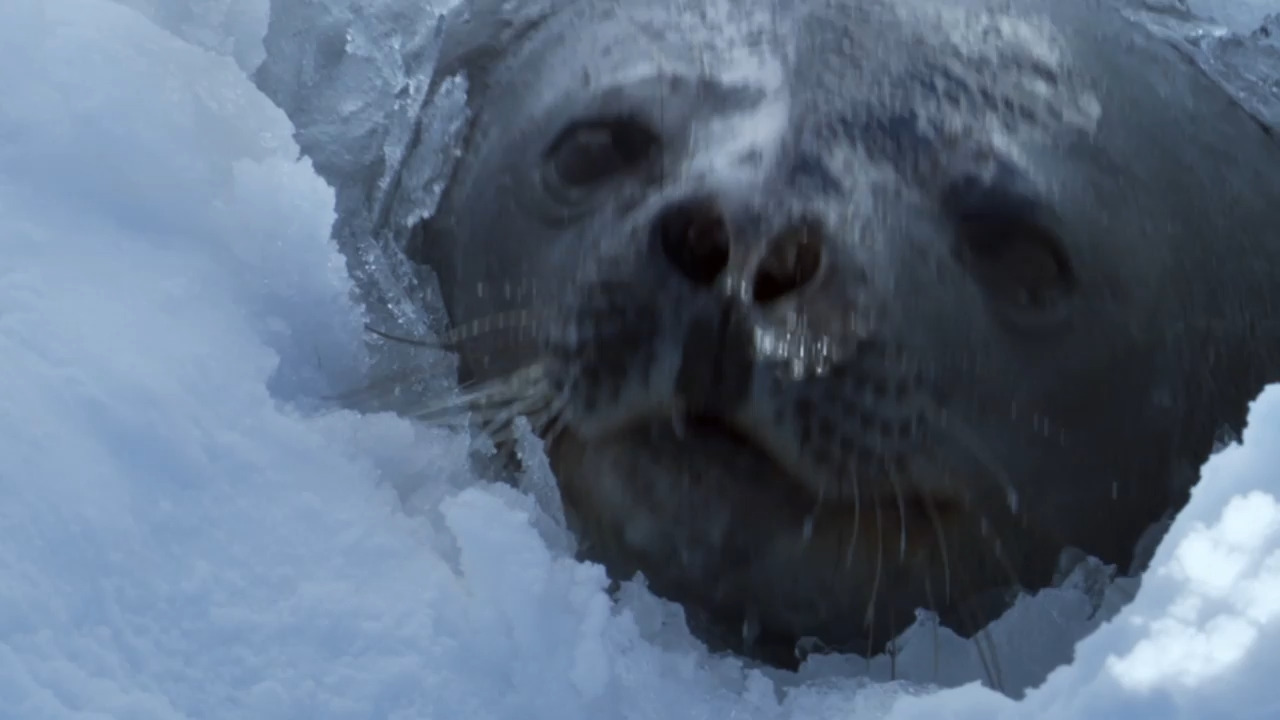
In A Weddell Seal Family's Journey, narrator Sir David Attenborough describes how a mother seal and her pup brave the freezing cold near the South Pole. These seals are the only animals that can survive here, staying warm thanks to a thick layer of fat beneath their skin and their special fur. The mother feeds her pup and carefully maintains their diving hole in the water to prevent it from freezing over, ensuring they can get air. And, at just one week old, the pup takes its first swim beneath the ice! This video is excerpted from BBC’s Life, a show that explores the remarkable strategies animals and plants use to ensure their survival.
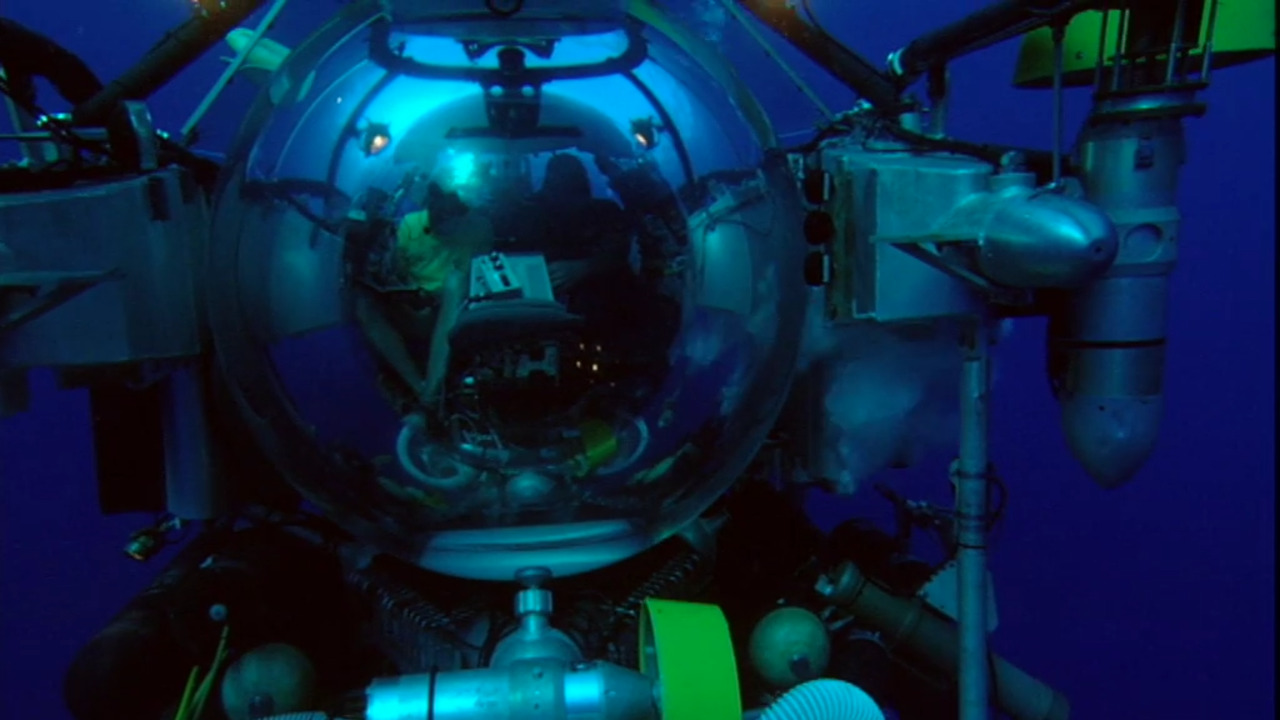
In Traveling to the Ocean Floor, narrator Sir David Attenborough explains how the environment changes as a submersible descends into the ocean. Learn how the ocean environment changes as you travel deeper. This video is excerpted from BBC’s Blue Planet, a definitive documentary series diving into the mysterious depths of the sea to discover the natural history of the world’s oceans and the rarely seen marine life that reside there.
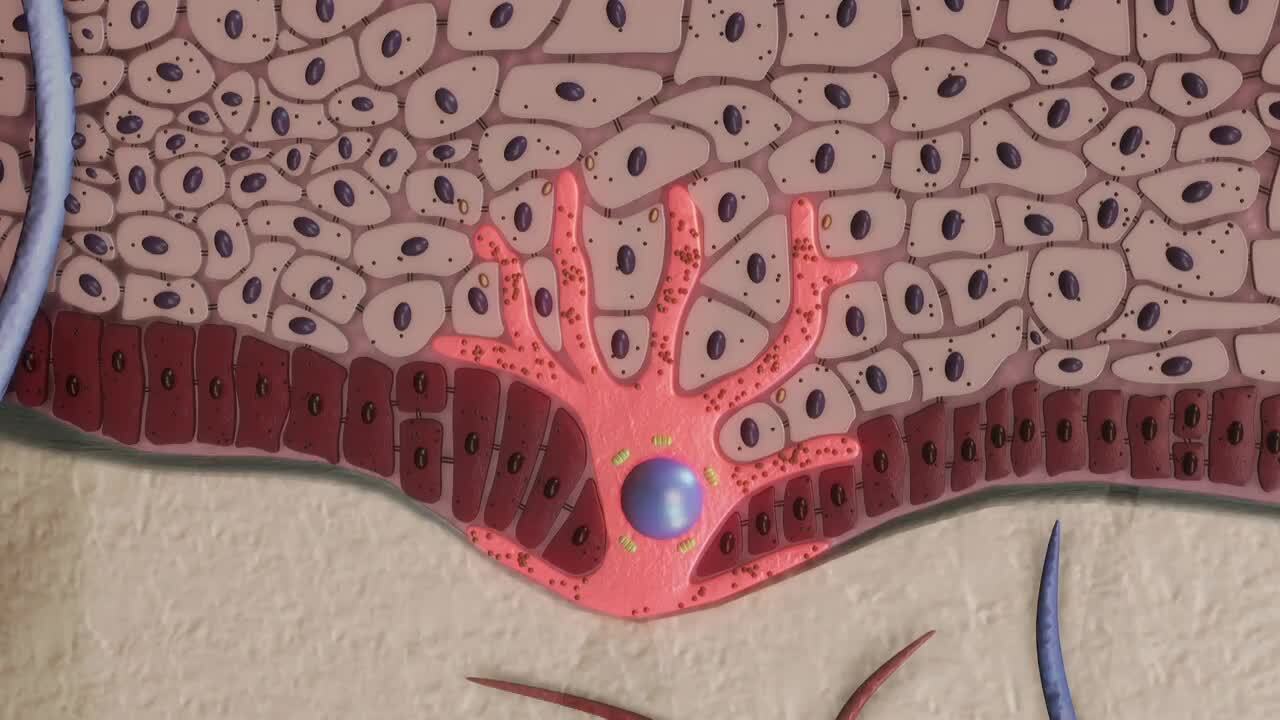
In Why Melanin Matters, evolutionary biologist Ben Garrod explores the role melanin plays in skin protection and survival. Learn how melanin helps protect vertebrates from the harmful effects of ultraviolet (UV) light. Through various animal examples, see how skin color is influenced by the amount of melanin and how it contributes to UV protection. Melanin is important for both health and survival, highlighting its essential role in the dermis and epidermis layers of the skin. This video is excerpted from Secrets of Skin, a documentary series exploring the natural history of the body’s largest organ.
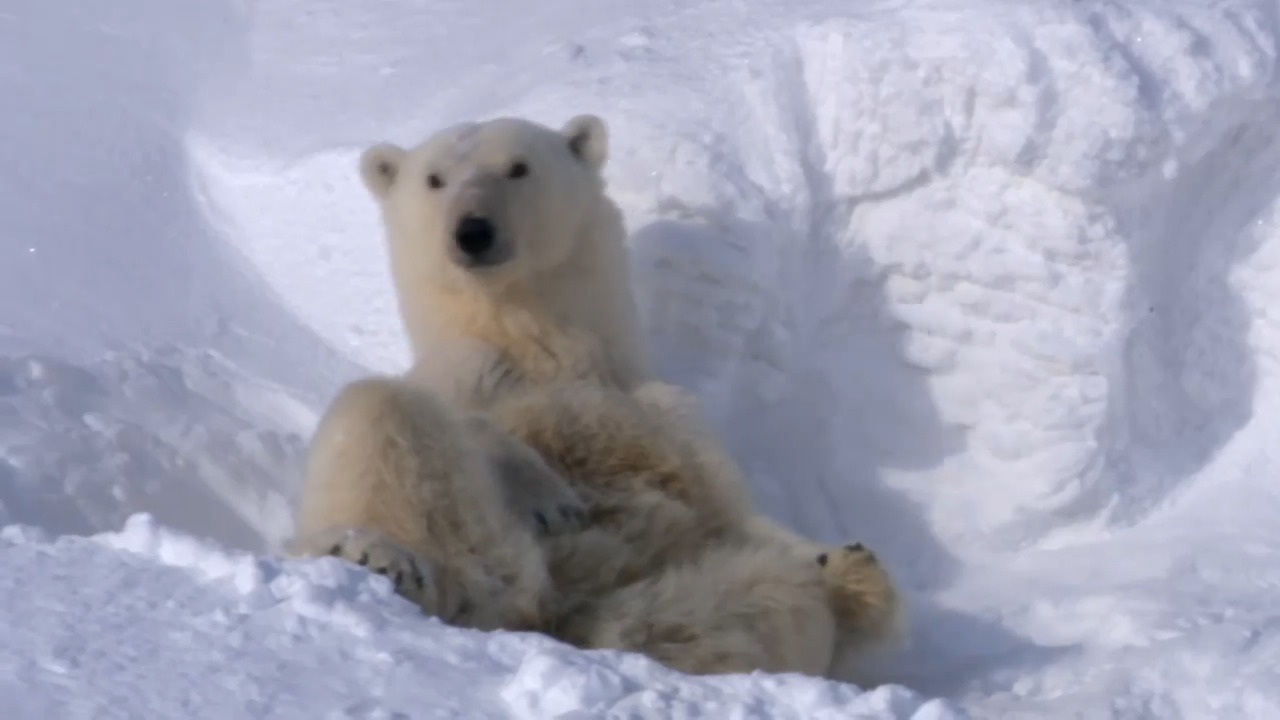
In Your Skin as Insulator, evolutionary biologist Ben Garrod explores the role of skin in insulating the body against cold and heat. Focusing on how skin and body fat, particularly in animals like marine mammals and polar bears, helps regulate temperature, learn about how hair follicles and layers like blubber contribute to insulation and temperature regulation. This video is excerpted from Secrets of Skin, a documentary series exploring the natural history of the body’s largest organ.
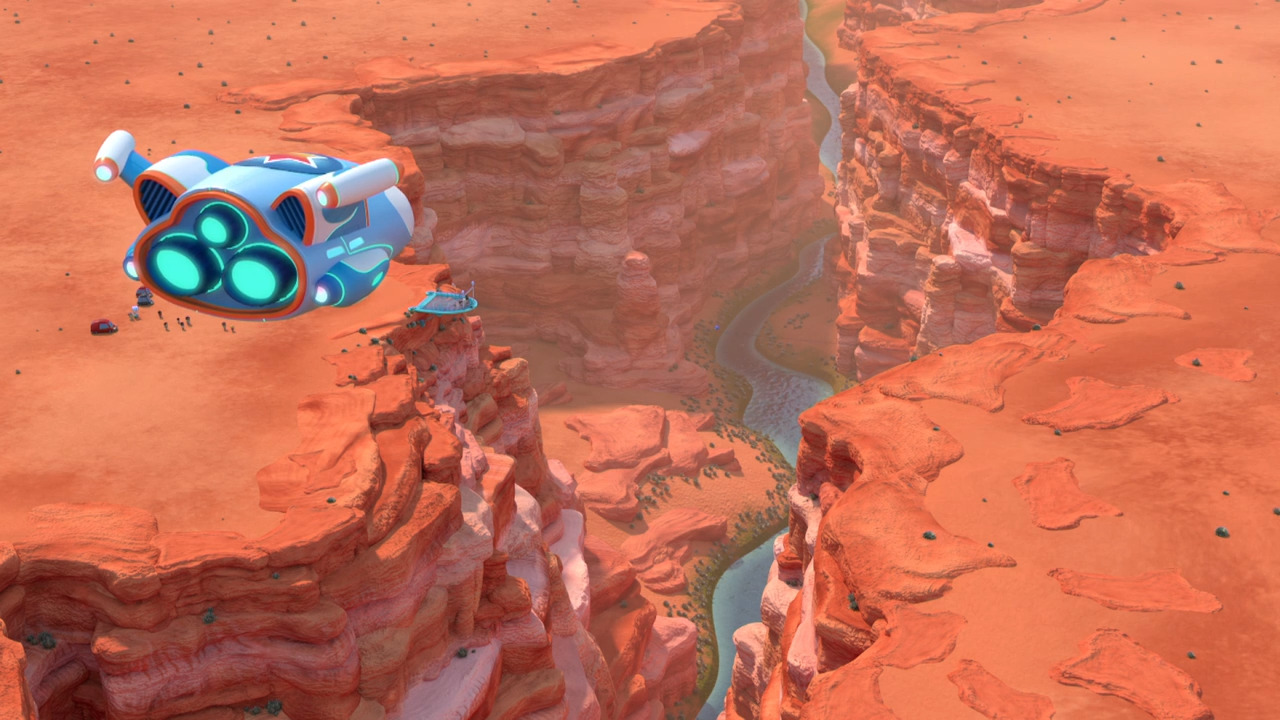
In The Go Jetters Visit the Grand Canyon, the Go Jetters crew visits the Grand Canyon, a giant, colorful canyon made by the Colorado River. Over millions of years, the river carved through the rocks, creating layers that show off all sorts of beautiful colors. Some parts of the canyon are deep — so deep, you could stack 1,000 people on top of each other and still not reach the bottom! This video is excerpted from BBC’s Go Jetters, a series that follows the adventures of four plucky international heroes as they travel the globe visiting the world’s most famous landmarks with their friend and mentor, Ubercorn, a disco-dancing unicorn.
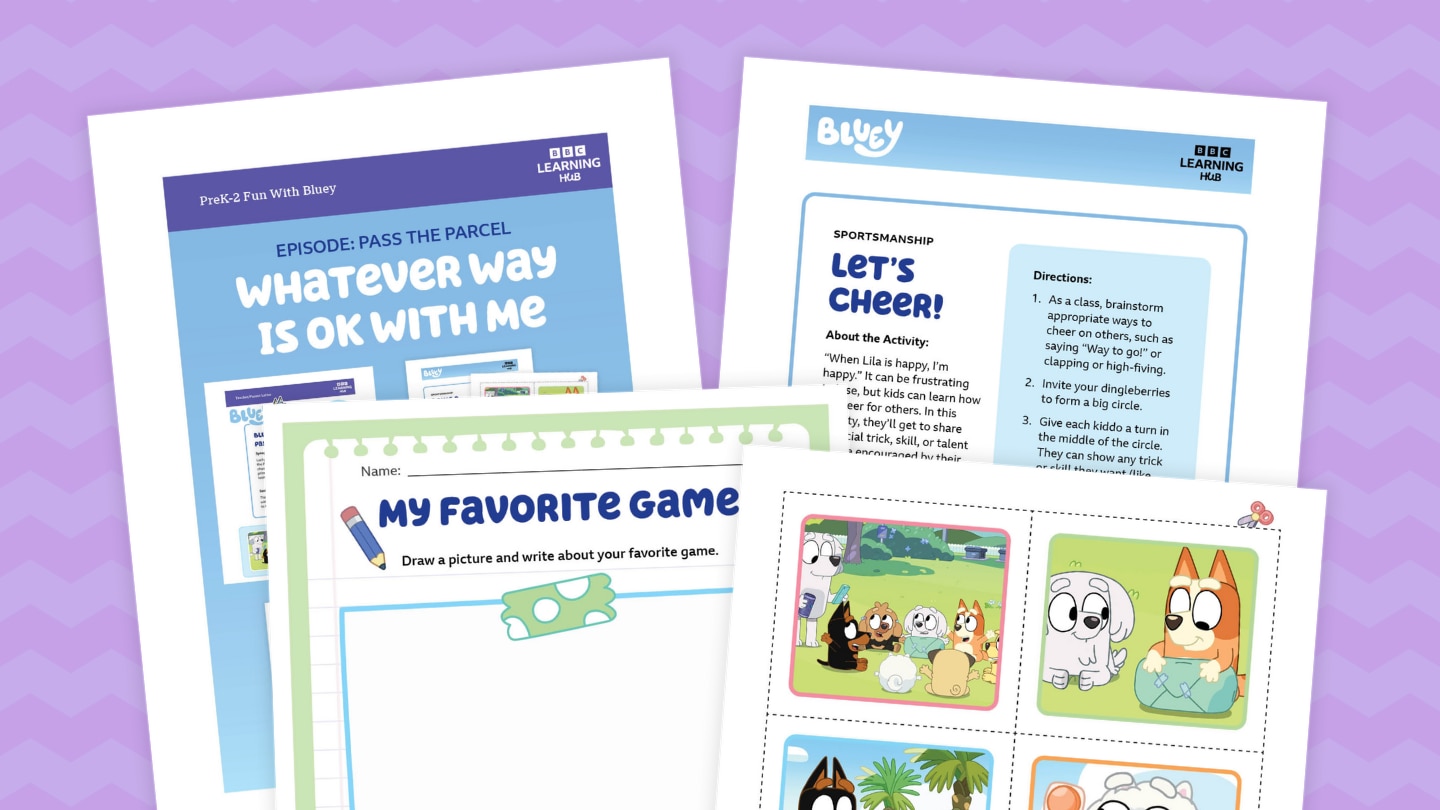
Whether you play Lucky's dad's way or not, you have to be a good sport! Watch the Bluey episode "Pass the Parcel" before you teach this lesson about how to handle it when things don’t go as expected. The lesson includes printables for three activities in which kids look for examples of good sportsmanship in the episode, draw themselves playing their favorite game or sport, and take turns sharing a special skill or talent while being encouraged by friends.
Pass the Parcel Episode Summary: Lucky’s Dad is outraged that modern Pass the Parcel has a present in every layer and changes the rules back to only having one prize in the middle, but Bingo is forever losing.
Watch the episode here! (Click here to watch in Australia.)
Forests store huge amounts of carbon, likely hundreds of billions of tons. One metric ton is about 2,200 pounds, so hundreds of billions of tons is... let's just say it's a lot. Because trees pull carbon dioxide out of the air and lock it away, forests play a major role in controlling Earth's climate.
To figure out how much carbon a forest holds, scientists can measure individual trees, like how wide the trunk is and how tall the tree grows. But nobody can take a tape measure to millions of square miles of forest, and "a whole bunch" isn't a scientific measurement.
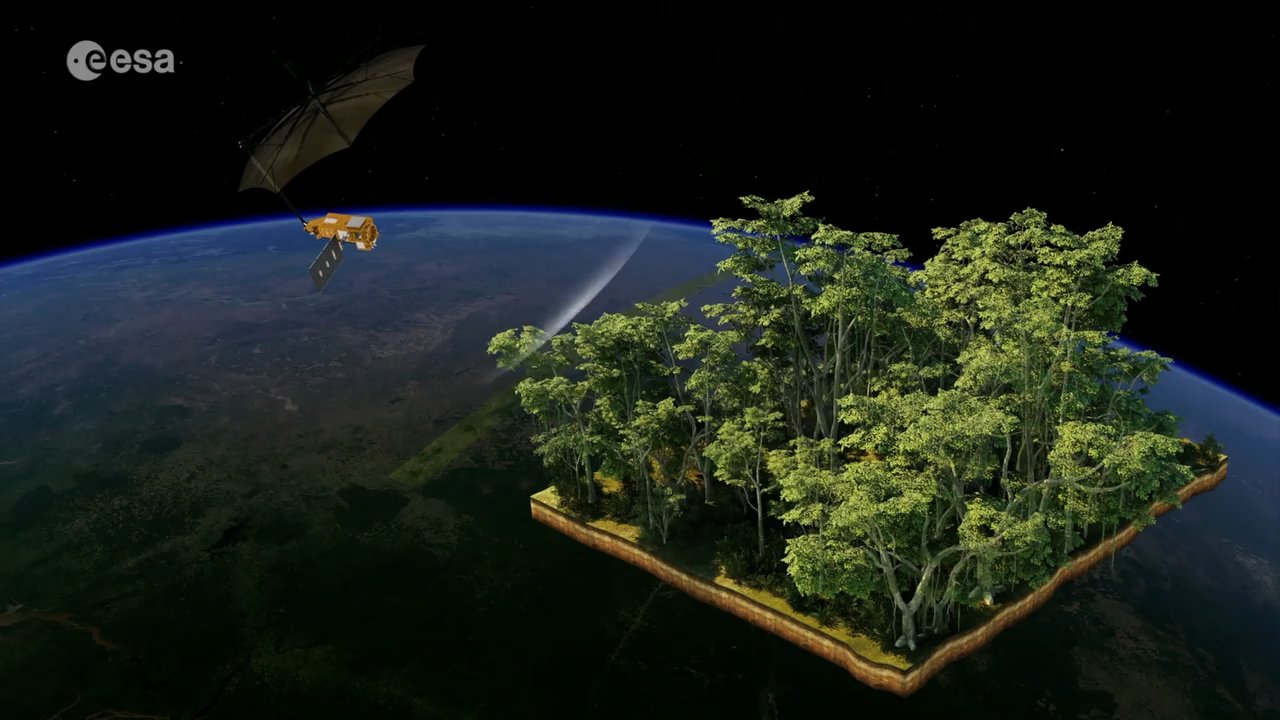
That's where new technology comes in. In 2025, the European Space Agency, which runs space missions for a group of European countries, launched a satellite called Biomass. It uses radar with extra-long wavelengths. The longer the wavelength, the more easily radar can pass through leaves and small branches and pick up bigger things, like trunks and large branches, which hold most of a tree's carbon.
Most earlier satellites, like many launched by NASA, the U.S. space agency, are optical. They work like cameras, capturing sunlight reflected off the treetops. That's useful for seeing where forests are, but it mostly shows the top layer. Radar can reveal what's underneath. It can help scientists estimate how much wood a forest holds, spot deforestation, and study flooded forests that are hard to reach. Scientists then check the satellite data against measurements taken from planes and on the ground.
Another tool is LiDAR, short for Light Detection and Ranging. It sends out pulses of laser light and measures how long they take to bounce back, building detailed 3D maps of forests. Some are precise enough to show individual twigs and leaves. LiDAR isn't new, but it produces enormous amounts of data. Artificial intelligence is now making that data much faster to process, turning LiDAR into a more practical tool for studying forests.
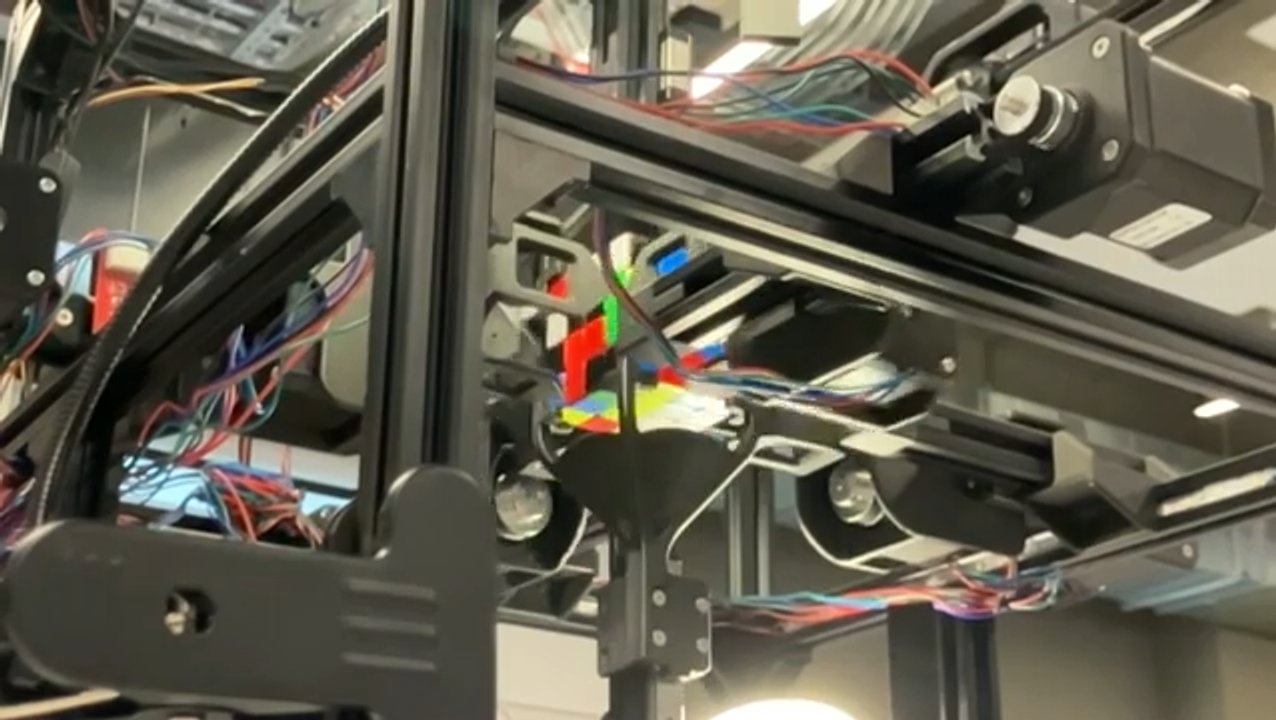
The new 4×4 Rubik's Cube has more layers than the classic 3×3, which makes it harder to solve. A 22-year-old student named Matt Pidden decided to build a robot that could solve one — and he designed, built, and programmed the whole thing in just 15 weeks as a school project. He named it "the Revenger."
The robot is a box with four mechanical "hands" that reach in from the sides to grip the cube. Two cameras scan the cube so the Revenger knows where every colored square is. Then a program Matt wrote figures out the fastest way to solve it, and the robot twists each side until the cube is solved.
The Revenger solved the cube in 55 seconds, breaking the old robot record of 1 minute and 18 seconds, set back in 2015. That's impressive — but it's still way behind the human world record of 15.71 seconds. So no need to worry about robots taking over the world just yet.
Journey into the heart of the rainforest and explore the four amazing layers that make this ecosystem so unique. From the sunlit emergent layer high above the trees to the dark and humid forest floor below, students will discover how different plants and animals survive and thrive in each part of the rainforest.
This Kahoot examines the rainforest’s distinct layers — the emergent layer, canopy, understory, and forest floor — and the important roles they play in supporting biodiversity. Students will learn how animals adapt to life at different heights, how plants compete for sunlight and water, and how all the layers work together to create one of the richest ecosystems on Earth.
Watch the related BBC videos (below), then invite your Grade 3–8 students to test their knowledge and uncover the wonders hidden within each layer of the rainforest.
In Ancient Oaks Make for Amazing Habitats, Ranger Hamza and the Ramblers find an oak tree. Join them as they learn about this amazing, 400-year-old oak tree and how it provides a home for lots of animals! This video is excerpted from BBC's Ranger Hamza’s Eco Quest, a nature exploration show in which Ranger Hamza and the Ramblers go on quests to discover nature’s wonders and the important role they play in our environment.
In Layers of the Skin, evolutionary biologist Ben Garrod explores the fascinating science of skin and how mammals, amphibians, fish, reptiles, and birds share a similar basic skin structure, despite differences in appearance and function. Learn about the three main layers of skin: the epidermis, dermis, and subcutaneous fat layer. Each layer plays an important role in helping animals adapt to their environment, providing protection, flexibility, and sensitivity. See how skin can be tough, flexible, colorful, and capable of growing feathers, hair, and even teeth. This video is excerpted from BBC’s Secrets of Skin, a documentary series exploring the natural history of the body's largest organ.
In Breathing Life Into Earth, geologist Iain Stewart explains how oxygen left the ocean and filled the atmosphere, creating a huge turning point in the story of life on Earth. This oxygen helped form the ozone layer, which acts like a protective shield, blocking harmful radiation from the Sun and allowing life to thrive. Without oxygen, Earth wouldn’t have been able to support all the amazing life forms we know. This video is excerpted from BBC’s Earth: The Power of the Planet, a documentary series in which Dr. Iain Stewart discovers how Earth's forces can shape nature, species, and even the climate.
In A Weddell Seal Family's Journey, narrator Sir David Attenborough describes how a mother seal and her pup brave the freezing cold near the South Pole. These seals are the only animals that can survive here, staying warm thanks to a thick layer of fat beneath their skin and their special fur. The mother feeds her pup and carefully maintains their diving hole in the water to prevent it from freezing over, ensuring they can get air. And, at just one week old, the pup takes its first swim beneath the ice! This video is excerpted from BBC’s Life, a show that explores the remarkable strategies animals and plants use to ensure their survival.
In Traveling to the Ocean Floor, narrator Sir David Attenborough explains how the environment changes as a submersible descends into the ocean. Learn how the ocean environment changes as you travel deeper. This video is excerpted from BBC’s Blue Planet, a definitive documentary series diving into the mysterious depths of the sea to discover the natural history of the world’s oceans and the rarely seen marine life that reside there.
In Why Melanin Matters, evolutionary biologist Ben Garrod explores the role melanin plays in skin protection and survival. Learn how melanin helps protect vertebrates from the harmful effects of ultraviolet (UV) light. Through various animal examples, see how skin color is influenced by the amount of melanin and how it contributes to UV protection. Melanin is important for both health and survival, highlighting its essential role in the dermis and epidermis layers of the skin. This video is excerpted from Secrets of Skin, a documentary series exploring the natural history of the body’s largest organ.
In Your Skin as Insulator, evolutionary biologist Ben Garrod explores the role of skin in insulating the body against cold and heat. Focusing on how skin and body fat, particularly in animals like marine mammals and polar bears, helps regulate temperature, learn about how hair follicles and layers like blubber contribute to insulation and temperature regulation. This video is excerpted from Secrets of Skin, a documentary series exploring the natural history of the body’s largest organ.
In The Go Jetters Visit the Grand Canyon, the Go Jetters crew visits the Grand Canyon, a giant, colorful canyon made by the Colorado River. Over millions of years, the river carved through the rocks, creating layers that show off all sorts of beautiful colors. Some parts of the canyon are deep — so deep, you could stack 1,000 people on top of each other and still not reach the bottom! This video is excerpted from BBC’s Go Jetters, a series that follows the adventures of four plucky international heroes as they travel the globe visiting the world’s most famous landmarks with their friend and mentor, Ubercorn, a disco-dancing unicorn.
Whether you play Lucky's dad's way or not, you have to be a good sport! Watch the Bluey episode "Pass the Parcel" before you teach this lesson about how to handle it when things don’t go as expected. The lesson includes printables for three activities in which kids look for examples of good sportsmanship in the episode, draw themselves playing their favorite game or sport, and take turns sharing a special skill or talent while being encouraged by friends.
Pass the Parcel Episode Summary: Lucky’s Dad is outraged that modern Pass the Parcel has a present in every layer and changes the rules back to only having one prize in the middle, but Bingo is forever losing.
Watch the episode here! (Click here to watch in Australia.)
Forests store huge amounts of carbon, likely hundreds of billions of tons. One metric ton is about 2,200 pounds, so hundreds of billions of tons is... let's just say it's a lot. Because trees pull carbon dioxide out of the air and lock it away, forests play a major role in controlling Earth's climate.
To figure out how much carbon a forest holds, scientists can measure individual trees, like how wide the trunk is and how tall the tree grows. But nobody can take a tape measure to millions of square miles of forest, and "a whole bunch" isn't a scientific measurement.
That's where new technology comes in. In 2025, the European Space Agency, which runs space missions for a group of European countries, launched a satellite called Biomass. It uses radar with extra-long wavelengths. The longer the wavelength, the more easily radar can pass through leaves and small branches and pick up bigger things, like trunks and large branches, which hold most of a tree's carbon.
Most earlier satellites, like many launched by NASA, the U.S. space agency, are optical. They work like cameras, capturing sunlight reflected off the treetops. That's useful for seeing where forests are, but it mostly shows the top layer. Radar can reveal what's underneath. It can help scientists estimate how much wood a forest holds, spot deforestation, and study flooded forests that are hard to reach. Scientists then check the satellite data against measurements taken from planes and on the ground.
Another tool is LiDAR, short for Light Detection and Ranging. It sends out pulses of laser light and measures how long they take to bounce back, building detailed 3D maps of forests. Some are precise enough to show individual twigs and leaves. LiDAR isn't new, but it produces enormous amounts of data. Artificial intelligence is now making that data much faster to process, turning LiDAR into a more practical tool for studying forests.
The new 4×4 Rubik's Cube has more layers than the classic 3×3, which makes it harder to solve. A 22-year-old student named Matt Pidden decided to build a robot that could solve one — and he designed, built, and programmed the whole thing in just 15 weeks as a school project. He named it "the Revenger."
The robot is a box with four mechanical "hands" that reach in from the sides to grip the cube. Two cameras scan the cube so the Revenger knows where every colored square is. Then a program Matt wrote figures out the fastest way to solve it, and the robot twists each side until the cube is solved.
The Revenger solved the cube in 55 seconds, breaking the old robot record of 1 minute and 18 seconds, set back in 2015. That's impressive — but it's still way behind the human world record of 15.71 seconds. So no need to worry about robots taking over the world just yet.