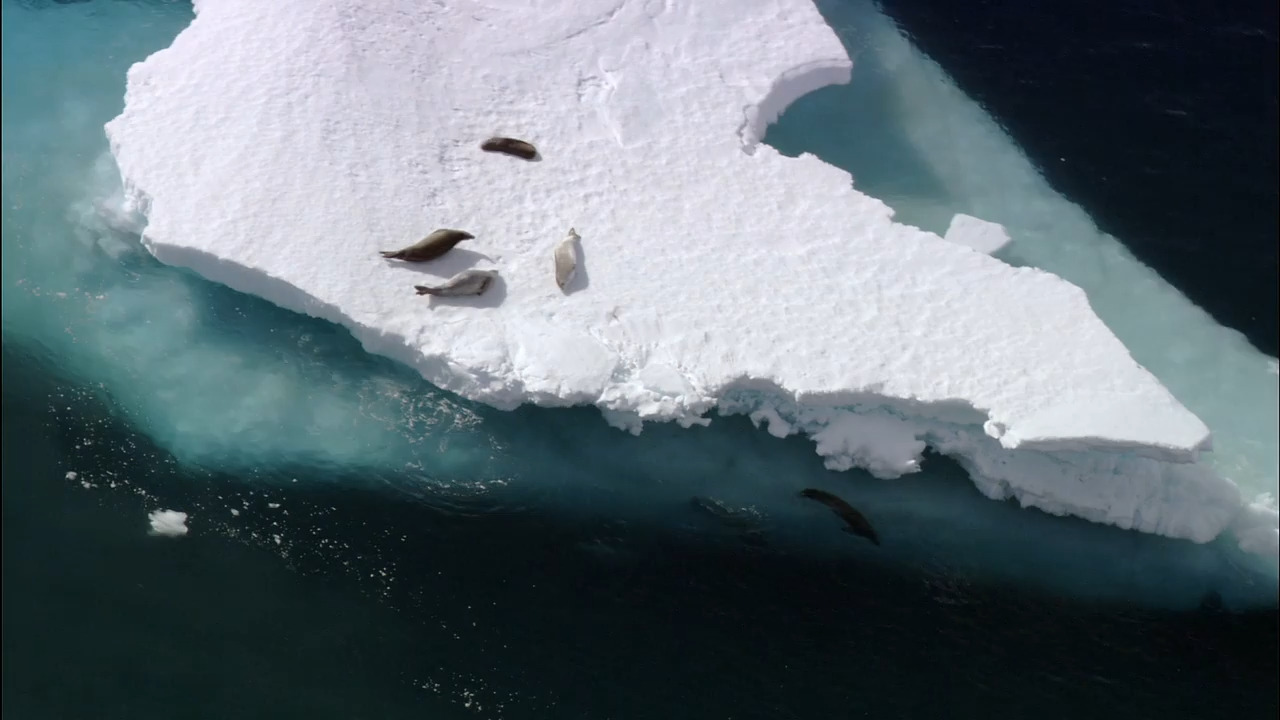
In A Microscopic Meal of Algae and Krill, narrator Sir David Attenborough describes how, as the ice melts in Antarctica, the Southern Ocean becomes a robust feeding ground. Tiny krill fill the ocean, creating the perfect food source for crabeater seals which are ready to dive in and dine. This video is excerpted from BBC’s Frozen Planet, a series that shows a fragile world of beauty and hostility, where nature finds a way to survive and thrive in frigid conditions.
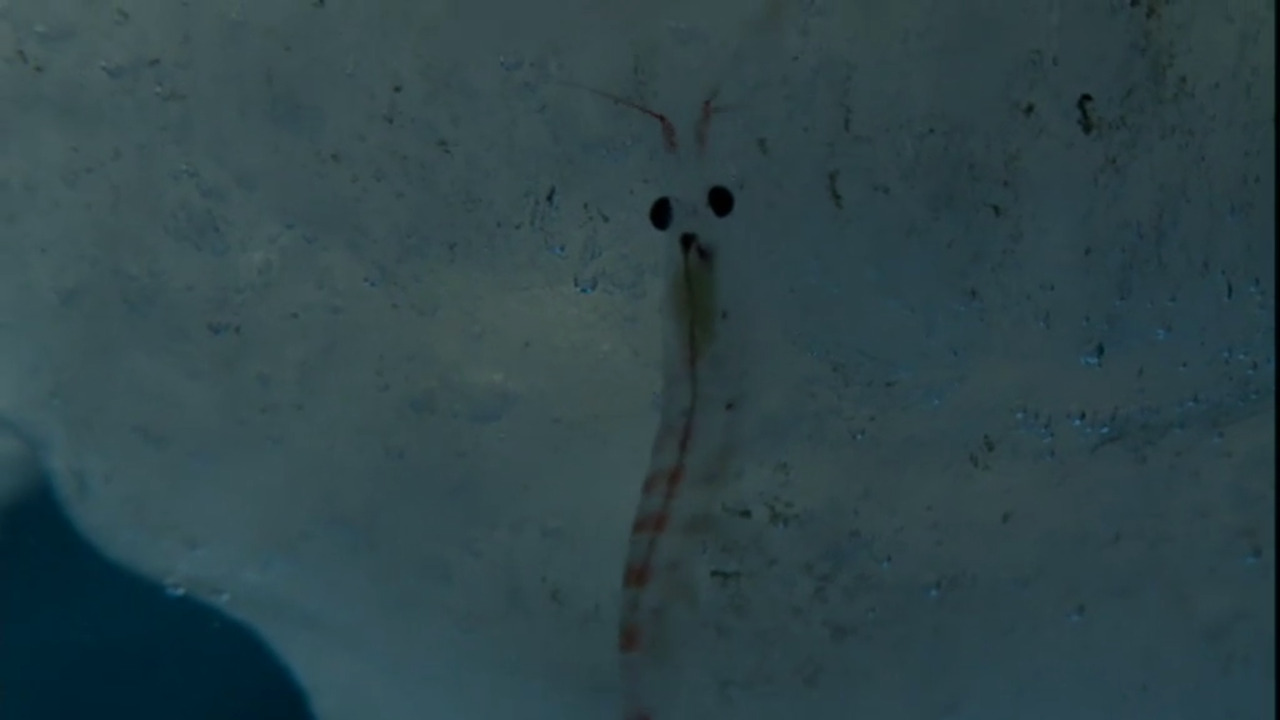
In How Krill Survive in Antarctica, narrator Sir David Attenborough explains how Antarctica is different from the Arctic and how Antarctica changes in winter and summer. Learn how krill survive under the Antarctic ice. This video is excerpted from BBC’s Blue Planet, a definitive documentary series diving into the mysterious depths of the sea to discover the natural history of the world’s oceans and the rarely seen marine life that reside there.
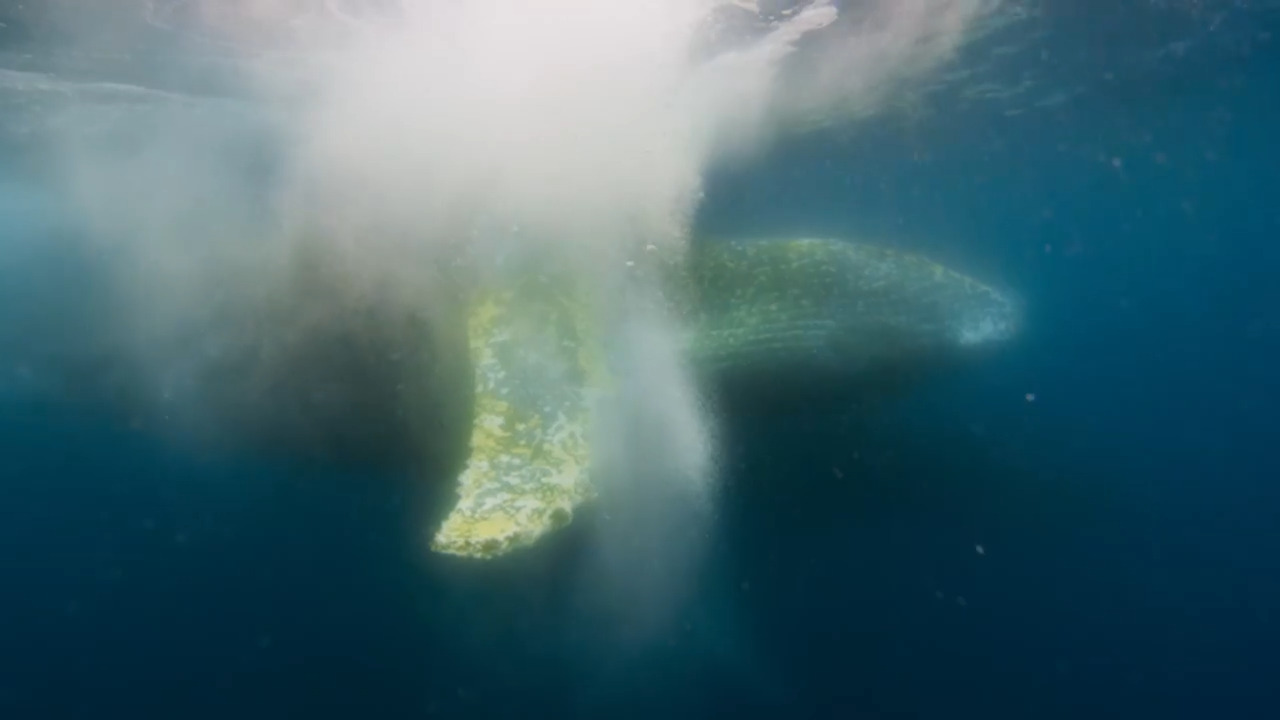
In The Sophisticated Feeding Technique of Humpback Whales, narrator Sir David Attenborough explores the Southern Ocean and the humpback whales that feed there. When Antarctica broke off from South America, it created swirling currents that sweep up nutrients from the bottom of the ocean, making it one of the richest waters on earth. In the summer, humpback whales come there to feast on shoals of krill, blowing curtains of bubbles and spiraling inwards to capture the swarm. This video is excerpted from BBC’s Seven Worlds, One Planet, a series featuring remarkable animal behavior from all seven continents.
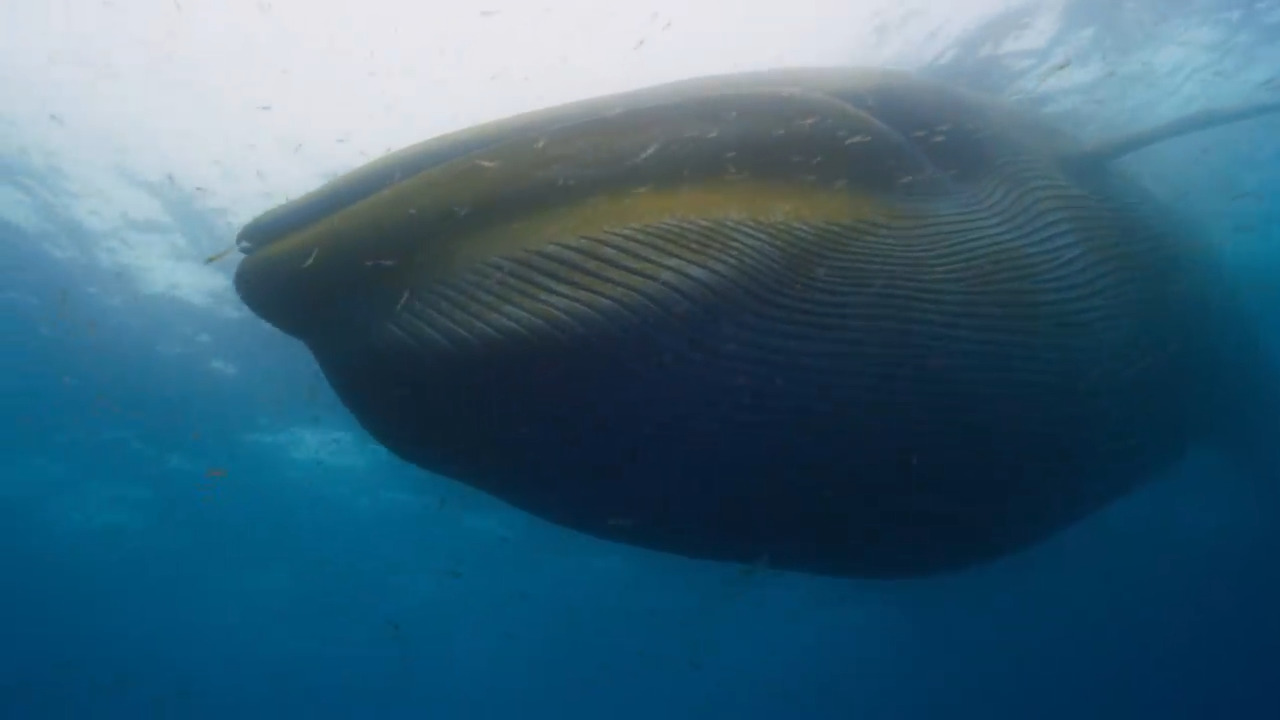
In A Resurgence of Life in Antarctica, learn how the nutrient-rich seas play a crucial role in global carbon absorption, rivaling even the Amazon rainforest. The largest gathering of great whales ever filmed arrives to feed on krill. This video is excerpted from BBC’s Seven Worlds, One Planet, a series featuring remarkable animal behavior from all seven continents.
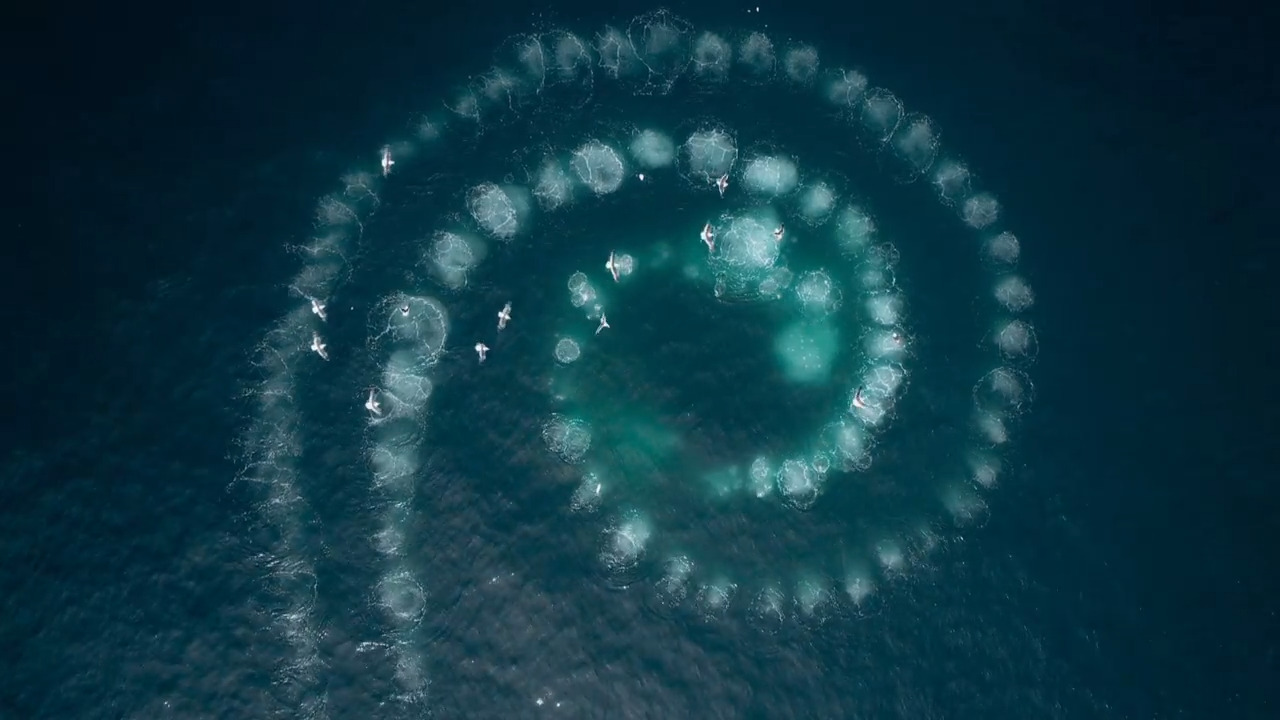
In The Rich Feeding Grounds of the Southern Ocean, explore life in the incredible ecosystem of the Southern Ocean. Life flourishes there despite the harsh conditions. Humpback whales use ingenious hunting techniques to feast on krill, the most abundant animal species on Earth. This video is excerpted from BBC’s Seven Worlds, One Planet, a series featuring remarkable animal behavior from all seven continents.

In Majestic Blue Whales Under Threat, narrator Sir David Attenborough highlights the largest animal to have ever lived—the blue whale. Weighing nearly 200 tons, these gentle giants feed almost exclusively on tiny crustaceans called krill. By taking in massive gulps of water and filtering out krill, a single blue whale can consume up to four million krill per day. However, global environmental changes threaten the fragile ecosystem that supports these magnificent creatures. This video is excerpted from BBC’s Planet Earth, a breathtaking documentary series that highlights the natural wonders of our planet.
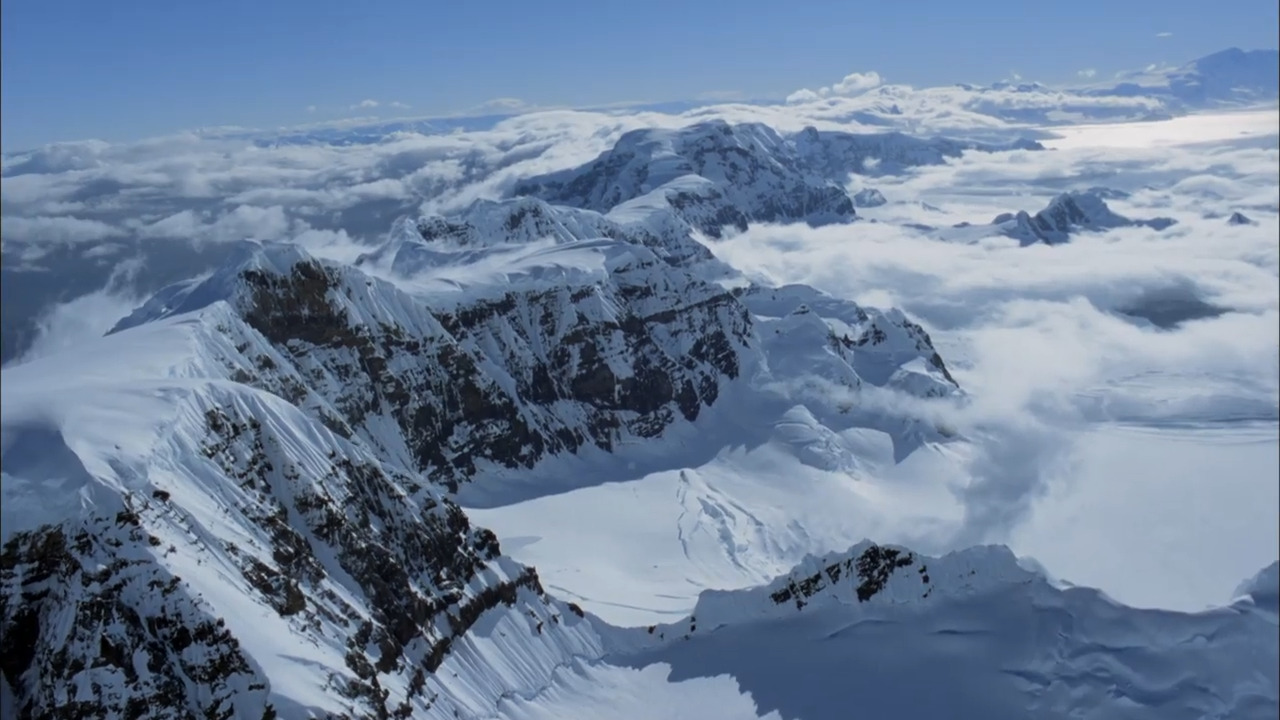
In Summer in the Antarctic, narrator Sir David Attenborough explores the Antarctic Peninsula during summer. As the seasonal thaw unlocks the sheltered bays, a feeding frenzy begins. Humpback whales travel over 5,000 miles to feast on krill, tiny shrimp-like creatures that swarm in the nutrient-rich waters. The whales use a sophisticated hunting strategy called bubble-net feeding to trap and devour massive quantities of krill before winter forces them to migrate north. This video is excerpted from BBC’s Planet Earth, a breathtaking documentary series that highlights the natural wonders of our planet.
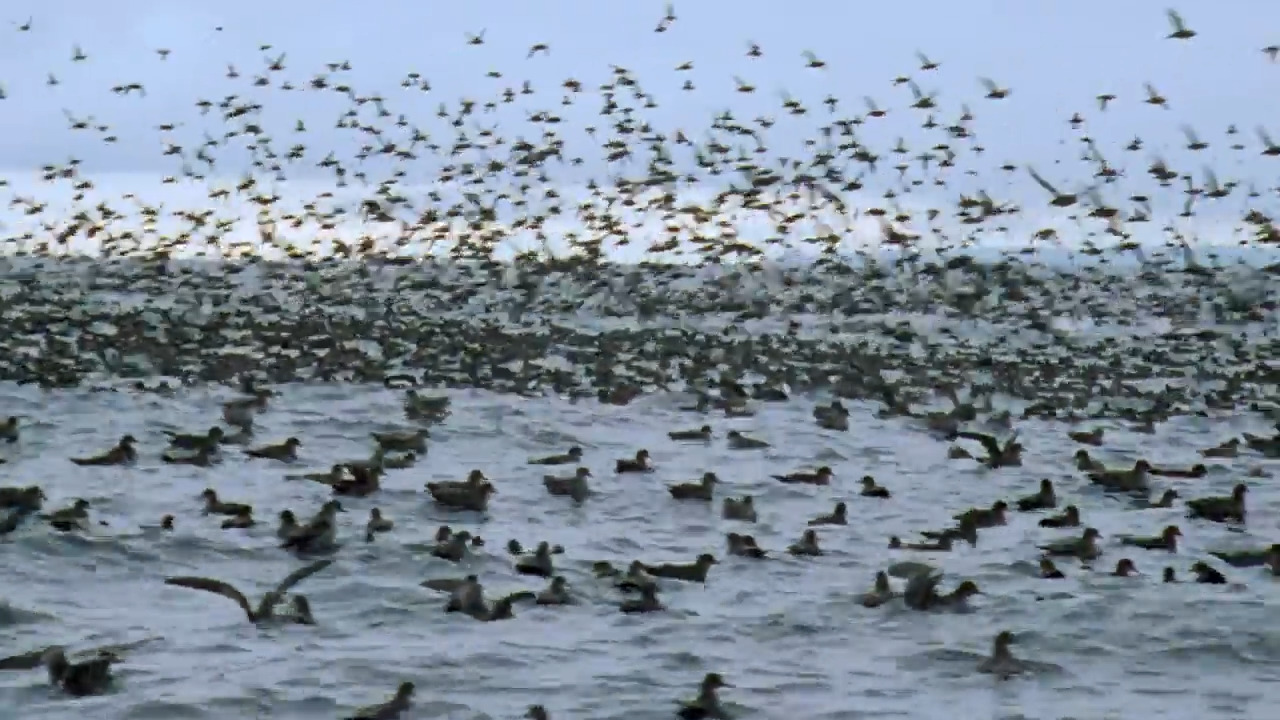
In The Arrival of Spring in Shallow Polar Seas, narrator Sir David Attenborough describes how shallow polar seas undergo an incredible transformation. Ice gives way to abundant fish and krill, which draws humpback whales and shearwater birds from thousands of miles away. This video is excerpted from BBC's Planet Earth, a breathtaking documentary series that highlights the natural wonders of our planet.
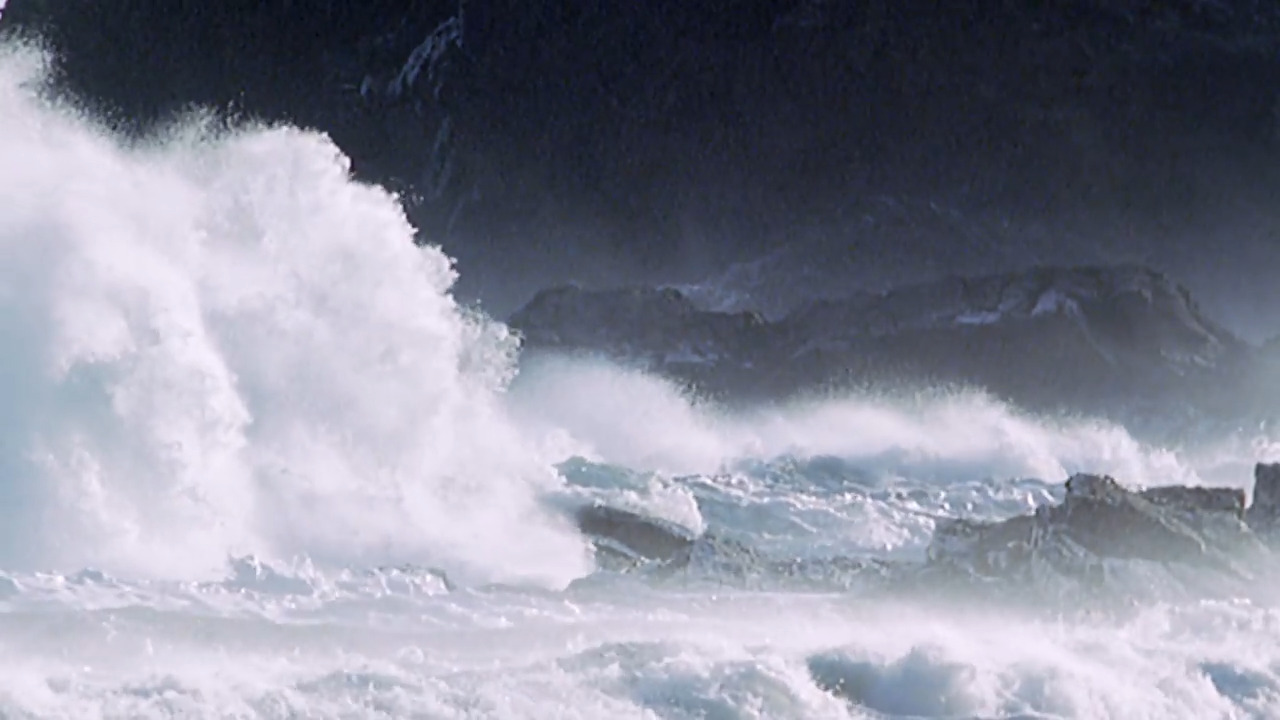
In The Food Chain in Temperate Seas, narrator Sir David Attenborough follows the food chain from algae to salps, plankton, and krill. This video is excerpted from BBC's Planet Earth, a breathtaking documentary series that highlights the natural wonders of our planet.
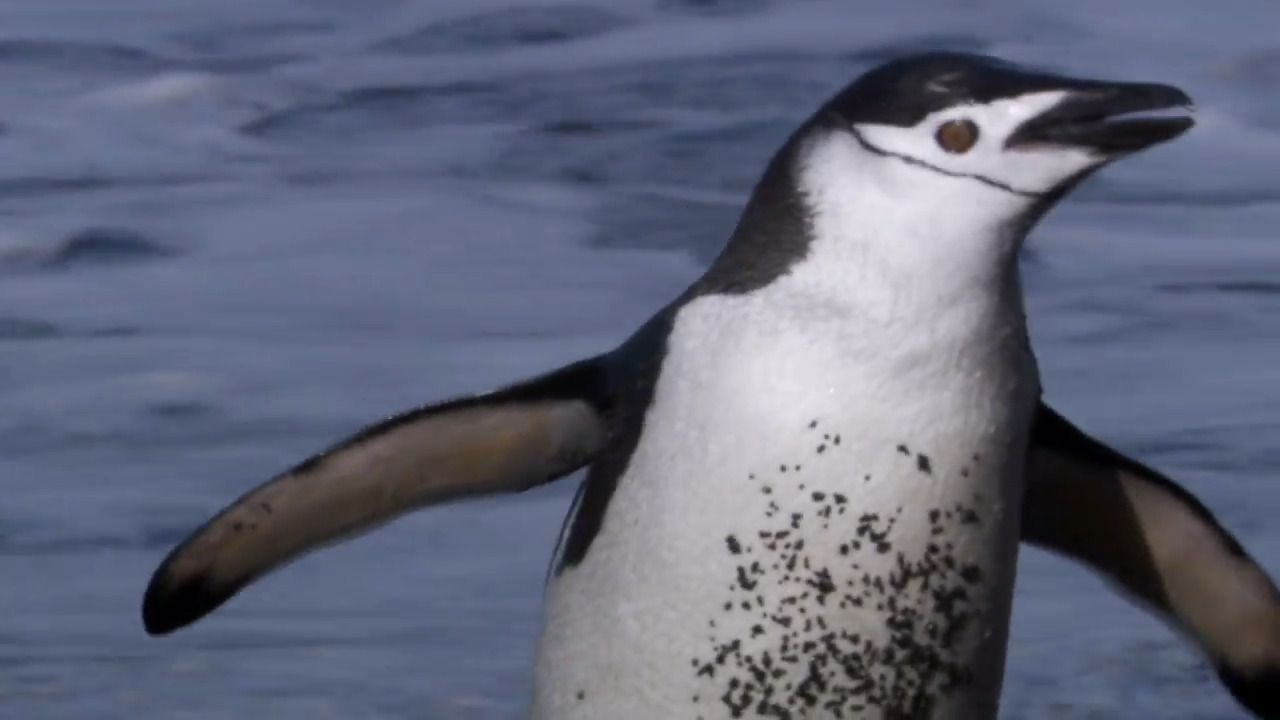
In Penguin Parents' Epic Journey to Feed Their Chicks, narrator Sir David Attenborough describes how chinstrap penguins in Antarctica travel very far to hunt for krill, but the real challenge is getting the food back to their babies on the steep, muddy rim of Deception Island. After battling powerful currents and a slippery climb, the penguins use their excellent hearing to find their chicks in a colony of over 150,000. Once they deliver the krill, the other parent heads out to sea to repeat the journey. This video is excerpted from BBC's Life, a show that explores the remarkable strategies animals and plants use to ensure their survival.
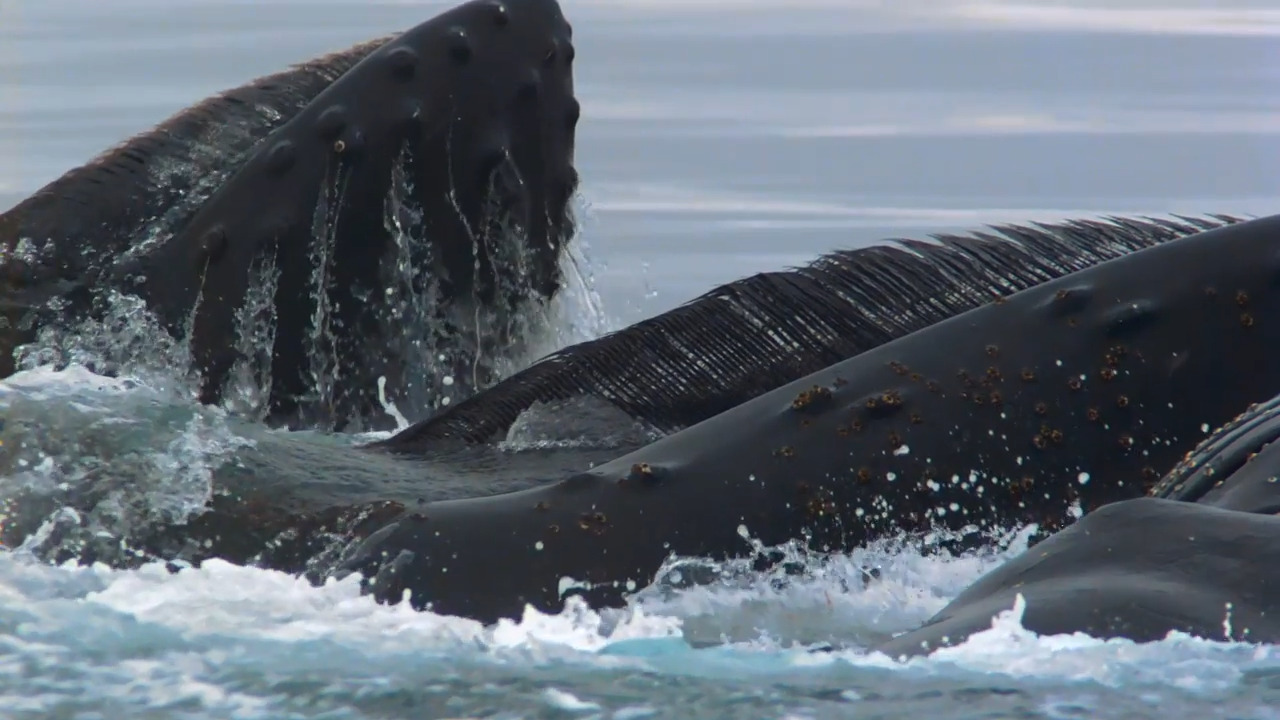
In Whales in Antarctica, narrator Sir David Attenborough describes how humpback whales, minke whales, and orcas all arrive in Antarctica to eat massive amounts of krill. Watch humpback whales feed and learn how minke whales’ body shape helps them swim far and fast. This video is excerpted from BBC’s Frozen Planet, a series that shows a fragile world of beauty and hostility, where nature finds a way to survive and thrive in frigid conditions.
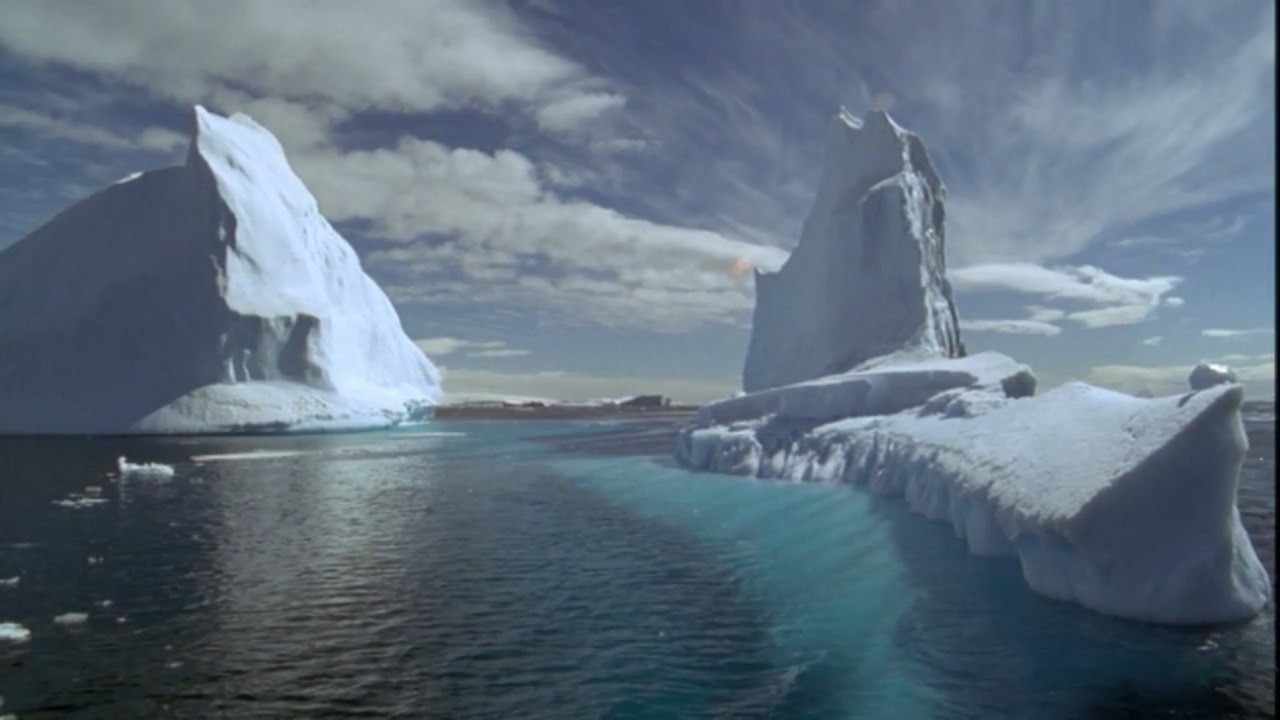
In The Animals That Make up the Antarctic Food Web, narrator Sir David Attenborough shares information about the animals that make up the Antarctic food web. Watch minke whales, humpback whales, fur seals, and krill. Learn about icebergs in the Antarctic. This video is excerpted from BBC’s Blue Planet, a definitive documentary series diving into the mysterious depths of the sea to discover the natural history of the world’s oceans and the rarely seen marine life that reside there.
In A Microscopic Meal of Algae and Krill, narrator Sir David Attenborough describes how, as the ice melts in Antarctica, the Southern Ocean becomes a robust feeding ground. Tiny krill fill the ocean, creating the perfect food source for crabeater seals which are ready to dive in and dine. This video is excerpted from BBC’s Frozen Planet, a series that shows a fragile world of beauty and hostility, where nature finds a way to survive and thrive in frigid conditions.
In How Krill Survive in Antarctica, narrator Sir David Attenborough explains how Antarctica is different from the Arctic and how Antarctica changes in winter and summer. Learn how krill survive under the Antarctic ice. This video is excerpted from BBC’s Blue Planet, a definitive documentary series diving into the mysterious depths of the sea to discover the natural history of the world’s oceans and the rarely seen marine life that reside there.
In The Sophisticated Feeding Technique of Humpback Whales, narrator Sir David Attenborough explores the Southern Ocean and the humpback whales that feed there. When Antarctica broke off from South America, it created swirling currents that sweep up nutrients from the bottom of the ocean, making it one of the richest waters on earth. In the summer, humpback whales come there to feast on shoals of krill, blowing curtains of bubbles and spiraling inwards to capture the swarm. This video is excerpted from BBC’s Seven Worlds, One Planet, a series featuring remarkable animal behavior from all seven continents.
In A Resurgence of Life in Antarctica, learn how the nutrient-rich seas play a crucial role in global carbon absorption, rivaling even the Amazon rainforest. The largest gathering of great whales ever filmed arrives to feed on krill. This video is excerpted from BBC’s Seven Worlds, One Planet, a series featuring remarkable animal behavior from all seven continents.
In The Rich Feeding Grounds of the Southern Ocean, explore life in the incredible ecosystem of the Southern Ocean. Life flourishes there despite the harsh conditions. Humpback whales use ingenious hunting techniques to feast on krill, the most abundant animal species on Earth. This video is excerpted from BBC’s Seven Worlds, One Planet, a series featuring remarkable animal behavior from all seven continents.
In Majestic Blue Whales Under Threat, narrator Sir David Attenborough highlights the largest animal to have ever lived—the blue whale. Weighing nearly 200 tons, these gentle giants feed almost exclusively on tiny crustaceans called krill. By taking in massive gulps of water and filtering out krill, a single blue whale can consume up to four million krill per day. However, global environmental changes threaten the fragile ecosystem that supports these magnificent creatures. This video is excerpted from BBC’s Planet Earth, a breathtaking documentary series that highlights the natural wonders of our planet.
In Summer in the Antarctic, narrator Sir David Attenborough explores the Antarctic Peninsula during summer. As the seasonal thaw unlocks the sheltered bays, a feeding frenzy begins. Humpback whales travel over 5,000 miles to feast on krill, tiny shrimp-like creatures that swarm in the nutrient-rich waters. The whales use a sophisticated hunting strategy called bubble-net feeding to trap and devour massive quantities of krill before winter forces them to migrate north. This video is excerpted from BBC’s Planet Earth, a breathtaking documentary series that highlights the natural wonders of our planet.
In The Arrival of Spring in Shallow Polar Seas, narrator Sir David Attenborough describes how shallow polar seas undergo an incredible transformation. Ice gives way to abundant fish and krill, which draws humpback whales and shearwater birds from thousands of miles away. This video is excerpted from BBC's Planet Earth, a breathtaking documentary series that highlights the natural wonders of our planet.
In The Food Chain in Temperate Seas, narrator Sir David Attenborough follows the food chain from algae to salps, plankton, and krill. This video is excerpted from BBC's Planet Earth, a breathtaking documentary series that highlights the natural wonders of our planet.
In Penguin Parents' Epic Journey to Feed Their Chicks, narrator Sir David Attenborough describes how chinstrap penguins in Antarctica travel very far to hunt for krill, but the real challenge is getting the food back to their babies on the steep, muddy rim of Deception Island. After battling powerful currents and a slippery climb, the penguins use their excellent hearing to find their chicks in a colony of over 150,000. Once they deliver the krill, the other parent heads out to sea to repeat the journey. This video is excerpted from BBC's Life, a show that explores the remarkable strategies animals and plants use to ensure their survival.
In Whales in Antarctica, narrator Sir David Attenborough describes how humpback whales, minke whales, and orcas all arrive in Antarctica to eat massive amounts of krill. Watch humpback whales feed and learn how minke whales’ body shape helps them swim far and fast. This video is excerpted from BBC’s Frozen Planet, a series that shows a fragile world of beauty and hostility, where nature finds a way to survive and thrive in frigid conditions.
In The Animals That Make up the Antarctic Food Web, narrator Sir David Attenborough shares information about the animals that make up the Antarctic food web. Watch minke whales, humpback whales, fur seals, and krill. Learn about icebergs in the Antarctic. This video is excerpted from BBC’s Blue Planet, a definitive documentary series diving into the mysterious depths of the sea to discover the natural history of the world’s oceans and the rarely seen marine life that reside there.