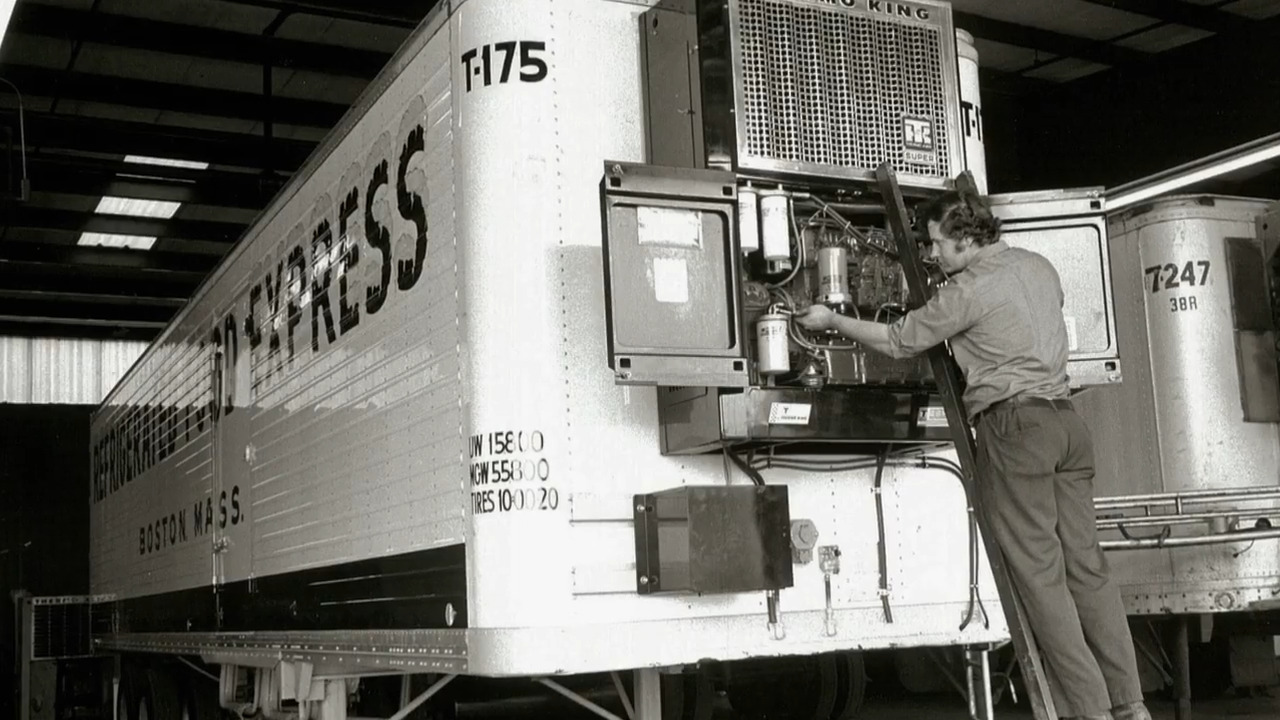
In The Game-Changing Invention of Refrigerated Transport, presenter Ruth Goodman visits Greenwich, England, to learn how the first refrigerated ships transported meat from New Zealand to England. Learn how an American inventor solved the problem of keeping food cold as it traveled over land. This video is excerpted from BBC’s Inside the Factory, a series that takes viewers behind the scenes in the factories that make our favorite products.

The article "6 Terrible Inventions That Killed Their Creators" from BBC's Science Focus recounts the tragic tales of inventors who died due to their own inventions. From Karel Soucek's shock-absorbent barrel to Henry Smolinski's flying car, these stories highlight the risks and dangers faced by those who push the boundaries of innovation.

The article "Leonardo da Vinci: Artist, Inventor, and Renaissance Genius" from BBC's HistoryExtra explores Leonardo da Vinci’s life as an artist, engineer, and visionary thinker. It outlines his rise from an apprentice in Florence to becoming a celebrated figure in the court of the French king. It also reveals how his inventions — such as early flying machines and war weapons — were centuries ahead of their time.

The article "Benjamin Franklin’s Bright Ideas: From Lightning Rods to Bifocals" from BBC's HistoryExtra highlights Franklin’s curious mind and lifelong passion for learning. It explains how he used science and creativity to develop useful inventions like the lightning rod, bifocal glasses, and even an unspillable soup bowl, while also uncovering the electric nature of lightning with his famous kite experiment.
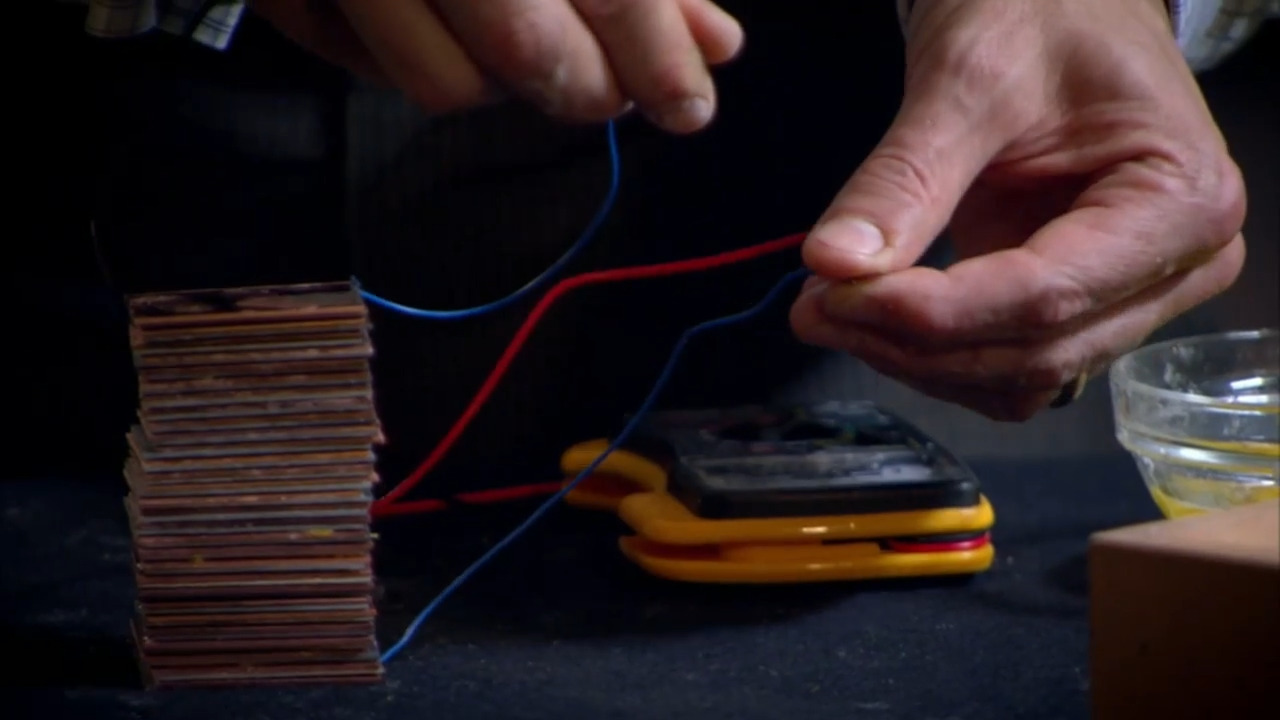
In The Role of One Rudimentary Battery in Transforming the World, narrator Michael Mosley uncovers the story of the first battery. It begins with a letter in 1800 with simple instructions from Italian scientist Alessandro Volta on how to make an artificial torpedo fish, and ends in a classroom where Hans Christian Oersted took it one step further, noticing how the battery current created magnetic fields. The electric telegraph and using steam power weren’t far behind, transforming the world as we knew it. This video is excerpted from BBC's The Story of Science, in which Michael Mosley takes an informative and ambitious journey exploring how the evolution of scientific understanding is intimately interwoven with society's historical path.
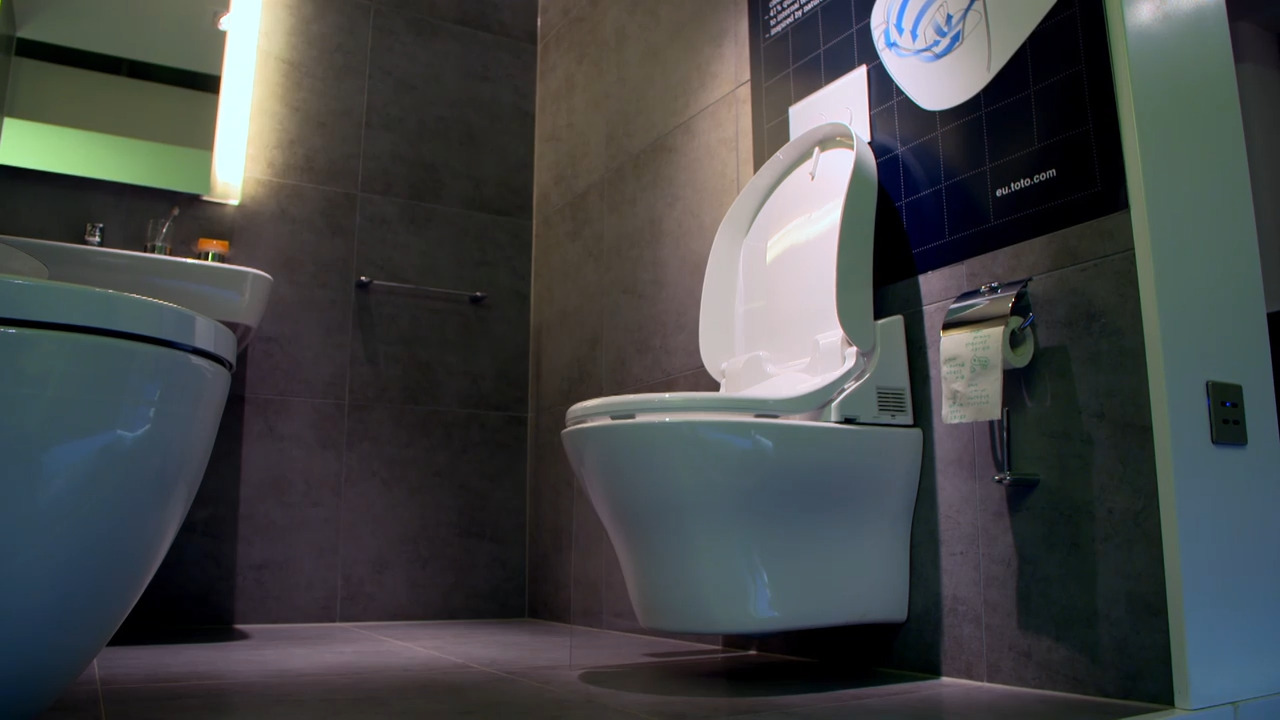
In Toilets of the Future, presenter Cherry Healey learns about a Toto toilet that has lots of cool features that improve hygiene and the experience of visiting the bathroom. She visits Cranfield University to get a glimpse of the toilet of the future, one that doesn’t use water. This video is excerpted from BBC’s Inside the Factory, a series that takes viewers behind the scenes in the factories that make our favorite products.

In The Go Jetters Test a Stormy Weather Invention, the Go Jetters crew tests their invention to tackle stormy weather. They find hailstones inside a cumulonimbus thundercloud. Ubercorn shares funky facts about how hailstones are made and the damage they can do. This video is excerpted from BBC’s Go Jetters, a series that follows the adventures of four international heroes as they travel the globe visiting landmarks and solving environmental problems with Ubercorn, a disco-dancing unicorn.
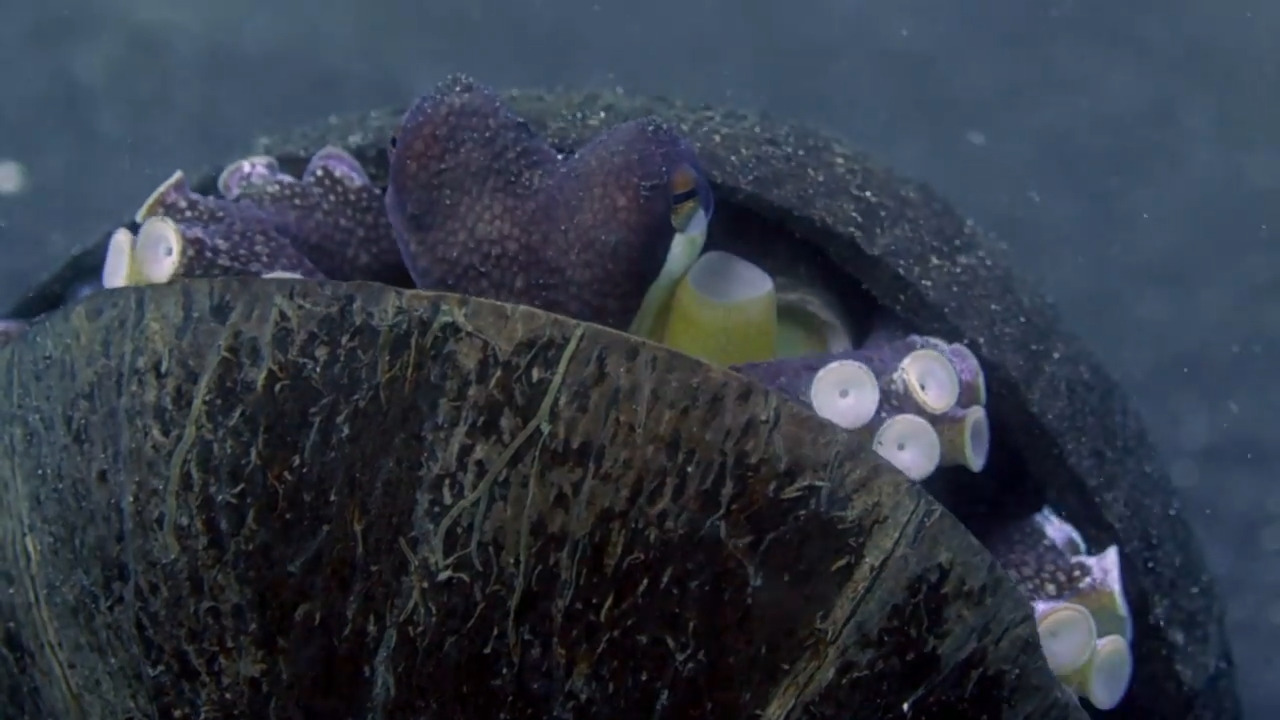
In The Octopus That Invented a Mobile Home, a veined octopus in Indonesia amazes researchers with its clever survival skills. Living on sandy ocean flats, it carries coconut shells to create a portable shelter. By using these shells to hide and ambush prey, the octopus becomes one of the rare animals — less than 1% — to demonstrate tool use and thinking ahead. This video is excerpted from BBC’s Natural World: The Octopus in My House, a remarkable series about a professor and the extraordinary relationship he develops with an octopus when he invites it to live in his home.
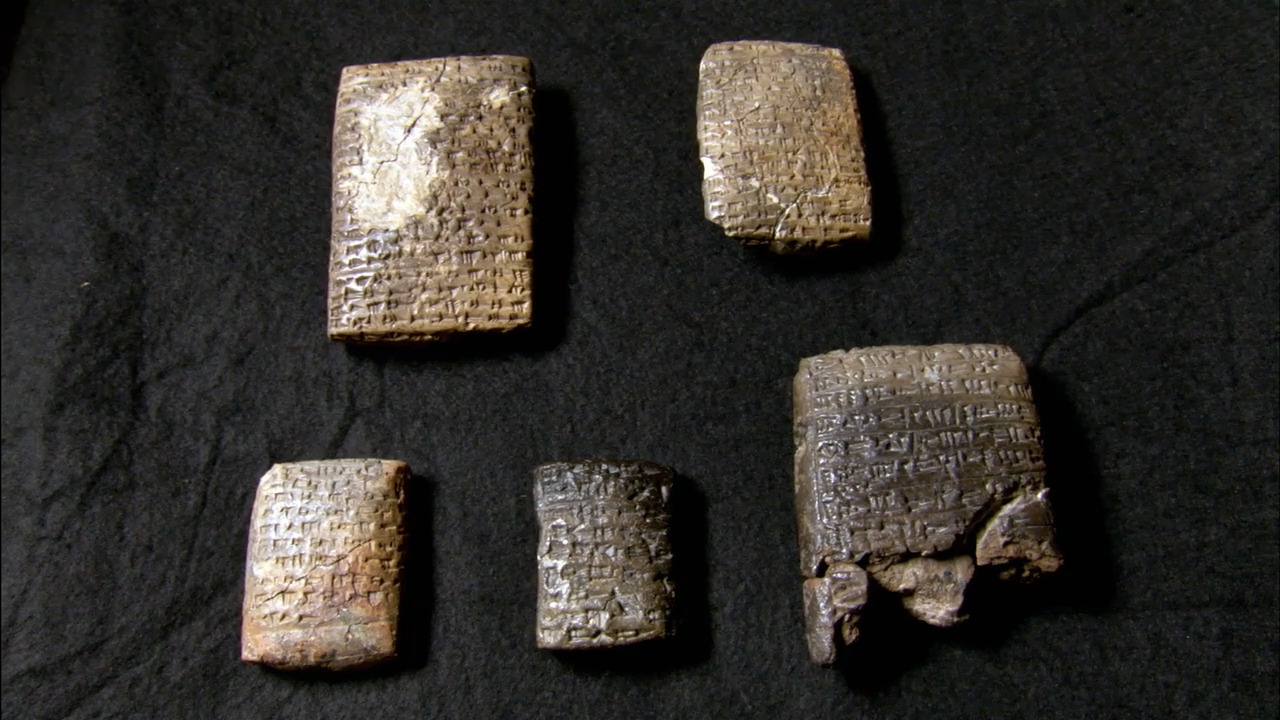
In The Development of Writing in Mesopotamia , archaeologist and historian Richard Miles shares how the invention of writing transformed civilization in Mesopotamia and beyond. Writing began as a way to record purchases and evolved into sophisticated systems for expressing ideas, creating myths, and preserving culture. This video is excerpted from BBC’s Ancient Worlds, an epic series with archaeologist and historian Richard Miles as he explores the roots of civilization from Mesopotamia to the fall of the Roman Empire.
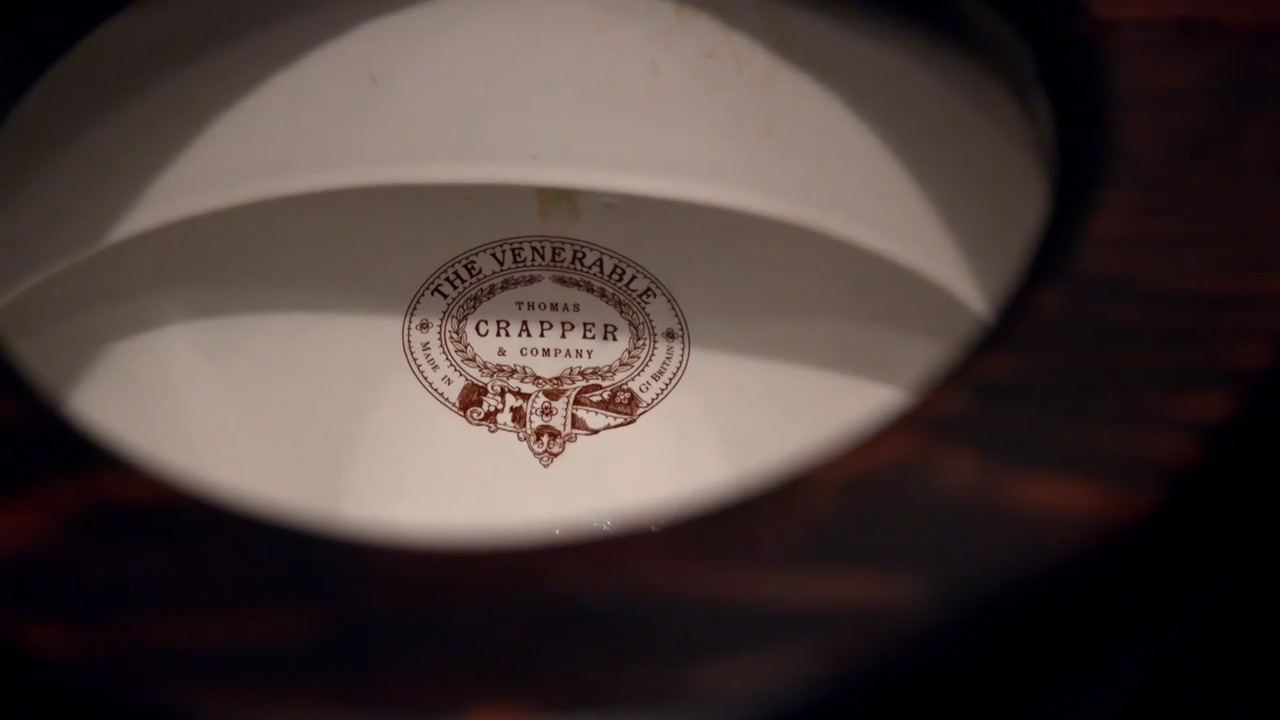
In The History of Toilets, presenter Ruth Goodman is at Westminster in London to learn how the toilet was invented. Learn what the development of the toilet has to do with Queen Elizabeth, the Thames River, Thomas Crapper, and public health. This video is excerpted from BBC’s Inside the Factory, a series that takes viewers behind the scenes in the factories that make our favorite products.

The article "Benjamin Franklin: The Revolutionary Genius Who Shaped America’s Future" from BBC's HistoryExtra explores the many roles of Benjamin Franklin. A Founding Father, inventor, and diplomat, Franklin was pivotal in securing the French-American alliance during the American Revolution. Known for his inventions like the lightning rod and bifocals, he also played a key part in drafting the Declaration of Independence.
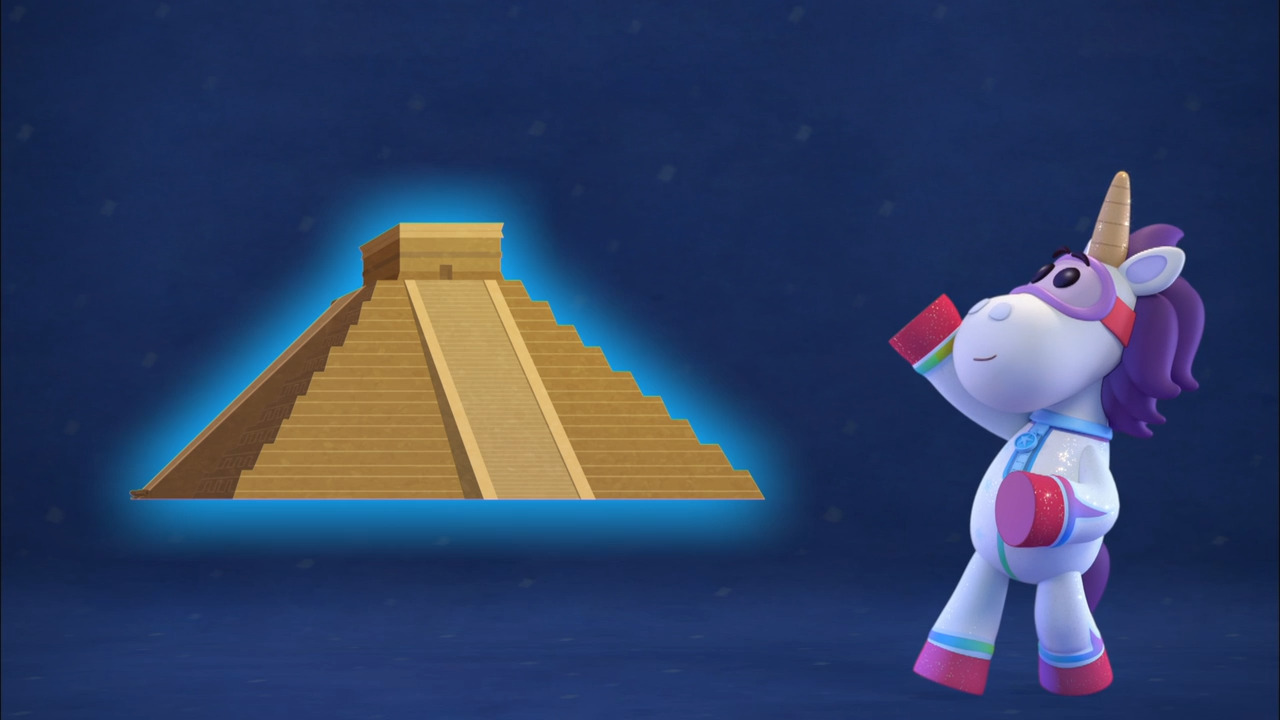
In The Go Jetters Visit the Mayan Ruins of Chichén Itzá, the Go Jetters crew visits Chichén Itzá in Mexico. Learn about the rubber trees there and the invention of the rubber ball. Discover the great step pyramid, El Castillo. This video is excerpted from BBC's Go Jetters, a series that follows the adventures of four plucky international heroes as they travel the globe visiting the world’s most famous landmarks with their friend and mentor, Ubercorn, a disco-dancing unicorn.
In The Game-Changing Invention of Refrigerated Transport, presenter Ruth Goodman visits Greenwich, England, to learn how the first refrigerated ships transported meat from New Zealand to England. Learn how an American inventor solved the problem of keeping food cold as it traveled over land. This video is excerpted from BBC’s Inside the Factory, a series that takes viewers behind the scenes in the factories that make our favorite products.
The article "6 Terrible Inventions That Killed Their Creators" from BBC's Science Focus recounts the tragic tales of inventors who died due to their own inventions. From Karel Soucek's shock-absorbent barrel to Henry Smolinski's flying car, these stories highlight the risks and dangers faced by those who push the boundaries of innovation.
The article "Leonardo da Vinci: Artist, Inventor, and Renaissance Genius" from BBC's HistoryExtra explores Leonardo da Vinci’s life as an artist, engineer, and visionary thinker. It outlines his rise from an apprentice in Florence to becoming a celebrated figure in the court of the French king. It also reveals how his inventions — such as early flying machines and war weapons — were centuries ahead of their time.
The article "Benjamin Franklin’s Bright Ideas: From Lightning Rods to Bifocals" from BBC's HistoryExtra highlights Franklin’s curious mind and lifelong passion for learning. It explains how he used science and creativity to develop useful inventions like the lightning rod, bifocal glasses, and even an unspillable soup bowl, while also uncovering the electric nature of lightning with his famous kite experiment.
In The Role of One Rudimentary Battery in Transforming the World, narrator Michael Mosley uncovers the story of the first battery. It begins with a letter in 1800 with simple instructions from Italian scientist Alessandro Volta on how to make an artificial torpedo fish, and ends in a classroom where Hans Christian Oersted took it one step further, noticing how the battery current created magnetic fields. The electric telegraph and using steam power weren’t far behind, transforming the world as we knew it. This video is excerpted from BBC's The Story of Science, in which Michael Mosley takes an informative and ambitious journey exploring how the evolution of scientific understanding is intimately interwoven with society's historical path.
In Toilets of the Future, presenter Cherry Healey learns about a Toto toilet that has lots of cool features that improve hygiene and the experience of visiting the bathroom. She visits Cranfield University to get a glimpse of the toilet of the future, one that doesn’t use water. This video is excerpted from BBC’s Inside the Factory, a series that takes viewers behind the scenes in the factories that make our favorite products.
In The Go Jetters Test a Stormy Weather Invention, the Go Jetters crew tests their invention to tackle stormy weather. They find hailstones inside a cumulonimbus thundercloud. Ubercorn shares funky facts about how hailstones are made and the damage they can do. This video is excerpted from BBC’s Go Jetters, a series that follows the adventures of four international heroes as they travel the globe visiting landmarks and solving environmental problems with Ubercorn, a disco-dancing unicorn.
In The Octopus That Invented a Mobile Home, a veined octopus in Indonesia amazes researchers with its clever survival skills. Living on sandy ocean flats, it carries coconut shells to create a portable shelter. By using these shells to hide and ambush prey, the octopus becomes one of the rare animals — less than 1% — to demonstrate tool use and thinking ahead. This video is excerpted from BBC’s Natural World: The Octopus in My House, a remarkable series about a professor and the extraordinary relationship he develops with an octopus when he invites it to live in his home.
In The Development of Writing in Mesopotamia , archaeologist and historian Richard Miles shares how the invention of writing transformed civilization in Mesopotamia and beyond. Writing began as a way to record purchases and evolved into sophisticated systems for expressing ideas, creating myths, and preserving culture. This video is excerpted from BBC’s Ancient Worlds, an epic series with archaeologist and historian Richard Miles as he explores the roots of civilization from Mesopotamia to the fall of the Roman Empire.
In The History of Toilets, presenter Ruth Goodman is at Westminster in London to learn how the toilet was invented. Learn what the development of the toilet has to do with Queen Elizabeth, the Thames River, Thomas Crapper, and public health. This video is excerpted from BBC’s Inside the Factory, a series that takes viewers behind the scenes in the factories that make our favorite products.
The article "Benjamin Franklin: The Revolutionary Genius Who Shaped America’s Future" from BBC's HistoryExtra explores the many roles of Benjamin Franklin. A Founding Father, inventor, and diplomat, Franklin was pivotal in securing the French-American alliance during the American Revolution. Known for his inventions like the lightning rod and bifocals, he also played a key part in drafting the Declaration of Independence.
In The Go Jetters Visit the Mayan Ruins of Chichén Itzá, the Go Jetters crew visits Chichén Itzá in Mexico. Learn about the rubber trees there and the invention of the rubber ball. Discover the great step pyramid, El Castillo. This video is excerpted from BBC's Go Jetters, a series that follows the adventures of four plucky international heroes as they travel the globe visiting the world’s most famous landmarks with their friend and mentor, Ubercorn, a disco-dancing unicorn.