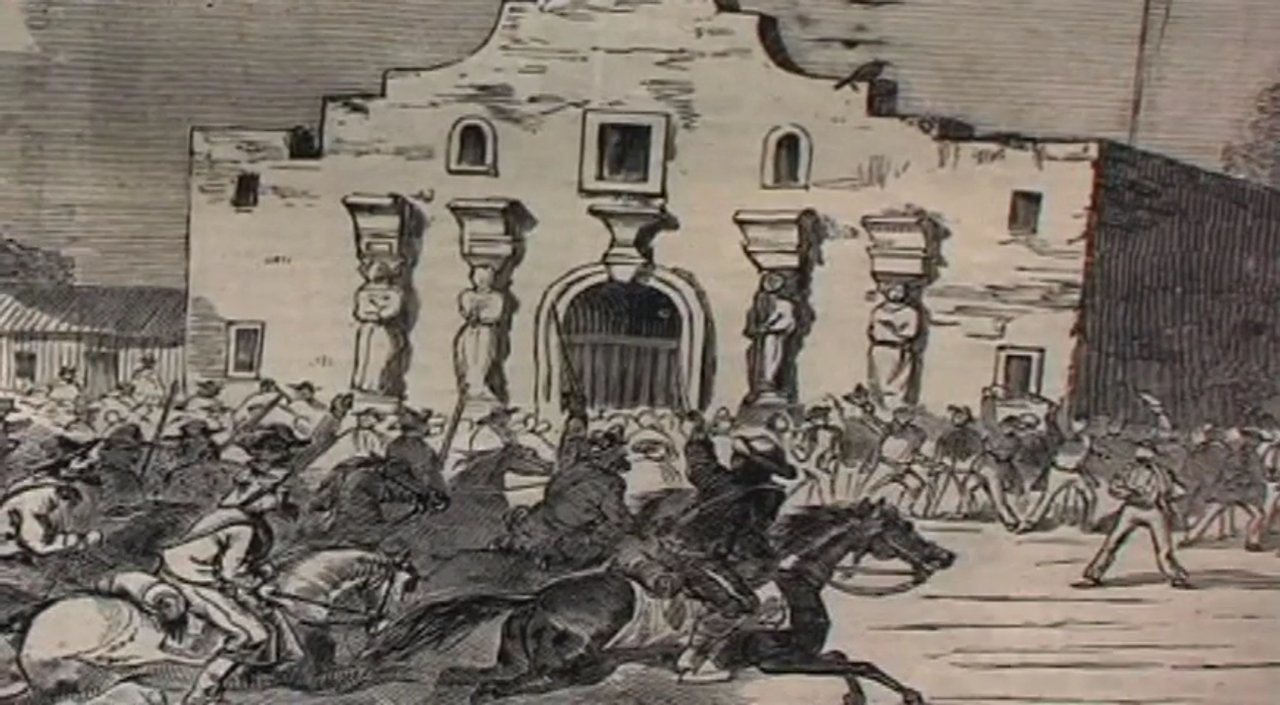
In the 1820s, Texas was part of Mexico, which invited settlers from the United States to move to the region. Disagreements over Mexican laws, cultural differences, and political control contributed to growing tensions. In 1835, the Texas Revolution began, as Texan rebels fought Mexican forces led by President and General Antonio López de Santa Anna. The Battle of the Alamo became a defining moment in the conflict, as a small group of Texan defenders held out for 13 days before Mexican troops captured the mission-fortress on March 6, 1836.
Weeks later, Mexican forces executed hundreds of Texan prisoners at Goliad. On April 21, 1836, General Sam Houston led a surprise attack against Santa Anna’s army at the Battle of San Jacinto. The Texan forces defeated the Mexican army and captured Santa Anna, helping secure Texas independence. Houston later became the first president of the Republic of Texas. The revolution shaped the region’s future, though the conflict also reflected competing claims to land, political authority, and national identity that had lasting consequences for both Texans and Mexico.
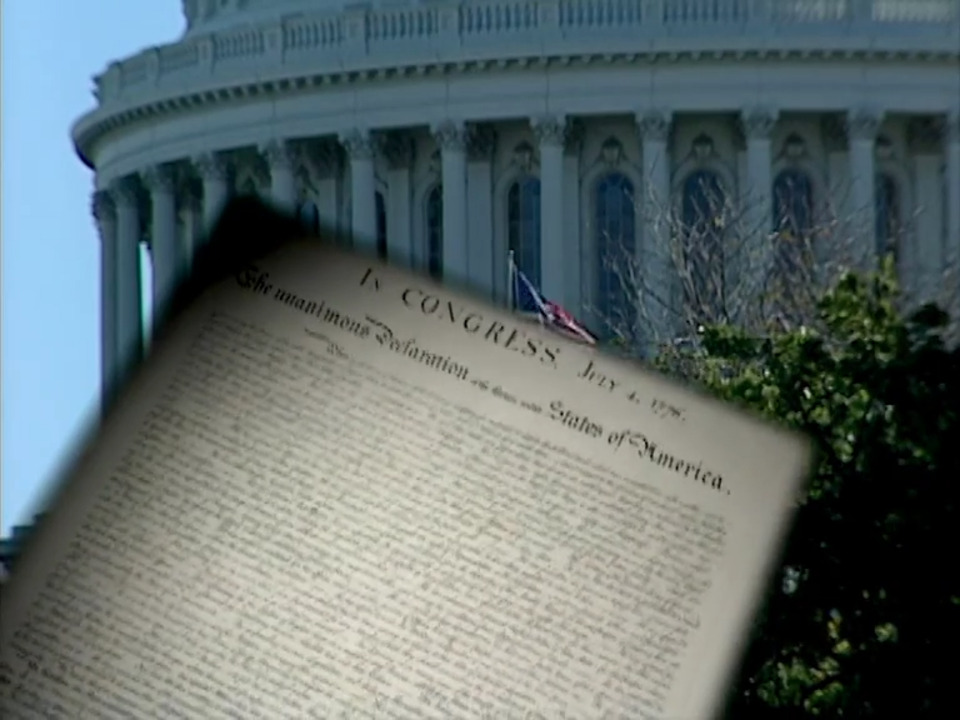
In Thomas Jefferson and the Declaration of Independence, learn how the colonies made the case for independence from Britain during the Revolutionary War. A Committee of Five, including Thomas Jefferson, drafted the document, drawing on ideas from the Virginia Declaration of Rights and John Locke. The Declaration outlined reasons for independence, the philosophy behind it, the king’s offenses, and concluded with the resolution for freedom. It was approved on July 4, 1776, and its original draft is now on permanent display in Washington, D.C.
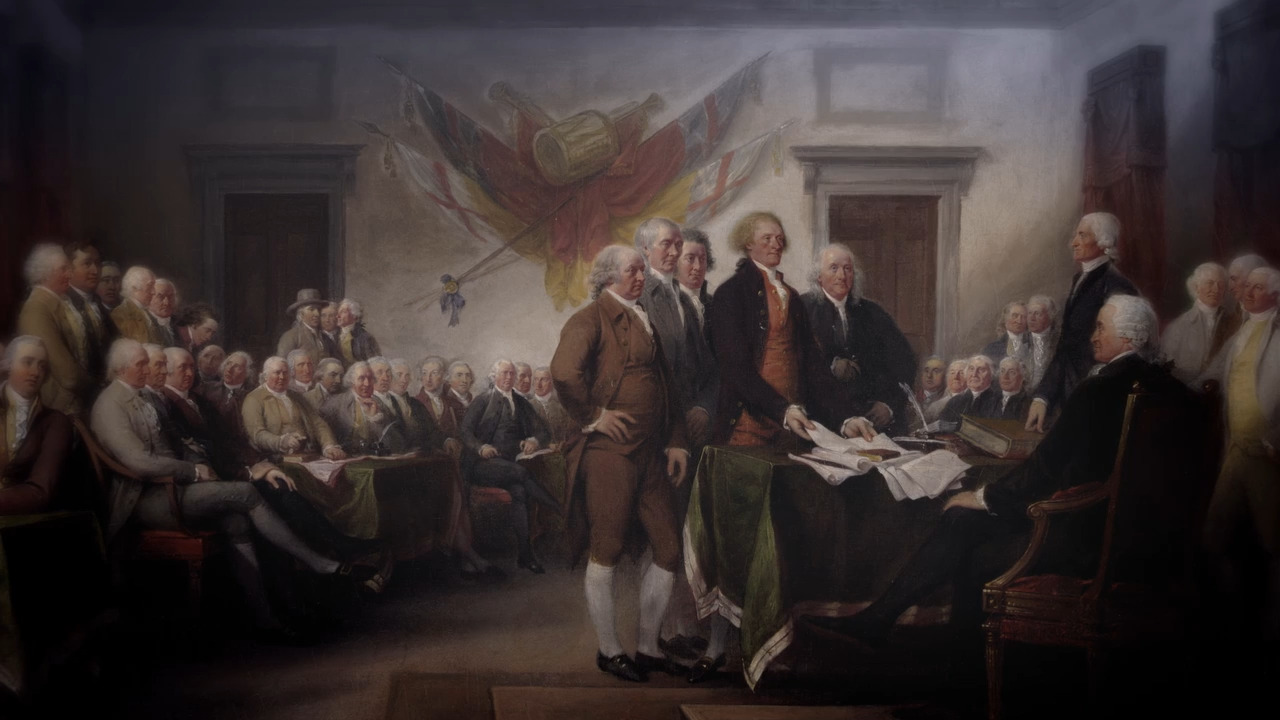
In Disagreements on the Declaration of Independence, historian Lucy Worsley researches the ambiguity of the first drafts of the agreement. It had to satisfy people from 13 states, with opposing views on divisive subjects such as slavery and religion. This video is excerpted from BBC's American History's Biggest Fibs With Lucy Worsley, in which Worsley reveals the myths and manipulations behind American history.

The article "Women in the American Revolution: Courageous Contributions on the Road to Independence" from BBC's HistoryExtra explores the diverse roles women played during the American Revolution. It highlights figures like Abigail Adams, who advocated for women's rights; Deborah Sampson, who disguised herself as a man to fight; and Phillis Wheatley, an enslaved poet whose writings inspired many.

The article "Why the United States of America Celebrates Independence Day on July Fourth" from BBC's HistoryExtra explains the origins of America's Independence Day, which commemorates the signing of the Declaration of Independence on July 4, 1776. Dr. Tom Cutterham discusses the historical context of the American Revolutionary War, the contributions of key figures like Thomas Jefferson, and the significance of the day in shaping America's identity.

The article "The Declaration of Independence: A Revolutionary Document and Its Unfinished Promise" from BBC's HistoryExtra explains the origins and content of the Declaration of Independence, which declared the American colonies free from British rule. The document outlined grievances against King George III and promised freedom and equality, yet it ignored key groups like enslaved people and Native Americans.
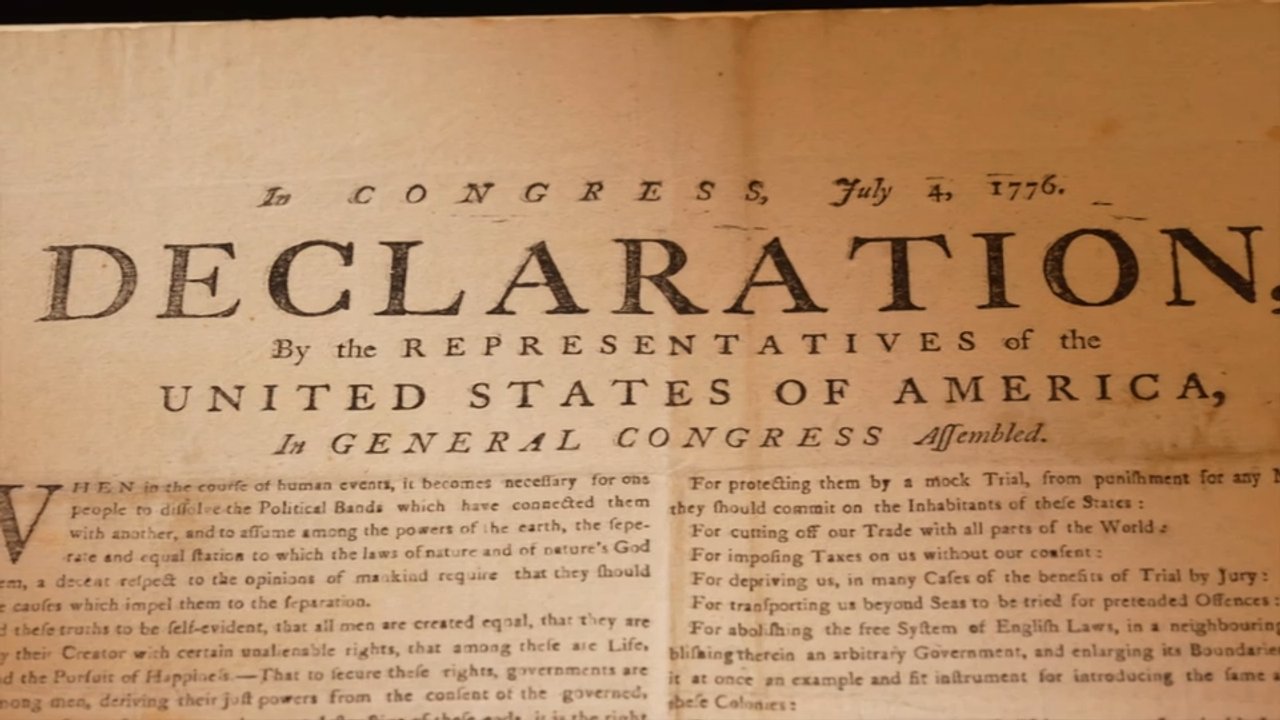
Michael Scurr has spent Thursday mornings volunteering at Britain’s National Archives in London for more than a decade, sorting and labeling old government records. One day, he unfolded a document and saw the word “Declaration” printed in big letters across the top.
He had found a rare 1776 printed copy of the United States Declaration of Independence. We just hope he’d washed off the Cheeto dust first.
The copy has quite a backstory. It was printed in Exeter, New Hampshire, in mid-July 1776, just days after the Declaration was adopted, to spread the news through the colonies. It ended up aboard the Dalton, an American privateer (a privately owned ship allowed to attack enemy ships in wartime). When Britain’s Royal Navy captured the Dalton, the document was taken too. It was filed away with British naval records and sat there for nearly 250 years without anyone realizing what it was.
Only 11 copies of this New Hampshire printing are known to survive, and this is the only one outside the United States. Instead of tucking it back in a box, the archives put it on public display this summer, in time for the 250th anniversary of American independence.
Why all the fuss over an old piece of paper? The Declaration’s ideas, including the right to “life, liberty, and the pursuit of happiness,” went on to inspire independence and rights movements around the world. A copy like this shows that a document’s story can keep going long after the moment it was written.

The article "Benjamin Franklin: The Revolutionary Genius Who Shaped America’s Future" from BBC's HistoryExtra explores the many roles of Benjamin Franklin. A Founding Father, inventor, and diplomat, Franklin was pivotal in securing the French-American alliance during the American Revolution. Known for his inventions like the lightning rod and bifocals, he also played a key part in drafting the Declaration of Independence.
In the 1820s, Texas was part of Mexico, which invited settlers from the United States to move to the region. Disagreements over Mexican laws, cultural differences, and political control contributed to growing tensions. In 1835, the Texas Revolution began, as Texan rebels fought Mexican forces led by President and General Antonio López de Santa Anna. The Battle of the Alamo became a defining moment in the conflict, as a small group of Texan defenders held out for 13 days before Mexican troops captured the mission-fortress on March 6, 1836.
Weeks later, Mexican forces executed hundreds of Texan prisoners at Goliad. On April 21, 1836, General Sam Houston led a surprise attack against Santa Anna’s army at the Battle of San Jacinto. The Texan forces defeated the Mexican army and captured Santa Anna, helping secure Texas independence. Houston later became the first president of the Republic of Texas. The revolution shaped the region’s future, though the conflict also reflected competing claims to land, political authority, and national identity that had lasting consequences for both Texans and Mexico.
In Thomas Jefferson and the Declaration of Independence, learn how the colonies made the case for independence from Britain during the Revolutionary War. A Committee of Five, including Thomas Jefferson, drafted the document, drawing on ideas from the Virginia Declaration of Rights and John Locke. The Declaration outlined reasons for independence, the philosophy behind it, the king’s offenses, and concluded with the resolution for freedom. It was approved on July 4, 1776, and its original draft is now on permanent display in Washington, D.C.
In Disagreements on the Declaration of Independence, historian Lucy Worsley researches the ambiguity of the first drafts of the agreement. It had to satisfy people from 13 states, with opposing views on divisive subjects such as slavery and religion. This video is excerpted from BBC's American History's Biggest Fibs With Lucy Worsley, in which Worsley reveals the myths and manipulations behind American history.
The article "Women in the American Revolution: Courageous Contributions on the Road to Independence" from BBC's HistoryExtra explores the diverse roles women played during the American Revolution. It highlights figures like Abigail Adams, who advocated for women's rights; Deborah Sampson, who disguised herself as a man to fight; and Phillis Wheatley, an enslaved poet whose writings inspired many.
The article "Why the United States of America Celebrates Independence Day on July Fourth" from BBC's HistoryExtra explains the origins of America's Independence Day, which commemorates the signing of the Declaration of Independence on July 4, 1776. Dr. Tom Cutterham discusses the historical context of the American Revolutionary War, the contributions of key figures like Thomas Jefferson, and the significance of the day in shaping America's identity.
The article "The Declaration of Independence: A Revolutionary Document and Its Unfinished Promise" from BBC's HistoryExtra explains the origins and content of the Declaration of Independence, which declared the American colonies free from British rule. The document outlined grievances against King George III and promised freedom and equality, yet it ignored key groups like enslaved people and Native Americans.
Michael Scurr has spent Thursday mornings volunteering at Britain’s National Archives in London for more than a decade, sorting and labeling old government records. One day, he unfolded a document and saw the word “Declaration” printed in big letters across the top.
He had found a rare 1776 printed copy of the United States Declaration of Independence. We just hope he’d washed off the Cheeto dust first.
The copy has quite a backstory. It was printed in Exeter, New Hampshire, in mid-July 1776, just days after the Declaration was adopted, to spread the news through the colonies. It ended up aboard the Dalton, an American privateer (a privately owned ship allowed to attack enemy ships in wartime). When Britain’s Royal Navy captured the Dalton, the document was taken too. It was filed away with British naval records and sat there for nearly 250 years without anyone realizing what it was.
Only 11 copies of this New Hampshire printing are known to survive, and this is the only one outside the United States. Instead of tucking it back in a box, the archives put it on public display this summer, in time for the 250th anniversary of American independence.
Why all the fuss over an old piece of paper? The Declaration’s ideas, including the right to “life, liberty, and the pursuit of happiness,” went on to inspire independence and rights movements around the world. A copy like this shows that a document’s story can keep going long after the moment it was written.
The article "Benjamin Franklin: The Revolutionary Genius Who Shaped America’s Future" from BBC's HistoryExtra explores the many roles of Benjamin Franklin. A Founding Father, inventor, and diplomat, Franklin was pivotal in securing the French-American alliance during the American Revolution. Known for his inventions like the lightning rod and bifocals, he also played a key part in drafting the Declaration of Independence.