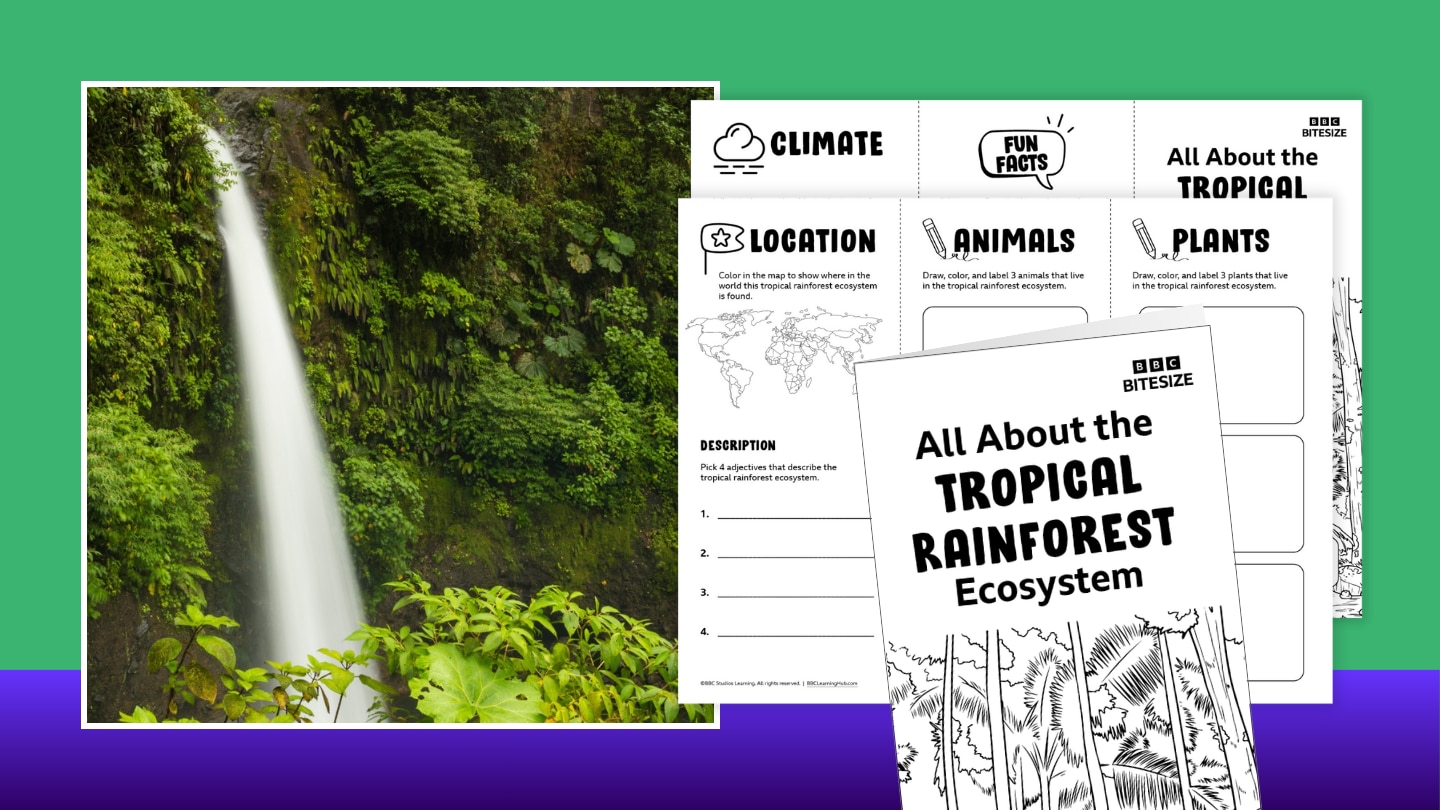
Guide your students on a hike through the tropical rainforest ecosystem! From the Amazon in South America to the jungles of Southeast Asia, rainforests are full of unique and amazing species.
✨ Perfect for grades 3–8, here’s what you need to bring ecosystems to life:
- Iconic BBC Videos: Share the clips on this page to introduce the location, plants, animals, and climate of the rainforest. (Don't miss the spider monkeys and waterfall toads!) Brought to you by world-class BBC programs like Planet Earth, Deadly 60, Seven Worlds, One Planet, and Life.
- Free Printable: Use the Tropical Rainforest Brochure Template to help students pull it all together in an ecosystem report with facts they’ve learned (and a little extra research).
It’s everything you need to make ecosystems easy to teach and truly memorable for your students.
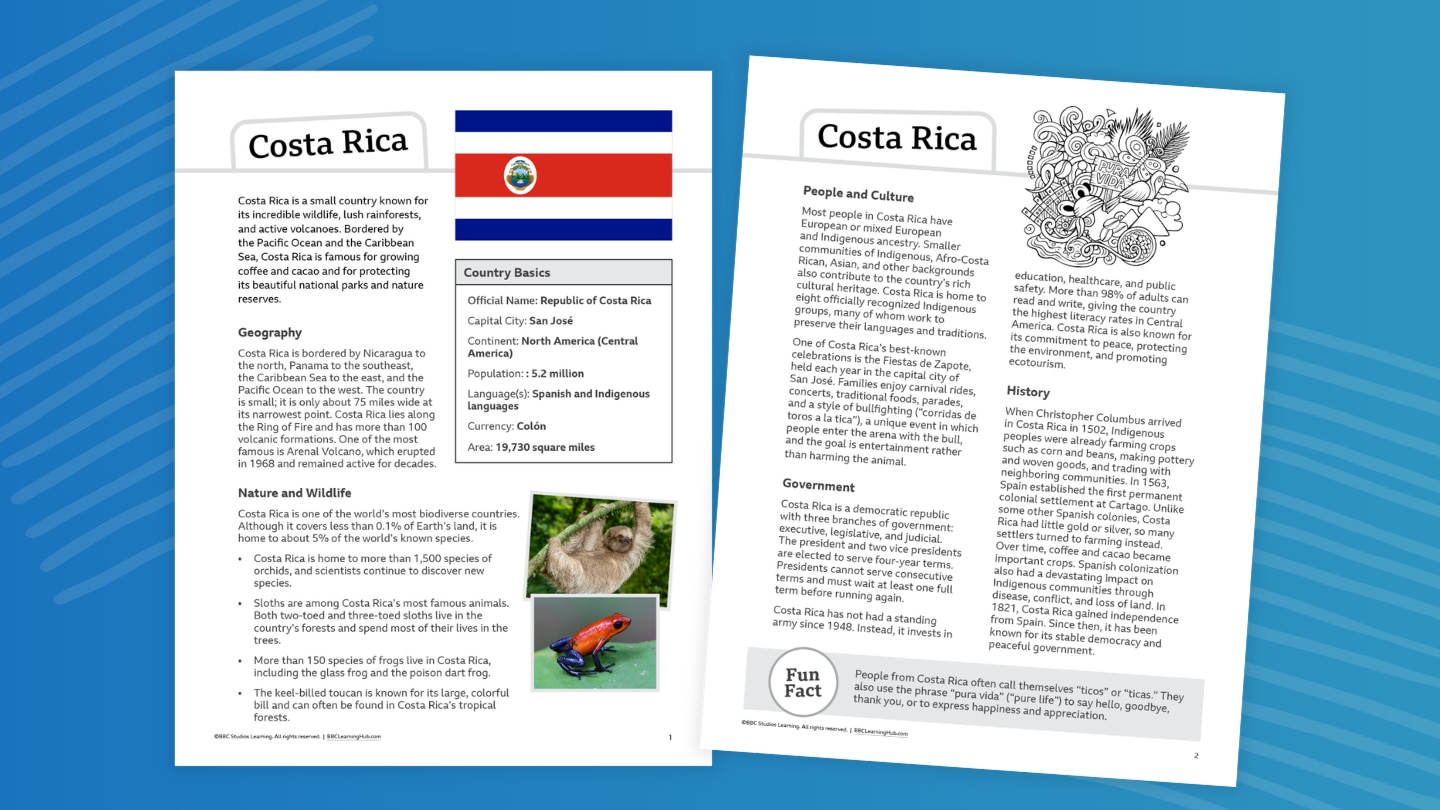
What small country is home to an astonishing variety of plants and animals, hundreds of volcanoes, and tropical forests stretching from coast to coast? Meet Costa Rica, a Central American country known for its incredible biodiversity and commitment to protecting nature.
From sloths and glass frogs to colorful toucans and thousands of orchids, Costa Rica is packed with wildlife. Discover how Indigenous peoples and Spanish colonization shaped the country, learn about its government and culture, and explore traditions such as the Fiestas de Zapote and "pura vida." You’ll also find out why Costa Rica has become a leader in protecting forests, wildlife, and other natural resources.
Teachers and parents, you can use this fact file to:
- Introduce a geography or social studies unit
- Support nonfiction reading practice
- Compare countries and cultures
- Complete map and research activities
- Prepare students for projects or presentations (use our country report template!)
- Pair with videos, articles, or other informational texts (see Related Resources below)
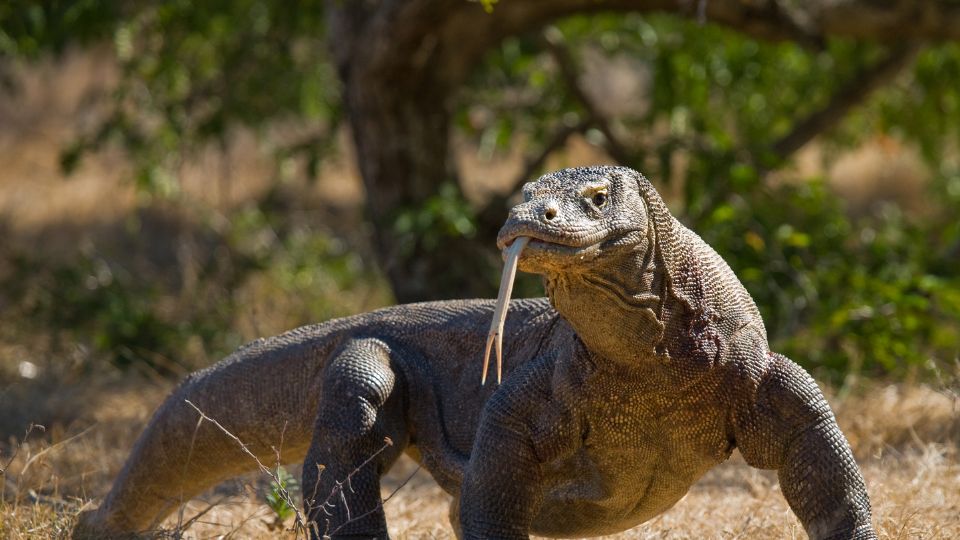
Meet the cold-blooded champions. Komodo dragons, caimans, bullfrogs, waterfall toads — these reptiles and amphibians have evolved extreme skills to survive as ectotherms, relying on their environment instead of their own body heat. We've put together a collection of BBC video clips all about cold-blooded animals (see Related Resources below). Watch them, then take the Kahoot to see what stuck.
The tricks are surprisingly specific: basilisks use a rapid leg motion to run across water without sinking, while waterfall toads — which can't leap like most frogs — have their own clever way of dodging predators. Explore how these cold-blooded creatures have adapted to thrive, and pick up some solid vocabulary along the way.
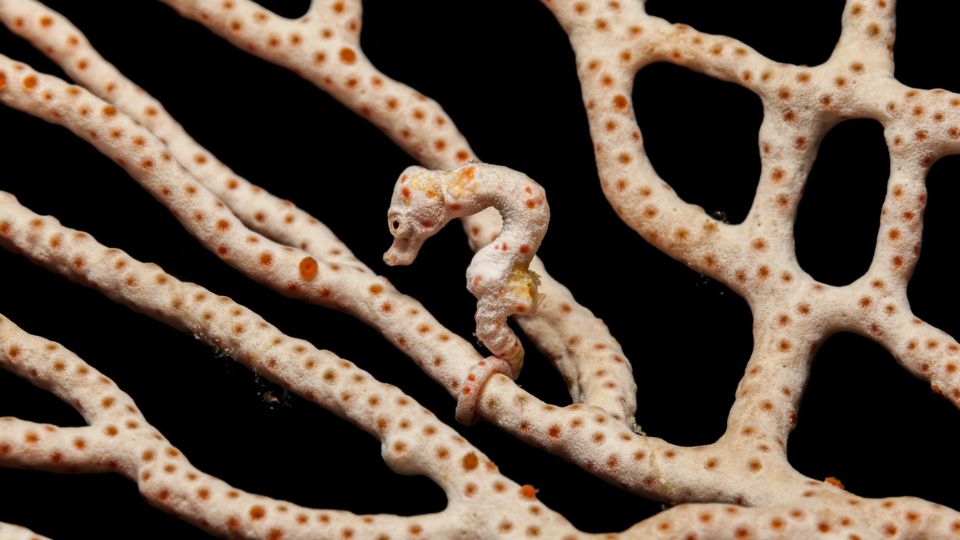
Meet nature's master hiders. Gliding tree frogs, octopuses, arctic foxes — these animals have evolved brilliant ways to blend in, hunt, and survive unseen. We've pulled together a collection of BBC video clips (see Related Resources below) showing off these disappearing acts. Watch them, then take the Kahoot to see what stuck.
Some of the tricks are wild: glass frogs clear their own blood to turn see-through, while arctic foxes shift their fur with the seasons to stay hidden year-round. Explore how these masters of camouflage pull it off, and pick up some solid grounding in evolution and adaptation along the way.
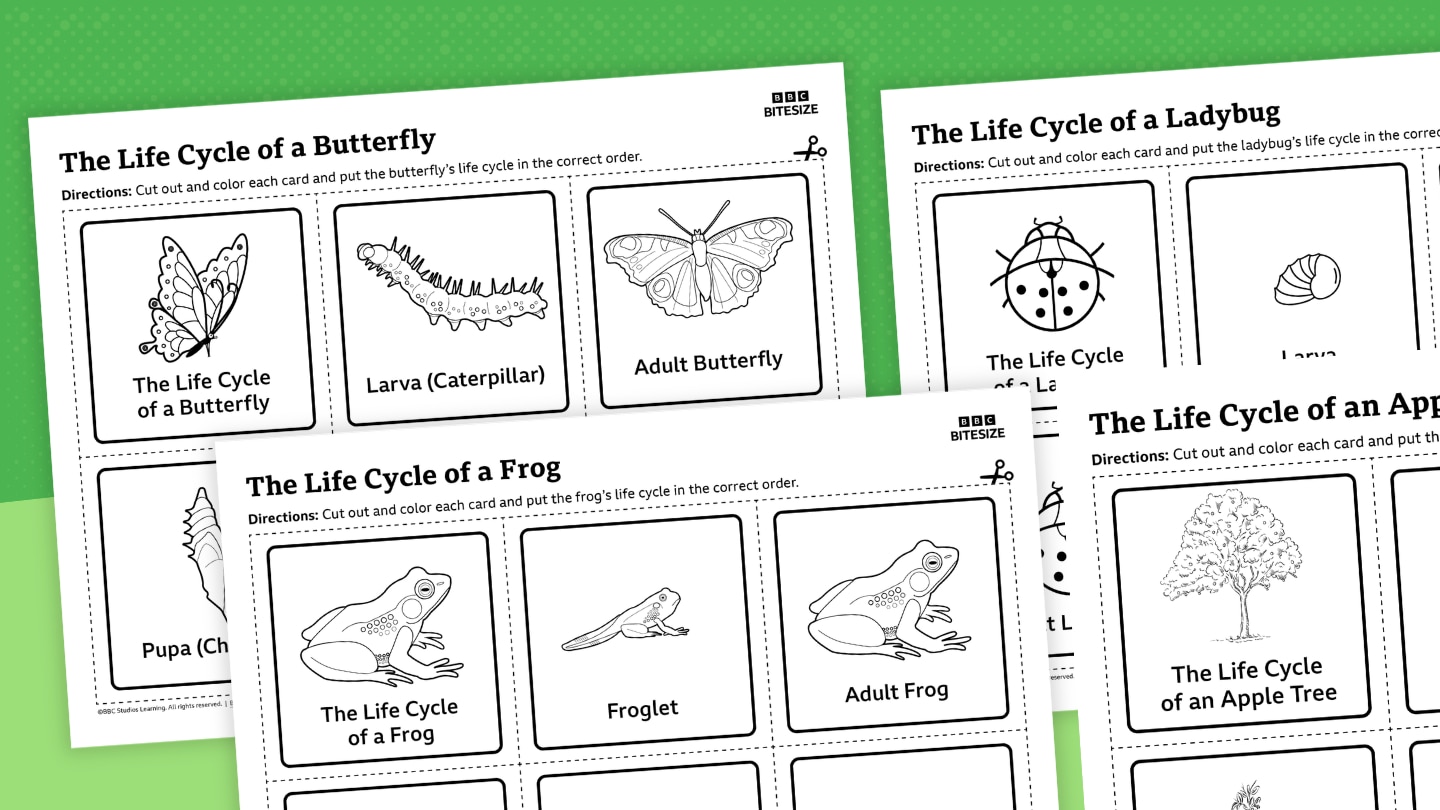
Invite your students to explore the life cycles of common organisms with these life cycle sequencing cards. The cards cover the bean plant, butterfly, birch tree, apple tree, honeybee, ladybug, and frog. They come already mixed up, so kids can color, cut, and put them in order. Use as an introductory task, check for understanding, center activity, or study guide!
As you introduce life cycles, focus on key concepts such as stages of growth, changes in form and function, and the idea that all living things follow a pattern from beginning to end. Encourage students to ask questions, make predictions, and notice patterns across plants and animals.
Teaching life cycles in elementary school is not only standards-based, it's also a great way to help students understand how living things grow and change over time. At this level, students are ready to explore clear, observable stages — like seed to plant or egg to adult—and begin comparing similarities and differences across species.
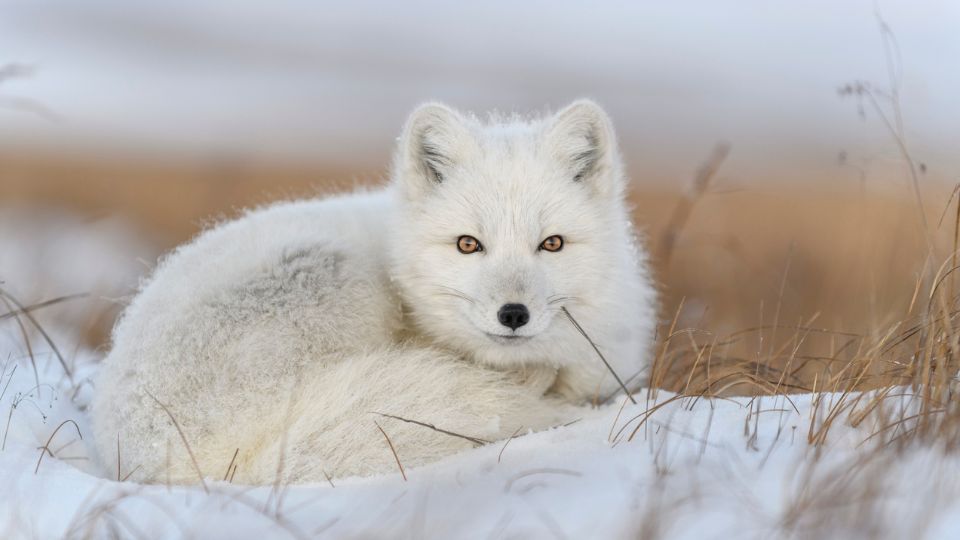
Winter is a season of frosty magic, silent snowfall, and some truly astonishing animal superpowers. But how much do you really know about the creatures that survive — and even thrive — when the temperature plunges?
From Arctic foxes that change coats like fashion pros to bears mastering the art of long naps, wood frogs that freeze without fear, and woolly bear caterpillars predicting winter’s mood swings, this quiz is packed with wild wonders and icy surprises. Only the sharpest nature buffs and winter-survival whiz kids will claw their way to the top of the leaderboard.
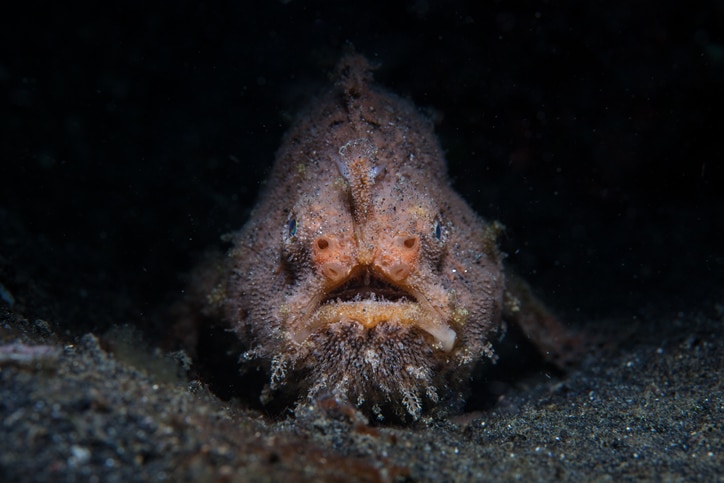
Discover the wild side of the underwater world in this video playlist! Meet the ocean's most unusual characters — from glowing anglerfish and toothy piranhas to spiky lionfish and balloon-like pufferfish. These 10 short clips from BBC favorites like Deadly 60 and Blue Planet reveal the surprising ways these strange fish hunt, hide, and survive. Packed with fun facts and jaw-dropping moments, it’s perfect for curious kids and adults alike!
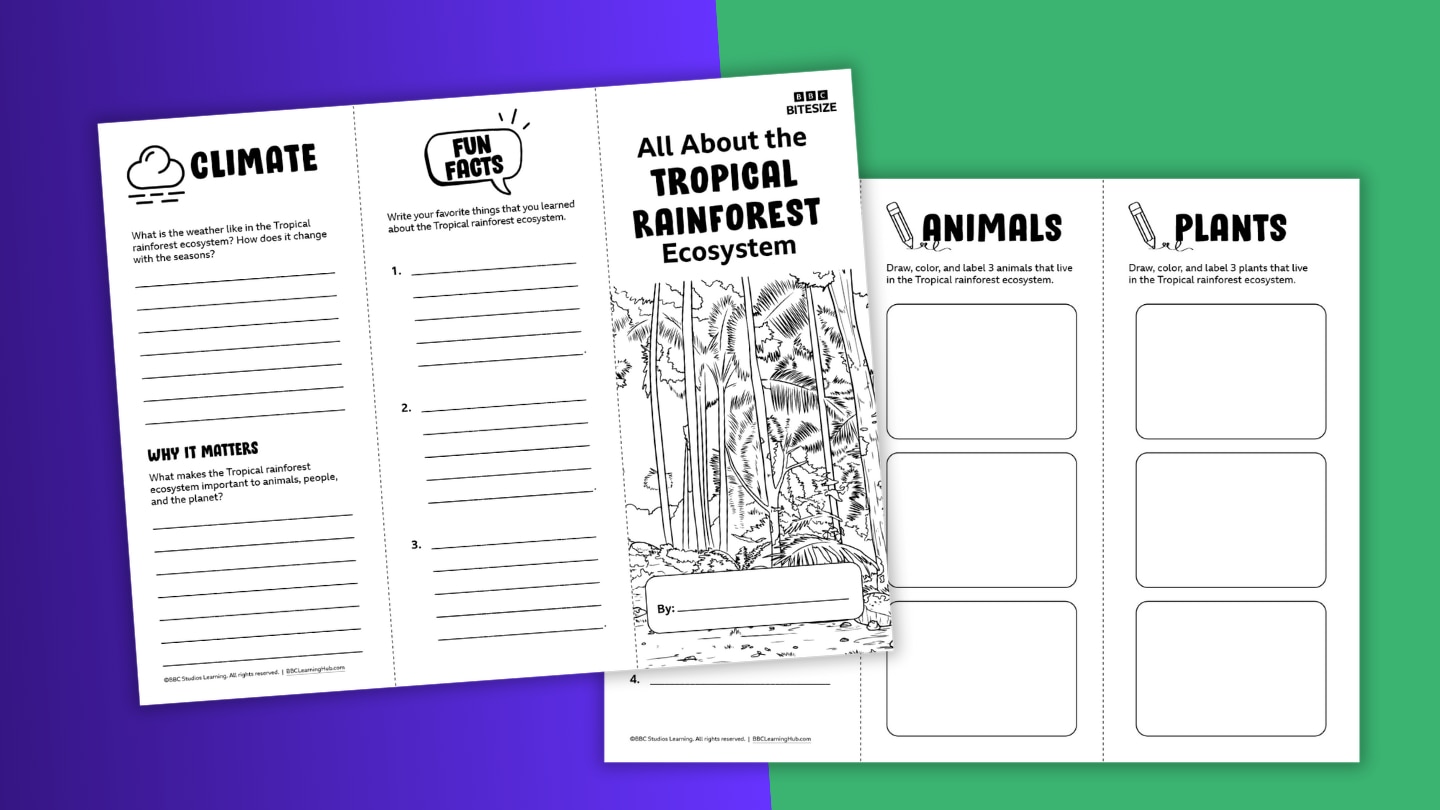
Step into the lush, green world of tropical rainforests! From the mighty Amazon to the steamy jungles of Southeast Asia, these ecosystems overflow with towering trees, hidden creatures, and nonstop adventure. After watching our videos, challenge your students to become ecosystem experts by creating their own colorful report filled with fascinating facts. (They’ll need to dig deeper with extra research, too!) Inside the brochure, students will uncover and share:
- Location of the ecosystem on a world map
- Adjectives that describe the ecosystem
- Three animals that live in the ecosystem
- Three plants that grow in the ecosystem
- The climate of the ecosystem
- What makes the ecosystem important
- Their favorite fun facts
Your students will summarize the most important details in their own words while keeping it clear and easy to understand. As they choose what to include, they’ll sharpen their ability to evaluate and combine information from different sources. Best of all, they’ll show off their creativity and communication skills by designing a brochure that’s as fun to read as it is informative!

The article "Exploring Costa Rica’s Rich Wildlife: Which Animals Can You See?" from BBC's Discover Wildlife explores the incredible range of animals that live in Costa Rica. From howler monkeys whose calls can be heard over long distances, to the rare jaguar, the country is home to some of the most unique species in the world. It also highlights vibrant creatures like the resplendent quetzal and endangered sea turtles.

The article "U.S. Lab Creates Living Robots That Are Capable of Self-Replicating" from BBC's Science Focus showcases the creation of xenobots, living robots designed using computer simulations and frog heart cells. Xenobots could have future applications in environmental cleanup and personalized medicine.
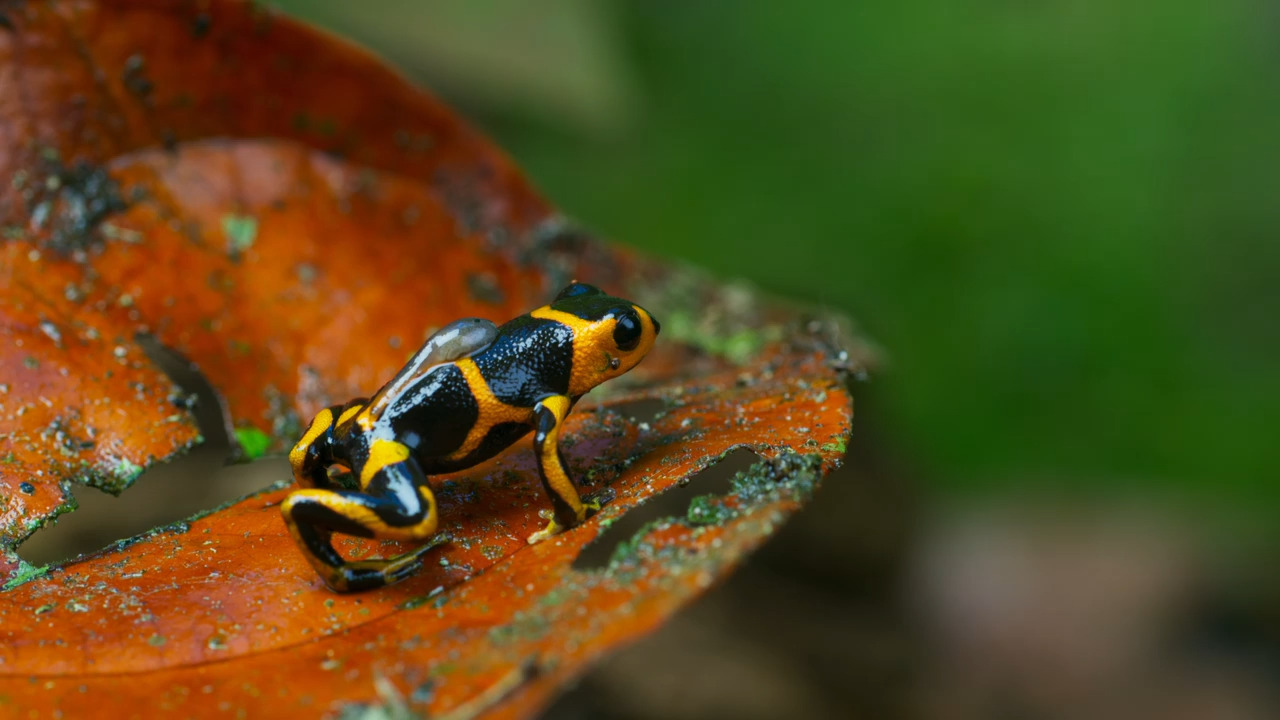
In Poison Dart Frog Piggyback Rides, learn how a male poison dart frog carefully nurtures his tadpoles. He rescues one of them from a dried-up pool and brings its mother to help feed it. This video is excerpted from BBC’s Seven Worlds, One Planet, a series featuring remarkable animal behavior from all seven continents.
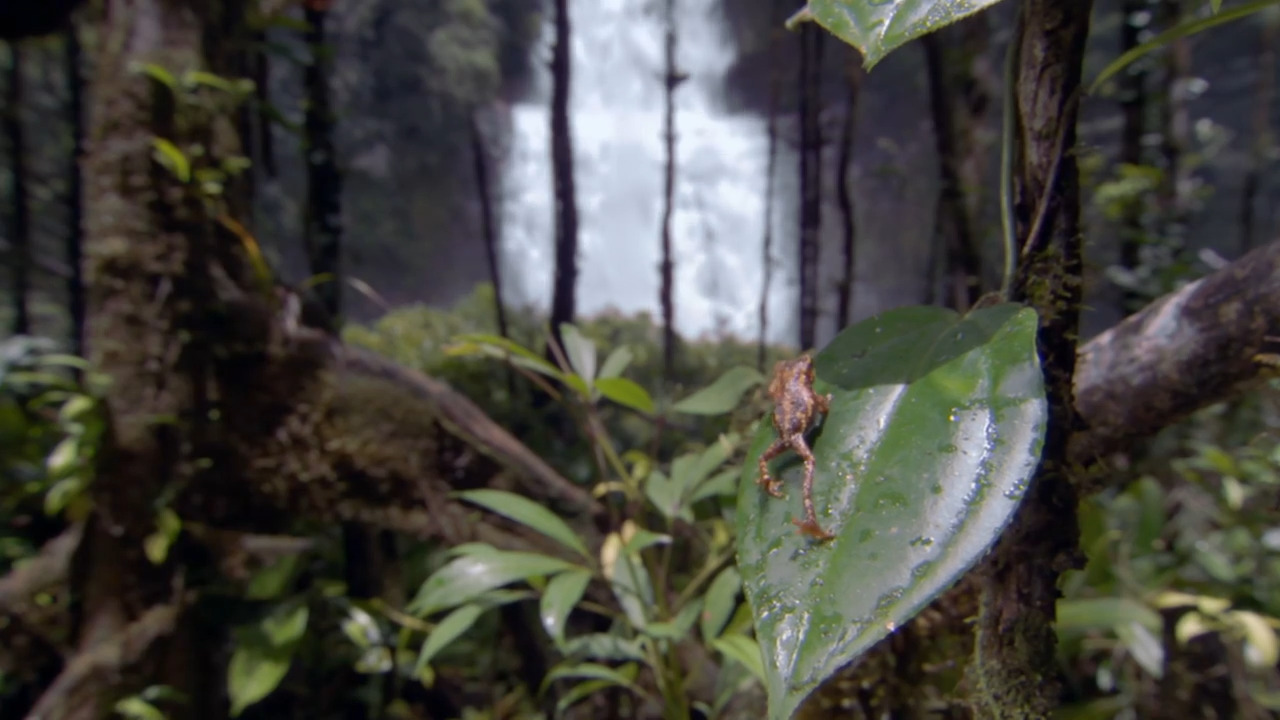
In The Amazing Waterfall Toad, narrator Sir David Attenborough introduces the amazing waterfall toad, a tiny creature that lives in the jungles where Brazil and Venezuela meet. About the size of a postage stamp, this toad has super gripping hands that help it cling to trees and wet leaves in the treetops. While other frogs might hop away from danger, the waterfall toad has a unique strategy that protects it from hungry snakes below. This video is excerpted from BBC's Life, a show that explores the remarkable strategies animals and plants use to ensure their survival.
Guide your students on a hike through the tropical rainforest ecosystem! From the Amazon in South America to the jungles of Southeast Asia, rainforests are full of unique and amazing species.
✨ Perfect for grades 3–8, here’s what you need to bring ecosystems to life:
- Iconic BBC Videos: Share the clips on this page to introduce the location, plants, animals, and climate of the rainforest. (Don't miss the spider monkeys and waterfall toads!) Brought to you by world-class BBC programs like Planet Earth, Deadly 60, Seven Worlds, One Planet, and Life.
- Free Printable: Use the Tropical Rainforest Brochure Template to help students pull it all together in an ecosystem report with facts they’ve learned (and a little extra research).
It’s everything you need to make ecosystems easy to teach and truly memorable for your students.
What small country is home to an astonishing variety of plants and animals, hundreds of volcanoes, and tropical forests stretching from coast to coast? Meet Costa Rica, a Central American country known for its incredible biodiversity and commitment to protecting nature.
From sloths and glass frogs to colorful toucans and thousands of orchids, Costa Rica is packed with wildlife. Discover how Indigenous peoples and Spanish colonization shaped the country, learn about its government and culture, and explore traditions such as the Fiestas de Zapote and "pura vida." You’ll also find out why Costa Rica has become a leader in protecting forests, wildlife, and other natural resources.
Teachers and parents, you can use this fact file to:
- Introduce a geography or social studies unit
- Support nonfiction reading practice
- Compare countries and cultures
- Complete map and research activities
- Prepare students for projects or presentations (use our country report template!)
- Pair with videos, articles, or other informational texts (see Related Resources below)
Meet the cold-blooded champions. Komodo dragons, caimans, bullfrogs, waterfall toads — these reptiles and amphibians have evolved extreme skills to survive as ectotherms, relying on their environment instead of their own body heat. We've put together a collection of BBC video clips all about cold-blooded animals (see Related Resources below). Watch them, then take the Kahoot to see what stuck.
The tricks are surprisingly specific: basilisks use a rapid leg motion to run across water without sinking, while waterfall toads — which can't leap like most frogs — have their own clever way of dodging predators. Explore how these cold-blooded creatures have adapted to thrive, and pick up some solid vocabulary along the way.
Meet nature's master hiders. Gliding tree frogs, octopuses, arctic foxes — these animals have evolved brilliant ways to blend in, hunt, and survive unseen. We've pulled together a collection of BBC video clips (see Related Resources below) showing off these disappearing acts. Watch them, then take the Kahoot to see what stuck.
Some of the tricks are wild: glass frogs clear their own blood to turn see-through, while arctic foxes shift their fur with the seasons to stay hidden year-round. Explore how these masters of camouflage pull it off, and pick up some solid grounding in evolution and adaptation along the way.
Invite your students to explore the life cycles of common organisms with these life cycle sequencing cards. The cards cover the bean plant, butterfly, birch tree, apple tree, honeybee, ladybug, and frog. They come already mixed up, so kids can color, cut, and put them in order. Use as an introductory task, check for understanding, center activity, or study guide!
As you introduce life cycles, focus on key concepts such as stages of growth, changes in form and function, and the idea that all living things follow a pattern from beginning to end. Encourage students to ask questions, make predictions, and notice patterns across plants and animals.
Teaching life cycles in elementary school is not only standards-based, it's also a great way to help students understand how living things grow and change over time. At this level, students are ready to explore clear, observable stages — like seed to plant or egg to adult—and begin comparing similarities and differences across species.
Winter is a season of frosty magic, silent snowfall, and some truly astonishing animal superpowers. But how much do you really know about the creatures that survive — and even thrive — when the temperature plunges?
From Arctic foxes that change coats like fashion pros to bears mastering the art of long naps, wood frogs that freeze without fear, and woolly bear caterpillars predicting winter’s mood swings, this quiz is packed with wild wonders and icy surprises. Only the sharpest nature buffs and winter-survival whiz kids will claw their way to the top of the leaderboard.
Discover the wild side of the underwater world in this video playlist! Meet the ocean's most unusual characters — from glowing anglerfish and toothy piranhas to spiky lionfish and balloon-like pufferfish. These 10 short clips from BBC favorites like Deadly 60 and Blue Planet reveal the surprising ways these strange fish hunt, hide, and survive. Packed with fun facts and jaw-dropping moments, it’s perfect for curious kids and adults alike!
Step into the lush, green world of tropical rainforests! From the mighty Amazon to the steamy jungles of Southeast Asia, these ecosystems overflow with towering trees, hidden creatures, and nonstop adventure. After watching our videos, challenge your students to become ecosystem experts by creating their own colorful report filled with fascinating facts. (They’ll need to dig deeper with extra research, too!) Inside the brochure, students will uncover and share:
- Location of the ecosystem on a world map
- Adjectives that describe the ecosystem
- Three animals that live in the ecosystem
- Three plants that grow in the ecosystem
- The climate of the ecosystem
- What makes the ecosystem important
- Their favorite fun facts
Your students will summarize the most important details in their own words while keeping it clear and easy to understand. As they choose what to include, they’ll sharpen their ability to evaluate and combine information from different sources. Best of all, they’ll show off their creativity and communication skills by designing a brochure that’s as fun to read as it is informative!
The article "Exploring Costa Rica’s Rich Wildlife: Which Animals Can You See?" from BBC's Discover Wildlife explores the incredible range of animals that live in Costa Rica. From howler monkeys whose calls can be heard over long distances, to the rare jaguar, the country is home to some of the most unique species in the world. It also highlights vibrant creatures like the resplendent quetzal and endangered sea turtles.
The article "U.S. Lab Creates Living Robots That Are Capable of Self-Replicating" from BBC's Science Focus showcases the creation of xenobots, living robots designed using computer simulations and frog heart cells. Xenobots could have future applications in environmental cleanup and personalized medicine.
In Poison Dart Frog Piggyback Rides, learn how a male poison dart frog carefully nurtures his tadpoles. He rescues one of them from a dried-up pool and brings its mother to help feed it. This video is excerpted from BBC’s Seven Worlds, One Planet, a series featuring remarkable animal behavior from all seven continents.
In The Amazing Waterfall Toad, narrator Sir David Attenborough introduces the amazing waterfall toad, a tiny creature that lives in the jungles where Brazil and Venezuela meet. About the size of a postage stamp, this toad has super gripping hands that help it cling to trees and wet leaves in the treetops. While other frogs might hop away from danger, the waterfall toad has a unique strategy that protects it from hungry snakes below. This video is excerpted from BBC's Life, a show that explores the remarkable strategies animals and plants use to ensure their survival.