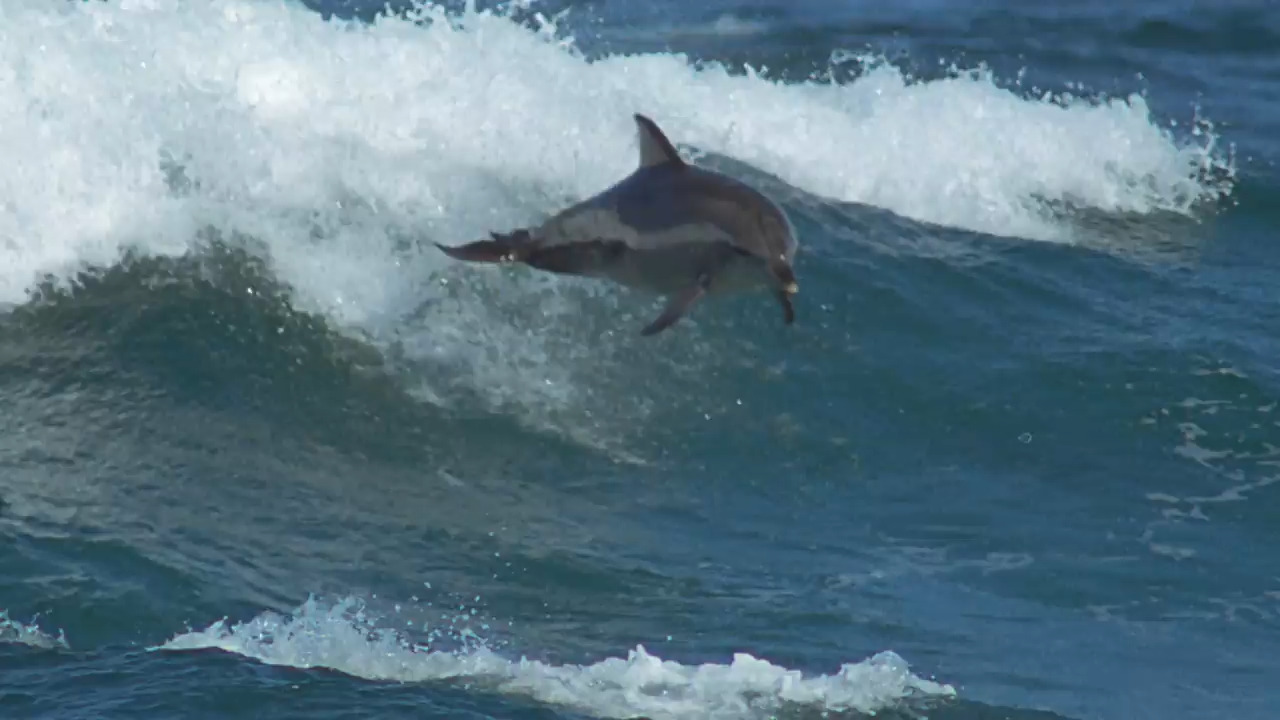
In How Dolphins Hunt in Shallow Water, narrator Sir David Attenborough explains that shallow water is no problem for smart and skilled bottlenose dolphins. See the many strategies they have for hunting fish in just centimeters of water. This video is excerpted from BBC's Planet Earth, a breathtaking documentary series that highlights the natural wonders of our planet.
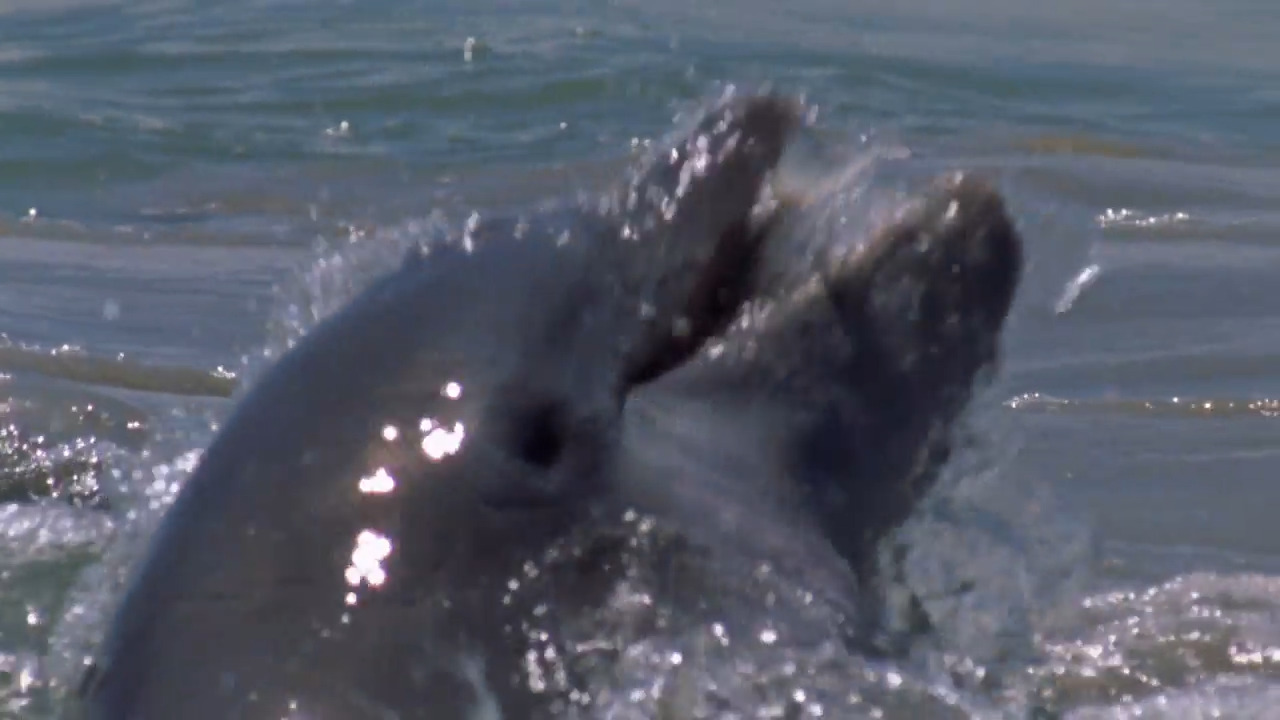
In Dolphin Superpods Travel Together, narrator Sir David Attenborough follows a superpod of dolphins on their way to the Azores. This video is excerpted from BBC’s Blue Planet, a definitive documentary series diving into the mysterious depths of the sea to discover the natural history of the world’s oceans and the rarely seen marine life that reside there.
In False Killer Whales and Bottlenose Dolphins, narrator Sir David Attenborough describes what happens when a pod of false killer whales finds a pod of dolphins. This video is excerpted from BBC’s Blue Planet II, a natural history series that explores the world's oceans, the animals that live in them, and the threats they face, using modern filming techniques and equipment to capture previously unseen areas of the ocean.
In Surf's Up with Dolphins, narrator Sir David Attenborough shows how adult dolphins teach baby dolphins about their world. This video is excerpted from BBC’s Blue Planet II, a natural history series that explores the world's oceans, the animals that live in them, and the threats they face, using modern filming techniques and equipment to capture previously unseen areas of the ocean.
In Dolphin Schools and Cory’s Shearwater Are a Team Effort for Survival, narrator Sir David Attenborough captures an extraordinary sight of 500 dolphins leaping through the water and then hunting in coordination with Cory’s shearwaters — seabirds in the waters around the Azores, volcanic islands located 1,000 miles west of Portugal. The dolphins use teamwork to herd schools of mackerel toward the water's surface, where the fish become easy prey for the diving shearwaters. This video is excerpted from BBC’s Planet Earth, a breathtaking documentary series that highlights the natural wonders of our planet.
In How Dolphins in Florida Bay Hunt Together, narrator Sir David Attenborough describes bottlenose dolphins’ incredible way of hunting fish in Florida Bay! One dolphin takes charge, stirring up the seafloor to trap fish in a swirling circle. The fish panic and leap out of the water — straight into the mouths of the dolphins! This behavior is passed down through generations, showing how dolphins teach each other to survive in a unique environment. This video is excerpted from BBC's Life, a show that explores the remarkable strategies animals and plants use to ensure their survival.
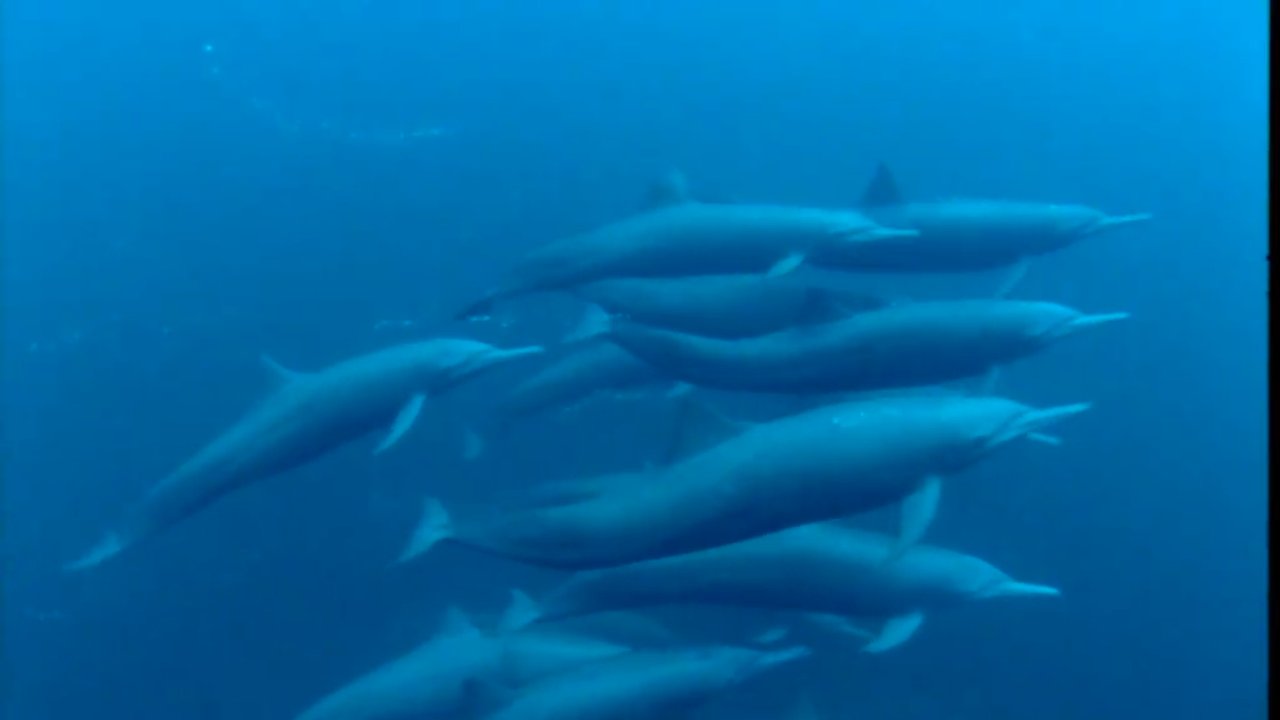
March 5, 2026, marks the 20th anniversary of premiere of BBC's Planet Earth. The breathtaking and award-winning documentary series, narrated by none other than Sir David Attenborough, highlights the natural wonders of our planet. In honor of this momentous occasion, we've put together some of the most popular clips from this beloved natural history show for students ages 8–14.
Get up close and personal with hydroplaning dolphins. Witness an iguana hatchling's terrifying race to survive, pursued by racer snakes. Watch the first steps of two polar bear cubs emerging from hibernation. More of the real-life magic of our blue marble awaits in this video playlist, part of our Planet Earth Collection. Grab your Planet Earth Passport and start exploring!
In Opportunity for Animals as the Tides Ebb and Flow, narrator Sir David Attenborough examines how the Moon’s impact on the Earth and the tides create opportunity for animals, like the bottlenose dolphins who move into shallow waters at high tide to feast on mullets. This video is excerpted from BBC’s Blue Planet, a definitive documentary series diving into the mysterious depths of the sea to discover the natural history of the world’s oceans and the rarely seen marine life that reside there.
In The Moon’s Influence on Life at the Equator, narrator Sir David Attenborough explains how the Moon’s pull at the equator influences the tides and the animals that live there. Watch how bottlenose dolphins use sonar to catch razorfish. Learn how thimble jellyfish use photosynthesis. This video is excerpted from BBC’s Blue Planet, a definitive documentary series diving into the mysterious depths of the sea to discover the natural history of the world’s oceans and the rarely seen marine life that reside there.
In Watch Animals Work Together to Catch Sardines!, narrator Sir David Attenborough explains how sharks, dolphins, and gannets work together to eat as many sardines as possible. This video is excerpted from BBC’s Blue Planet, a definitive documentary series diving into the mysterious depths of the sea to discover the natural history of the world’s oceans and the rarely seen marine life that reside there.
In Mackerel Predators Follow Their Vibrations, narrator Sir David Attenborough explains how spotted dolphins travel, play, and find prey, and how sailfish have adapted a strategy to catch schooling mackerel. This video is excerpted from BBC’s Blue Planet, a definitive documentary series diving into the mysterious depths of the sea to discover the natural history of the world’s oceans and the rarely seen marine life that reside there.
In Why Sea Life Loves to Eat Mackerel!, narrator Sir David Attenborough explains how dolphin, shearwaters, and tuna all engage in a feeding frenzy with mackerel and how the animals work together. This video is excerpted from BBC’s Blue Planet, a definitive documentary series diving into the mysterious depths of the sea to discover the natural history of the world’s oceans and the rarely seen marine life that resides there.
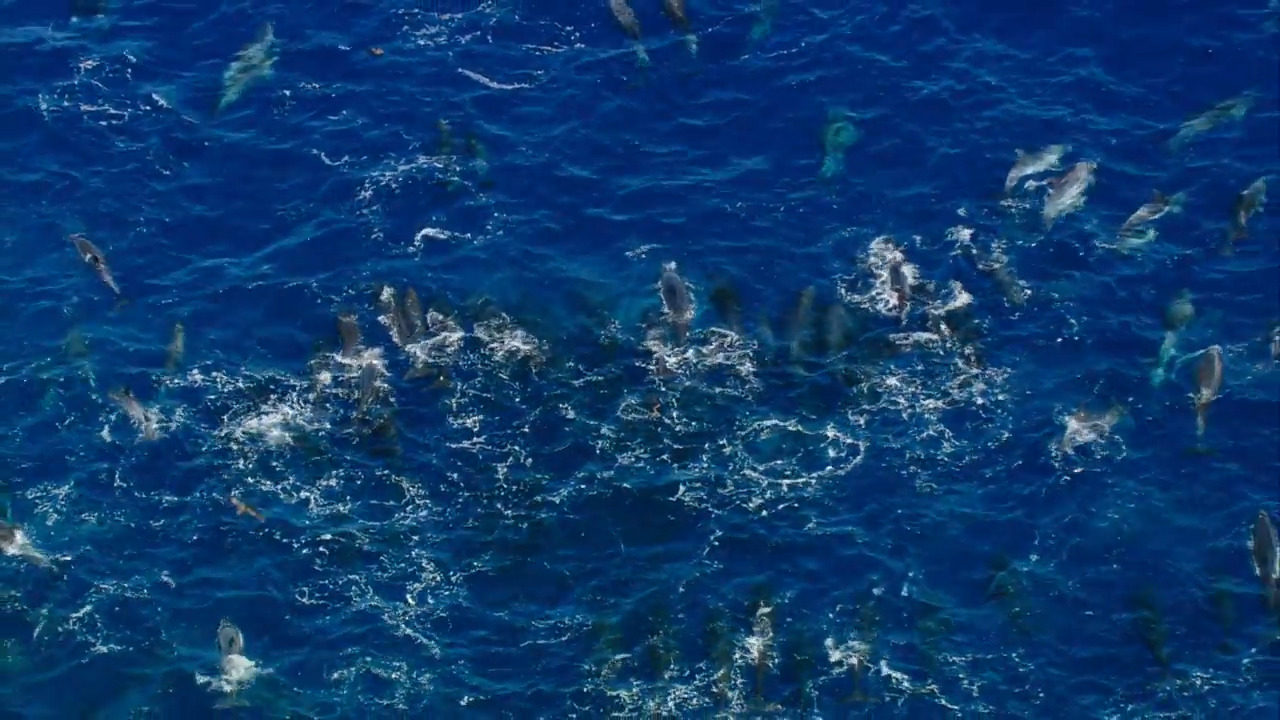
In How Dolphins Hunt in Shallow Water, narrator Sir David Attenborough explains that shallow water is no problem for smart and skilled bottlenose dolphins. See the many strategies they have for hunting fish in just centimeters of water. This video is excerpted from BBC's Planet Earth, a breathtaking documentary series that highlights the natural wonders of our planet.
In Dolphin Superpods Travel Together, narrator Sir David Attenborough follows a superpod of dolphins on their way to the Azores. This video is excerpted from BBC’s Blue Planet, a definitive documentary series diving into the mysterious depths of the sea to discover the natural history of the world’s oceans and the rarely seen marine life that reside there.
In False Killer Whales and Bottlenose Dolphins, narrator Sir David Attenborough describes what happens when a pod of false killer whales finds a pod of dolphins. This video is excerpted from BBC’s Blue Planet II, a natural history series that explores the world's oceans, the animals that live in them, and the threats they face, using modern filming techniques and equipment to capture previously unseen areas of the ocean.
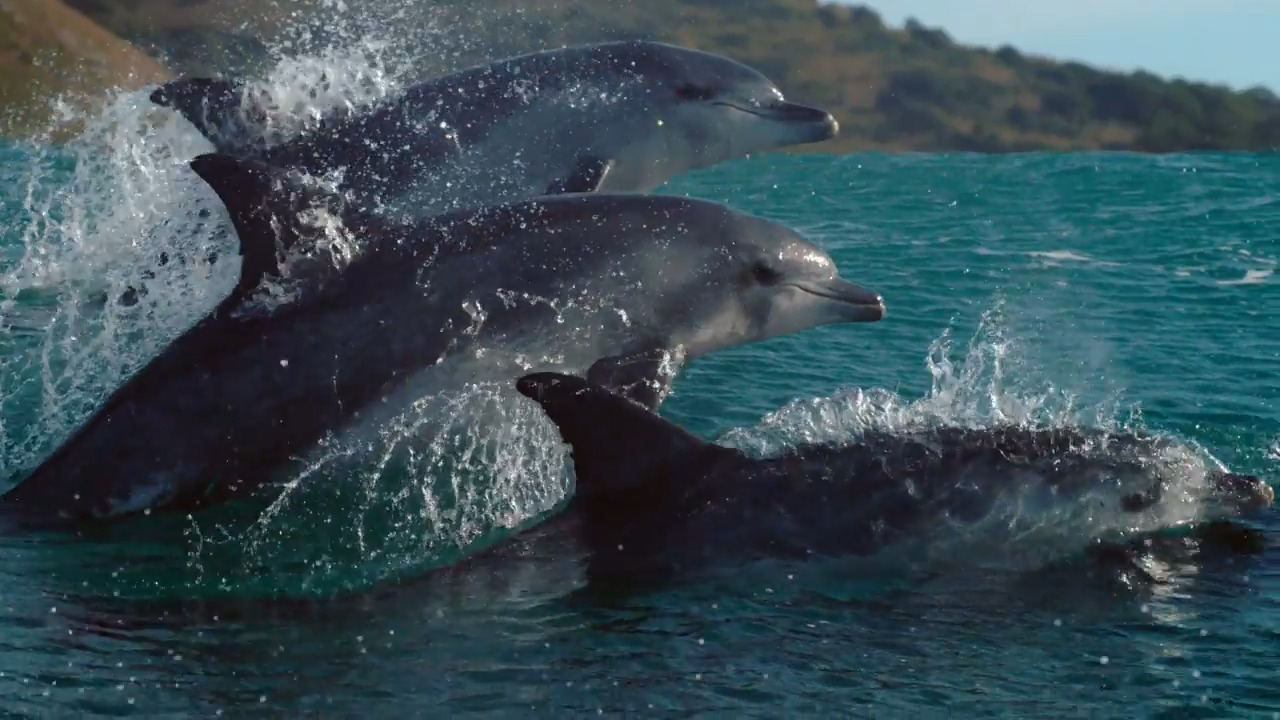
In Surf's Up with Dolphins, narrator Sir David Attenborough shows how adult dolphins teach baby dolphins about their world. This video is excerpted from BBC’s Blue Planet II, a natural history series that explores the world's oceans, the animals that live in them, and the threats they face, using modern filming techniques and equipment to capture previously unseen areas of the ocean.
In Dolphin Schools and Cory’s Shearwater Are a Team Effort for Survival, narrator Sir David Attenborough captures an extraordinary sight of 500 dolphins leaping through the water and then hunting in coordination with Cory’s shearwaters — seabirds in the waters around the Azores, volcanic islands located 1,000 miles west of Portugal. The dolphins use teamwork to herd schools of mackerel toward the water's surface, where the fish become easy prey for the diving shearwaters. This video is excerpted from BBC’s Planet Earth, a breathtaking documentary series that highlights the natural wonders of our planet.
In How Dolphins in Florida Bay Hunt Together, narrator Sir David Attenborough describes bottlenose dolphins’ incredible way of hunting fish in Florida Bay! One dolphin takes charge, stirring up the seafloor to trap fish in a swirling circle. The fish panic and leap out of the water — straight into the mouths of the dolphins! This behavior is passed down through generations, showing how dolphins teach each other to survive in a unique environment. This video is excerpted from BBC's Life, a show that explores the remarkable strategies animals and plants use to ensure their survival.
March 5, 2026, marks the 20th anniversary of premiere of BBC's Planet Earth. The breathtaking and award-winning documentary series, narrated by none other than Sir David Attenborough, highlights the natural wonders of our planet. In honor of this momentous occasion, we've put together some of the most popular clips from this beloved natural history show for students ages 8–14.
Get up close and personal with hydroplaning dolphins. Witness an iguana hatchling's terrifying race to survive, pursued by racer snakes. Watch the first steps of two polar bear cubs emerging from hibernation. More of the real-life magic of our blue marble awaits in this video playlist, part of our Planet Earth Collection. Grab your Planet Earth Passport and start exploring!
In Opportunity for Animals as the Tides Ebb and Flow, narrator Sir David Attenborough examines how the Moon’s impact on the Earth and the tides create opportunity for animals, like the bottlenose dolphins who move into shallow waters at high tide to feast on mullets. This video is excerpted from BBC’s Blue Planet, a definitive documentary series diving into the mysterious depths of the sea to discover the natural history of the world’s oceans and the rarely seen marine life that reside there.
In The Moon’s Influence on Life at the Equator, narrator Sir David Attenborough explains how the Moon’s pull at the equator influences the tides and the animals that live there. Watch how bottlenose dolphins use sonar to catch razorfish. Learn how thimble jellyfish use photosynthesis. This video is excerpted from BBC’s Blue Planet, a definitive documentary series diving into the mysterious depths of the sea to discover the natural history of the world’s oceans and the rarely seen marine life that reside there.
In Watch Animals Work Together to Catch Sardines!, narrator Sir David Attenborough explains how sharks, dolphins, and gannets work together to eat as many sardines as possible. This video is excerpted from BBC’s Blue Planet, a definitive documentary series diving into the mysterious depths of the sea to discover the natural history of the world’s oceans and the rarely seen marine life that reside there.
In Mackerel Predators Follow Their Vibrations, narrator Sir David Attenborough explains how spotted dolphins travel, play, and find prey, and how sailfish have adapted a strategy to catch schooling mackerel. This video is excerpted from BBC’s Blue Planet, a definitive documentary series diving into the mysterious depths of the sea to discover the natural history of the world’s oceans and the rarely seen marine life that reside there.
In Why Sea Life Loves to Eat Mackerel!, narrator Sir David Attenborough explains how dolphin, shearwaters, and tuna all engage in a feeding frenzy with mackerel and how the animals work together. This video is excerpted from BBC’s Blue Planet, a definitive documentary series diving into the mysterious depths of the sea to discover the natural history of the world’s oceans and the rarely seen marine life that resides there.