
The article "Flamingo Guide: How to Identify Each Species, Where to See Them — and Why Flamingos Are Pink" from BBC's Discover Wildlife is a colorful exploration of one of the world’s most striking birds. It explains the six different flamingo species, how diet affects their bright coloring, and where to find them in the wild. The article also highlights flamingo behavior, nesting, communication, and how they feed their chicks pink "milk."

In The Lut Desert's Deadly Viper, narrator Sir David Attenborough explores one of the hottest places on Earth. He reveals how a newly discovered viper uses extraordinary camouflage and a spider-like tail to hunt migrating birds in this harsh environment. This video is excerpted from BBC’s Seven Worlds, One Planet, a series featuring remarkable animal behavior from all seven continents.
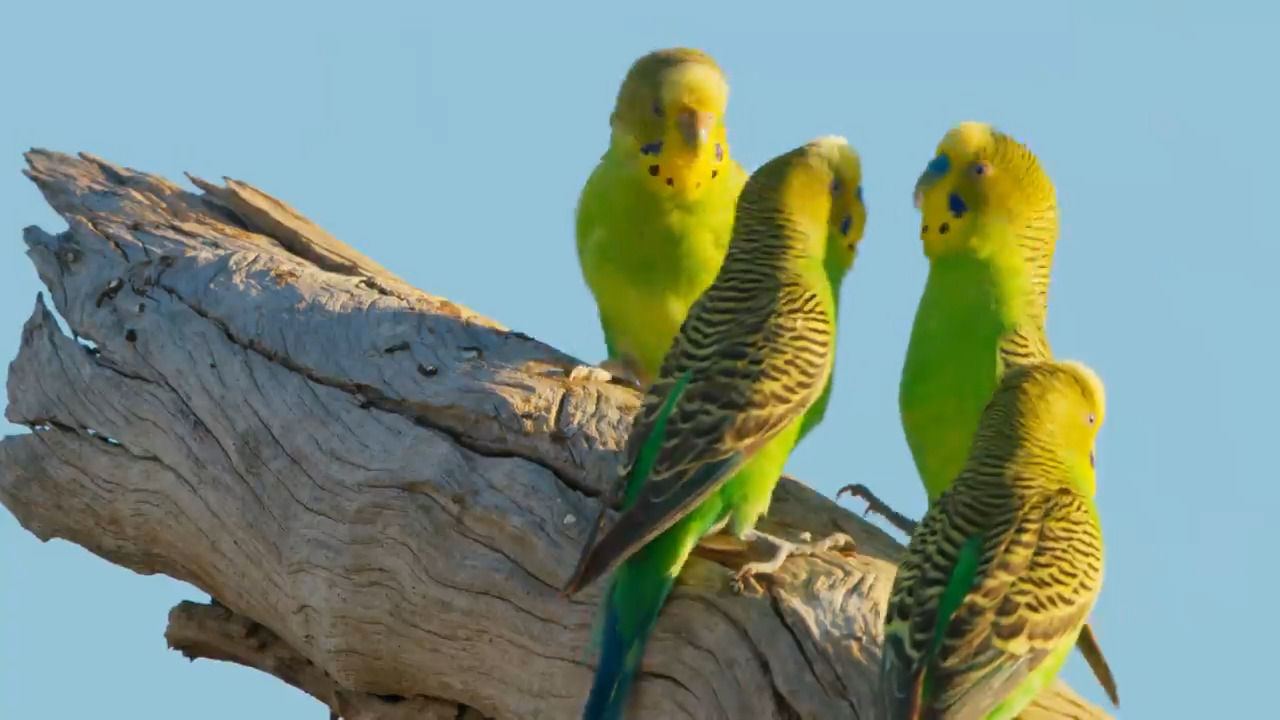
In Wild Budgerigars in the Desert, narrator Sir David Attenborough reveals how well the wild budgerigars have adapted to living in the desert. They fly in flocks to keep themselves safe from predatory birds. This video is excerpted from BBC’s Seven Worlds, One Planet, a series featuring remarkable animal behavior from all seven continents.
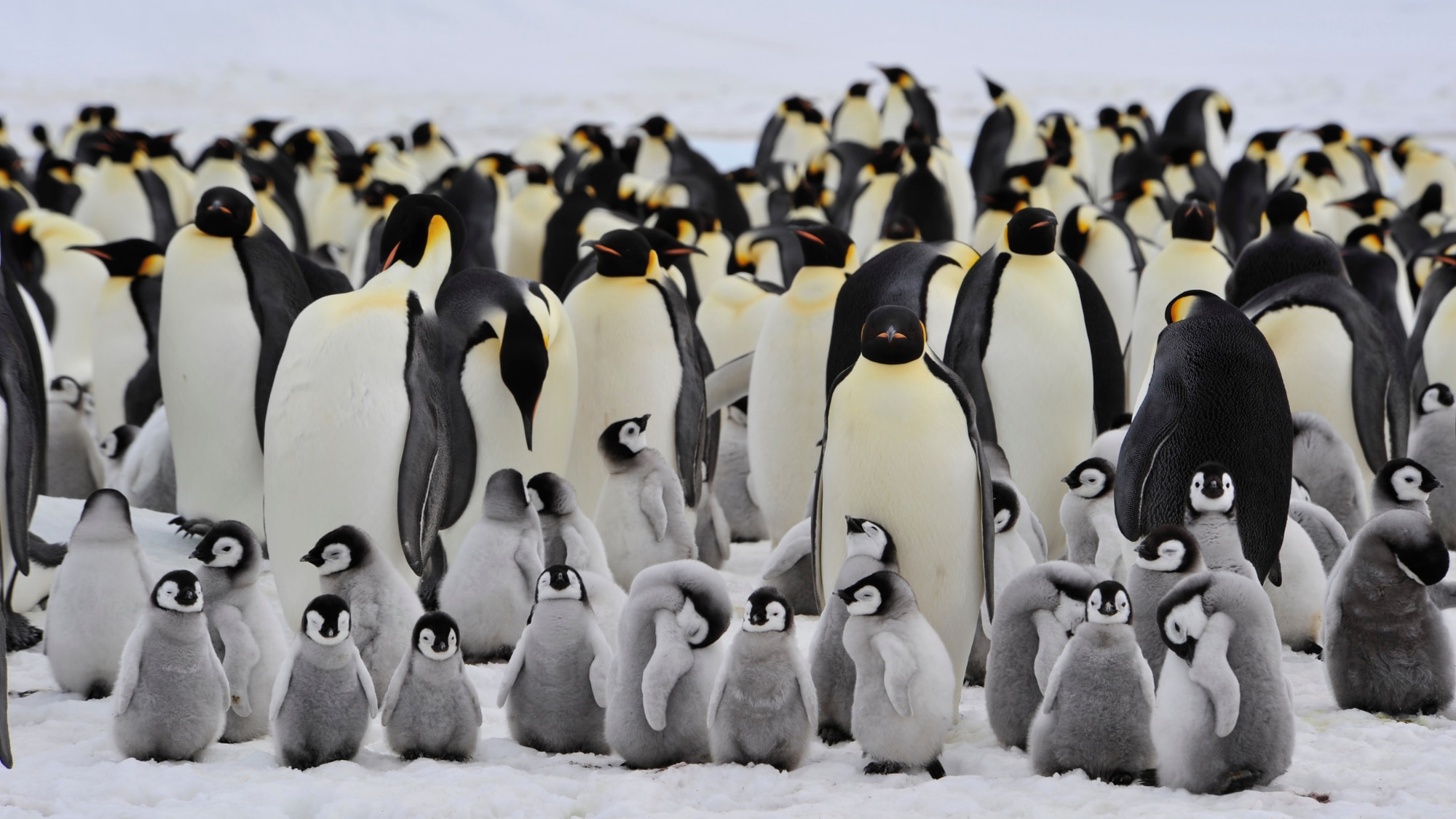
Journey to some of the coldest and wildest places on Earth to see how penguins survive in environments shaped by wind, ice, and ocean. Watch them dive through frigid waters in search of food, gather in busy colonies, care for their chicks, and face predators such as leopard seals.
Discover the adaptations that make these flightless birds so well suited to life at sea, from streamlined bodies and powerful flippers to dense feathers that help protect them from the cold. Meet emperor penguins enduring the extreme Antarctic winter and see the extraordinary behaviors that help penguin parents protect their eggs and raise their young.
Featuring unforgettable footage from Blue Planet and other BBC favorites, these clips reveal penguins as skilled swimmers, devoted parents, and surprisingly tough survivors. They may waddle on land, but underwater, it’s a completely different story.
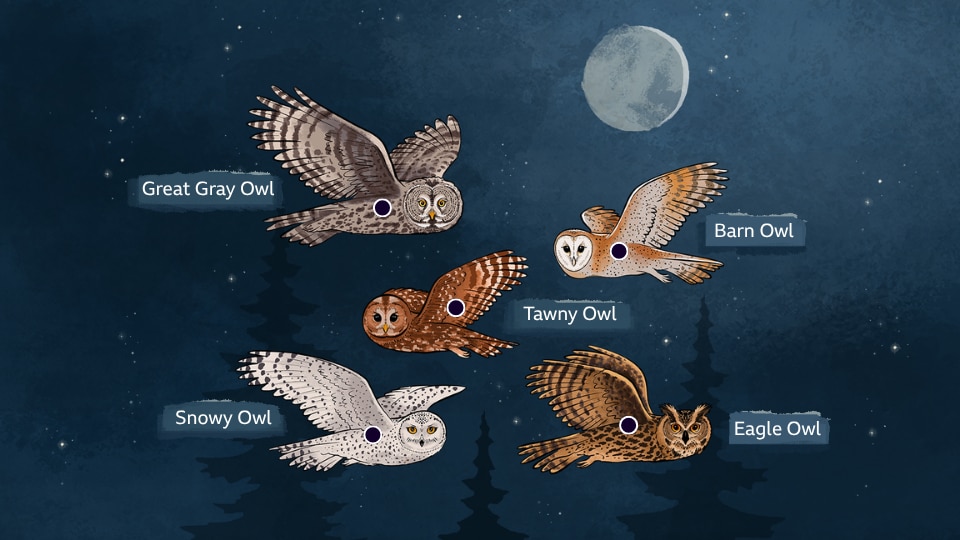
Meet five fascinating owl species from around the world: the great grey owl, western barn owl, tawny owl, snowy owl, and Eurasian eagle owl.
Click on each owl’s picture to watch a short video, then click on its name to discover a fun fact about what makes it unique, from specialized feathers and hunting techniques to surprising behaviors and remarkable adaptations.
Some owls thrive in snowy forests, others hunt over open fields, and some make their homes among rocky cliffs and woodlands. Along the way, you’ll discover how these remarkable birds find prey, navigate their habitats, and survive in different environments.
For Teachers and Parents:
The Owlery works well as an introduction to animal adaptations, habitats, and predator-prey relationships or as a self-guided activity for students working on their own or in pairs. Here are a few ways to use it:
Before exploring: Ask students what they already know about owls and where they think different species live. Have them predict how owls might be adapted to their environments.
While exploring: Have students record one interesting fact and one adaptation for each owl, explaining how it helps the bird survive.
After exploring: Ask students to compare the five species. Which hunt in similar habitats? How do their diets, behaviors, and physical features differ?
Extension: Have students choose one owl and investigate how changes to its habitat, food supply, or nesting sites could affect its survival.
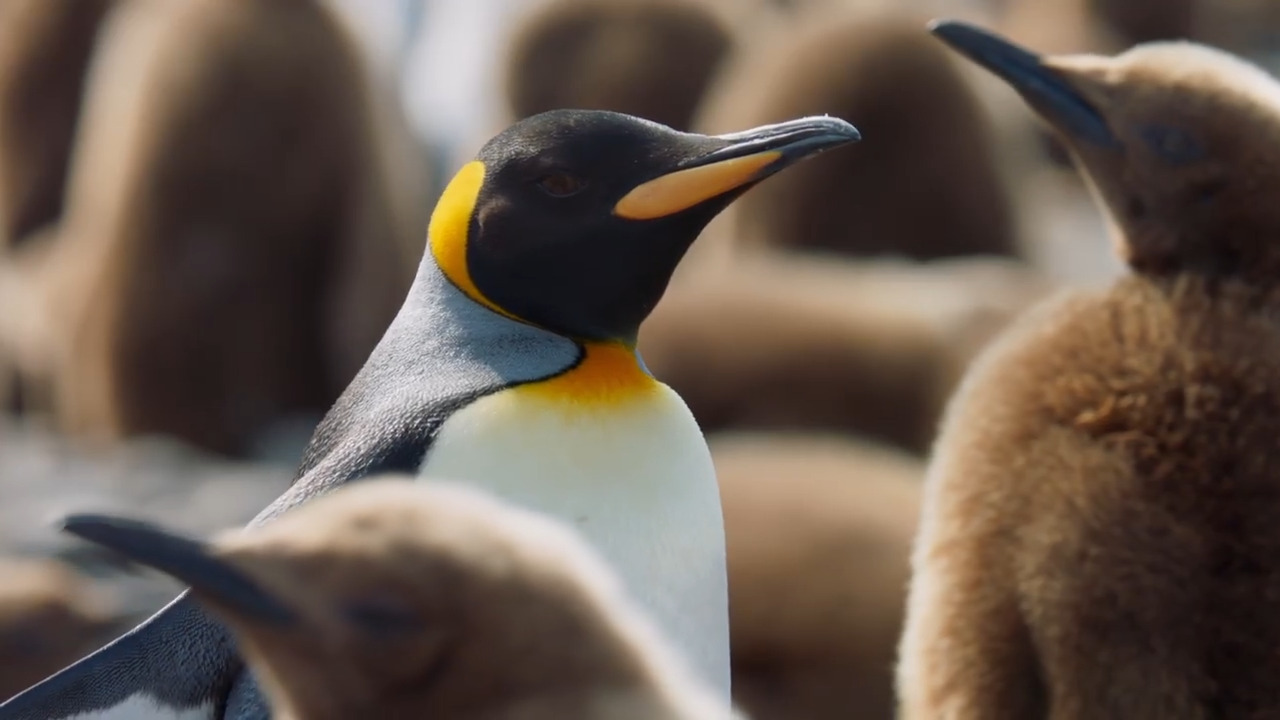
In A Crowded Colony of King Penguins, explore the remarkable life of the king penguins on South Georgia Island. Amid half a million birds, chicks must stay put to be found by their returning parents who rely on unique calls to reunite. This video is excerpted from BBC’s Seven Worlds, One Planet, a series featuring remarkable animal behavior from all seven continents.
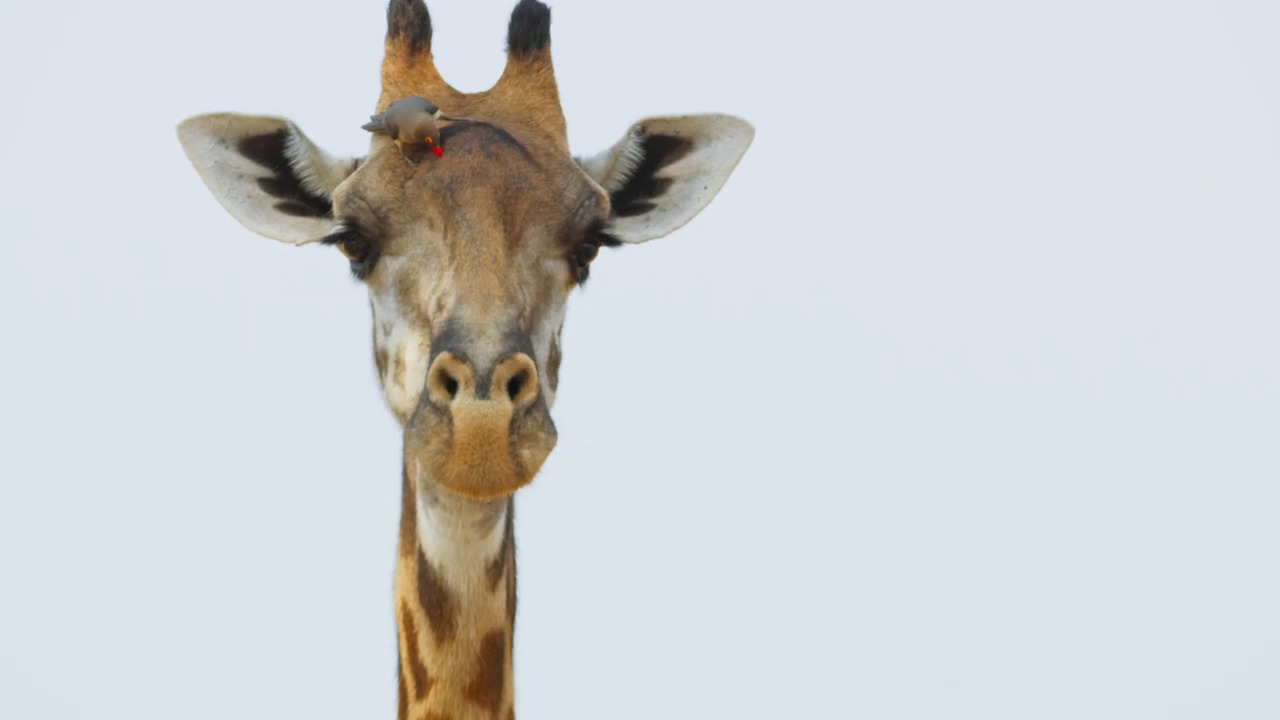
In Oxpeckers’ Weird and Wonderful Diet, narrator Sir David Attenborough reveals the strange diet that these birds have. They land on the backs of other animals and eat fleas, ticks, insect larvae, dandruff, and even blood. This video is excerpted from BBC’s Seven Worlds, One Planet, a series featuring remarkable animal behavior from all seven continents.
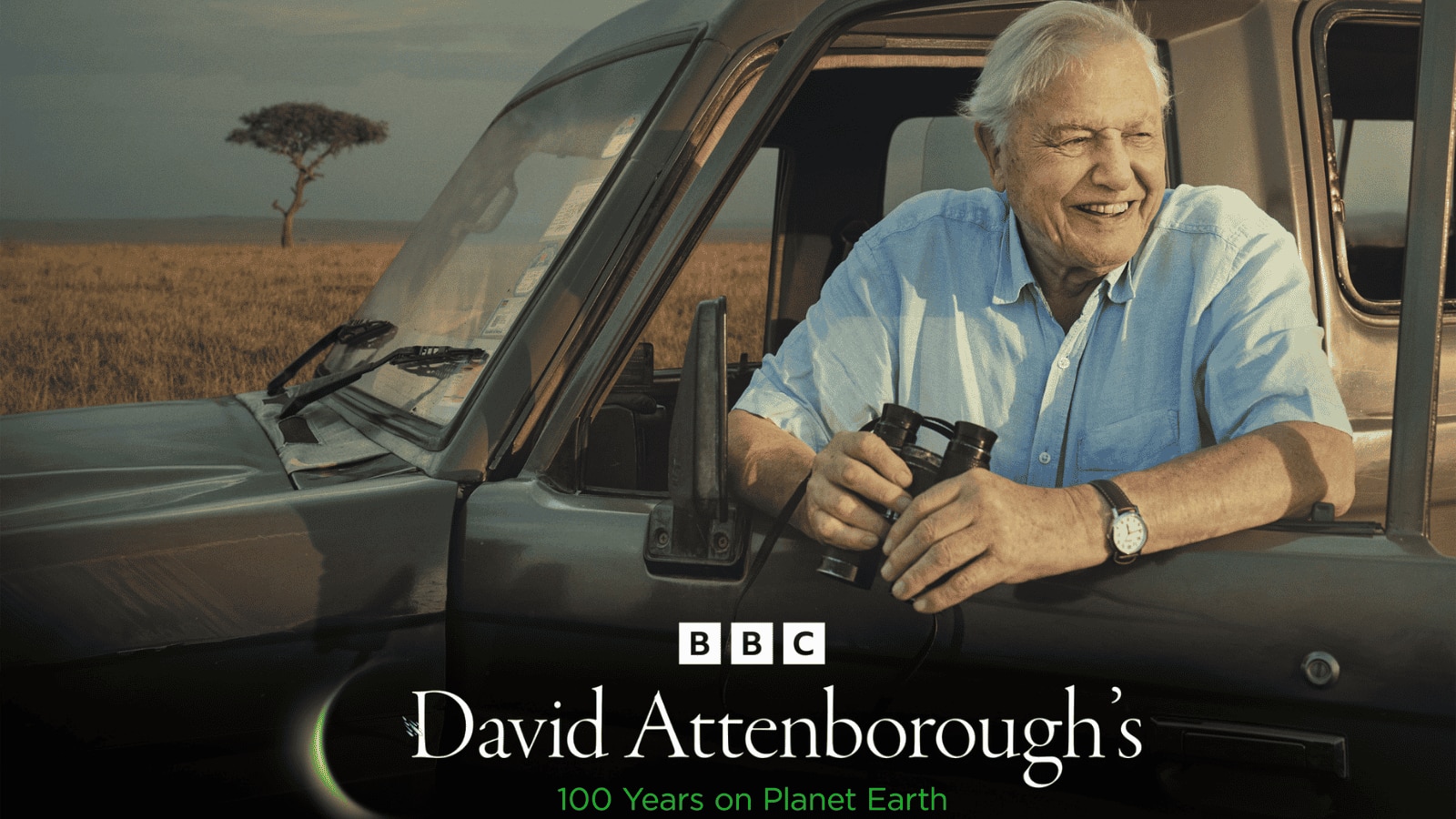
In honor of his 100th birthday on May 8, 2026, this special playlist brings together 10 unforgettable videos from landmark BBC series including Planet Earth, Blue Planet, and Frozen Planet. Journey from the deepest oceans to frozen polar landscapes and some of the wildest places on Earth, encountering extraordinary animals and the remarkable behaviors that help them survive.
Over a broadcasting career spanning more than seven decades, Attenborough has transformed the way audiences experience nature on screen. His distinctive narration and passion for the natural world have brought viewers closer to wildlife while drawing attention to biodiversity, conservation, and the environmental changes affecting our planet.
Explore some of the spectacular moments that have made his work so enduring — and celebrate a century of curiosity, discovery, and wonder.
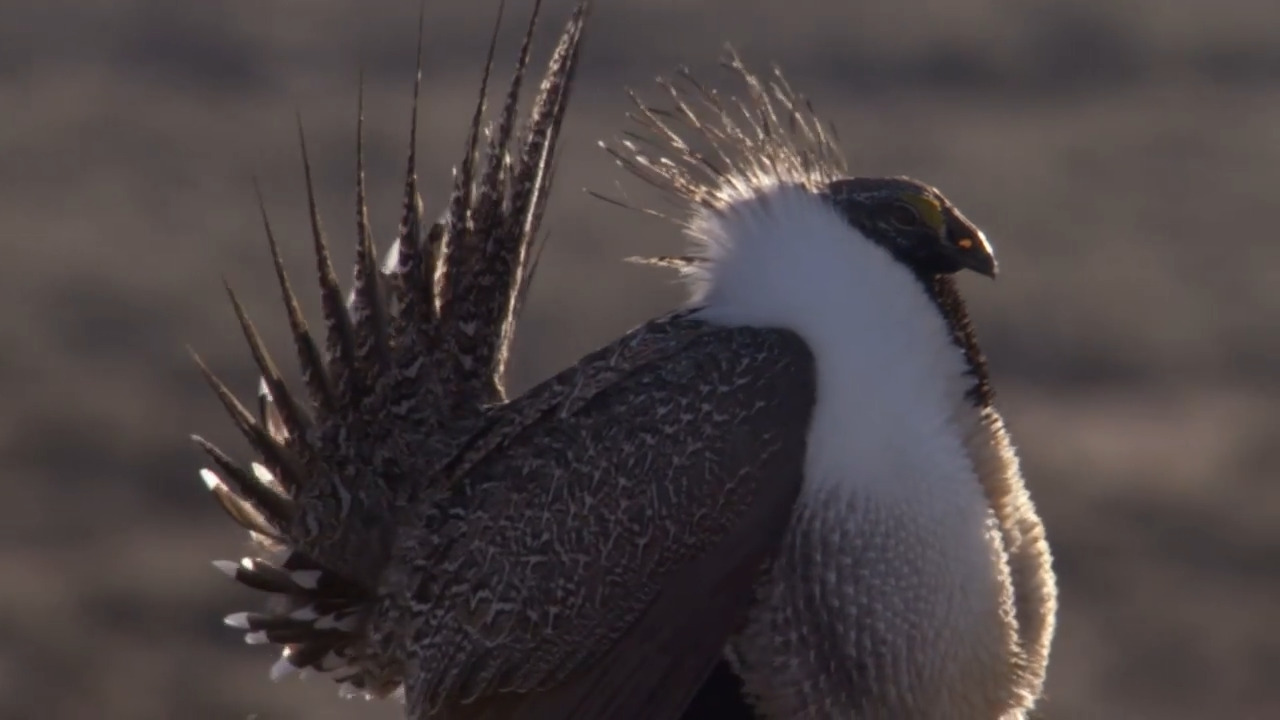
In The Sage Grouse Mating Show, narrator Sir David Attenborough describes how male sage grouse put on an incredible show to impress nearby females in the grasslands of Wyoming. With their fancy feathers, proud poses, and unique sounds, these males pull out all the stops to prove they’re the best choice. The females, less colorful but very picky, carefully judge the males before deciding who’s worthy! This video is excerpted from BBC's Life, a show that explores the remarkable strategies animals and plants use to ensure their survival.
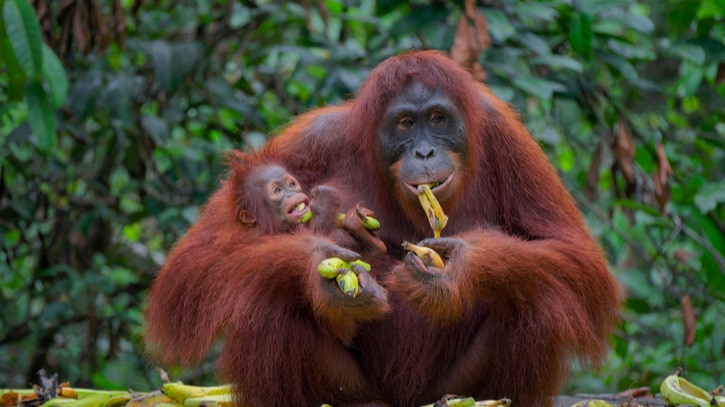
This fun, feel‑good, eight‑video BBC playlist dives into the incredible bond between animal moms and their babies — and the wild ways they raise them. Watch puma cubs practice their hunting skills, a baby orangutan learn the ropes high in the treetops, humpback whale calves set off on their first epic journeys, and prairie dog pups turn playtime into survival training.
From feeding and protection to movement and life lessons, these clips show just how much it takes to grow up in the wild — and how moms make it all possible.
Featuring favorites like prairie dogs, orangutans, polar bears, and humpback whales, this playlist pulls from iconic BBC series like Animal Babies and Planet Earth.
Because mom love? It’s everywhere in the animal kingdom!
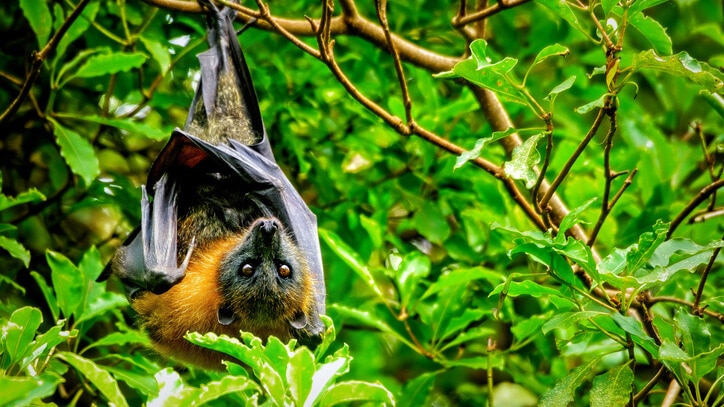
Wolves howl in the darkness, bats take to the night sky, spiders wait in carefully constructed webs, and owls hunt almost silently from above. These BBC videos explore the fascinating lives of animals that have become symbols of Halloween — and reveal that the truth behind their spooky reputations is often even more interesting.
Discover the remarkable senses, hunting strategies, and adaptations that help these animals thrive. See how bats navigate in darkness, how spiders use silk to capture prey, how wolves work together, and how owls are built for life as nighttime predators.
They may appear on decorations, costumes, and spooky stories every October, but these animals play important roles in real ecosystems around the world. Look beyond the myths and meet the science behind the creatures of Halloween.
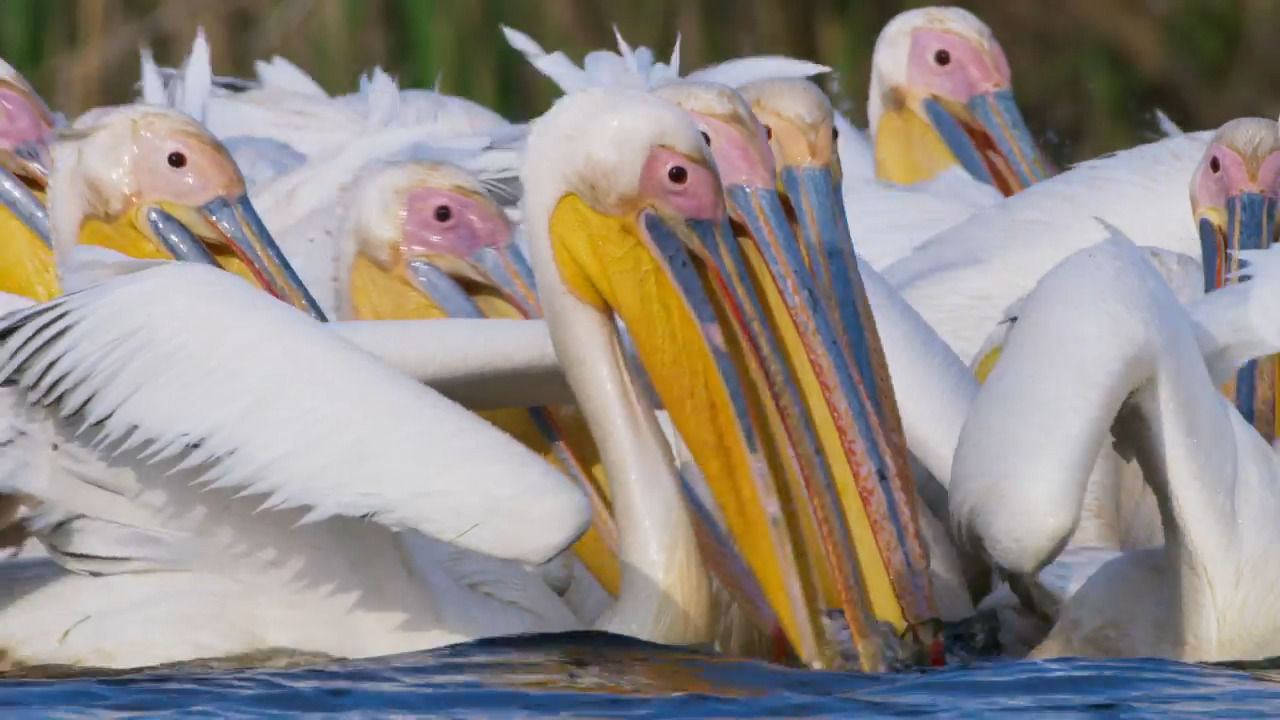
In Great White Pelicans Searching the Delta, narrator Sir David Attenborough reveals the unusual approach great white pelicans have for finding fish. They watch from the air until they spot cormorants, then swoop down and steal the fish they have caught! This video is excerpted from BBC’s Seven Worlds, One Planet, a series featuring remarkable animal behavior from all seven continents.
The article "Flamingo Guide: How to Identify Each Species, Where to See Them — and Why Flamingos Are Pink" from BBC's Discover Wildlife is a colorful exploration of one of the world’s most striking birds. It explains the six different flamingo species, how diet affects their bright coloring, and where to find them in the wild. The article also highlights flamingo behavior, nesting, communication, and how they feed their chicks pink "milk."
In The Lut Desert's Deadly Viper, narrator Sir David Attenborough explores one of the hottest places on Earth. He reveals how a newly discovered viper uses extraordinary camouflage and a spider-like tail to hunt migrating birds in this harsh environment. This video is excerpted from BBC’s Seven Worlds, One Planet, a series featuring remarkable animal behavior from all seven continents.
In Wild Budgerigars in the Desert, narrator Sir David Attenborough reveals how well the wild budgerigars have adapted to living in the desert. They fly in flocks to keep themselves safe from predatory birds. This video is excerpted from BBC’s Seven Worlds, One Planet, a series featuring remarkable animal behavior from all seven continents.
Journey to some of the coldest and wildest places on Earth to see how penguins survive in environments shaped by wind, ice, and ocean. Watch them dive through frigid waters in search of food, gather in busy colonies, care for their chicks, and face predators such as leopard seals.
Discover the adaptations that make these flightless birds so well suited to life at sea, from streamlined bodies and powerful flippers to dense feathers that help protect them from the cold. Meet emperor penguins enduring the extreme Antarctic winter and see the extraordinary behaviors that help penguin parents protect their eggs and raise their young.
Featuring unforgettable footage from Blue Planet and other BBC favorites, these clips reveal penguins as skilled swimmers, devoted parents, and surprisingly tough survivors. They may waddle on land, but underwater, it’s a completely different story.
Meet five fascinating owl species from around the world: the great grey owl, western barn owl, tawny owl, snowy owl, and Eurasian eagle owl.
Click on each owl’s picture to watch a short video, then click on its name to discover a fun fact about what makes it unique, from specialized feathers and hunting techniques to surprising behaviors and remarkable adaptations.
Some owls thrive in snowy forests, others hunt over open fields, and some make their homes among rocky cliffs and woodlands. Along the way, you’ll discover how these remarkable birds find prey, navigate their habitats, and survive in different environments.
For Teachers and Parents:
The Owlery works well as an introduction to animal adaptations, habitats, and predator-prey relationships or as a self-guided activity for students working on their own or in pairs. Here are a few ways to use it:
Before exploring: Ask students what they already know about owls and where they think different species live. Have them predict how owls might be adapted to their environments.
While exploring: Have students record one interesting fact and one adaptation for each owl, explaining how it helps the bird survive.
After exploring: Ask students to compare the five species. Which hunt in similar habitats? How do their diets, behaviors, and physical features differ?
Extension: Have students choose one owl and investigate how changes to its habitat, food supply, or nesting sites could affect its survival.
In A Crowded Colony of King Penguins, explore the remarkable life of the king penguins on South Georgia Island. Amid half a million birds, chicks must stay put to be found by their returning parents who rely on unique calls to reunite. This video is excerpted from BBC’s Seven Worlds, One Planet, a series featuring remarkable animal behavior from all seven continents.
In Oxpeckers’ Weird and Wonderful Diet, narrator Sir David Attenborough reveals the strange diet that these birds have. They land on the backs of other animals and eat fleas, ticks, insect larvae, dandruff, and even blood. This video is excerpted from BBC’s Seven Worlds, One Planet, a series featuring remarkable animal behavior from all seven continents.
In honor of his 100th birthday on May 8, 2026, this special playlist brings together 10 unforgettable videos from landmark BBC series including Planet Earth, Blue Planet, and Frozen Planet. Journey from the deepest oceans to frozen polar landscapes and some of the wildest places on Earth, encountering extraordinary animals and the remarkable behaviors that help them survive.
Over a broadcasting career spanning more than seven decades, Attenborough has transformed the way audiences experience nature on screen. His distinctive narration and passion for the natural world have brought viewers closer to wildlife while drawing attention to biodiversity, conservation, and the environmental changes affecting our planet.
Explore some of the spectacular moments that have made his work so enduring — and celebrate a century of curiosity, discovery, and wonder.
In The Sage Grouse Mating Show, narrator Sir David Attenborough describes how male sage grouse put on an incredible show to impress nearby females in the grasslands of Wyoming. With their fancy feathers, proud poses, and unique sounds, these males pull out all the stops to prove they’re the best choice. The females, less colorful but very picky, carefully judge the males before deciding who’s worthy! This video is excerpted from BBC's Life, a show that explores the remarkable strategies animals and plants use to ensure their survival.
This fun, feel‑good, eight‑video BBC playlist dives into the incredible bond between animal moms and their babies — and the wild ways they raise them. Watch puma cubs practice their hunting skills, a baby orangutan learn the ropes high in the treetops, humpback whale calves set off on their first epic journeys, and prairie dog pups turn playtime into survival training.
From feeding and protection to movement and life lessons, these clips show just how much it takes to grow up in the wild — and how moms make it all possible.
Featuring favorites like prairie dogs, orangutans, polar bears, and humpback whales, this playlist pulls from iconic BBC series like Animal Babies and Planet Earth.
Because mom love? It’s everywhere in the animal kingdom!
Wolves howl in the darkness, bats take to the night sky, spiders wait in carefully constructed webs, and owls hunt almost silently from above. These BBC videos explore the fascinating lives of animals that have become symbols of Halloween — and reveal that the truth behind their spooky reputations is often even more interesting.
Discover the remarkable senses, hunting strategies, and adaptations that help these animals thrive. See how bats navigate in darkness, how spiders use silk to capture prey, how wolves work together, and how owls are built for life as nighttime predators.
They may appear on decorations, costumes, and spooky stories every October, but these animals play important roles in real ecosystems around the world. Look beyond the myths and meet the science behind the creatures of Halloween.
In Great White Pelicans Searching the Delta, narrator Sir David Attenborough reveals the unusual approach great white pelicans have for finding fish. They watch from the air until they spot cormorants, then swoop down and steal the fish they have caught! This video is excerpted from BBC’s Seven Worlds, One Planet, a series featuring remarkable animal behavior from all seven continents.