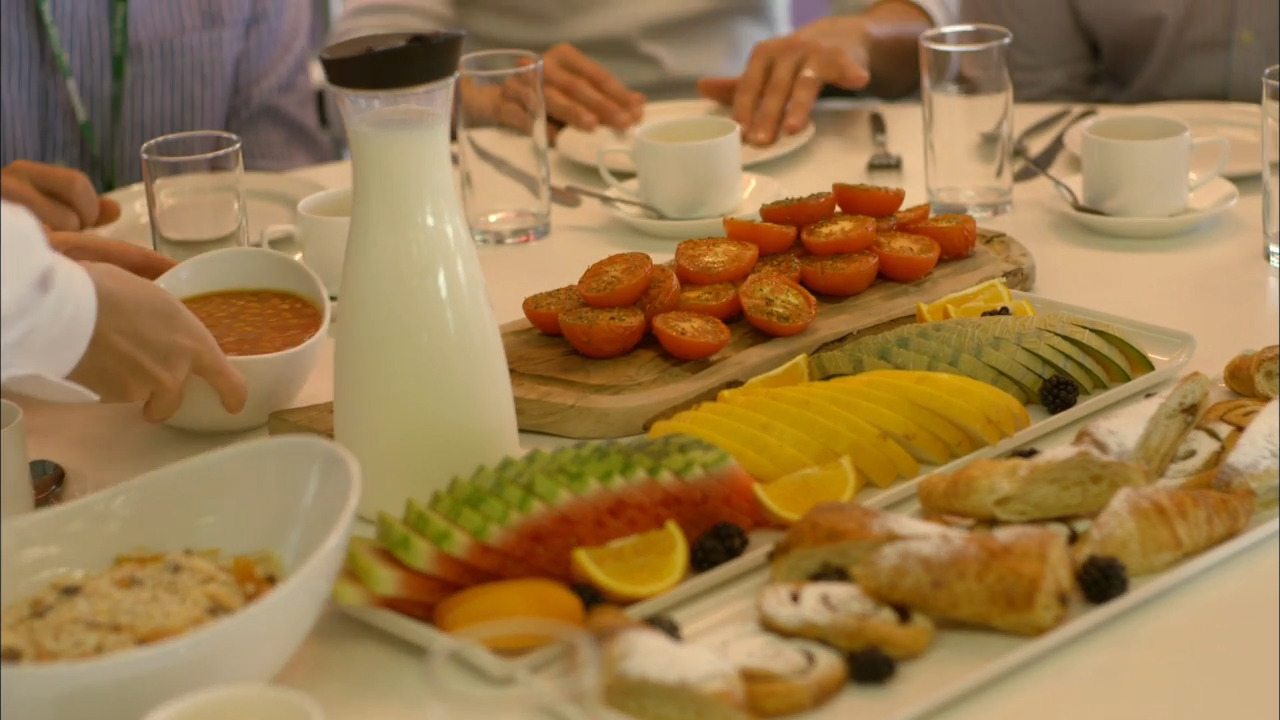
In Bees and Food Production, a group gathers around the breakfast table to enjoy a breakfast made of food that isn’t impacted by bees. But, aside from a pot of tea and some toast, the table is bare. What foods do bees help us enjoy? Everything from fruit to dairy!
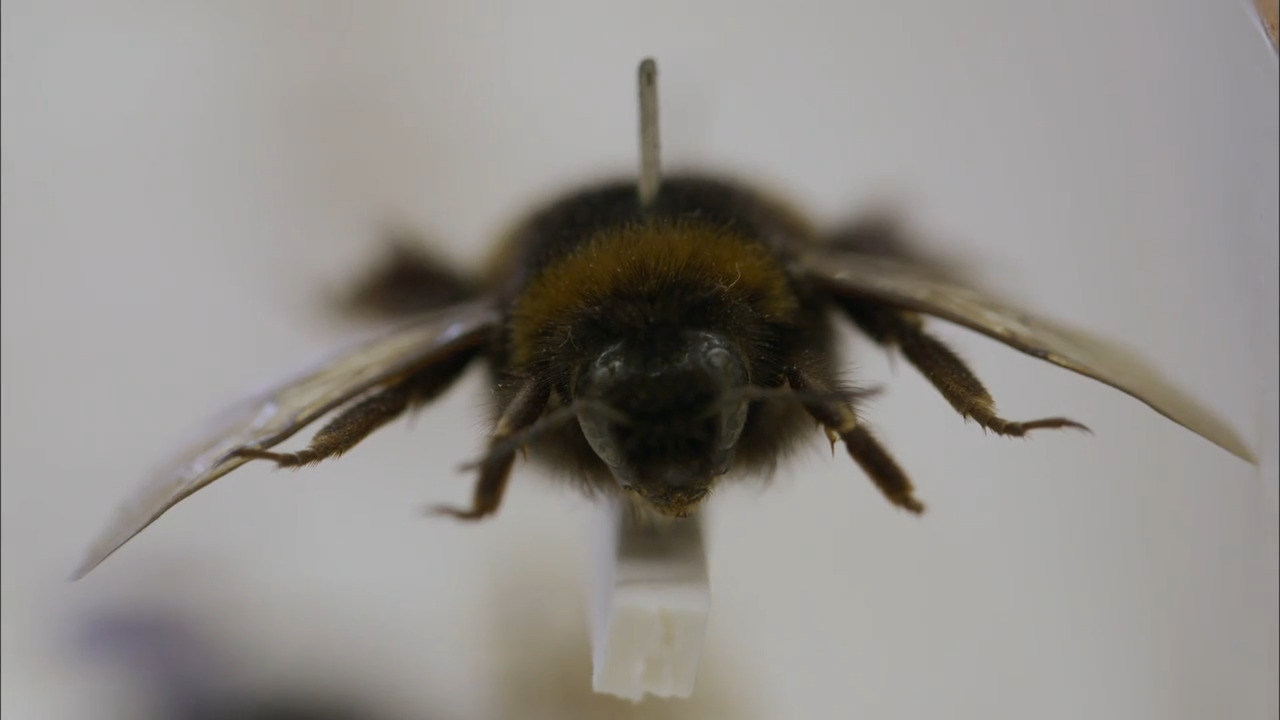
In Bees in Decline, visit a collection of bee specimens at the Oxford University Museum of Natural History. There are more than 250 species of bees, and they help pollinate everything from apples to flowers. But bees are in decline, and one reason is the varroa mite, a tiny bug that causes a big problem.
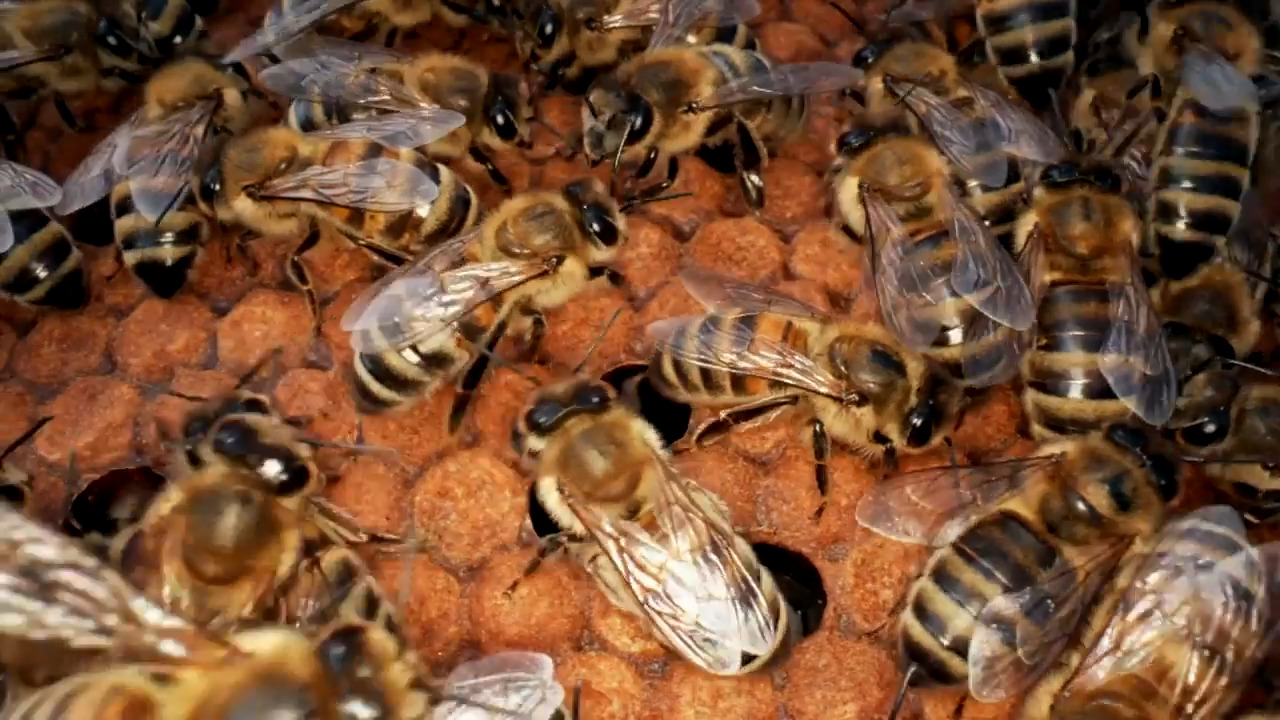
Beekeeper Nick was confused when his bees kept dying off. He kept his hives being stocked with food, so why did he still lose around 75% of the colony? The answer was in what was (or wasn’t) in his bees’ food.
In the wild, bees take what they need from flowers to make honey, and then feed off this honey in the winter. When we take this honey for ourselves, beekeepers replace it with supplementary food in the form of sugar and water, and scientists now say that bees can’t subsist off of just sugar and water, as the simple combination was missing key nutrients. Your parents probably said the same thing about why you can’t just have cake for dinner!
After years of testing different foods for bees, scientists have finally discovered how to make the core ingredient, called “sterole.” Oxford scientists have been developing the best foods for bees, and have found that the bees who consumed the food with sterole were healthier, and had up to 15 times more baby bees! This breakthrough is incredibly important — it means bees can still thrive without floral pollen, which would also help our food security, since bees are so important for pollinating crops.
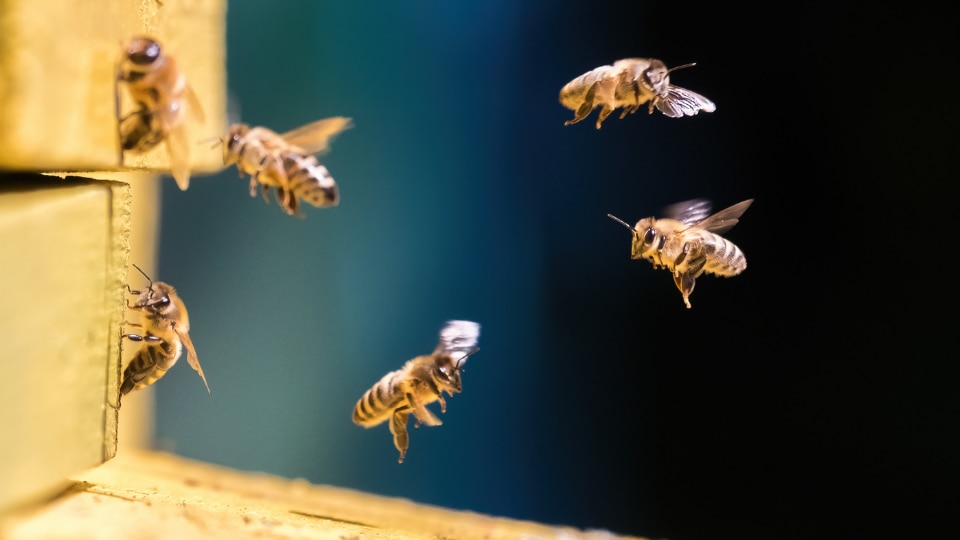
Tiny but mighty, bees play a huge role in keeping our world alive and blooming. As they travel from flower to flower, they carry pollen that helps plants reproduce — supporting ecosystems and much of the food we eat. Inside their hives, bees work together in highly organized communities, each with a job to do.
From pollination to honey-making, this is the ideal quiz to help students ages 8–14 develop their "hive mind."
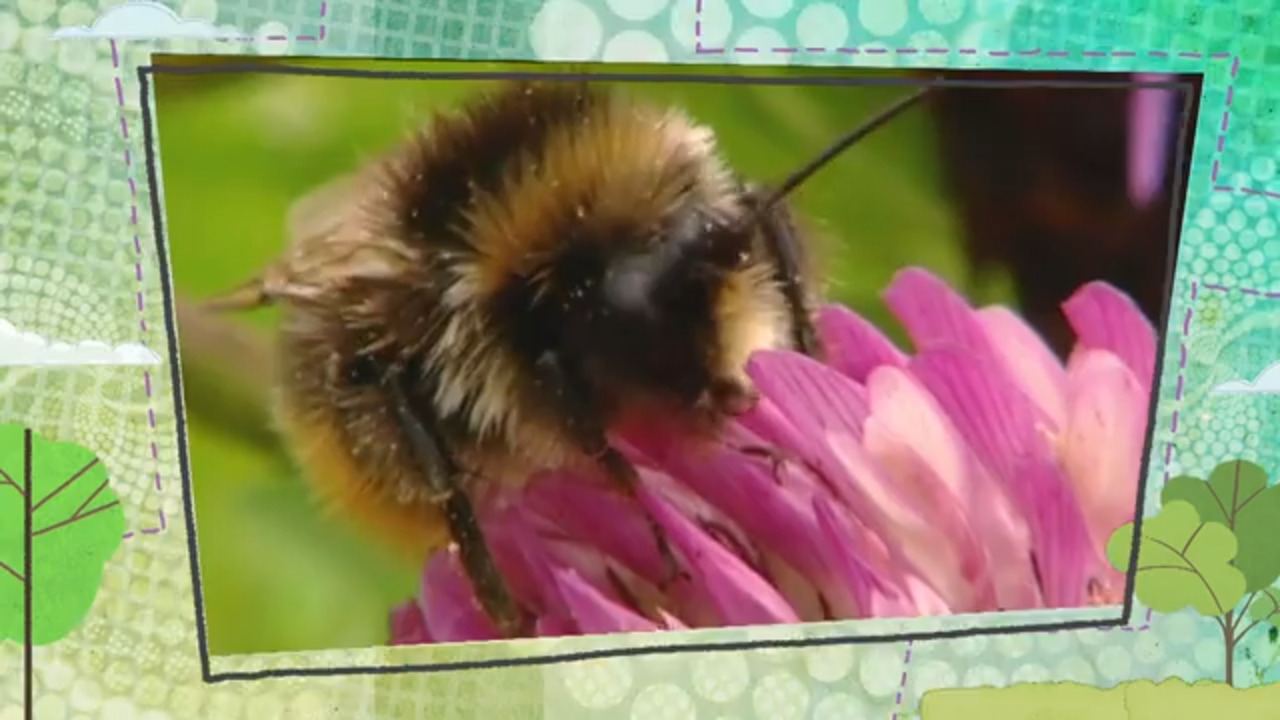
In The Life of a Honeybee!, host Rory Crawford is about to buzz into the exciting world of honeybees! These social creatures live in hives filled with worker bees and one big queen bee who lays all the eggs. Learn how to care for these busy pollinators safely, including using a smoker and wearing a bee suit, while discovering the sweet treasures of honey and beeswax found in their hives! This video is excerpted from BBC’s My Pet and Me, a children’s show that introduces kids to the rewards and responsibilities involved when having a pet.
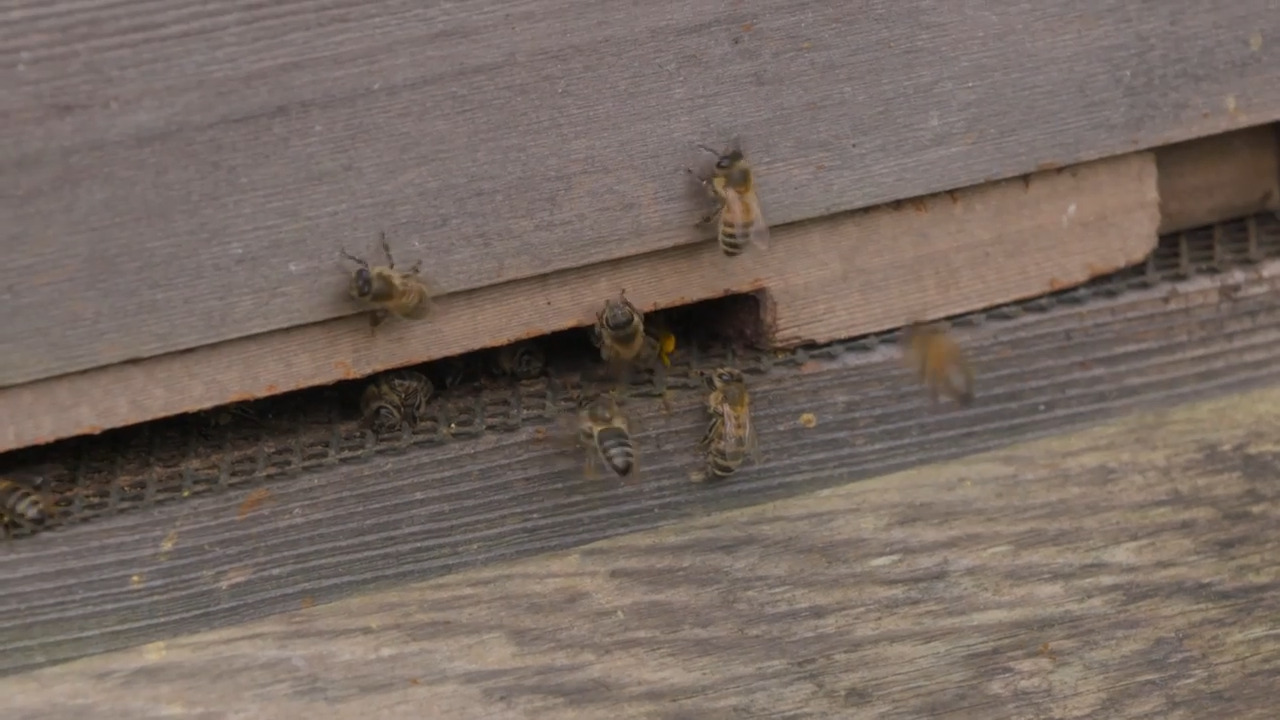
In Life Inside a Beehive, Ranger Hamza and the Ramblers come across a beehive. They look at honeycomb and learn how bees make honey to feed their babies. Join them as they buzz and dance like bees. This video is excerpted from BBC's Ranger Hamza’s Eco Quest, a nature exploration show in which Ranger Hamza and the Ramblers go on quests to discover nature’s wonders and the important role they play in our environment.
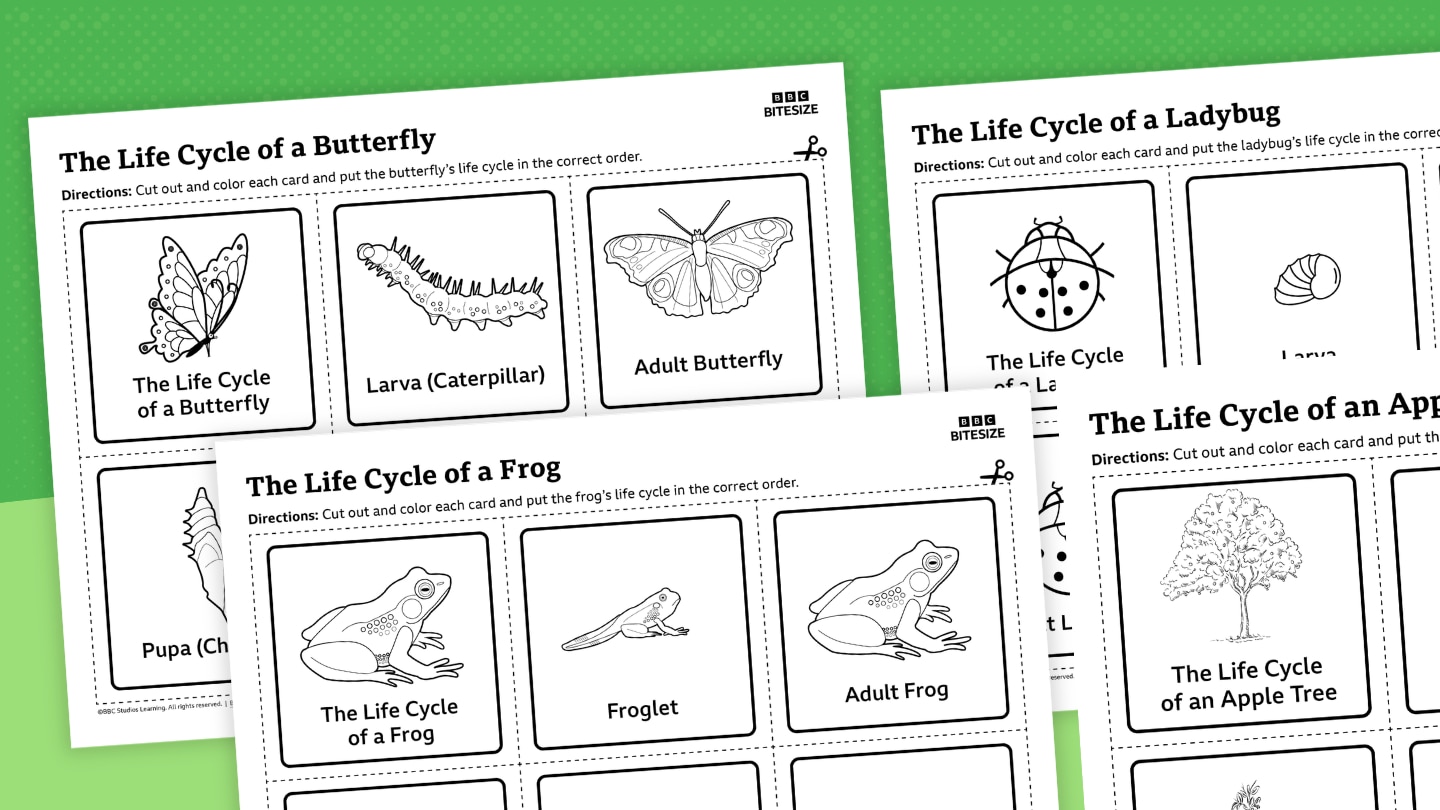
Invite your students to explore the life cycles of common organisms with these life cycle sequencing cards. The cards cover the bean plant, butterfly, birch tree, apple tree, honeybee, ladybug, and frog. They come already mixed up, so kids can color, cut, and put them in order. Use as an introductory task, check for understanding, center activity, or study guide!
As you introduce life cycles, focus on key concepts such as stages of growth, changes in form and function, and the idea that all living things follow a pattern from beginning to end. Encourage students to ask questions, make predictions, and notice patterns across plants and animals.
Teaching life cycles in elementary school is not only standards-based, it's also a great way to help students understand how living things grow and change over time. At this level, students are ready to explore clear, observable stages — like seed to plant or egg to adult—and begin comparing similarities and differences across species.
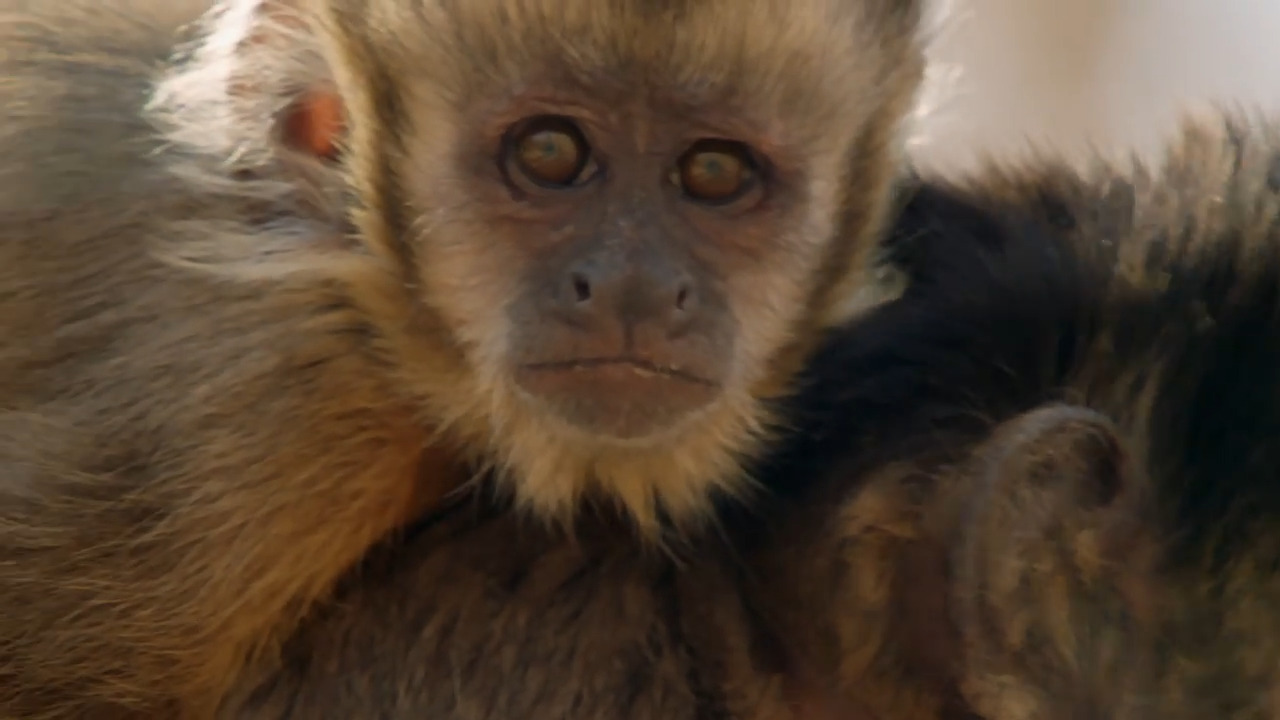
In Tufted Capuchin Babysitters, narrator Gordon Buchanan describes how a tufted capuchin mother discovers there’s honey in a bee’s nest at the top of a canyon. In order to climb to the top, she enlists the help of another capuchin to watch her baby while she makes the climb for the honey. However, the babysitter abandons the young capuchin after she gives in to the temptation to join in on the search for honey. The young capuchin finds itself alone and vulnerable, however after a call to its mother for help, it is quickly reunited with her and out of danger. This video is excerpted from BBC's Animal Babies, a heartwarming show that follows the first breaths, first steps, and first feeds of some adorable baby animals, revealing the challenges they face to survive in some of the toughest but most beautiful places on the planet.
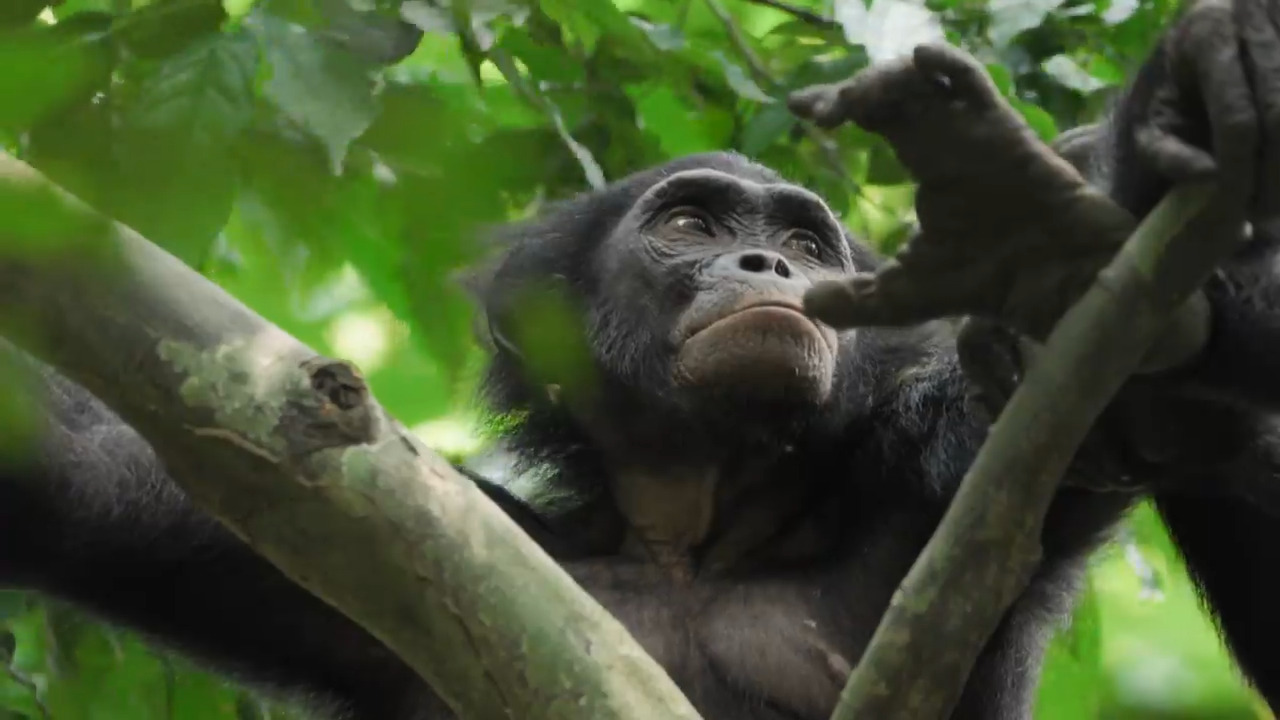
In Congo Adventures: Tracking Bonobos, host Simon Reeve treks through the rainforests of the Congo in search of bonobos, a gentle species of apes only found in this region. Along the way, he battles swarms of bees and tough terrain but finally discovers a family of bonobos living peacefully in the trees. These animals play a crucial role in the rainforest’s survival by spreading seeds as they eat, helping new plants and trees grow. Without the bonobos and other wildlife, the rainforest wouldn’t be able to thrive! This video is excerpted from BBC’s Wilderness With Simon Reeve, an epic adventure into the heart of Earth’s last great wild areas, where nature is at its most beautiful and fragile.
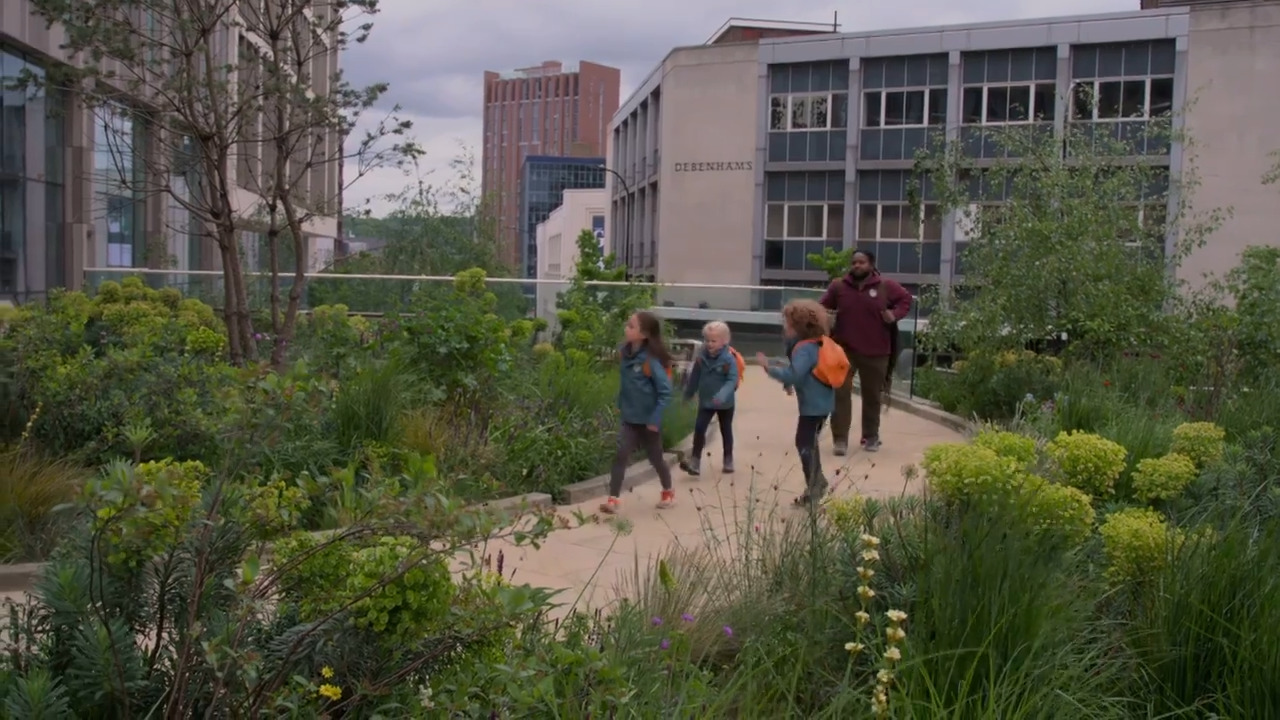
In Welcome to the Park!, Ranger Hamza and the Ramblers visit a city park. Join them as they learn why parks are good for the environment and for animals and insects, like bees, and humans, like us! This video is excerpted from BBC's Ranger Hamza’s Eco Quest, a nature exploration show in which Ranger Hamza and the Ramblers go on quests to discover nature’s wonders and the important role they play in our environment.
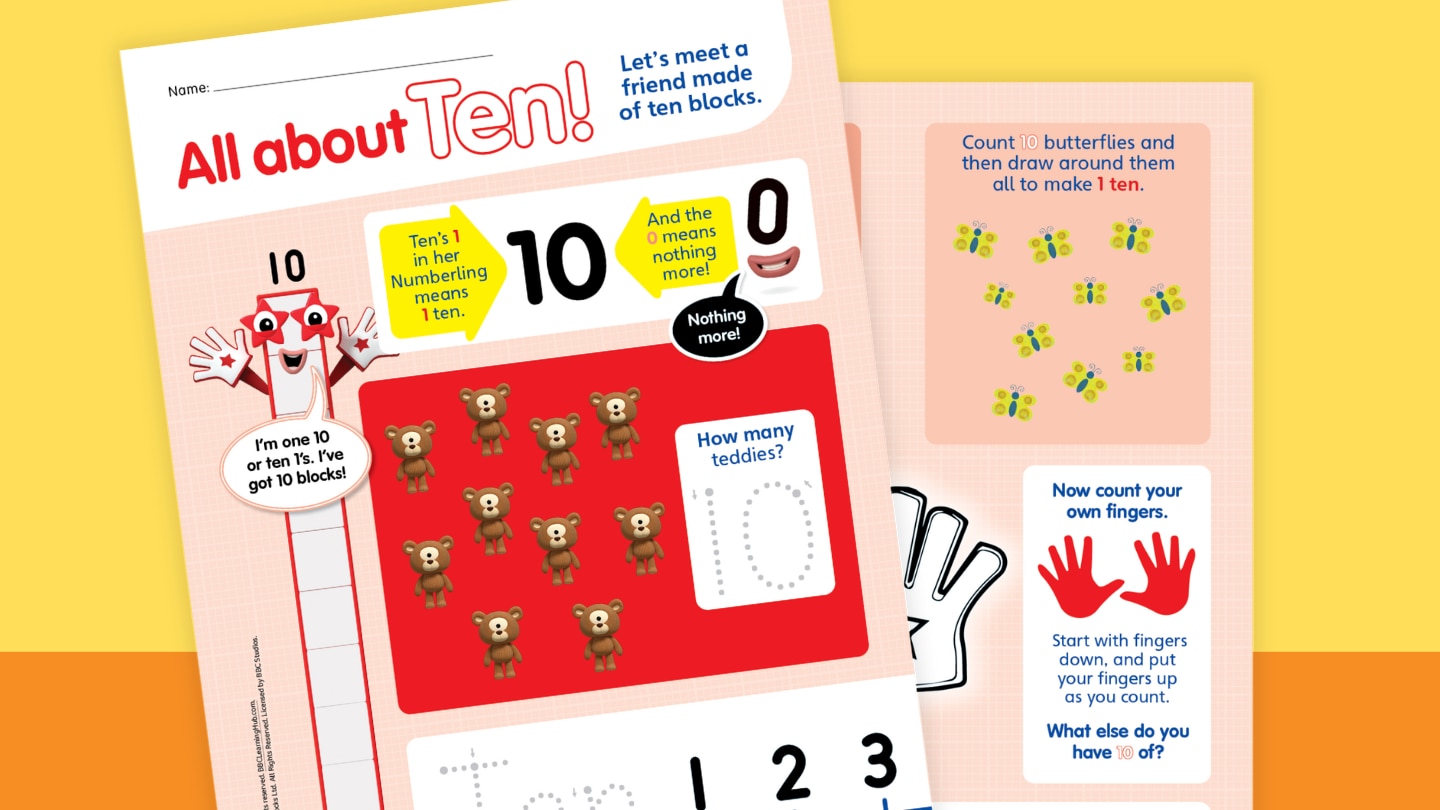
Let's meet a friend made of ten blocks. Ten's 1 in her Numberling means 1 ten. And the 0 means nothing more! Count 10 bees and then draw around them all to make 1 ten. Count 10 butterflies and then draw around them all to make 1 ten. Now count your own fingers. Start with fingers down and put your fingers up as you count. What else do you have 10 of?
Watch full episodes of Numberblocks on their official YouTube channel!
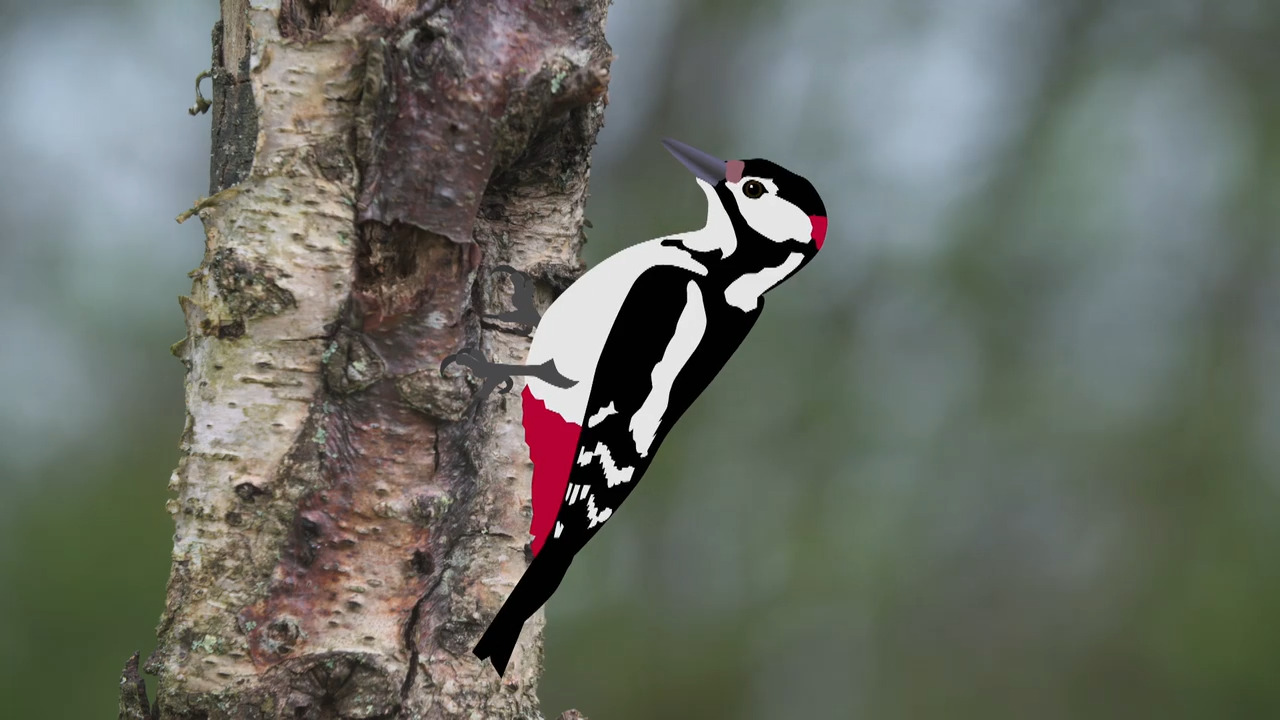
In Tap Tap Tap! Woodpeckers Have Been Here, Ranger Hamza and the Ramblers are in search of a woodpecker. Join the Ramblers as they learn about woodpeckers and search for the perfect dead tree to see if a woodpecker has made holes in it. This video is excerpted from BBC's Ranger Hamza’s Eco Quest, a nature exploration show in which Ranger Hamza and the Ramblers go on quests to discover nature’s wonders and the important role they play in our environment.
In Bees and Food Production, a group gathers around the breakfast table to enjoy a breakfast made of food that isn’t impacted by bees. But, aside from a pot of tea and some toast, the table is bare. What foods do bees help us enjoy? Everything from fruit to dairy!
In Bees in Decline, visit a collection of bee specimens at the Oxford University Museum of Natural History. There are more than 250 species of bees, and they help pollinate everything from apples to flowers. But bees are in decline, and one reason is the varroa mite, a tiny bug that causes a big problem.
Beekeeper Nick was confused when his bees kept dying off. He kept his hives being stocked with food, so why did he still lose around 75% of the colony? The answer was in what was (or wasn’t) in his bees’ food.
In the wild, bees take what they need from flowers to make honey, and then feed off this honey in the winter. When we take this honey for ourselves, beekeepers replace it with supplementary food in the form of sugar and water, and scientists now say that bees can’t subsist off of just sugar and water, as the simple combination was missing key nutrients. Your parents probably said the same thing about why you can’t just have cake for dinner!
After years of testing different foods for bees, scientists have finally discovered how to make the core ingredient, called “sterole.” Oxford scientists have been developing the best foods for bees, and have found that the bees who consumed the food with sterole were healthier, and had up to 15 times more baby bees! This breakthrough is incredibly important — it means bees can still thrive without floral pollen, which would also help our food security, since bees are so important for pollinating crops.
Tiny but mighty, bees play a huge role in keeping our world alive and blooming. As they travel from flower to flower, they carry pollen that helps plants reproduce — supporting ecosystems and much of the food we eat. Inside their hives, bees work together in highly organized communities, each with a job to do.
From pollination to honey-making, this is the ideal quiz to help students ages 8–14 develop their "hive mind."
In The Life of a Honeybee!, host Rory Crawford is about to buzz into the exciting world of honeybees! These social creatures live in hives filled with worker bees and one big queen bee who lays all the eggs. Learn how to care for these busy pollinators safely, including using a smoker and wearing a bee suit, while discovering the sweet treasures of honey and beeswax found in their hives! This video is excerpted from BBC’s My Pet and Me, a children’s show that introduces kids to the rewards and responsibilities involved when having a pet.
In Life Inside a Beehive, Ranger Hamza and the Ramblers come across a beehive. They look at honeycomb and learn how bees make honey to feed their babies. Join them as they buzz and dance like bees. This video is excerpted from BBC's Ranger Hamza’s Eco Quest, a nature exploration show in which Ranger Hamza and the Ramblers go on quests to discover nature’s wonders and the important role they play in our environment.
Invite your students to explore the life cycles of common organisms with these life cycle sequencing cards. The cards cover the bean plant, butterfly, birch tree, apple tree, honeybee, ladybug, and frog. They come already mixed up, so kids can color, cut, and put them in order. Use as an introductory task, check for understanding, center activity, or study guide!
As you introduce life cycles, focus on key concepts such as stages of growth, changes in form and function, and the idea that all living things follow a pattern from beginning to end. Encourage students to ask questions, make predictions, and notice patterns across plants and animals.
Teaching life cycles in elementary school is not only standards-based, it's also a great way to help students understand how living things grow and change over time. At this level, students are ready to explore clear, observable stages — like seed to plant or egg to adult—and begin comparing similarities and differences across species.
In Tufted Capuchin Babysitters, narrator Gordon Buchanan describes how a tufted capuchin mother discovers there’s honey in a bee’s nest at the top of a canyon. In order to climb to the top, she enlists the help of another capuchin to watch her baby while she makes the climb for the honey. However, the babysitter abandons the young capuchin after she gives in to the temptation to join in on the search for honey. The young capuchin finds itself alone and vulnerable, however after a call to its mother for help, it is quickly reunited with her and out of danger. This video is excerpted from BBC's Animal Babies, a heartwarming show that follows the first breaths, first steps, and first feeds of some adorable baby animals, revealing the challenges they face to survive in some of the toughest but most beautiful places on the planet.
In Congo Adventures: Tracking Bonobos, host Simon Reeve treks through the rainforests of the Congo in search of bonobos, a gentle species of apes only found in this region. Along the way, he battles swarms of bees and tough terrain but finally discovers a family of bonobos living peacefully in the trees. These animals play a crucial role in the rainforest’s survival by spreading seeds as they eat, helping new plants and trees grow. Without the bonobos and other wildlife, the rainforest wouldn’t be able to thrive! This video is excerpted from BBC’s Wilderness With Simon Reeve, an epic adventure into the heart of Earth’s last great wild areas, where nature is at its most beautiful and fragile.
In Welcome to the Park!, Ranger Hamza and the Ramblers visit a city park. Join them as they learn why parks are good for the environment and for animals and insects, like bees, and humans, like us! This video is excerpted from BBC's Ranger Hamza’s Eco Quest, a nature exploration show in which Ranger Hamza and the Ramblers go on quests to discover nature’s wonders and the important role they play in our environment.
Let's meet a friend made of ten blocks. Ten's 1 in her Numberling means 1 ten. And the 0 means nothing more! Count 10 bees and then draw around them all to make 1 ten. Count 10 butterflies and then draw around them all to make 1 ten. Now count your own fingers. Start with fingers down and put your fingers up as you count. What else do you have 10 of?
Watch full episodes of Numberblocks on their official YouTube channel!
In Tap Tap Tap! Woodpeckers Have Been Here, Ranger Hamza and the Ramblers are in search of a woodpecker. Join the Ramblers as they learn about woodpeckers and search for the perfect dead tree to see if a woodpecker has made holes in it. This video is excerpted from BBC's Ranger Hamza’s Eco Quest, a nature exploration show in which Ranger Hamza and the Ramblers go on quests to discover nature’s wonders and the important role they play in our environment.