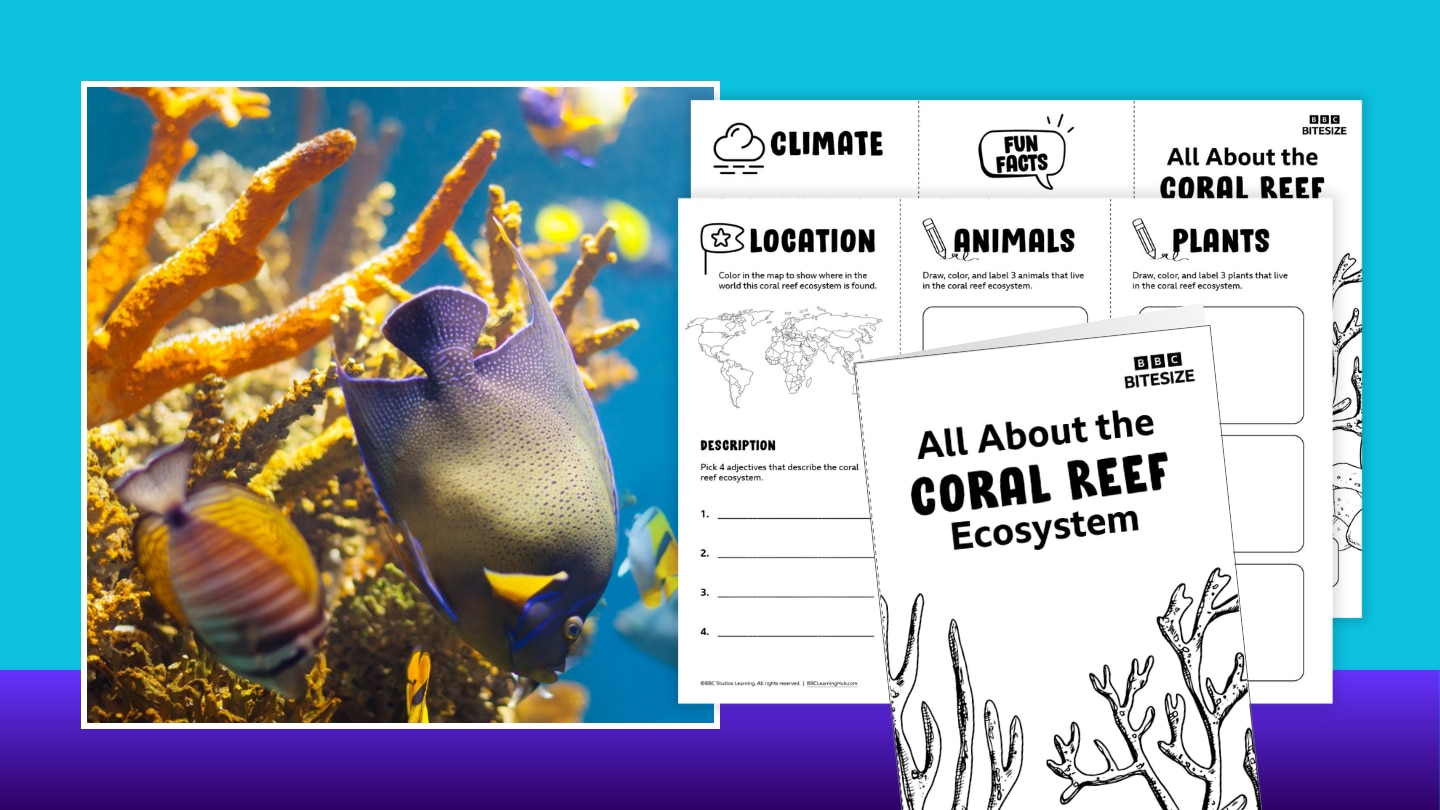
Bring your students on an underwater adventure into the coral reef ecosystem! Whether you're exploring the vast beauty of the Great Barrier Reef in Australia or diving into the rich, biodiverse waters of Indonesia, coral reefs are some of the most vibrant and important ecosystems on Earth.
✨ Perfect for grades 3–8, here’s what you need to bring ecosystems to life:
- Iconic BBC Videos: Share the clips on this page to introduce the location, plants, animals, and climate of the coral reefs. (Don't miss the tusk fish and octopuses!) Brought to you by world-class BBC programs like Planet Earth, Blue Planet, Animal Babies, and Life.
- Free Printable: Use the Coral Reef Brochure Template to help students pull it all together in an ecosystem report with facts they’ve learned (and a little extra research).
It’s everything you need to make ecosystems easy to teach and truly memorable for your students.
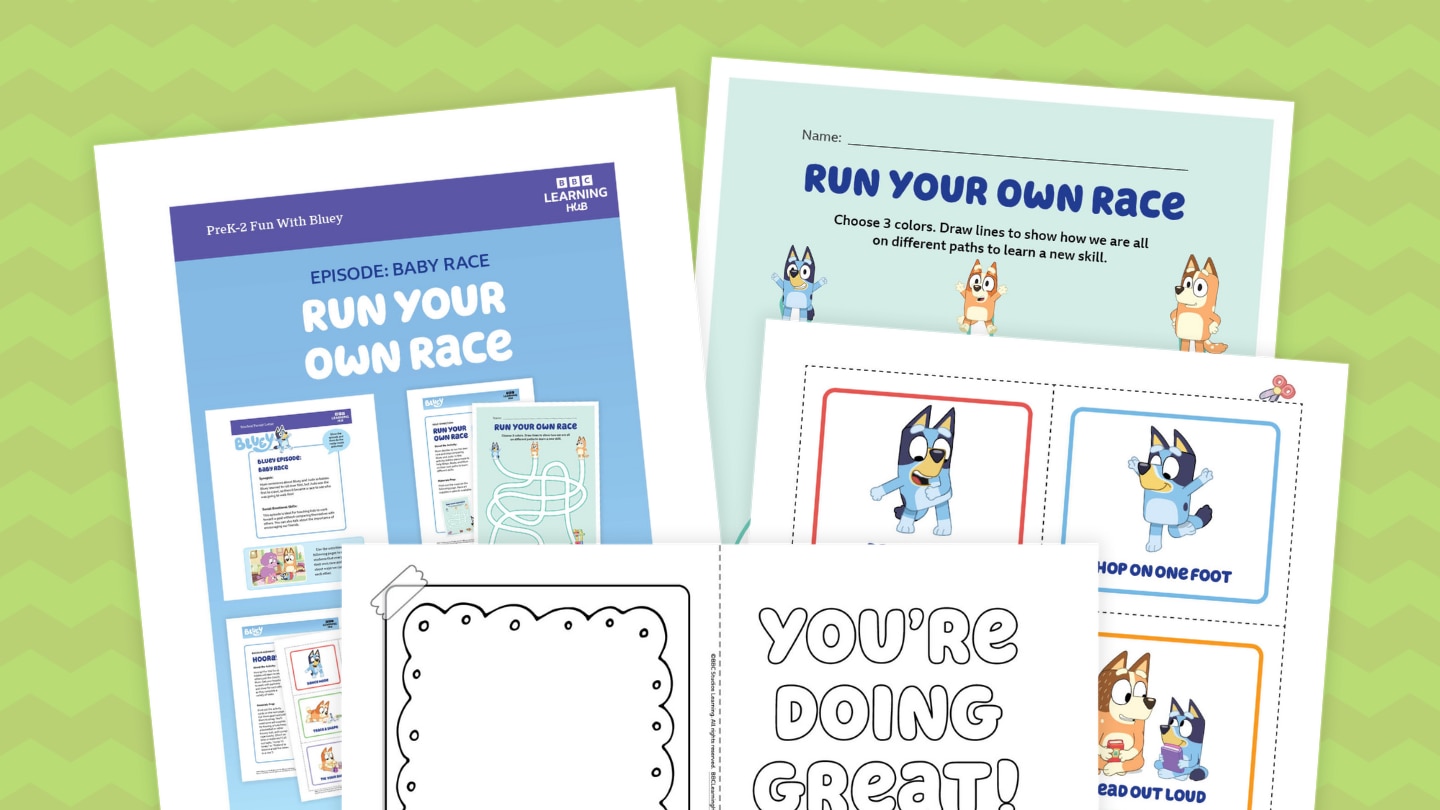
It's important not to compare ourselves with others, and we also need to learn how to cheer on our friends. Based on the Bluey episode "Baby Race," this lesson beings with a classroom conversation about what it means to run your own race. The lesson includes printables for three activities in which kids complete a maze to help Bingo, Bluey, and Mum on their own paths to learn different skills, cheer for each other as they complete different tasks, and make cards for someone who's been working hard.
Baby Race Episode Summary: Mum reminisces about Bluey and Judo as babies. Bluey learned to roll over first, but Judo was the first to crawl, so then it became a race to see who was going to walk first!
Watch the episode here! (Click here to watch in Australia.)
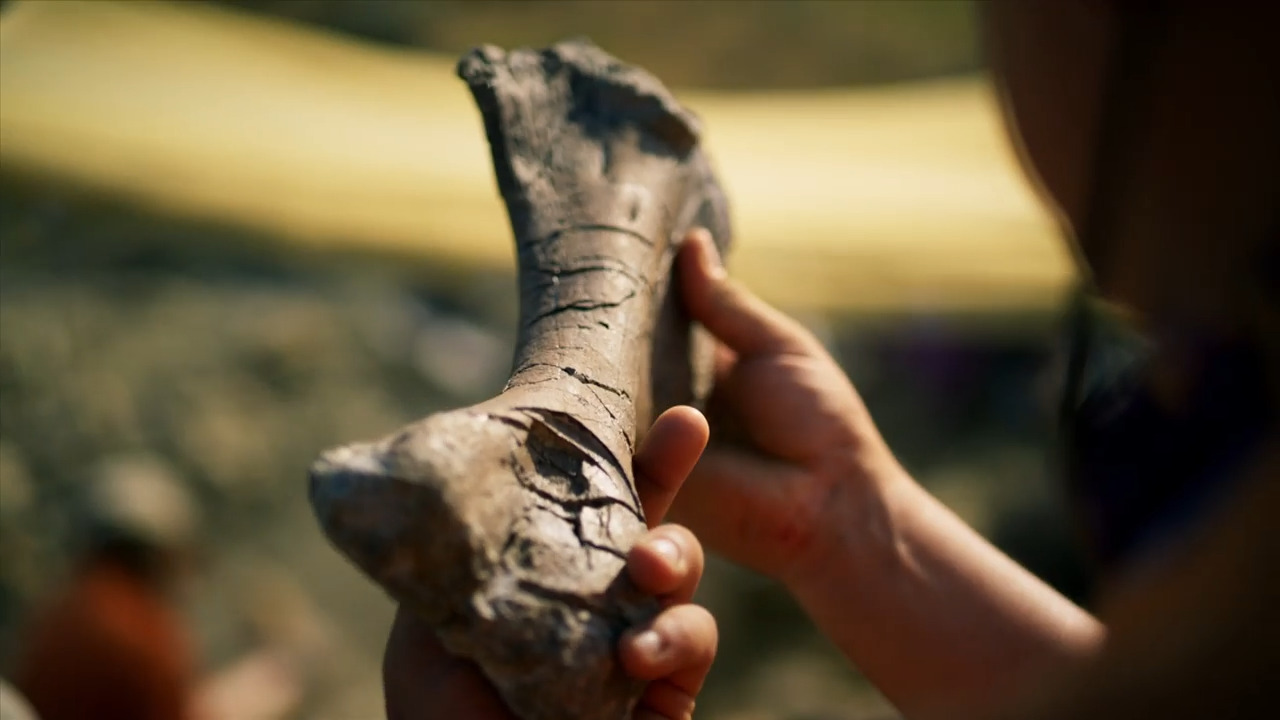
Explore the fascinating world of paleontology with "Digging Up a Baby Triceratops," a captivating clip from the iconic BBC series Walking With Dinosaurs. Join team leader Eric Lund and fossil restorer Nikki Simon as they uncover the rare remains of a young Triceratops named Clover. This video offers a unique glimpse into the life of a baby dinosaur, emphasizing the importance of teamwork and scientific inquiry. Perfect for sparking discussions about natural history and the methods of paleontologists, this engaging clip is sure to ignite curiosity in young learners. This video is included in our Walking With Dinosaurs Virtual Field Trip.
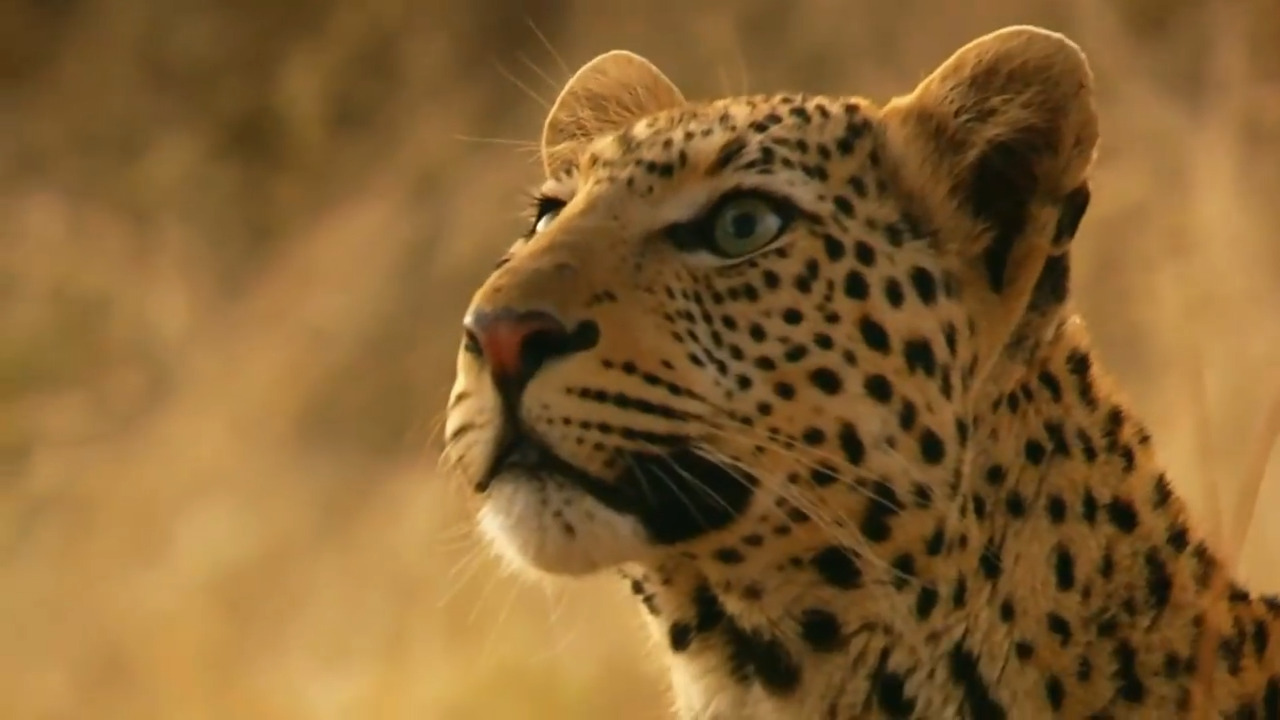
In Safari Babies Growing Up, narrator Gordon Buchanan describes some of the challenges that young animals face as they grow up in the African plains. A young leopard tries to retrieve a carcass up in a tree, but it’s no easy task. A tiny banded mongoose faces an obstacle on its way to a new home. This video is excerpted from BBC's Animal Babies, a heartwarming show that follows the first breaths, first steps and first feeds of some adorable baby animals, revealing the challenges they face to survive in some of the toughest but most beautiful places on the planet.
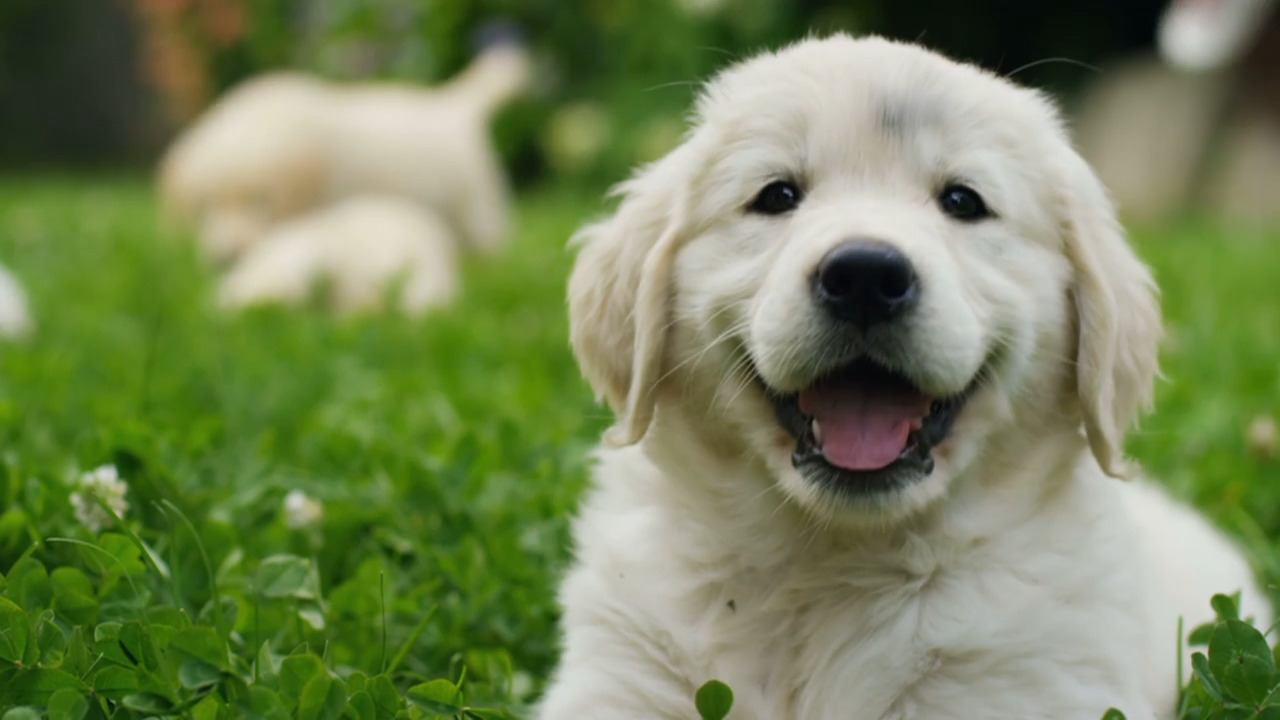
In Why We Love Baby Animals, host Harith Iskander explores the science behind the overwhelming urge humans feel to squeeze or cuddle baby animals. This feeling, known as cute aggression, is an evolutionary response. The brain releases dopamine, making us feel happy and protective when we see something cute. This video is excerpted from BBC’s Got Science?, a science magazine series that explores and explains science in everyday life.
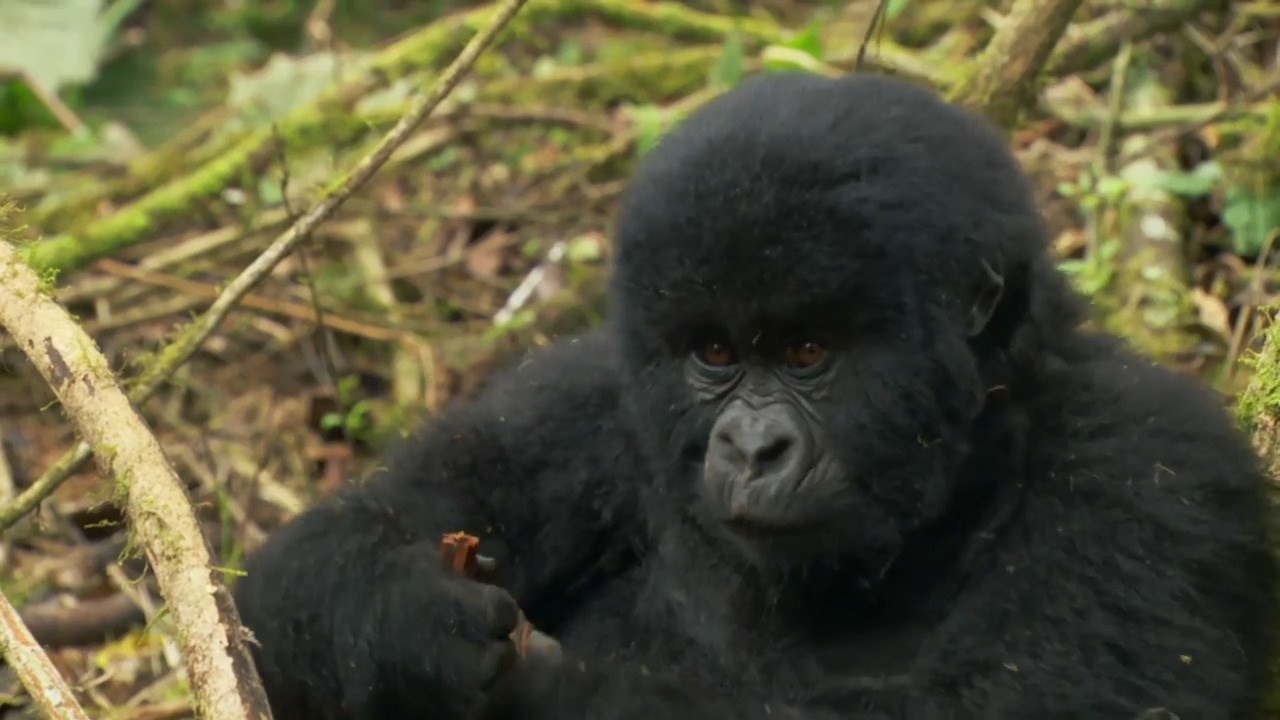
In A Baby Gorilla Learns New Skills, narrator Gordon Buchanan explains how a three-year-old mountain gorilla has no one to show her how to build a nest after losing her mother. During the cold night, other baby gorillas snuggle their mothers in nests. Instead, the three-year-old finds comfort in the snuggles of her father on the ground to stay warm. This video is excerpted from BBC's Animal Babies, a heartwarming show that follows the first breaths, first steps, and first feeds of some adorable baby animals, revealing the challenges they face to survive in some of the toughest but most beautiful places on the planet.
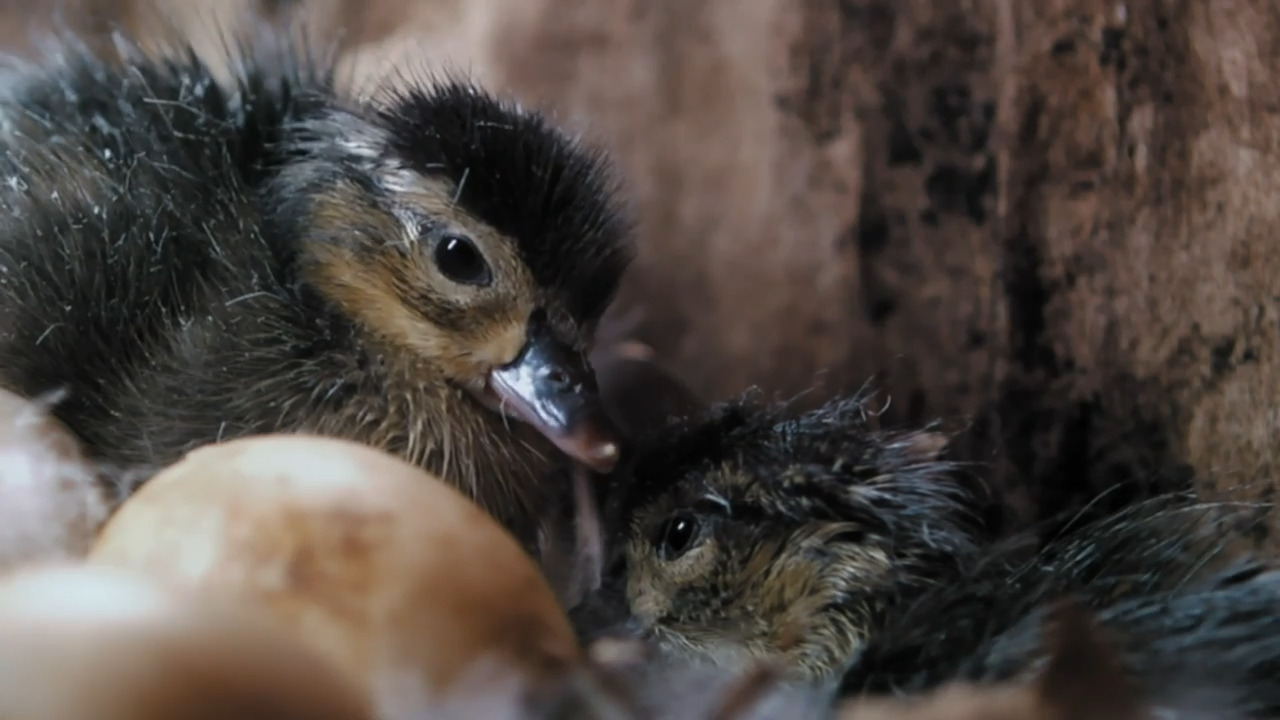
In North American Wood Ducklings Take a Trust Fall, narrator Gordon Buchanan describes how baby ducks hatch inside the hollow of a tree over 60 feet above the ground. Though they are safe there, they must get down to the water to feed. The mother calls to them from the water below and the babies, unable to fly, survive the long fall by stretching out their bodies. They then waddle to the water where they are safe. This video is excerpted from BBC's Animal Babies, a heartwarming show that follows the first breaths, first steps, and first feeds of some adorable baby animals, revealing the challenges they face to survive in some of the toughest but most beautiful places on the planet.
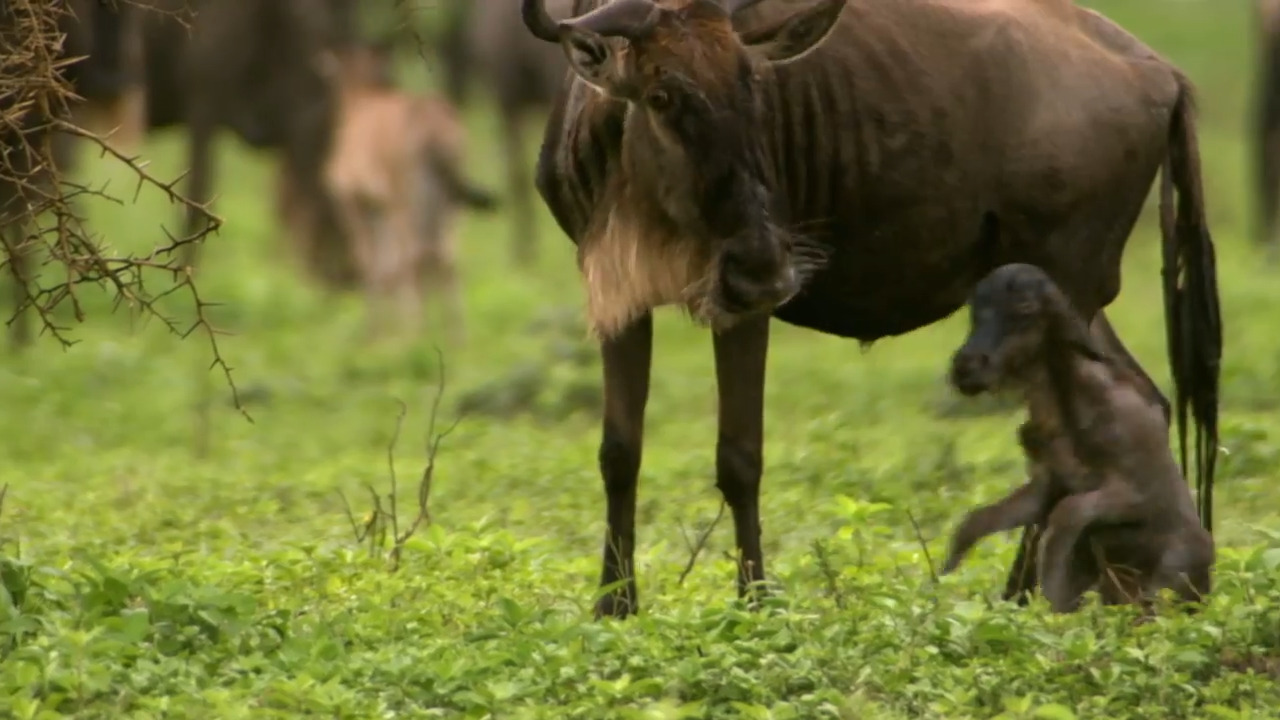
In A Baby Wildebeest's First Steps, narrator Gordon Buchanan describes how a wildebeest is born on the savanna, which stretches across almost half of Africa and is home to millions of animals. The baby wildebeest immediately begins learning to walk. By the end of the day, it is one of the fastest land animals. The wildebeest uses speed, constant movement, and safety in numbers to avoid predators. This video is excerpted from BBC's Animal Babies, a heartwarming show that follows the first breaths, first steps, and first feeds of some adorable baby animals, revealing the challenges they face to survive in some of the toughest but most beautiful places on the planet.
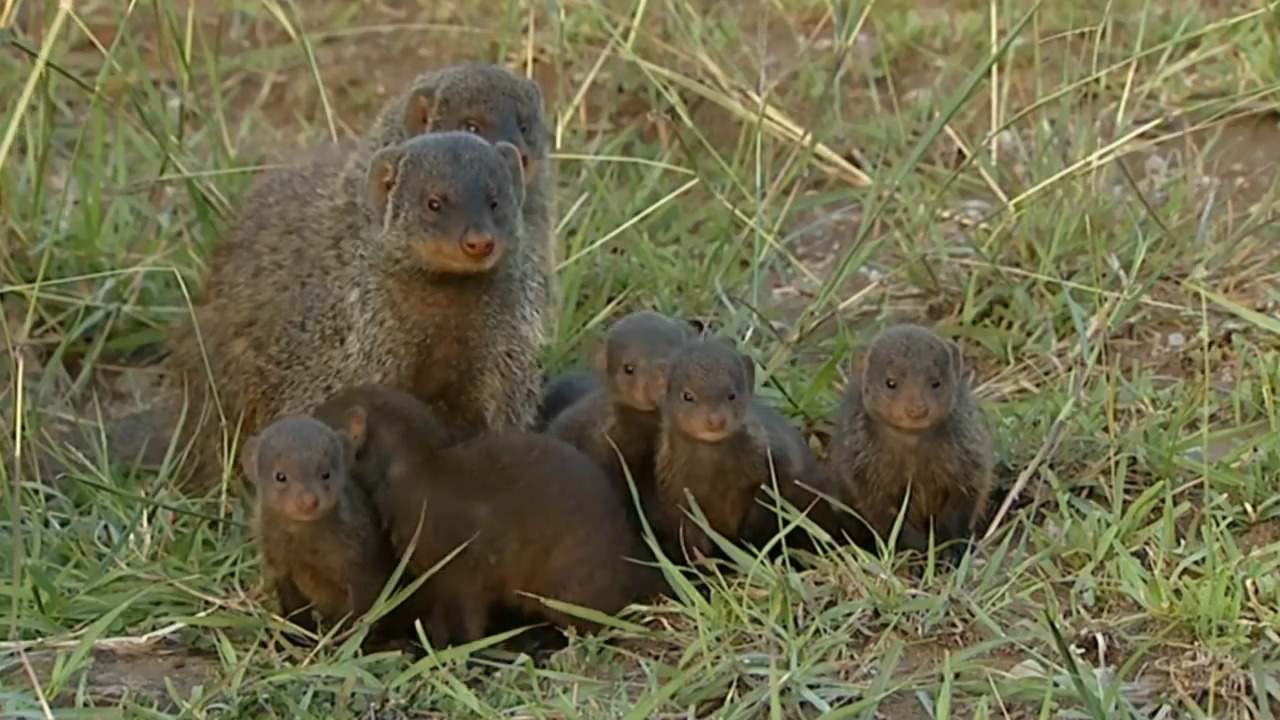
In Baby Animals and Mother's Milk, narrator Gordon Buchanan describes how a newborn baby elephant learns the importance of its mother's milk while it hurries to rejoin its herd, so it can be protected from lions. Meanwhile, mongoose babies emerge from their burrow, where the smallest of the babies learns to suckle and the importance of family to its survival. This video is excerpted from BBC's Animal Babies, a heartwarming show that follows the first breaths, first steps, and first feeds of some adorable baby animals, revealing the challenges they face to survive in some of the toughest but most beautiful places on the planet.

Get ready for cuteness overload with this heartwarming playlist of baby animal videos! Watch ducklings wobble, elephants splash, wildebeests race, seals snooze, and otters play with endless charm. Perfect for captivating your class while sneaking in a little science, these clips will have your students saying “aww” while you say, “This totally counts as learning!”
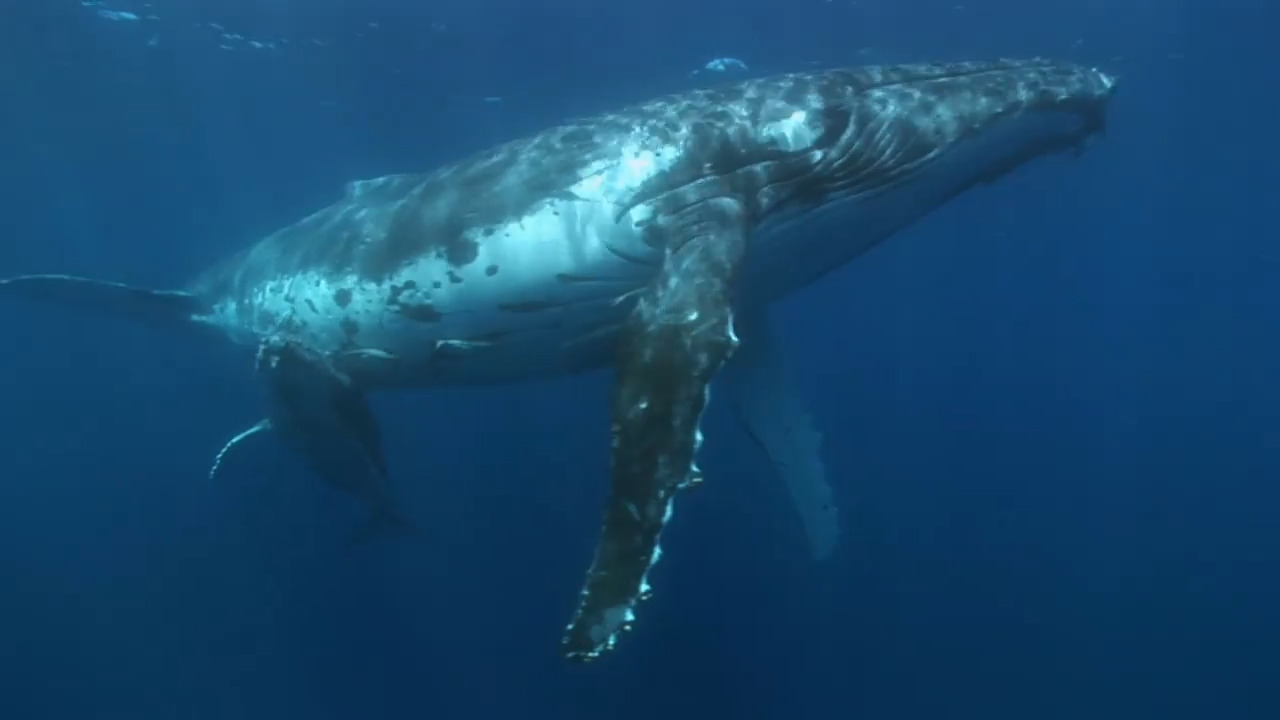
In A Humpback Whale Baby Leaves the Nursery, narrator Sir David Attenborough follows a mother and baby humpback whale as they embark on a dangerous journey. The young calf and starving mother leave the safety of the shallow seas in search of deeper water, where the mother can eat. Along the way, they communicate by slapping their tails and fins against the surface of the water. This video is excerpted from BBC's Planet Earth, a breathtaking documentary series that highlights the natural wonders of our planet.
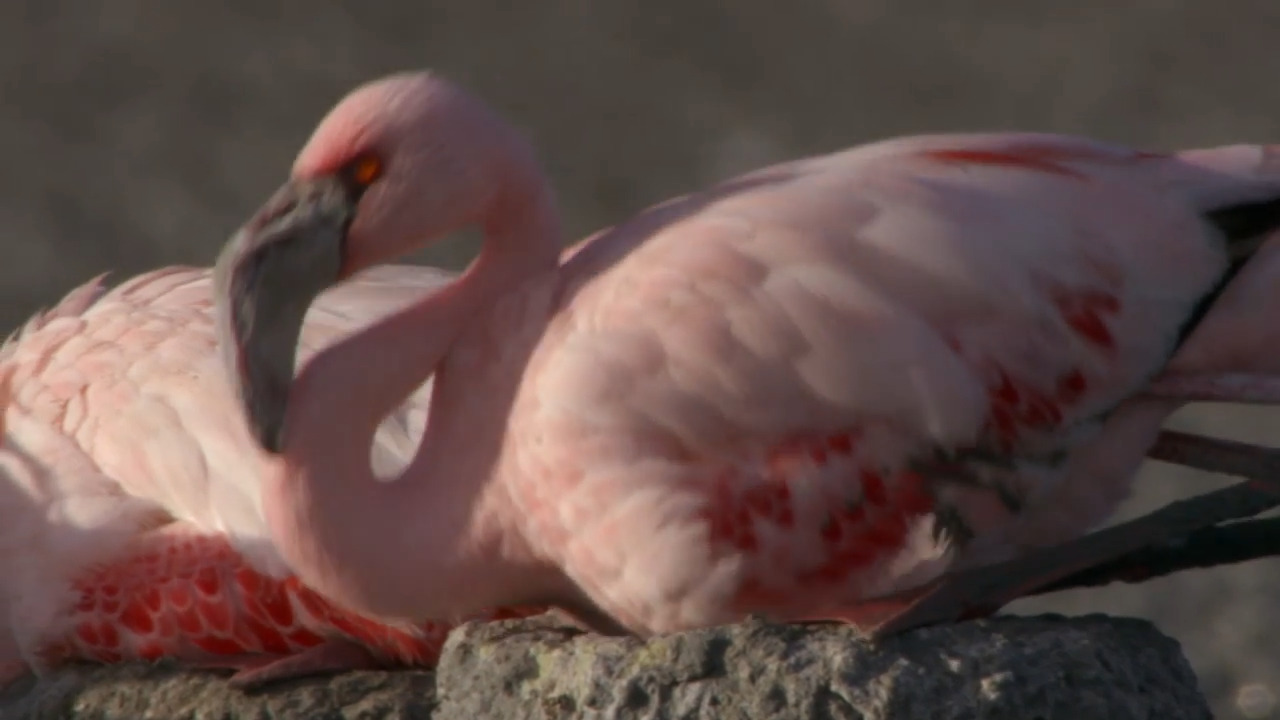
In How Flamingos Keep Their Babies Safe, narrator Sir David Attenborough shows how flamingos build their nests on tall mud stacks in Africa’s caustic soda lakes to stay safe from predators. The mud keeps most animals away, but flamingos can walk through it with their long legs. After a chick hatches, it stays in the nest for a week, as a fall into the mud too soon can prove dangerous or fatal. This video is excerpted from BBC's Life, a show that explores the remarkable strategies animals and plants use to ensure their survival.
Bring your students on an underwater adventure into the coral reef ecosystem! Whether you're exploring the vast beauty of the Great Barrier Reef in Australia or diving into the rich, biodiverse waters of Indonesia, coral reefs are some of the most vibrant and important ecosystems on Earth.
✨ Perfect for grades 3–8, here’s what you need to bring ecosystems to life:
- Iconic BBC Videos: Share the clips on this page to introduce the location, plants, animals, and climate of the coral reefs. (Don't miss the tusk fish and octopuses!) Brought to you by world-class BBC programs like Planet Earth, Blue Planet, Animal Babies, and Life.
- Free Printable: Use the Coral Reef Brochure Template to help students pull it all together in an ecosystem report with facts they’ve learned (and a little extra research).
It’s everything you need to make ecosystems easy to teach and truly memorable for your students.
It's important not to compare ourselves with others, and we also need to learn how to cheer on our friends. Based on the Bluey episode "Baby Race," this lesson beings with a classroom conversation about what it means to run your own race. The lesson includes printables for three activities in which kids complete a maze to help Bingo, Bluey, and Mum on their own paths to learn different skills, cheer for each other as they complete different tasks, and make cards for someone who's been working hard.
Baby Race Episode Summary: Mum reminisces about Bluey and Judo as babies. Bluey learned to roll over first, but Judo was the first to crawl, so then it became a race to see who was going to walk first!
Watch the episode here! (Click here to watch in Australia.)
Explore the fascinating world of paleontology with "Digging Up a Baby Triceratops," a captivating clip from the iconic BBC series Walking With Dinosaurs. Join team leader Eric Lund and fossil restorer Nikki Simon as they uncover the rare remains of a young Triceratops named Clover. This video offers a unique glimpse into the life of a baby dinosaur, emphasizing the importance of teamwork and scientific inquiry. Perfect for sparking discussions about natural history and the methods of paleontologists, this engaging clip is sure to ignite curiosity in young learners. This video is included in our Walking With Dinosaurs Virtual Field Trip.
In Safari Babies Growing Up, narrator Gordon Buchanan describes some of the challenges that young animals face as they grow up in the African plains. A young leopard tries to retrieve a carcass up in a tree, but it’s no easy task. A tiny banded mongoose faces an obstacle on its way to a new home. This video is excerpted from BBC's Animal Babies, a heartwarming show that follows the first breaths, first steps and first feeds of some adorable baby animals, revealing the challenges they face to survive in some of the toughest but most beautiful places on the planet.
In Why We Love Baby Animals, host Harith Iskander explores the science behind the overwhelming urge humans feel to squeeze or cuddle baby animals. This feeling, known as cute aggression, is an evolutionary response. The brain releases dopamine, making us feel happy and protective when we see something cute. This video is excerpted from BBC’s Got Science?, a science magazine series that explores and explains science in everyday life.
In A Baby Gorilla Learns New Skills, narrator Gordon Buchanan explains how a three-year-old mountain gorilla has no one to show her how to build a nest after losing her mother. During the cold night, other baby gorillas snuggle their mothers in nests. Instead, the three-year-old finds comfort in the snuggles of her father on the ground to stay warm. This video is excerpted from BBC's Animal Babies, a heartwarming show that follows the first breaths, first steps, and first feeds of some adorable baby animals, revealing the challenges they face to survive in some of the toughest but most beautiful places on the planet.
In North American Wood Ducklings Take a Trust Fall, narrator Gordon Buchanan describes how baby ducks hatch inside the hollow of a tree over 60 feet above the ground. Though they are safe there, they must get down to the water to feed. The mother calls to them from the water below and the babies, unable to fly, survive the long fall by stretching out their bodies. They then waddle to the water where they are safe. This video is excerpted from BBC's Animal Babies, a heartwarming show that follows the first breaths, first steps, and first feeds of some adorable baby animals, revealing the challenges they face to survive in some of the toughest but most beautiful places on the planet.
In A Baby Wildebeest's First Steps, narrator Gordon Buchanan describes how a wildebeest is born on the savanna, which stretches across almost half of Africa and is home to millions of animals. The baby wildebeest immediately begins learning to walk. By the end of the day, it is one of the fastest land animals. The wildebeest uses speed, constant movement, and safety in numbers to avoid predators. This video is excerpted from BBC's Animal Babies, a heartwarming show that follows the first breaths, first steps, and first feeds of some adorable baby animals, revealing the challenges they face to survive in some of the toughest but most beautiful places on the planet.
In Baby Animals and Mother's Milk, narrator Gordon Buchanan describes how a newborn baby elephant learns the importance of its mother's milk while it hurries to rejoin its herd, so it can be protected from lions. Meanwhile, mongoose babies emerge from their burrow, where the smallest of the babies learns to suckle and the importance of family to its survival. This video is excerpted from BBC's Animal Babies, a heartwarming show that follows the first breaths, first steps, and first feeds of some adorable baby animals, revealing the challenges they face to survive in some of the toughest but most beautiful places on the planet.
Get ready for cuteness overload with this heartwarming playlist of baby animal videos! Watch ducklings wobble, elephants splash, wildebeests race, seals snooze, and otters play with endless charm. Perfect for captivating your class while sneaking in a little science, these clips will have your students saying “aww” while you say, “This totally counts as learning!”
In A Humpback Whale Baby Leaves the Nursery, narrator Sir David Attenborough follows a mother and baby humpback whale as they embark on a dangerous journey. The young calf and starving mother leave the safety of the shallow seas in search of deeper water, where the mother can eat. Along the way, they communicate by slapping their tails and fins against the surface of the water. This video is excerpted from BBC's Planet Earth, a breathtaking documentary series that highlights the natural wonders of our planet.
In How Flamingos Keep Their Babies Safe, narrator Sir David Attenborough shows how flamingos build their nests on tall mud stacks in Africa’s caustic soda lakes to stay safe from predators. The mud keeps most animals away, but flamingos can walk through it with their long legs. After a chick hatches, it stays in the nest for a week, as a fall into the mud too soon can prove dangerous or fatal. This video is excerpted from BBC's Life, a show that explores the remarkable strategies animals and plants use to ensure their survival.