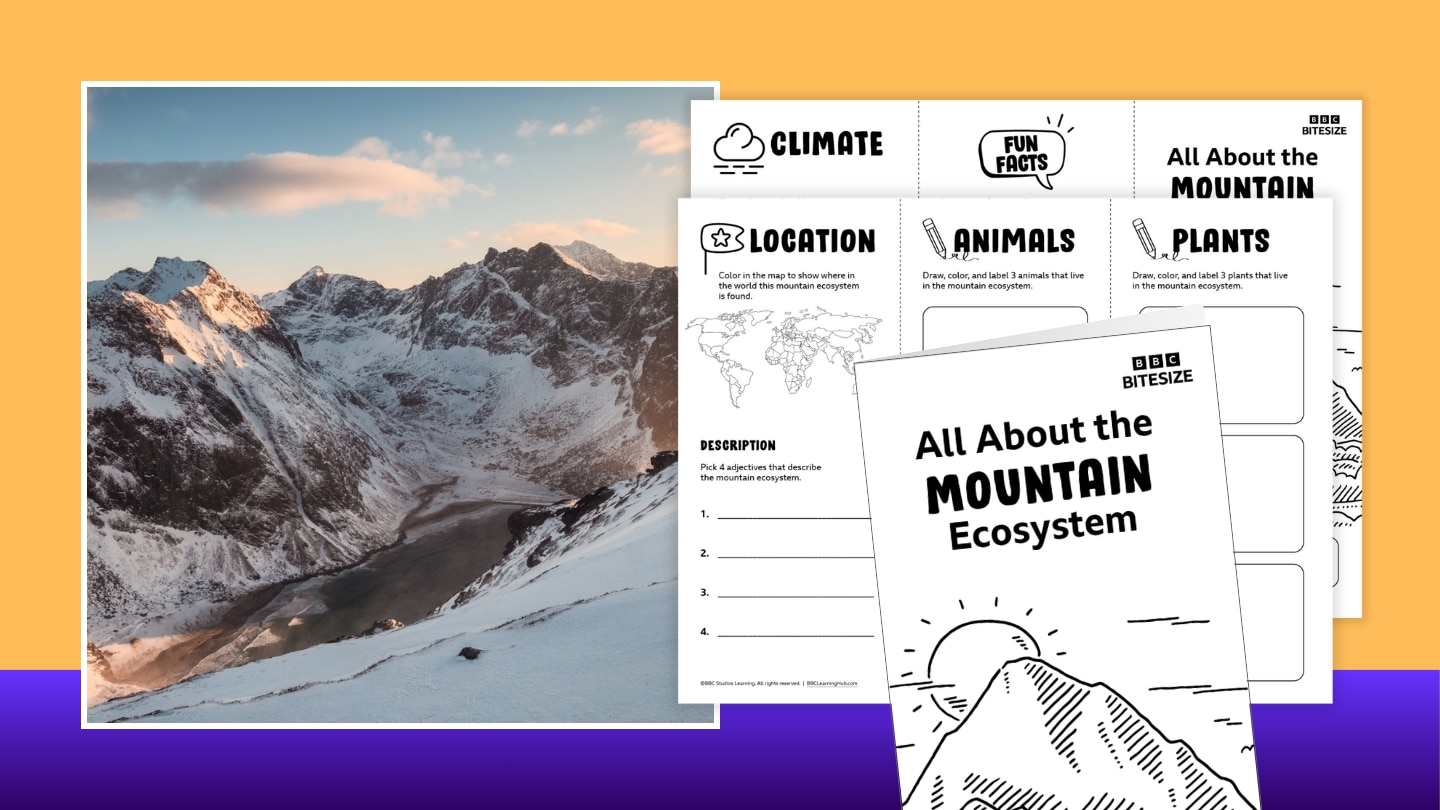
Take your students on a climb through the mountain ecosystem! From the towering Himalayas to the snowy Rockies, mountain ecosystems change as you climb, starting with green forests down low and ending with bare, windswept summits at the top.
✨ Perfect for grades 3–8, here’s what you need to bring ecosystems to life:
- Iconic BBC Videos: Share the clips on this page to introduce the location, plants, animals, and climate of the mountains. (Don't miss the grizzlies and snow leopards!) Brought to you by world-class BBC programs like Planet Earth.
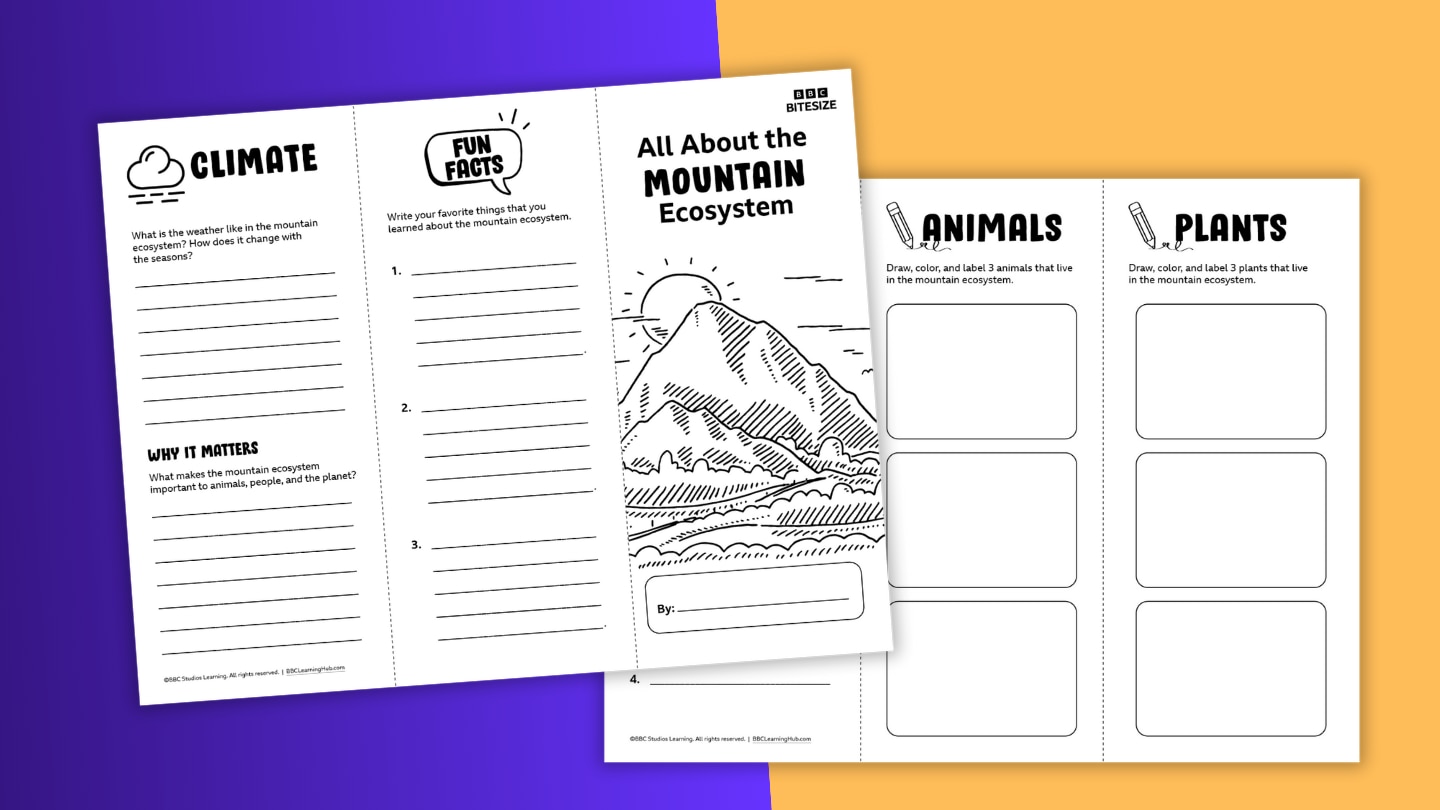
- Free Printable: Use the Mountain Brochure Template to help students pull it all together in an ecosystem report with facts they’ve learned (and a little extra research).
It’s everything you need to make ecosystems easy to teach and truly memorable for your students.
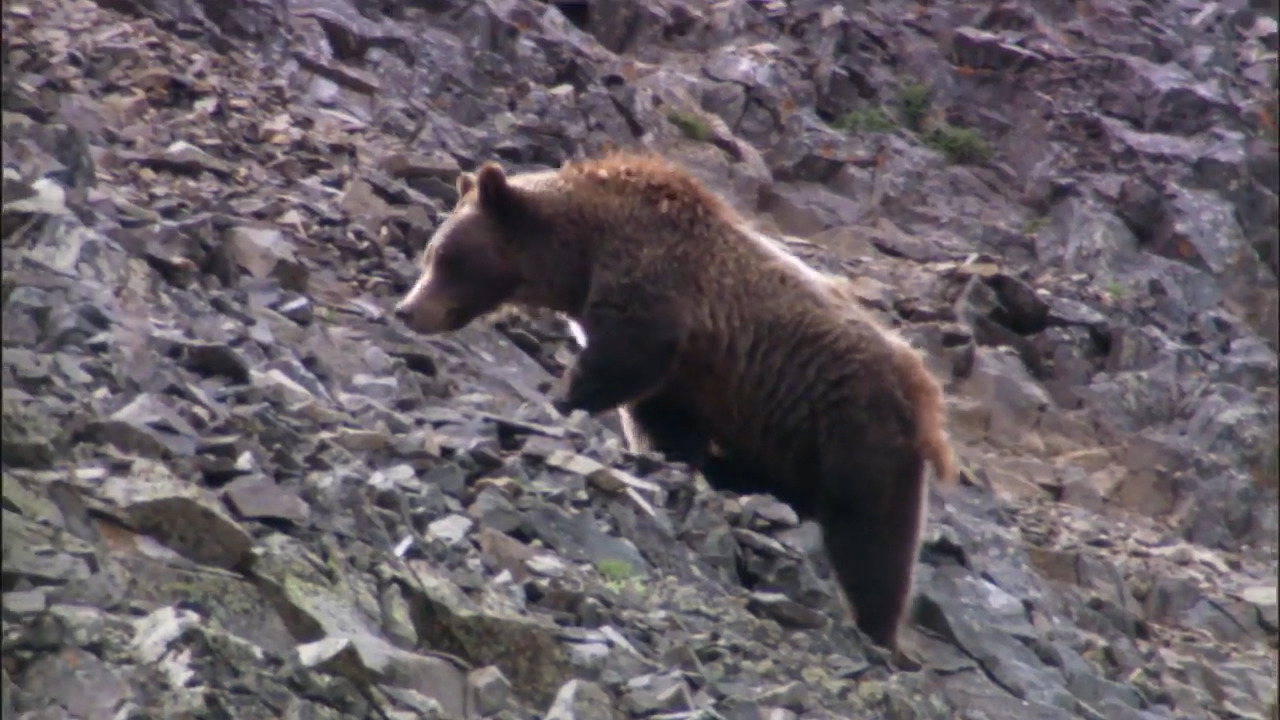
In Summer in the Rockies, narrator Sir David Attenborough describes how animals find a way to survive among the barren peaks. Grizzly bears search for roosting moths, as all around them the Rockies themselves crumble. This video is excerpted from BBC's Planet Earth, a breathtaking documentary series that highlights the natural wonders of our planet.
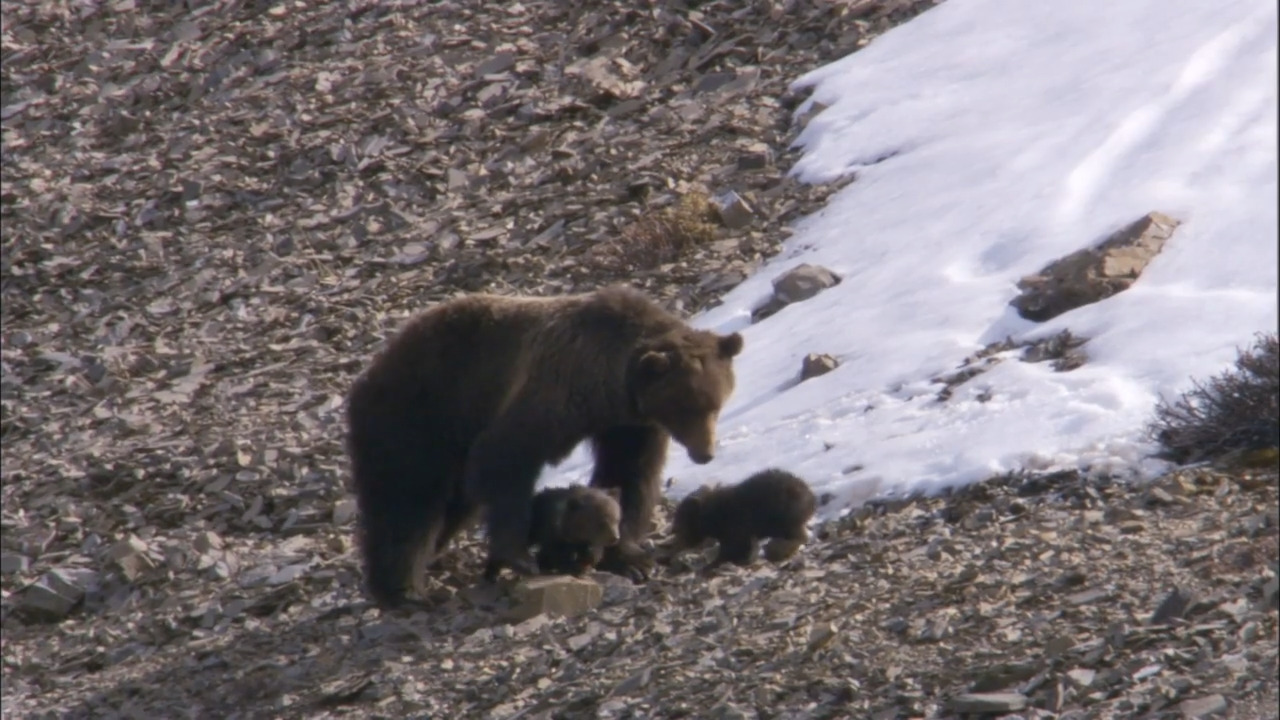
In Mountain Slopes Provide Safety for Grizzly Bears, narrator Sir David Attenborough follows a female grizzly emerging from her den after six months of dozing underground. Though the snowy mountain slopes are tough to navigate, they provide a sanctuary from male bears who could kill the cubs. This video is excerpted from BBC's Planet Earth, a breathtaking documentary series that highlights the natural wonders of our planet.
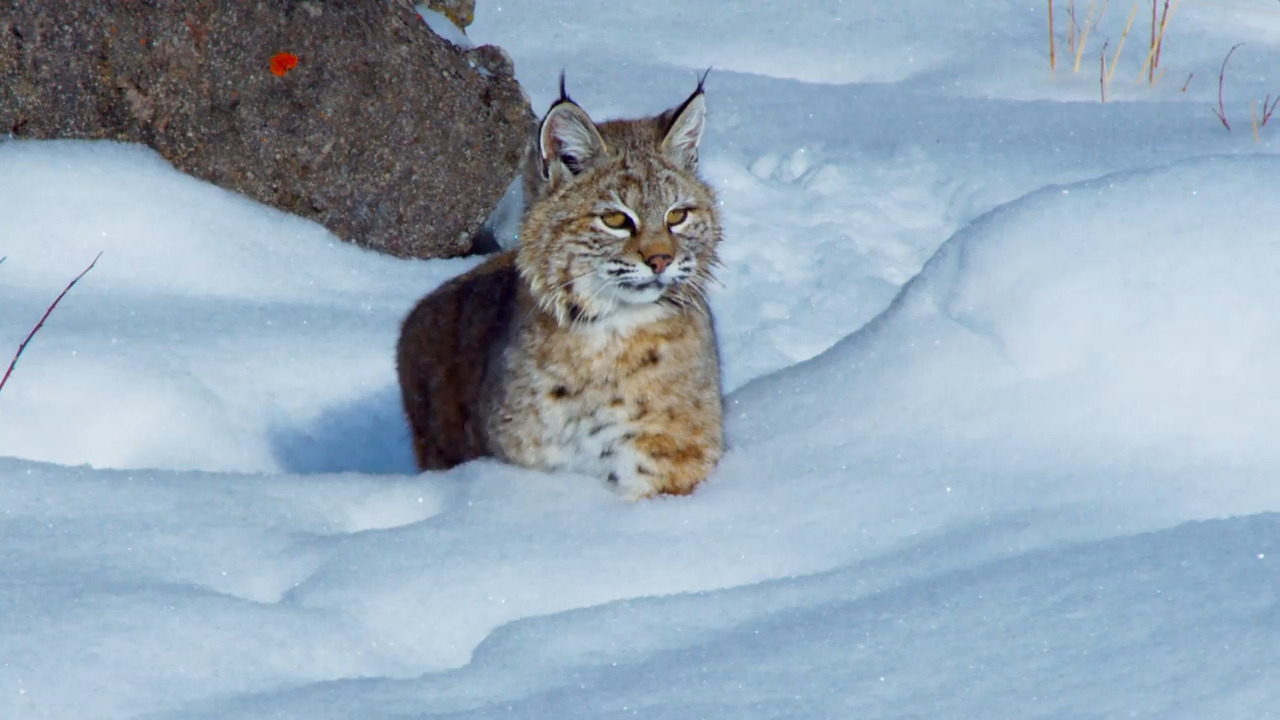
In The Bobcat in the Rockies, narrator Sir David Attenborough explores the extreme cold and snow-covered ground of winter in the Rocky Mountains. He follows a bobcat as it hunts a mouse in the snow. A nearby valley teems with life, thanks to a river fed by a volcanic hot spring. The bobcat hunts ducks in the river and then succeeds in killing a squirrel in a tree. This video is excerpted from BBC’s Planet Earth II, a breathtaking documentary series that highlights the natural wonders of our planet.
Mountains push life to its limits — thin air, brutal cold, steep terrain. From the Himalayas to the Rockies, the plants and animals that survive here have had to adapt in some pretty extreme ways.
After watching mountain ecosystem videos, have students dig deeper with their own research and build a brochure covering:
- Location of the ecosystem on a world map
- Adjectives that describe the ecosystem
- Three animals that live there
- Three plants that grow there
- The climate
- Why the ecosystem matters
- Their favorite fun facts
Students summarize in their own words, which means they're practicing a real skill: pulling information from multiple sources and deciding what's worth keeping.
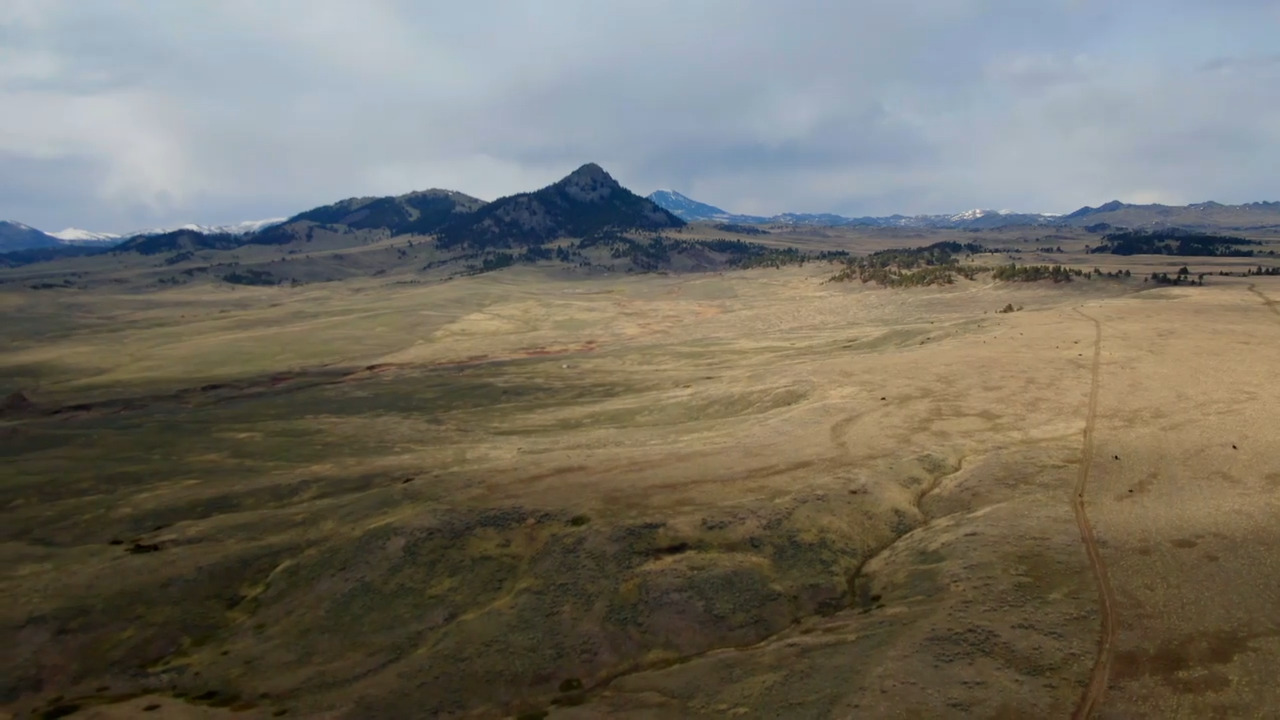
In Cowboys Are Choosing a Sustainable Future in Montana, host Simon Reeve travels through the Rocky Mountains, which stretch from Canada all the way to New Mexico! In Montana, Simon visits the IX Ranch where he learns how cowboys are using sustainable farming to protect the land, and that cattle outnumber people in the state! Simon joins Rich, the ranch manager, as they dive into the importance of caring for the land to ensure it can keep supporting both cows and future generations. This video is excerpted from BBC’s The Americas With Simon Reeve, in which Simon Reeve explores the landscapes, cultures, and wildlife of North and South America.
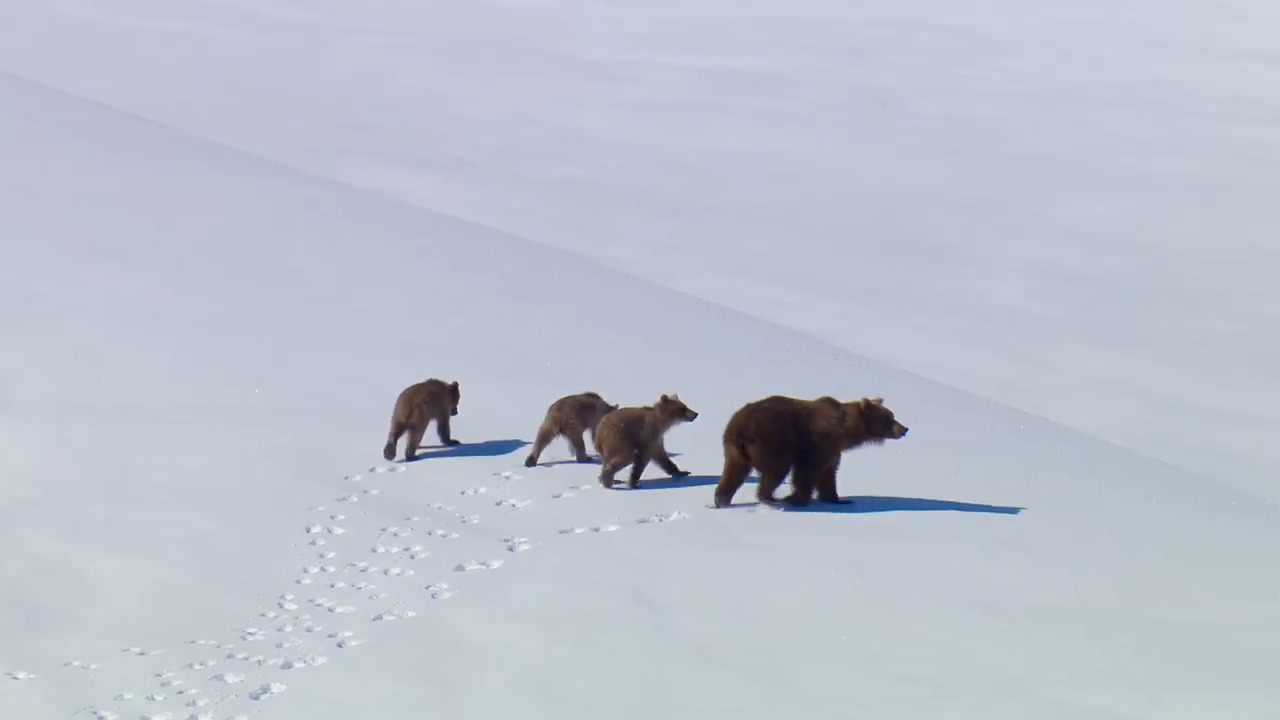
In How Grizzly Bears Survive in the Mountains, narrator Sir David Attenborough explores an avalanche tumbling down a mountainside in North America. Grizzly bears coming out of hibernation must move quickly to the safer valley, where they will gorge themselves during spring and summer. Learn about how they also rub against trees to shed winter fur and spread their scent. This video is excerpted from BBC’s Planet Earth II, a breathtaking documentary series that highlights the natural wonders of our planet.
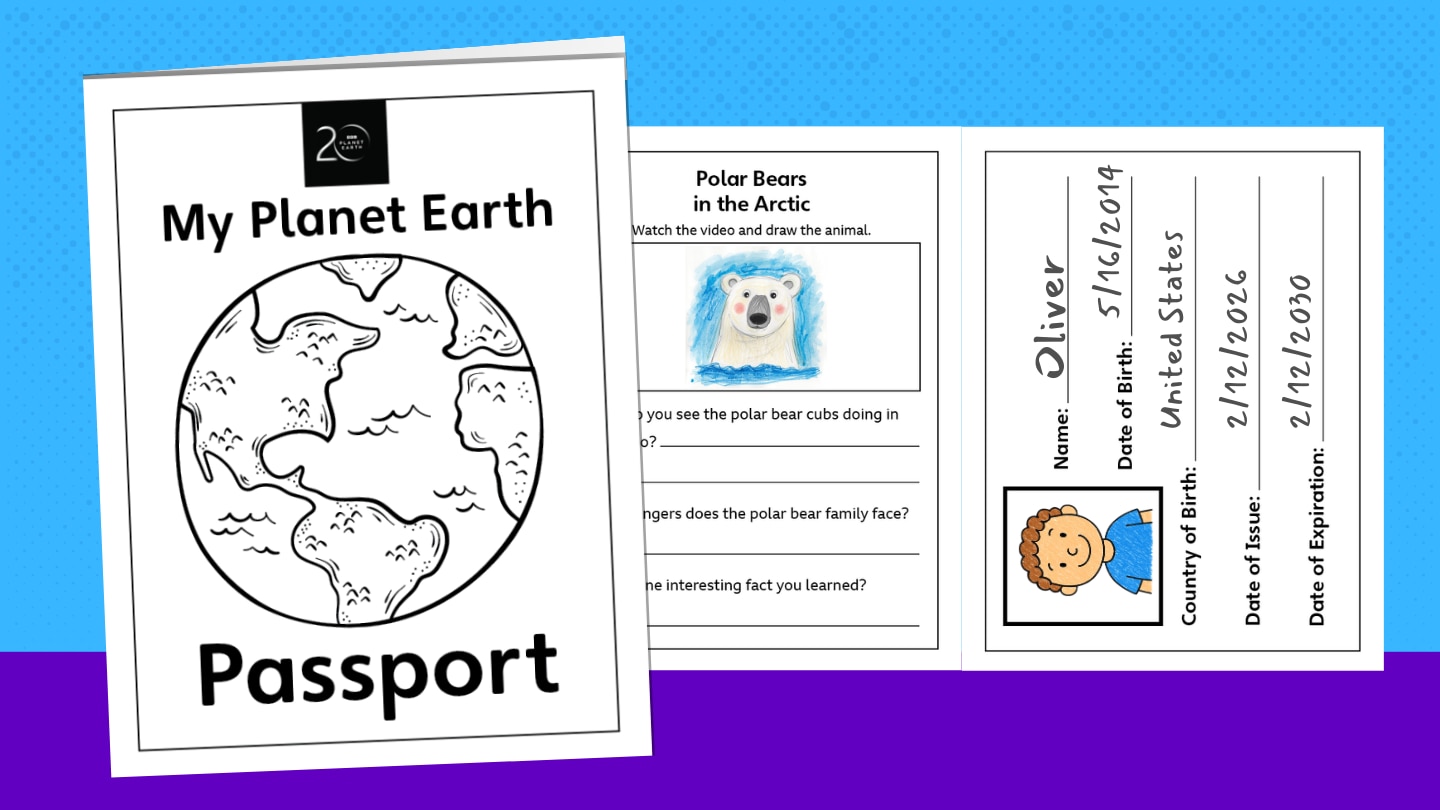
This Planet Earth Passport is your students' perfect guide (just right for ages 8–11) to exploring some of the most-watched videos clips from the iconic BBC series Planet Earth. And it's right in time for Earth Day on April 22!
You can take part by showing your class our playlist of eight amazing animal videos and using our passport as a companion. Students will follow the map to each location and answer questions at each stop. They'll explore:
- Polar Bears in Antarctica
- Bobcats in the Rocky Mountains
- Catfish in France
- Marine Iguanas in the Galápagos
- Cave Swiftlets in Borneo
- Mouse Lemurs in Madagascar
- Dolphins in Western Australia
- Emperor Penguins in Antarctica
To make copies of the passport, print on both sides flipped on the long edge. Make sure you collate and then cut them in half (there are two passports per set).
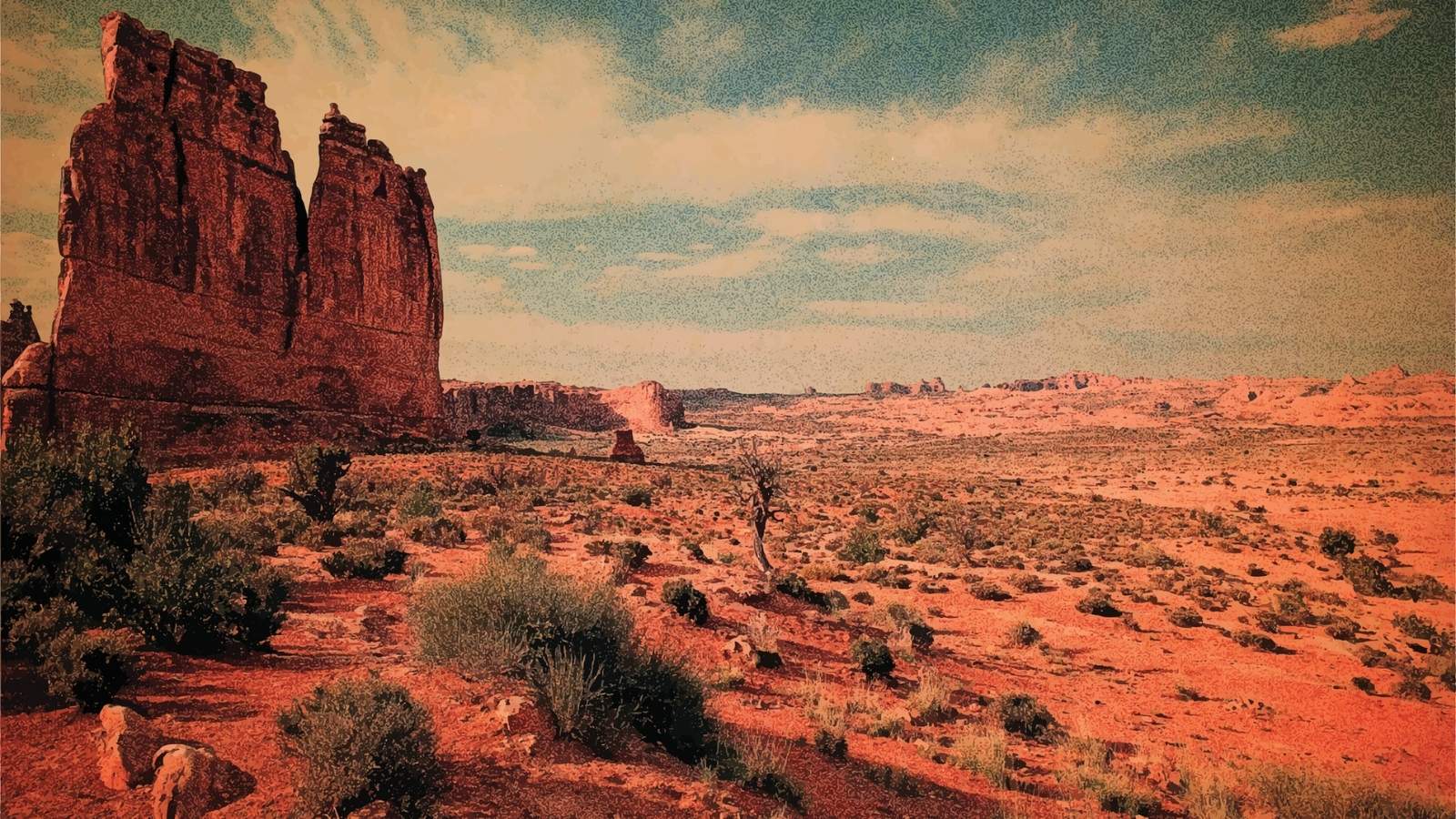
From the iconic Red Rock formations of Arches National Park in Utah and the majestic peaks of the Rocky Mountains, to the unique wetlands of the Everglades, journey through incredible landscapes. Encounter amazing animals like grizzly bears and bobcats, learn about the vital work of protecting ancient redwood forests, and discover how climate change is reshaping these precious wild spaces.
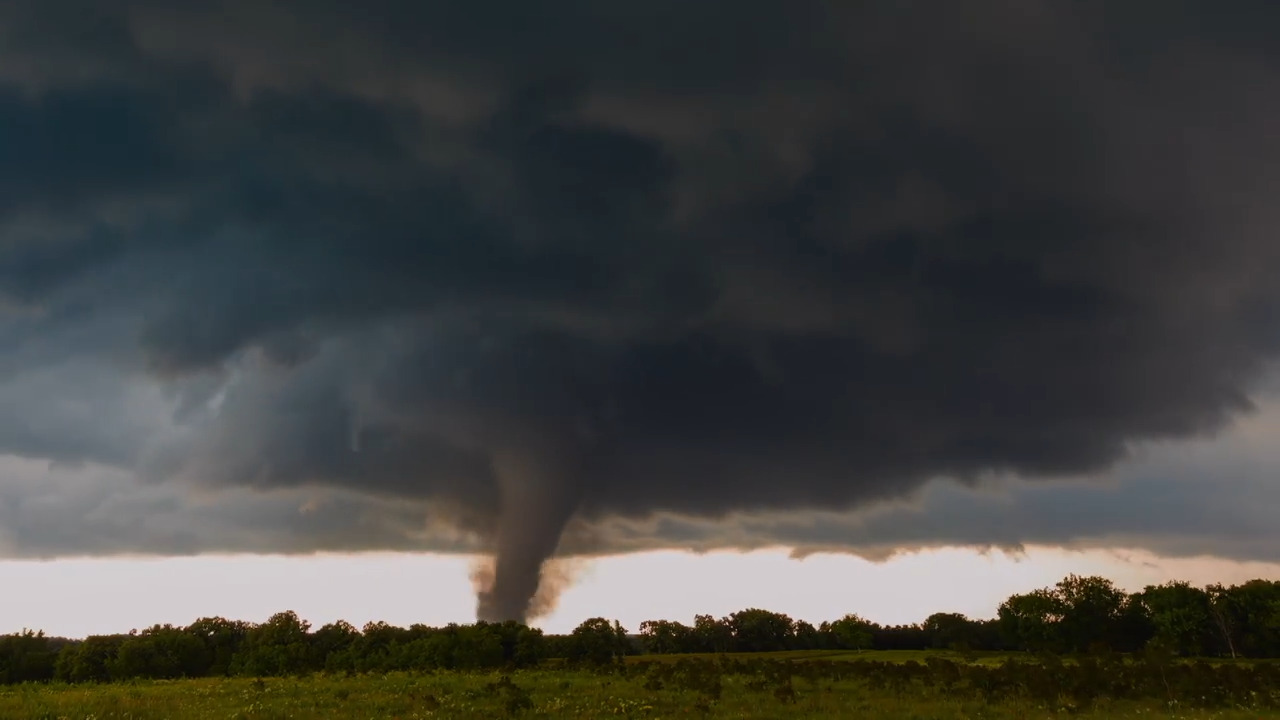
In Twisters in the Great Plains, learn how when warm air from the Gulf of Mexico meets cold air from the Arctic, it results in tornadoes that spin at speeds of over 300 miles an hour. Over a thousand tornadoes touch down in the Great Plains each year. This video is excerpted from BBC’s Seven Worlds, One Planet, a series featuring remarkable animal behavior from all seven continents.
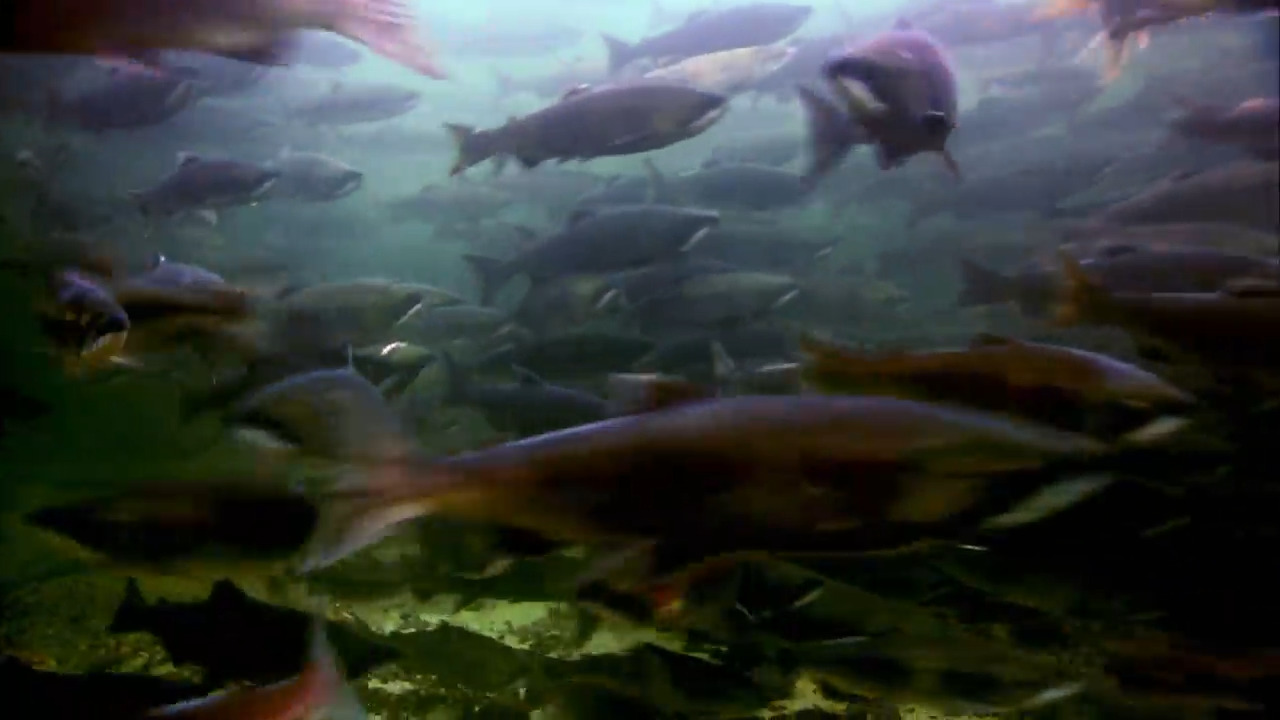
In The Great Salmon Migration, narrator Sir David Attenborough explains that in the world's largest fresh-water fish migration, salmon migrate upstream to where there are fewer predators to eat their eggs. Grizzly bears, however, threaten the fish. This video is excerpted from BBC's Planet Earth, a breathtaking documentary series that highlights the natural wonders of our planet.
March 5, 2026, marks the 20th anniversary of premiere of BBC's Planet Earth (and it's just in time for Earth Day on April 22, too!). The breathtaking and award-winning documentary series, narrated by none other than Sir David Attenborough, highlights the natural wonders of our planet. In honor of this momentous occasion, we've put together some of the most popular clips from this beloved natural history show for students ages 8–14.
Get up close and personal with hydroplaning dolphins. Witness an iguana hatchling's terrifying race to survive, pursued by racer snakes. Watch the first steps of two polar bear cubs emerging from hibernation. More of the real-life magic of our blue marble awaits in this video playlist, part of our Planet Earth Collection. Grab your Planet Earth Passport and start exploring!
Take your students on a climb through the mountain ecosystem! From the towering Himalayas to the snowy Rockies, mountain ecosystems change as you climb, starting with green forests down low and ending with bare, windswept summits at the top.
✨ Perfect for grades 3–8, here’s what you need to bring ecosystems to life:
- Iconic BBC Videos: Share the clips on this page to introduce the location, plants, animals, and climate of the mountains. (Don't miss the grizzlies and snow leopards!) Brought to you by world-class BBC programs like Planet Earth.
- Free Printable: Use the Mountain Brochure Template to help students pull it all together in an ecosystem report with facts they’ve learned (and a little extra research).
It’s everything you need to make ecosystems easy to teach and truly memorable for your students.
In Summer in the Rockies, narrator Sir David Attenborough describes how animals find a way to survive among the barren peaks. Grizzly bears search for roosting moths, as all around them the Rockies themselves crumble. This video is excerpted from BBC's Planet Earth, a breathtaking documentary series that highlights the natural wonders of our planet.
In Mountain Slopes Provide Safety for Grizzly Bears, narrator Sir David Attenborough follows a female grizzly emerging from her den after six months of dozing underground. Though the snowy mountain slopes are tough to navigate, they provide a sanctuary from male bears who could kill the cubs. This video is excerpted from BBC's Planet Earth, a breathtaking documentary series that highlights the natural wonders of our planet.
In The Bobcat in the Rockies, narrator Sir David Attenborough explores the extreme cold and snow-covered ground of winter in the Rocky Mountains. He follows a bobcat as it hunts a mouse in the snow. A nearby valley teems with life, thanks to a river fed by a volcanic hot spring. The bobcat hunts ducks in the river and then succeeds in killing a squirrel in a tree. This video is excerpted from BBC’s Planet Earth II, a breathtaking documentary series that highlights the natural wonders of our planet.
Mountains push life to its limits — thin air, brutal cold, steep terrain. From the Himalayas to the Rockies, the plants and animals that survive here have had to adapt in some pretty extreme ways.
After watching mountain ecosystem videos, have students dig deeper with their own research and build a brochure covering:
- Location of the ecosystem on a world map
- Adjectives that describe the ecosystem
- Three animals that live there
- Three plants that grow there
- The climate
- Why the ecosystem matters
- Their favorite fun facts
Students summarize in their own words, which means they're practicing a real skill: pulling information from multiple sources and deciding what's worth keeping.
In Cowboys Are Choosing a Sustainable Future in Montana, host Simon Reeve travels through the Rocky Mountains, which stretch from Canada all the way to New Mexico! In Montana, Simon visits the IX Ranch where he learns how cowboys are using sustainable farming to protect the land, and that cattle outnumber people in the state! Simon joins Rich, the ranch manager, as they dive into the importance of caring for the land to ensure it can keep supporting both cows and future generations. This video is excerpted from BBC’s The Americas With Simon Reeve, in which Simon Reeve explores the landscapes, cultures, and wildlife of North and South America.
In How Grizzly Bears Survive in the Mountains, narrator Sir David Attenborough explores an avalanche tumbling down a mountainside in North America. Grizzly bears coming out of hibernation must move quickly to the safer valley, where they will gorge themselves during spring and summer. Learn about how they also rub against trees to shed winter fur and spread their scent. This video is excerpted from BBC’s Planet Earth II, a breathtaking documentary series that highlights the natural wonders of our planet.
This Planet Earth Passport is your students' perfect guide (just right for ages 8–11) to exploring some of the most-watched videos clips from the iconic BBC series Planet Earth. And it's right in time for Earth Day on April 22!
You can take part by showing your class our playlist of eight amazing animal videos and using our passport as a companion. Students will follow the map to each location and answer questions at each stop. They'll explore:
- Polar Bears in Antarctica
- Bobcats in the Rocky Mountains
- Catfish in France
- Marine Iguanas in the Galápagos
- Cave Swiftlets in Borneo
- Mouse Lemurs in Madagascar
- Dolphins in Western Australia
- Emperor Penguins in Antarctica
To make copies of the passport, print on both sides flipped on the long edge. Make sure you collate and then cut them in half (there are two passports per set).
From the iconic Red Rock formations of Arches National Park in Utah and the majestic peaks of the Rocky Mountains, to the unique wetlands of the Everglades, journey through incredible landscapes. Encounter amazing animals like grizzly bears and bobcats, learn about the vital work of protecting ancient redwood forests, and discover how climate change is reshaping these precious wild spaces.
In Twisters in the Great Plains, learn how when warm air from the Gulf of Mexico meets cold air from the Arctic, it results in tornadoes that spin at speeds of over 300 miles an hour. Over a thousand tornadoes touch down in the Great Plains each year. This video is excerpted from BBC’s Seven Worlds, One Planet, a series featuring remarkable animal behavior from all seven continents.
In The Great Salmon Migration, narrator Sir David Attenborough explains that in the world's largest fresh-water fish migration, salmon migrate upstream to where there are fewer predators to eat their eggs. Grizzly bears, however, threaten the fish. This video is excerpted from BBC's Planet Earth, a breathtaking documentary series that highlights the natural wonders of our planet.
March 5, 2026, marks the 20th anniversary of premiere of BBC's Planet Earth (and it's just in time for Earth Day on April 22, too!). The breathtaking and award-winning documentary series, narrated by none other than Sir David Attenborough, highlights the natural wonders of our planet. In honor of this momentous occasion, we've put together some of the most popular clips from this beloved natural history show for students ages 8–14.
Get up close and personal with hydroplaning dolphins. Witness an iguana hatchling's terrifying race to survive, pursued by racer snakes. Watch the first steps of two polar bear cubs emerging from hibernation. More of the real-life magic of our blue marble awaits in this video playlist, part of our Planet Earth Collection. Grab your Planet Earth Passport and start exploring!