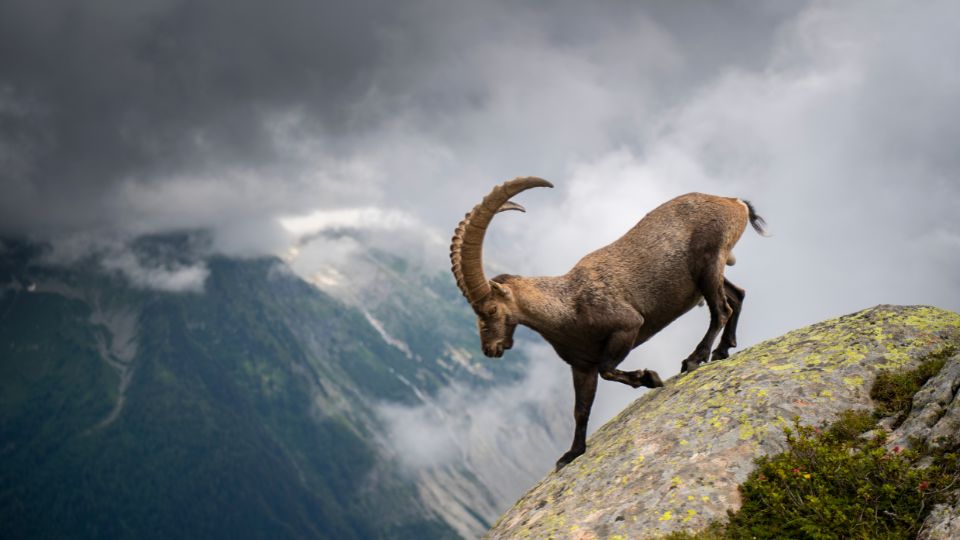
Meet the extreme survivors. Penguins, giraffes, golden snub-nosed monkeys, Namaqua chameleons — these animals have evolved remarkable ways to endure some of the harshest conditions on Earth. We've put together a collection of BBC video clips all about extreme survivors (see Related Resources below). Watch them, then take the Kahoot to see what stuck.
The adaptations are wide-ranging: penguins withstand sub-zero temperatures, giraffes manage naturally high blood pressure, snub-nosed monkeys huddle together to survive freezing nights, and Namaqua chameleons shift skin color to beat the heat of the day. Explore how these animals have adapted, body and behavior, to survive against the odds.
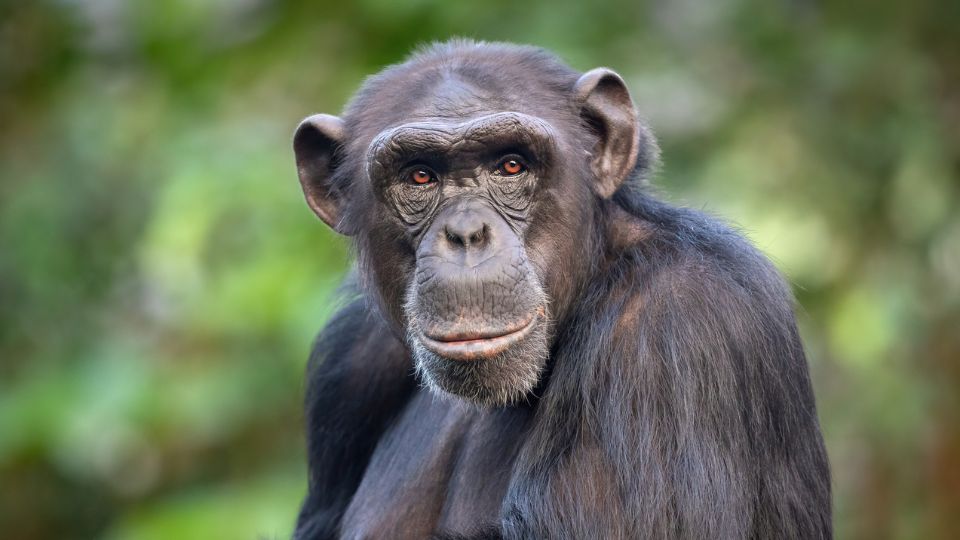
Chimpanzees are among the most intelligent animals on Earth — and they just happen to be our closest living relatives. Sharing about 95–98% of their DNA with humans, chimpanzees can use tools, solve problems, communicate with one another, and even pass knowledge from one generation to the next.
Found in the forests and woodlands of central and western Africa, chimpanzees live in complex social groups called troops. They spend their days searching for food, caring for their young, and navigating a world that is increasingly threatened by habitat loss and human activity.
From cracking nuts with stones to using sticks to fish for termites, chimpanzees continue to amaze scientists with their creativity and intelligence. But how much do you know about these remarkable primates?
Whether you're a wildlife enthusiast, an animal expert, or simply curious about our closest cousins in the animal kingdom, this quiz will put your chimpanzee knowledge to the test. Let's see if you have what it takes to become a Chimp Champion!
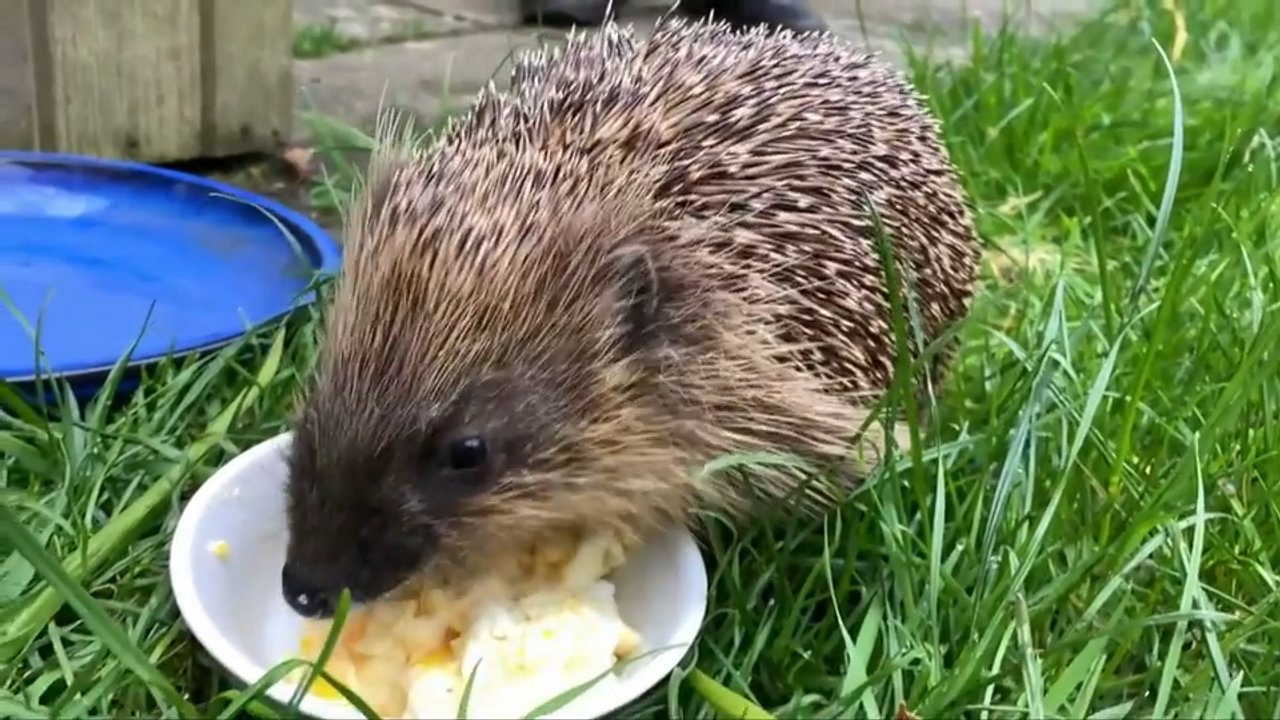
The UK wants to see more hedgehogs, and it’s not because hedgehogs are incredibly cute. Well, not just because of that. The UK’s hedgehog population is in dangerous decline, but part of the solution could be an AI tool called Tessera that uses satellite images to help build a map of hedgehog habitats.
Before Tessera can work its magic, it needs some input. Researchers need to find and learn hedgehogs’ preferred environments by identifying the habitat’s fingerprint. A fingerprint, in this case, is a pattern or collection of characteristics generally found in hedgehog habitats. Maybe your habitat fingerprint would include a freezer full of ice cream and trampoline floors! It has nothing to do with actual fingers, even though that would be a great excuse to spend all day looking at hedgehog paws.
Researchers do their field work in small areas, then input their findings into the software that can extrapolate, show where the other similar habitats are, and record changes over time. The project will hopefully help us learn about where hedgehogs live, how we can help them survive, and how we can set up our homes to comfortably accommodate a hedgehog houseguest.

Mars may be cold and barren, but it might have supported life! At least, that’s what scientists think, after finding rocks with some very interesting spots. These markings, nicknamed “leopard spots” and “poppyseeds,” are minerals that could have been made by Martian microbes, early in the planet’s history. They were discovered by the Perseverance Rover, which has been exploring Mars since its 2021 landing.
The rover has been focused on Mars’s Jezero Crater, which used to be a huge lake with a river running into it before drying up billions of years ago. Now, Perseverance collects samples to analyze in its onboard lab! Car Bluetooth is cool but c’mon, it’s no analysis lab…
These rocks aren’t exactly the video diary of an alien’s day in the life on Mars, but they could be the clearest sign of life ever found on Mars, which is thought to be one of the most promising places in our Solar System to look for life outside of Earth. The only way to confirm if the minerals were made by microbes is to get them back to Earth, so NASA and the European Space Agency have proposed a mission to collect them. It’ll be expensive, but this could be the answer to if there was life on other planets!

A total lunar eclipse happens when the Earth moves directly between the Sun and the Moon, blocking sunlight from reaching the Moon’s surface. During the eclipse, the Moon can appear dark red or copper-colored as sunlight bends through Earth’s atmosphere.
Even though the Moon travels around Earth about every 28 days, total lunar eclipses are rare. That’s because the Moon’s orbit is tilted slightly, so most months, the Moon passes a little above or below Earth’s shadow instead of through it. Only every six months or so are the Sun, Earth, and Moon lined up closely enough for a possible lunar eclipse.
Last September, millions of people around the world watched the rare event during organized watch parties and backyard gatherings. Astronomers encouraged people to bring blankets, snacks, and telescopes to enjoy the nighttime spectacle together. While cloudy skies blocked views in some places, observers across parts of Africa, Asia, the Middle East, and Australia were able to see the eclipse from beginning to end under clear skies.
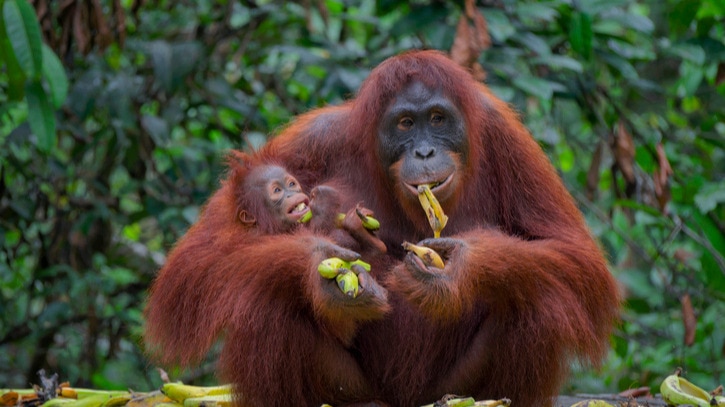
With Mother’s Day coming up in the U.S., what better way to celebrate than by spotlighting some of nature’s most devoted moms?
This fun, feel‑good 8‑video BBC playlist dives into the incredible bond between animal moms and their babies — and the wild ways they raise them. Watch puma cubs practice their hunting skills, a baby orangutan learn the ropes high in the treetops, humpback whale calves set off on their first epic journeys, and prairie dog pups turn playtime into survival training.
From feeding and protection to movement and life lessons, these clips show just how much it takes to grow up in the wild — and how moms make it all possible.
Featuring favorites like prairie dogs, orangutans, polar bears, and humpback whales, this playlist pulls from iconic BBC series like Animal Babies and Planet Earth.
Because mom love? It’s everywhere in the animal kingdom!
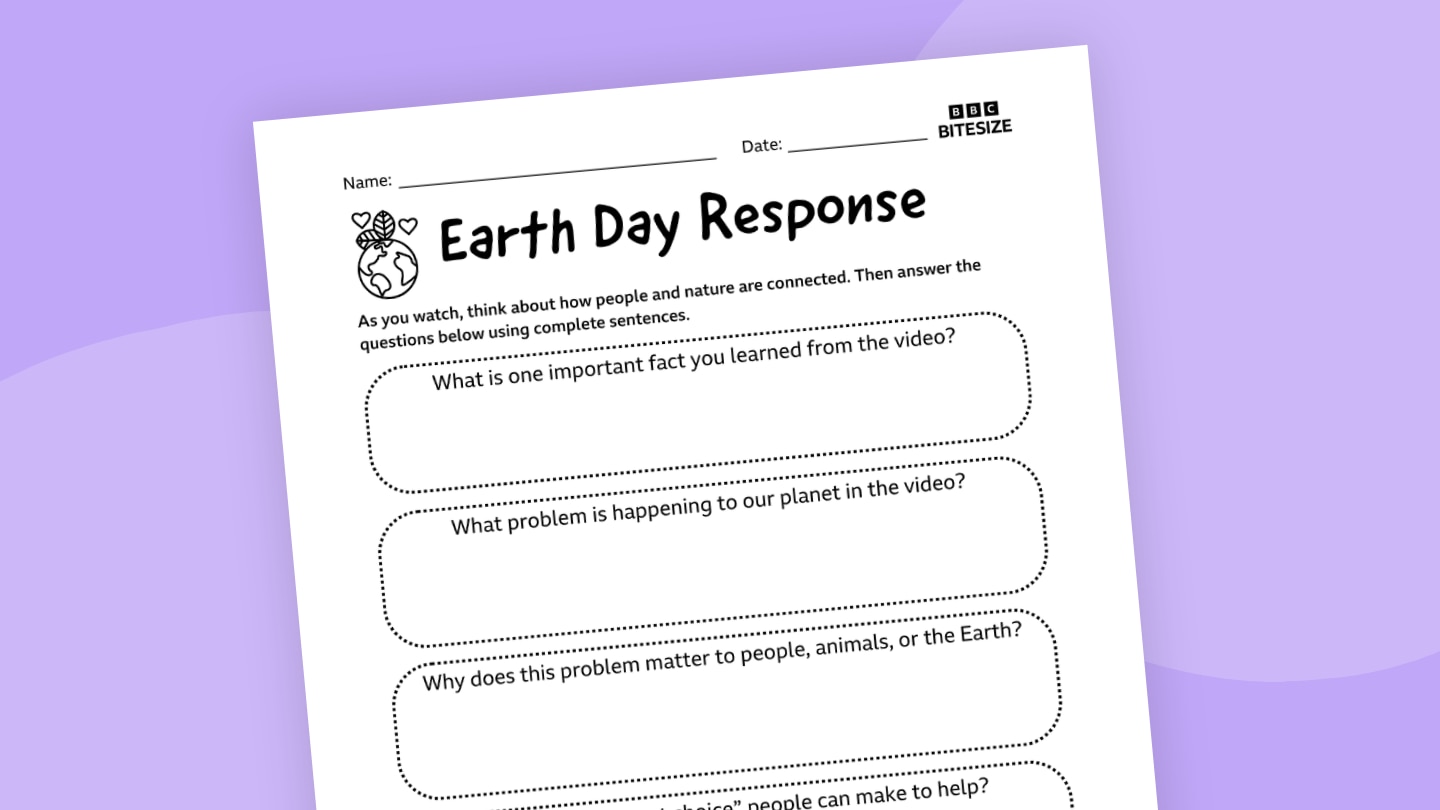
Earth Day is April 20, and we’re celebrating all month long with engaging activities — like our Earth Day video response worksheet! Start by choosing one of the incredible BBC videos from our Earth Day Collection, featuring topics like protecting our planet, innovative ideas for a better future, and inspiring conservation stories.
After watching, have your Grade 3–8 students complete the worksheet questions. You can also give students the option to choose their own video — either from the collection or another relevant clip in our extensive library — since the worksheet is designed to work with any selection.
It’s a simple, meaningful way to spark curiosity and help students connect with real-world environmental issues.

This Earth Day (or anytime this month), share this inspiring video playlist designed to spark curiosity and action in students ages 8–14. From incredible wildlife conservation stories to real-world environmental solutions, each clip invites students to explore the beauty of our planet — and the challenges it faces.
Get a closer look at how forests support life on Earth, discover innovative ideas like renewable energy, and meet the people working to protect endangered species and restore habitats. Along the way, students will see how small choices can make a big difference for our world.
Packed with powerful moments and meaningful learning, this playlist encourages students not just to learn about the Earth — but to think about how they can help protect it.

From towering trees to tiny mosses, plants are some of the most important living things on Earth. They make the oxygen we breathe, provide food for people and animals, and create the green spaces that make our planet beautiful. Whether they’re growing in forests, deserts, or even cracks in the sidewalk, plants are quietly hard at work every day.
From photosynthesis to the difference between seeds and spores, this is the perfect quiz to help students ages 8–14 "grow" their plant knowledge!
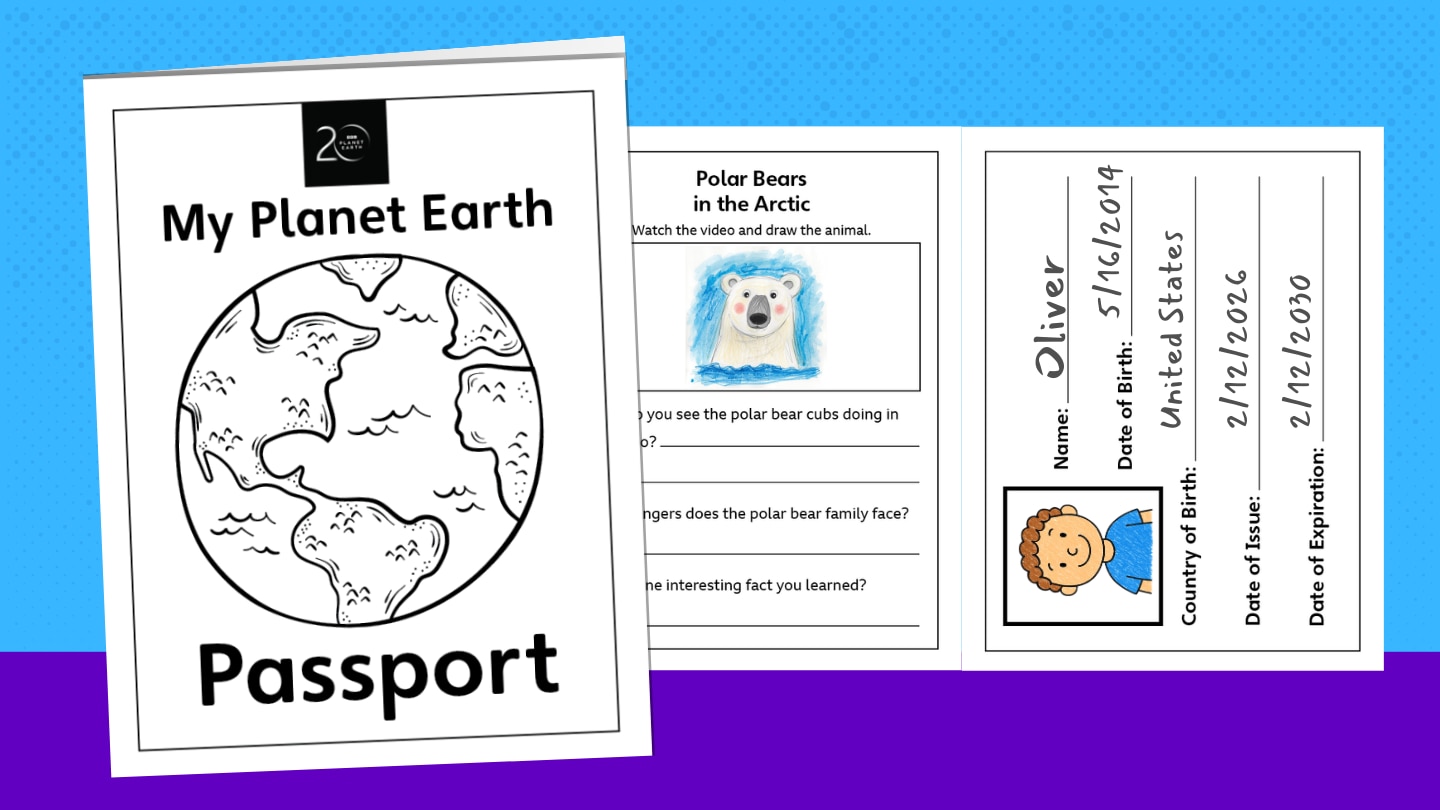
This Planet Earth Passport is your students' perfect guide (just right for ages 8–11) to exploring some of the most-watched videos clips from the iconic BBC series Planet Earth. And it's right in time for Earth Day on April 22!
You can take part by showing your class our playlist of eight amazing animal videos and using our passport as a companion. Students will follow the map to each location and answer questions at each stop. They'll explore:
- Polar Bears in Antarctica
- Bobcats in the Rocky Mountains
- Catfish in France
- Marine Iguanas in the Galápagos
- Cave Swiftlets in Borneo
- Mouse Lemurs in Madagascar
- Dolphins in Western Australia
- Emperor Penguins in Antarctica
To make copies of the passport, print on both sides flipped on the long edge. Make sure you collate and then cut them in half (there are two passports per set).
March 5, 2026, marks the 20th anniversary of premiere of BBC's Planet Earth (and it's just in time for Earth Day on April 22, too!). The breathtaking and award-winning documentary series, narrated by none other than Sir David Attenborough, highlights the natural wonders of our planet. In honor of this momentous occasion, we've put together some of the most popular clips from this beloved natural history show for students ages 8–14.
Get up close and personal with hydroplaning dolphins. Witness an iguana hatchling's terrifying race to survive, pursued by racer snakes. Watch the first steps of two polar bear cubs emerging from hibernation. More of the real-life magic of our blue marble awaits in this video playlist, part of our Planet Earth Collection. Grab your Planet Earth Passport and start exploring!
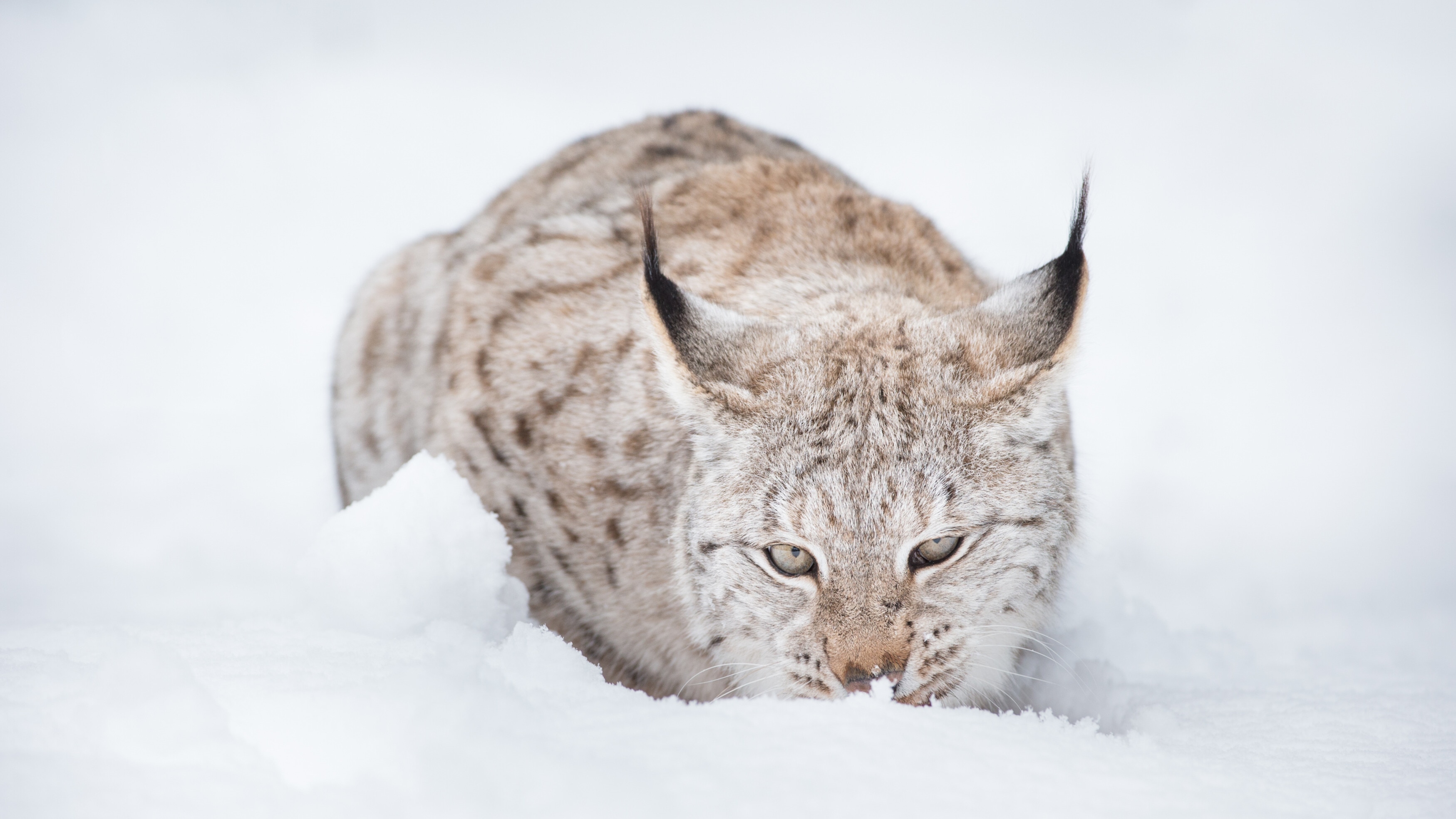
Brave the chill and meet the coolest creatures on Earth! This playlist of 11 frosty video clips from BBC landmark shows like Frozen Planet and Planet Earth explores how animals survive some of the coldest places on the planet. Students will learn about adaptations, seasonal behaviors, and the survival strategies that help bison, foxes, seals, grizzlies, snow monkeys, polar bears, lynx, and more thrive in freezing climates.
They’ll discover how winter weather shapes each animal’s daily life; how they find food, conserve energy, protect themselves from predators; and why these icy habitats play a vital role in Earth’s systems.
Meet the extreme survivors. Penguins, giraffes, golden snub-nosed monkeys, Namaqua chameleons — these animals have evolved remarkable ways to endure some of the harshest conditions on Earth. We've put together a collection of BBC video clips all about extreme survivors (see Related Resources below). Watch them, then take the Kahoot to see what stuck.
The adaptations are wide-ranging: penguins withstand sub-zero temperatures, giraffes manage naturally high blood pressure, snub-nosed monkeys huddle together to survive freezing nights, and Namaqua chameleons shift skin color to beat the heat of the day. Explore how these animals have adapted, body and behavior, to survive against the odds.
Chimpanzees are among the most intelligent animals on Earth — and they just happen to be our closest living relatives. Sharing about 95–98% of their DNA with humans, chimpanzees can use tools, solve problems, communicate with one another, and even pass knowledge from one generation to the next.
Found in the forests and woodlands of central and western Africa, chimpanzees live in complex social groups called troops. They spend their days searching for food, caring for their young, and navigating a world that is increasingly threatened by habitat loss and human activity.
From cracking nuts with stones to using sticks to fish for termites, chimpanzees continue to amaze scientists with their creativity and intelligence. But how much do you know about these remarkable primates?
Whether you're a wildlife enthusiast, an animal expert, or simply curious about our closest cousins in the animal kingdom, this quiz will put your chimpanzee knowledge to the test. Let's see if you have what it takes to become a Chimp Champion!
The UK wants to see more hedgehogs, and it’s not because hedgehogs are incredibly cute. Well, not just because of that. The UK’s hedgehog population is in dangerous decline, but part of the solution could be an AI tool called Tessera that uses satellite images to help build a map of hedgehog habitats.
Before Tessera can work its magic, it needs some input. Researchers need to find and learn hedgehogs’ preferred environments by identifying the habitat’s fingerprint. A fingerprint, in this case, is a pattern or collection of characteristics generally found in hedgehog habitats. Maybe your habitat fingerprint would include a freezer full of ice cream and trampoline floors! It has nothing to do with actual fingers, even though that would be a great excuse to spend all day looking at hedgehog paws.
Researchers do their field work in small areas, then input their findings into the software that can extrapolate, show where the other similar habitats are, and record changes over time. The project will hopefully help us learn about where hedgehogs live, how we can help them survive, and how we can set up our homes to comfortably accommodate a hedgehog houseguest.
Mars may be cold and barren, but it might have supported life! At least, that’s what scientists think, after finding rocks with some very interesting spots. These markings, nicknamed “leopard spots” and “poppyseeds,” are minerals that could have been made by Martian microbes, early in the planet’s history. They were discovered by the Perseverance Rover, which has been exploring Mars since its 2021 landing.
The rover has been focused on Mars’s Jezero Crater, which used to be a huge lake with a river running into it before drying up billions of years ago. Now, Perseverance collects samples to analyze in its onboard lab! Car Bluetooth is cool but c’mon, it’s no analysis lab…
These rocks aren’t exactly the video diary of an alien’s day in the life on Mars, but they could be the clearest sign of life ever found on Mars, which is thought to be one of the most promising places in our Solar System to look for life outside of Earth. The only way to confirm if the minerals were made by microbes is to get them back to Earth, so NASA and the European Space Agency have proposed a mission to collect them. It’ll be expensive, but this could be the answer to if there was life on other planets!
A total lunar eclipse happens when the Earth moves directly between the Sun and the Moon, blocking sunlight from reaching the Moon’s surface. During the eclipse, the Moon can appear dark red or copper-colored as sunlight bends through Earth’s atmosphere.
Even though the Moon travels around Earth about every 28 days, total lunar eclipses are rare. That’s because the Moon’s orbit is tilted slightly, so most months, the Moon passes a little above or below Earth’s shadow instead of through it. Only every six months or so are the Sun, Earth, and Moon lined up closely enough for a possible lunar eclipse.
Last September, millions of people around the world watched the rare event during organized watch parties and backyard gatherings. Astronomers encouraged people to bring blankets, snacks, and telescopes to enjoy the nighttime spectacle together. While cloudy skies blocked views in some places, observers across parts of Africa, Asia, the Middle East, and Australia were able to see the eclipse from beginning to end under clear skies.
With Mother’s Day coming up in the U.S., what better way to celebrate than by spotlighting some of nature’s most devoted moms?
This fun, feel‑good 8‑video BBC playlist dives into the incredible bond between animal moms and their babies — and the wild ways they raise them. Watch puma cubs practice their hunting skills, a baby orangutan learn the ropes high in the treetops, humpback whale calves set off on their first epic journeys, and prairie dog pups turn playtime into survival training.
From feeding and protection to movement and life lessons, these clips show just how much it takes to grow up in the wild — and how moms make it all possible.
Featuring favorites like prairie dogs, orangutans, polar bears, and humpback whales, this playlist pulls from iconic BBC series like Animal Babies and Planet Earth.
Because mom love? It’s everywhere in the animal kingdom!
Earth Day is April 20, and we’re celebrating all month long with engaging activities — like our Earth Day video response worksheet! Start by choosing one of the incredible BBC videos from our Earth Day Collection, featuring topics like protecting our planet, innovative ideas for a better future, and inspiring conservation stories.
After watching, have your Grade 3–8 students complete the worksheet questions. You can also give students the option to choose their own video — either from the collection or another relevant clip in our extensive library — since the worksheet is designed to work with any selection.
It’s a simple, meaningful way to spark curiosity and help students connect with real-world environmental issues.
This Earth Day (or anytime this month), share this inspiring video playlist designed to spark curiosity and action in students ages 8–14. From incredible wildlife conservation stories to real-world environmental solutions, each clip invites students to explore the beauty of our planet — and the challenges it faces.
Get a closer look at how forests support life on Earth, discover innovative ideas like renewable energy, and meet the people working to protect endangered species and restore habitats. Along the way, students will see how small choices can make a big difference for our world.
Packed with powerful moments and meaningful learning, this playlist encourages students not just to learn about the Earth — but to think about how they can help protect it.
From towering trees to tiny mosses, plants are some of the most important living things on Earth. They make the oxygen we breathe, provide food for people and animals, and create the green spaces that make our planet beautiful. Whether they’re growing in forests, deserts, or even cracks in the sidewalk, plants are quietly hard at work every day.
From photosynthesis to the difference between seeds and spores, this is the perfect quiz to help students ages 8–14 "grow" their plant knowledge!
This Planet Earth Passport is your students' perfect guide (just right for ages 8–11) to exploring some of the most-watched videos clips from the iconic BBC series Planet Earth. And it's right in time for Earth Day on April 22!
You can take part by showing your class our playlist of eight amazing animal videos and using our passport as a companion. Students will follow the map to each location and answer questions at each stop. They'll explore:
- Polar Bears in Antarctica
- Bobcats in the Rocky Mountains
- Catfish in France
- Marine Iguanas in the Galápagos
- Cave Swiftlets in Borneo
- Mouse Lemurs in Madagascar
- Dolphins in Western Australia
- Emperor Penguins in Antarctica
To make copies of the passport, print on both sides flipped on the long edge. Make sure you collate and then cut them in half (there are two passports per set).
March 5, 2026, marks the 20th anniversary of premiere of BBC's Planet Earth (and it's just in time for Earth Day on April 22, too!). The breathtaking and award-winning documentary series, narrated by none other than Sir David Attenborough, highlights the natural wonders of our planet. In honor of this momentous occasion, we've put together some of the most popular clips from this beloved natural history show for students ages 8–14.
Get up close and personal with hydroplaning dolphins. Witness an iguana hatchling's terrifying race to survive, pursued by racer snakes. Watch the first steps of two polar bear cubs emerging from hibernation. More of the real-life magic of our blue marble awaits in this video playlist, part of our Planet Earth Collection. Grab your Planet Earth Passport and start exploring!
Brave the chill and meet the coolest creatures on Earth! This playlist of 11 frosty video clips from BBC landmark shows like Frozen Planet and Planet Earth explores how animals survive some of the coldest places on the planet. Students will learn about adaptations, seasonal behaviors, and the survival strategies that help bison, foxes, seals, grizzlies, snow monkeys, polar bears, lynx, and more thrive in freezing climates.
They’ll discover how winter weather shapes each animal’s daily life; how they find food, conserve energy, protect themselves from predators; and why these icy habitats play a vital role in Earth’s systems.