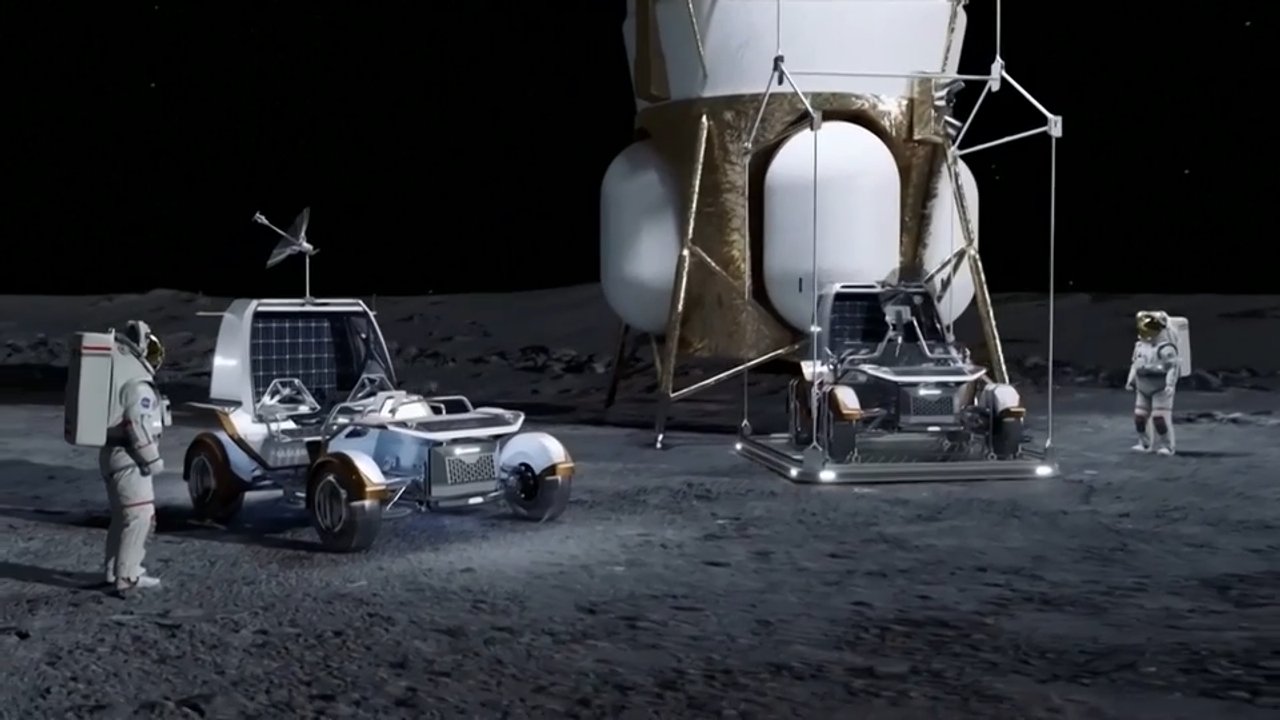
“Shoot for the Moon — if you miss, you’ll land among the stars,” won’t cut it for NASA, who says “Nah, Moon or bust.”
NASA’s got big plans, and their names are Moonbase 1, 2, and 3. They were too busy working on the science to put more into the names, okay? Moonbase 1 will be the first privately-funded lander to reach the lunar south pole, Moonbase 2 will deliver a record amount of equipment that would support astronauts at a lunar base, and Moonbase 3 will focus on gathering research and data.
But these are just glimpses of NASA’s lunar ambitions, namely to put a base on the Moon. It starts with sending dozens of rovers and lunar landers to scope out the perfect spot, followed by building small cabins for short missions, and then building larger structures sustained by nuclear power for the long term. That’s not until 2033, but NASA wants to send astronauts back to the lunar surface by 2028.
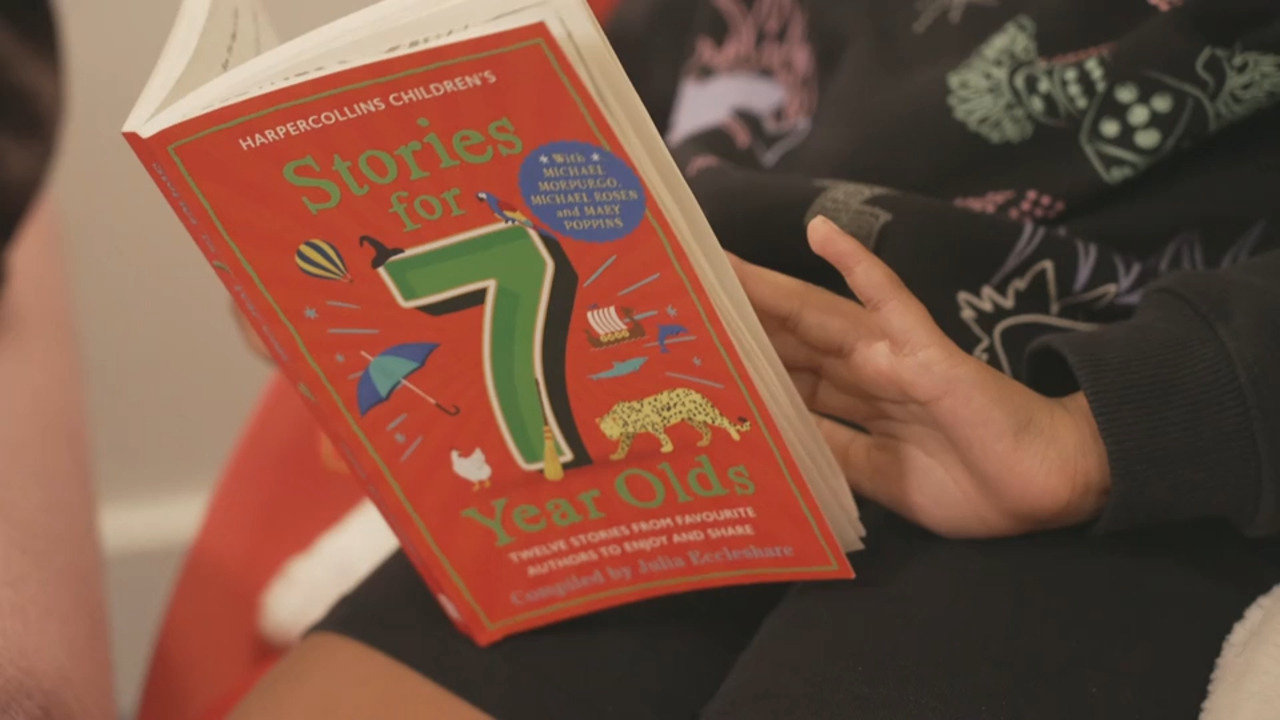
Feeling stressed? Try reading this out loud!
Researchers have found that reading together can help strengthen bonds and reduce stress. In a recent study, families were asked to read together while wearing a brain monitoring cap that tracks activity over time. The results suggested that moments of shared reading can sync brain patterns between two people, which then suggest that the experience of reading books together helps parents and children connect.
Furthermore, the importance of stories themselves can’t be ignored. Stories are how people explain the world and their lives to one another — the decisions you make and the person you become are partially influenced by the stories you’ve read or heard. The research is very new, but studies of this sort can help us understand why reading together builds empathy, focus, emotional well-being, and might support children’s development and encourage a lifelong love of reading. And not just because a good story might distract two siblings for long enough to stop flicking each other’s ears!
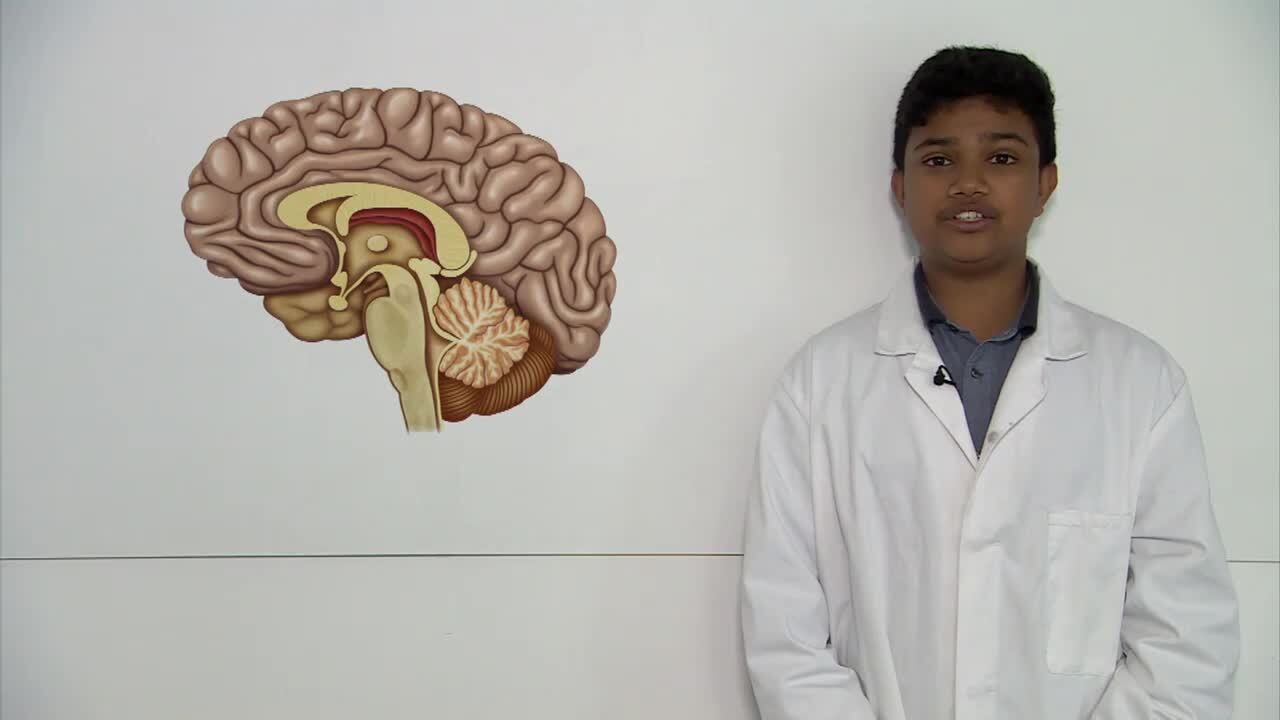
What if school started so early that your brain felt like it was the middle of the night? For a lot of teens, that’s actually what’s happening.
One school decided to take the science seriously. Researchers have found that during adolescence, your body clock shifts later — meaning you naturally fall asleep later and wake up later. So when teens are forced to get up at 7 a.m., it’s not just “early”… it’s the biological equivalent of an adult waking up at 4:30 a.m. Imagine trying to learn, focus, and take tests at that hour every single day.
Instead of ignoring this, the school changed its start time to better match how teenage brains actually work. The goal? Help students get enough sleep, feel more awake in class, and stop the cycle of constant exhaustion.
It raises a big question: if we know teens’ brains are wired this way, should more schools rethink their schedules too?

The article "Top 10 Heaviest Spacecraft Ever Launched" from BBC's Science Focus examines the most massive spacecraft to have flown in Earth's orbit and beyond.
“Shoot for the Moon — if you miss, you’ll land among the stars,” won’t cut it for NASA, who says “Nah, Moon or bust.”
NASA’s got big plans, and their names are Moonbase 1, 2, and 3. They were too busy working on the science to put more into the names, okay? Moonbase 1 will be the first privately-funded lander to reach the lunar south pole, Moonbase 2 will deliver a record amount of equipment that would support astronauts at a lunar base, and Moonbase 3 will focus on gathering research and data.
But these are just glimpses of NASA’s lunar ambitions, namely to put a base on the Moon. It starts with sending dozens of rovers and lunar landers to scope out the perfect spot, followed by building small cabins for short missions, and then building larger structures sustained by nuclear power for the long term. That’s not until 2033, but NASA wants to send astronauts back to the lunar surface by 2028.
Feeling stressed? Try reading this out loud!
Researchers have found that reading together can help strengthen bonds and reduce stress. In a recent study, families were asked to read together while wearing a brain monitoring cap that tracks activity over time. The results suggested that moments of shared reading can sync brain patterns between two people, which then suggest that the experience of reading books together helps parents and children connect.
Furthermore, the importance of stories themselves can’t be ignored. Stories are how people explain the world and their lives to one another — the decisions you make and the person you become are partially influenced by the stories you’ve read or heard. The research is very new, but studies of this sort can help us understand why reading together builds empathy, focus, emotional well-being, and might support children’s development and encourage a lifelong love of reading. And not just because a good story might distract two siblings for long enough to stop flicking each other’s ears!
What if school started so early that your brain felt like it was the middle of the night? For a lot of teens, that’s actually what’s happening.
One school decided to take the science seriously. Researchers have found that during adolescence, your body clock shifts later — meaning you naturally fall asleep later and wake up later. So when teens are forced to get up at 7 a.m., it’s not just “early”… it’s the biological equivalent of an adult waking up at 4:30 a.m. Imagine trying to learn, focus, and take tests at that hour every single day.
Instead of ignoring this, the school changed its start time to better match how teenage brains actually work. The goal? Help students get enough sleep, feel more awake in class, and stop the cycle of constant exhaustion.
It raises a big question: if we know teens’ brains are wired this way, should more schools rethink their schedules too?
The article "Top 10 Heaviest Spacecraft Ever Launched" from BBC's Science Focus examines the most massive spacecraft to have flown in Earth's orbit and beyond.