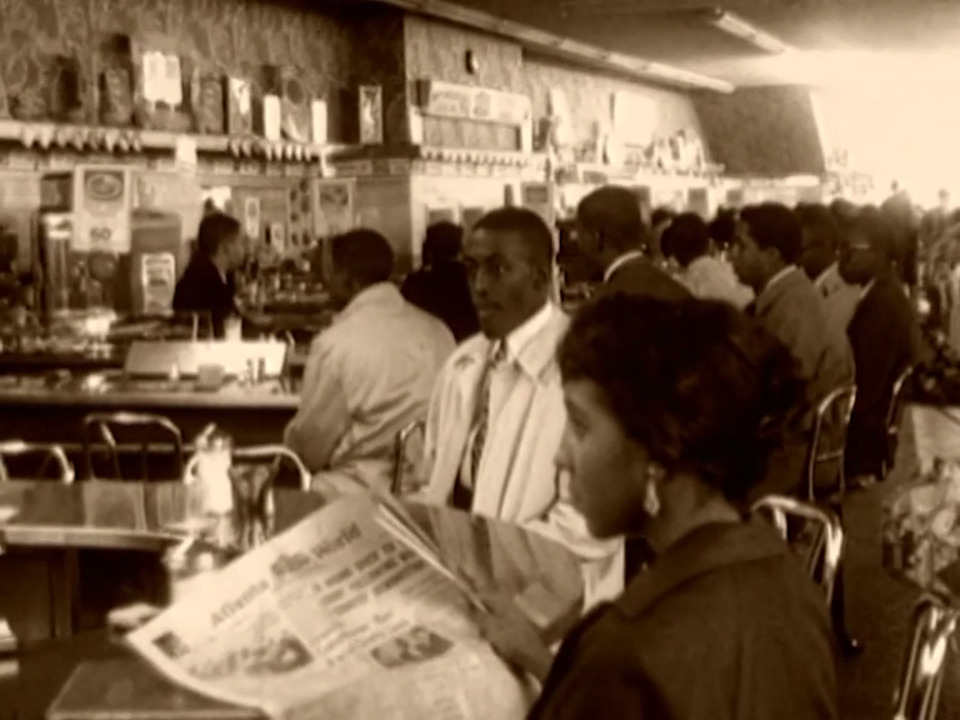
In Martin Luther King Jr. and the Atlanta Sit-Ins, students learn how Dr. Martin Luther King Jr. supported non-violent sit-ins at lunch counters in Atlanta as part of the larger fight for civil rights. These peaceful protests challenged segregation and helped draw national attention to unfair laws and practices in the United States.
The video also shows that Dr. King’s work was not without criticism and controversy, helping students understand that social change is often complex and challenging. Excerpted from BBC’s Reputations: Martin Luther King - Days of Hope, this clip offers a thoughtful look at Dr. King’s leadership, values, and commitment to non-violent protest, while revealing the personal and public pressures he faced.
This short video is well suited for classroom use as an introduction to the Civil Rights Movement, a deeper look at peaceful protest, or a discussion starter about standing up for justice even when faced with opposition. Teachers can use it to support lessons around Martin Luther King Jr. Day, civic action, and the role of protest in a democracy.
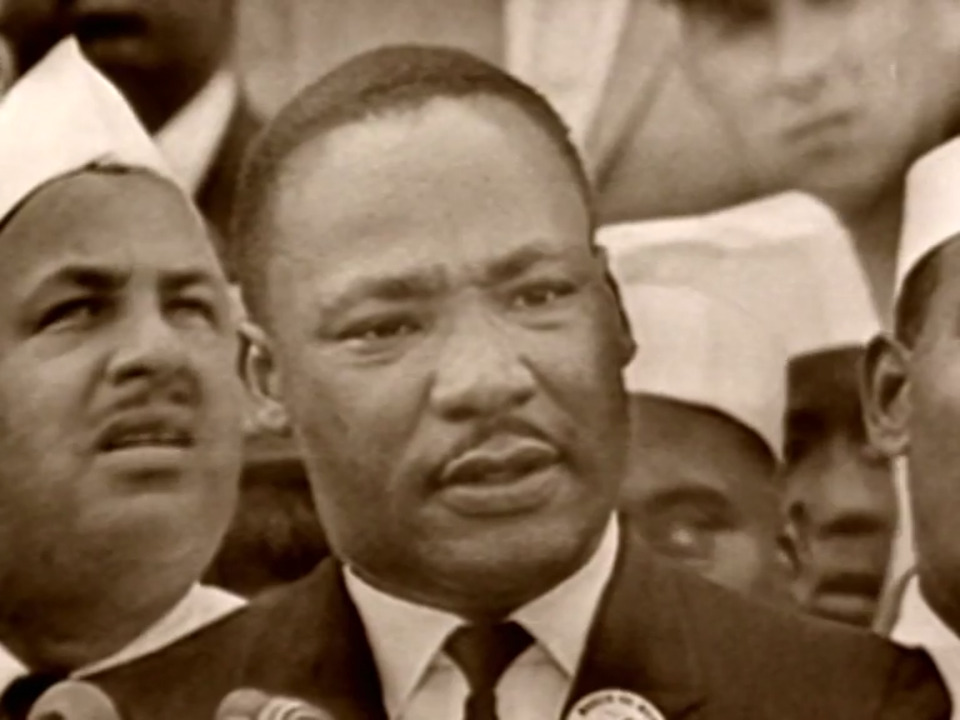
In Martin Luther King Jr. and the March on Washington, we learn about the historic 1963 March on Washington, when hundreds of thousands of people gathered in Washington, D.C. to demand civil rights and equality. At the center of the event is Dr. Martin Luther King Jr., who delivers the “I Have a Dream” speech — one of the most famous and important speeches in American history.
This video is a meaningful way to honor Martin Luther King Jr. Day or to help students understand the role of peaceful protest in a democracy. Excerpted from BBC’s Reputations: Martin Luther King – Days of Hope, it highlights Dr. King’s leadership, his commitment to nonviolent protest, and the lasting impact of the Civil Rights Movement.
In Martin Luther King Jr. and the Atlanta Sit-Ins, students learn how Dr. Martin Luther King Jr. supported non-violent sit-ins at lunch counters in Atlanta as part of the larger fight for civil rights. These peaceful protests challenged segregation and helped draw national attention to unfair laws and practices in the United States.
The video also shows that Dr. King’s work was not without criticism and controversy, helping students understand that social change is often complex and challenging. Excerpted from BBC’s Reputations: Martin Luther King - Days of Hope, this clip offers a thoughtful look at Dr. King’s leadership, values, and commitment to non-violent protest, while revealing the personal and public pressures he faced.
This short video is well suited for classroom use as an introduction to the Civil Rights Movement, a deeper look at peaceful protest, or a discussion starter about standing up for justice even when faced with opposition. Teachers can use it to support lessons around Martin Luther King Jr. Day, civic action, and the role of protest in a democracy.
In Martin Luther King Jr. and the March on Washington, we learn about the historic 1963 March on Washington, when hundreds of thousands of people gathered in Washington, D.C. to demand civil rights and equality. At the center of the event is Dr. Martin Luther King Jr., who delivers the “I Have a Dream” speech — one of the most famous and important speeches in American history.
This video is a meaningful way to honor Martin Luther King Jr. Day or to help students understand the role of peaceful protest in a democracy. Excerpted from BBC’s Reputations: Martin Luther King – Days of Hope, it highlights Dr. King’s leadership, his commitment to nonviolent protest, and the lasting impact of the Civil Rights Movement.