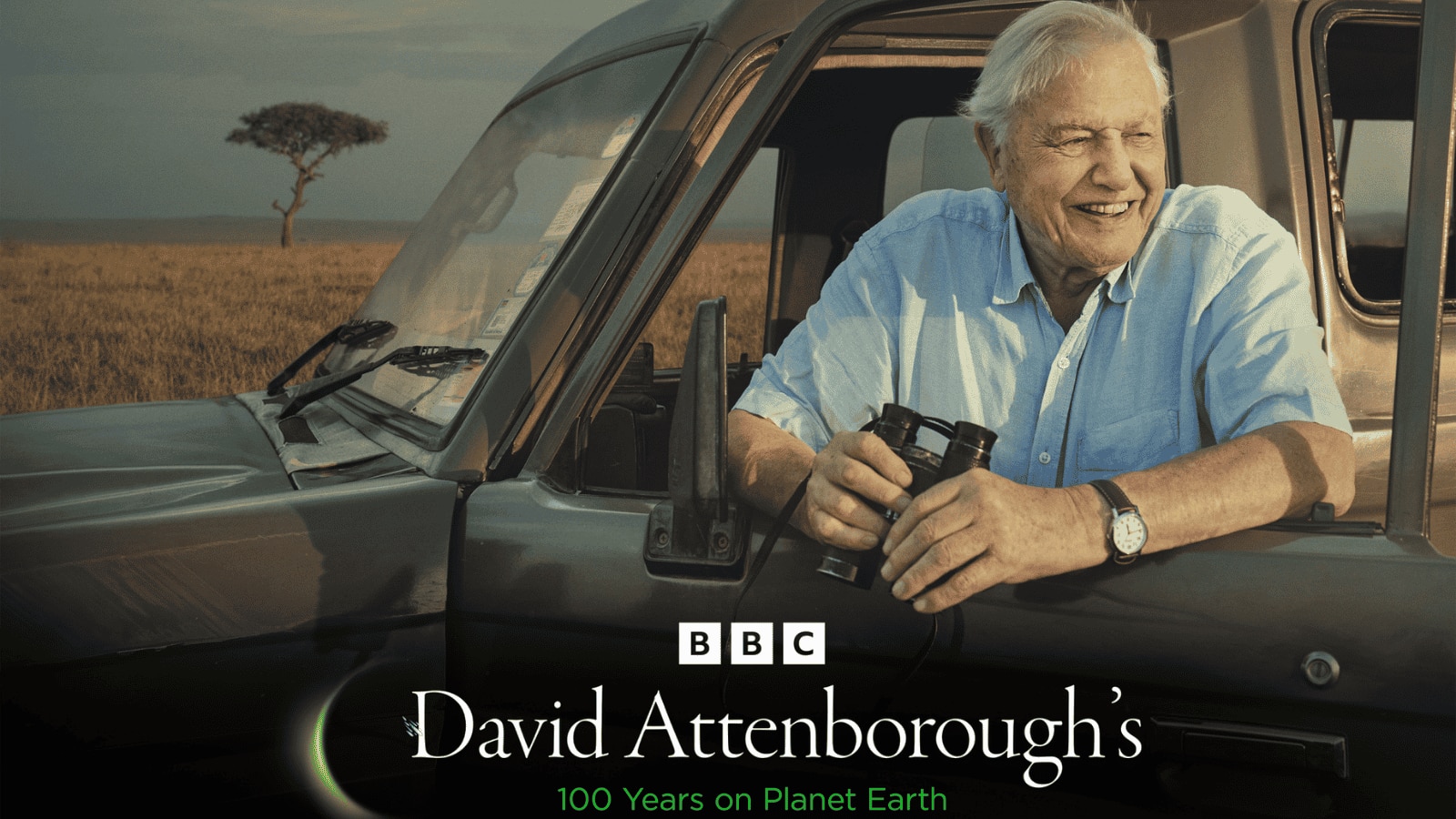
Celebrate the incredible work of Sir David Attenborough — a storyteller who has helped millions of students and viewers explore the natural world. On the occasion of his 100th birthday on May 8, 2026, we honor his enormous accomplishments in the field of environmental advocacy and his role in revolutionizing nature documentaries.
This playlist brings together 10 unforgettable clips from landmark BBC series like Planet Earth, Blue Planet, and Frozen Planet. Each video showcases amazing wildlife, powerful storytelling, and moments that spark curiosity and wonder.
Perfect for the classroom or at home, these videos help students connect with nature, understand our planet, and feel inspired to protect it.

The article "Secrets of Metamorphosis: Why Some Animals Transform" from BBC's Discover Wildlife explains why certain animals undergo dramatic changes while others retain the same form throughout life. Evolutionary biologist JV Chamary explores the biological and ecological advantages of metamorphosis.

The article "Creating a Butterfly-Friendly Garden: Essential Caterpillar Food Plants" from BBC's Discover Wildlife explains how growing specific plants in your garden can help support butterfly populations. By planting food plants like nettles for peacock and small tortoiseshell butterflies, and cuckoo flower for orange-tips, you can encourage caterpillars to thrive and ensure butterflies have a safe space to lay eggs and feed.
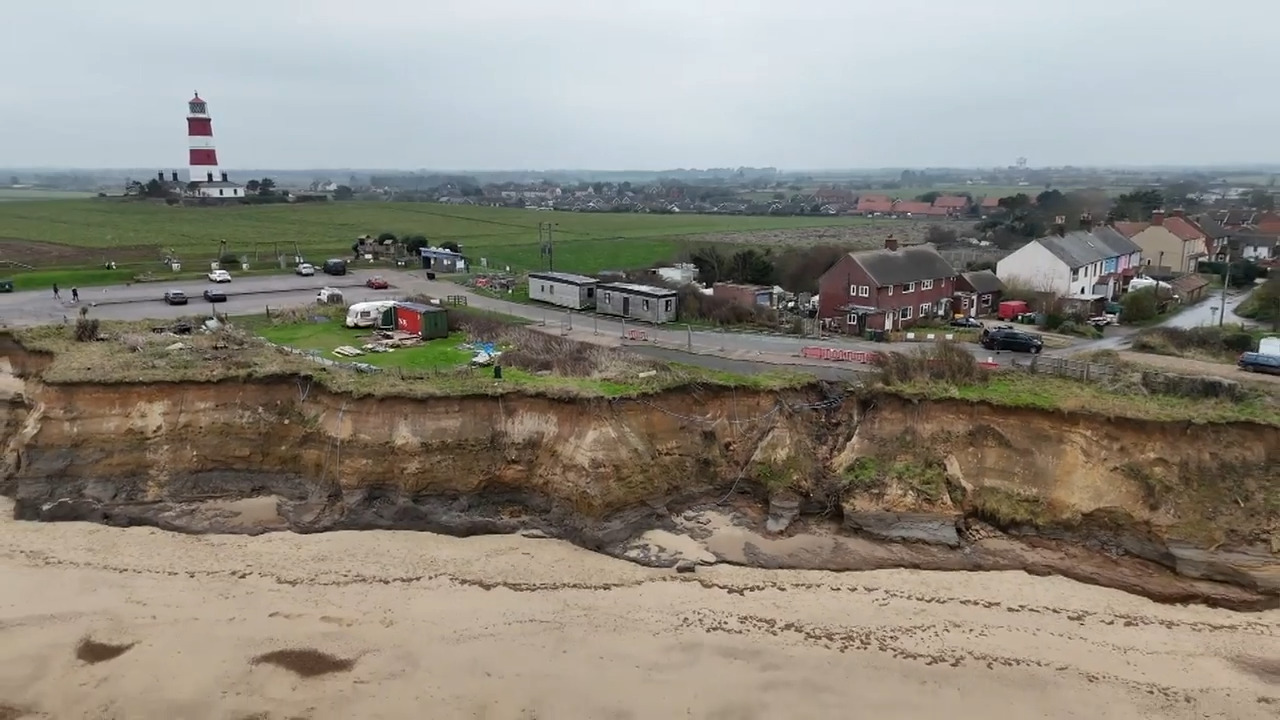
One woman recounts how she lost her first home due to coastal erosion, and is now watching her second home get dangerously close to the ocean. In just one week, as much as 32 feet (10 meters) of land are lost to the sea. This video is excerpted from BBC News.
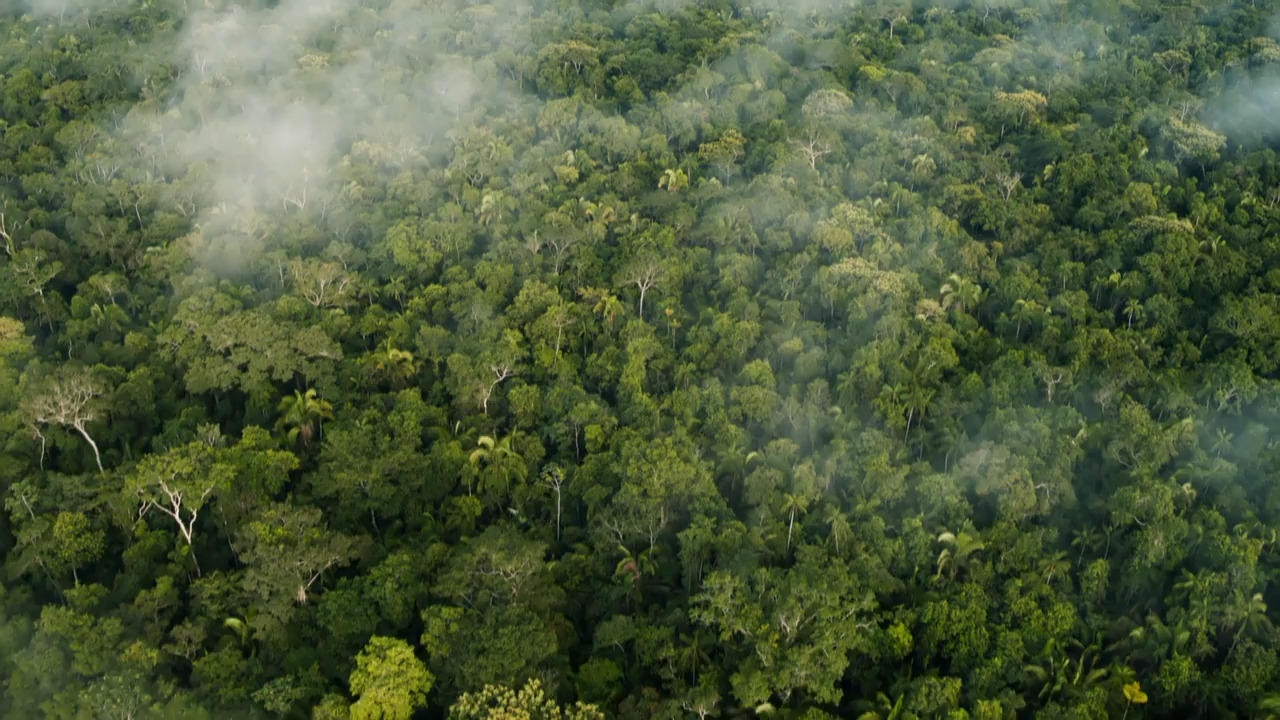
In The Amazon Rainforest and Human Destruction, look at satellite images that show how forests across South America are being replaced by farms at a rapid pace. Over two million species of plants and animals live in the Amazon rainforest and many are endangered. This video is excerpted from BBC’s Seven Worlds, One Planet, a series featuring remarkable animal behavior from all seven continents.
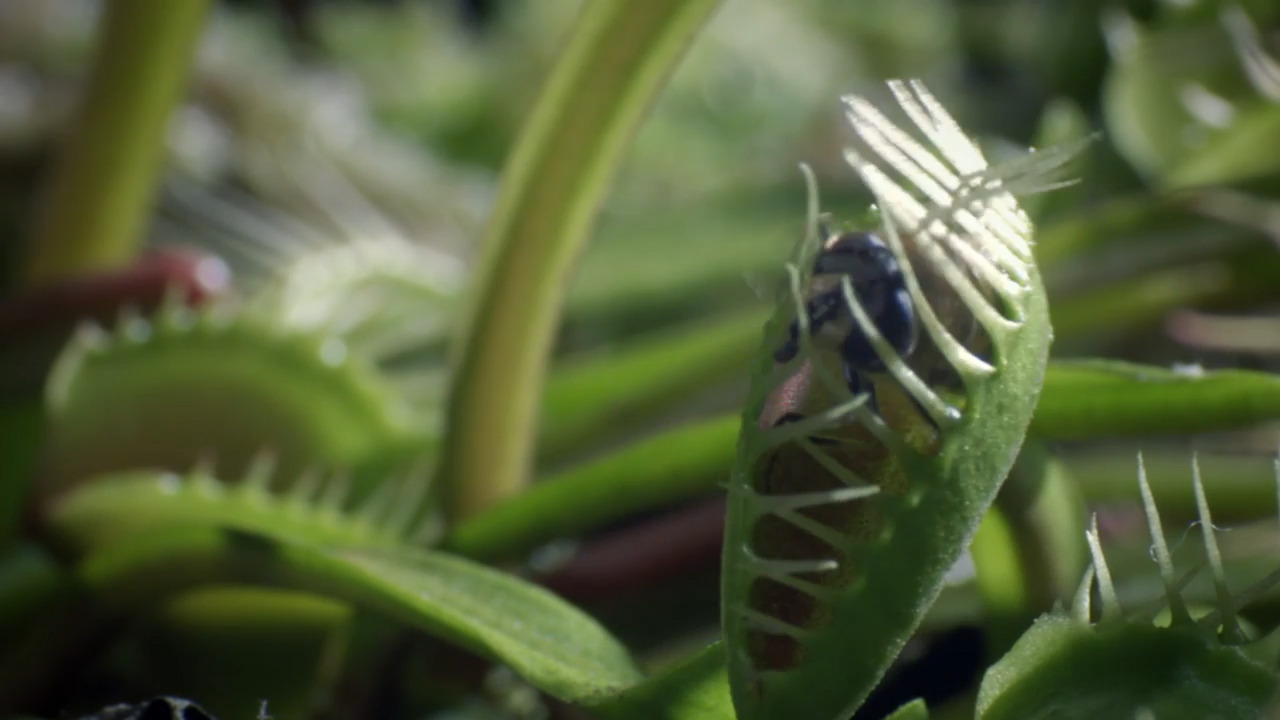
In A Trap in Bloom: The Venus Flytrap’s Double Life, narrator Sir David Attenborough introduces the Venus flytrap, a carnivorous plant that attracts insects with sweet nectar on its leaves. When an insect triggers the hairs on the trap, it snaps shut. After a few days it reopens, leaving only the insect’s dry remains. However, Venus flytraps also need to pollinate, so it grows tall flowers away from its traps, allowing insects to safely feed on nectar and spread pollen, ensuring the plant can reproduce. This video is excerpted from BBC's Life, a show that explores the remarkable strategies animals and plants use to ensure their survival.
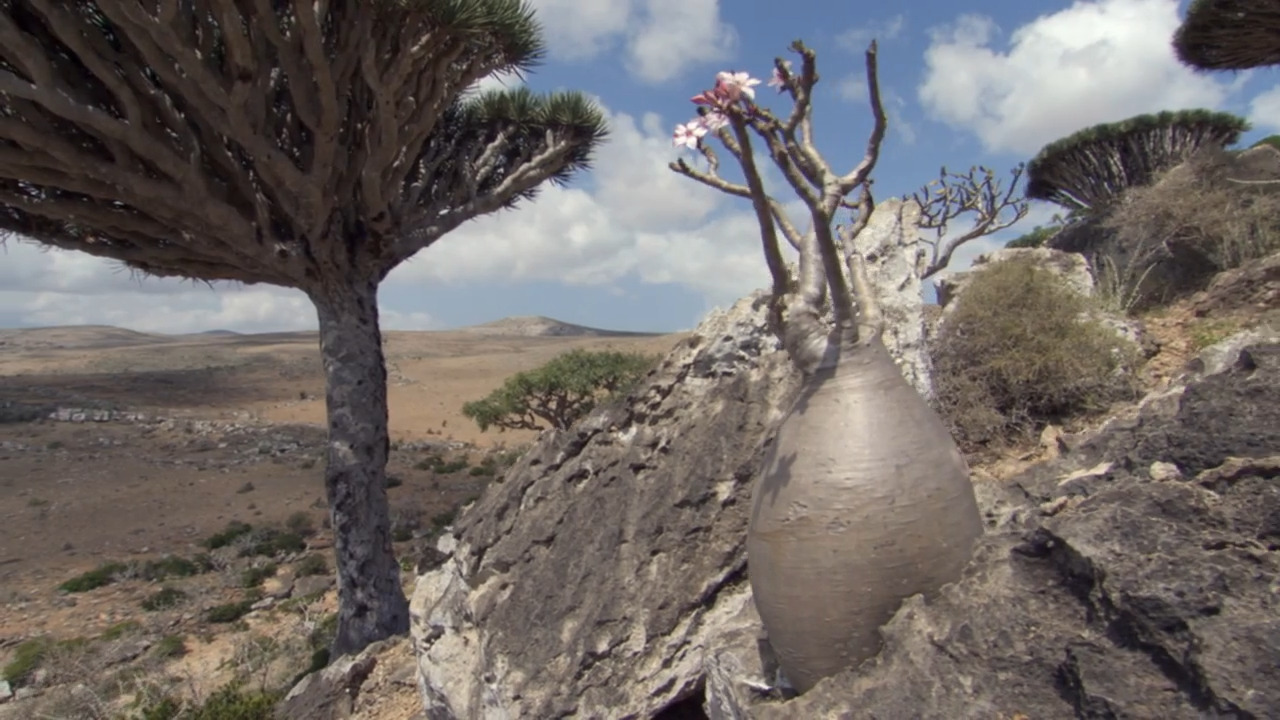
In How Plants Thrive in Extreme Conditions, narrator Sir David Attenborough describes plants that thrive in some of the harshest places on Earth. The dragon’s blood tree in Socotra uses its unique shape to catch the morning mist and water its roots, while the desert rose stores water in its thick trunk and grows right out of bare rock. Meanwhile, the red mangrove tree survives salty water by filtering out most of the salt through pores, showing how nature helps plants adapt to tough environments! This video is excerpted from BBC’s Life, a show that explores the remarkable strategies animals and plants use to ensure their survival.
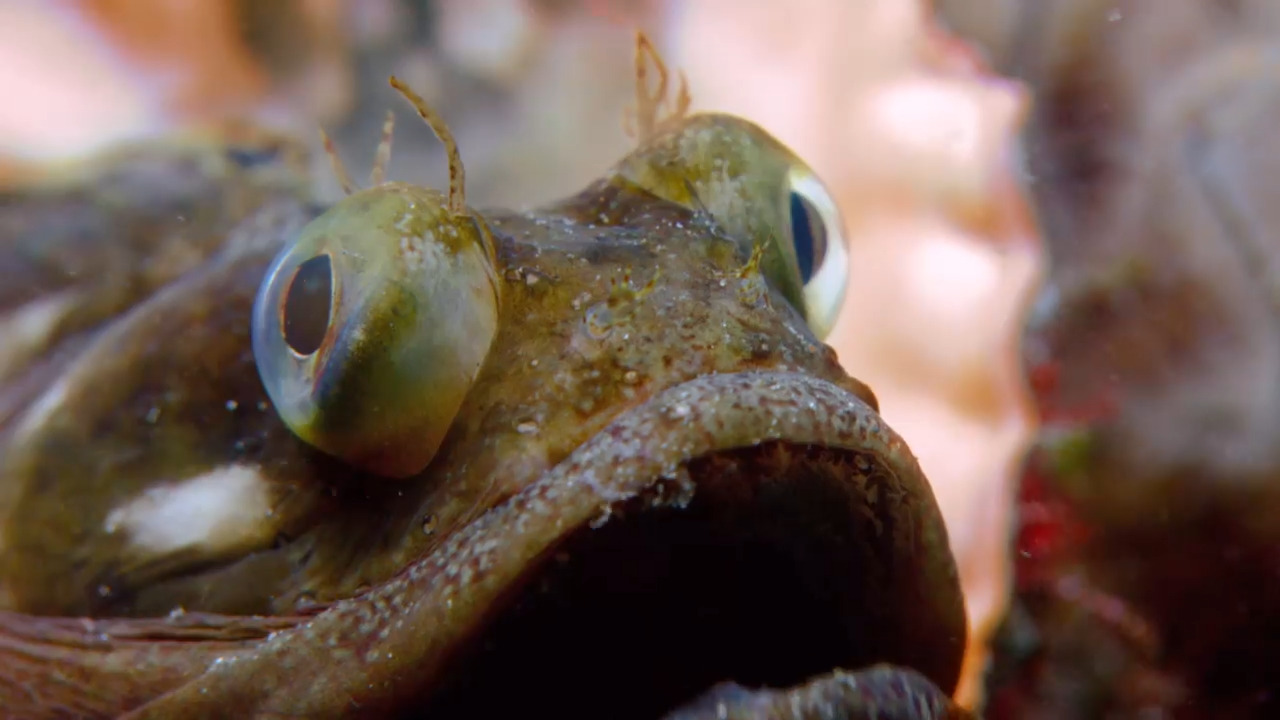
In The Sarcastic Fringehead's Turf War, narrator Sir David Attenborough discovers the sarcastic fringehead fish, known for its temper and fierce competition for food and shelter. Watch one fish defend its prized shell from an octopus that enters its territory. But the battle doesn’t stop there — fringeheads also fight each other to protect their space and food, proving just how tough life can be under the sea! This video is excerpted from BBC's Life, a show that explores the remarkable strategies animals and plants use to ensure their survival.
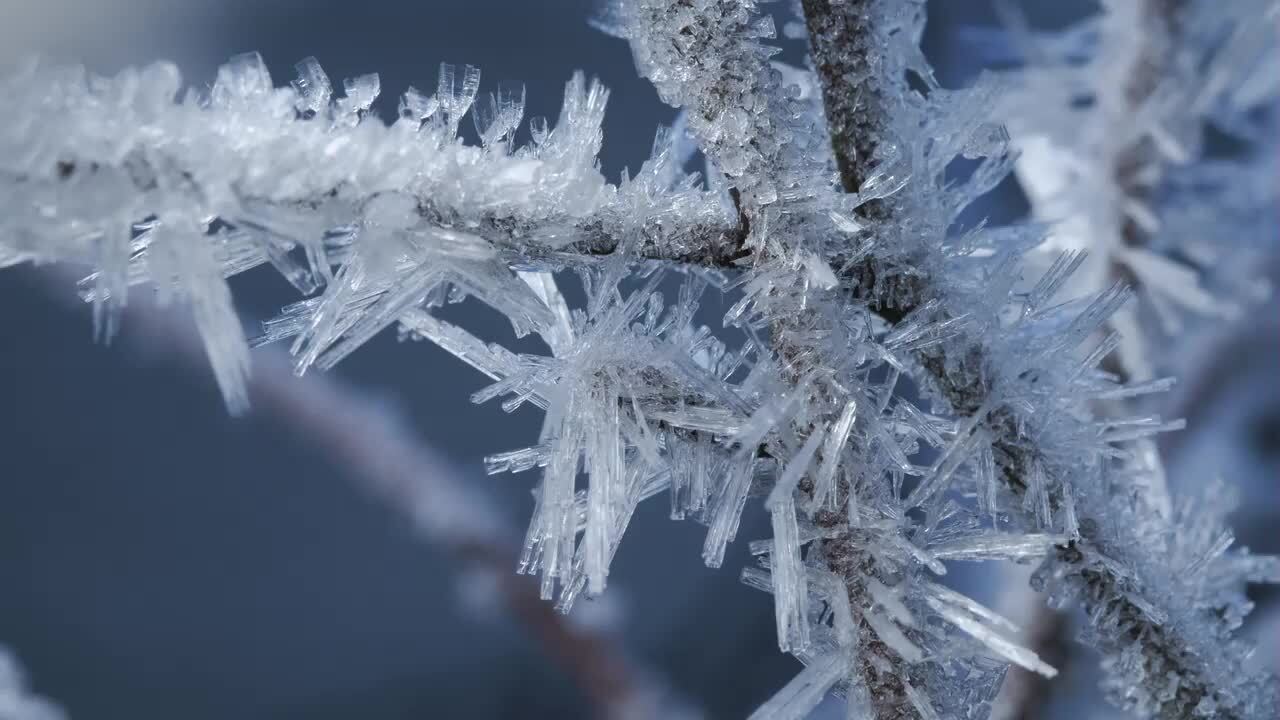
In Frost on the Taiga, narrator Sir David Attenborough explains how frost forms on trees, branches, and leaves. But with each new ice crystal, more leaves die. The exception: coniferous trees, a type of tree that makes up the massive taiga biome. This video is excerpted from BBC’s Frozen Planet, a series that shows a fragile world of beauty and hostility, where nature finds a way to survive and thrive in frigid conditions.
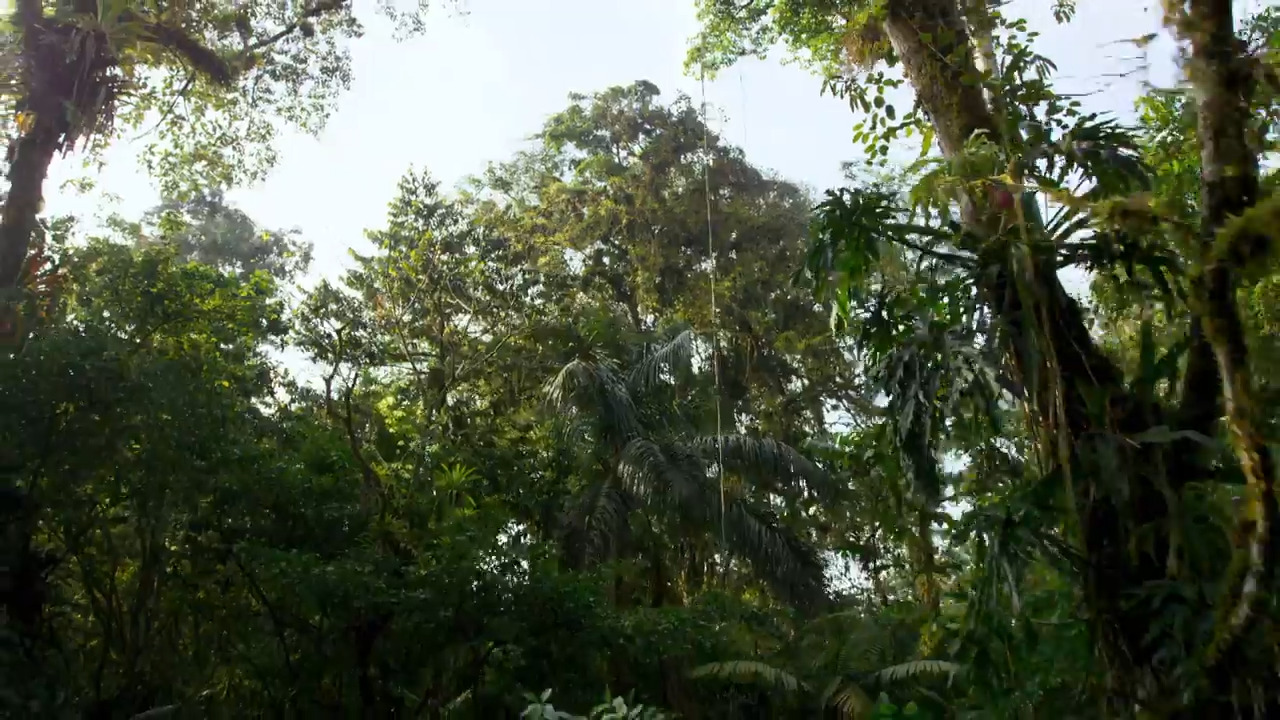
In A Battle for Sunlight in the Jungle, narrator Sir David Attenborough presents the fierce competition for sunlight amongst jungle plants and how the 300-year-old Hura tree has thrived, supporting a diverse range of wildlife. This video is excerpted from BBC’s Planet Earth II, a breathtaking documentary series that highlights the natural wonders of our planet.
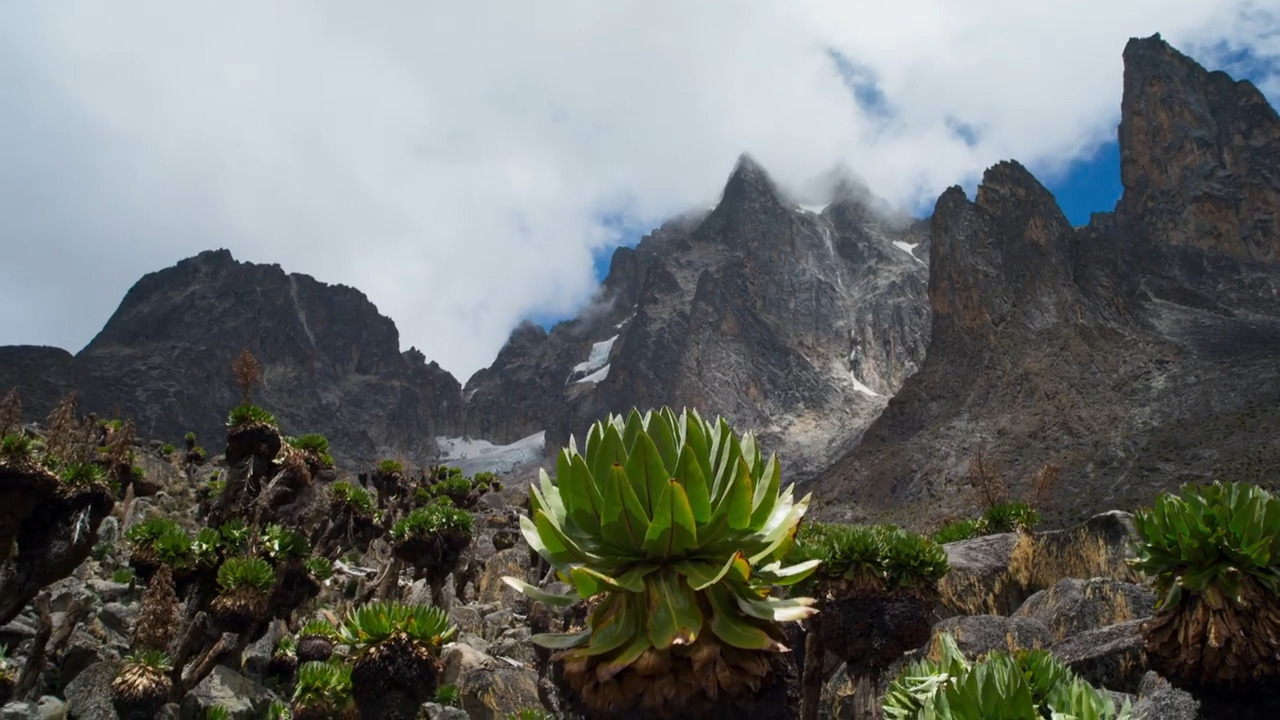
In Snow on Mount Kenya, narrator Sir David Attenborough explores the remarkable adaptations of plants that survive the dramatic daily temperature swings on Mount Kenya, near the equator. Despite the tropical location, snow and freezing temperatures challenge life in this alpine environment. This video is excerpted from BBC’s Planet Earth II, a breathtaking documentary series that highlights the natural wonders of our planet.
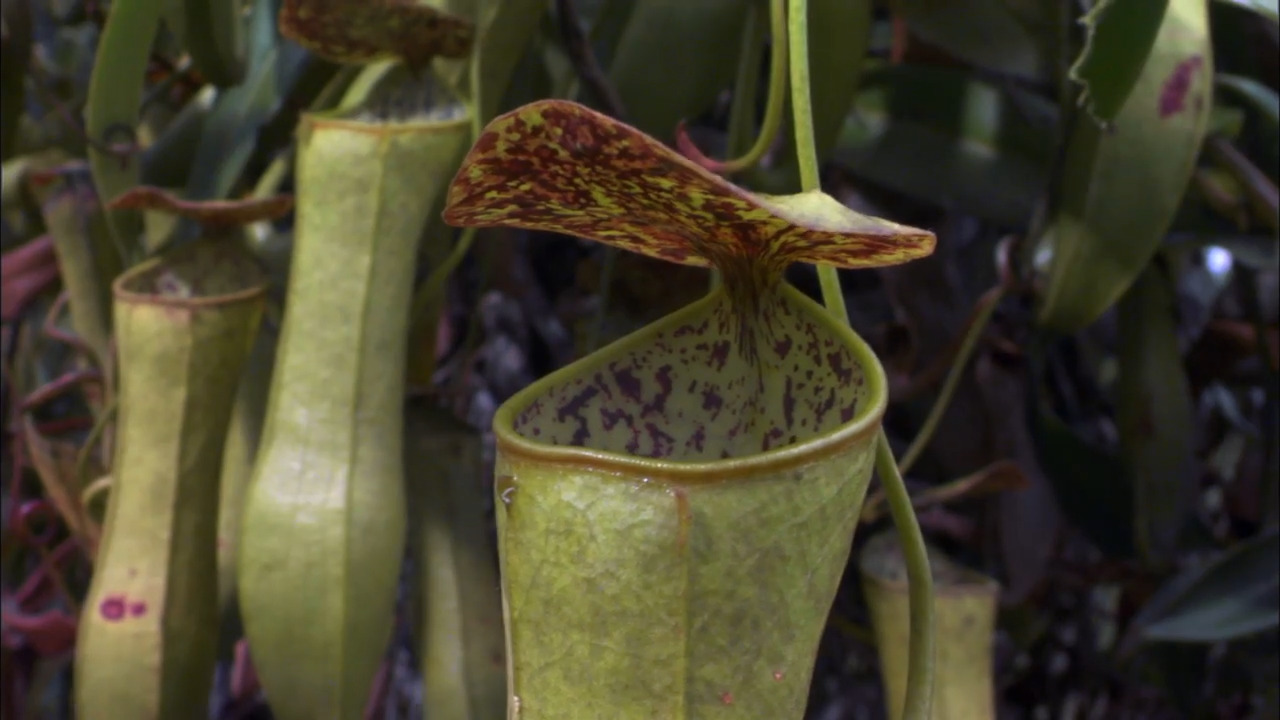
In Meet the Pitcher Plant, narrator Sir David Attenborough explores the pitcher plant. The pitcher plant gets most of its nutrients from insects, which it traps using its waxy sides to prevent insects from escaping. Learn how the red crab spider spends its entire life inside pitcher plants, and can dive down to the bottom of the pitcher by creating a bubble of air around itself. This video is excerpted from BBC's Planet Earth, a breathtaking documentary series that highlights the natural wonders of our planet.
Celebrate the incredible work of Sir David Attenborough — a storyteller who has helped millions of students and viewers explore the natural world. On the occasion of his 100th birthday on May 8, 2026, we honor his enormous accomplishments in the field of environmental advocacy and his role in revolutionizing nature documentaries.
This playlist brings together 10 unforgettable clips from landmark BBC series like Planet Earth, Blue Planet, and Frozen Planet. Each video showcases amazing wildlife, powerful storytelling, and moments that spark curiosity and wonder.
Perfect for the classroom or at home, these videos help students connect with nature, understand our planet, and feel inspired to protect it.
The article "Secrets of Metamorphosis: Why Some Animals Transform" from BBC's Discover Wildlife explains why certain animals undergo dramatic changes while others retain the same form throughout life. Evolutionary biologist JV Chamary explores the biological and ecological advantages of metamorphosis.
The article "Creating a Butterfly-Friendly Garden: Essential Caterpillar Food Plants" from BBC's Discover Wildlife explains how growing specific plants in your garden can help support butterfly populations. By planting food plants like nettles for peacock and small tortoiseshell butterflies, and cuckoo flower for orange-tips, you can encourage caterpillars to thrive and ensure butterflies have a safe space to lay eggs and feed.
One woman recounts how she lost her first home due to coastal erosion, and is now watching her second home get dangerously close to the ocean. In just one week, as much as 32 feet (10 meters) of land are lost to the sea. This video is excerpted from BBC News.
In The Amazon Rainforest and Human Destruction, look at satellite images that show how forests across South America are being replaced by farms at a rapid pace. Over two million species of plants and animals live in the Amazon rainforest and many are endangered. This video is excerpted from BBC’s Seven Worlds, One Planet, a series featuring remarkable animal behavior from all seven continents.
In A Trap in Bloom: The Venus Flytrap’s Double Life, narrator Sir David Attenborough introduces the Venus flytrap, a carnivorous plant that attracts insects with sweet nectar on its leaves. When an insect triggers the hairs on the trap, it snaps shut. After a few days it reopens, leaving only the insect’s dry remains. However, Venus flytraps also need to pollinate, so it grows tall flowers away from its traps, allowing insects to safely feed on nectar and spread pollen, ensuring the plant can reproduce. This video is excerpted from BBC's Life, a show that explores the remarkable strategies animals and plants use to ensure their survival.
In How Plants Thrive in Extreme Conditions, narrator Sir David Attenborough describes plants that thrive in some of the harshest places on Earth. The dragon’s blood tree in Socotra uses its unique shape to catch the morning mist and water its roots, while the desert rose stores water in its thick trunk and grows right out of bare rock. Meanwhile, the red mangrove tree survives salty water by filtering out most of the salt through pores, showing how nature helps plants adapt to tough environments! This video is excerpted from BBC’s Life, a show that explores the remarkable strategies animals and plants use to ensure their survival.
In The Sarcastic Fringehead's Turf War, narrator Sir David Attenborough discovers the sarcastic fringehead fish, known for its temper and fierce competition for food and shelter. Watch one fish defend its prized shell from an octopus that enters its territory. But the battle doesn’t stop there — fringeheads also fight each other to protect their space and food, proving just how tough life can be under the sea! This video is excerpted from BBC's Life, a show that explores the remarkable strategies animals and plants use to ensure their survival.
In Frost on the Taiga, narrator Sir David Attenborough explains how frost forms on trees, branches, and leaves. But with each new ice crystal, more leaves die. The exception: coniferous trees, a type of tree that makes up the massive taiga biome. This video is excerpted from BBC’s Frozen Planet, a series that shows a fragile world of beauty and hostility, where nature finds a way to survive and thrive in frigid conditions.
In A Battle for Sunlight in the Jungle, narrator Sir David Attenborough presents the fierce competition for sunlight amongst jungle plants and how the 300-year-old Hura tree has thrived, supporting a diverse range of wildlife. This video is excerpted from BBC’s Planet Earth II, a breathtaking documentary series that highlights the natural wonders of our planet.
In Snow on Mount Kenya, narrator Sir David Attenborough explores the remarkable adaptations of plants that survive the dramatic daily temperature swings on Mount Kenya, near the equator. Despite the tropical location, snow and freezing temperatures challenge life in this alpine environment. This video is excerpted from BBC’s Planet Earth II, a breathtaking documentary series that highlights the natural wonders of our planet.
In Meet the Pitcher Plant, narrator Sir David Attenborough explores the pitcher plant. The pitcher plant gets most of its nutrients from insects, which it traps using its waxy sides to prevent insects from escaping. Learn how the red crab spider spends its entire life inside pitcher plants, and can dive down to the bottom of the pitcher by creating a bubble of air around itself. This video is excerpted from BBC's Planet Earth, a breathtaking documentary series that highlights the natural wonders of our planet.