Obama’s Presidential Victory
In Obama’s Presidential Victory, journalist Clive Myrie shows Barack Obama’s presidential victory as a historic turning point and the passing of a long-fought baton to a new generation of leadership. Drawing on voices from advisors, supporters, and Rhea McCauley, the niece of Rosa Parks, the video explores themes of dignity, perseverance, hope, and the belief that progress is possible when people reject cynicism and act together. This video is excerpted from BBC’s Obama: His Story, which traces Obama’s extraordinary journey to the presidency and its meaning within the broader African American freedom struggle.
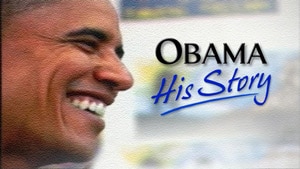
Clive Myrie traces the life story of America's first Black president, from his childhood in Hawaii to becoming the world's most powerful man. Learn more.
Lesson Express
Q: Why was Barack Obama’s election described as the passing of a baton rather than a single achievement?
A: His election represented the continuation of generations of struggle and sacrifice, showing that progress is built over time through the efforts of many people rather than one individual.
Q: How does the phrase “Yes We Can” reflect the message Obama wanted to send to the American people?
A: The phrase emphasizes collective action and shared responsibility, encouraging people to believe in their ability to create change together rather than giving in to cynicism.
Q: Why is Obama’s victory especially significant in the context of African American voting rights history?
A: Within just five decades of gaining full voting rights, African Americans helped elect a Black president, demonstrating how quickly historic change can occur when access to democracy is protected.
More Like This
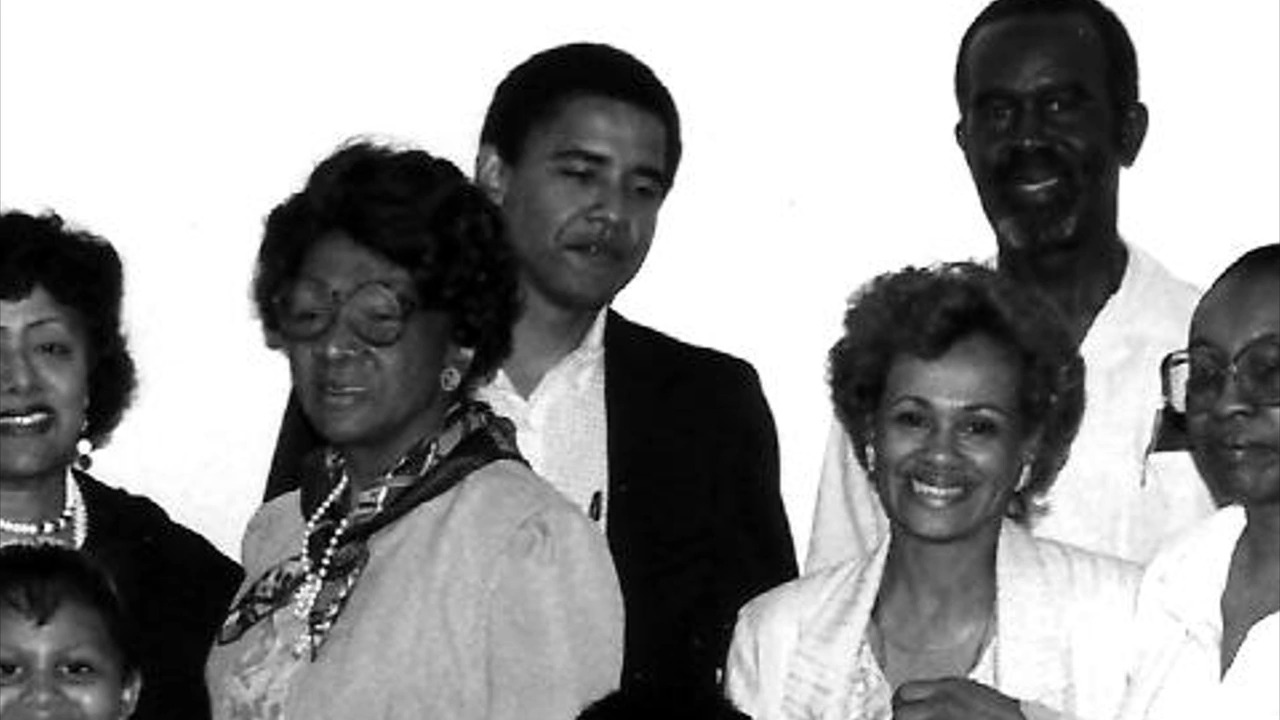
In Obama’s Political Beginnings, historian Simon Schama explains how before Barack Obama was president, he worked to organize laid off factory workers in the South Side of Chicago. As a community organizer, Obama learned how to build alliances and the importance of being at the table. This video is excerpted from BBC’s Obama’s America, in which Simon Schama examines the challenges faced by Barack Obama on the world stage and at home.
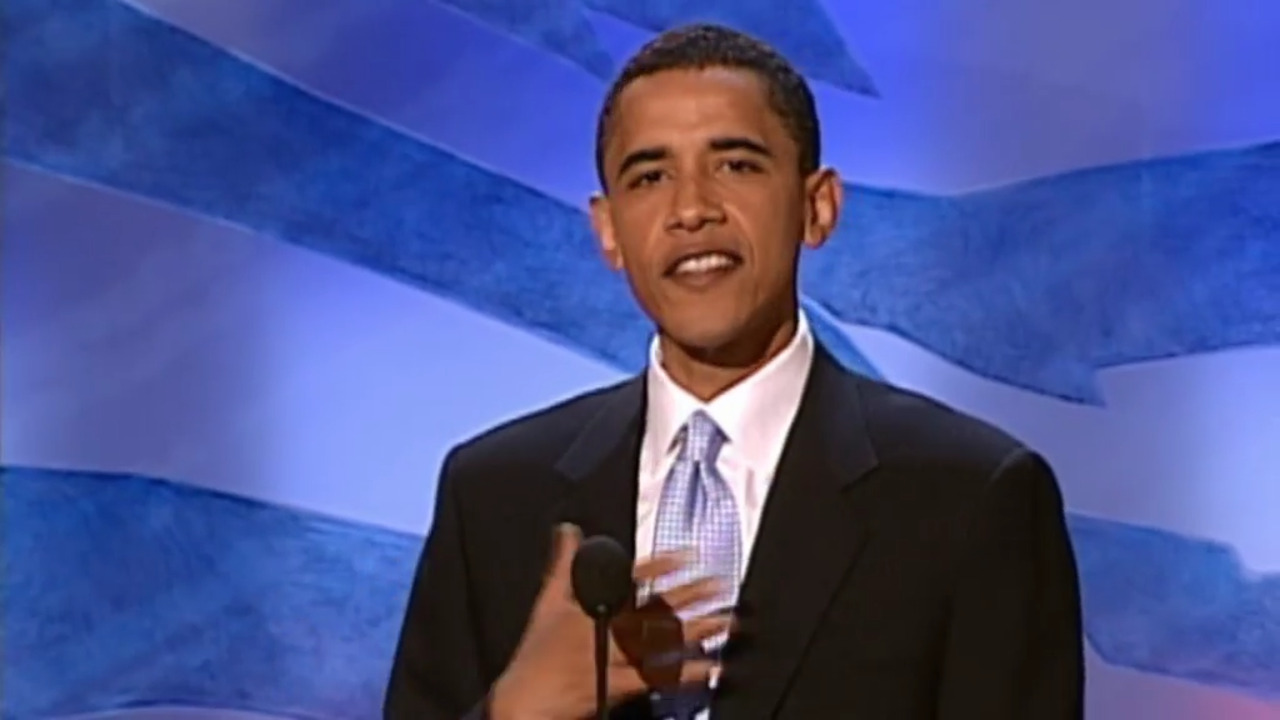
In Obama Takes the National Stage, journalist Clive Myrie covers how Barack Obama delivered the keynote address at the 2004 Democratic National Convention, a moment that would introduce him to the nation. Watch Obama’s early nerves, growing confidence, and the power of a speech that connected personal stories to broader ideas of freedom and justice. This video is excerpted from BBC’s Obama: His Story, which traces Obama’s extraordinary journey to the presidency and its meaning within the broader African American freedom struggle.
In Obama’s Political Beginnings, historian Simon Schama explains how before Barack Obama was president, he worked to organize laid off factory workers in the South Side of Chicago. As a community organizer, Obama learned how to build alliances and the importance of being at the table. This video is excerpted from BBC’s Obama’s America, in which Simon Schama examines the challenges faced by Barack Obama on the world stage and at home.
In Obama Takes the National Stage, journalist Clive Myrie covers how Barack Obama delivered the keynote address at the 2004 Democratic National Convention, a moment that would introduce him to the nation. Watch Obama’s early nerves, growing confidence, and the power of a speech that connected personal stories to broader ideas of freedom and justice. This video is excerpted from BBC’s Obama: His Story, which traces Obama’s extraordinary journey to the presidency and its meaning within the broader African American freedom struggle.