
Kid Recycler Extraordinaire!
Join “Sweet Tub Teddy” (as he was nicknamed) as he visits a recycling center where the more than 2,000 tubs he has collected will be made into furniture rather than go into a landfill. The next day, Teddy and his class are surprised with a bench of their own dedicated to Teddy and his efforts to make a difference. This video is excerpted from BBC News.
More News Stories
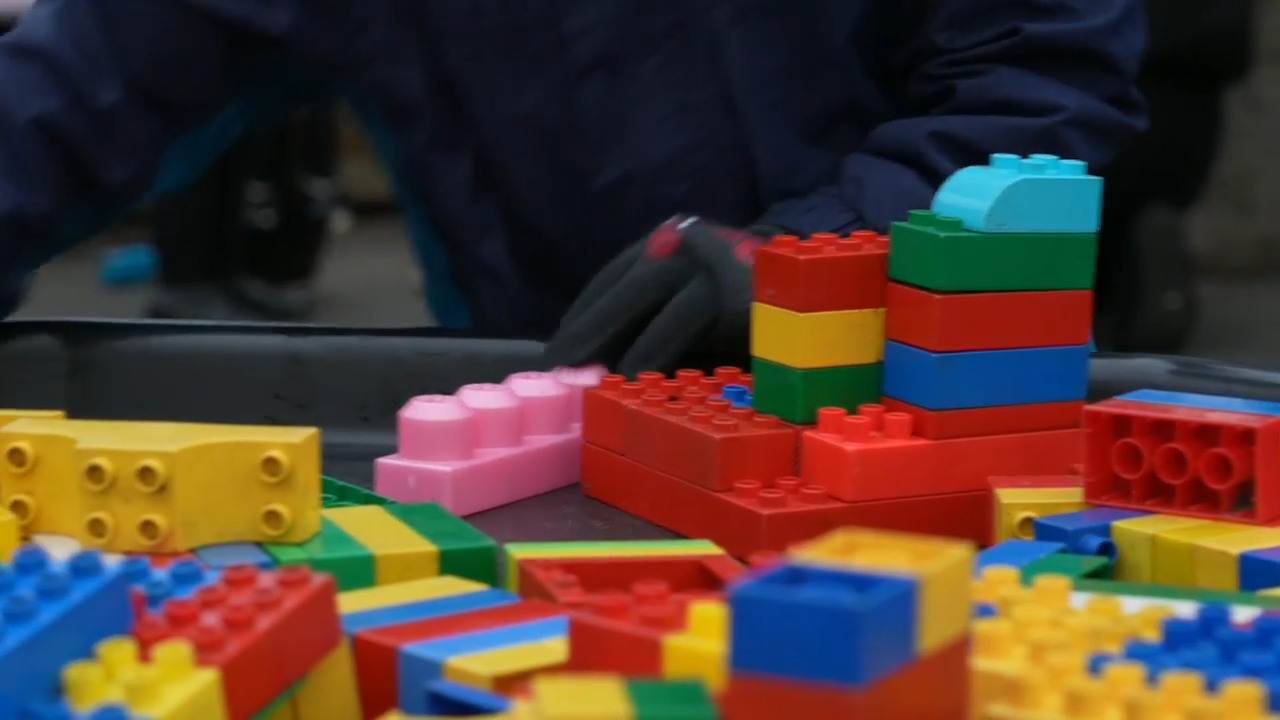
Kids today can swipe before they can tie their shoes — but some teachers say all that screen time may be changing the way young children learn, talk, and handle emotions. One preschool is pushing back by focusing on hands-on play, conversation, creativity, and movement instead of tablets and videos. Teachers say they’re seeing more kids struggle to explain what they want, calm themselves down, or interact socially after spending hours watching screens instead of experiencing the real world firsthand. Experts recommend no screens at all for children under 2, and no more than 30 minutes a day for ages 2–5.
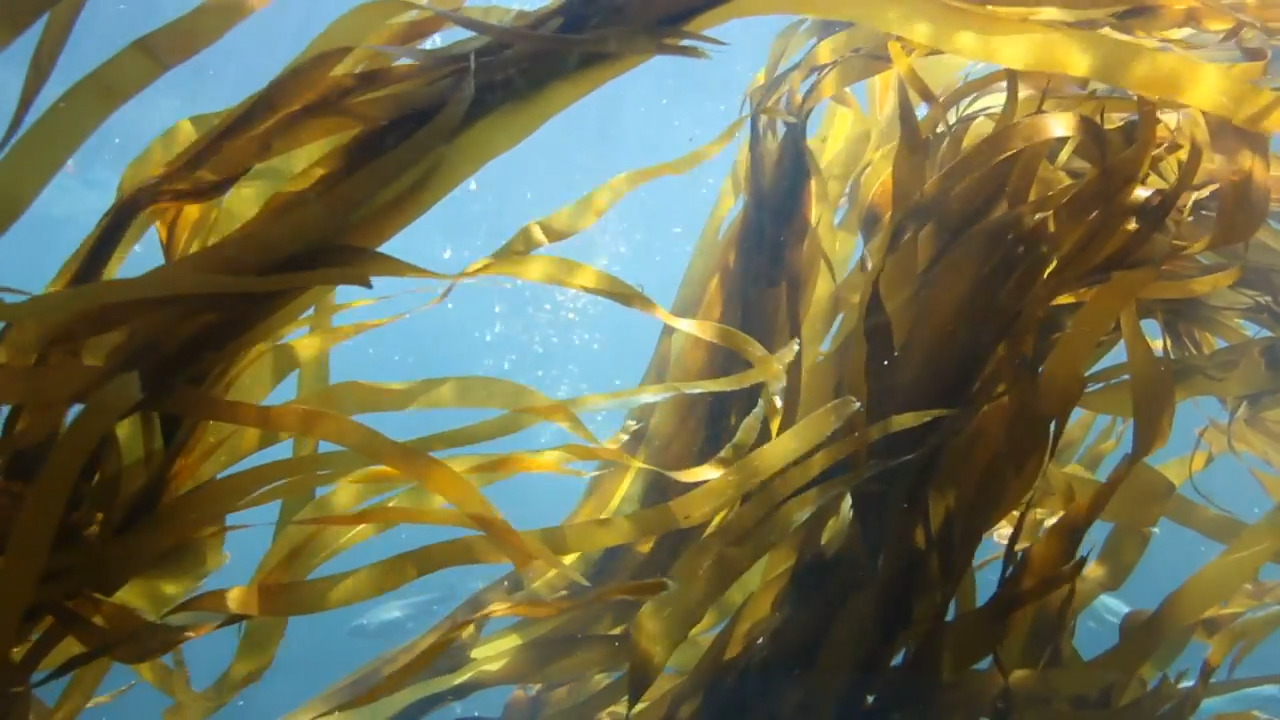
Scientists are exploring an interesting idea: what if we could replace regular plastic with something made from seaweed?
Unlike traditional plastic — which is made from fossil fuels and can take hundreds of years to break down — seaweed-based plastic is designed to decompose naturally over time. That means it could help reduce the amount of plastic waste that ends up in oceans and landfills.
But there are still challenges. Right now, seaweed plastic is expensive to produce — somewhere between two and 10 times more costly than plastic. Scientists are also working on how to grow more seaweed efficiently and make sure large-scale farming doesn’t harm ocean ecosystems.
So while seaweed plastic isn’t widely used yet, it’s a promising idea that could help tackle one of the world’s biggest pollution problems.
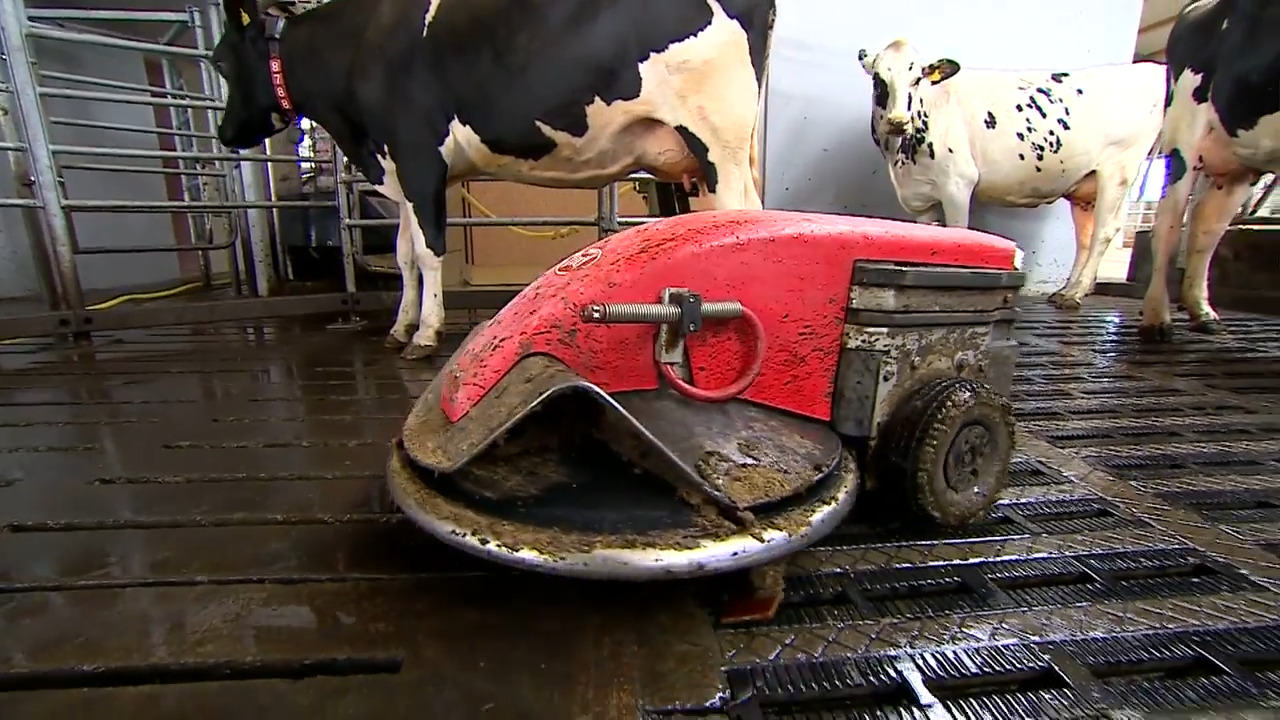
On one futuristic farm, robots do almost everything — feeding cows, cleaning barns, and even milking the animals with laser-guided machines. Farmers say the high-tech system is faster, cheaper, and more precise than human workers, helping produce more milk while lowering costs. But not everyone is impressed. Critics argue that cows are becoming part of an assembly line instead of living animals, since many never roam outside or eat fresh grass. As robots take over more jobs once done by humans, this farm raises a bigger question: when technology makes life more efficient, what might get lost along the way?
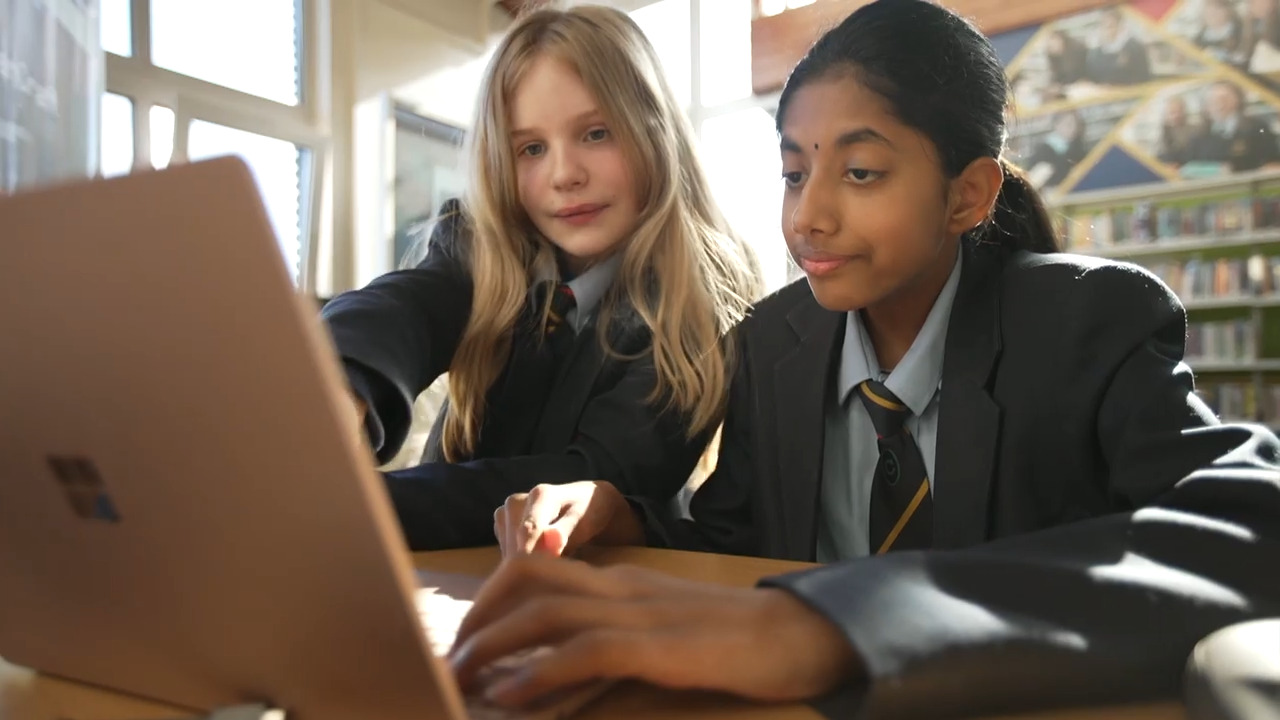
Imagine using your favorite game to help save the real world — that’s exactly what these students are doing! At Archbishop Temple School, kids are using Minecraft to recreate rising rivers and dangerous floods in their own town. Then, they design smart solutions like barriers and defenses to stop the water.
This isn’t just playtime — it’s serious problem-solving. By experimenting in a virtual world, students learn how flooding works and how to protect communities from climate change. One student said it best: they’re “learning while playing” and finding ways to help the planet.
Teachers love it too, because games like Minecraft make learning hands-on, fun, and meaningful. In this pilot project, kids aren’t just playing a game — they’re becoming real-life problem solvers who could help save cities in the future.
Kids today can swipe before they can tie their shoes — but some teachers say all that screen time may be changing the way young children learn, talk, and handle emotions. One preschool is pushing back by focusing on hands-on play, conversation, creativity, and movement instead of tablets and videos. Teachers say they’re seeing more kids struggle to explain what they want, calm themselves down, or interact socially after spending hours watching screens instead of experiencing the real world firsthand. Experts recommend no screens at all for children under 2, and no more than 30 minutes a day for ages 2–5.
Scientists are exploring an interesting idea: what if we could replace regular plastic with something made from seaweed?
Unlike traditional plastic — which is made from fossil fuels and can take hundreds of years to break down — seaweed-based plastic is designed to decompose naturally over time. That means it could help reduce the amount of plastic waste that ends up in oceans and landfills.
But there are still challenges. Right now, seaweed plastic is expensive to produce — somewhere between two and 10 times more costly than plastic. Scientists are also working on how to grow more seaweed efficiently and make sure large-scale farming doesn’t harm ocean ecosystems.
So while seaweed plastic isn’t widely used yet, it’s a promising idea that could help tackle one of the world’s biggest pollution problems.
On one futuristic farm, robots do almost everything — feeding cows, cleaning barns, and even milking the animals with laser-guided machines. Farmers say the high-tech system is faster, cheaper, and more precise than human workers, helping produce more milk while lowering costs. But not everyone is impressed. Critics argue that cows are becoming part of an assembly line instead of living animals, since many never roam outside or eat fresh grass. As robots take over more jobs once done by humans, this farm raises a bigger question: when technology makes life more efficient, what might get lost along the way?
Imagine using your favorite game to help save the real world — that’s exactly what these students are doing! At Archbishop Temple School, kids are using Minecraft to recreate rising rivers and dangerous floods in their own town. Then, they design smart solutions like barriers and defenses to stop the water.
This isn’t just playtime — it’s serious problem-solving. By experimenting in a virtual world, students learn how flooding works and how to protect communities from climate change. One student said it best: they’re “learning while playing” and finding ways to help the planet.
Teachers love it too, because games like Minecraft make learning hands-on, fun, and meaningful. In this pilot project, kids aren’t just playing a game — they’re becoming real-life problem solvers who could help save cities in the future.