Elephants Call Each Other by Name, Study Finds
New research shows that wild African elephants may use unique names to identify each other, revealing advanced thinking and social skills.
The article "Elephants Call Each Other by Name, Study Finds" from BBC's Discover Wildlife reveals that wild African elephants may use special sounds like names to call one another. Researchers found that elephants respond more when their name is called, suggesting they recognize and understand it. This discovery shows elephants may be capable of abstract thinking, like humans.

BBC's Discover Wildlife brings you closer to nature with expert advice, conservation news, the best nature writing and stunning wildlife photography. Learn more about subscriptions here.

BBC's Discover Wildlife brings you closer to nature with expert advice, conservation news, the best nature writing and stunning wildlife photography. Learn more about subscriptions here.
Most passages are available in three different versions: Level 1 (Grade 3-5), Level 2 (Grade 6-8), and Level 3 (Grade 9-12). Some more complex texts are available only in Level 2 and Level 3. Use the versions that are most appropriate for the students in your class.
Note: The BBC Learning Hub Editorial Team made use of AI tools to create multiple versions of this article, each tailored to different student reading levels. Every version undergoes a thorough review by our BBC Learning editors to ensure accuracy, quality, and appropriateness.

You Might Also Like
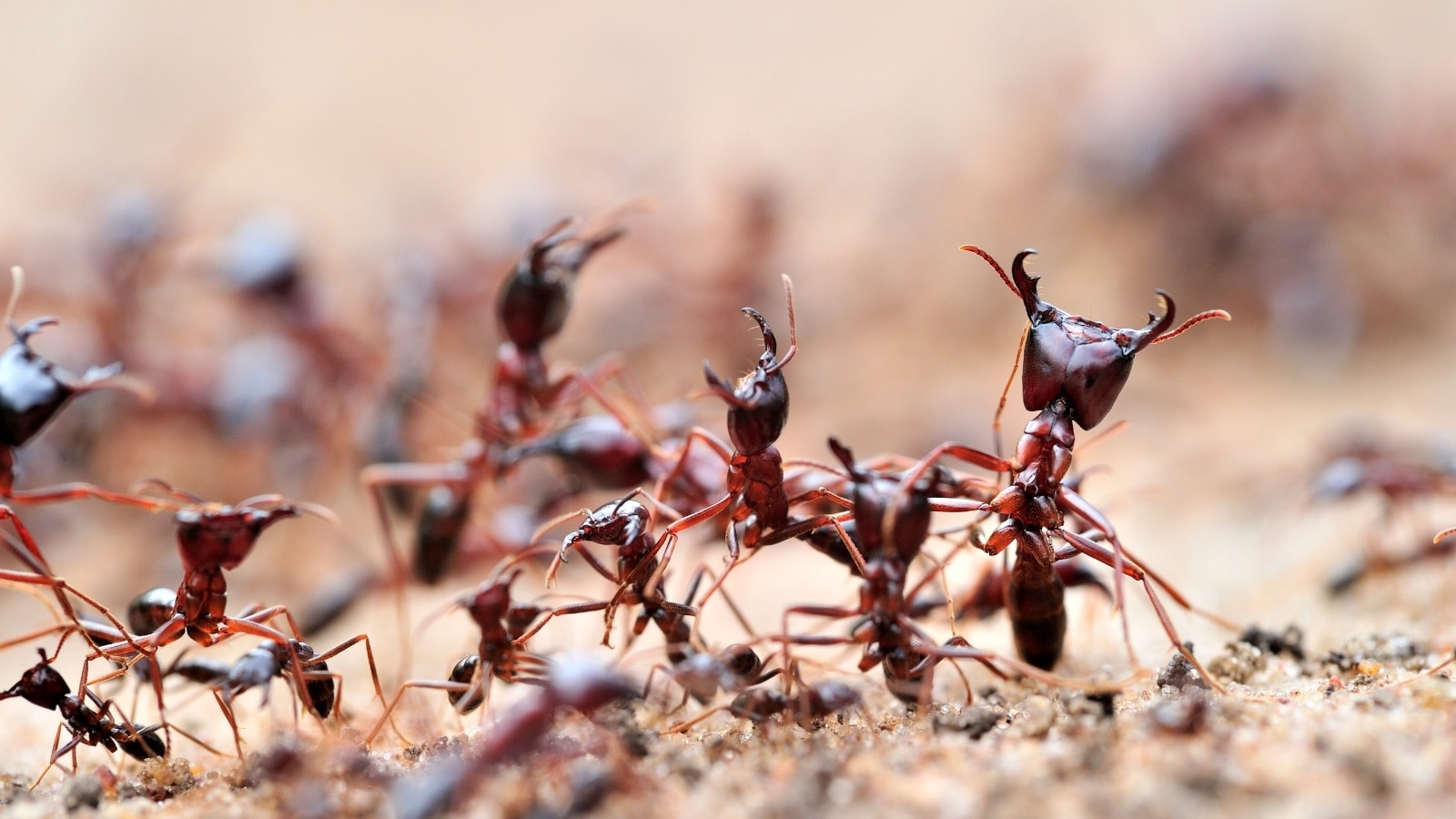
The article “Amazing Ants: Supercolonies, Survival Tricks, and Spirals of Doom” from BBC's Discover Wildlife is a deep dive into the incredible lives of ants. It explains what ants are, how they live and work together, and why some colonies can stretch for thousands of miles. It also explores strange behaviors like ant death spirals, how ants float during floods, how they treat their injured, and even use tools.

The article "Humpback Whales: Giants of the Ocean and Their Amazing Behavior" from BBC's Discover Wildlife explains the extraordinary lives of humpback whales. These giant marine mammals, known for their acrobatic leaps and complex songs, migrate across oceans, exhibit cooperative feeding behaviors like bubble-netting, and communicate in ways that mystify scientists. Despite their size, they are gentle giants, and their populations have made a remarkable recovery since the whaling industry nearly decimated them.

The article "Why Do Some Animals Glow? The Amazing Science of Bioluminescence" from BBC's Discover Wildlife explains how animals like glow-worms, squid, and fireflies produce light using special chemicals. It explores the role of luciferins and luciferase, the different colors of glow, and how creatures use this glow for communication, hunting, or self-defense.

The article "Komodo Dragons: Nature’s Giant Venomous Predators" from BBC's Discover Wildlife delves into the biology and ecology of the world's largest lizard. It covers their impressive size, unique venomous bite, dietary habits, reproductive strategies, and the threats leading to their endangered status, including habitat loss and climate change.
The article “Amazing Ants: Supercolonies, Survival Tricks, and Spirals of Doom” from BBC's Discover Wildlife is a deep dive into the incredible lives of ants. It explains what ants are, how they live and work together, and why some colonies can stretch for thousands of miles. It also explores strange behaviors like ant death spirals, how ants float during floods, how they treat their injured, and even use tools.
The article "Humpback Whales: Giants of the Ocean and Their Amazing Behavior" from BBC's Discover Wildlife explains the extraordinary lives of humpback whales. These giant marine mammals, known for their acrobatic leaps and complex songs, migrate across oceans, exhibit cooperative feeding behaviors like bubble-netting, and communicate in ways that mystify scientists. Despite their size, they are gentle giants, and their populations have made a remarkable recovery since the whaling industry nearly decimated them.
The article "Why Do Some Animals Glow? The Amazing Science of Bioluminescence" from BBC's Discover Wildlife explains how animals like glow-worms, squid, and fireflies produce light using special chemicals. It explores the role of luciferins and luciferase, the different colors of glow, and how creatures use this glow for communication, hunting, or self-defense.
The article "Komodo Dragons: Nature’s Giant Venomous Predators" from BBC's Discover Wildlife delves into the biology and ecology of the world's largest lizard. It covers their impressive size, unique venomous bite, dietary habits, reproductive strategies, and the threats leading to their endangered status, including habitat loss and climate change.